
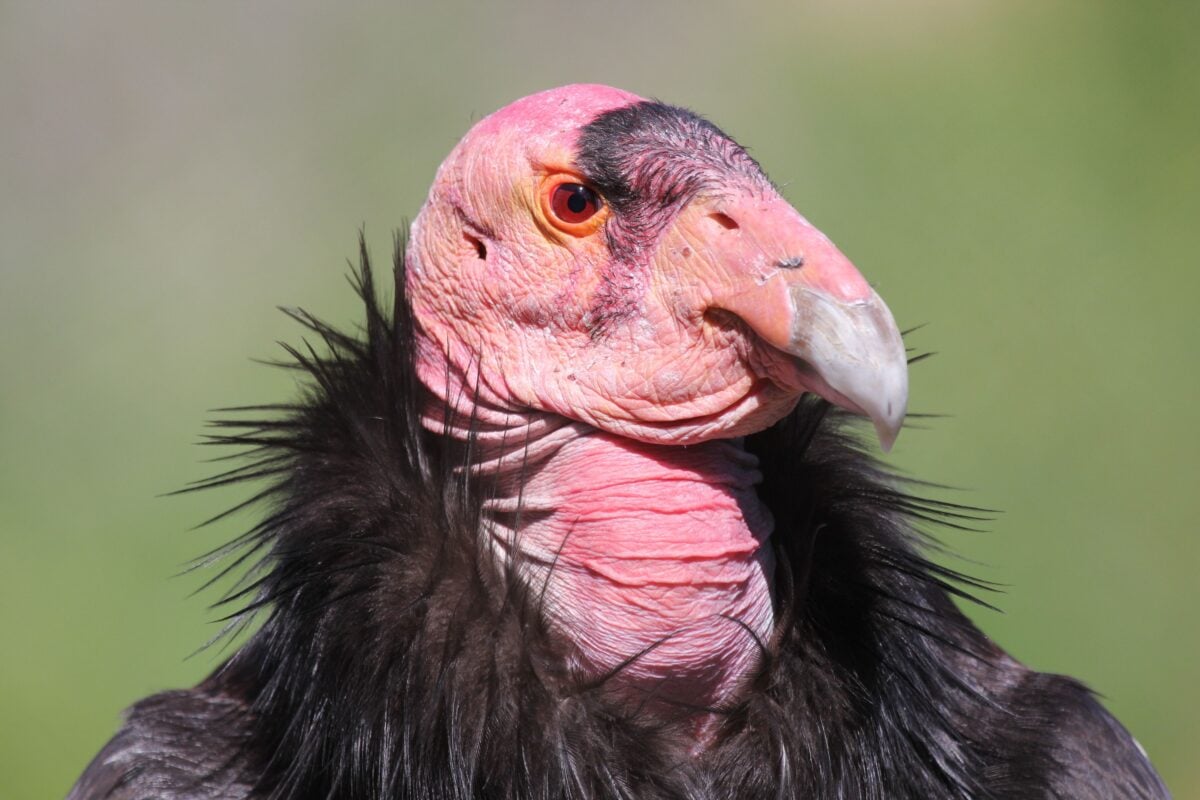

In the late twentieth century, the California condor came terrifyingly close to disappearing forever. Every bird left in the wild could be counted on your fingers, and many scientists quietly believed the species was already lost. Yet today, these giant scavengers are once again soaring above canyons and coastlines of the American West.
This recovery is not a simple feel‑good story of saving a cute animal. It is a messy, expensive, controversial, and still‑unfinished experiment in how far humans are willing to go to undo the damage we caused. The eight facts below pull back the curtain on that experiment, showing not just how the condor came back, but what it has cost us, what it has taught us, and why its future still hangs in the balance.
#1 From Just 27 Birds Left on Earth to a Growing Wild Population
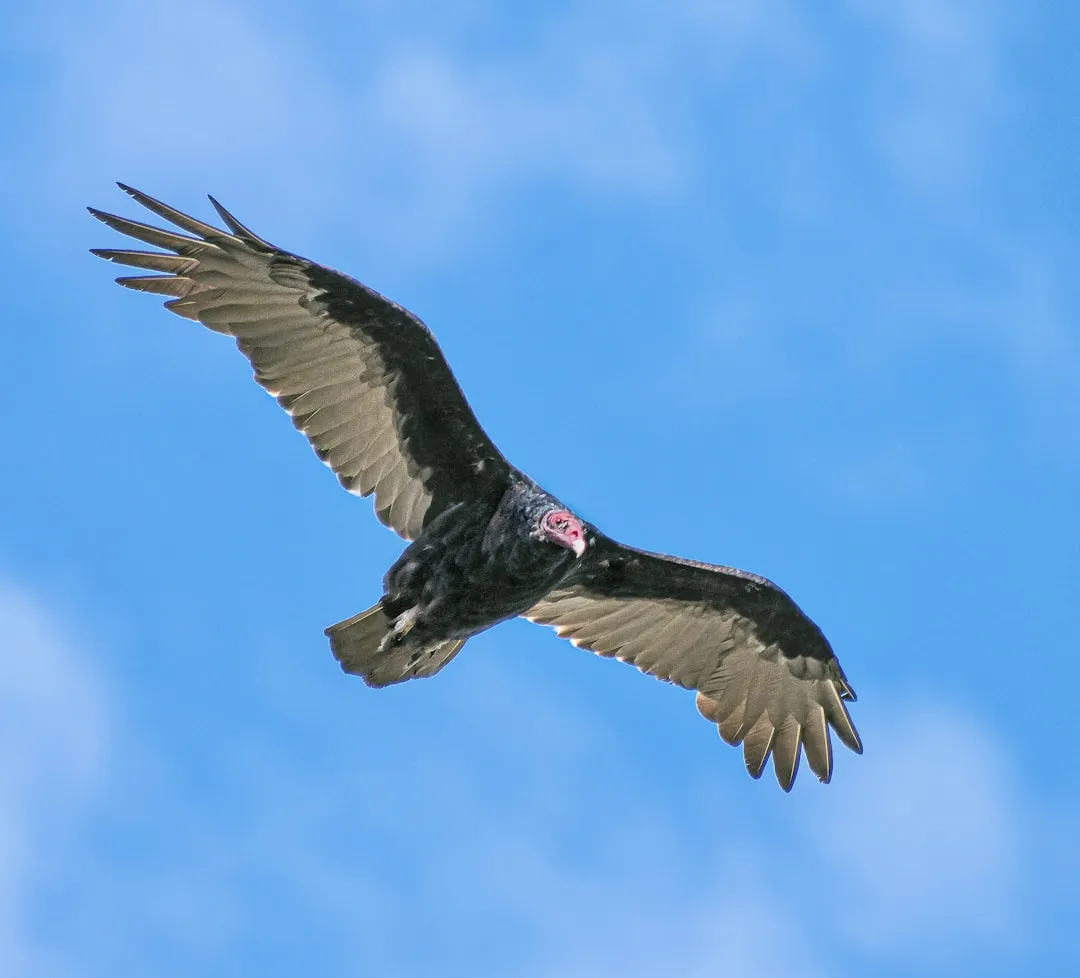
One of the most shocking facts about the California condor is how close it came to vanishing entirely. By the mid‑1980s, biologists could find only a few dozen condors left, scattered across rugged parts of California, and the last confirmed wild bird was trapped in 1987. Imagine an entire species reduced to a number smaller than a typical classroom; that was the reality for the largest flying bird in North America.
Those 27 remaining condors became the founders of all living California condors today. Every chick you see in the wild now is descended from that tiny group, which means genetic diversity is still severely limited and carefully managed. The fact that a species once pushed so close to the edge is now establishing territories across several states is both thrilling and sobering – proof that recovery is possible, but also that it can never again be taken for granted.
#2 Captive Breeding Turned Zoos into Emergency Life‑Support Units
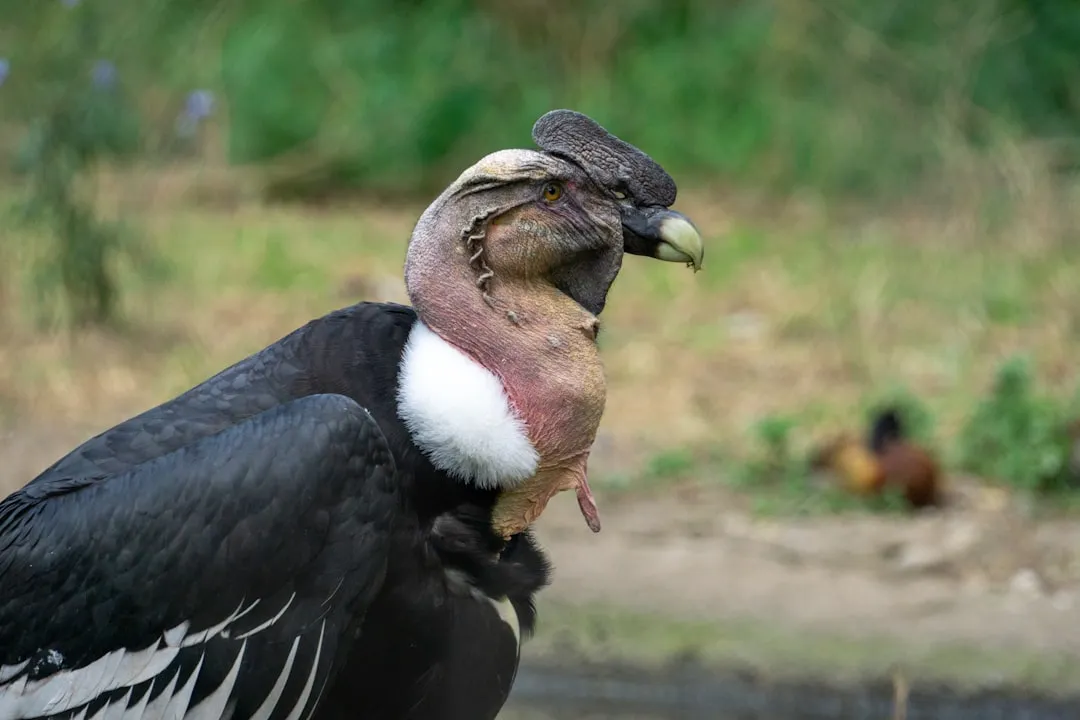
The decision to take every last condor from the wild and place them into captive breeding programs was deeply controversial at the time. Conservationists were torn: some feared that capturing the final wild birds would effectively declare the species extinct in the wild, while others argued it was the only way to prevent total extinction. In the end, the gamble was made, and the remaining condors were moved to specialized facilities at major zoos and breeding centers.
Those centers did much more than just keep the birds alive in cages. Biologists learned condor behavior in painstaking detail, monitoring how pairs bonded, how they chose nest sites, and how parents raised chicks. They used techniques like “double clutching,” where eggs were removed so pairs would lay a second one, dramatically boosting chick production. To keep chicks from imprinting on humans, staff used condor puppets and minimal direct contact, an almost surreal combination of science fiction and parenting. This intense, hands‑on management transformed zoos into temporary life‑support units for a species on the brink.
#3 Lead Poisoning Is Still the Condor’s Invisible, Deadly Enemy
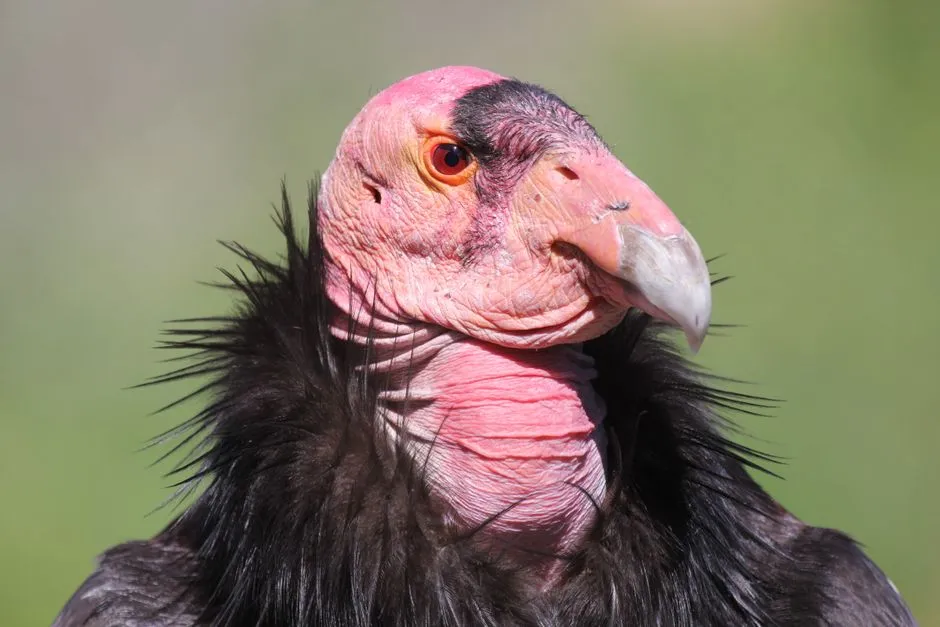
People often assume that habitat loss is the condor’s main problem, but the single biggest killer today is lead poisoning. Condors are scavengers that feed on carcasses, and when those carcasses come from animals shot with lead ammunition, tiny fragments can remain in the meat. A condor only has to feed on a few contaminated carcasses to accumulate a lethal dose of lead in its body.
Field biologists routinely capture wild condors for health checks, and many of them test positive for dangerously high lead levels. Chelation treatment – a medical procedure to pull lead from the blood – is used over and over on some individuals, like an emergency detox just to keep them alive. It’s a brutal irony: we saved the species from extinction through heroic efforts, yet many birds are still dying because a bullet fragment lighter than a paperclip was left in an otherwise perfectly good carcass.
#4 Hunting Policy and Ammunition Laws Became Conservation Tools
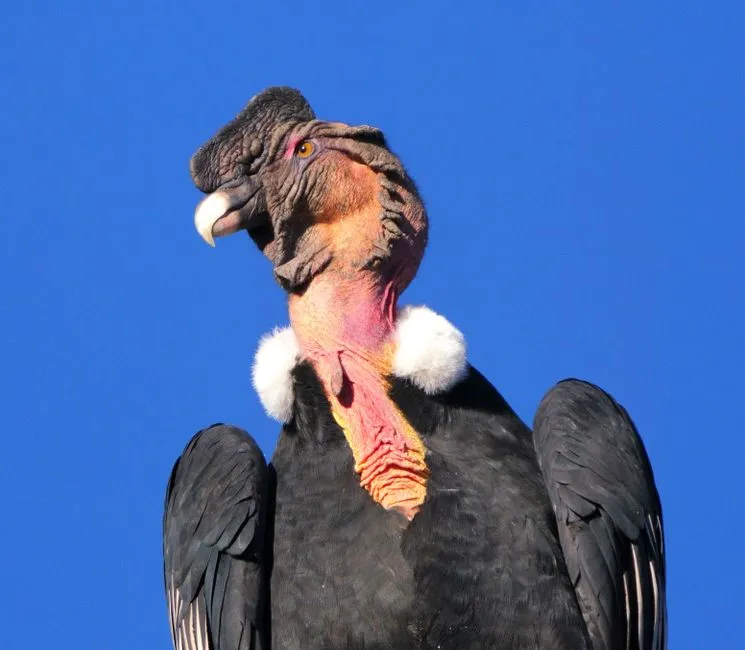
Because lead poisoning is so tightly linked to hunting ammunition, condor recovery has become a political as much as a biological issue. Wildlife agencies and lawmakers have gradually introduced restrictions and, in some regions, full bans on the use of lead bullets for hunting in condor ranges. These policies do not ban hunting itself; instead, they push a switch to alternative, non‑lead ammunition made from materials like copper.
That shift has been slow and sometimes heated, especially in communities where hunting is part of cultural identity and tradition. Some hunters embraced non‑lead ammunition quickly once they saw the evidence connecting lead fragments to poisoned scavengers, including eagles as well as condors. Others see the rules as unnecessary interference. Condor recovery, in that sense, has become a real‑world test of how willing we are to change long‑entrenched habits when we know those habits are literally killing another species.

PetSafe Oasys Pet Fountain, 1/2 Gallon (64 oz), Small Dogs & Cats
Check Price on AmazonAs an Amazon Associate, we earn from qualifying purchases.
10/8/2026 8:14 am GMTi

Halloween Dog Collar with Bow, Orange Cute Ghost Collar,
Check Price on AmazonAs an Amazon Associate, we earn from qualifying purchases.
10/9/2026 2:43 pm GMTi

Halloween Cat Costume Cloak Witch Hat Pet Accessories
Check Price on AmazonAs an Amazon Associate, we earn from qualifying purchases.
10/9/2026 2:44 pm GMTi

Air Purifiers for Home Pets Large Room Up to 3000 Ft²,HEPA Air Cleaner with Washable Double-Side Filter, PM2.5 Air Quality Monitor,15dB Sleep Mode for Bedroom Odor Dust Pollen,White
Check Price on AmazonAs an Amazon Associate, we earn from qualifying purchases.
10/8/2026 8:23 am GMTi

Earth Rated XL Dog & Puppy Pee Pads, Discreet Top, Max Absorbency
Check Price on AmazonAs an Amazon Associate, we earn from qualifying purchases.
10/7/2026 1:28 pm GMTi
#5 Release Sites Stretch from Coastal Cliffs to Desert Canyons
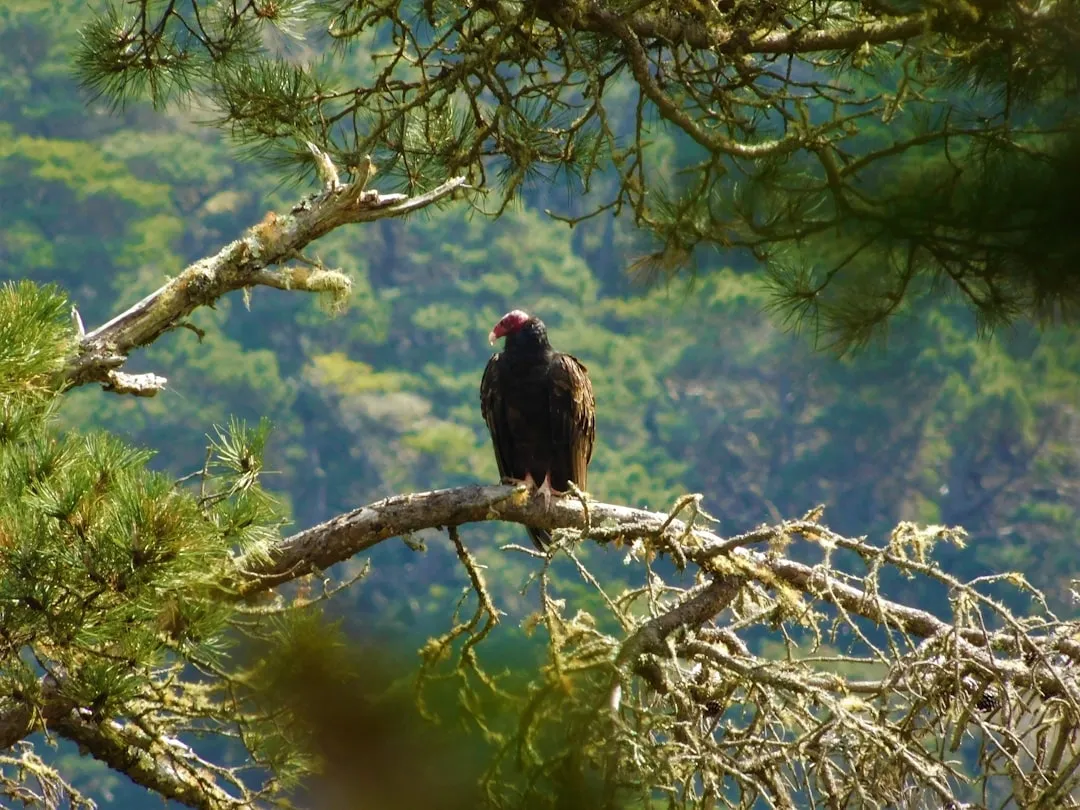
When people picture the California condor, they often imagine just one region, but reintroduction sites now span a surprisingly wide range of landscapes. Birds have been released near the California coast, in rugged inland mountains, in the canyon country of the Southwest, and in other carefully chosen areas that mimic historic range. Each release site comes with different challenges – cliffs, power lines, hikers, highways, and even wind farms all shape how condors move and survive.
Before being released, juvenile condors spend time in large enclosures at these locations, learning from older birds and practicing essential skills like flying and social interaction. Once free, they are tracked by wing tags and radio or GPS transmitters that let biologists follow their movements in astonishing detail. When you see a condor soaring over a national park today, you’re not just looking at a bird; you’re seeing the outcome of years of planning and a quiet army of people working behind the scenes to make that moment possible.
#6 Condors Reproduce Slowly, So Every Chick Matters
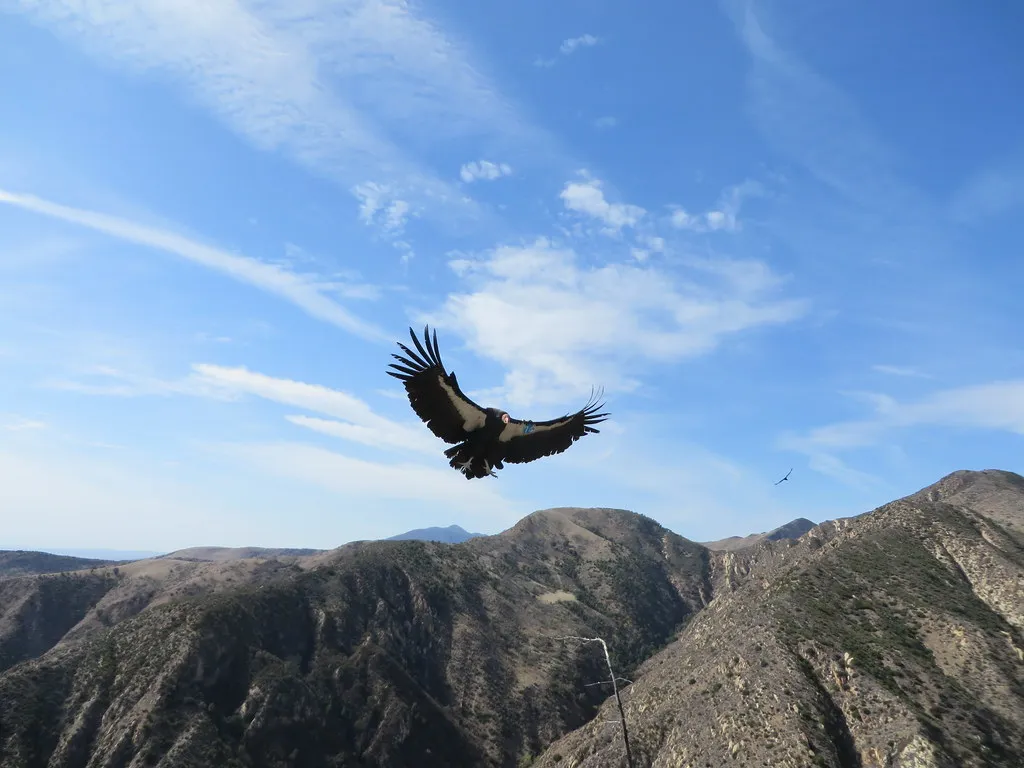
Unlike small birds that can produce several broods of chicks each year, California condors are about as slow as it gets when it comes to reproduction. A mature pair usually lays only one egg at a time, and in the wild, that one egg might be their only attempt for a year or even more. If a chick dies or an egg fails, there is no quick replacement; a lost breeding season is truly lost time for the entire population.
This slow pace is why biologists hover so anxiously over each nest. Nest cameras, field visits, and careful record‑keeping turn every egg into a high‑stakes story tracked by teams across different institutions. When a chick fledges successfully and later turns up alive in a field survey, it’s treated like a small miracle. Seen in that light, the condor’s comeback is even more impressive, because it relies on a species that simply cannot bounce back quickly in the way fast‑breeding animals can.

Glass Hummingbird Feeder for Outdoors Hanging, 16 oz Leak-Proof Nectar Feeder with Bee Guards & Ant Moat
Check Price on AmazonAs an Amazon Associate, we earn from qualifying purchases.
10/7/2026 1:22 pm GMTi

Orthopedic Extra Large Dog Bed, Waterproof Washable XL Pet Bed 44"
Check Price on AmazonAs an Amazon Associate, we earn from qualifying purchases.
10/7/2026 1:32 pm GMTi

Hand Blown Glass Hummingbird Feeders for Outdoors Hanging, 24oz Wild Bird Nectar Feeder
Check Price on AmazonAs an Amazon Associate, we earn from qualifying purchases.
10/7/2026 1:23 pm GMTi

Glass Hummingbird Feeder for Outdoors Hanging
Check Price on AmazonAs an Amazon Associate, we earn from qualifying purchases.
10/7/2026 1:21 pm GMTi

2 Pcs Halloween Pet Hat Bandana Set, Witch Pumpkin Costumes for Dogs
Check Price on AmazonAs an Amazon Associate, we earn from qualifying purchases.
10/9/2026 2:45 pm GMTi
#7 Indigenous Leadership Is Helping Shape the Condor’s Future

Long before scientists attached radio transmitters to condors, many Indigenous cultures of the West saw these birds as powerful, sacred beings. In recent decades, tribal nations have not only welcomed condors back to their ancestral skies but have taken active roles in planning and carrying out reintroduction projects. That means condor recovery has shifted from being purely a government‑led program to something more collaborative and rooted in older relationships with the land.
In practical terms, Indigenous leadership has brought new perspectives on where condors should be reintroduced, how communities should be involved, and what “success” really means. Cultural values and ecological goals are being woven together – condors are not just endangered animals to be counted, but relatives returning home. As someone who has worked with tribal communities in other conservation issues, I think this is one of the most hopeful parts of the story: it suggests recovery can be about healing more than just a species, but also the ties between people and place.

Smart Bird Feeder with Camera Solar Powered, 2K HD Live Video, 10,000+ Bird Species AI Identification
Check Price on AmazonAs an Amazon Associate, we earn from qualifying purchases.
10/7/2026 1:22 pm GMTi

Portable Dog Water Bottle Foldable Dog Travel Water Bottle
Check Price on AmazonAs an Amazon Associate, we earn from qualifying purchases.
10/7/2026 1:29 pm GMTi

Dog Stairs for Bed 18" H, 4-Step Dog Steps for High Bed
Check Price on AmazonAs an Amazon Associate, we earn from qualifying purchases.
10/9/2026 2:42 pm GMTi

Professional 7 in 1 Dog Paw Cleaner for Dogs & Cats - Includes 1 Portable Paw Washer, 1 Bath Brush
Check Price on AmazonAs an Amazon Associate, we earn from qualifying purchases.
10/7/2026 1:26 pm GMTi
#8 The Condor’s Recovery Is a Triumph – and a Warning
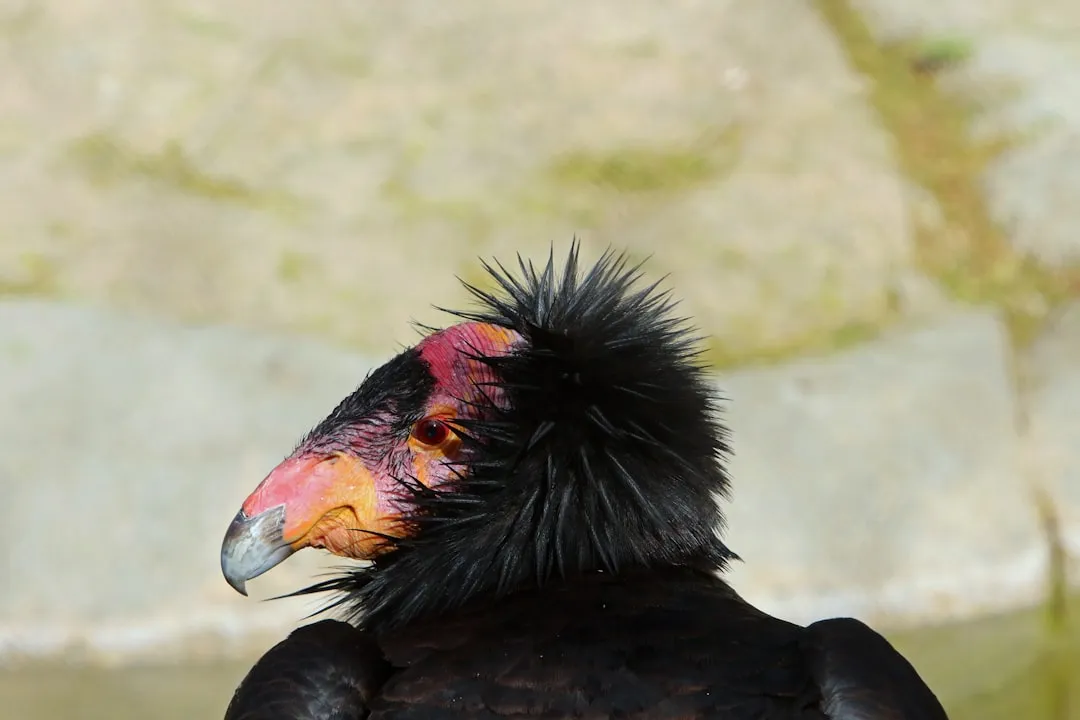
It’s tempting to treat the California condor as a clean‑cut conservation victory: we nearly lost a species, we poured in money and effort, and now it flies again. But the truth is messier and more uncomfortable. These birds still rely on ongoing human intervention – health checks, supplemental food in some areas, lead monitoring, and constant research. If that support suddenly disappeared, the population would probably crash again. That’s not the neat, self‑sustaining recovery many people like to imagine.
My own view is that the condor’s story is both inspiring and accusatory at the same time. It proves that when we decide a species matters, we can move mountains to save it, yet it also reveals how much damage our technologies and habits can quietly inflict. Standing under a condor’s shadow as it glides overhead is unforgettable, like watching a piece of deep time pass above you. The real question is whether we’re willing to change enough so that these birds can one day survive without us acting as their life support – what would you honestly bet on?

- 8 Facts About American Alligators That Explain How Their Lineage Has Survived Since the Age of Dinosaurs - November 12, 2026
- 8 Facts About the California Condor's Remarkable Recovery - November 12, 2026
- The Silent Promise Your Dog Makes Every Time They Follow You From Room to Room - November 12, 2026