
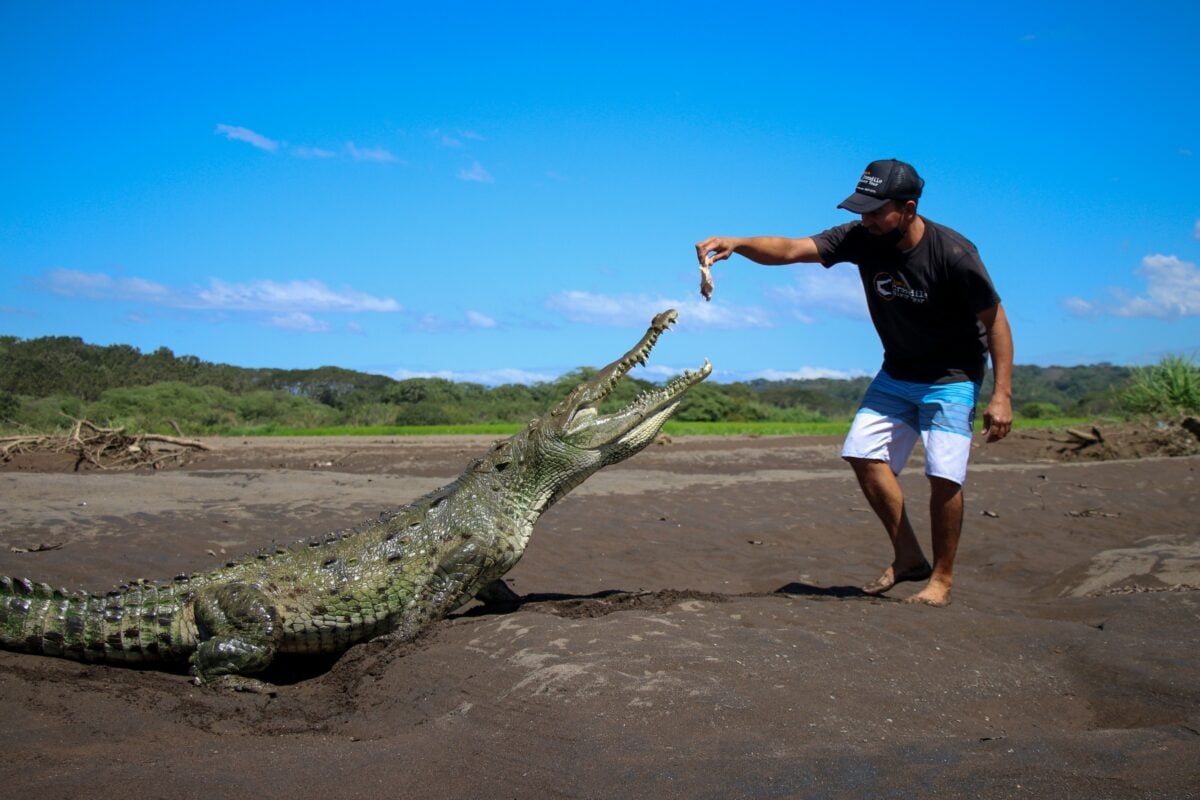

Picture a still, brown stretch of water in Louisiana or Florida. A pair of eyes and a ridge of nostrils sit just above the surface, and nothing else moves. What you’re looking at is a design that has worked for a very long time.
The American alligator isn’t a dinosaur, though people often say so. It belongs to a group of reptiles, the crocodilians, whose ancestors shared the planet with dinosaurs and then kept going after the big extinction event that ended most of them. The reasons behind that staying power are less about brute force than you might expect.
1. They Belong to an Ancient Branch of the Reptile Family Tree
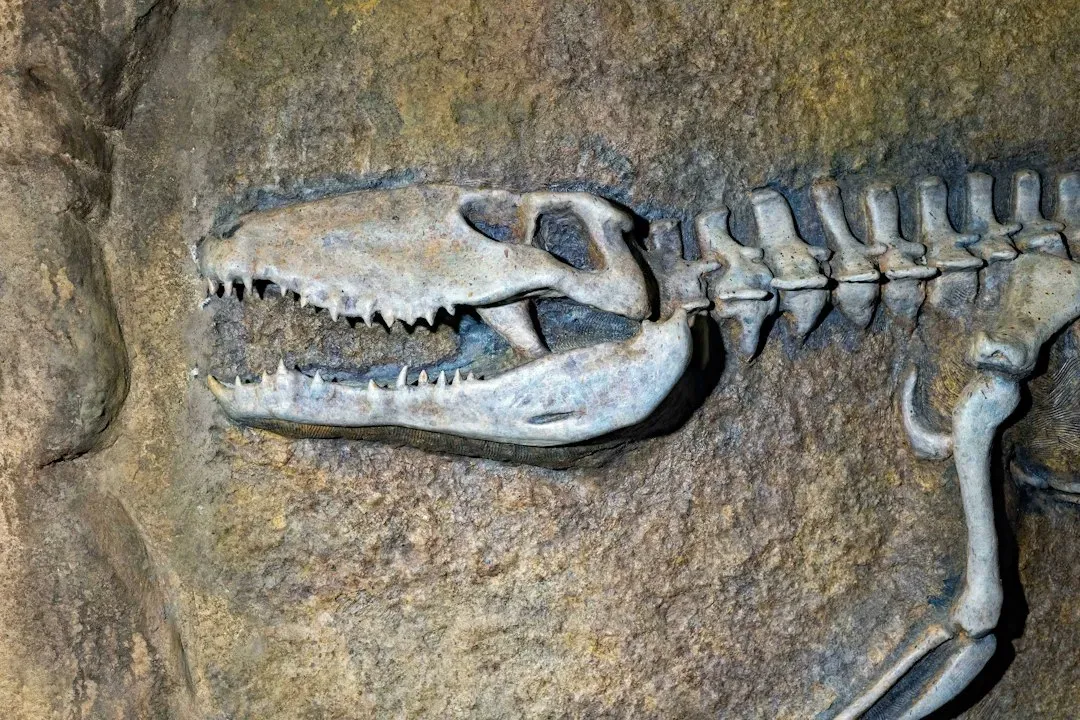
Crocodilians are archosaurs, the same broad group that includes dinosaurs and birds. Their lineage goes back well over two hundred million years. Alligators as a distinct group appeared much later, but they inherited a body plan that was already proven.
That’s why the “living fossil” label gets thrown around so often. It’s a bit misleading, because alligators have kept evolving. Still, their overall shape has stayed remarkably consistent, which hints that the basic recipe didn’t need much fixing.
2. Their Bodies Are Built for Ambush, Not Chase
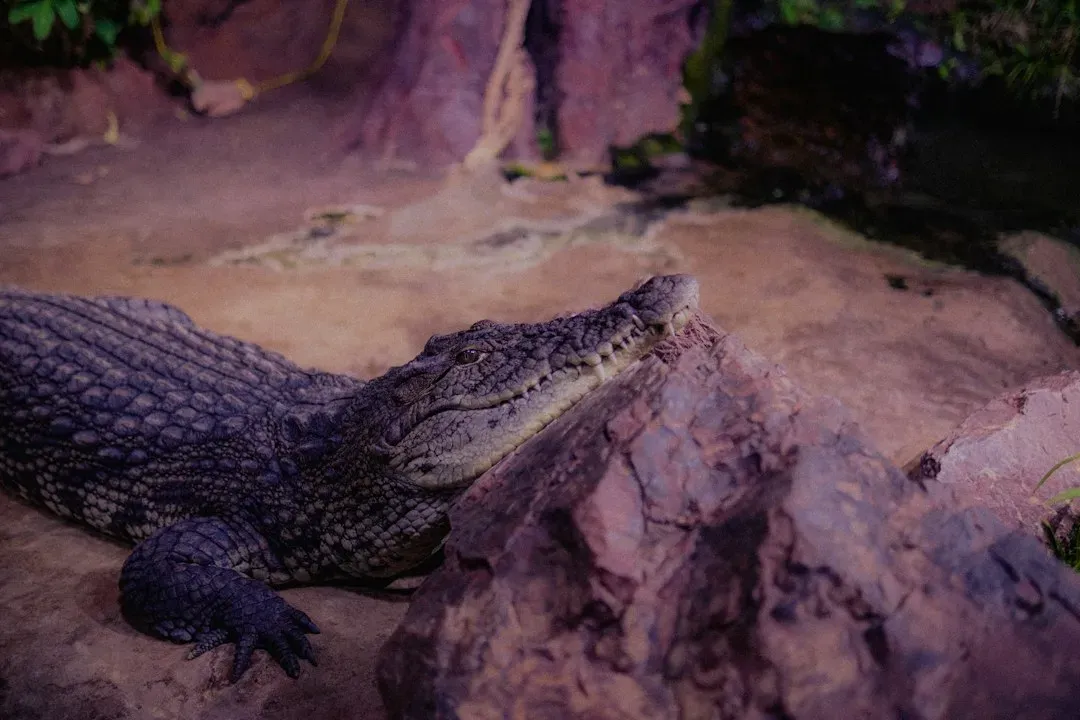
An alligator’s eyes, ears and nostrils sit high on its head. That lets it lie almost fully submerged while still seeing, hearing and breathing. A powerful tail does the swimming, and short bursts of speed handle the rest.
It’s an efficient way to hunt. Instead of burning energy running prey down, the animal waits for something to come within reach. Patience, in this case, is a survival strategy.
3. A Slow Metabolism Lets Them Go Long Stretches Without Food
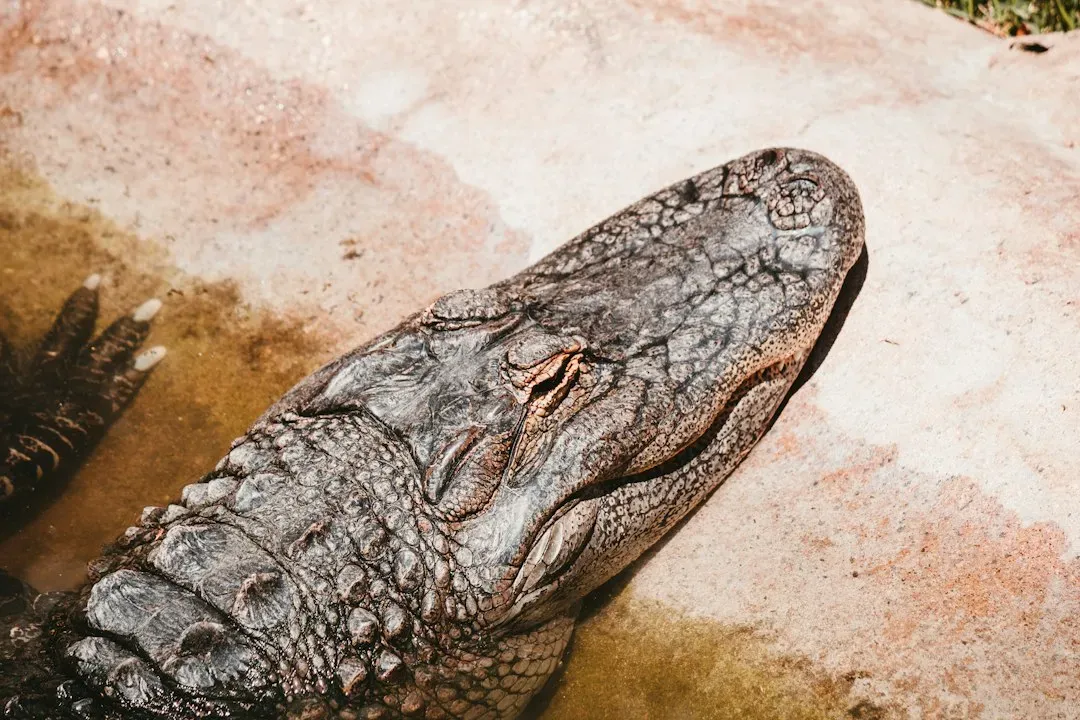
Alligators are ectotherms, meaning they rely on the environment for body heat rather than producing it internally. That costs far less energy than being warm blooded. A large adult can go for extended periods without eating, especially when it’s cool.
This matters when conditions turn rough. Droughts, cold snaps and food shortages hit animals with high energy needs much harder. Alligators can simply slow down and wait things out.
4. They Eat Almost Anything Available
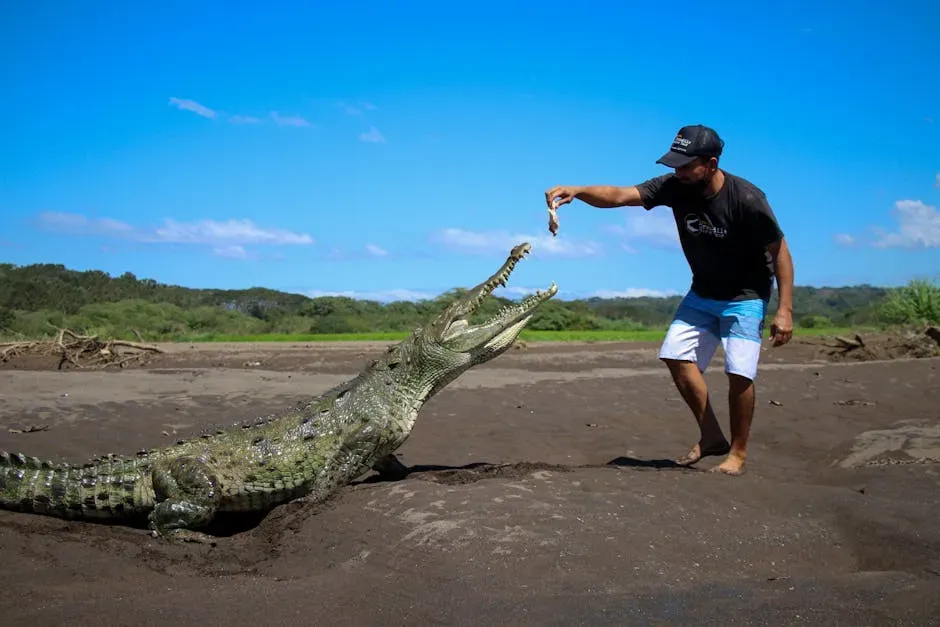
Young alligators feed mostly on insects, small fish and snails. As they grow, the menu expands to larger fish, turtles, birds and mammals. They’ll also scavenge when the opportunity comes up.
That flexibility is a real advantage. A species tied to one food source is vulnerable when that source disappears. An animal that adjusts its diet to whatever the local wetland offers has far more options.

2 Pcs Halloween Pet Hat Bandana Set, Witch Pumpkin Costumes for Dogs
Check Price on AmazonAs an Amazon Associate, we earn from qualifying purchases.
10/9/2026 2:45 pm GMTi

Orthopedic Extra Large Dog Bed, Waterproof Washable XL Pet Bed 44"
Check Price on AmazonAs an Amazon Associate, we earn from qualifying purchases.
10/7/2026 1:32 pm GMTi

Halloween Dog Collar with Bow, Orange Cute Ghost Collar,
Check Price on AmazonAs an Amazon Associate, we earn from qualifying purchases.
10/9/2026 2:43 pm GMTi

Glass Hummingbird Feeder for Outdoors Hanging, 16 oz Leak-Proof Nectar Feeder with Bee Guards & Ant Moat
Check Price on AmazonAs an Amazon Associate, we earn from qualifying purchases.
10/7/2026 1:22 pm GMTi

Smart Bird Feeder with Camera Solar Powered, 2K HD Live Video, 10,000+ Bird Species AI Identification
Check Price on AmazonAs an Amazon Associate, we earn from qualifying purchases.
10/7/2026 1:22 pm GMTi
5. Their Bite Is Powerful, and Their Teeth Are Endlessly Replaceable
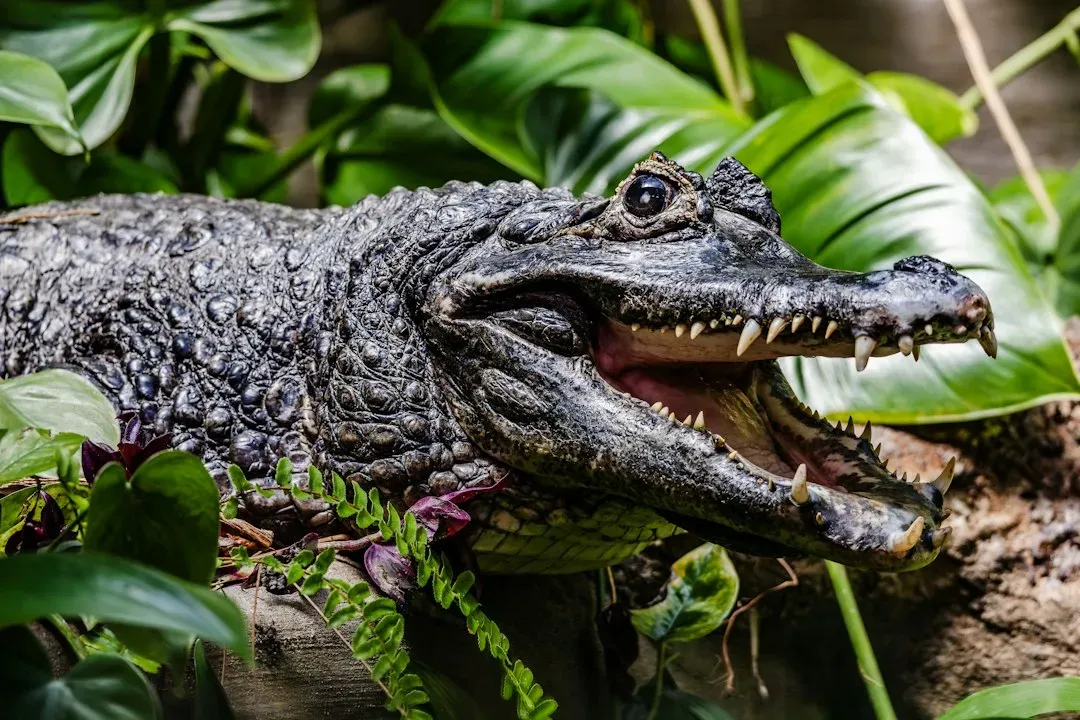
Alligators have among the strongest bites measured in any living animal. Researchers have recorded forces far beyond what humans can produce, which helps them crack turtle shells and hold struggling prey. The jaws are better at clamping down than at opening, which is why a person can hold a small gator’s mouth shut with their hands.
Their teeth are replaced continuously throughout life. A broken or worn tooth is soon followed by a new one growing in. For a predator that depends on its mouth, that’s a useful built-in repair system.
6. Temperature Decides Whether Hatchlings Are Male or Female
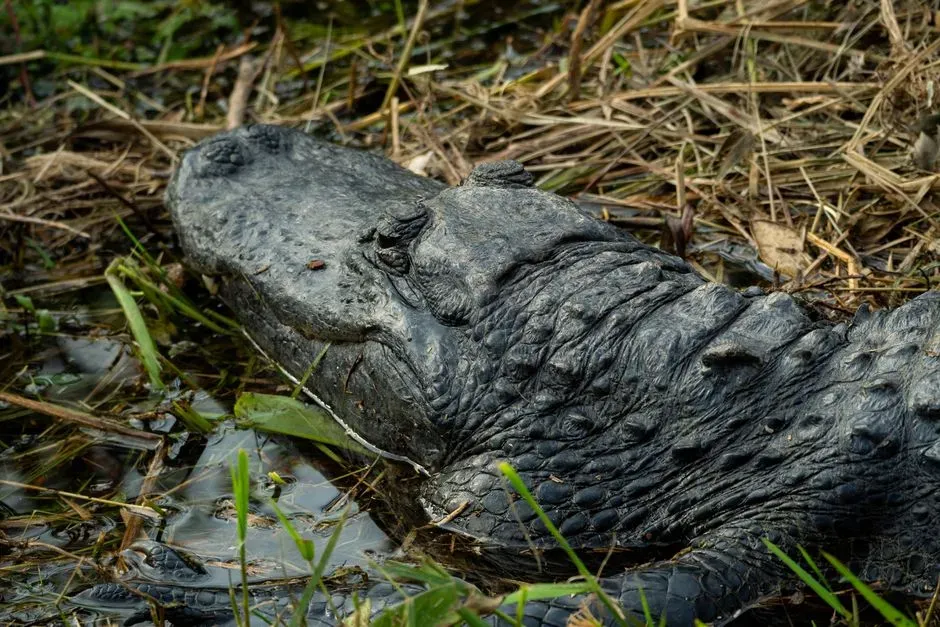
Alligators don’t have sex chromosomes that determine the sex of offspring. Instead, the temperature of the nest during a critical stage of incubation does the job. Cooler conditions tend to produce females, while warmer ones tend to produce males, with a narrow band in between that can yield both.
This system has persisted through enormous environmental change, though it also raises questions about a warming climate. Scientists are watching how nest temperatures might shift sex ratios over time. It’s an area where the long view says one thing and the near future remains uncertain.

Hand Blown Glass Hummingbird Feeders for Outdoors Hanging, 24oz Wild Bird Nectar Feeder
Check Price on AmazonAs an Amazon Associate, we earn from qualifying purchases.
10/7/2026 1:23 pm GMTi

Glass Hummingbird Feeder for Outdoors Hanging
Check Price on AmazonAs an Amazon Associate, we earn from qualifying purchases.
10/7/2026 1:21 pm GMTi

Professional 7 in 1 Dog Paw Cleaner for Dogs & Cats - Includes 1 Portable Paw Washer, 1 Bath Brush
Check Price on AmazonAs an Amazon Associate, we earn from qualifying purchases.
10/7/2026 1:26 pm GMTi

PetSafe Oasys Pet Fountain, 1/2 Gallon (64 oz), Small Dogs & Cats
Check Price on AmazonAs an Amazon Associate, we earn from qualifying purchases.
10/8/2026 8:14 am GMTi

Earth Rated XL Dog & Puppy Pee Pads, Discreet Top, Max Absorbency
Check Price on AmazonAs an Amazon Associate, we earn from qualifying purchases.
10/7/2026 1:28 pm GMTi
7. Mothers Guard Nests and Care for Their Young
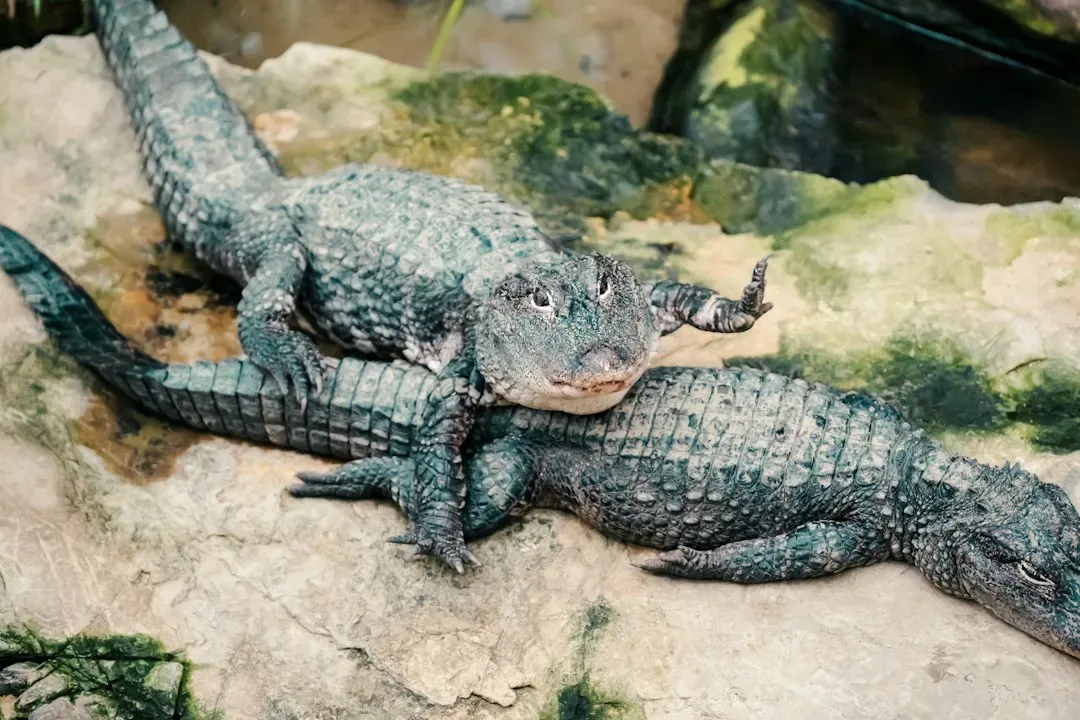
Female alligators build mound nests out of vegetation and mud. The rotting plant material generates warmth, which helps incubate the eggs. She usually stays nearby to defend the nest from raiders such as raccoons.
When the hatchlings begin chirping from inside their eggs, the mother may help uncover them and carry some to the water. Young often stay near her for a year or more. That level of parental care is unusual among reptiles and boosts the odds that small, vulnerable animals make it to adulthood.
8. They Reshape Wetlands in Ways Other Species Rely On
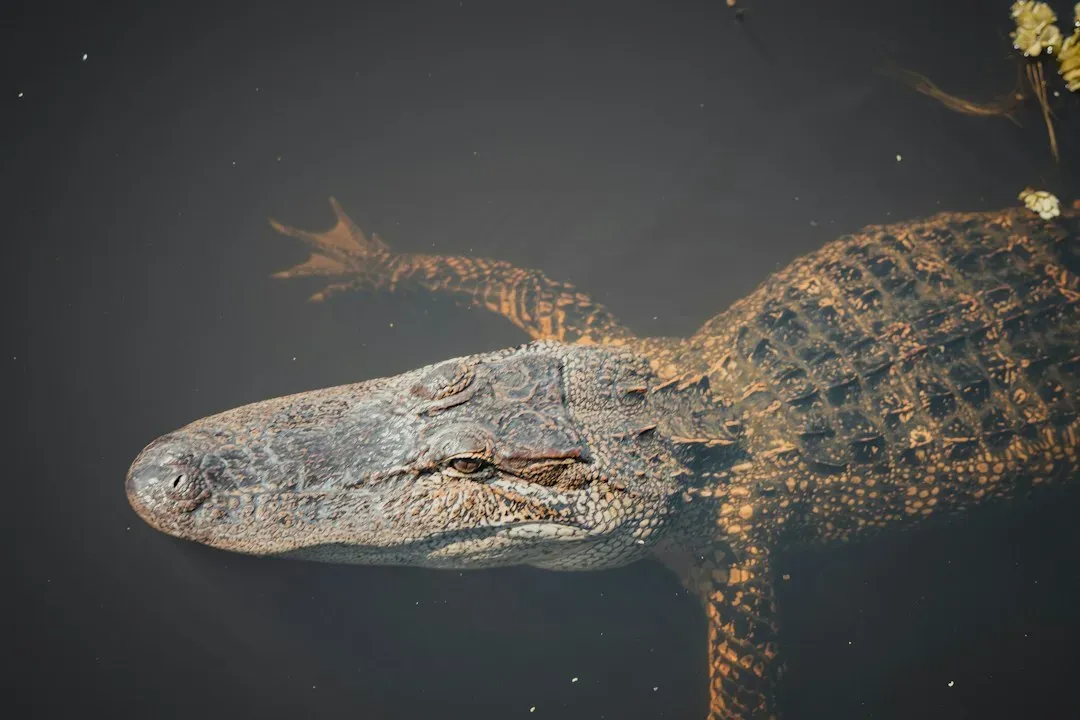
Alligators dig out basins known as gator holes. During dry spells, these hold water, giving fish, turtles, birds and other animals a refuge. The animals that gather there can also become food, but the habitat benefit is real.
They’ve also bounced back from serious trouble. Overhunting and habitat loss pushed them to the brink in the twentieth century, and they were listed under the Endangered Species Act in the 1960s. Protection and regulated management helped populations recover, and they were later removed from the endangered list, which is a conservation success worth remembering.

Halloween Cat Costume Cloak Witch Hat Pet Accessories
Check Price on AmazonAs an Amazon Associate, we earn from qualifying purchases.
10/9/2026 2:44 pm GMTi

Portable Dog Water Bottle Foldable Dog Travel Water Bottle
Check Price on AmazonAs an Amazon Associate, we earn from qualifying purchases.
10/7/2026 1:29 pm GMTi

Dog Stairs for Bed 18" H, 4-Step Dog Steps for High Bed
Check Price on AmazonAs an Amazon Associate, we earn from qualifying purchases.
10/9/2026 2:42 pm GMTi

Air Purifiers for Home Pets Large Room Up to 3000 Ft²,HEPA Air Cleaner with Washable Double-Side Filter, PM2.5 Air Quality Monitor,15dB Sleep Mode for Bedroom Odor Dust Pollen,White
Check Price on AmazonAs an Amazon Associate, we earn from qualifying purchases.
10/8/2026 8:23 am GMTi
Final Thoughts
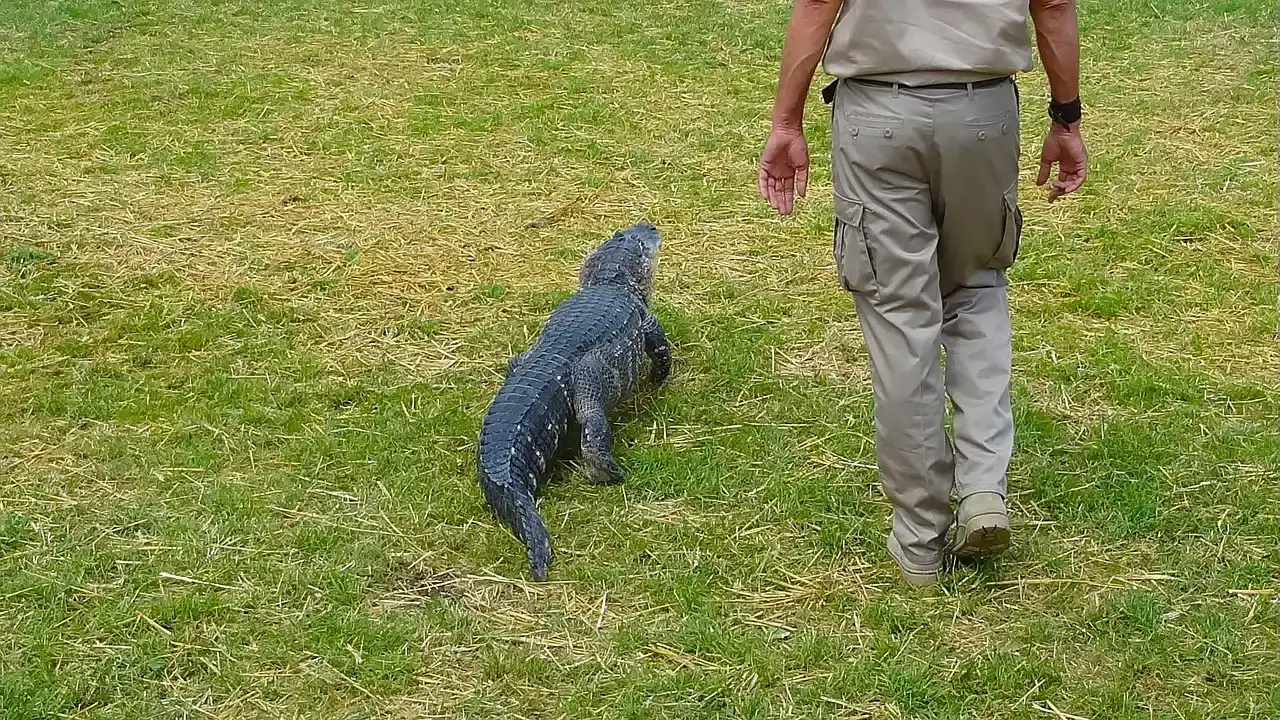
My view is that alligators earn their reputation not by being flashy but by being adaptable, frugal and quietly clever. Their story pushes back against the idea that survival belongs to the biggest or fastest. It tends to favor the animals that waste the least and adjust the most.
They also remind us that survival isn’t guaranteed, even for an ancient lineage. It took human protection to pull them back from the edge. If a creature that outlasted the dinosaurs needed our help, we should take wetland conservation seriously.

- 8 Facts About American Alligators That Explain How Their Lineage Has Survived Since the Age of Dinosaurs - November 12, 2026
- 8 Facts About the California Condor's Remarkable Recovery - November 12, 2026
- The Silent Promise Your Dog Makes Every Time They Follow You From Room to Room - November 12, 2026