
There’s something haunting about a species teetering on the edge of oblivion. The red wolf knows this precarious balance better than most. Picture this: a creature so rare that you could count nearly every living wild individual on your fingers and toes. We’re talking about an animal that once prowled from Texas to New York, now confined to a sliver of coastal North Carolina.
This isn’t just another endangered species story. This is America’s wolf, the only large predator whose entire historical range exists solely within the United States. Yet most people have never heard of it. Let’s dive into what makes this elusive canine so remarkable, and why its story should matter to all of us.
They’re Truly America’s Wolf
The red wolf is a critically endangered canine native to the southeastern United States, earning it the nickname of America’s wolf for good reason. Unlike the gray wolf, whose range extends into Canada and beyond, the red wolf’s story is intimately tied to American soil. Red wolves were once distributed throughout the southeastern and south-central United States from the Atlantic Ocean to central Texas, southeastern Oklahoma and southwestern Illinois in the west.
Think about the sheer scope of that historical range. These wolves witnessed the birth of the nation, roaming through landscapes that would become some of our most populated regions. This creature has lost more of its historical territory, nearly all of it, than any other large carnivore, including lions, tigers and snow leopards. That’s a staggering loss of home.
The Red Wolf Was Declared Extinct in the Wild
Here’s where the story gets really intense. In 1980, after decades of habitat loss and hunting, America’s only endemic wolf was declared extinct in the wild. Let that sink in for a moment. An entire species, gone from its natural habitat.
The culprits were predictable: government-sponsored predator control programs, habitat destruction, and relentless persecution by humans who viewed wolves as threats to livestock. Four hundred animals were captured from southwestern Louisiana and southeastern Texas from 1973 to 1980, but only 43 were believed to be red wolves, and ultimately only 14 became the breeding stock for the captive-breeding program. Fourteen wolves. That’s all that stood between existence and complete extinction. The pressure on those animals must have been immense, genetically speaking.
It Became the First Extinct Species Successfully Reintroduced
Against all odds, something remarkable happened. The species became the first animal to be successfully reintroduced after being declared extinct in the wild. This wasn’t just a conservation win; it was a groundbreaking experiment that would pave the way for future reintroduction efforts.
A captive breeding program in 1987 led to the reintroduction of Red Wolves to the wild, marking the first time large carnivores were reintroduced to a landscape, and their reintroduction provided an important model for subsequent programs to restore gray wolves, Mexican gray wolves, California condors and black-footed ferrets. The red wolf essentially wrote the playbook. Captive-bred Red Wolves were released into the wild every year between 1987 and 2014, which helped boost the wild population to nearly 150 animals. For a brief moment, it seemed like the comeback story of the century.
Their Numbers Have Plummeted Again
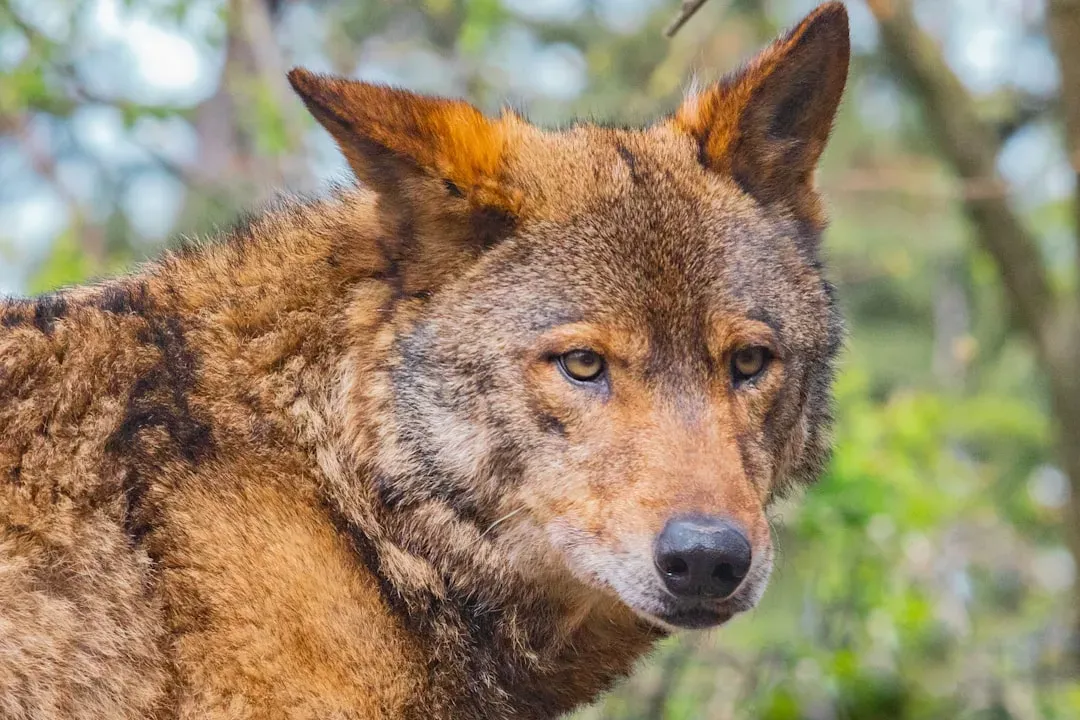
Reality, however, has a way of humbling even the best-laid plans. This progress came to a screeching halt and the population crashed due to a dramatic spike in illegal poaching and vehicle collisions, along with devastating management failures, and by 2020, only seven wolves were left in the wild. Seven. We went from extinction to recovery to near-extinction again within a few decades.
Human-caused mortality events, specifically gunshots and vehicle strikes, are the leading cause of death and population decline amongst wild Red Wolves. It’s heartbreaking, honestly. These wolves survived captivity, adaptation to the wild, and all the natural challenges that come with being a predator, only to be undone by human negligence and hostility. Thanks to successful, court-ordered reintroductions, the wild population has since grown significantly with an estimated 25 Red Wolves roaming North Carolina’s Albemarle Peninsula today, though the situation remains fragile.
Hybridization With Coyotes Threatens Their Genetic Identity
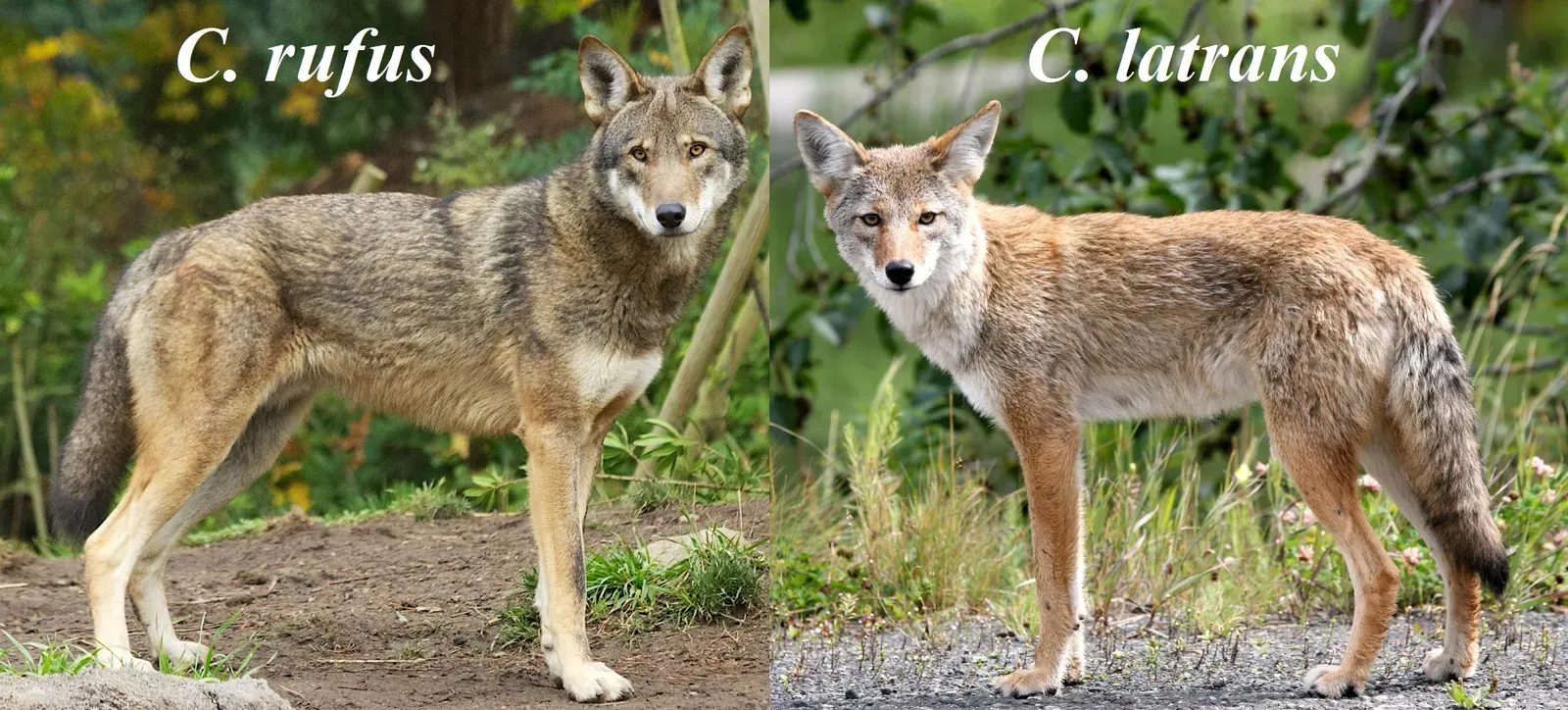
If human-caused mortality wasn’t enough, red wolves face another insidious threat: losing themselves. When low in their population numbers, Red Wolves tolerate coyotes due to the lack of ability to form breeding pairs with other Red Wolves, and any offspring between coyotes and Red Wolves endangers the Red Wolf species as an entirety by potentially wiping them out with hybrid animals.
It’s a cruel twist of fate. When their numbers drop too low, red wolves can’t find mates of their own species, so they breed with coyotes out of necessity. By 1999, introgression of coyote genes was recognized as the single greatest threat to wild red wolf recovery and an adaptive management plan which included coyote sterilization has been successful, with coyote genes being reduced by 2015. The solution? Wildlife managers have resorted to sterilizing coyotes in red wolf territory to prevent hybridization. It’s a creative, if somewhat surreal, approach to species conservation.
They’re Smaller and Shyer Than You’d Expect
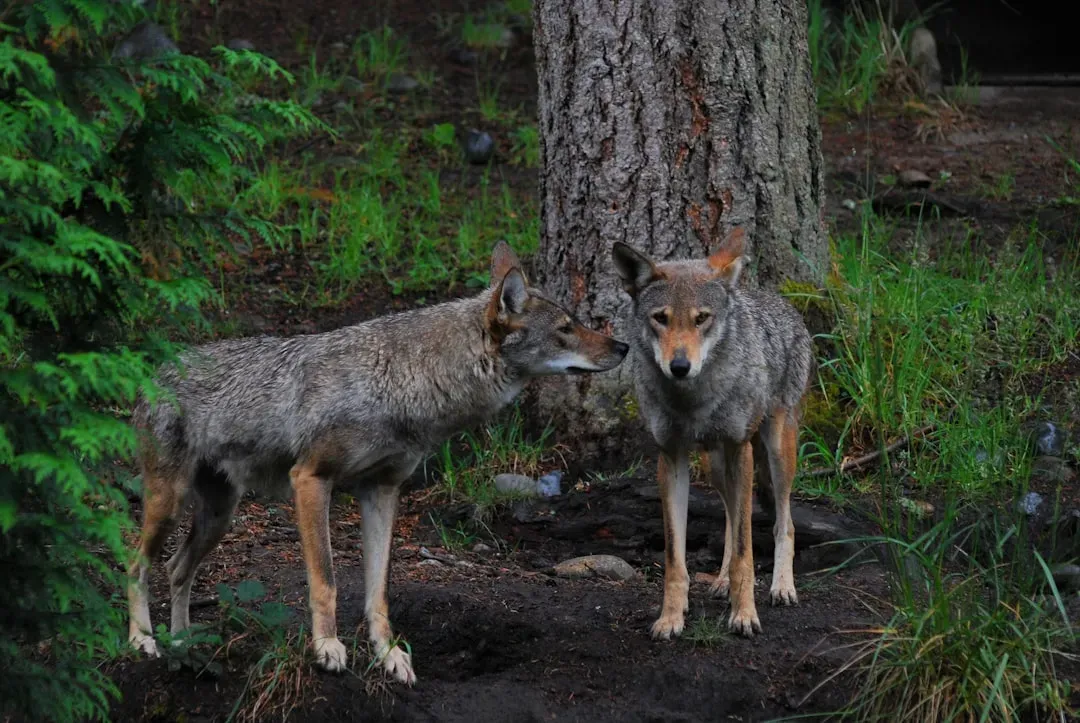
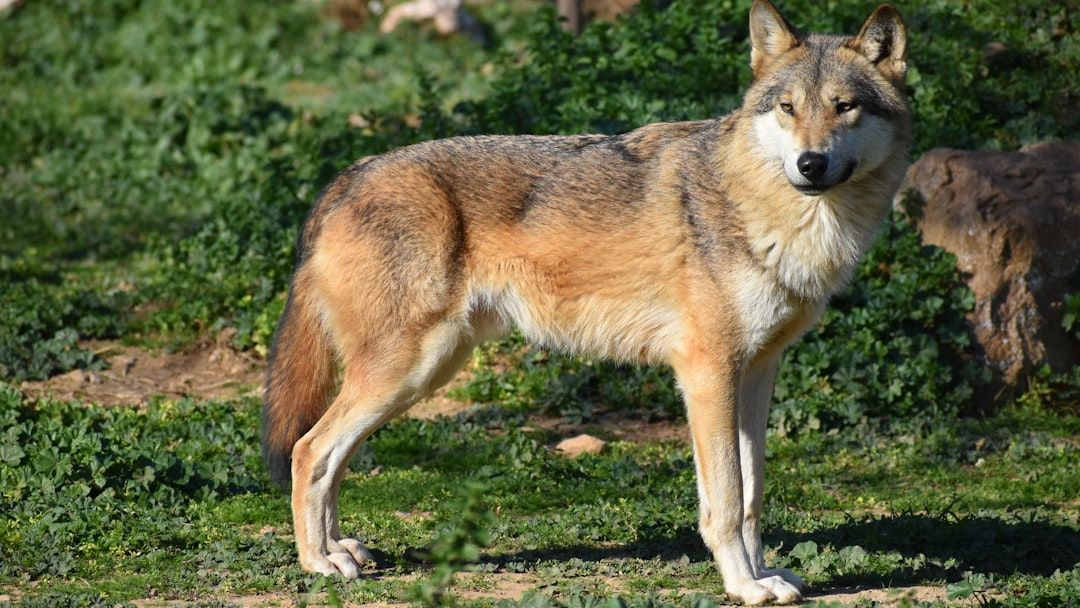
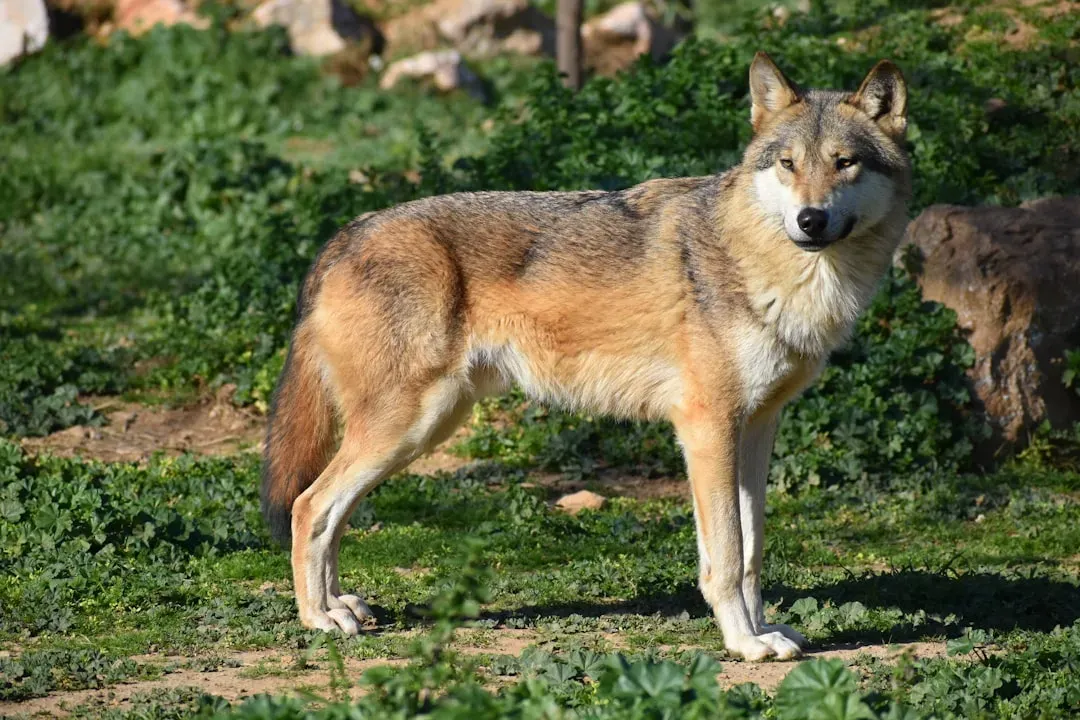
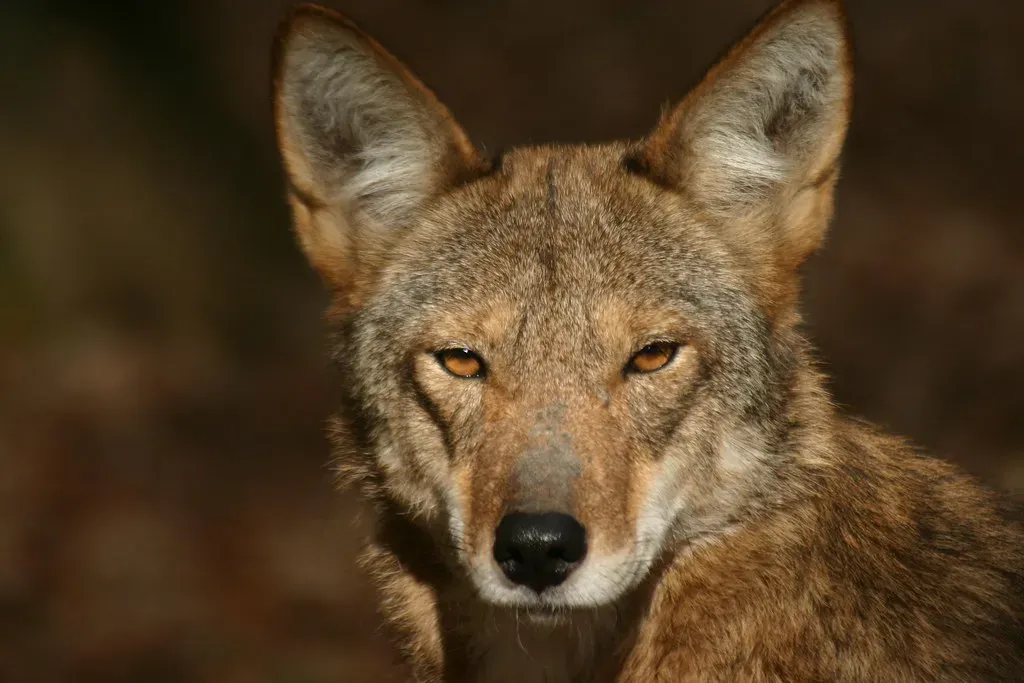
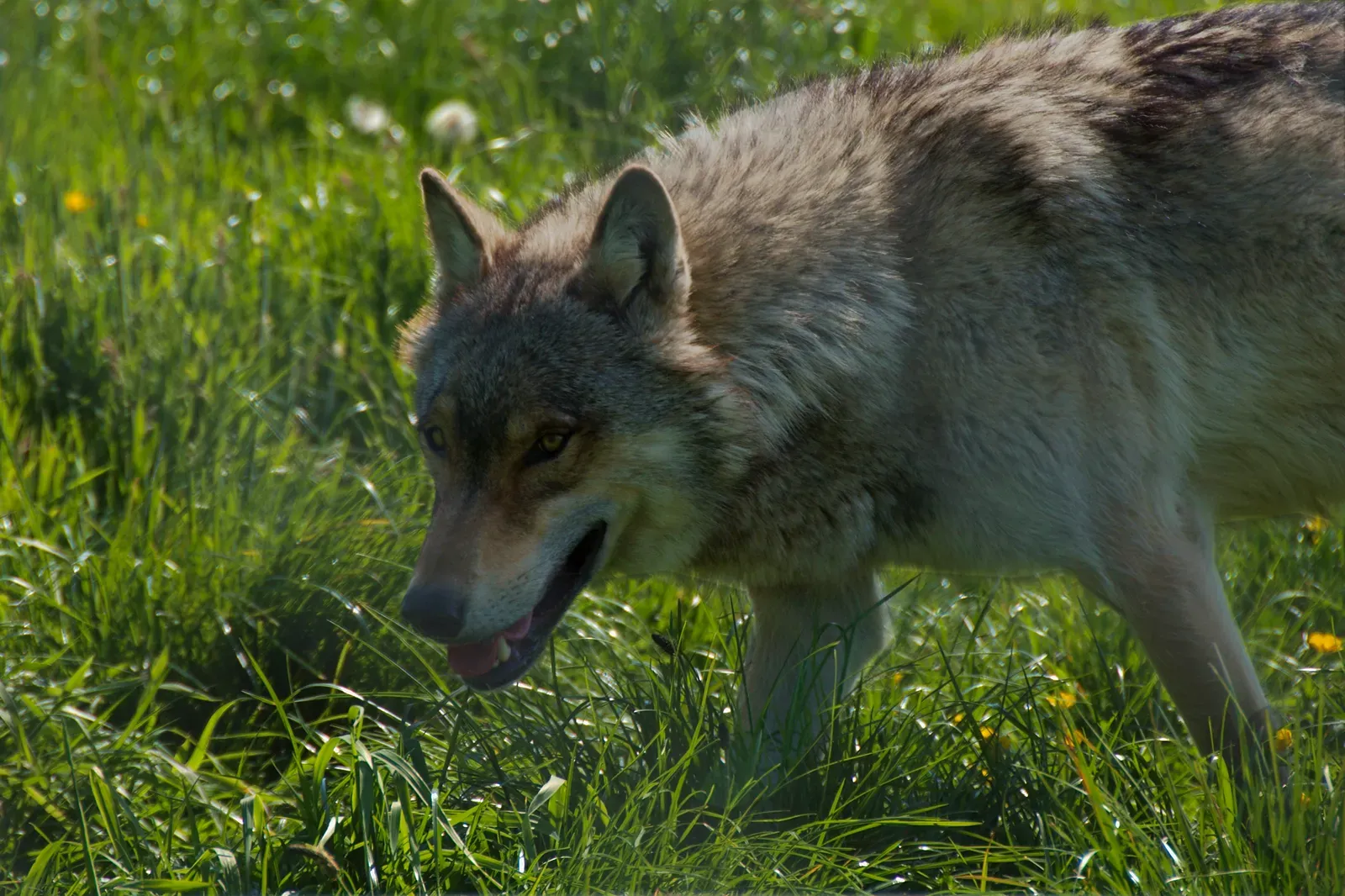
If you’re picturing a massive, fearsome predator, think smaller. The average adult red wolf weighs 45 to 80 pounds, stands about 26 inches at the shoulder and is about 4 feet long from the tip of the nose to the end of the tail. Adult red wolves tend to resemble their cousins, the gray wolves, but are usually smaller, and with longer, lankier legs, taller ears and a thinner body, and they are often described as resembling a mix between a gray wolf and a coyote.
Despite the scary reputation that wolves often carry, red wolves are normally quite shy around people and pose little to no threat around humans. Most active at dusk and dawn, red wolves are elusive and generally avoid humans and human activity. They’re ghosts in the landscape, which ironically makes their survival even more precarious. When people don’t see them, it’s easier to forget they exist at all.
Their Habitat Is Disappearing Under Rising Seas
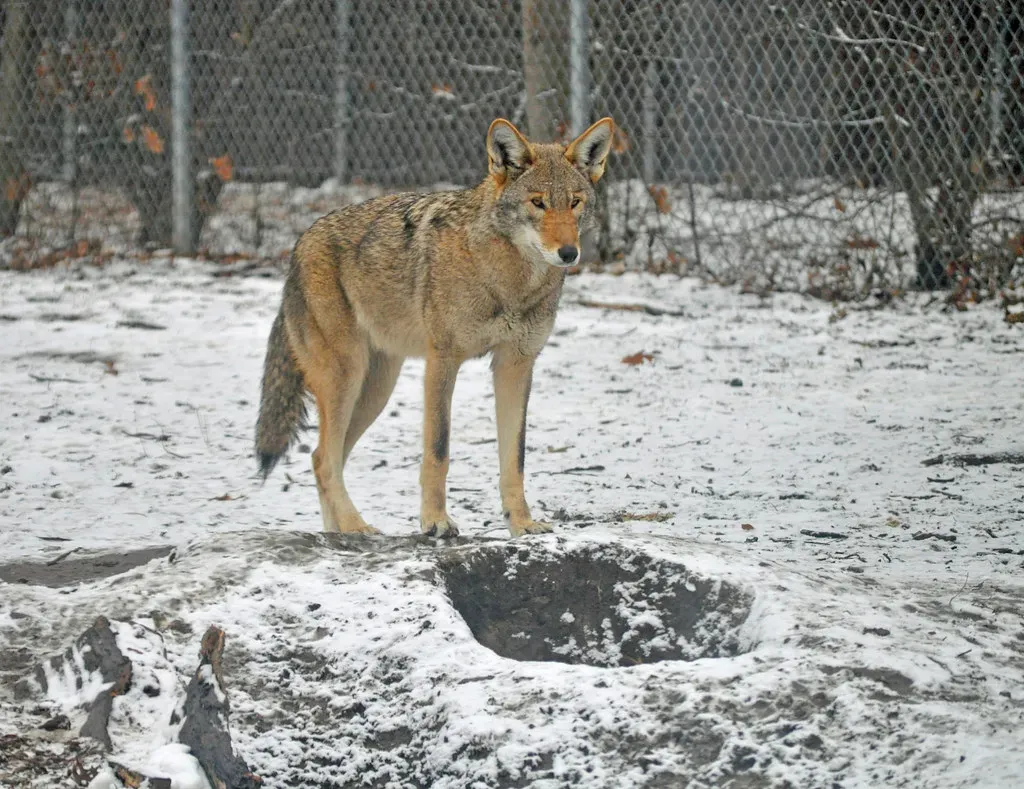
Climate change adds yet another layer of urgency to the red wolf’s plight. Their entire habitat in the Albemarle Peninsula rests just three feet above sea level, and as a result climate change also poses a serious threat. Three feet. That’s barely above the waterline during a storm surge.
The current wild population is found only in coastal North Carolina and is the result of a careful captive breeding and reintroduction program supported by zoos and wildlife conservation organizations. This narrow coastal habitat is vulnerable not just to rising seas, but to increasingly intense hurricanes and flooding events. It’s hard to think of a more vulnerable place to stake the survival of an entire species. The red wolf doesn’t just need protection from people; it needs protection from the changing planet itself.
The Captive Breeding Program Offers Hope
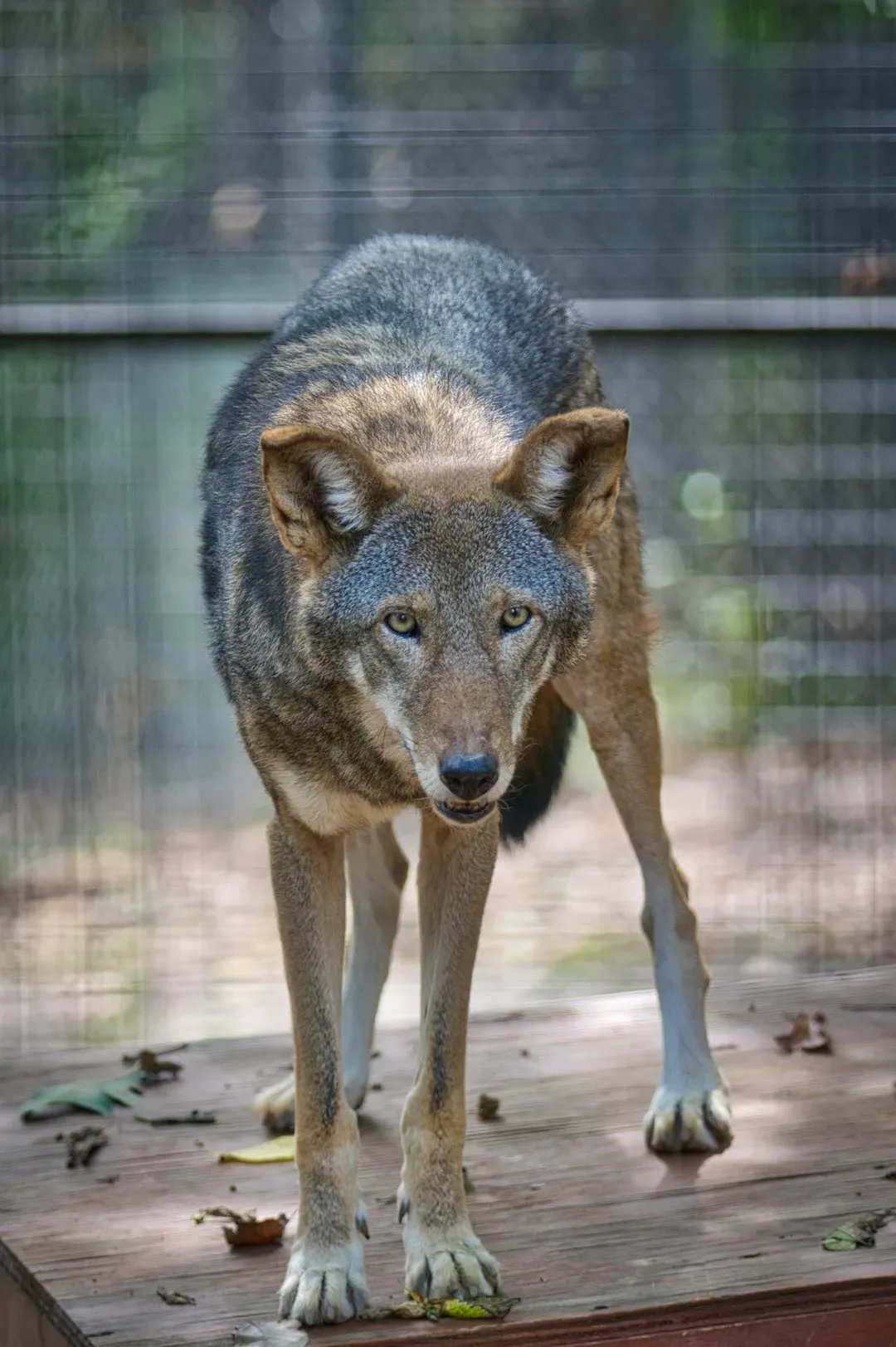
There is a glimmer of hope amid all this darkness. As of August 2025, there are approximately 280 Red Wolves in SAFE facilities across the country, with 52 SAFE Red Wolf facilities total. These facilities represent a genetic insurance policy, a backup plan in case the wild population falters again.
In the 2024-2025 breeding season, 29 breeding pairs were established and 43 pups in 12 litters were born, with historically low whelping and pup survival rates improving significantly in recent years. The science is getting better, the coordination is improving, and conservationists are learning from past mistakes. Still, captivity is no substitute for wildness. These wolves belong in forests and swamps, not behind fences, no matter how well-intentioned those fences might be.
Conclusion
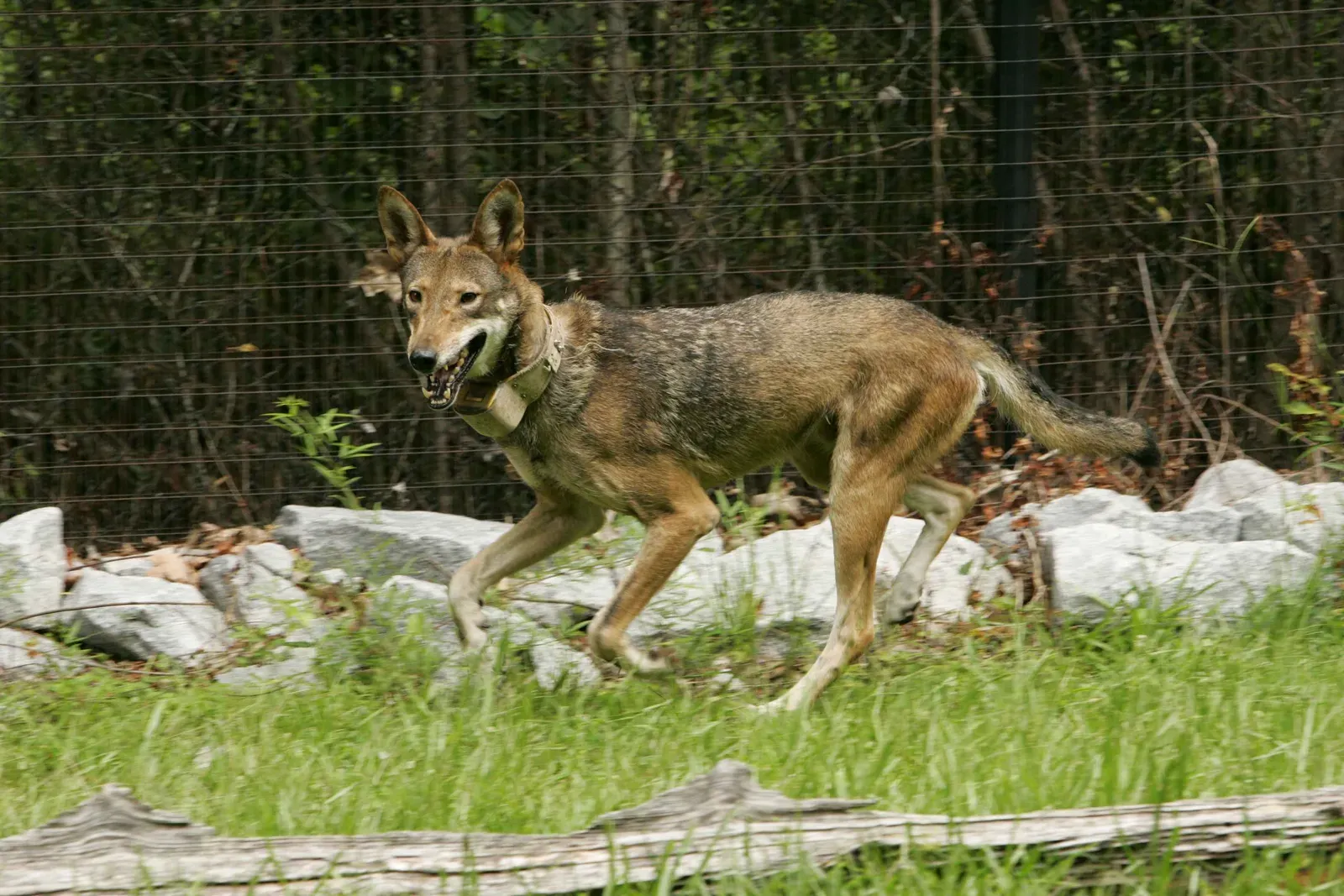
The red wolf’s story is one of resilience, heartbreak, and stubborn hope. It’s a mirror reflecting our own relationship with the natural world: our capacity for destruction and our potential for redemption. We brought this species to the brink, twice, and yet it persists.
Every red wolf alive today is a descendant of those fourteen individuals saved in the 1970s. Their survival is a testament to what’s possible when we decide a species is worth saving. Yet their continued struggle reminds us that listing a species as endangered is only the beginning. Real conservation requires sustained effort, political will, and a fundamental shift in how we view predators in our landscapes. What would it take for us to truly let the red wolf thrive again? That’s the question we should all be asking.
