

We all want the best for our four legged companions. Yet sometimes, without even realizing it, we’re doing things that make them feel uncomfortable or anxious. It’s a bit of a gut punch when you think about it.
Dogs often feel anxious in response to human emotions. If the dog’s owner seems outwardly anxious about a situation, the dog may learn to respond to that situation in an anxious manner. Most of us are just trying to show love and affection, maybe establish some rules. The problem is that our human habits don’t always translate well into dog language. Let’s dive into some surprisingly common behaviors that might be stressing out your pup without you knowing.
Staring Too Intensely at Your Dog

It is hard not to stare lovingly at your dog. However, too much eye contact actually makes canines uncomfortable. I know it sounds crazy, but what we see as adoration can feel threatening to them. In dog body language, staring directly at another dog is often a sign of aggression.
Think about it from their perspective. Prolonged eye contact in the canine world is basically a challenge or a threat. When we lock eyes with our dogs for too long, especially when they’re already feeling uncertain, we’re accidentally sending the wrong message.
Staring can trigger aggressive behavior between people and dogs, too, especially in dogs with preexisting behavioral problems. So while you’re gazing lovingly at your furry friend, they might be thinking something entirely different. Try softer glances instead. Your dog will appreciate the consideration.
Being Inconsistent with Commands and Rules
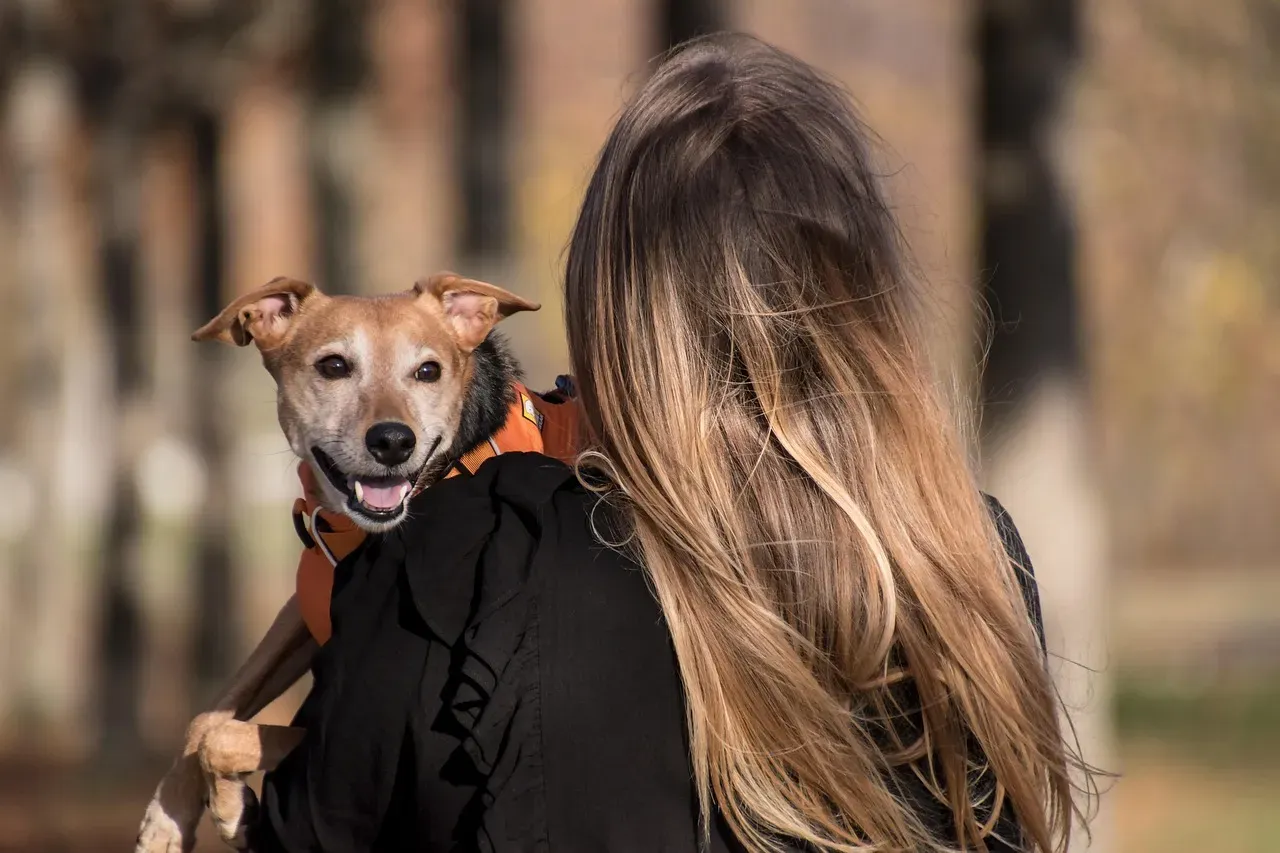
Inconsistent behavior is one of the most common things owners do that stress out their dogs. Canine companions appreciate schedules and rules. They like to know when things are going to happen and how they are supposed to behave. Dogs aren’t mind readers, even though sometimes it feels like they are.
We often forget that dogs don’t understand human language the way we do. While it might make perfect sense to us to use the words “drop it” and “give that here” interchangeably, mixing up your commands confuses and stresses out your dog. Let’s be real, if someone kept changing the rules on us, we’d be stressed too.
For example, telling a dog to “get down” when he jumps or climbs on furniture can be confusing, since “down” also means lie down. Using the same word for different commands is like speaking two languages at once. Otherwise, you’ll create stress in your dog because he knows you want him to do something, but he doesn’t know what. Stick to simple, consistent commands.
Disrupting Their Daily Routine

Their internal clocks let them know when it is time to wake up and go to sleep, when they are fed, and when they should expect a daily walk. When these schedules shift, the change can cause stress. Dogs are creatures of habit, way more than most people realize.
Changes in work schedules, moving to a new home, or even shifting meal times can throw them off balance. Changes in routine, lack of training and socialization, and not getting enough physical exercise and mental stimulation can all contribute to a dog’s development of anxious behaviors.
Honestly, this one hits home because life gets chaotic. We can’t always maintain perfect routines. Still, when possible, try to keep feeding times, walks, and bedtime relatively consistent. Your dog will feel more secure and less anxious when they know what to expect each day.
Hugging and Kissing Them
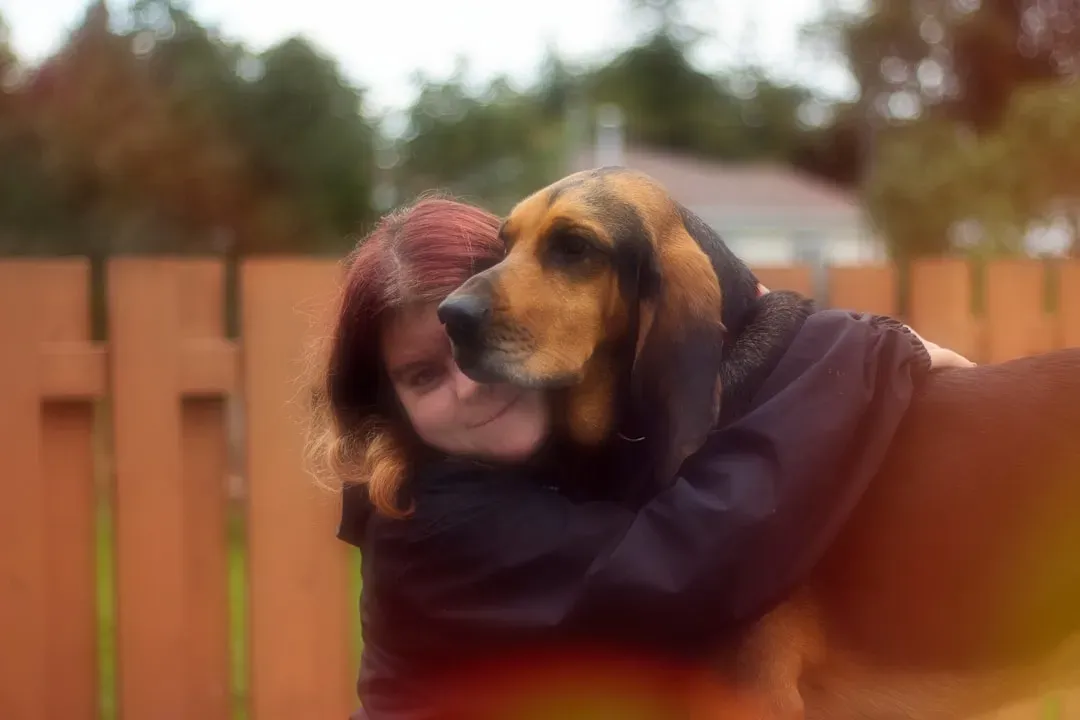
It may feel good to you, but many dogs really don’t get these human expressions of affection and can be confused. This one surprises a lot of people. We hug because we love them, simple as that. Dogs, though, don’t naturally hug each other.
When you wrap your arms around a dog, especially around their head or neck, it can feel restrictive or threatening to them. Some dogs tolerate it because they trust you, not because they enjoy it. Others might show subtle signs of stress like lip licking, yawning, or looking away.
Pay attention to your dog’s body language when you go in for a hug. If they lean away, stiffen up, or show the whites of their eyes, they’re telling you they’re uncomfortable. Try petting them on the chest or side instead, which most dogs find much more relaxing.
Pointing or Shaking Your Finger at Them
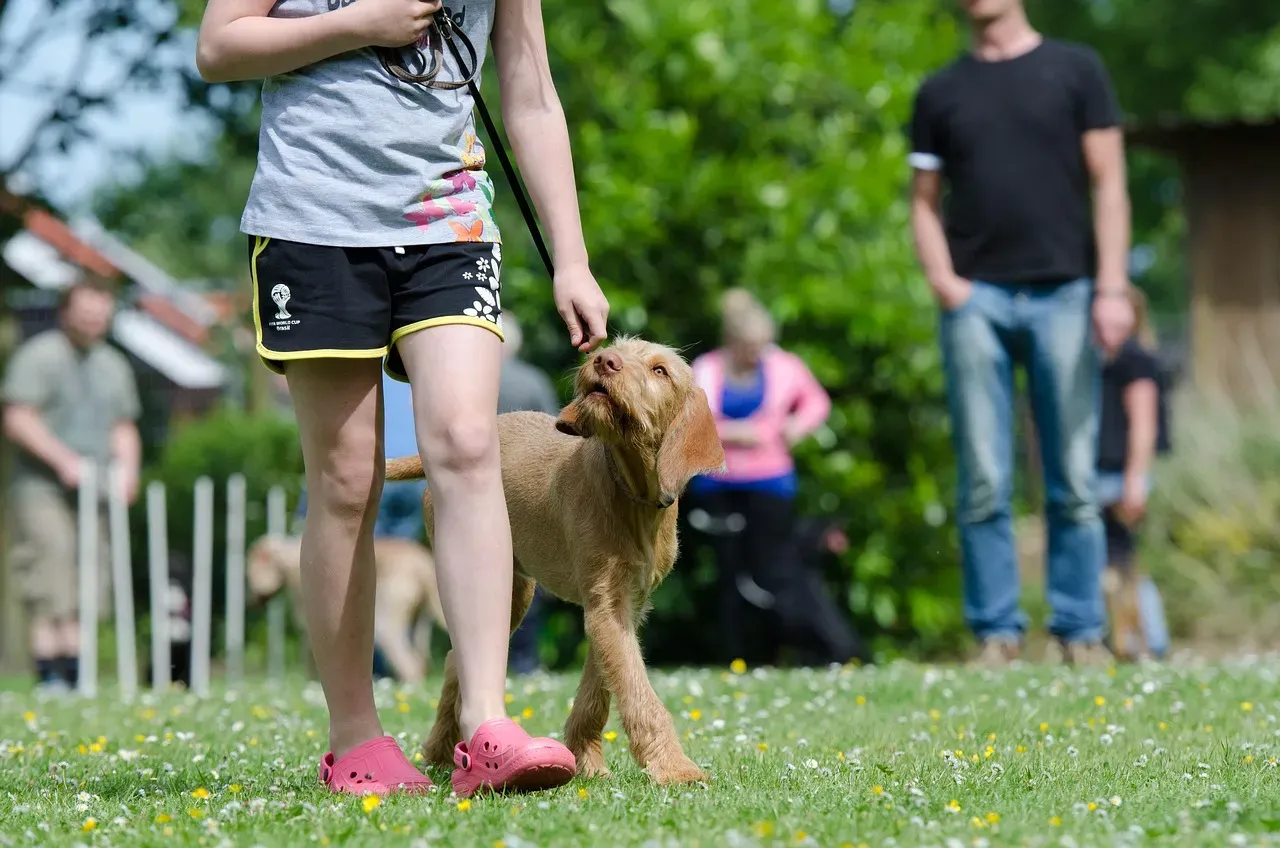
The finger pointing/shaking thing is a universal stress inducer for dogs. That’s probably because it’s usually done while you’re standing over your pooch in a menacing posture, or while you’re speaking in a tone of voice that signals your displeasure. Picture yourself on the receiving end of an angry finger shake.
Many a guilty dog look is the result of the finger-pointing thing, but your pet isn’t so much feeling guilty as uncomfortable, wary, confused, and yes… stressed. That expression we interpret as guilt is actually anxiety and apprehension. They know you’re upset, but they might not understand why.
Looming over them while pointing just amplifies their discomfort. Instead of using physical gestures that might seem threatening, try redirecting their behavior with positive commands. Your dog wants to please you, so give them clear, calm direction instead.
Rushing Them During Walks
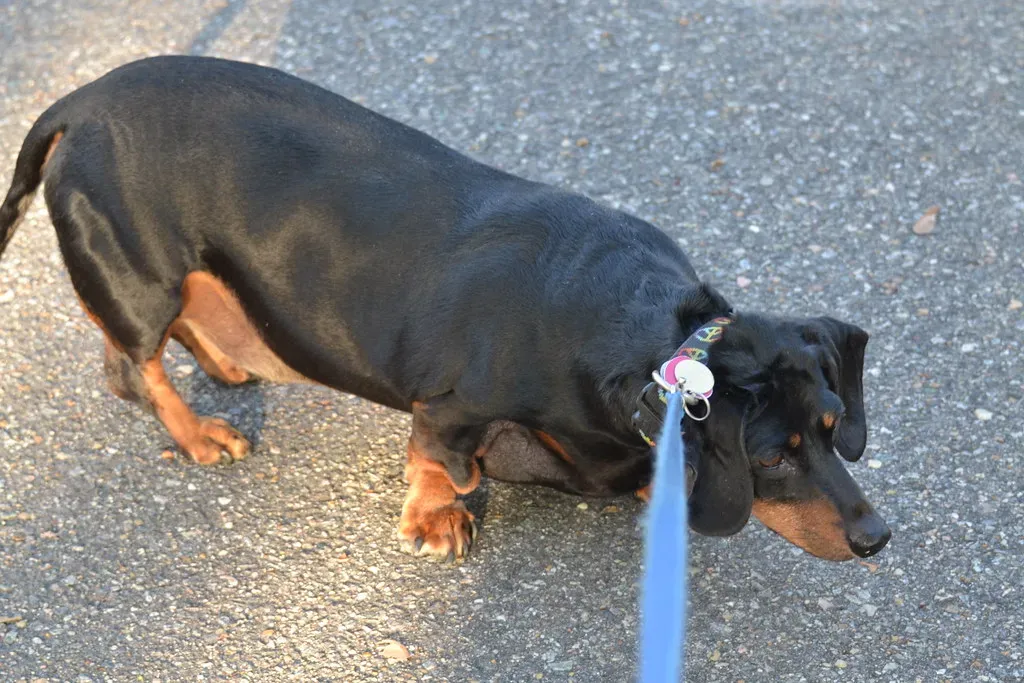
Anticipate that your dog will naturally stop and sniff as often as possible, and pull you in the direction of someone or something interesting. Be kind and understanding – allow your furry friend a reasonable amount of time to inspect his outdoor territory and pick up his pee-mail without yanking him towards your destination.
We’re often in a hurry, thinking about the next thing on our to-do list. Meanwhile, your dog is trying to read the neighborhood news written in scent. Walks aren’t just exercise for them; they’re mental stimulation and social connection.
When we constantly pull them along or refuse to let them sniff, we’re denying them one of their primary ways of experiencing the world. Not only do dogs have an amazing sense of hearing, but their sense of smell is exceptional as well. Their incredible sense of smell enables them to trace the scent of a new human or animal in their environment long after it has left. Let them have their sniff time.
Projecting Your Own Anxiety Onto Them
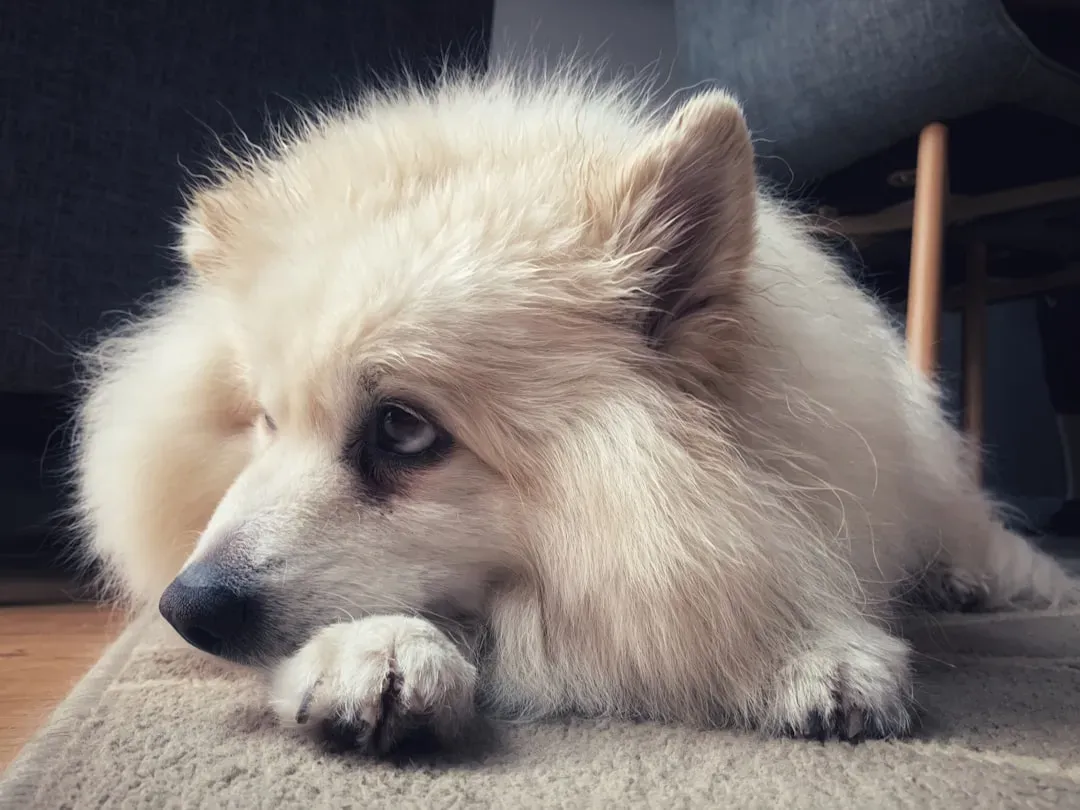
Additionally, recent studies indicate that your own emotional health and stress levels could impact your dog’s stress. According to research published in Scientific Reports, “dogs, to a great extent, mirror the stress level of their owners.” Here’s the thing: dogs are incredibly perceptive.
This learned behavior can become self-fulfilling when a well-intentioned owner becomes more anxious or obsessive about the dog’s response to the situation, further fuelling the dog’s anxiety. If you’re nervous about thunderstorms, your dog will pick up on that. If you tense up when another dog approaches, your dog will sense it.
Although they cannot be prevented in all cases, pet parents can reduce the probability of their dog’s normal fear responses developing into a serious disorder. Try to stay calm in situations you know might trigger your dog. Your relaxed demeanor can actually help them stay calm too. It’s hard sometimes, I get it, but it makes a real difference.
Waking Them Up Suddenly
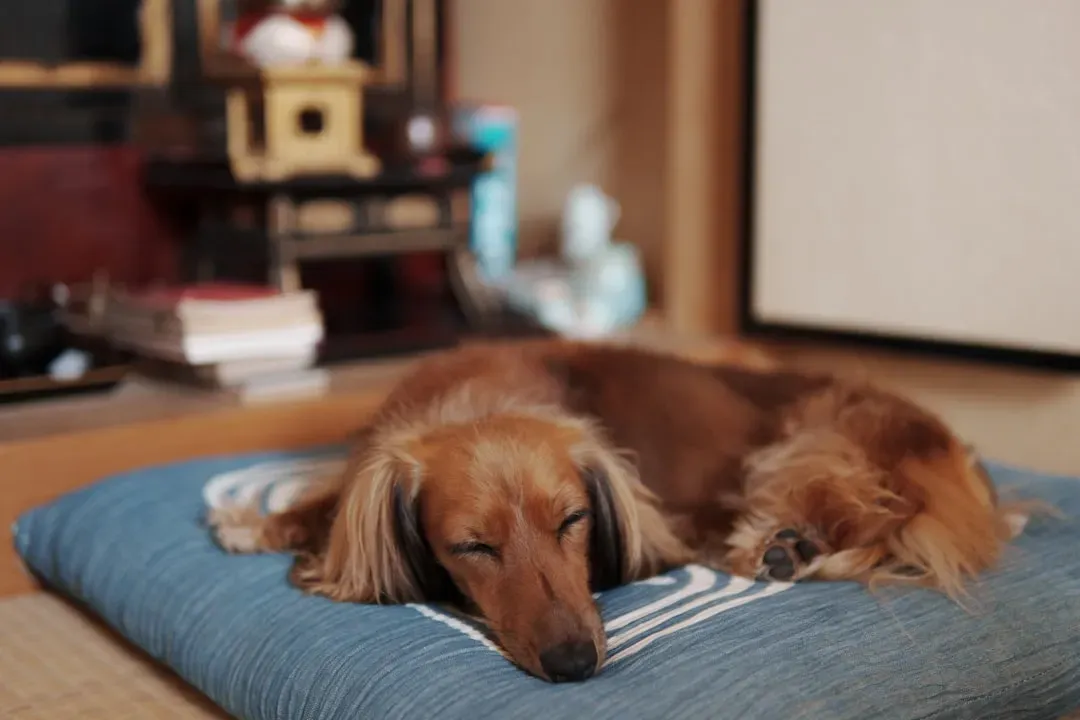
Unless there’s a pressing reason to awaken your four-legged family member from a nice snooze, try to avoid it. Being shaken or shouted awake is stressful for all of us. Let sleeping dogs lie, as the saying goes. There’s real wisdom in that old phrase.
Startling a dog awake can trigger their fight or flight response. They go from deep sleep to full alert in seconds, and that sudden jolt of adrenaline isn’t good for them. Some dogs might even snap or growl when suddenly awakened, not out of aggression but pure startled instinct.
If you absolutely need to wake your dog, try calling their name softly from a distance first. Give them time to come to consciousness gradually. This is especially important with older dogs or those with hearing issues who might not notice you approaching.
Conclusion
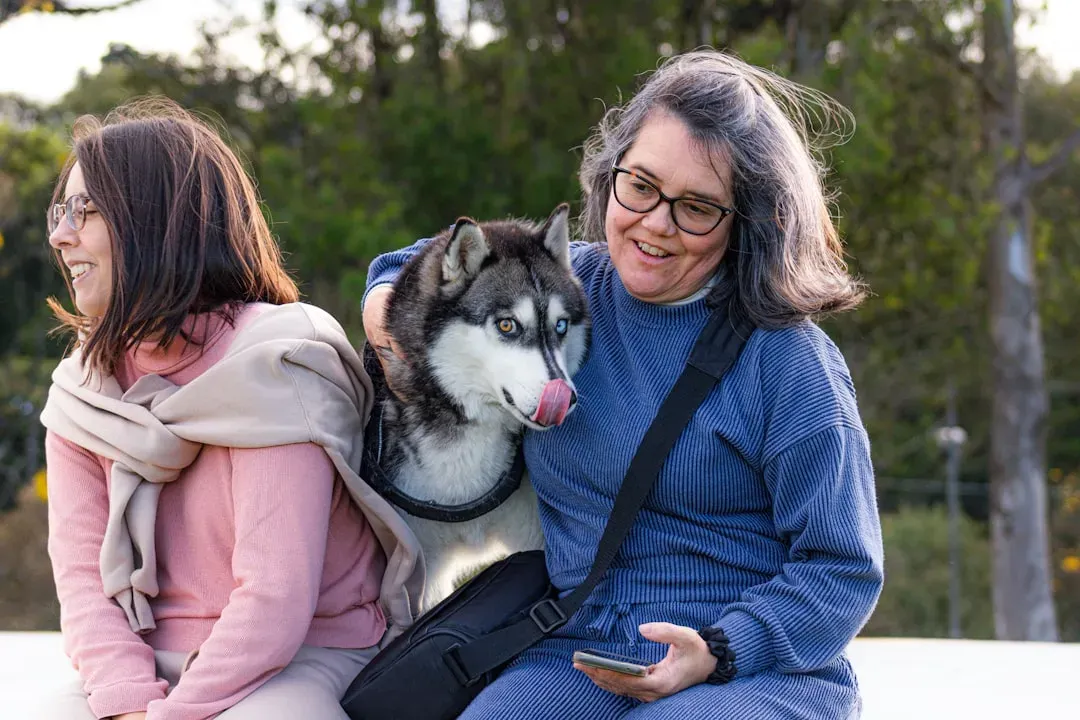
All dog owners want the best for their companions, but sometimes, some seemingly insignificant habits and situations can stress your dog out. By learning to pay attention to your dog’s behavior and recognize stress triggers, you can avoid stressful situations in the future or know that your dog needs some comfort or time out.
The good news is that once you’re aware of these behaviors, you can start making small changes. Dogs are forgiving creatures, and they adapt when we adapt. You can change that by adding consistency and predictability to your dog’s life.
Remember, your dog isn’t trying to be difficult. They’re just trying to navigate a human world with dog instincts. What do you think about these behaviors? Have you noticed any of them in your own routine with your pup?
