
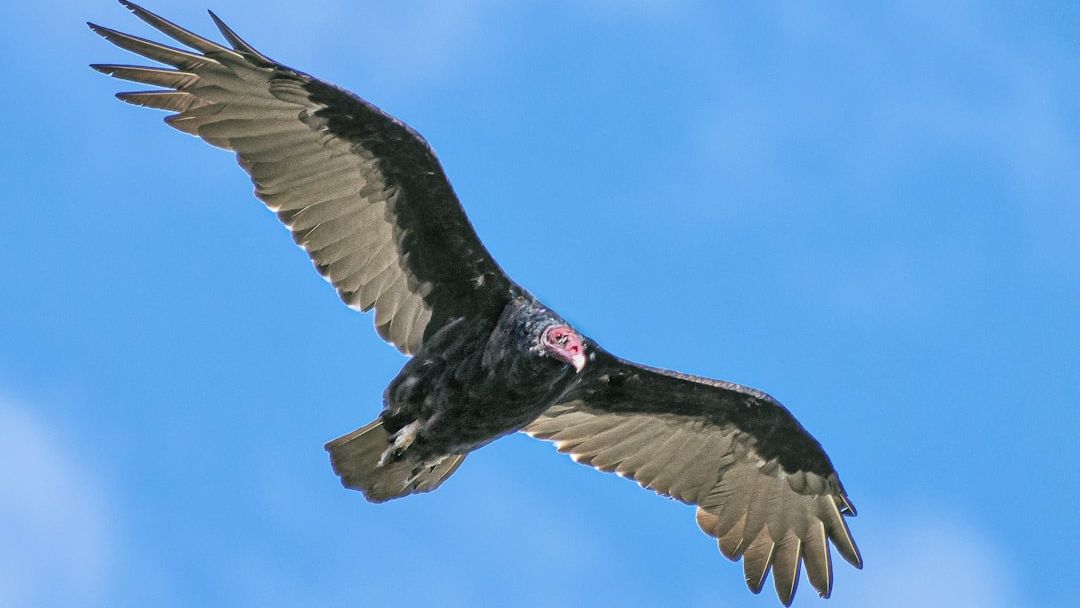
There’s something truly remarkable happening in the skies above America right now. If you looked up just a few decades ago, some of the most iconic birds of prey were teetering on the very edge of extinction. Their populations had crashed so dramatically that many experts feared we’d lost them forever. Yet today, these magnificent raptors are writing one of the greatest conservation success stories of our time.
From the towering condors of California to the lightning-fast falcons that once vanished from entire regions, these birds are reclaiming their place in American skies. It hasn’t been an easy journey. DDT poisoning, habitat destruction, and human persecution nearly wiped several species completely off the map. Some populations dwindled to mere handfuls of birds.
What turned things around? A combination of passionate scientists, landmark legislation like the Endangered Species Act, and everyday citizens who refused to let these birds disappear. So let’s dive in and discover which incredible raptors are soaring back from the brink.
1. Bald Eagle: America’s Iconic Comeback Story
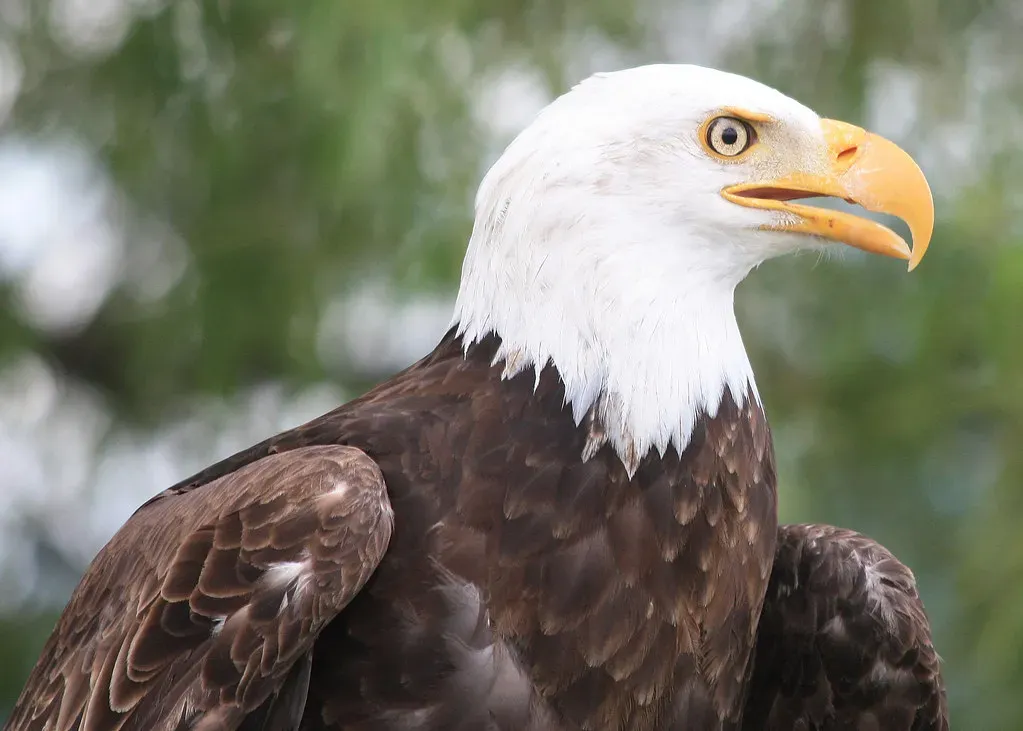
In the mid-1960s fewer than 500 nesting pairs of bald eagles existed in the continental U.S., but today some 10,000 pairs inhabit the Lower 48. That’s honestly one of the most dramatic turnarounds in wildlife history. Our national symbol came dangerously close to disappearing entirely from American skies.
Bald eagle populations were negatively impacted by habitat destruction and degradation, as well as illegal shooting and the contamination of their food source largely from DDT. The insecticide caused eagles to lay eggs with shells so thin they’d crack under the weight of incubating parents. They were removed from the list of endangered species in 2007.
Bald eagle sightings are now common during both the nesting season and throughout the winter. I’ve seen them myself perched along rivers and lakes where they were completely absent just thirty years ago. It’s hard to believe these majestic birds with their seven-foot wingspans were once so rare.
2. Peregrine Falcon: Speed Demon Returns
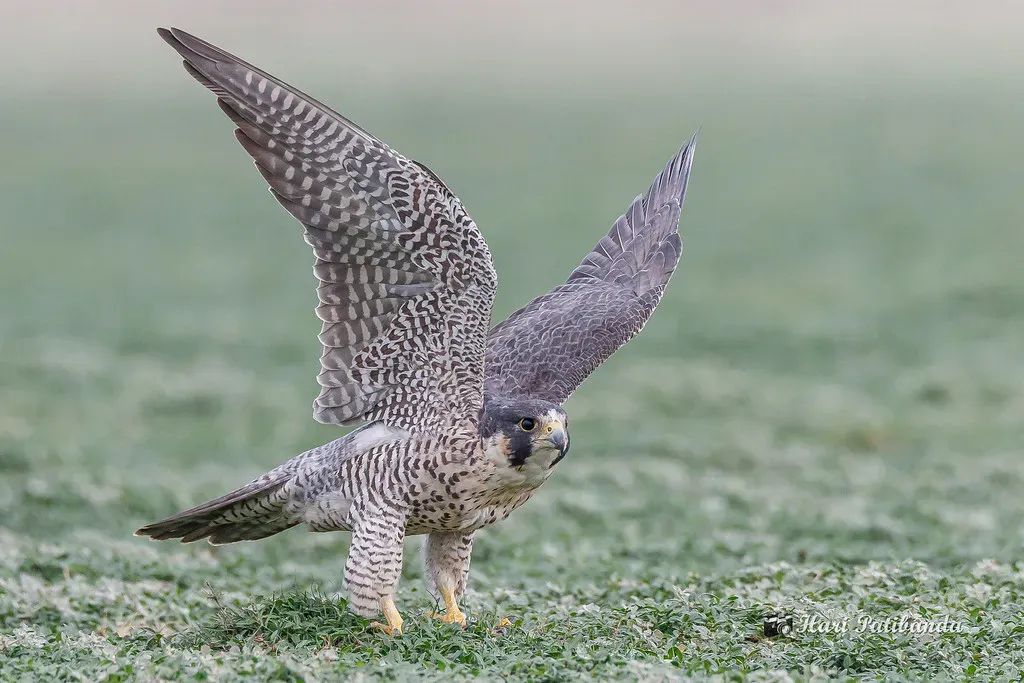
The world’s fastest bird was heading straight toward oblivion. In 1970, the population in the eastern United States had completely disappeared and populations in the west had declined by as much as 80 to 90 percent, reaching an all-time low of 324 nesting pairs in North America by 1975.
Here’s the thing though. The banning of DDT made recovery possible, but protections under the Endangered Species Act and extraordinary partnership efforts accelerated the pace through captive breeding programs, reintroduction efforts and protection of nest sites. More than 6,000 peregrine falcons were released into the wild by government and private raptor specialists.
Currently, there are at least 1,650 peregrine breeding pairs in the United States and Canada, well above the overall recovery goal of 631 pairs. The Peregrine Falcon was removed from the Federal List of Endangered and Threatened Species in 1999. Peregrine Falcons in Massachusetts now nest on a wide range of structures, including many buildings and bridges, one cell tower, and quarries.
3. California Condor: Flying Back From 22 Birds
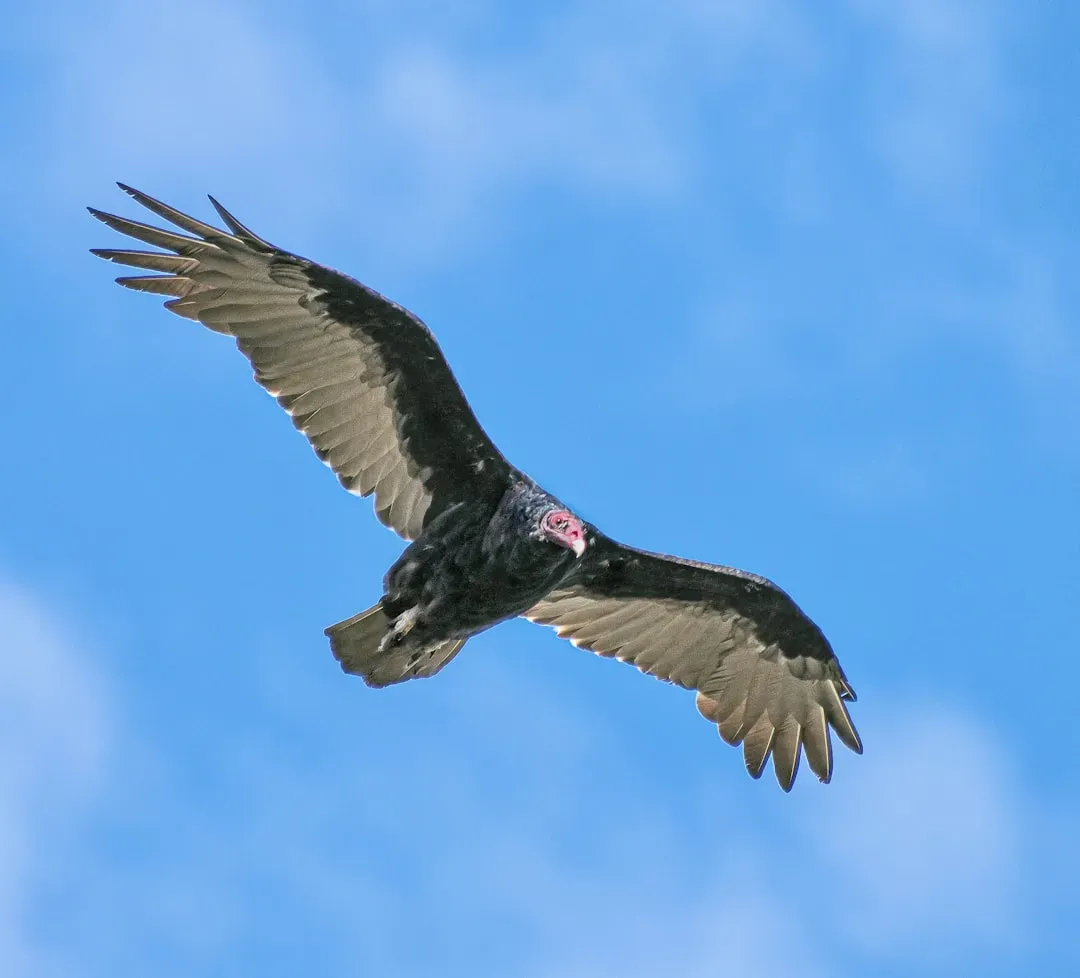
Let’s be real, this is perhaps the most dramatic rescue operation in avian conservation history. A conservation plan led to the capture of all remaining wild condors by 1987, with a total population of 27 individuals. Every single California condor alive today descends from that tiny group.
These surviving birds were bred at the San Diego Wild Animal Park and the Los Angeles Zoo, and beginning in 1991, condors were reintroduced into the wild. By 2024, the world population was reported as 569. The birds reproduce slowly, with just a single chick every two years, so rebuilding takes patience.
In 2006, Condors were found nesting in Big Sur, the first known wild nesting attempt in California in more than 100 years. Still, these massive birds with wingspans approaching ten feet face ongoing challenges from lead poisoning when they consume carrion containing spent ammunition fragments.
4. Whooping Crane: North America’s Tallest Success
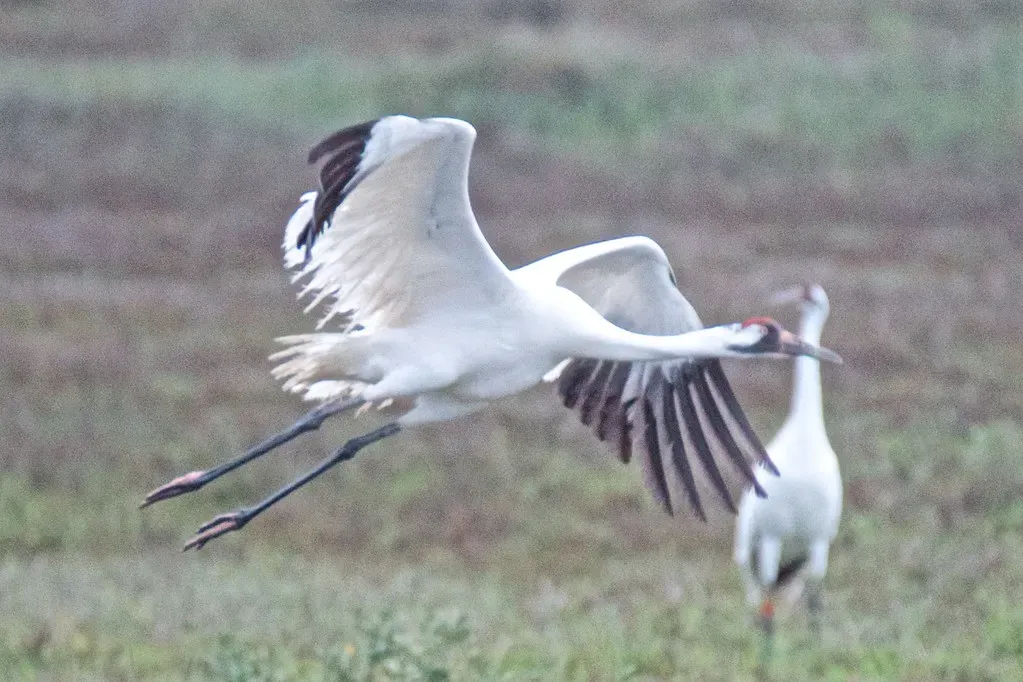
Whooping cranes used to number in the tens of thousands across North America, but following English settlement and westward expansion, there were only an estimated 1,400 left in 1860. By 1941, things got even worse. The birds that are alive today all descend from a flock of just 16 individuals wintering at the Aranas Refuge in Texas in 1941.
There are approximately 506 whooping cranes in the wild that migrate between Canada and Texas, referring primarily to the Aransas-Wood Buffalo population. The recovery of the whooping crane from near extinction is one of the conservation success stories of the ESA.
These towering white birds stand five feet tall and are impossible to miss. The cost of rearing and releasing a single crane is substantial, estimated to be over $100,000. Their recovery shows what’s possible when we commit serious resources to saving a species.
5. Osprey: The Fish Hawk Flies Again
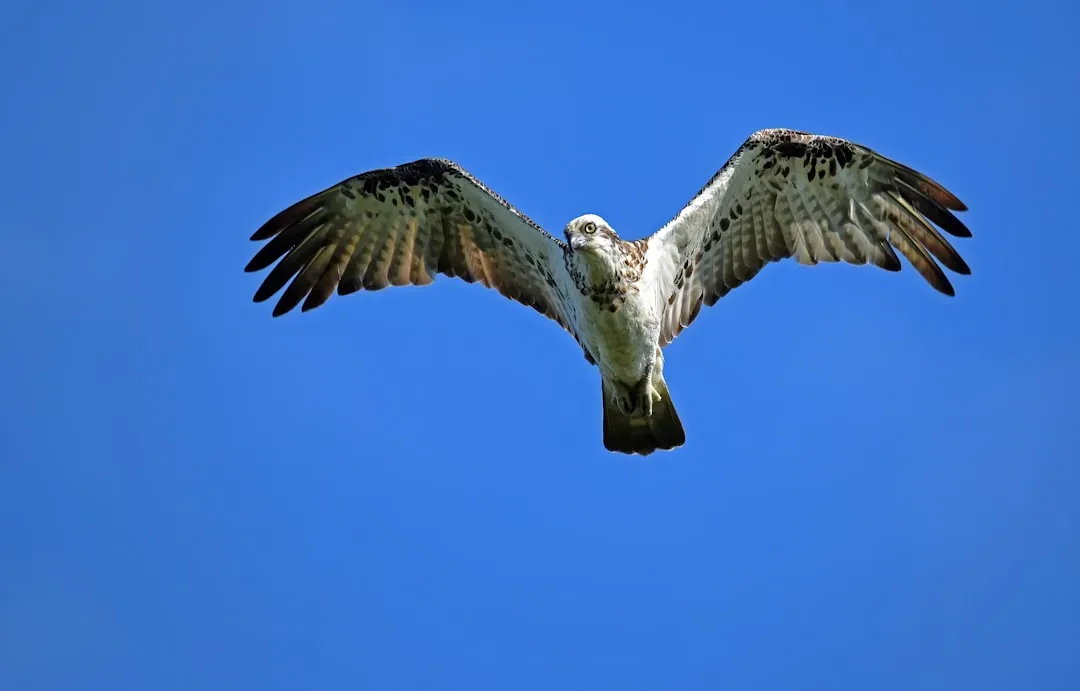
Ospreys are those distinctive raptors you see hovering over water before plunging feet-first to snatch fish. The recovery of the bald eagle raises questions about its impact on the osprey, a fish-eating raptor that shares habitat and prey with bald eagles. Both species suffered tremendously during the DDT era.
The Chesapeake Bay is now home to one of the largest bald eagle populations in the continental United States and is also crucial osprey habitat. While ospreys have rebounded significantly from their lowest numbers, they face new challenges. Evidence from multiple regions suggests that competitive pressures, especially kleptoparasitism and nest harassment by eagles, may hinder osprey nesting success in areas with high eagle densities.
Despite these newer pressures, ospreys remain far more common than they were during the darkest days of the 1960s and 1970s. Their distinctive nests atop channel markers and dead trees have become familiar sights along coastlines and inland waterways once again.
6. Mississippi Kite: Prairie Ghost Returns
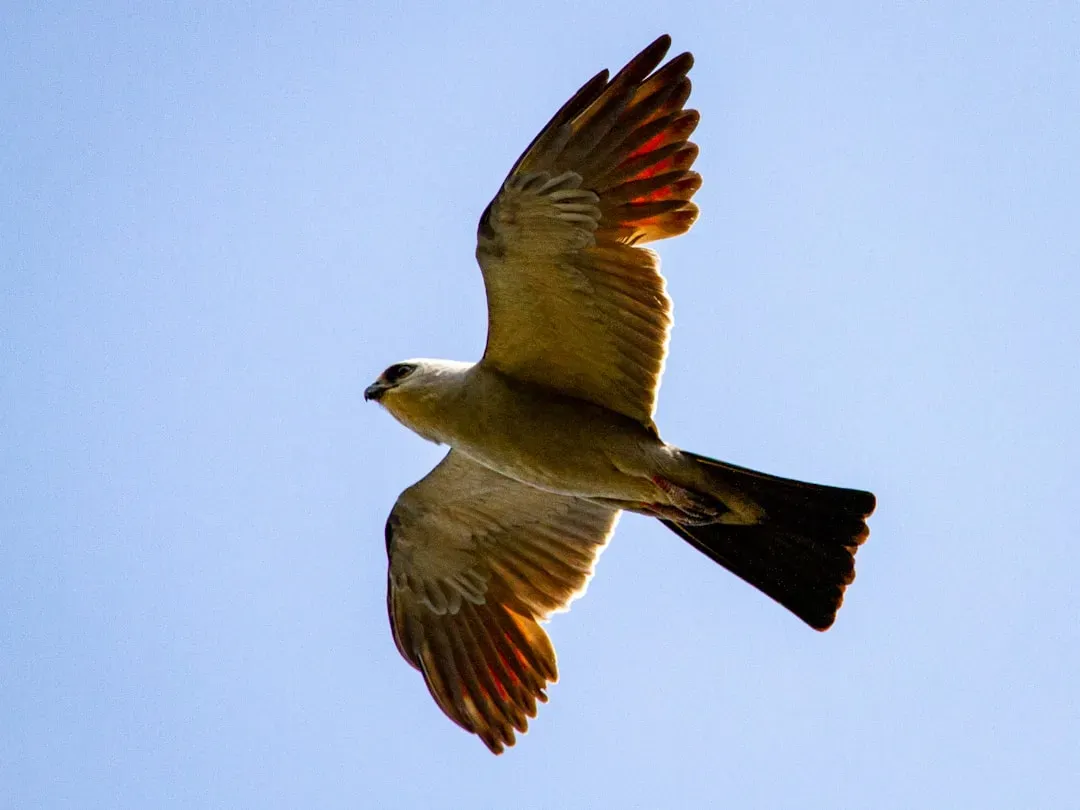
This graceful gray raptor might not grab headlines like eagles or condors, but its story deserves attention. In the mid-1900s, Mississippi Kite populations fell into decline, but more recently the species appears to be making a comeback and has steadily expanded its breeding range over the past century into new regions.
This lovely kite spends its summers in the southern and eastern United States and breeds in states like Kansas, Illinois, Arizona, and even recently as far north as New Hampshire and Connecticut. Within its breeding range, it has even been seen in wooded suburban neighborhoods.
Mississippi Kites are incredibly graceful fliers, often catching insects on the wing. Their lightweight bodies give them a buoyant, almost effortless flight style. Unlike some recovery stories driven by massive intervention, this one seems to be unfolding more naturally as habitats recover and threats diminish.
7. Golden Eagle: Western Mountain Monarch
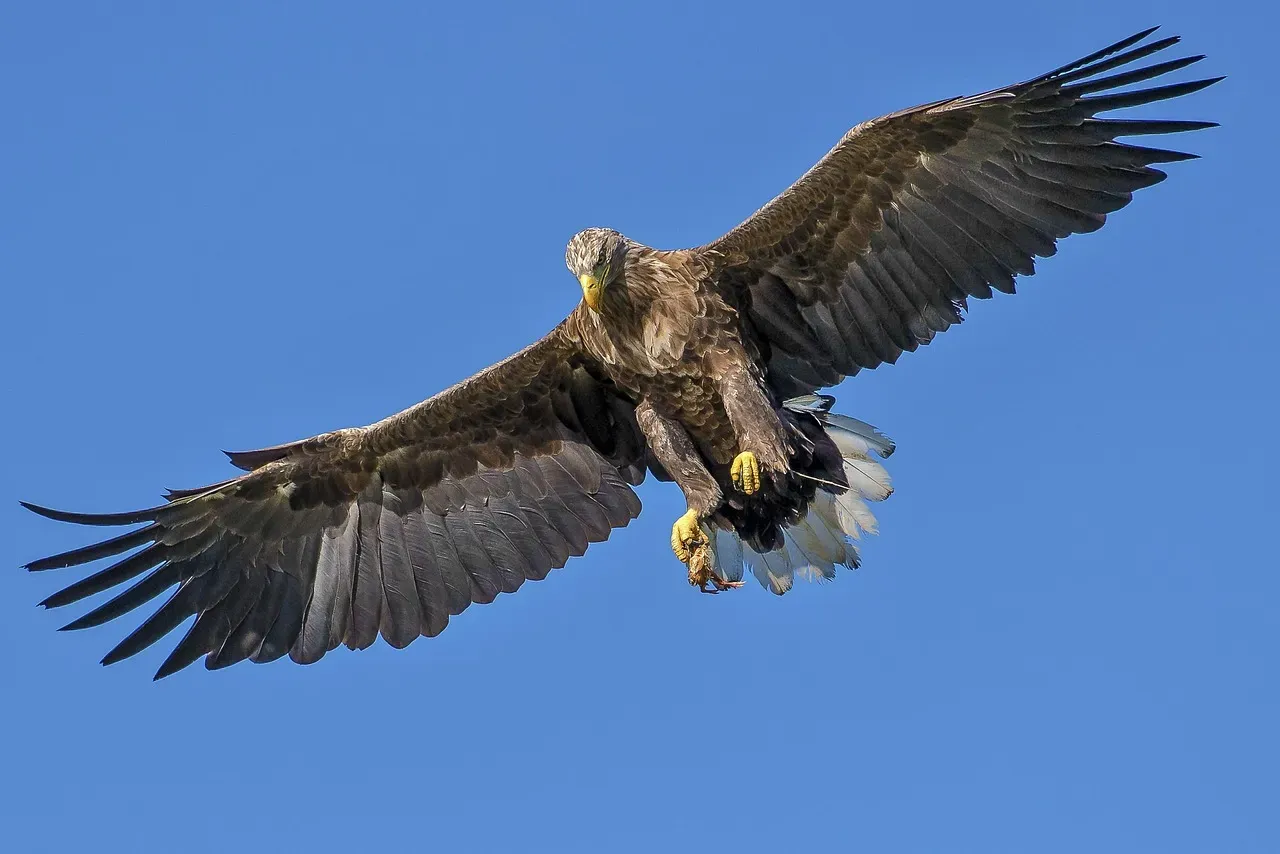
Golden eagles never faced quite the same crisis as bald eagles, partly because their mountain habitat kept them somewhat isolated from DDT’s worst effects. However, they still suffered from persecution, poisoning campaigns targeting predators, and electrocution from poorly designed power lines.
These magnificent birds with their seven-foot wingspans and powerful build are now holding steady or increasing across much of their western range. Conservation efforts have focused on retrofitting power lines to prevent electrocutions and protecting nesting territories from disturbance. Golden eagles require vast territories, sometimes over sixty square miles per pair.
Their recovery demonstrates that sometimes success means maintaining stable populations rather than dramatic increases. In open country across the West, from Montana to New Mexico, golden eagles now soar with greater security than they’ve known in over a century.
8. Swallow-tailed Kite: Southern Skies Specialty
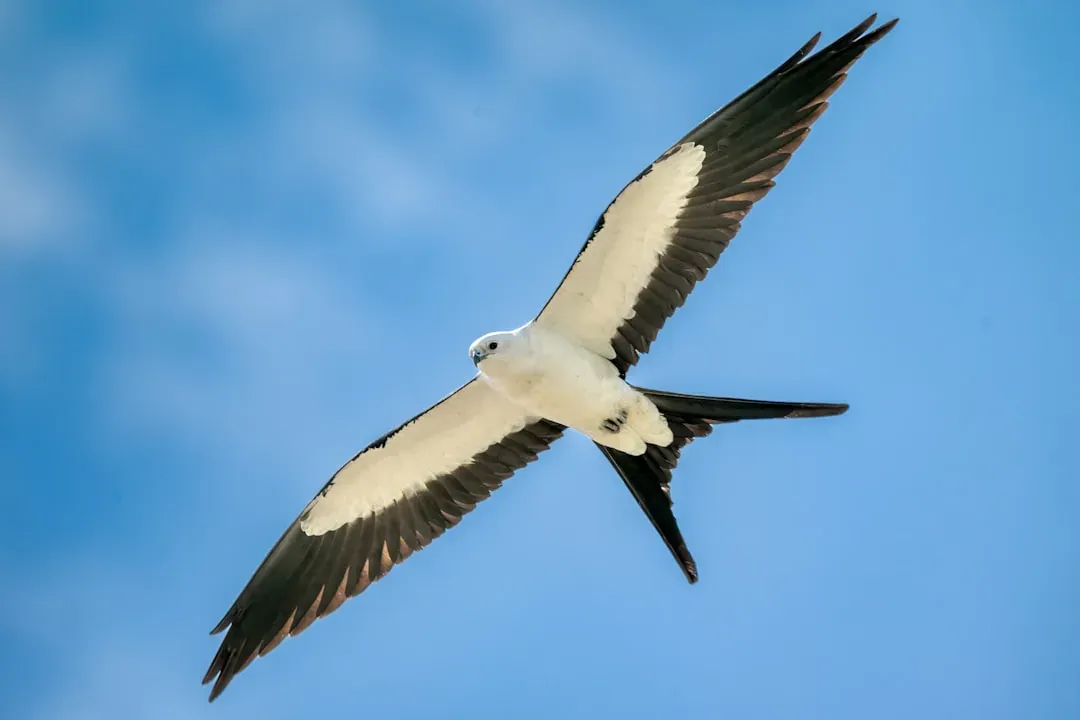
With its deeply forked tail and striking black and white plumage, the Swallow-tailed Kite looks like it belongs in the tropics. Indeed, these elegant raptors spend winters in South America but return each spring to breed in the southeastern United States, particularly Florida.
Historical records show these kites once ranged much farther north, even into the Great Lakes region. While they haven’t fully reclaimed that historic range, populations in the Southeast have stabilized and shown modest increases. Florida now hosts the largest breeding population, with birds gradually expanding into neighboring states.
These aerial specialists catch insects and small prey on the wing with breathtaking agility. Their recovery has been slower and less dramatic than some species, but conservation of bottomland hardwood forests and cypress swamps has given them a fighting chance. Watching a Swallow-tailed Kite twist and turn through the sky, snatching dragonflies without ever landing, remains one of the great privileges of southeastern birdwatching.
Conclusion
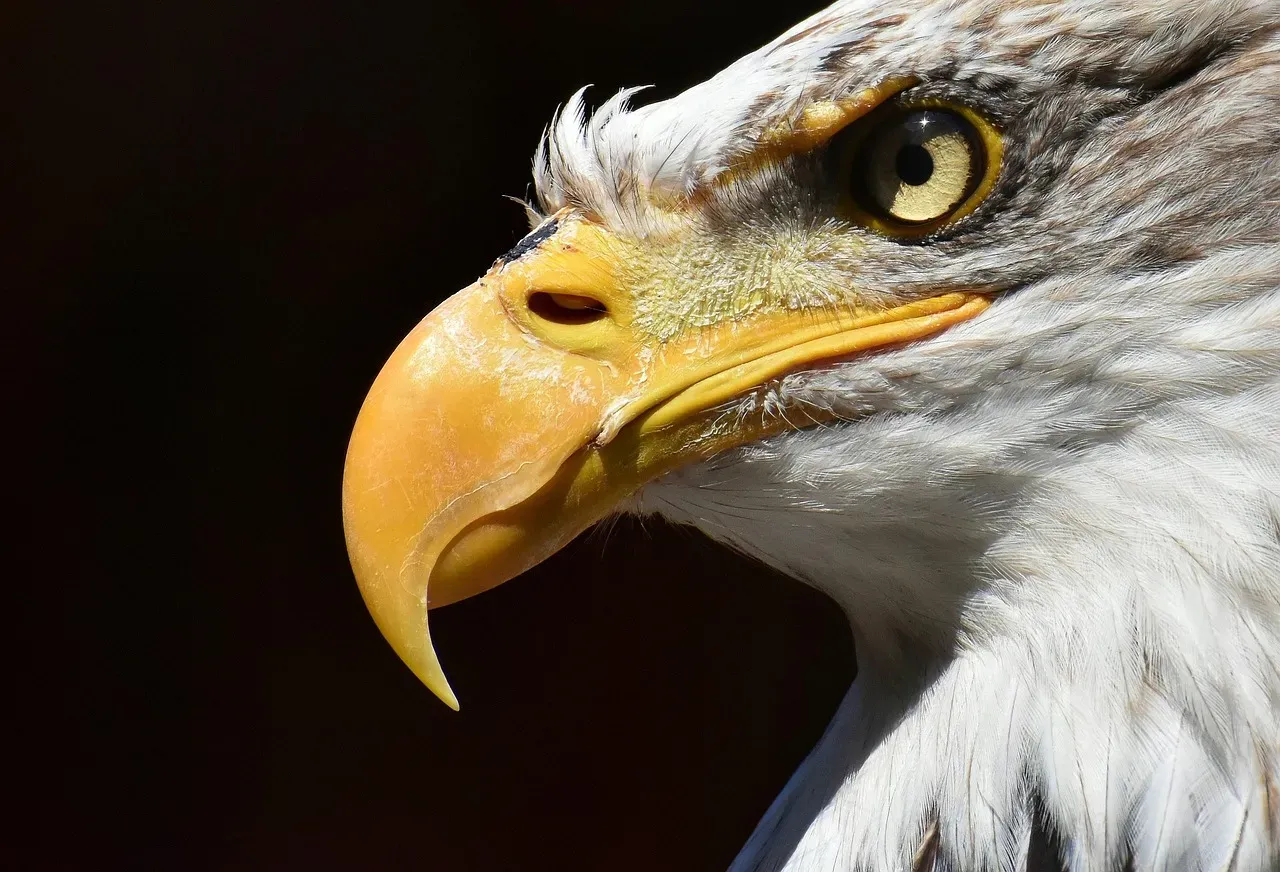
The comeback of these eight remarkable birds of prey stands as proof that conservation works when we commit to it. From eagles that were nearly extinct to falcons that disappeared entirely from vast regions, these species have clawed their way back from the brink. Their recovery required banning harmful pesticides, protecting critical habitat, breeding birds in captivity, and enforcing strong wildlife protection laws.
Yet the work isn’t finished. Climate change, habitat loss, and new threats continue to challenge these populations. Some species like the California Condor still require intensive management just to survive. Others face competition from their own recovering relatives.
What do you think it will take to ensure these birds continue thriving for generations to come?
