
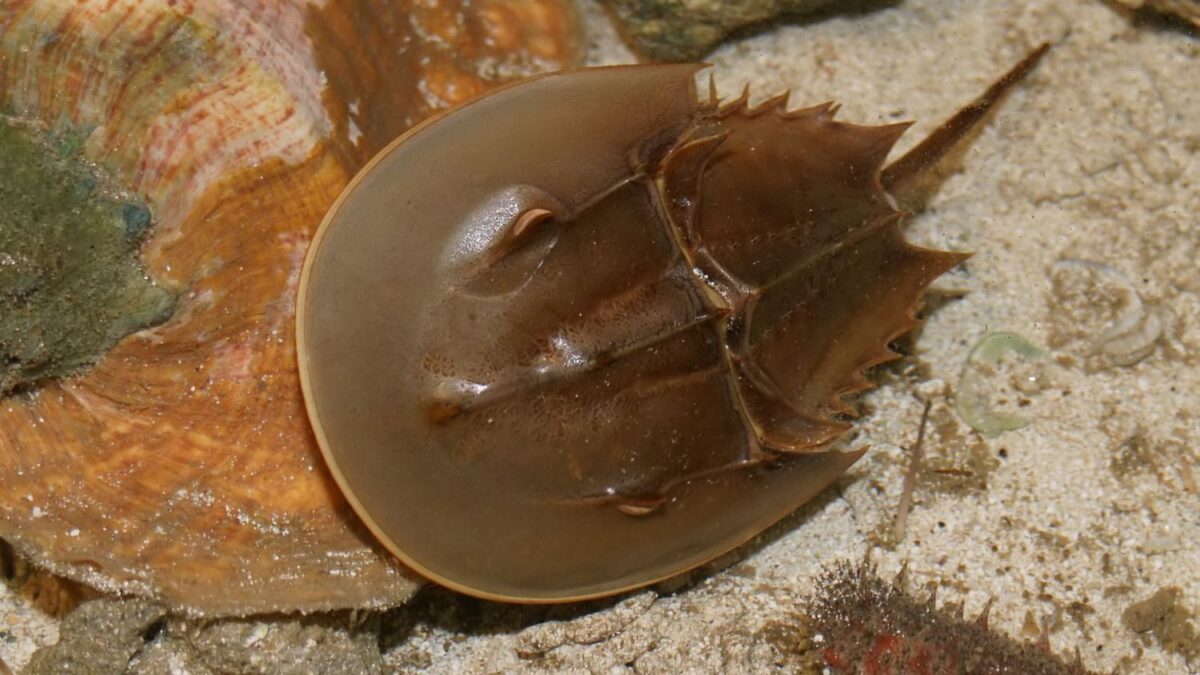
There’s something profoundly unsettling about watching an ancient creature emerge from the ocean, armored and alien, unchanged for hundreds of millions of years. The Atlantic horseshoe crab isn’t just old. It’s a survivor from an era when the world looked completely different, when dinosaurs hadn’t even appeared yet. These remarkable animals crawl along our Atlantic coastline today, carrying secrets in their biology that have fascinated scientists and saved countless human lives.
Most people walk right past them on the beach without realizing they’re looking at one of nature’s most extraordinary success stories. Let’s be real, they don’t look like much at first glance. Yet beneath that hard shell lies a creature so uniquely adapted, so bizarrely constructed, that modern medicine depends on it. What makes these creatures so special? Why have they survived when countless other species vanished? The answers might surprise you more than you’d think.
They’re Older Than Dinosaurs and Still Going Strong
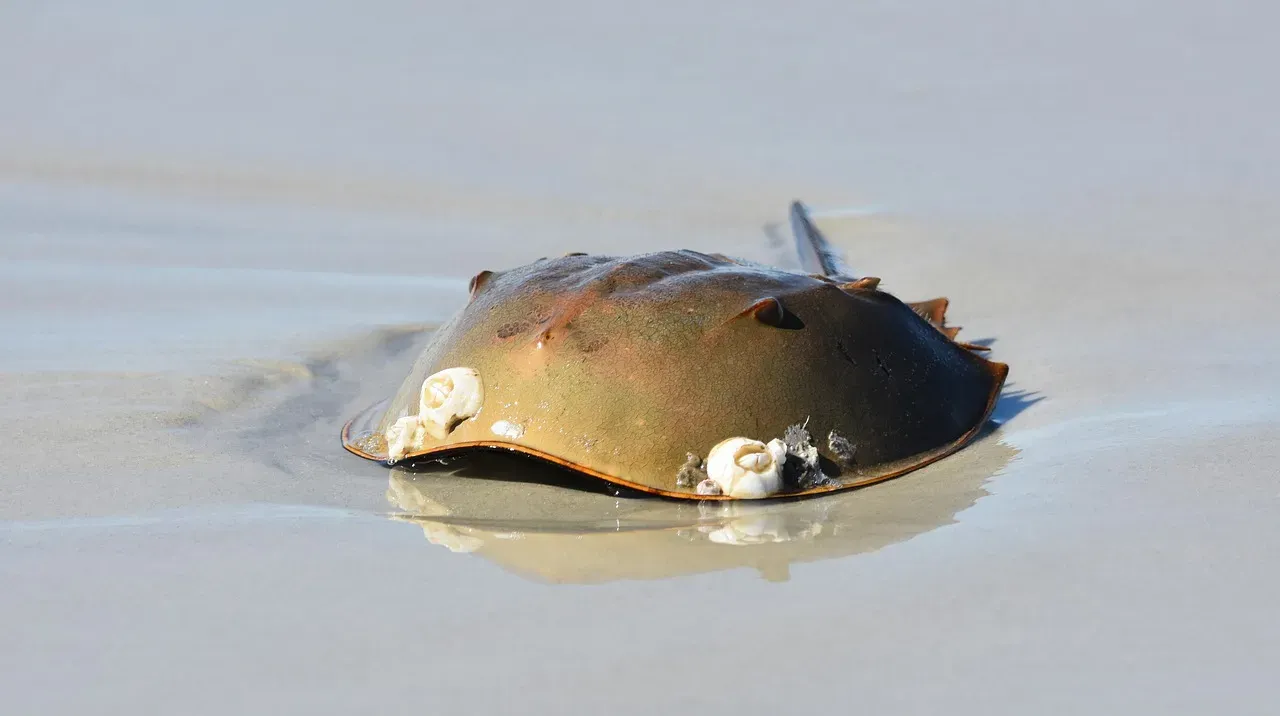
Scientists have discovered fossils of horseshoe crab ancestors that lived roughly 445 million years ago, predating dinosaurs by approximately 200 million years, and these creatures survived the extinction event that wiped dinosaurs from the planet 66 million years ago. Think about that for a moment. While entire epochs came and went, while continents shifted and climates transformed dramatically, horseshoe crabs just kept doing their thing.
These evolutionary survivors have remained relatively unchanged in appearance for 350 million years. The term scientists use is “living fossil,” though honestly, that label doesn’t quite capture the full picture. Sometimes called a stabilomorph, horseshoe crabs represent a body design that evolution got so right it hasn’t needed to change, having roamed coastal shelves and brackish bays for more than 400 million years in nearly identical form.
Their secret? One reason is hitting on a winning formula early on, and another is living in a stable, predictable environment where there is little competition for resources. When you find something that works this well, why mess with it?
They’re Not Actually Crabs at All
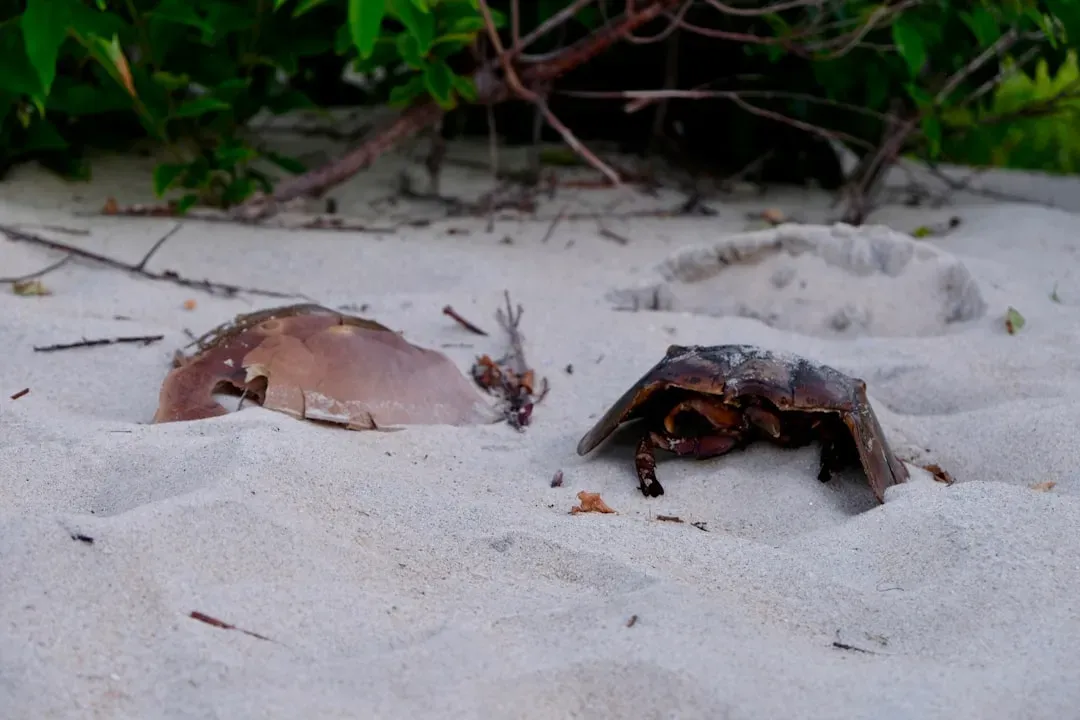
Here’s where things get interesting. Despite the name, the horseshoe crab is not actually a true crab but a member of an ancient group of arthropods closely related to spiders and scorpions. I know it sounds crazy, but these creatures have more in common with the eight-legged critters in your basement than with the crustaceans at a seafood restaurant.
Horseshoe crabs are more closely related to arachnids like spiders and scorpions than they are to crabs or other crustaceans. This relationship reveals itself in their anatomy and biology in fascinating ways. There are four species of horseshoe crabs around the world, with only one in North America, which is the most abundant species globally and ranges on the Atlantic coast from Maine to the Yucatan Peninsula.
Their classification puts them in a unique position in the animal kingdom. They’re chelicerates, a group that branched off from other arthropods long before modern insects and crustaceans evolved into what we see today.
Their Blue Blood Is Literally Saving Lives
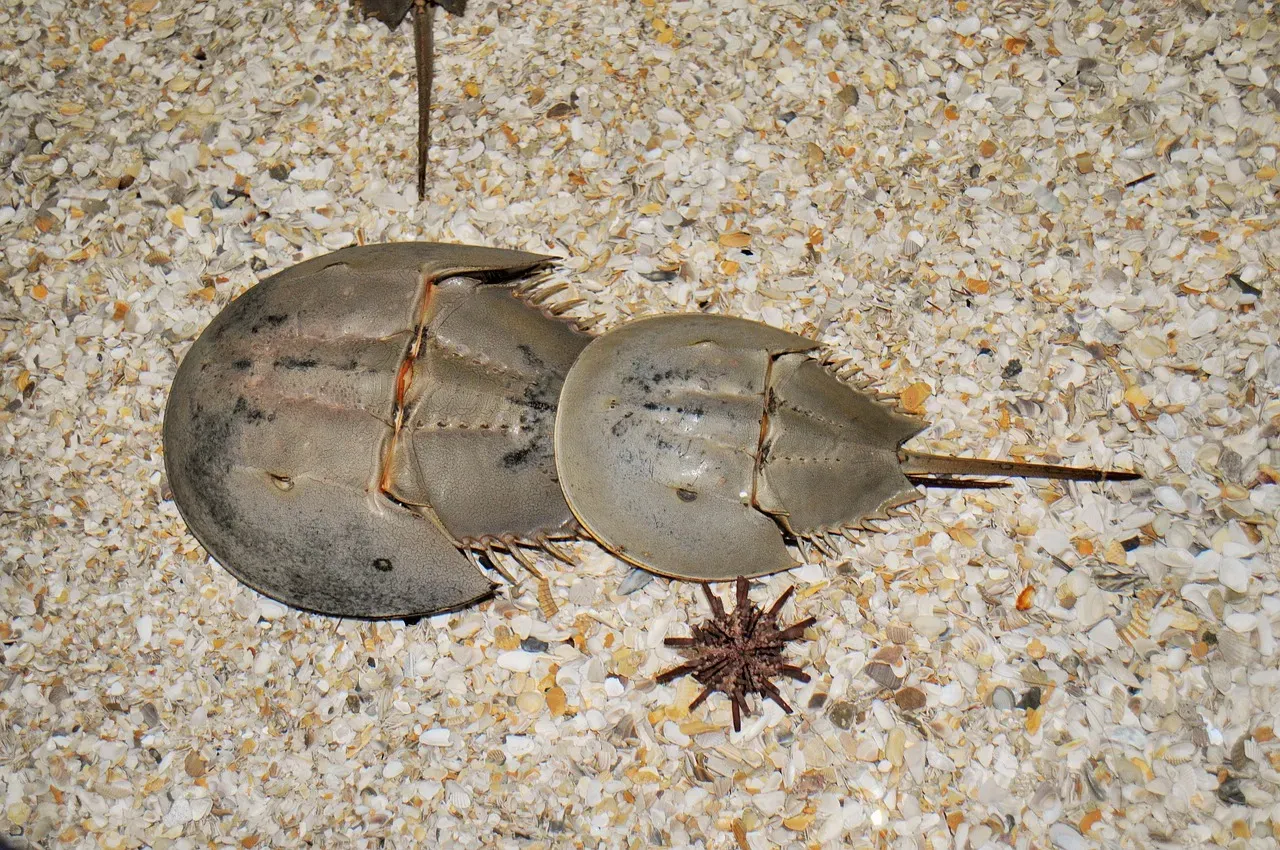
This is perhaps the most remarkable fact about horseshoe crabs. Horseshoe crab blood plays a vital role in human medicine, with their straw-colored, copper-based blood turning blue when exposed to high oxygen concentrations and containing primitive large blood cells called amoebocytes that produce a clotting agent called Limulus Amoebocyte Lysate.
Scientists used these blood cells to develop the LAL test, which checks new vaccines for contamination and has been used worldwide since the 1970s to stop medical professionals from giving out injections full of bad bacteria that could make humans very sick. If you’ve ever received a vaccine, had surgery with implants, or used injectable medications, you’ve benefited directly from horseshoe crab blood. The test has saved millions of lives by ensuring the safety of countless drugs, intravenous fluids, vaccines, and medical devices.
The medical industry catches hundreds of thousands of these crabs annually, drains roughly one third of their blood, then returns them to the ocean. Five companies along the East Coast drained over 700,000 crabs in 2021, more than any other year since officials started keeping track in 2004. That’s a staggering number when you really think about it.
They Have Ten Eyes Scattered Across Their Bodies
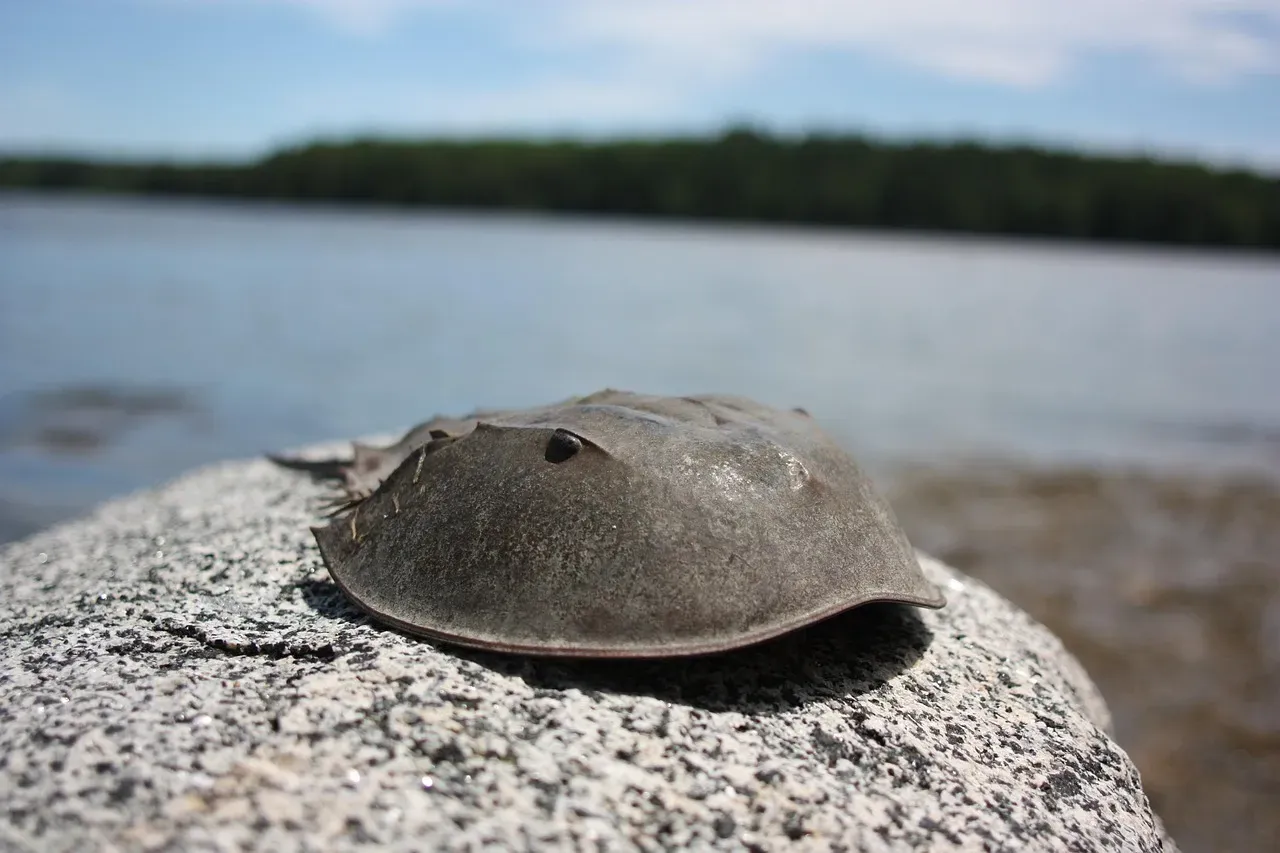
If you thought having two eyes was complicated, imagine coordinating ten of them. Horseshoe crabs have nine eyes scattered throughout the body and several more light receptors near the tail. It’s an arrangement that seems almost excessive until you understand what each set of eyes does.
The crab’s two compound lateral eyes are unusual because no other living chelicerate possesses compound eyes, and these are used primarily for finding mates, while five additional eyes on top of its shell include two median eyes, one endoparietal eye, and two rudimentary lateral eyes. Each type serves a specific purpose in helping the crab navigate its world.
To compensate for relatively poor vision, horseshoe crabs have the largest rods and cones of any known animal, about 100 times the size of humans’, and their eyes are a million times more sensitive to light at night than during the day. That nighttime sensitivity makes perfect sense when you consider their spawning behavior, which often occurs after dark during high tides.
Delaware Bay Hosts the World’s Largest Spawning Population
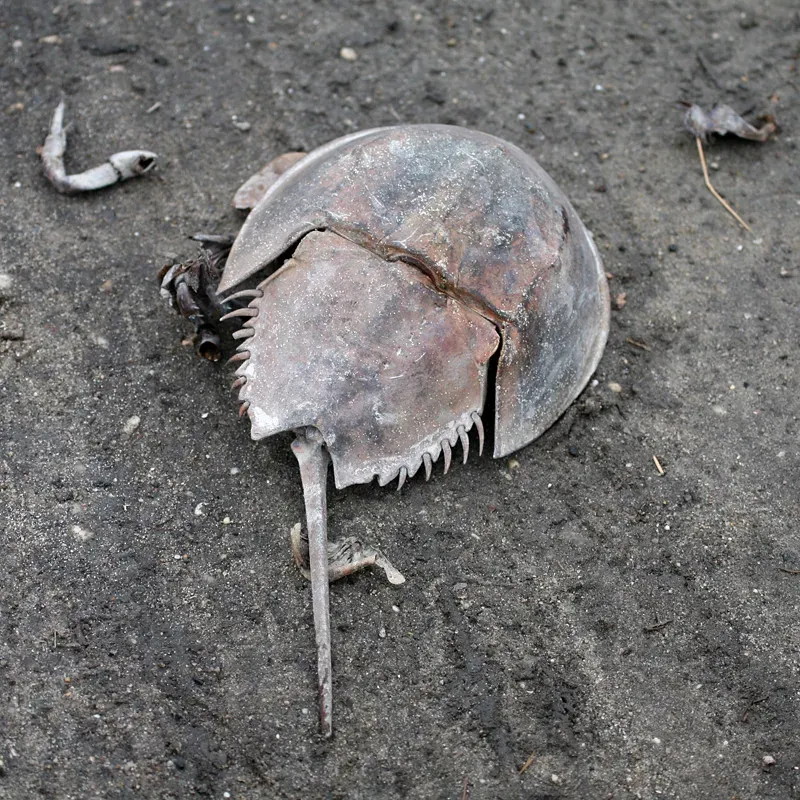
Every spring, something extraordinary happens along the Delaware Bay coastline. The peak of spawning on the Atlantic coast occurs in Delaware Bay, where thousands of crabs arrive on the sandy beaches in May and June. Actually, thousands is an understatement. The Delaware Bay exceeds 40 million horseshoe crabs, with about 31 million adults.
Crabs arrive on the spawning beaches during the high tides of full and new moons when the water rises highest on the beach. The timing is crucial. Delaware Bay provides an excellent spawning area because the sandy beaches are protected from harsh wave action and the sand-pebble mixture of the beach is perfect for incubating horseshoe crab eggs.
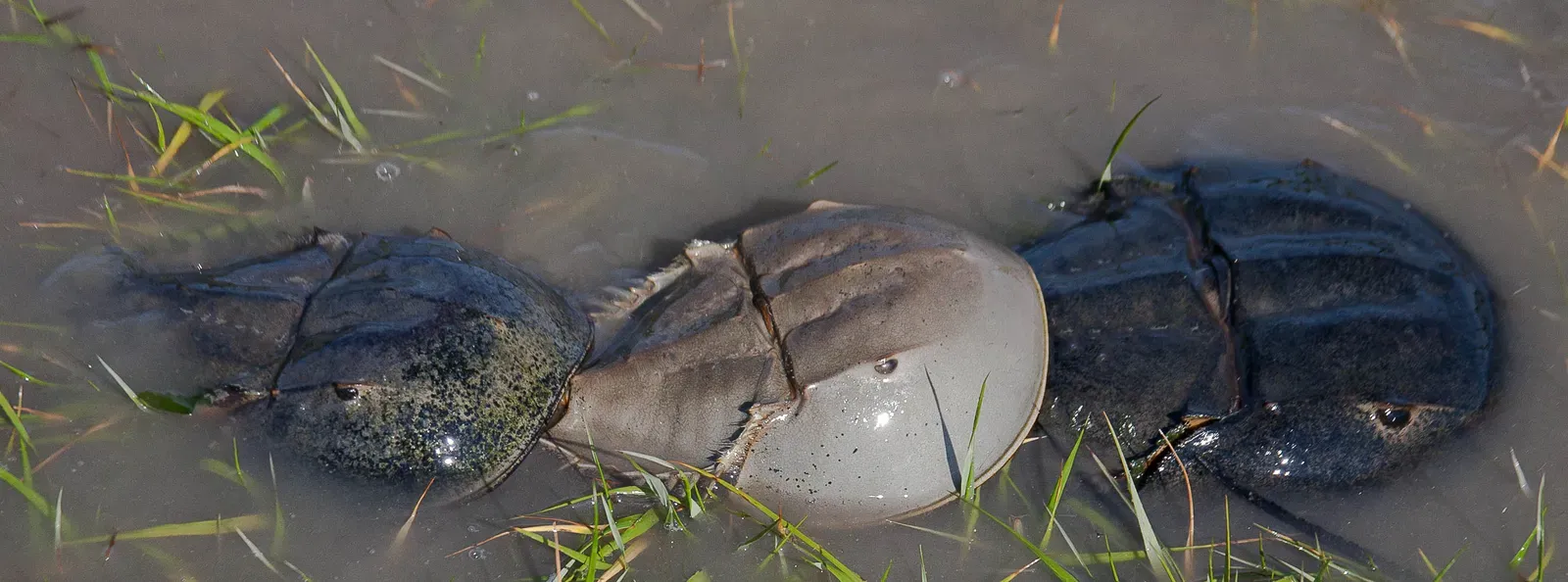
This massive congregation creates one of nature’s most impressive wildlife spectacles. Female crabs drag males attached to their shells up the beach, digging nests and laying clusters of thousands of eggs. The sheer scale of this annual migration has shaped an entire ecosystem around it.
Migratory Birds Depend on Them for Survival
The horseshoe crab spawning season isn’t just important for the crabs themselves. Thousands of shorebirds descend on Delaware Bay in May to feast on horseshoe crab eggs, with red knots, ruddy turnstones, and sanderlings relying on the fat and protein-packed eggs to power long flights, making this the last chance for red knots to fuel up before the final leg of an epic 9,300-mile migration from South America to the Arctic.
Horseshoe crabs play a crucial ecological role by providing essential food for migratory shorebirds, serving as bait for commercial fisheries, and contributing to the biomedical industry through their unique blood. The red knot, a threatened species under the Endangered Species Act, has evolved to time its migration specifically to coincide with peak horseshoe crab spawning.
Birds arrive at Delaware Bay beaches at very low weights, lower than at any other stopover, and they have to double their body weight using only horseshoe crab eggs as nutrients. Without these eggs, many birds simply wouldn’t survive the journey. It’s a dependency that makes horseshoe crab conservation critical for multiple species.
Their Immune System Is Both Primitive and Powerful
What makes horseshoe crab blood so valuable isn’t just its blue color. The blood contains important immune cells that are exceptionally sensitive to toxic bacteria, and when those cells meet invading bacteria, they clot around it to protect the rest of the horseshoe crab’s body from toxins. This remarkably simple yet effective defense mechanism has kept these creatures alive through countless environmental changes.
The blood of horseshoe crabs contains one type of blood cell, the amebocytes, which play an important role in defense against pathogens by containing granules with a clotting factor known as coagulogen that is released outside the cell when bacterial endotoxin is encountered, with the resulting coagulation thought to contain bacterial infections in the animal’s semiclosed circulatory system.
Living in bacteria-rich ocean environments, this immune response had to be effective. The fact that this primitive system works so well that humans adapted it for medical testing shows just how elegantly designed it really is. Nature figured out bacterial detection millions of years before we even knew bacteria existed.
They’re Facing Modern Threats Despite Ancient Success
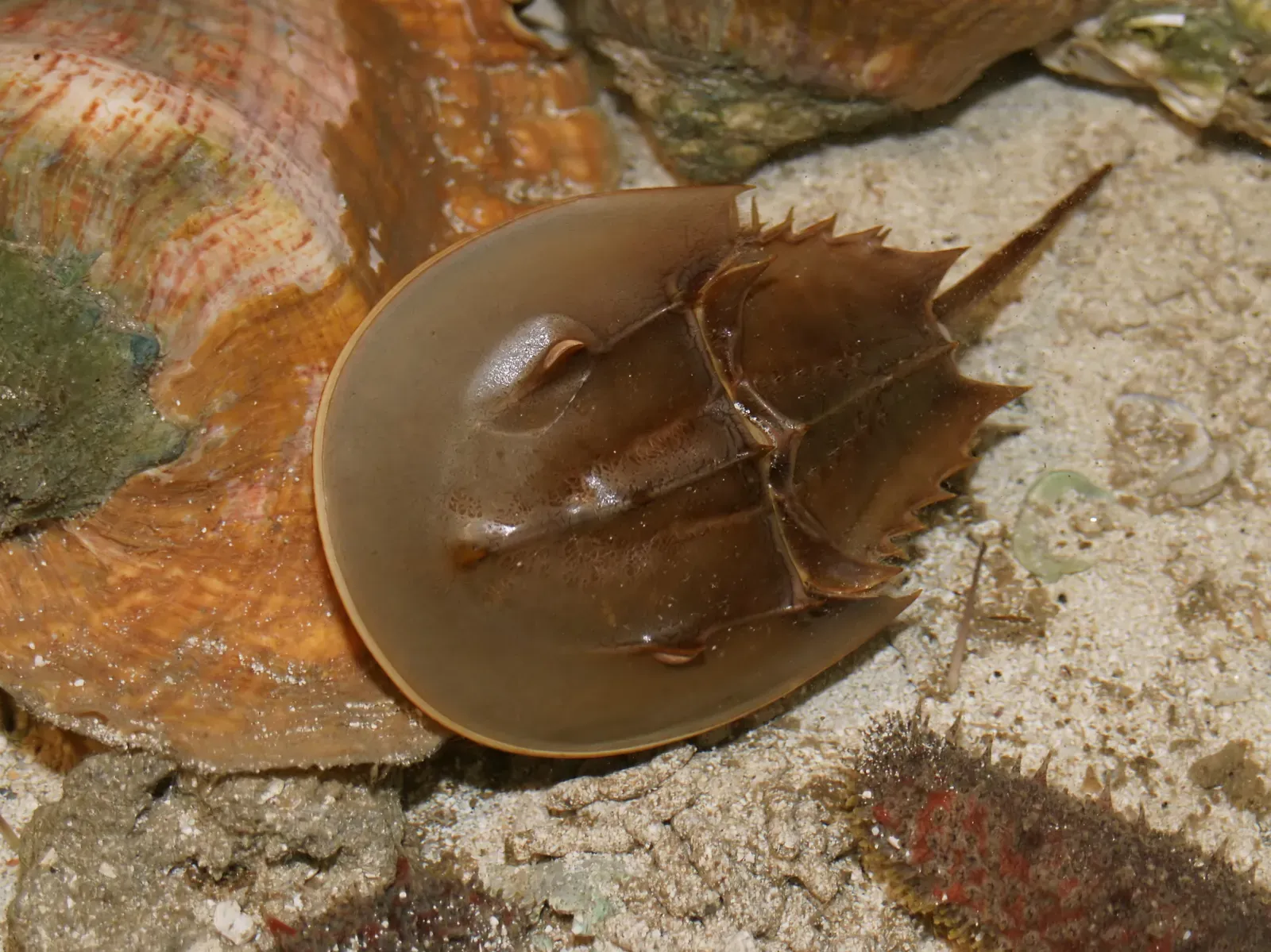
Here’s the sobering part. The Atlantic horseshoe crab is recognized as vulnerable by the IUCN due primarily to overharvesting and habitat loss, though there are significant geographic differences with some populations increasing, some stable, and some declining. After surviving for hundreds of millions of years, these creatures now face pressures they’ve never encountered before.
Recent management decisions set a harvest limit of 500,000 male and zero female Delaware Bay-origin horseshoe crabs for the 2026 and 2027 fishing seasons. These restrictions came after decades of declining populations. The Horseshoe Crab Protection Act prohibits taking horseshoe crabs from state waters for commercial and biomedical uses, phasing out the practice over three years and completely banning it by 2029 in New York specifically.
The development of synthetic alternatives to horseshoe crab blood offers hope. Yet adoption has been slow, particularly in the United States, even though the technology exists and has been approved in other countries. Whether we protect these ancient creatures for their own sake or for the ecosystem services they provide remains to be seen. What’s certain is that losing them would be an ecological and medical catastrophe.
Conclusion
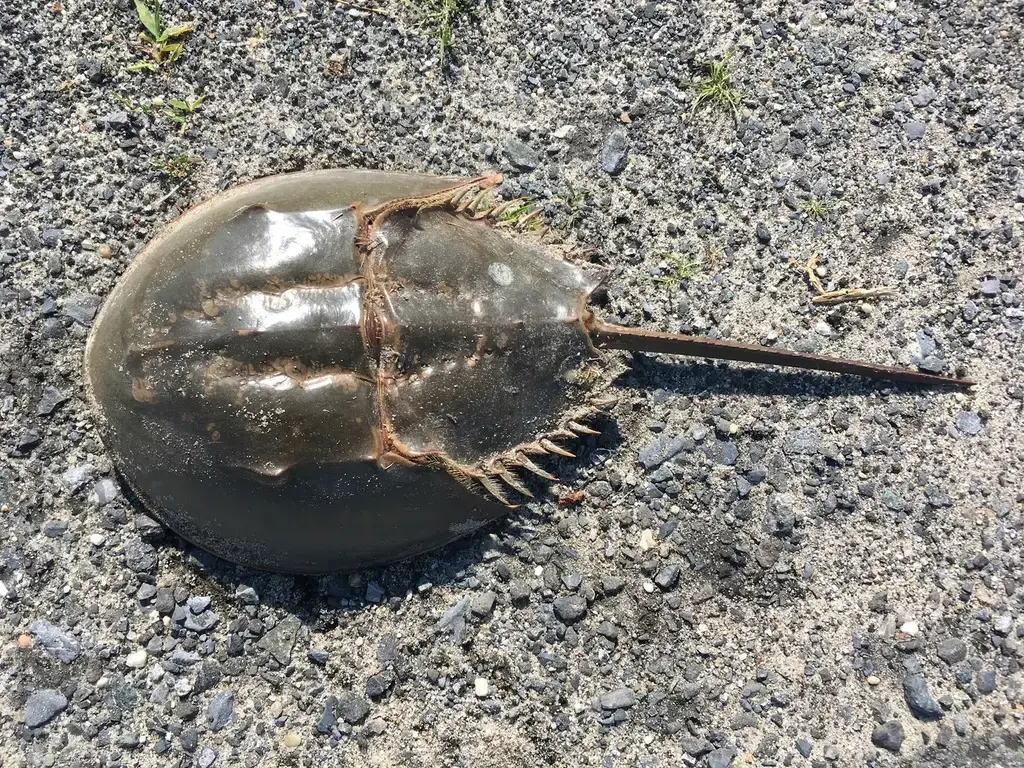
The Atlantic horseshoe crab stands as a testament to nature’s ability to perfect a design and stick with it. These creatures have witnessed the rise and fall of countless species, survived mass extinctions, and adapted to changing oceans while maintaining their basic form. Their contribution to modern medicine is immeasurable, their role in coastal ecosystems irreplaceable.
Looking at a horseshoe crab today, you’re seeing essentially the same animal that scuttled across ancient seafloors before the first vertebrates crawled onto land. That’s not just impressive, it’s humbling. As we face decisions about how to manage and protect these populations, we’re really deciding whether a creature that survived for nearly half a billion years will make it through the anthropocene.
What do you think about the relationship between horseshoe crabs and human medicine? Should we be doing more to protect these ancient survivors?
