
Nature does not play fair. Out in the wild, every single day is a battle between survival and extinction, and for newborns, the odds can be terrifyingly slim. What makes this story even more gripping is how far animal parents will go, sometimes at the cost of their own lives, to tip those odds in their offspring’s favor.
From the icy tundra of Antarctica to the dense African savanna, the strategies animals have evolved to shield their young are nothing short of breathtaking. Some of them you might expect. Others will completely stun you. Let’s dive in.
The Living Shield: Elephants and the Power of the Herd
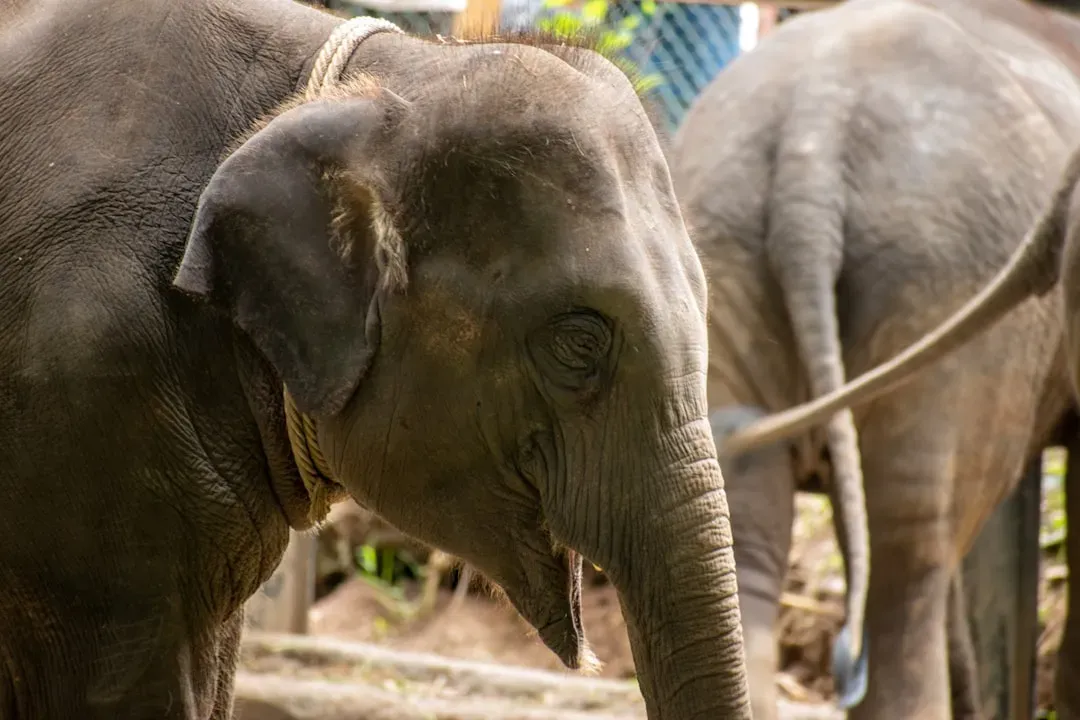
Few sights in nature are as awe-inspiring, or as intimidating, as a herd of elephants closing ranks around their young. Elephants may be the most protective moms on the planet, with herds of females and children typically traveling together in a circle, with the youngest member on the inside, shielded from predators. Think of it like a fortress made of living, breathing walls. Each massive body is a barrier, and the combined weight of that fortress is enough to stop almost any threat dead in its tracks.
Once a baby elephant is born, it is cared for by the entire herd, made up of extended family members including many adoring aunts. If the mother dies, the herd steps in and adopts the orphaned elephant, caring for it as if it were their own. That is not just protection. That is community at its most fierce and most tender.
Elephants live in a matriarchal society, so other females in the social group help a calf to its feet after birth and show the baby how to nurse. The older elephants even adjust the pace of the herd so the calf can keep stride. Honestly, it is hard not to feel something when you realize that these giant creatures slow down for the smallest one among them.
Disappearing Act: How Cheetahs Use Stealth to Outsmart Predators
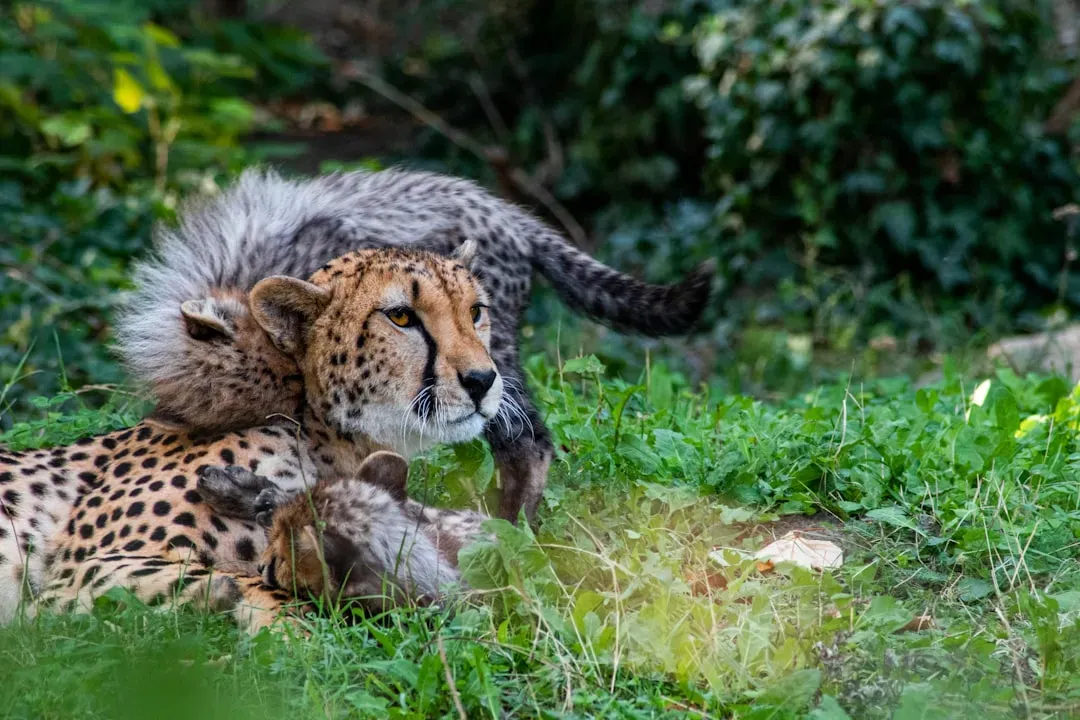
When you think of cheetahs, speed is probably the first thing that comes to mind. But speed alone does not keep cubs alive. Cheetah mothers raise their babies of two to six cubs in isolation and relocate their den every four days, specifically to prevent the formation of a scent trail that predators can detect and follow. It is a clever, almost calculated approach to invisibility.
Cheetahs move their litters every few days to isolate them and prevent a buildup of scents that would attract predators. That is a mother making calculated, daily decisions in a game where one wrong move could mean the end for her young. There is something deeply strategic about it, almost like a chess match played out in the grass.
The cubs stay with their moms for the first 18 months of their lives, during which they learn to hunt. So it is not just about survival now. It is about giving the next generation every possible edge for the survival battles ahead.
The Ultimate Sacrifice: Octopus Mothers Who Fast Until Death
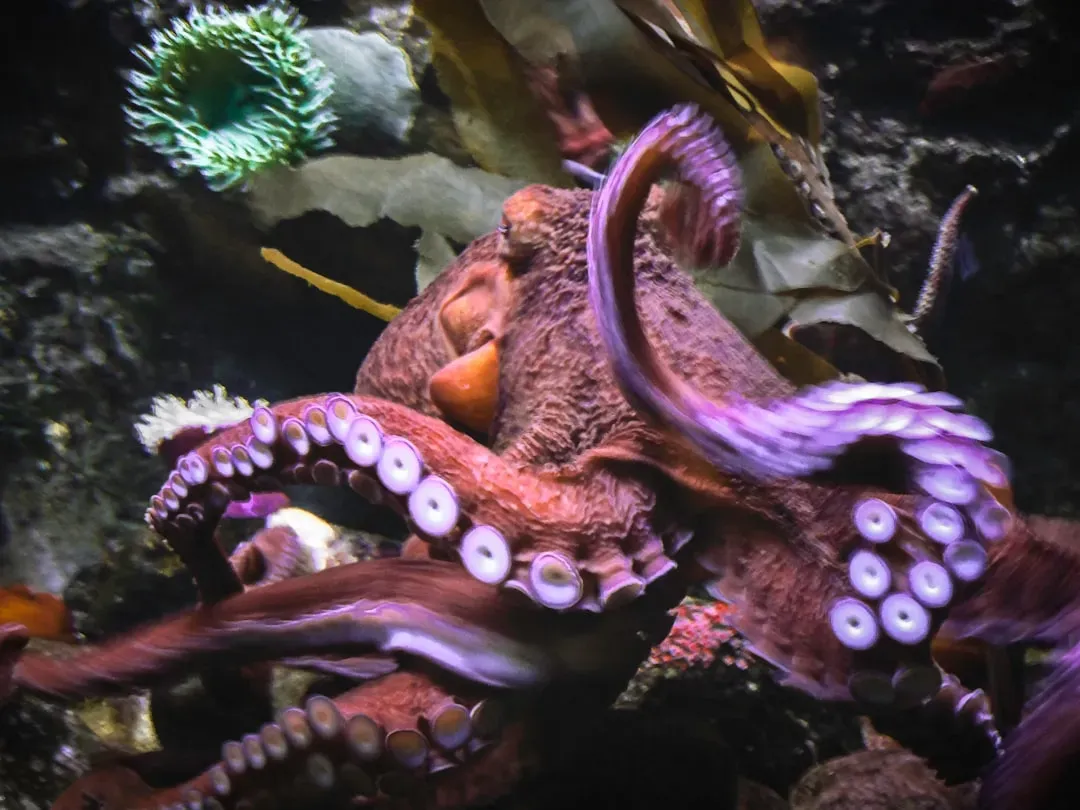
Here is a story that honestly leaves me in disbelief every time I think about it. Octopus moms commit the ultimate sacrifice to ensure the safety of their babies. They fast, often until death, to stay with their eggs. While protecting their brood, the health of a mother octopus rapidly declines until they eventually succumb. We talk about devoted parents in the human world, but this is something else entirely.
After female octopuses lay huge amounts of eggs, sometimes in the thousands, they keep the developing babies oxygenated and free of bacteria by fanning them with muscular organs called siphons. During this process, octopus moms stop eating and will not leave the area while guarding their offspring, no matter how long it takes for them to hatch. Every breath she takes is spent keeping those eggs alive.
It is hard to say for sure whether this can be called love in any human sense of the word, but the level of biological commitment involved is staggering. This is perhaps the most extreme form of parental protection in the entire animal kingdom, and it belongs to one of the ocean’s most intelligent creatures.
Safety in Numbers: Dolphins and the Coordinated Pod Defense
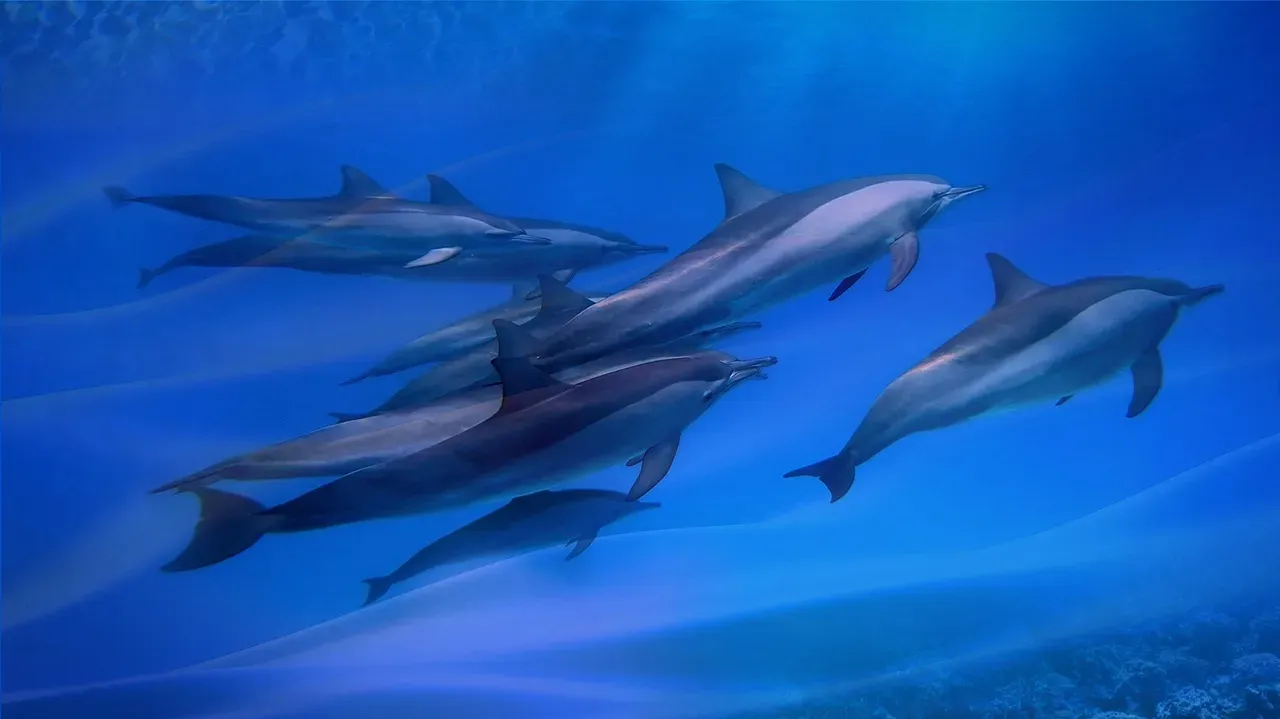
Living in social groups called pods, dolphins work together to protect their families. Using their unique forms of cooperation and communication, dolphins work together to catch food, defend each other from predators, and raise their young. A lone dolphin calf in the open ocean is vulnerable. A calf surrounded by a coordinated pod of adults is a very different story.
Females with babies form their own groups, often with other female family members, to help each other care for their young. Baby dolphins develop very strong bonds with their mothers and stay with them for many years. There is a social architecture here that is genuinely sophisticated, almost mirror-like in its resemblance to how humans organize around protecting children.
Dolphins use whistles to identify themselves and other family members in their pods. When any individual is in danger, it emits a distinct call for help, and the pod members respond immediately, offering help. That is not just instinct. That is a communication system purpose-built for crisis response.
Frozen Vigil: Emperor Penguins Braving the Coldest Place on Earth
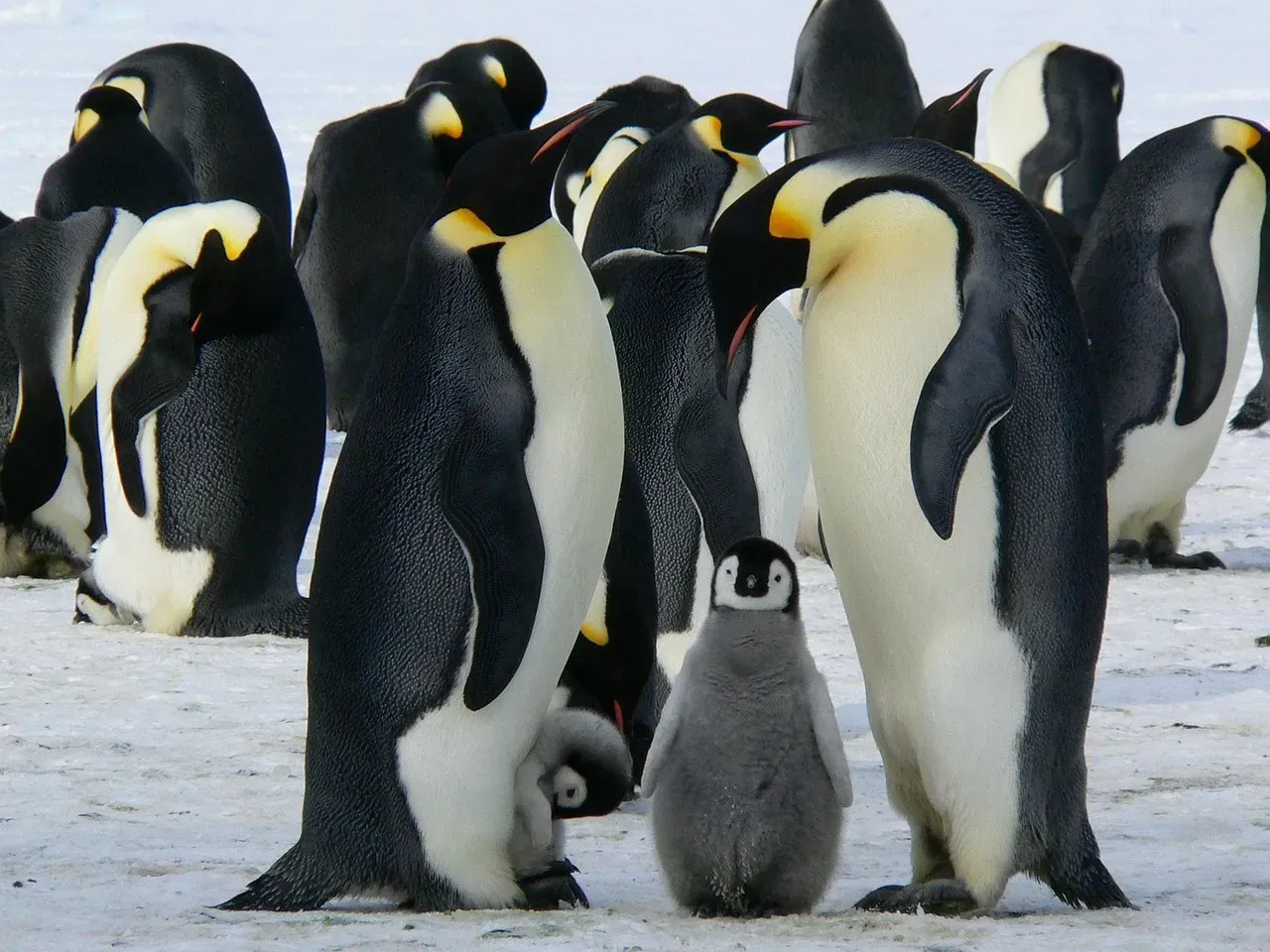
I think emperor penguins might be the most quietly heroic parents on the planet. After a penguin mother lays her egg, she leaves it with the father and goes to the sea to hunt. The egg is kept under a skin flap between the father’s feet, where it can stay warm even as temperatures fall to 30 degrees Fahrenheit below zero. During the more than two months it takes to hatch the egg, the male penguins do not eat anything and brave the freezing temperatures.
Living in colonies from 500 to even 20,000 pairs, emperor penguins are incredibly social animals who sacrifice much to bravely protect their families. There is power in those numbers too. The penguins huddle together in tight masses to share body heat, rotating those on the cold outer edge inward so that no single bird bears the worst of the wind alone.
In the harsh, icy tundra of Antarctica, emperor penguins stand out as one of the best animal dads. These remarkable fathers endure the planet’s most extreme cold to safeguard their eggs. Covered only by a flap of skin, males balance the eggs on their feet for months during winter, all while fasting and braving blizzards. A father standing motionless in a blizzard for months, without food, just to keep one egg warm. Let that sink in.
Mothers Who Fake It: The Killdeer’s Brilliant Distraction Strategy
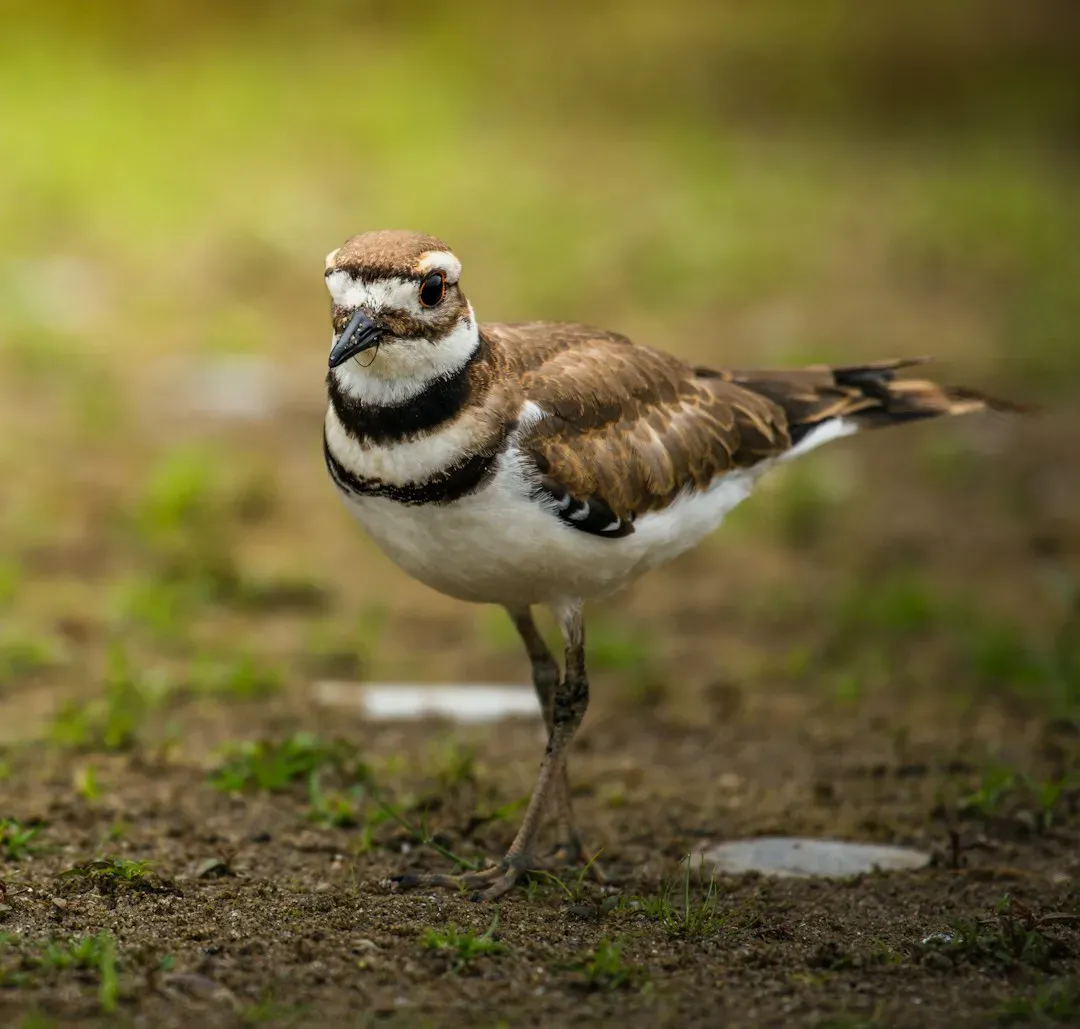
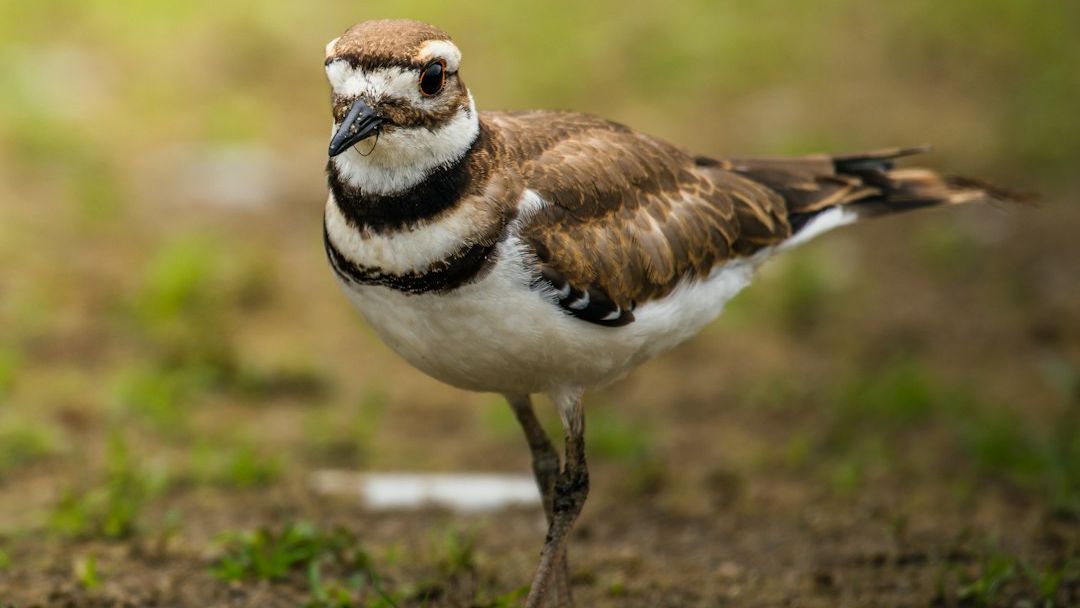
Not every animal protects its young through brute strength. Some are masters of misdirection, and the killdeer bird is perhaps the most spectacular example of this. Killdeer, a type of plover, will make alarm calls and then feign an injury to distract predators away from their nest. They often droop their tails and wings to appear as though they are hurt, thus appearing as an easy prey to lure the predator away from the babies.
Think about what that actually involves. The parent bird is deliberately drawing a predator toward itself, staking its own life as bait, trusting that it can lead the threat far enough away before making its escape. It is deception deployed as a survival tool, and it is remarkably effective.
This strategy works because predators are opportunistic. Most predators want an easy kill by ambushing their prey. If a predator has to fight their meal, there is a chance they could get hurt, which will make them less efficient for the next hunt. The killdeer exploits this logic perfectly, making an injured, stumbling bird look far more tempting than a hidden nest of eggs.
Built-in Body Armor: The Kangaroo’s Pouch as a Mobile Fortress
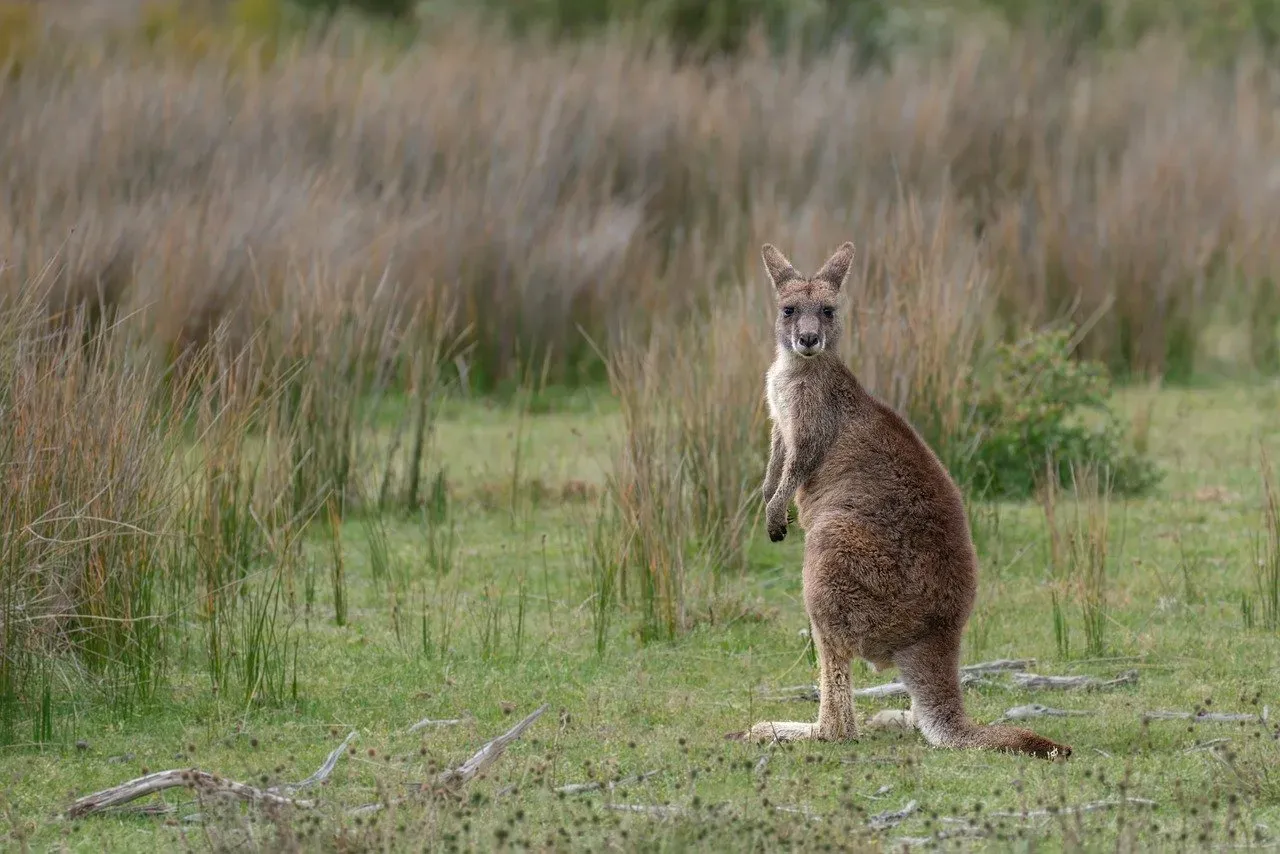
Few protective strategies in nature are as elegantly simple as the marsupial pouch. Kangaroos are only pregnant for a remarkably short time before giving birth to a joey that can be as small as a grain of rice. They care for their remarkably vulnerable babies by carrying them in their pouches for months, maintaining constant skin-to-skin contact, while the joey gestates for another 120 to 450 days. It is essentially a second womb worn on the outside.
Kangaroos are marsupials because they have a special pouch for their babies. The babies are warm and are also protected from danger in their mother’s pouch. The joey is not just kept warm in there. It is completely hidden from the outside world, tucked against its mother’s body, unreachable by almost any predator.
Kangaroos only emerge permanently from their mother’s pouch at 10 months old, but for the next 8 to 11 months, they continue to periodically suckle from their mother. Even after leaving the pouch, a young kangaroo can dive straight back in at the first sign of danger, like a living escape hatch always on standby. It is one of nature’s most practical, brilliant designs.
Crocodile Tenderness: Jaws That Carry Rather Than Crush
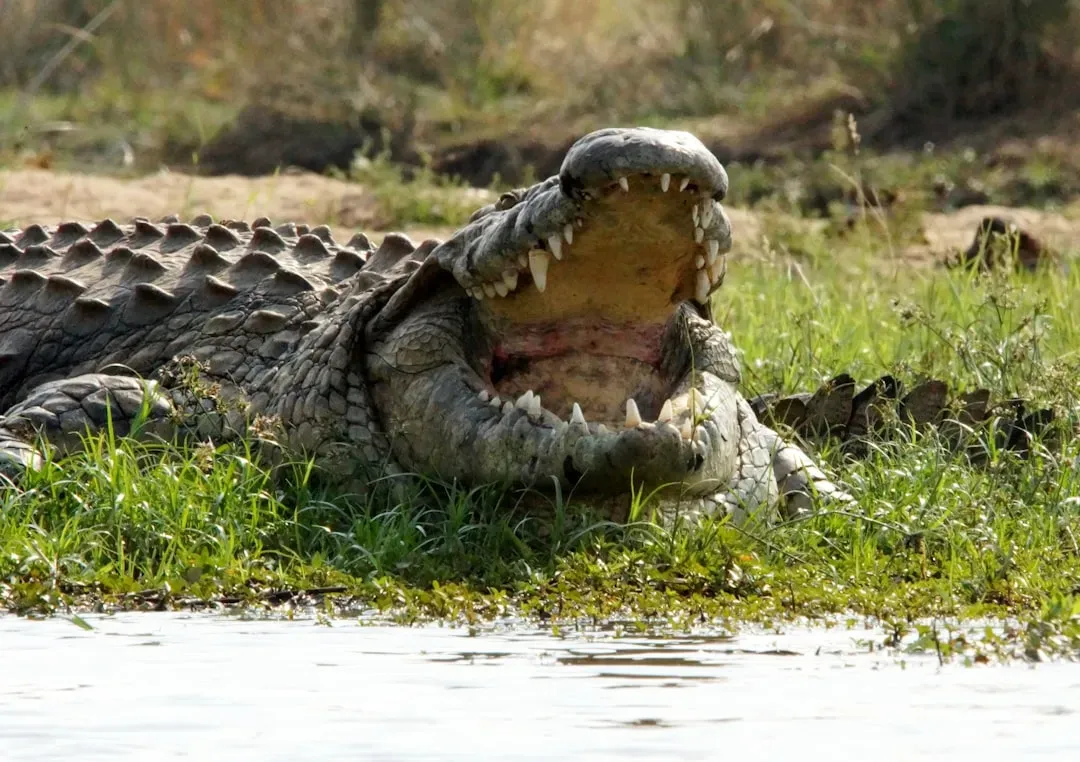
Here is one that genuinely surprises most people the first time they hear it. Crocodiles, one of the most feared predators on Earth, are also among the most attentive parents. Maternal care exists in crocodilians, where the mother assists hatchlings by transporting them in her mouth from the nest to the water. She may stay with the young for up to several months. Those same jaws that can snap bone carry newborn hatchlings with extraordinary gentleness.
Among crocodilians, adults approach eggs in which juveniles have begun vocalizing prior to hatching and crack open the eggs with their mouths. The parents help free the hatchlings and often pick them up in their mouths and carry them to water. Juveniles of all studied crocodylian species emit distress calls that elicit approach of adults, suggesting a protective function. So the babies call out, and the mother responds. A communication system that begins before birth.
Crocodiles are expert parents, building nests on riverbanks. When the eggs hatch, they gently carry their babies in their mouths and transport them to the water, where they are safe from predators. It is a reminder that in nature, appearances are wildly deceiving. The creature that looks most monstrous can turn out to be one of the most dedicated protectors of all.
Conclusion: Nature’s Most Powerful Force
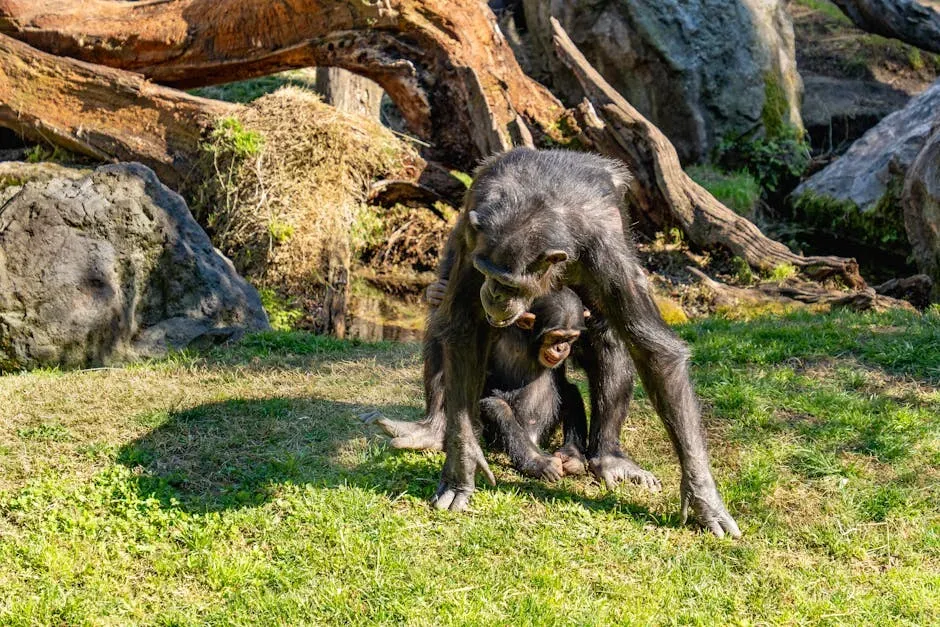
What unites all eight of these strategies is something deeper than instinct alone. Whether it is a herd of elephants slowing their pace for the smallest calf, a male emperor penguin standing frozen in a blizzard, or a mother octopus fanning her thousands of eggs until she has nothing left to give, the message is the same: protecting the next generation is worth everything.
Parental care is any behaviour that contributes to offspring survival, such as building a nest, provisioning offspring with food, or defending offspring from predators. Simple in definition, staggering in execution. Across millions of years of evolution, nature has found countless ways to answer one fundamental question: how do we keep the young ones alive?
The animal kingdom’s answer to that question is more creative, more emotionally charged, and more awe-inspiring than most of us ever stop to consider. Next time you see a wildlife documentary, look a little closer at the parent in the background, quietly standing guard. That might just be the most extraordinary creature on screen. What animal’s protective behavior surprised you the most? Tell us in the comments below.
