
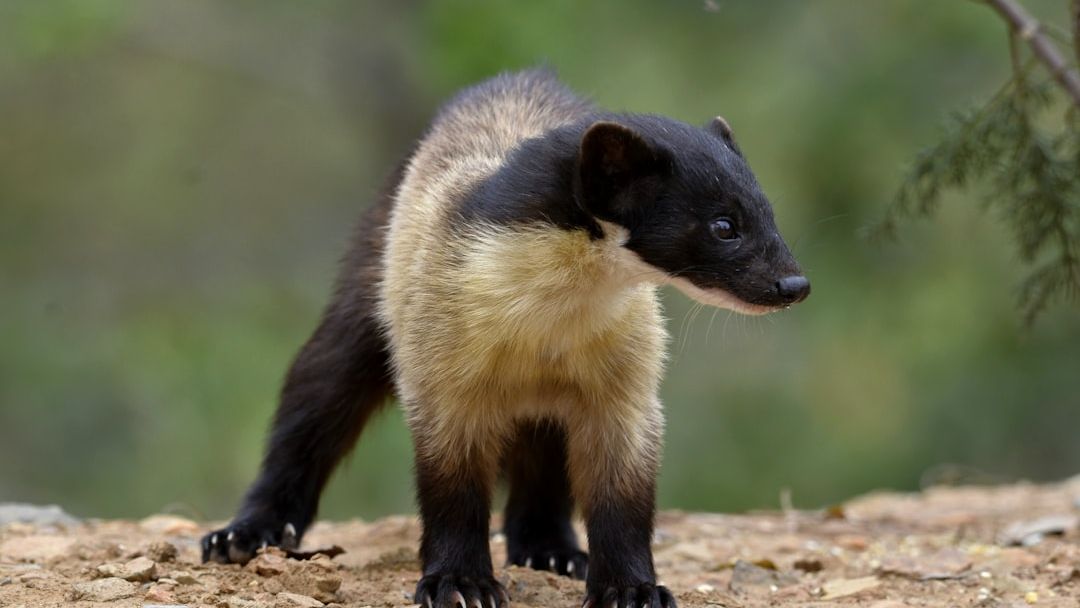
There’s something quietly thrilling about the idea of rare wildlife. We’re not talking about creatures from another continent or mythical beasts hiding in folklore. These are real animals, right here in the United States, living quietly in shrublands, forests, wetlands, and deserts. Some have been pushed to the very edge of survival, others are just masters at staying hidden.
Most of us will never stumble across them, even if we spend years hiking and camping. Yet that’s part of what makes them fascinating. The chance of seeing one feels more like winning a lottery than taking a stroll. So what would it take to spot one? Let’s dive in.
1. Red Wolf
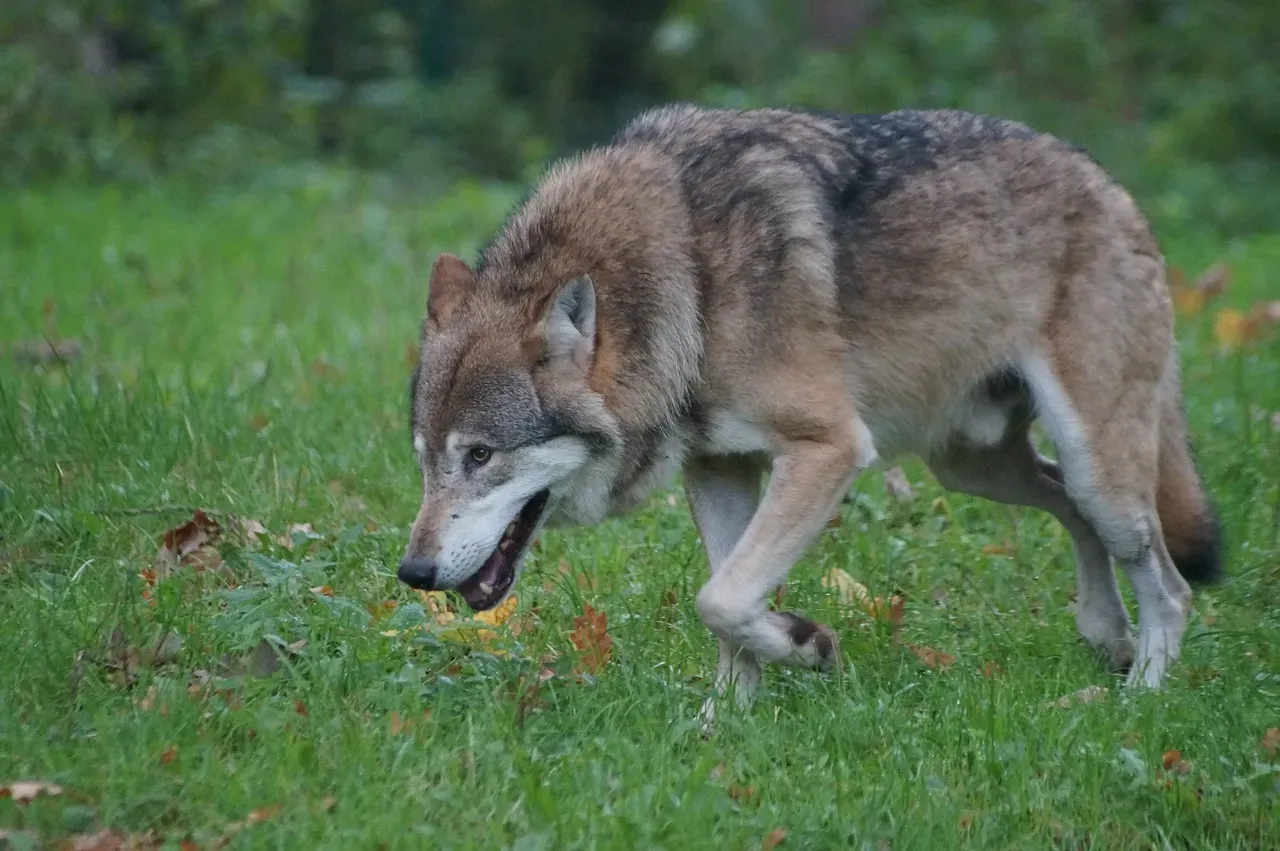
There are fewer than 20 red wolves left in the wild, all of them living in eastern North Carolina’s Alligator River National Wildlife Refuge. That number alone makes them one of the rarest canids on the planet. These animals are smaller than gray wolves but larger than coyotes, with a distinctive reddish-brown coat that gives them their name.
Their story is heartbreaking. Red wolves once roamed across much of the Eastern United States but were hunted almost to extinction by the 1970s. Seeing them is extremely rare, but hearing their calls under a full moon is unforgettable. Joining a red wolf howling safari or interpretive program hosted by local conservation groups might be your best shot at experiencing them at all.
2. Black-Footed Ferret
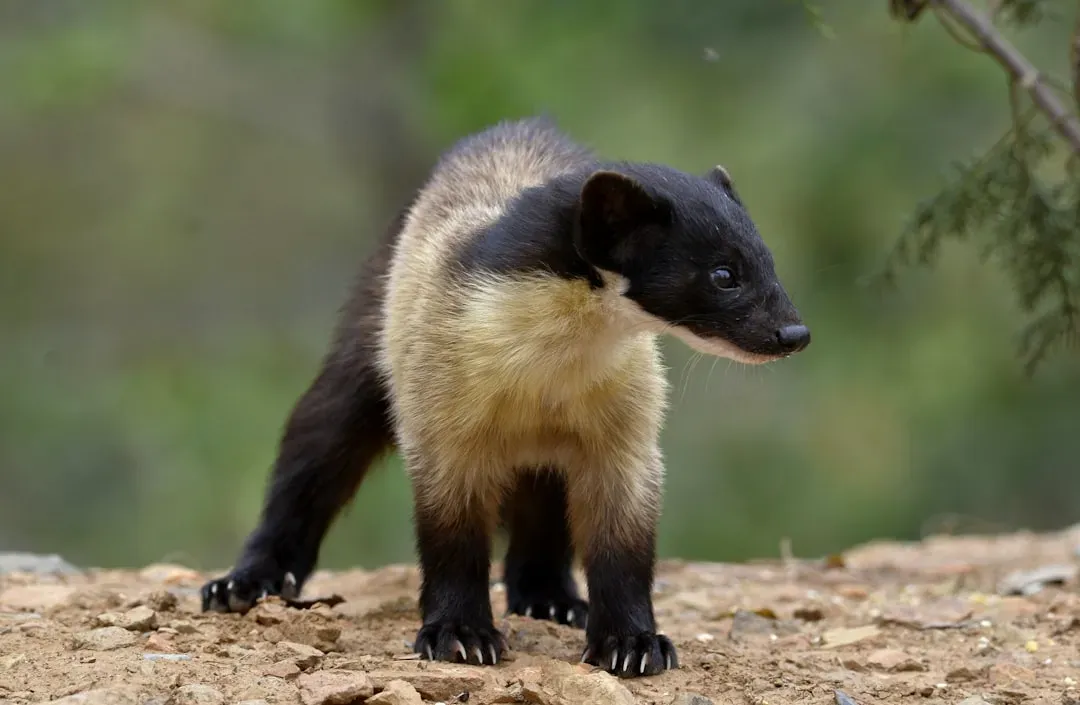
Once thought to be extinct, the black-footed ferret is a remarkable conservation success story. These nocturnal hunters are almost entirely dependent on prairie dog colonies for both food and shelter. The Conata Basin in Badlands National Park is one of the few places where black-footed ferrets have been successfully reintroduced.
They’re small, with black feet and a bandit-like mask across their face. Spotting one requires patience and the right timing. Night drives during summer or fall offer the best chance, when ferrets venture out near burrow entrances. They’re active, curious, and impossibly cute. Their survival signals a healthy prairie ecosystem, which makes every sighting feel like a small environmental victory.
3. California Condor
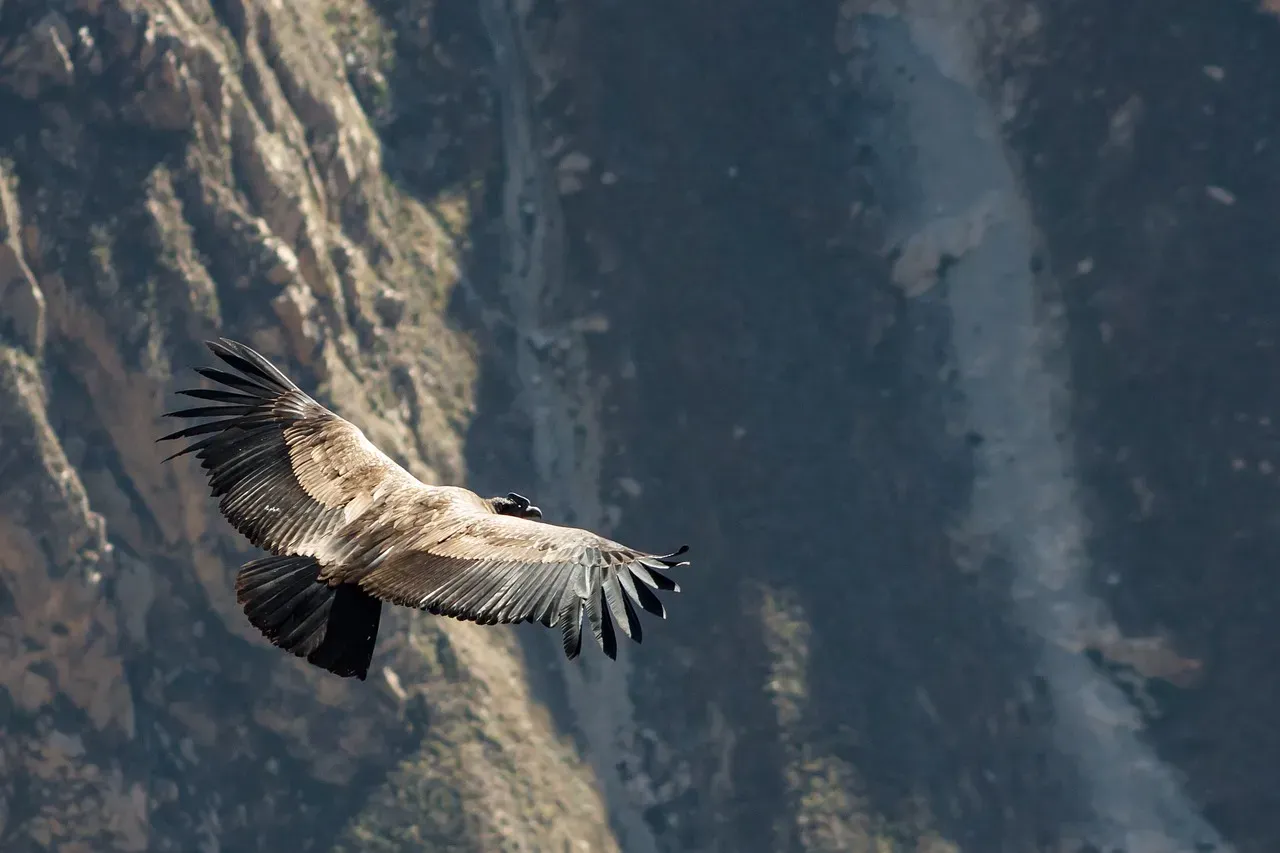
Here’s the thing about condors: they shouldn’t exist anymore. The California condor was once down to just 27 individuals, and only intensive captive breeding brought them back. With a wingspan nearing 10 feet, it’s North America’s largest flying bird.
The Vermilion Cliffs National Monument in northern Arizona is a primary release site, where visitors often spot condors soaring above cliffs or resting on rock ledges. Go mid-morning when thermal currents lift them into flight, and bring a good zoom lens. Watching one glide effortlessly across canyon walls is genuinely awe-inspiring. Every bird is numbered and monitored. Their story is a testament to what stubborn conservation can achieve.
4. Ocelot
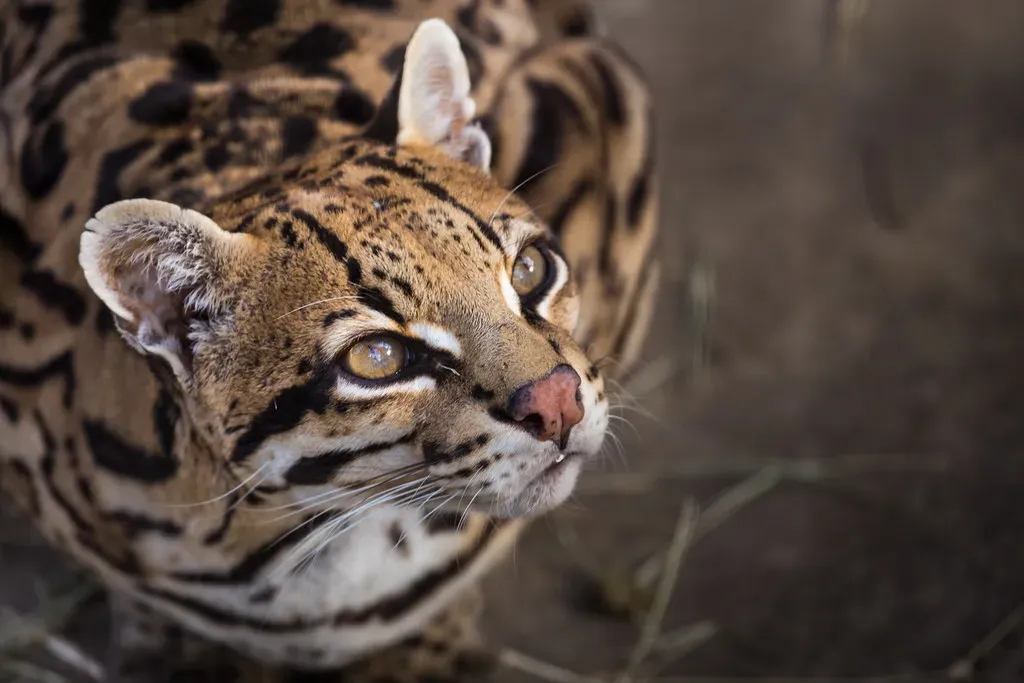
The ocelot is one of North America’s most elusive cats, with fewer than 100 surviving in South Texas. They live in dense thornscrub and are split between Laguna Atascosa National Wildlife Refuge and nearby private ranchlands. Their beautiful spotted coats make them look like miniature leopards.
Spotting an ocelot is incredibly difficult. They’re nocturnal and exceptionally good at hiding. Scan thornscrub edges at dawn, but be prepared to settle for pawprints or an empty camera roll. Honestly, even experienced wildlife trackers consider an ocelot sighting a career highlight. They blend into their environment so well that you could walk right past one and never know.
5. Florida Panther
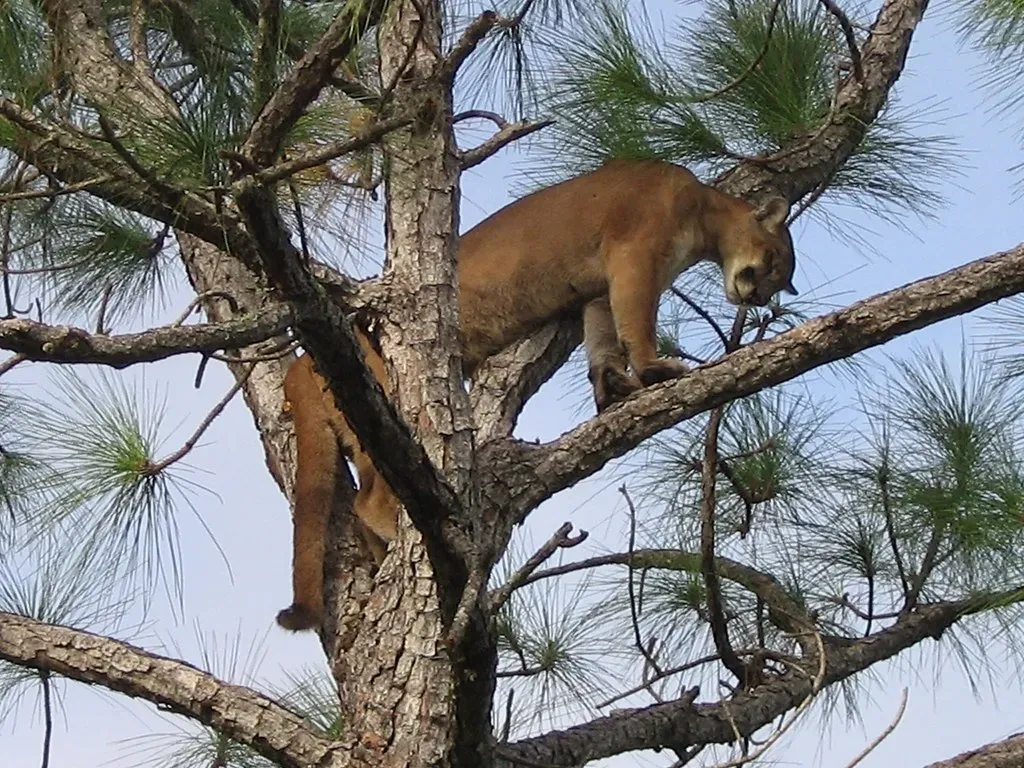
The Florida panther once ranged throughout the southeastern US, now survives only in a tiny area of South Florida, where only 120 to 230 individuals continue to roam in the wild. This is a subspecies of cougar found nowhere else on Earth. The panthers can be spotted in forests, prairies, and swampland such as the Everglades National Park and Big Cypress National Preserve.
Mountain lions are already known for being elusive. The Florida panther takes that to another level. Habitat destruction and roads remain constant threats. Still, their population has slowly recovered from near extinction. Seeing one would require serious dedication, luck, and probably a good bit of time spent in swampy terrain. Let’s be real, most sightings happen via trail cameras rather than human eyes.
6. American Marten
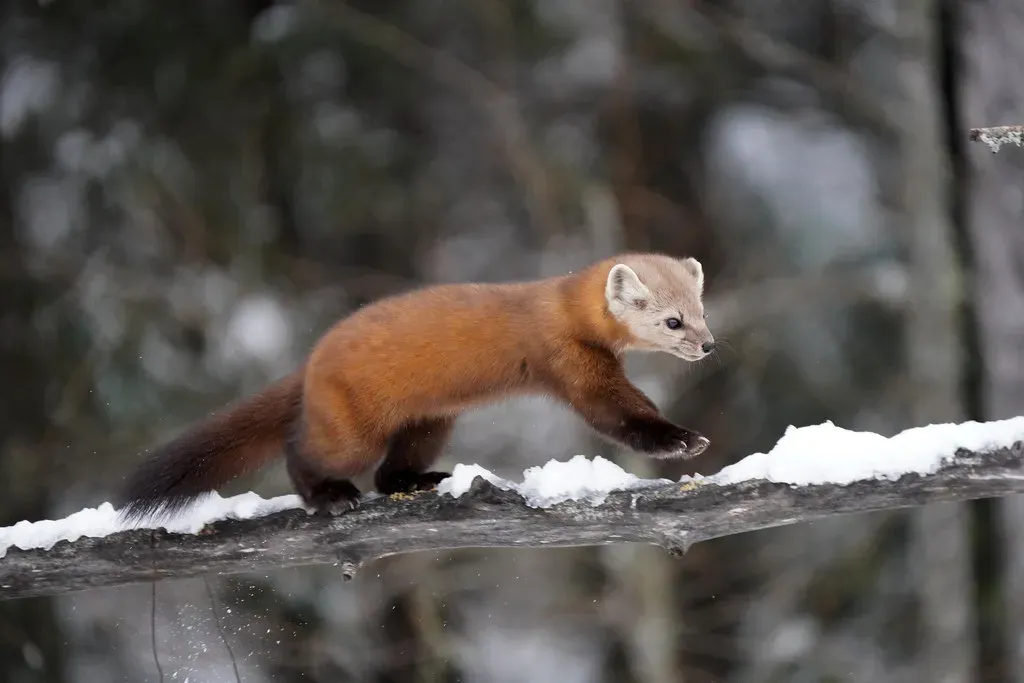
The American marten is a small, tree-dwelling carnivore in the weasel family, once extirpated in many areas due to trapping and habitat loss. They’re sometimes mistaken for minks or fishers, but martens are distinctly adapted for life in the trees. The High Peaks region of the Adirondack Mountains in New York is one of the best places to see martens in the Eastern U.S., where they thrive in mature coniferous forests and are most active in winter.
Early mornings in snowy conditions offer your best shot. Their tracks are easy to spot in fresh snow, and watching them play across tree trunks and forest floors is delightful. They’re quick, agile, and surprisingly bold when they don’t know you’re watching. Conservation efforts have helped their numbers rebound, but they still require old-growth forests to survive.
7. Island Fox
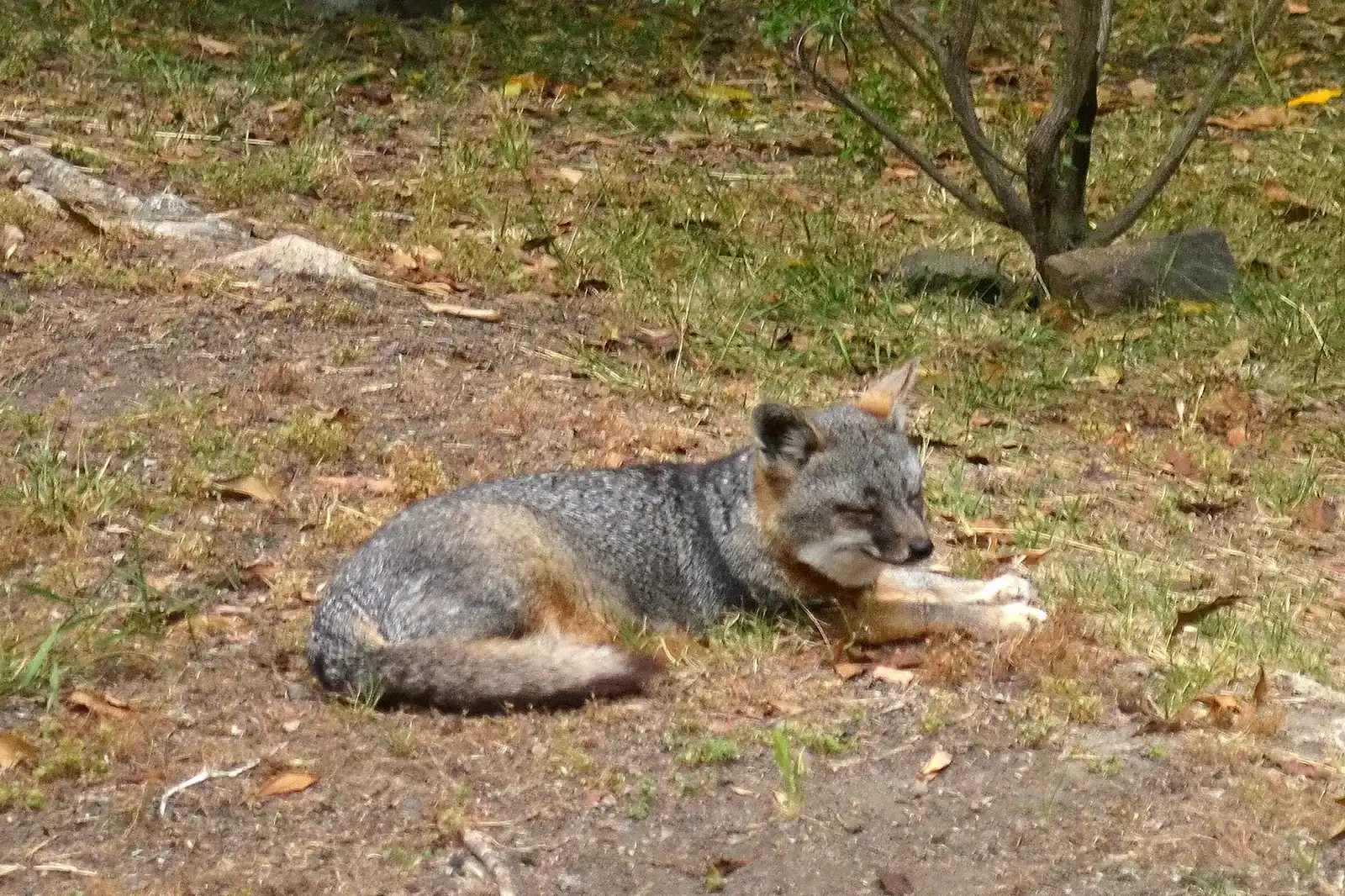
Palm-sized and almost too adorable, the island fox lives only on California’s Channel Islands, making it one of the rarest mammals in North America despite its recent recovery from being nearly wiped out in the 1990s by disease and golden eagle predation. They’re found on six of the Channel Islands and nowhere else on Earth.
Their comeback story is incredible. Intensive conservation brought them back from the brink. Today, you can take ferries from Ventura or Oxnard to the islands, and sunrise drives often yield sightings. These tiny foxes are surprisingly unafraid of people, though it’s important to keep your distance. Their survival is a reminder that dedicated conservation work really does pay off.
8. Gila Monster
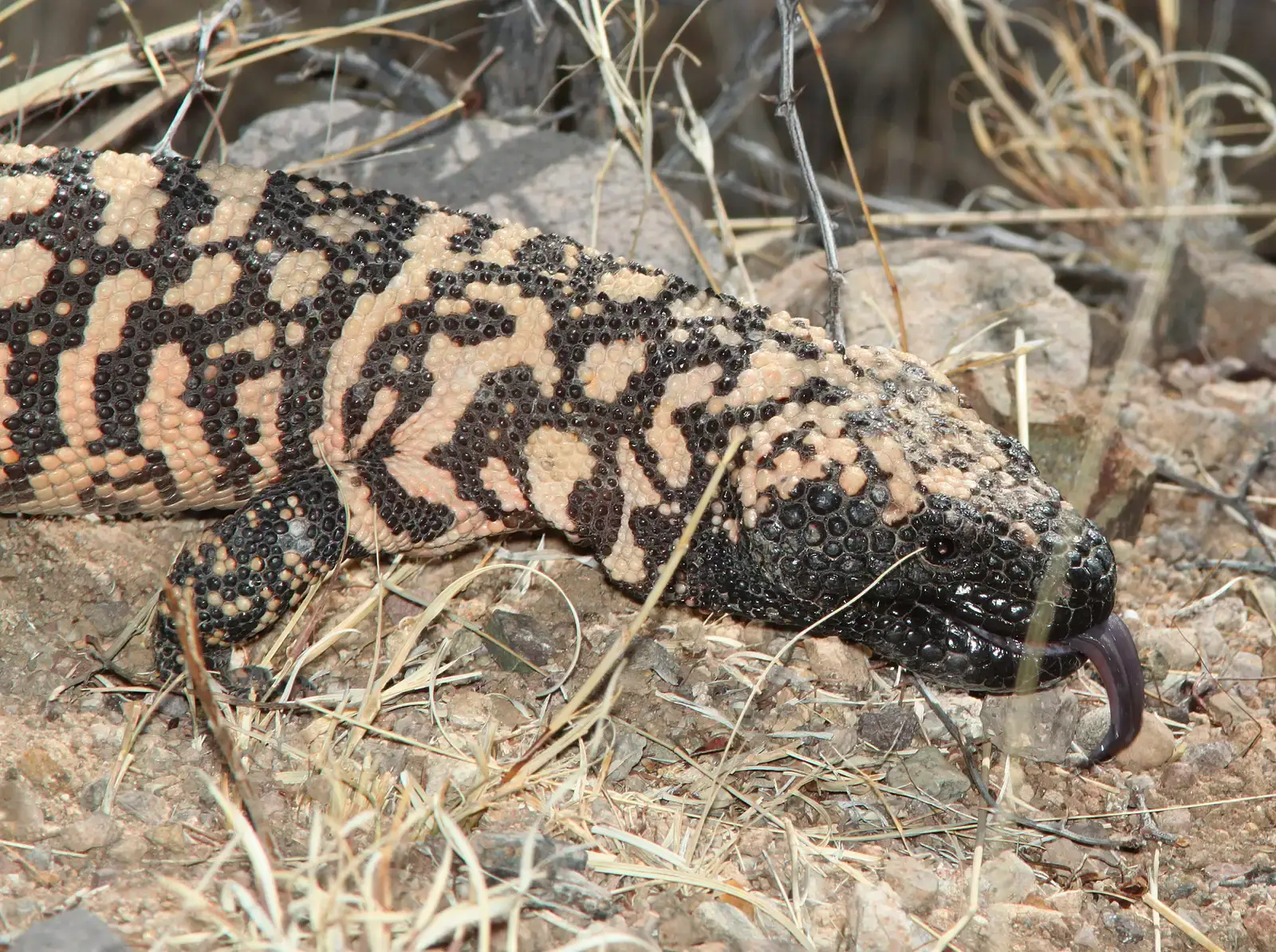
With a name as terrifying as its appearance, the Gila monster is one of the few venomous lizards in the world, living in the Sonoran Desert of the Southwest, especially around Saguaro National Park and Organ Pipe Cactus National Monument in southern Arizona. Despite their fearsome reputation, they’re actually quite slow-moving and rarely aggressive.
Your best chance of seeing one is on warm spring evenings in the foothills, though sightings are still uncommon. They spend most of their time underground to escape the heat. When they do emerge, their beaded, orange-and-black skin is unmistakable. Give them plenty of space if you’re lucky enough to see one. They’re more interested in finding their next meal than interacting with humans.
Conclusion
Spotting any of these rare animals in your lifetime would be extraordinary. Some require trips to specific refuges, others demand patience and perfect timing. A few might never be seen at all, even by those who dedicate years to searching. That’s what makes them so captivating.
These creatures remind us that wildness still exists, even in a world that feels increasingly tamed. Their survival depends on continued conservation, habitat protection, and a little bit of luck. So what do you think? Would you travel across the country just for the chance to glimpse one of these elusive animals? Let us know in the comments.
