

Every dog deserves to navigate the world with confidence and ease. Yet countless dogs struggle with fear and anxiety that can turn everyday experiences into overwhelming ordeals. Whether your furry companion cowers at the sound of strangers approaching or trembles during thunderstorms, witnessing their distress can break your heart.
Fear in dogs manifests in numerous ways, from obvious signs like hiding and trembling to subtler behaviors like avoiding eye contact or refusing treats. While some fears stem from traumatic experiences, many fearful dogs simply haven’t had adequate socialization or carry genetic predispositions toward anxiety. The encouraging news is that fearful dogs can develop greater confidence with patience, consistency, and the right approach.
Establish a Predictable Daily Routine

Creating as much routine as you can, by doing the same things, the same way, at the same time, every day, forms the cornerstone of confidence building for fearful dogs. Anxiousness is rooted in not knowing what’s going to happen next, making predictability essential for reducing your dog’s overall stress levels.
Establishing a regular schedule for feeding, walking, and playtime provides a sense of stability and predictability, as dogs thrive on routine and knowing what to expect can help reduce anxiety and build trust. Having a steady routine at home also helps eliminate surprises that may cause stress for your dog.
Use Positive Reinforcement Training Methods
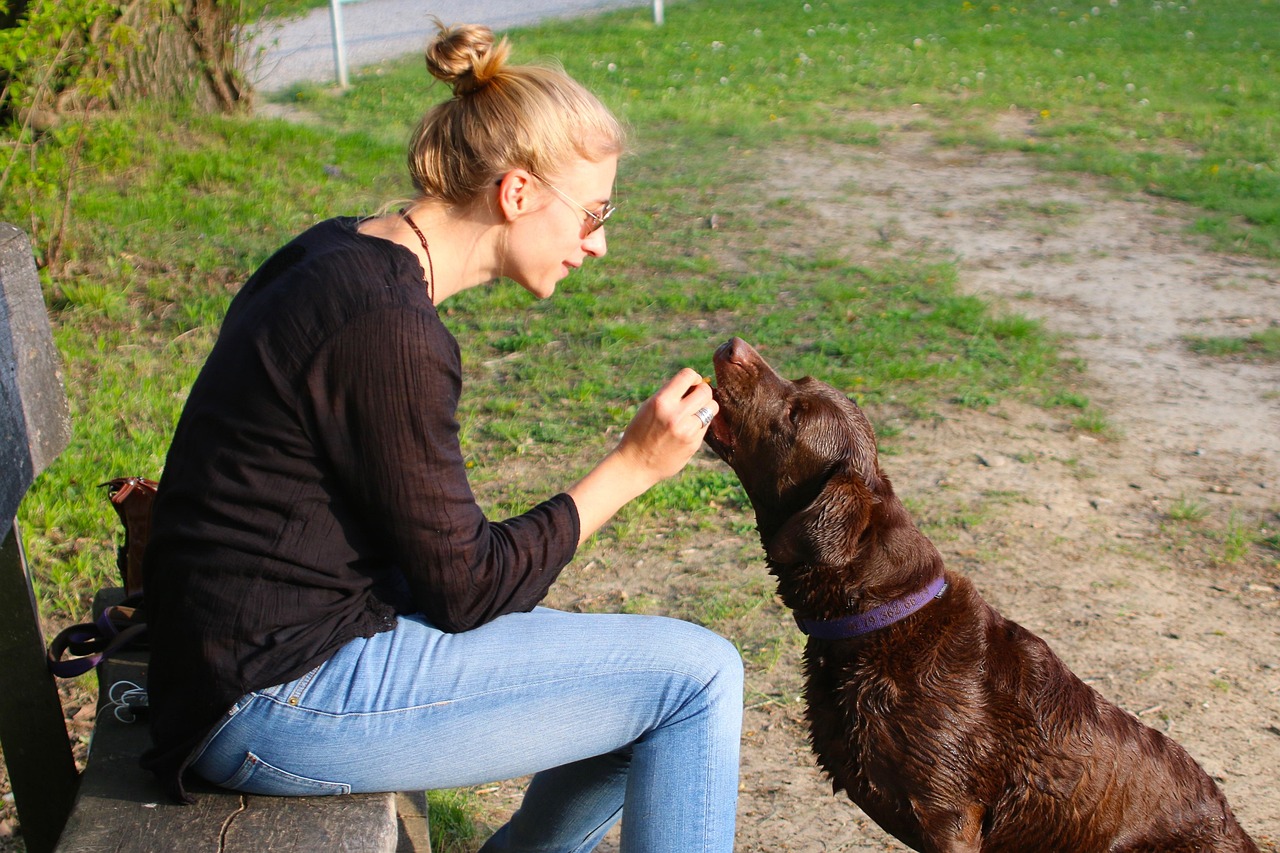
Positive reinforcement training revolves around the simple principle of rewarding behaviors you want to see more of, and when working with fearful dogs, this positive reinforcement method becomes even more crucial as it helps build trust and confidence without adding stress. Reward your dog when they do something right or respond to a situation correctly, and ignore them if they react with fear.
Good training isn’t about top-down commands and blind obedience, but instead, it’s about teaching your dog that good things are in their grasp, and the key is choosing to follow your direction. Training your dog using positive reinforcement teaches them that making decisions and engaging with you and the environment earns them good things like treats and praise.
Create a Safe Space and Respect Their Fear

The most critical thing you can do to start building confidence in your fearful dog is to have respect for that fear. When dogs are scared of something that seems absurd to us, humans tend to respond by either laughing it off or getting frustrated, thinking one of these days the dog will figure out nothing bad is going to happen.
Creating a safe and secure environment for your dog by providing a calm and quiet space where they can retreat when feeling overwhelmed can significantly impact their sense of safety, as this space should be free from loud noises and bustling activity, offering a sanctuary where your dog can relax and decompress. Designate a quiet and comfortable space where they can retreat when feeling overwhelmed to help them develop a sense of security.
Master Gradual Desensitization Techniques
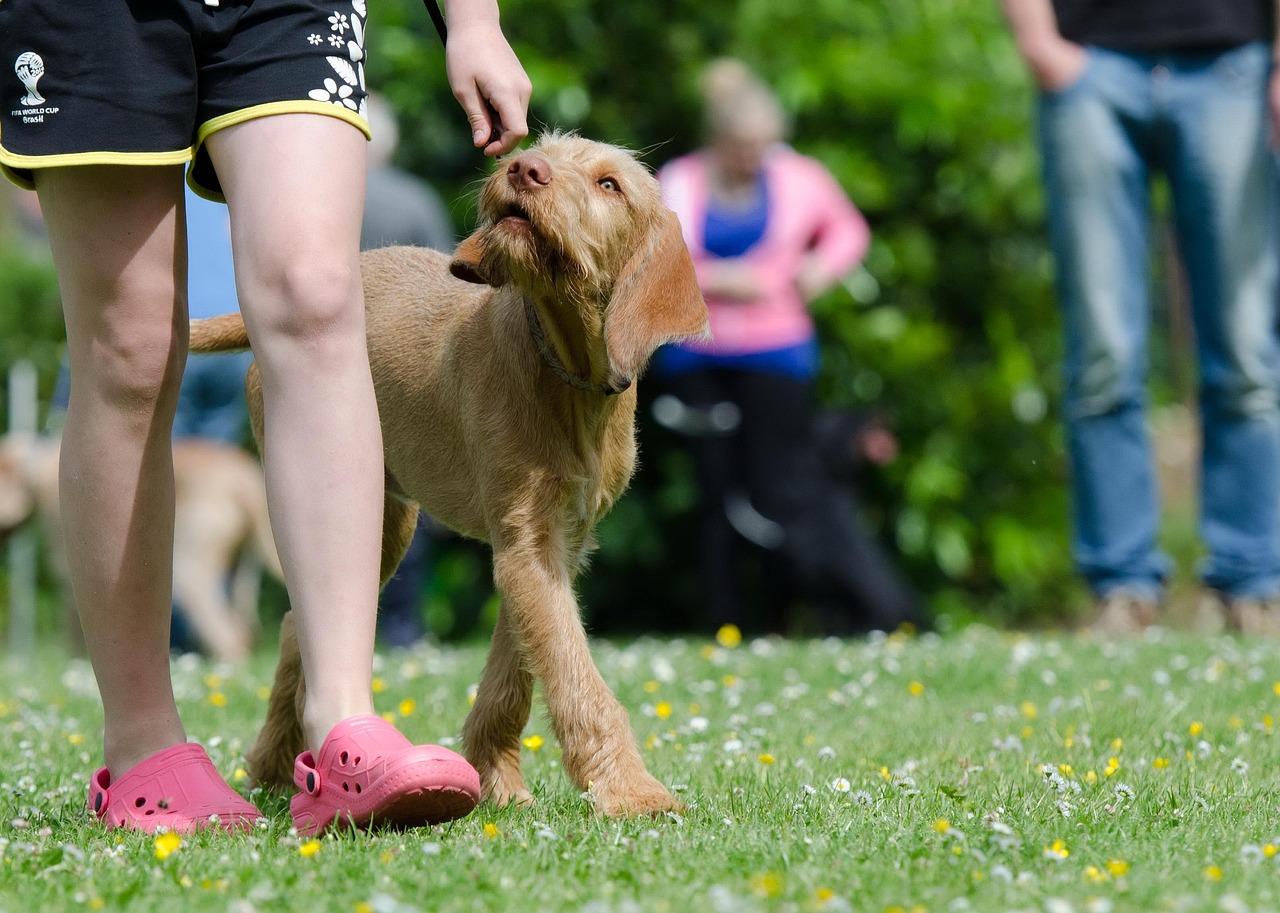
The best way to help a shy or fearful dog gain confidence is to expose them to what frightens them at a low intensity and pair this exposure with something positive, like a tasty treat. This is known as keeping your dog below threshold, and once you have your dog below threshold, you can pair that exposure with something your dog loves like delicious treats.
One way to help a dog feel more confident is to use repeated exposure to the scary thing so that it becomes less novel and more routine, which is called desensitization, though you must be careful not to overwhelm the dog because this can create insecurity or fear. Once your dog is happy to be at that distance from the trigger, you can increase the intensity a tiny bit and pair with treats again, and in time, you will slowly work your way to the full-blown situation.
Teach Basic Obedience and “Touch” Commands
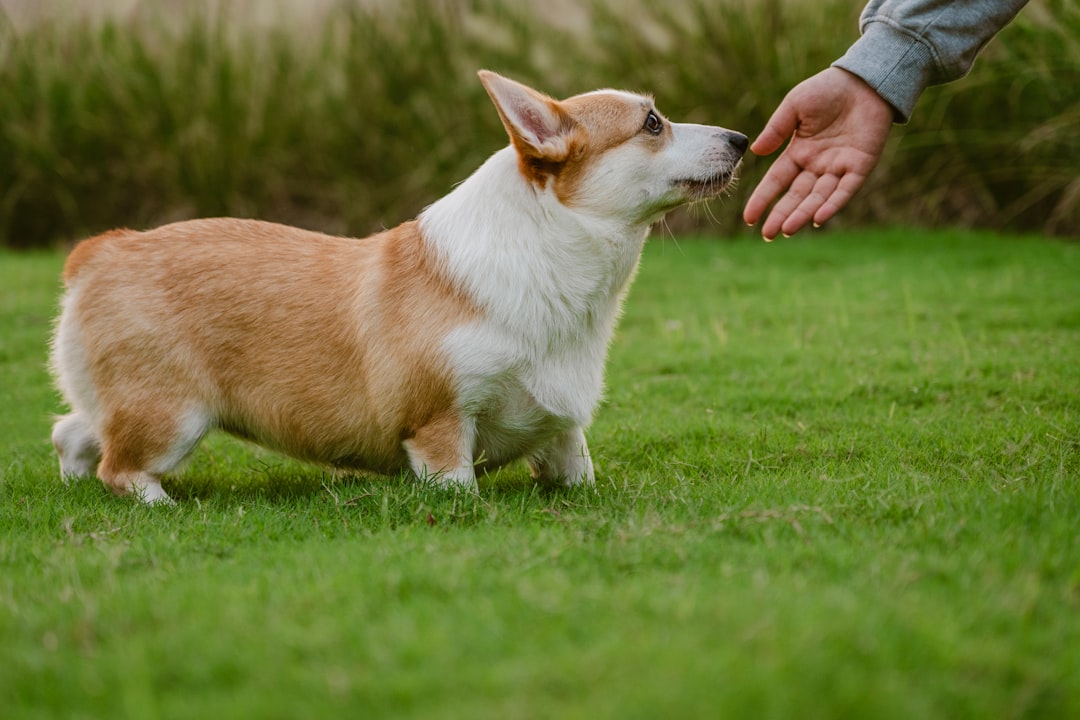
First, provide your dog with a reliable routine so their world is more predictable, next, teach your dog basic obedience behaviors, and finally, use those behaviors to ask your dog to earn life rewards so they gain a sense of control over their environment. Practicing basic commands like “sit” or “stay” in stressful situations or places redirects your dog’s attention from the frightening stimuli and places the focus on you.
Teaching your dog to nose target can be used as an easy and fun “touch” behavior to encourage your dog to approach new people or other dogs, plus it’s great to help redirect and distract them around their triggers. Teaching your dog to make eye contact using the “look at me” cue helps redirect their attention to you, promoting a sense of trust and focus, while introducing targeting cues enhances their spatial awareness and builds confidence.
Provide Mental Stimulation and Enrichment Activities
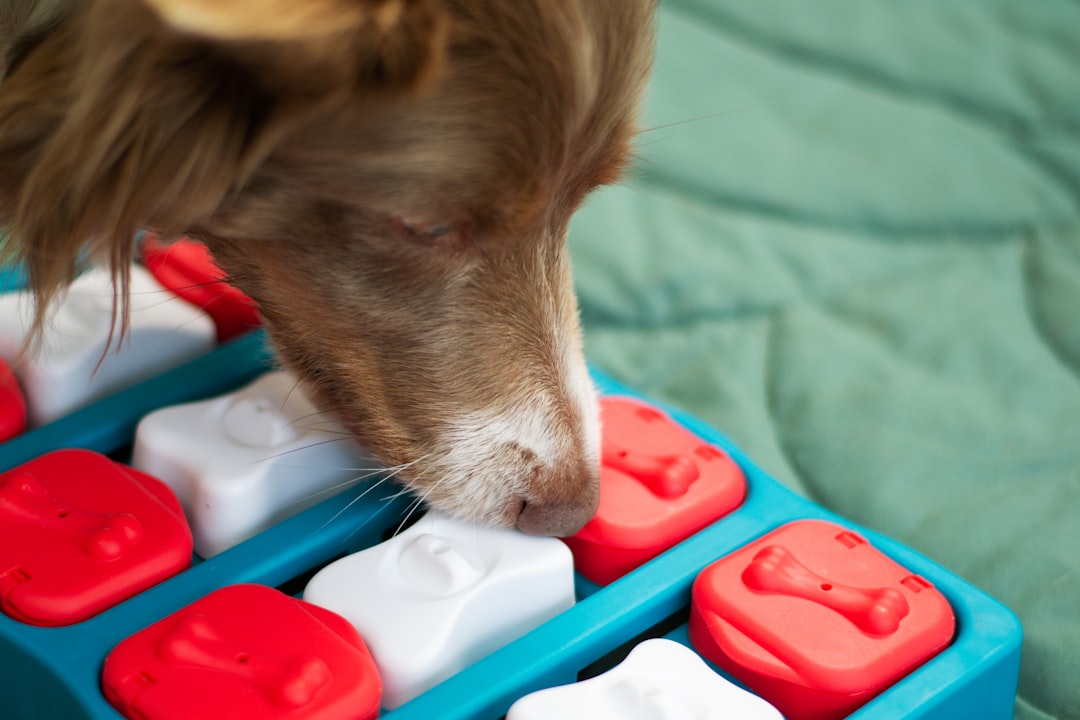
One of the most enjoyable forms of confidence-building exercises for a dog is nose work, which involves searching for hidden treats or toys with their advanced sense of smell, while food puzzles also encourage a dog to work to obtain its treats, and both are useful tools for enrichment and mental stimulation. Simply feeding your dog via food puzzles and getting them involved in nose work can make them more confident.
Go on decompression walks on a long line rather than neighborhood walks on a short leash to let your dog sniff, which is one of the most dog-specific, soul-satisfying de-stressors there is for dogs. Let your dog choose the walking route and choose which enrichment puzzle toy or game to do, while always allowing your dog to opt out of a walk, game, training, or play at any time.
Practice the “Look at That” Training Game
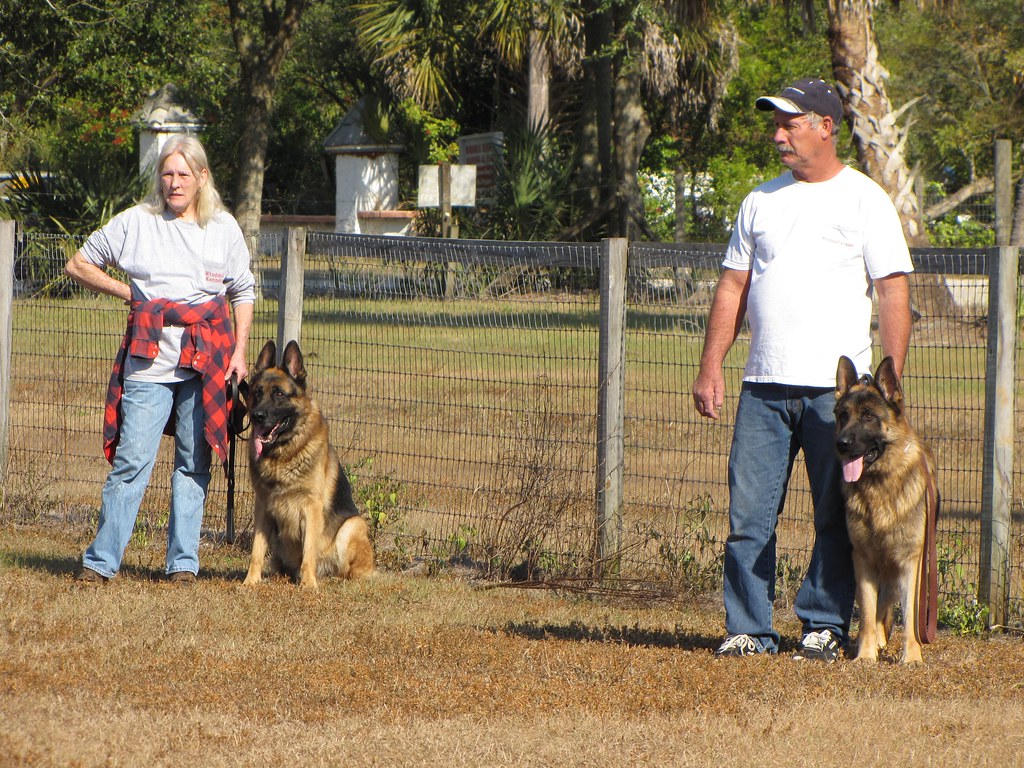
This game is the bread and butter of helping fearful dogs gain confidence, as it goes by many different names for slightly different variations in how it’s played, with Look at That being another common name of the game that was popularized thanks to Leslie McDevitt. Play this game by setting up a careful training scenario where you know exactly how intense your trigger will be, which might mean being across a large parking lot from the vet clinic if your dog is scared of other dogs.
Allow your dog to notice the trigger, and if she fixates on the trigger, barks, whines, tries to run away, or won’t eat, you’re too close, but as soon as she notices the trigger, click or say “good” and then offer a tasty treat. There are so many valuable pattern games available, like the 1-2-3 training game and the super bowl training game, which focus on teaching dogs how to handle scary things in their environment through predictability.
Maintain Realistic Expectations and Celebrate Small Victories
It’s important to manage your expectations when training fearful dogs, as many really fearful adult dogs will never transform to extremely confident dogs, though you can help teach them that scary stuff isn’t so bad. That’s not to say that a shy dog can’t be a happy dog, but there are degrees of fearfulness, and your expectations will need to change based on how scared your dog is in general.
Training fearful dogs generally takes place on the timescale of months and years, not hours and days, as some extremely fearful dogs really blossom but it generally takes years of hard work to get there. Success builds upon success, so celebrate small victories and gradually increase challenges as your dog’s confidence grows.
Conclusion
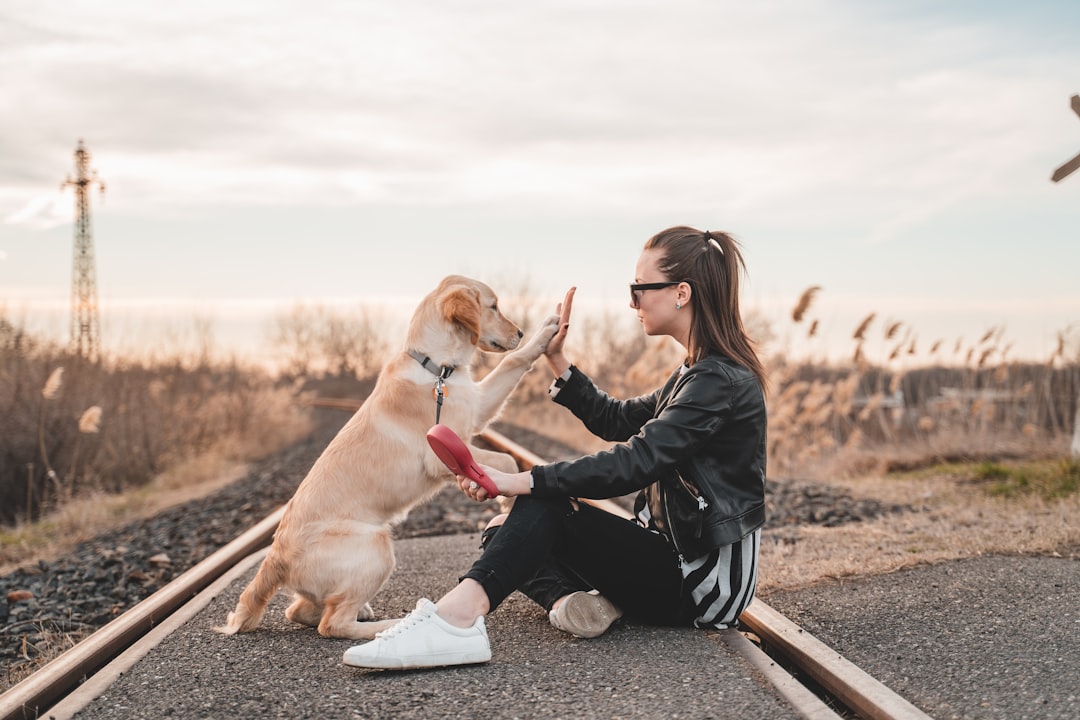
Building requires tremendous patience, consistency, and understanding. Remember that progress comes in small increments rather than dramatic transformations. Each tiny victory, whether it’s your dog taking a treat near their trigger or calmly observing a stressful situation, represents meaningful growth.
The journey from fear to confidence isn’t just about changing your dog’s emotional state. It’s about building an unshakeable bond of trust between you and your furry companion. When your dog learns they can rely on you to keep them safe and help them navigate challenging situations, their entire world expands.
What small step will you take today to help your fearful dog feel more confident? Share your experiences in the comments below.
