
Nature has always had its own soundtrack, but some creatures take that one step further. They don’t just listen to the world around them. They absorb it, replay it, and sometimes weaponize it. From birds imitating chainsaws to whales sounding eerily like humans chatting underwater, the animal kingdom holds some of the most jaw-dropping acoustic talents imaginable.
What’s even more fascinating is that this isn’t just a party trick. For many of these animals, sound mimicry is tied to survival, mating success, and even social bonding. The precision some species achieve is nothing short of extraordinary. Let’s dive in.
1. The Superb Lyrebird: Nature’s Living Soundboard
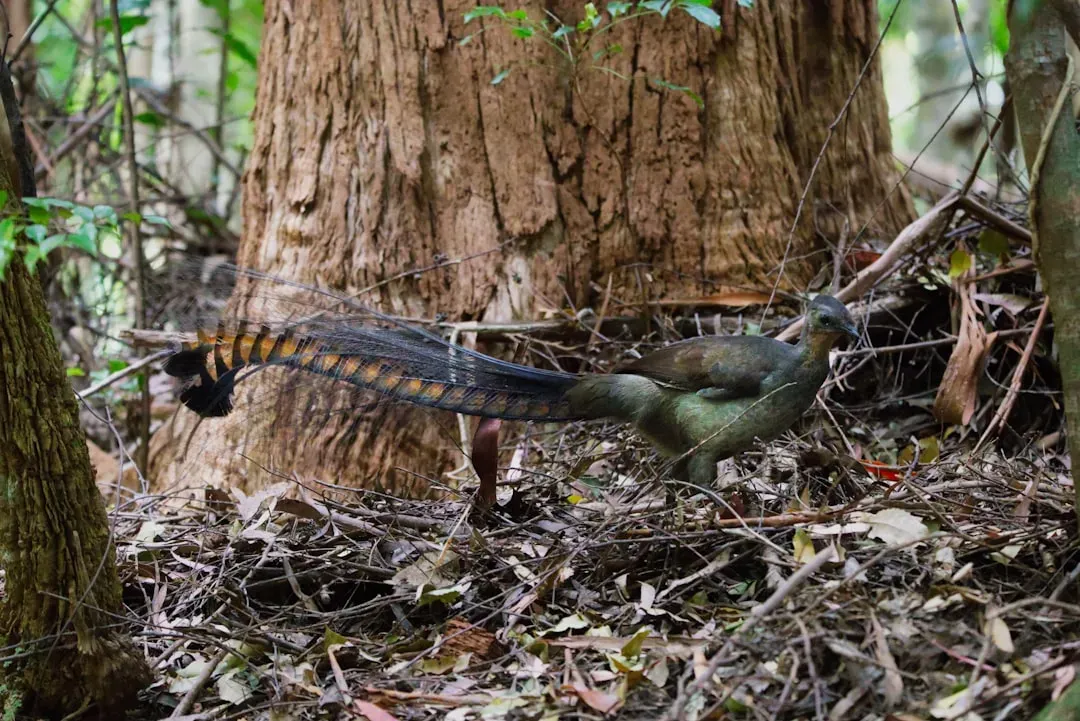
Honestly, if you had to pick one animal that earns the title of the ultimate mimic, the lyrebird wins every time. Lyrebirds have been recorded mimicking human sounds such as a mill whistle, a cross-cut saw, chainsaws, car engines and car alarms, fire alarms, rifle shots, camera shutters, dogs barking, crying babies, music, mobile phone ringtones, and even the human voice. That list alone is staggering.
The bird’s vocal prowess is made possible by its highly developed syrinx, the vocal organ, which is the most complex of any songbird in the world. Think of it like having the most advanced audio processor in the animal kingdom built right into your throat.
Up to 80% of the Superb Lyrebird’s song consists of mimicry, and it’s not unusual for an individual male lyrebird to have mastered the calls of 20 to 25 species of bird. And the accuracy? From the cackling laughter of a Kookaburra to the strident whipcrack of the Eastern Whipbird, lyrebirds are so accurate that even the original is sometimes fooled.
These sounds can be learned directly or taught by parents. After the lyrebird’s introduction to Tasmania in the 1900s, birds born on the island continued to mimic sounds their parents had heard back on the mainland for several generations. That’s essentially a cultural audio archive passed down through time.
2. The Northern Mockingbird: The Relentless Vocal Multitasker
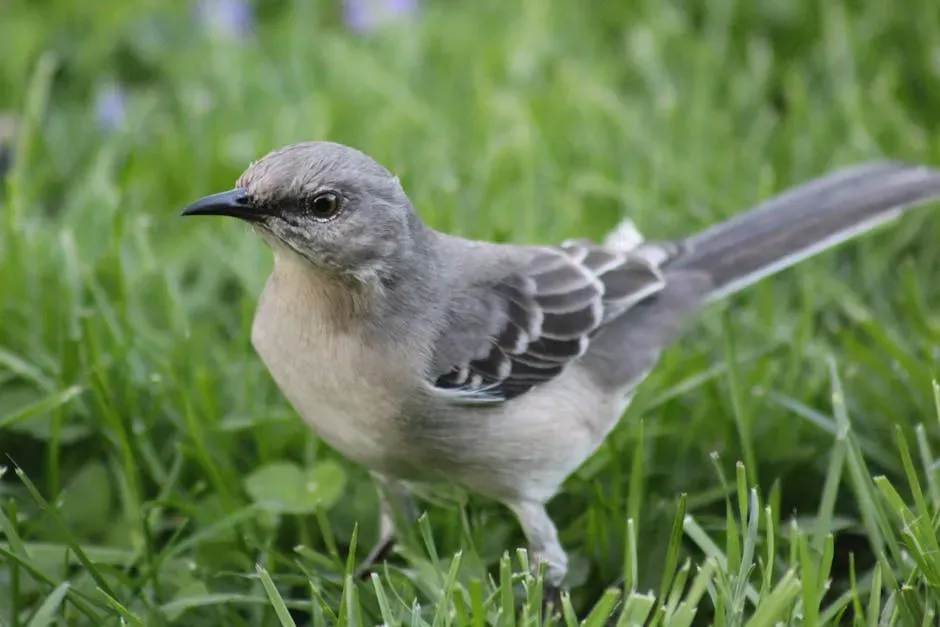
The Northern Mockingbird might not have the global fame of the lyrebird, but it deserves far more credit. The Northern Mockingbird is a master of imitation, capable of mimicking the songs and calls of dozens of other bird species. Studies have recorded individual males with repertoires containing up to 200 different song types. Beyond birdsong, they can also accurately copy the sounds of other animals, such as frogs and crickets, as well as artificial noises like car alarms, sirens, and unoiled wheels.
While the most common sounds birds will mimic are the alarm or threat calls of other birds, there are quite a few unique sounds that birds who mimic can reproduce. Without constant exposure to a sound, the bird will be unlikely to mimic it. So in a way, a mockingbird’s repertoire is a sonic diary of its environment.
In some bird species that mimic sounds, males may have more mating success when they have larger, more diverse repertoires than their rivals, so taking inspiration from their human neighbors could actually benefit them. Even nature rewards versatility.
3. The Fork-Tailed Drongo: Africa’s Master Deceiver
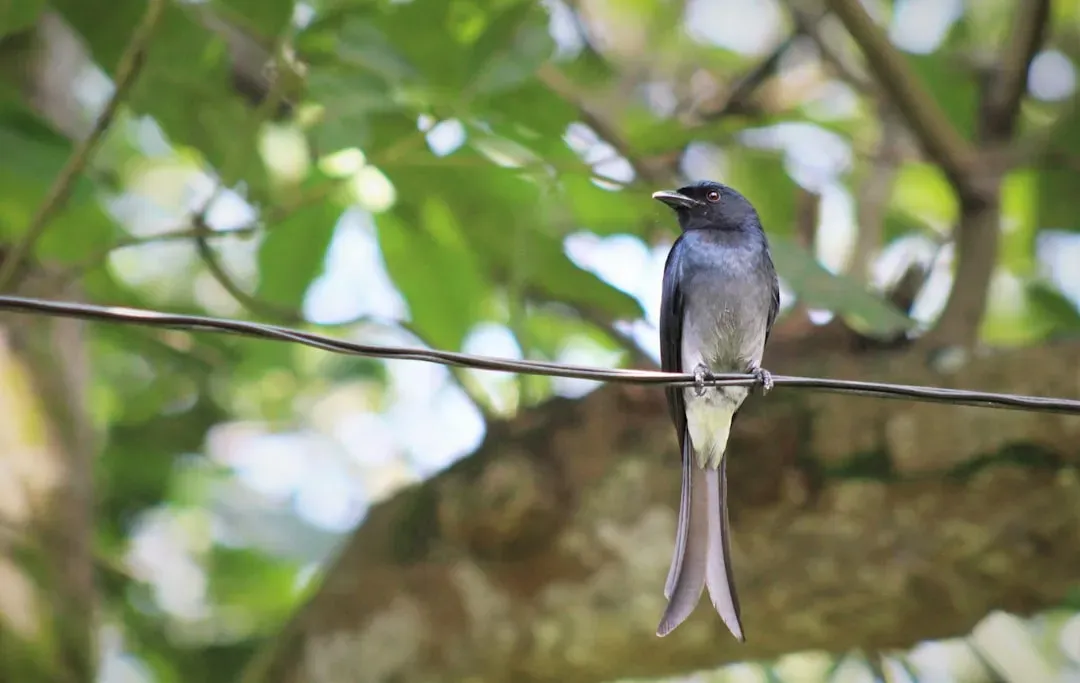
Here’s where mimicry takes a genuinely devious turn. The fork-tailed drongo of Africa doesn’t just mimic sounds for show. It uses them as weapons. The fork-tailed drongo of the Kalahari Desert is a master of deception: It can mimic not only the distress calls of other bird species, but the alarms sounded by meerkats as well.
Because sometimes drongos make false alarm calls, causing their listeners to drop whatever juicy morsels they were dining on and flee the scene. Meanwhile the deceptive birds have swooped in and made off with their victim’s meal. It’s basically running a con.
Drongos have an arsenal of alarm calls of numerous species, including birds and mammals. Some of those species make a variety of warning calls, different alerts for hawks or jackals for instance, and the drongos mimic these as well, giving them a total of 51 different alarm calls. When one false alarm stops working on a target that has grown wise to the trick, drongos evade this universal constraint on deception because when their target species learns to ignore one false alarm call type, drongos employ vocal mimicry to change the alarm call and thereby resume their food theft.
4. The African Grey Parrot: The Cognitive Heavyweight
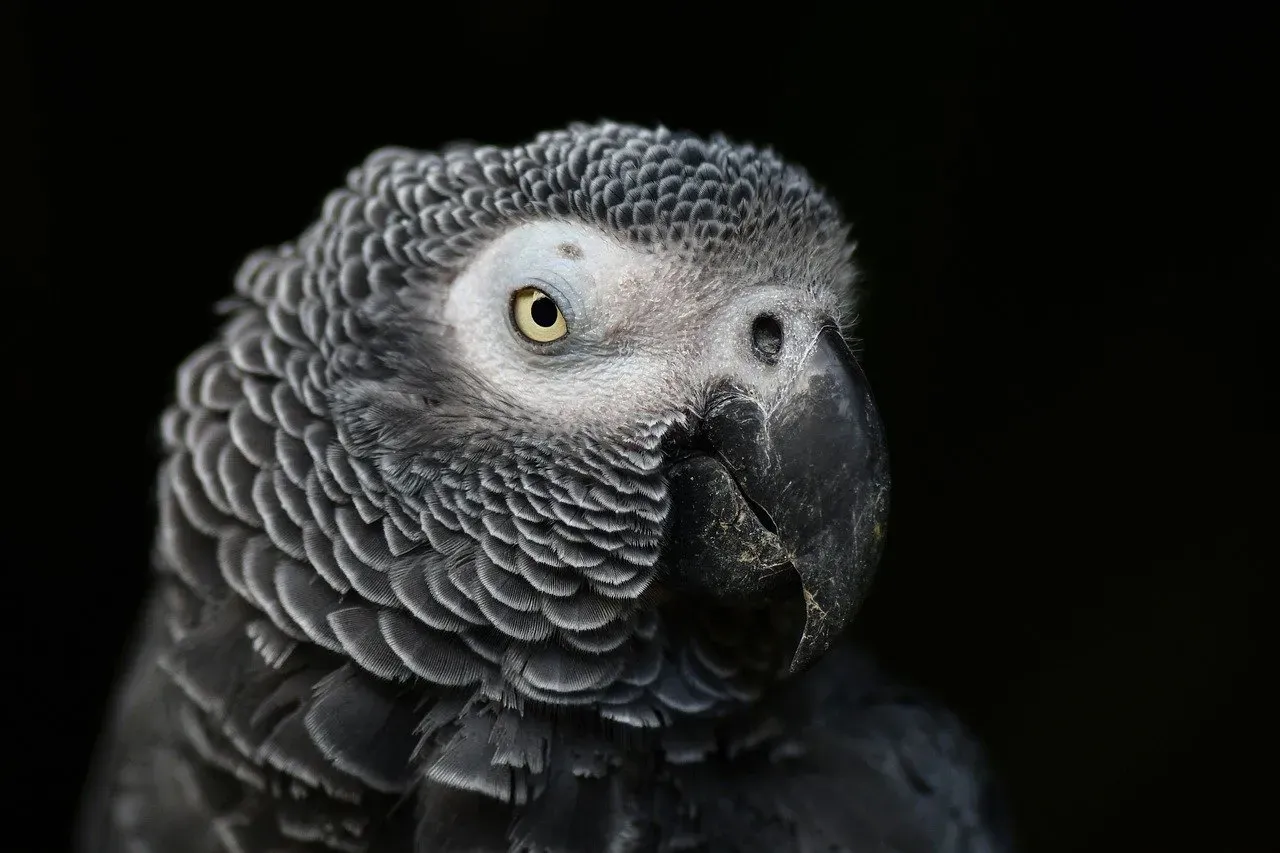
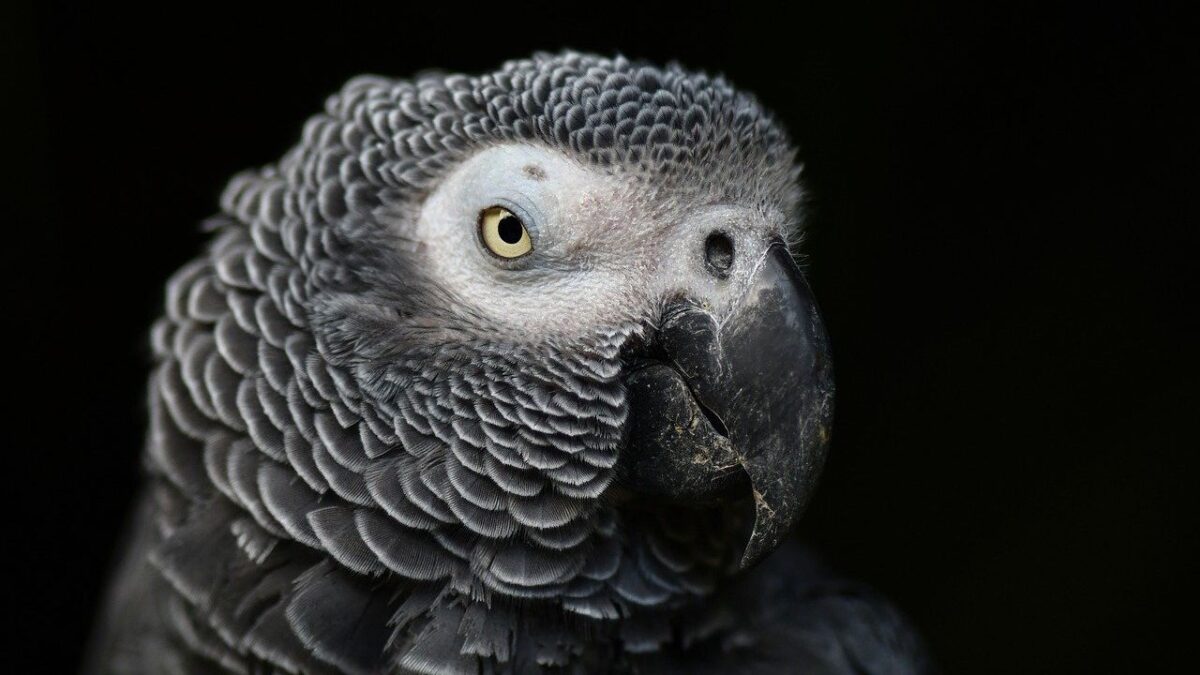
Let’s be real, no list of animal mimics would be complete without the African Grey Parrot. Parrots are the most renowned mimics, with reports of their talents dating back at least to the early 1500s with Henry VIII of England’s pet African grey parrot, which mimicked his servants’ voices. Centuries of documented mimicry, and they still manage to surprise us.
The African Grey is a type of parrot that excels in mimicry, with the now deceased Alex the Parrot standing as a paragon of his kind. Bought by Dr. Irene Pepperberg in America, Alex had a vocabulary of over 100 words, had basic numeracy including the ability to count to six and had a concept of zero. That goes well beyond mindless repetition.
What makes the African Grey truly different from a basic mimic is context. Some crows raised in close contact with humans have been known to learn words and phrases, sometimes even using them in seemingly relevant situations. Some species seem to understand context, unlike parrots, which often repeat sounds purely for fun, making their mimicry even more remarkable. The African Grey sits at the very top of this cognitive ladder among parrots.
5. The Beluga Whale: The Unexpected Underwater Impressionist
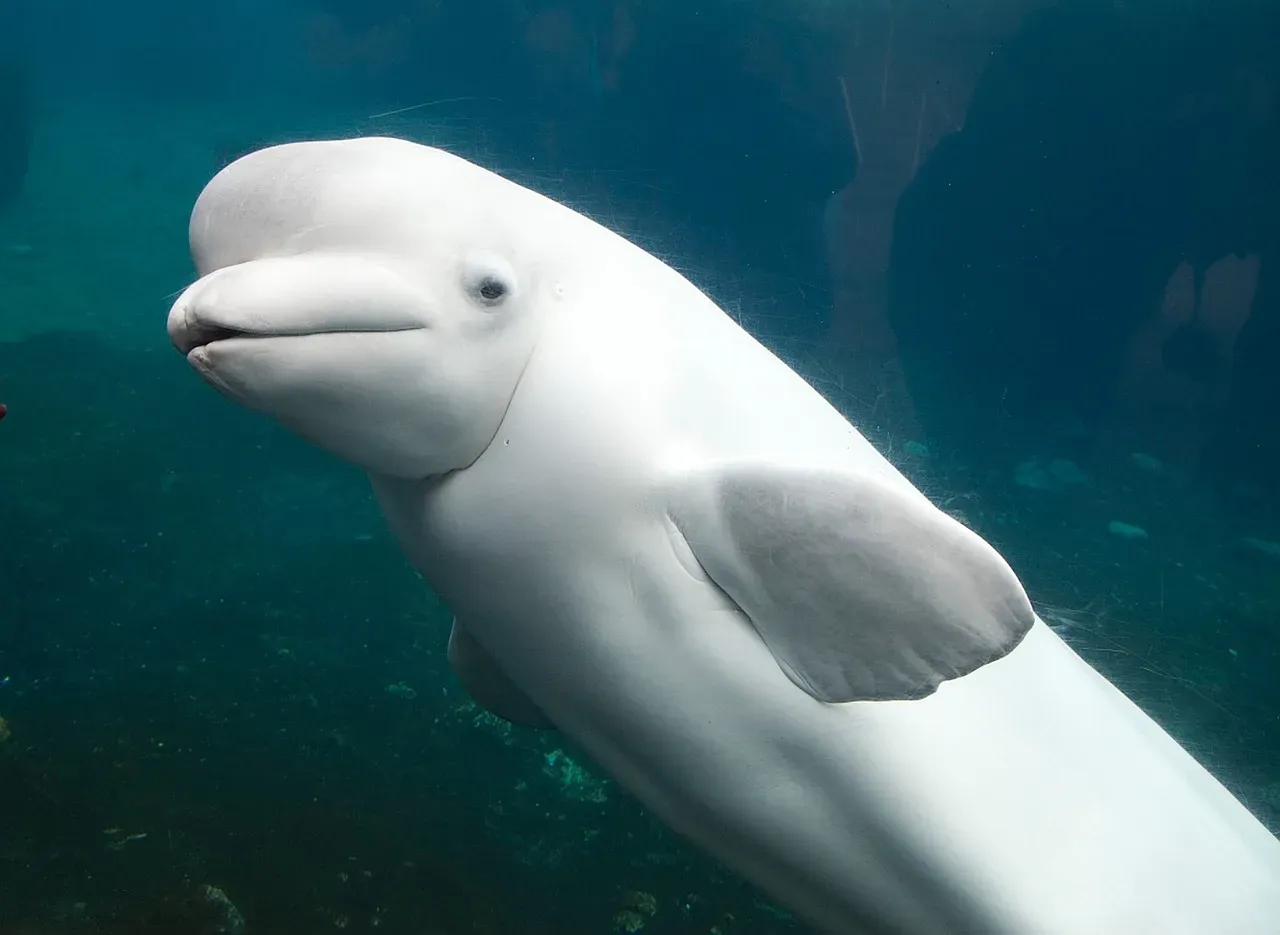
This one genuinely surprised scientists. Beluga whales have been called “canaries of the sea,” and anecdotes of their capacity for mimicry have been reported in the past. For example, the first two scientists to study the calls of wild belugas wrote that the calls would occasionally suggest a crowd of children shouting in the distance.
The most famous case was a beluga named NOC. Researchers first noticed something peculiar back in 1984, when they heard people talking around NOC’s enclosure when no one else was nearby. The source of the chattering was later confirmed when a human diver thought someone had told him to get out of the whale’s tank. It turned out to be NOC, repeating a sound like the word “out.”
NOC was so over-inflating his nasal cavities during his mimicry episodes that his melon would visibly distend, seemingly to the point of bursting, and all to wrench his natural speech into the precise tenor and sonic topography of our own. The physical effort alone is astonishing. NOC learned spontaneously, through listening to the humans around him, a phenomenon not previously demonstrated in cetaceans.
6. The Harbor Seal: The Mammal With a New England Accent
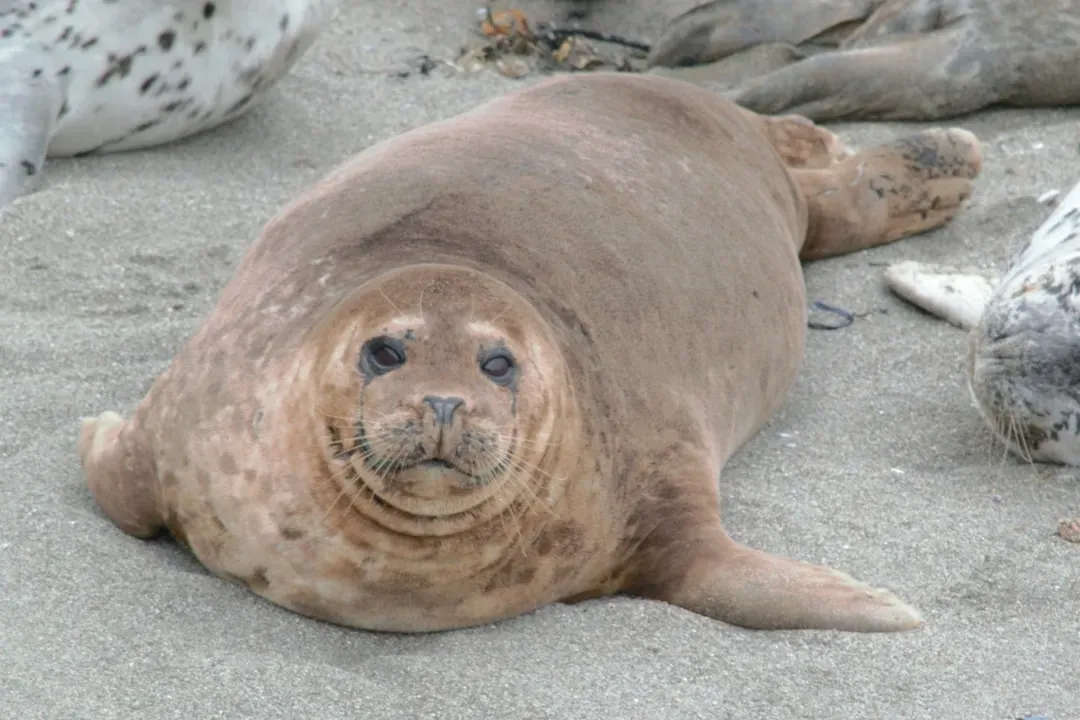
I know it sounds crazy, but there was once a harbor seal who sounded more convincing in English than some people I’ve met. Hoover was a male harbor seal famous for imitating human speech, who spent most of his life at the New England Aquarium in Boston. Initially raised by a Maine fisherman, Hoover began imitating English phrases once he reached sexual maturity. The seal’s repertoire included “hello there,” “come over here,” “hurry,” “hey hey,” and “Hoover.”
What makes Hoover’s story scientifically credible rather than just charming folklore? In the case of Hoover there is solid evidence for speech mimicry: spectrograms of his sounds show that Hoover’s vocalizations were indeed very human-like, containing the typical formant modulations that we use to produce vowels and consonants.
Vocal mimicry is impressive per se and represents a key building block of speech. Hoover, like many birds, didn’t actually begin producing these learned sounds until he approached sexual maturity, suggesting that there may be a sensitive period for vocal learning in seals, as for many bird species. Even more intriguing, the aquarium staff did not train Hoover to produce these displays. He did it entirely on his own.
7. The Asian Elephant: A Giant With a Surprisingly Subtle Voice
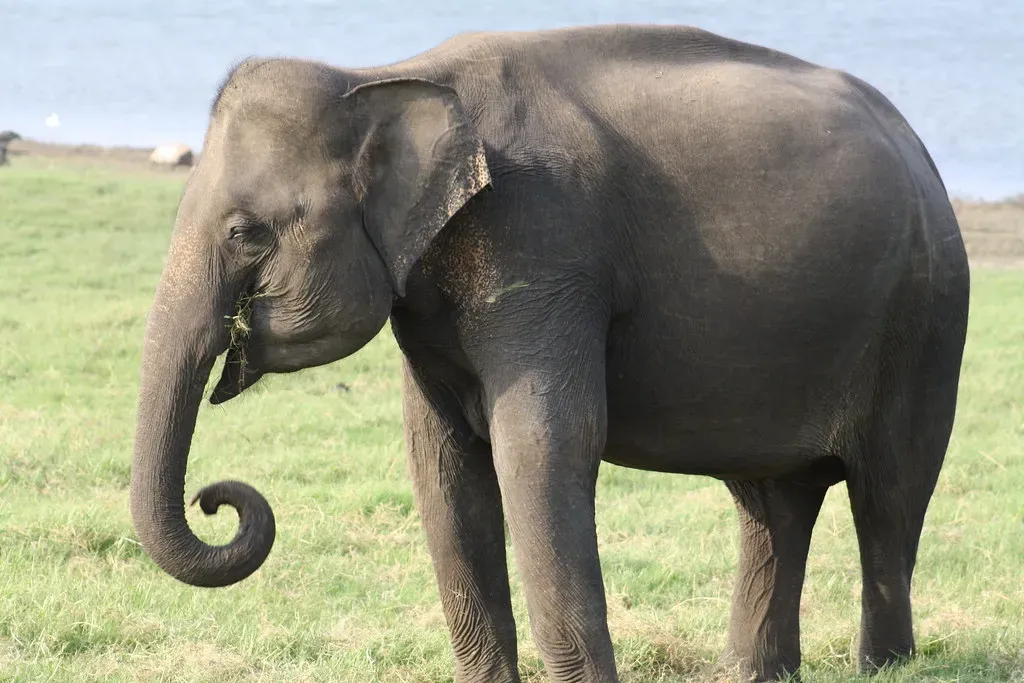
When you think of animals with vocal flexibility, elephants probably aren’t the first creature that comes to mind. Their trunks are built for power, not precision. Yet one elephant defied all expectations. Far from just mimicking the English language, Koshik, a male Asian elephant, learned to mimic the voice of his trainer in Korea by putting his trunk inside his mouth.
Elephants naturally have a very deep voice that is often out of human hearing range, so Koshik alters the dimensions of his mouth with his trunk to get the higher pitches used in human speech. That is a remarkable anatomical workaround. The mimicry is so accurate that Korean native speakers can readily understand and transcribe the imitations, according to Stoeger and colleagues in a 2012 study.
Scientists suspect Koshik learned the trick in an attempt to bond with his human keepers since he was the sole elephant at the zoo between the ages of five and twelve. It’s hard not to find that a little bittersweet. A lonely elephant, reaching across the species divide through sound, doing what social animals sometimes do: imitating the ones they’re closest to.
8. The Burrowing Owl: The Bird That Sounds Like a Rattlesnake
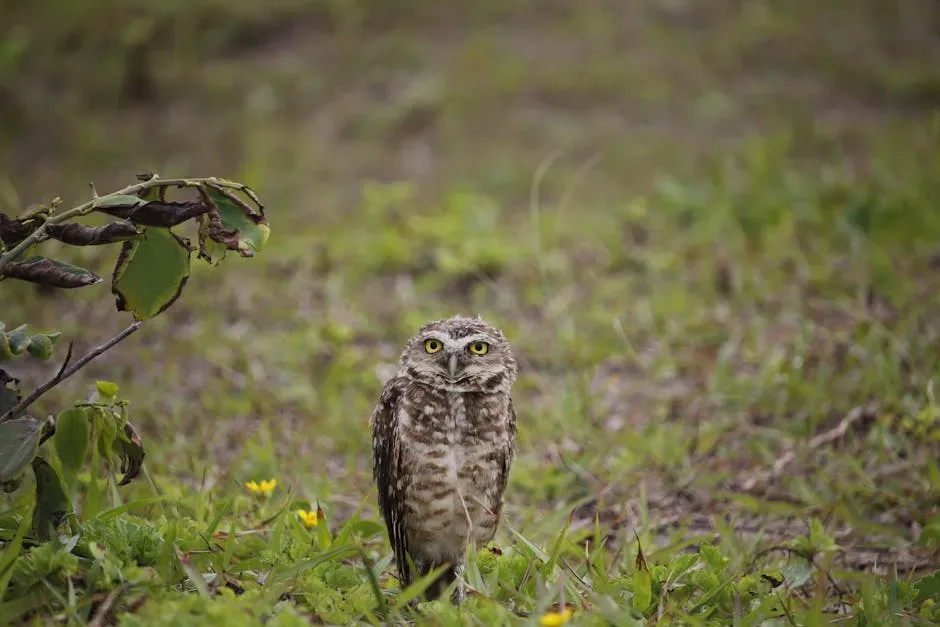
Not all mimicry is about attracting mates or stealing food. Sometimes it’s purely about survival. In the Americas, the burrowing owl lays its eggs in tunnels in the ground where the young are vulnerable to predators. When disturbed, burrowing owl chicks produce a distinctive call that is strangely similar to the rattle of a rattlesnake.
Experiments have shown that this mimetic rattle deters other animals from entering burrows. Think about that for a moment. A tiny, vulnerable owl chick has essentially evolved a biological alarm system that uses its predators’ own fears against them. It’s the avian equivalent of putting a “Beware of Dog” sign on a house that has no dog.
There are several other reports of incubating adults or nestling birds producing snake-like hiss calls when disturbed. This suggests the strategy has evolved across multiple species independently, meaning nature keeps arriving at the same brilliant solution.
9. The Magpie: The Street-Smart Urban Mimic
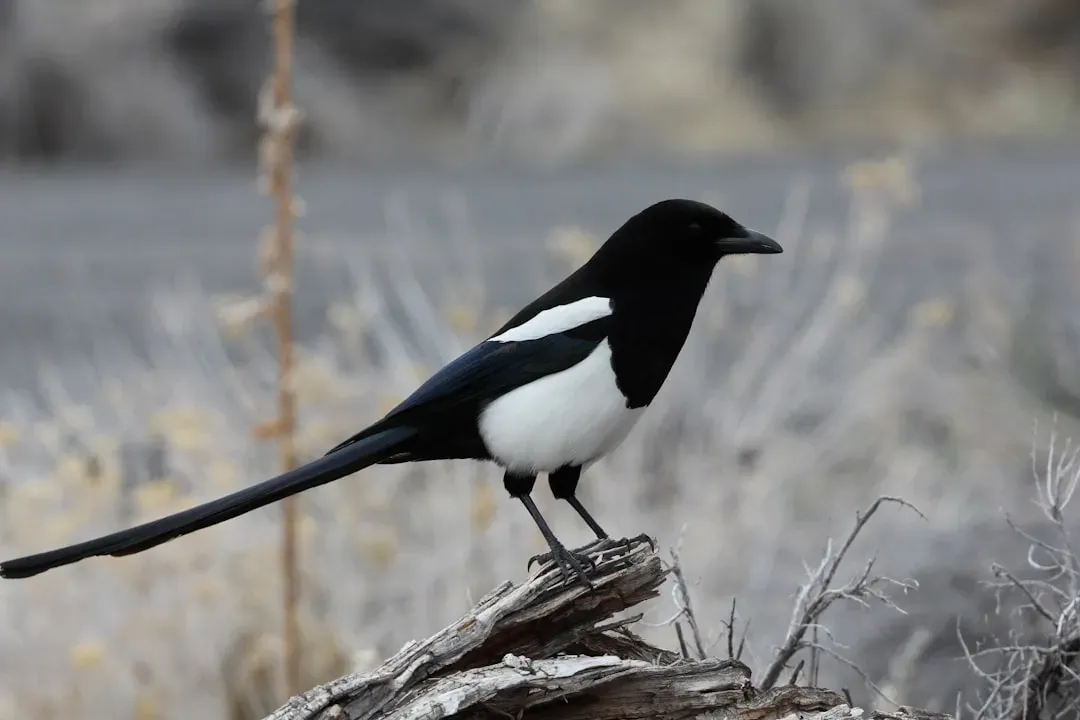
Magpies are, without question, one of the cheekiest and most underrated mimics in the animal world. Magpies are notorious for their intelligence, and their ability to mimic human speech is just one of their many impressive skills. These birds can learn words and phrases with remarkable clarity, sometimes rivaling parrots in vocal accuracy.
Magpies raised in human environments often pick up speech from their caretakers, while wild magpies mimic other bird calls to confuse predators. That dual-purpose mimicry is fascinating. One skill set, two completely different applications depending on what the situation demands.
Blackbirds, closely related in behavior, have also been observed imitating electric scooters’ alarm sounds in German and Chinese cities. Ornithologists found the frequency and rhythm of the e-scooter alarm happened to align with the frequency and rhythm of the blackbirds’ natural songs, making it easy for them to incorporate a slightly simplified version into their repertoire. It’s a reminder that as our cities grow louder, urban birds are quietly taking notes and updating their playlists accordingly.
Conclusion: The World Is Listening, and Some Animals Are Recording It
What these nine animals reveal is something genuinely profound. Sound mimicry is not a random quirk of nature. It is a sophisticated, adaptive, and sometimes strategic tool that has evolved across wildly different species for wildly different reasons.
Whether it’s a lyrebird weaving decades-old flute music into its courtship song, a harbor seal charming aquarium visitors with a New England accent, or a drongo running elaborate con operations on meerkats, the common thread is remarkable: these animals are paying close attention to the acoustic world around them, internalizing it, and using it.
Honestly, in a world where humans often assume language and sound intelligence belong to us alone, these animals make a compelling case for humility. The next time you hear something unexpected in the wild, pause before you assume it’s just the environment. It just might be an audience member who has been quietly rehearsing your own sounds back at you. What would you do if an elephant said hello?
