
There’s a version of the modern zoo that most people carry from childhood: crowded enclosures, animals pacing behind glass, and a faint sense that something isn’t quite right. That version is fading fast. Today, many of the country’s leading zoological institutions have fundamentally reshaped their purpose, becoming frontline players in the global effort to prevent species extinction.
In 2024 alone, AZA-accredited zoos and aquariums spent over $341 million on field conservation, supporting 397 species and subspecies listed as threatened on the IUCN Red List. That’s not a side project. It’s a mission. These nine institutions stand out for the depth and seriousness of their commitment.
San Diego Zoo Wildlife Alliance: A Global Conservation Powerhouse
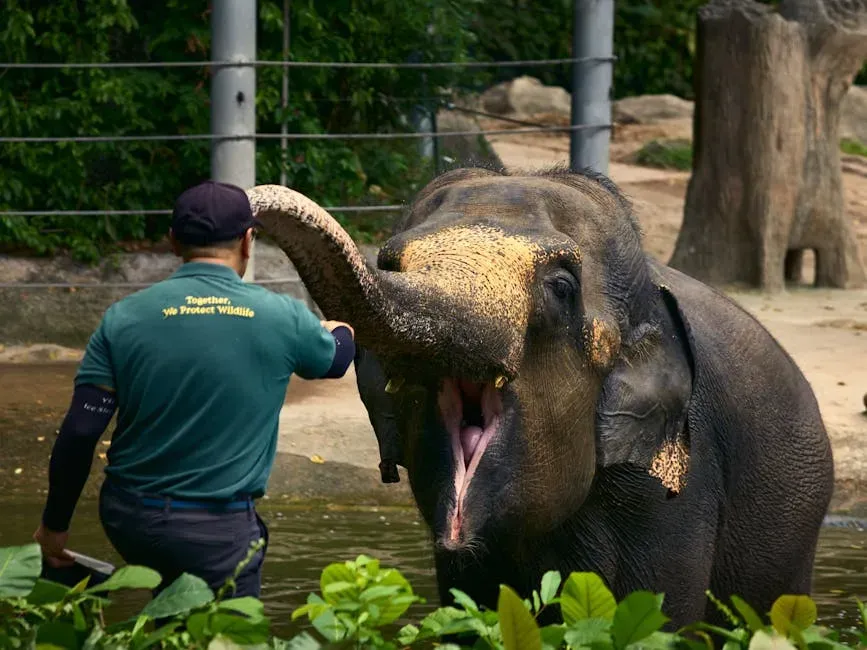
Few institutions anywhere in the world can match the breadth of what San Diego Zoo Wildlife Alliance has built. It operates as an international nonprofit conservation organization that integrates wildlife health and care, science, and education to develop sustainable conservation solutions.
The Alliance is home to the Wildlife Biodiversity Bank, which includes the Frozen Zoo, an invaluable resource consisting of living cells and nonliving samples used by researchers and partners to advance applied science and restore genetic diversity and resilience to wildlife populations.
Through wildlife care expertise, cutting-edge science and continued collaboration, more than 44 endangered species have been reintroduced to native habitats. The Alliance reaches over 1 billion people annually through its two conservation parks and media channels in 170 countries.
In 2025, San Diego Zoo Wildlife Alliance revealed plans to biobank every endangered species by 2075, a goal that would have seemed impossible just a decade ago. In April 2026, the Alliance and UC San Diego’s Scripps Institution of Oceanography announced a formal partnership through the Agile Restoration and Conservation Hubs initiative, expanding their reach into marine conservation technology.
Bronx Zoo and Wildlife Conservation Society: Conservation at a Global Scale
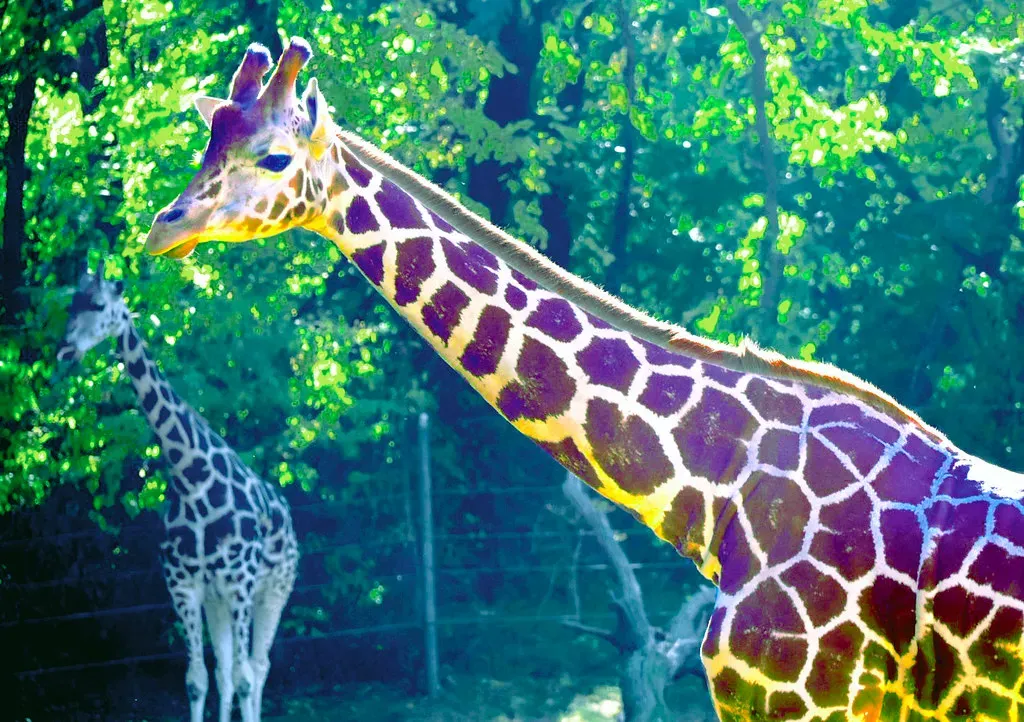
The Bronx Zoo is one of the most recognized names in American zoology, but its conservation arm, the Wildlife Conservation Society, is where the truly substantial work happens. WCS combines the power of its zoos and aquarium in New York City and a Global Conservation Program in more than 50 countries to achieve its mission. It runs the world’s largest conservation field program, protecting more than 50 percent of Earth’s known biodiversity in partnership with governments, Indigenous peoples, local communities, and the private sector.
Its four zoos and aquarium welcome more than 3.5 million visitors each year, inspiring generations to care for nature. That public engagement is a deliberate strategy, not just a revenue model.
The WCS Bronx Zoo has a long history of funding conservation, providing scientific knowledge to field-based projects, and educating and inspiring millions about the importance of wildlife and their habitats. The institution has also been a vocal advocate for the Kunming-Montreal Global Biodiversity Framework’s 30×30 target, pushing for protection of at least 30 percent of the planet’s land and oceans by the end of this decade.
Monterey Bay Aquarium: Rescuing the Ocean, One Species at a Time
Perched on the California coast, Monterey Bay Aquarium has earned a reputation as one of the most ocean-focused conservation institutions in the country. The Aquarium is deeply committed to making a difference on critical ocean conservation issues, with coordinated science, policy and communications efforts focused on four key areas: Pacific Ocean wildlife and ecosystems, global fisheries and aquaculture, plastic pollution, and climate change and ocean acidification.
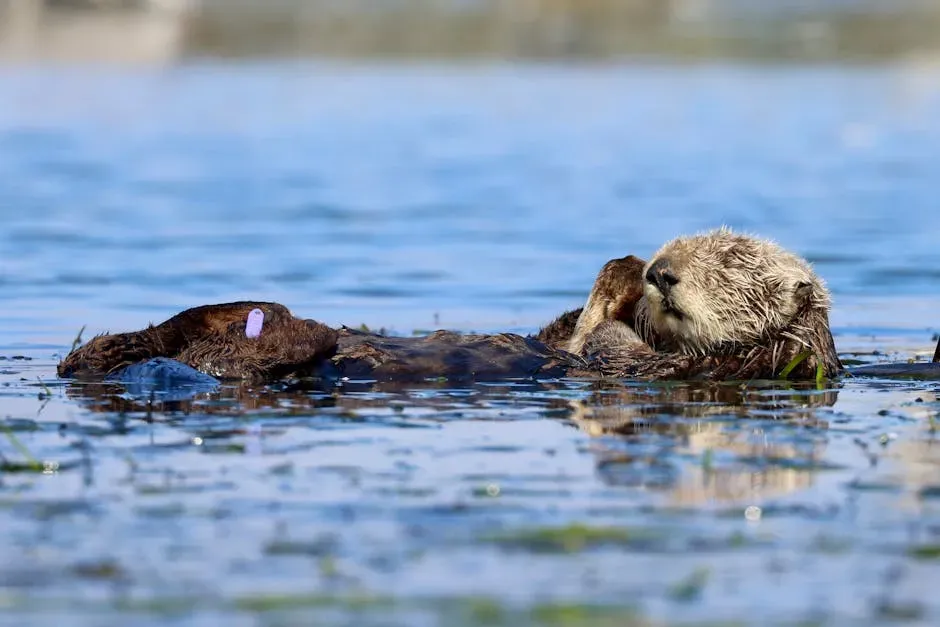
Its Sea Otter Program is the only one of its kind in the world. For more than 30 years, the program has worked to understand threats facing the southern sea otter and the impact the threatened species has on the health of coastal ecosystems.
The Aquarium contributes to southern sea otter population recovery and coastal resilience through innovative work to advance scientific knowledge, to rescue, rear and reintroduce stranded sea otter pups to the wild, to improve management, and to raise public awareness of sea otters’ vital role in shaping healthy coastal ecosystems.
Monterey Bay Aquarium is also a global leader in research and conservation policy for Pacific bluefin tuna, a species that has been severely overfished down to less than three percent of its historical population. That combination of hands-on rescue and serious policy advocacy makes this institution genuinely distinctive.
Shedd Aquarium, Chicago: Rescue Work That Spans Continents
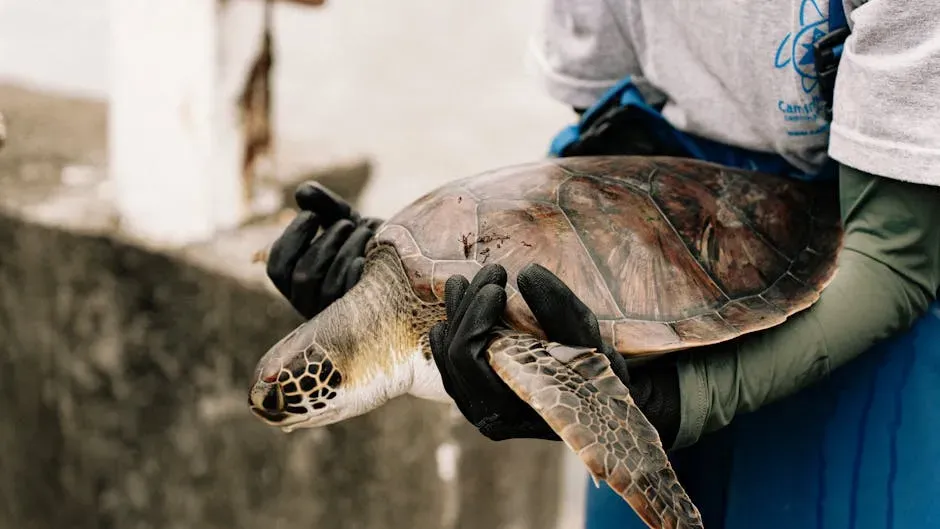
Chicago’s Shedd Aquarium does not confine its rescue work to the waters of Lake Michigan. Shedd’s rescue efforts go back more than 50 years, starting with the rescue of a young freshwater dolphin. The team has helped head start and release dozens of baby sea turtles and welcomed unreleasable older turtles to the Caribbean Reef habitat.
Each year, endangered African penguins abandon their chicks in the nest before the young birds can fend for themselves. Hundreds of those chicks are taken in by SANCCOB, a South African seabird conservation organization, which nurses them back to health and releases them. Since 2014, Shedd has sent rotating teams of penguin experts to South Africa during the penguin breeding season to assist with this rescue and rehabilitation effort.
Sea turtles’ survival in oceans around the world has been put at risk from decades of overhunting, development of their nesting beaches, drownings in commercial fishing nets, pollution-caused diseases and boat collisions. One rescued sea turtle, named Nickel, was rehabilitated after a serious motorboat injury and has become a conservation ambassador at Shedd.
Brookfield Zoo Chicago: Breeding Programs That Pull Species Back From the Brink
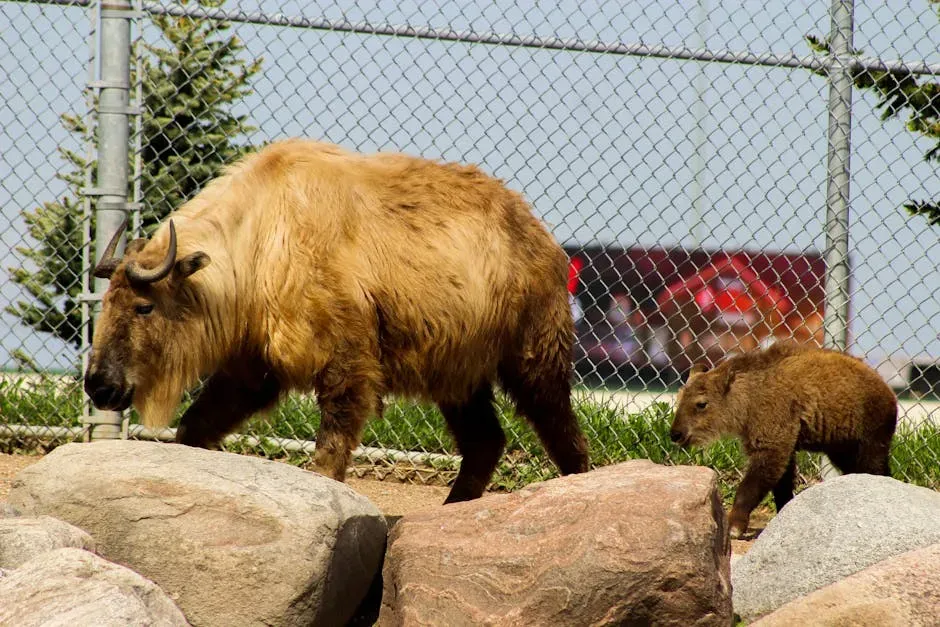
Brookfield Zoo Chicago has built one of the most active Species Survival Plan rosters in the country. The zoo currently participates in over 100 different SSP programs. That’s a substantial institutional commitment, one that requires coordination with partner facilities across North America.
A Species Survival Plan is a program created by the Association of Zoos and Aquariums that allows zoos across North America to work together as one team to manage and protect endangered animals, with the goal of keeping animal populations healthy, strong, and growing.
One of Brookfield’s most remarkable conservation stories involves the Sihek, also known as the Guam kingfisher. In 2024, the Sihek Recovery Program began the historic process of releasing birds back into the wild on their native Pacific island. The birds have laid eggs in their new home, making them the first wild eggs for the species in almost 40 years. Brookfield Zoo Chicago now cares for the largest population of Sihek at a single institution. That is a genuine conservation milestone.
Cincinnati Zoo and Botanical Garden: Decades of Endangered Species Leadership
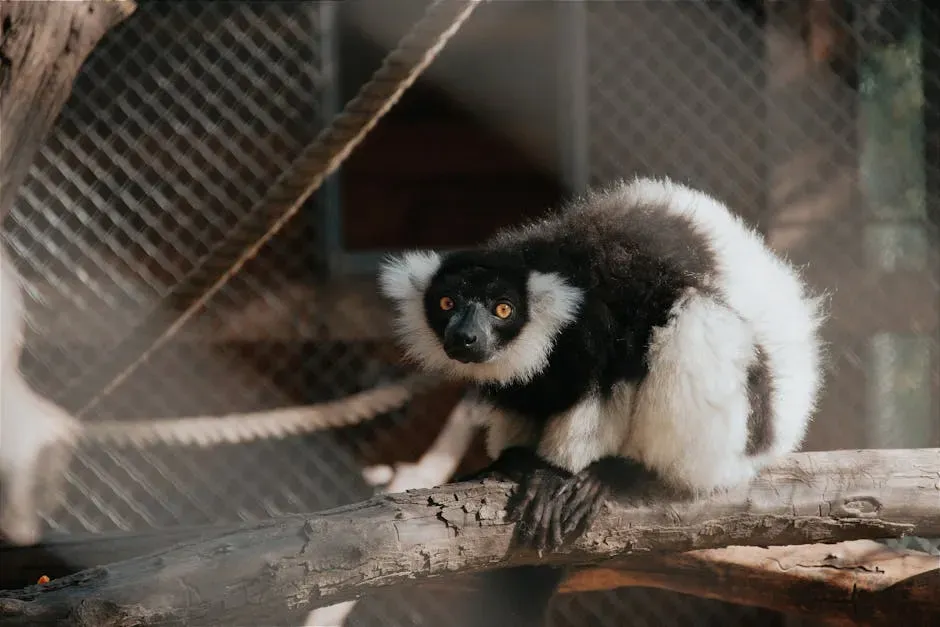
The Cincinnati Zoo has been an accredited member of the Association of Zoos and Aquariums since 1978 and is internationally known for its success in the protection and propagation of endangered animals and plants, engaging in research and conservation projects worldwide.
Cincinnati has been a consistent collaborator in some of the most ambitious multi-institution conservation efforts in AZA history. It has been a named collaborator in AZA top honors programs alongside institutions including the Bronx Zoo, Brookfield Zoo, and Columbus Zoo, reflecting the zoo’s ongoing role as a trusted partner in complex conservation work.
The zoo also carries a quiet but significant piece of natural history. It is the institution most associated with the memory of the passenger pigeon, once the most numerous bird in North America, which went extinct in the early 20th century. That history has shaped Cincinnati’s conservation culture in a way that few external programs could replicate. The sense of what can be lost permanently runs through the institution’s DNA.
Columbus Zoo and Aquarium: Funding Conservation on Every Continent
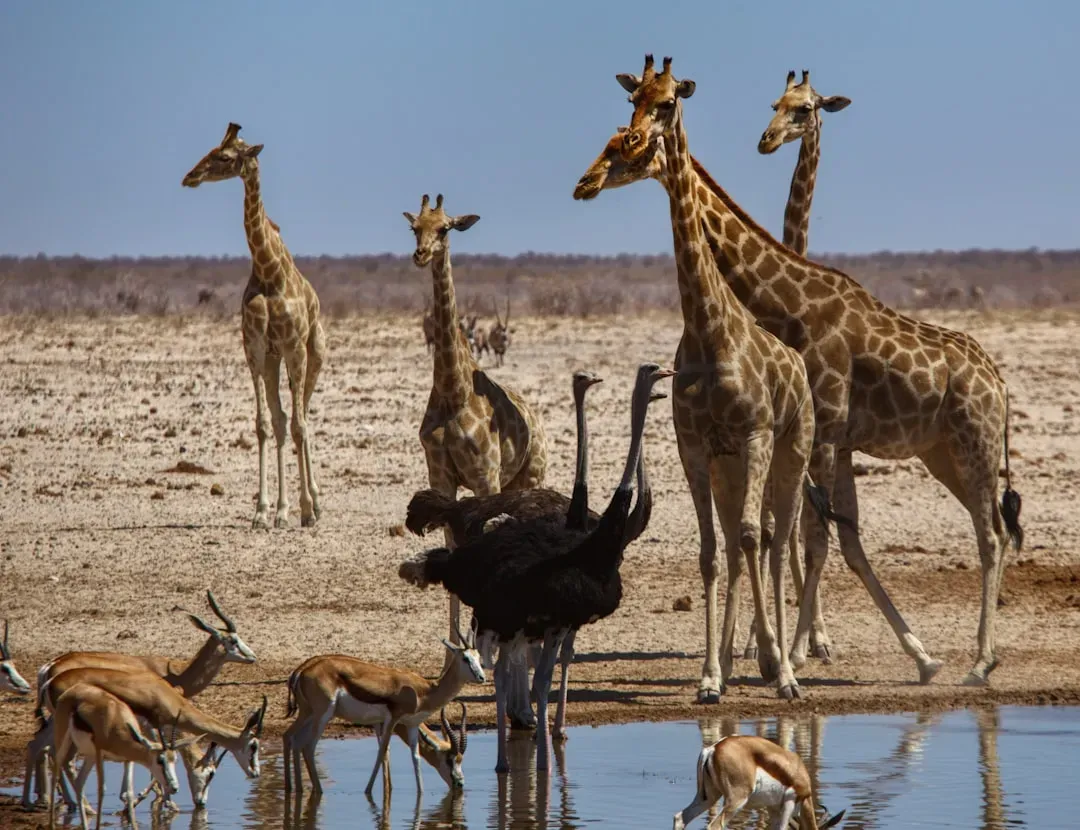
Each year, the Columbus Zoo invests millions of dollars and countless hours in conservation work throughout the world to save wildlife and wild places, and to empower the people who live near them. The zoo invests in work that forges bonds among humans, animals, and the environment, finding creative solutions that benefit all.
By providing grants to conservation leaders in more than 40 countries, the Zoo puts donations to work where it really matters, in the animals’ native ranges. More than 85 unique species were positively impacted through recent conservation efforts.
Teams at Columbus are seeing results built on rescue and protection, conservation science, habitat restoration, and community empowerment and education. The zoo also operates The Wilds, a large-scale conservation and research center in southeastern Ohio that supports breeding programs for several endangered species. The Columbus Zoo and Aquarium and The Wilds continue a transformative journey, growing from two of the nation’s premiere zoological facilities into even more impactful wildlife conservation institutions.
Georgia Aquarium: Marine Rescue from the Heart of Atlanta
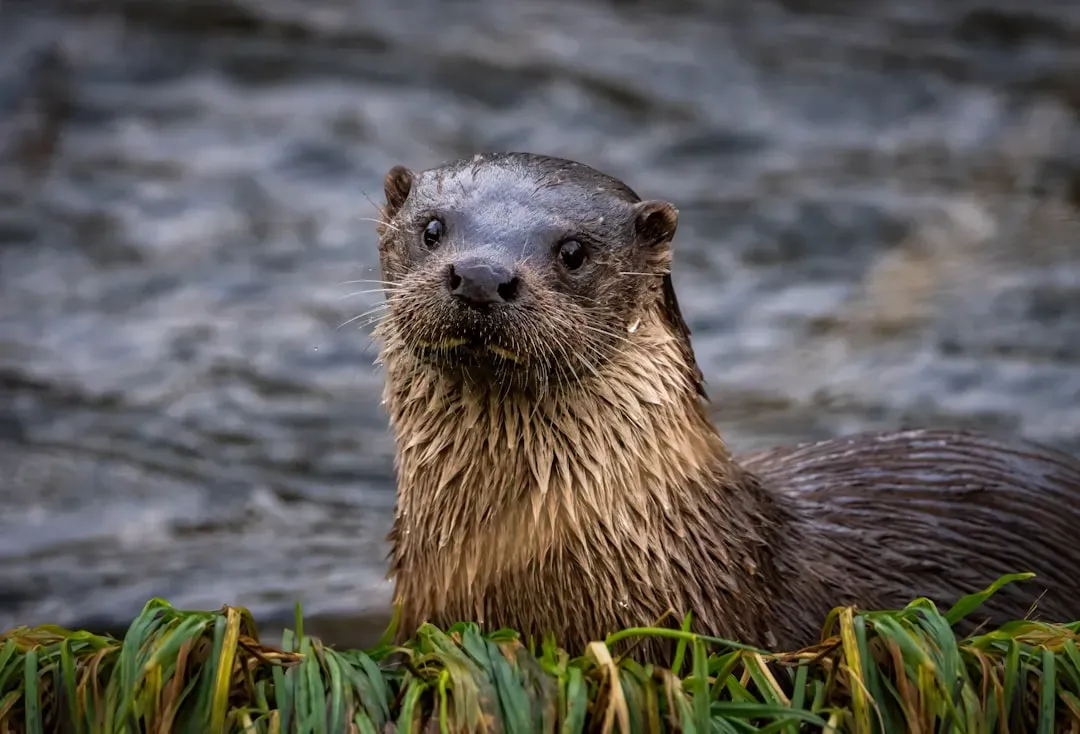
Georgia Aquarium proves that a landlocked city can be home to a serious marine conservation operation. The aquarium is committed to the rescue and rehabilitation of stranded Southern sea otter pups off the coasts of California and Alaska. Only 25 percent of pups survive the first year, and when pups are separated from their mothers, the odds of survival drastically change. By working with groups like The Alaska SeaLife Center and Monterey Bay Aquarium, Georgia Aquarium aids in the rescue of sea otter pups and rehabilitates them in a newly renovated exhibit.
As part of its mission to rescue and rehabilitate marine life, Georgia Aquarium has also assisted in the treatment of stranded sea lion pups along the coast of California.
The Aquarium expands awareness through collaborative conservation and research efforts, with projects that increase understanding of the world’s oceans. For an institution that opened its doors only in 2005, Georgia Aquarium has built an impressive conservation portfolio in a relatively short time, demonstrating that meaningful rescue work can be established quickly when institutional commitment is genuine.
Jacksonville Zoo and Gardens: A New Standard for Manatee Care
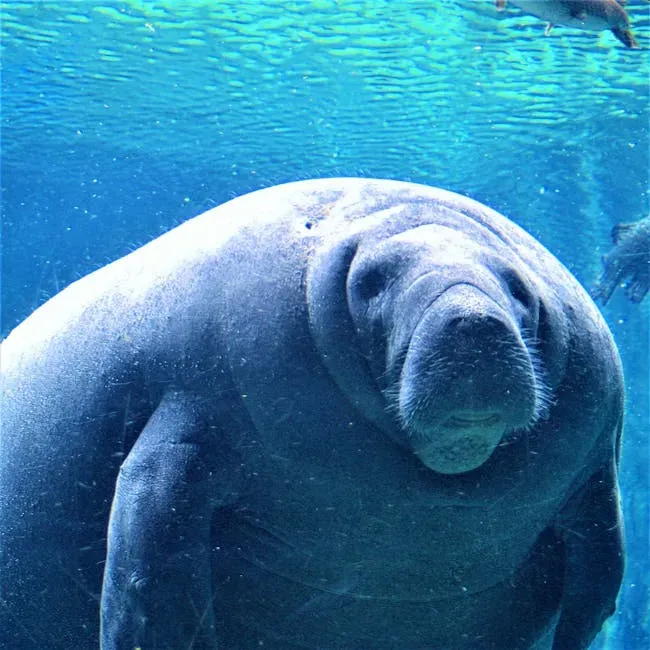
Jacksonville Zoo has long maintained a conservation program focused on Florida’s fragile coastal wildlife, and in 2026 it took a significant step forward. In March 2026, the Jacksonville Zoo debuted a new manatee habitat and a new zoo entrance as part of its Rezoovenation project.
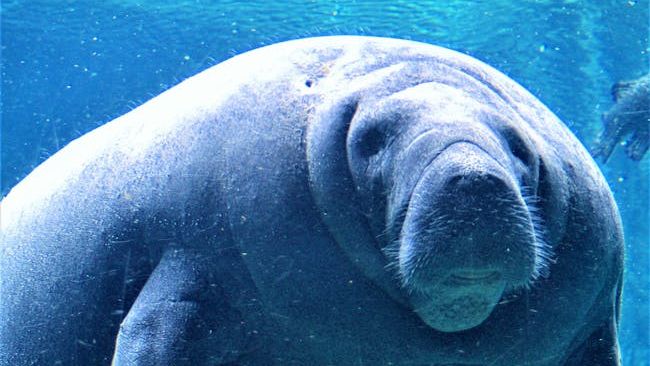
The new Manatee River is a 330,000-gallon critical care center dedicated to rescuing, rehabilitating, and releasing aquatic mammals. It primarily cares for manatees injured by boat propellers or suffering from cold weather or habitat changes.
The habitat also aims to educate visitors about manatees and their ecosystem, offering a closer look at conservation efforts. According to the zoo, the new facility increases its capacity to care for at least 20 manatees at once, up from six previously.
That is more than a facility upgrade. It reflects a broader shift in how Jacksonville Zoo is positioning itself, not merely as a place to see wildlife, but as an active rescue center for one of Florida’s most vulnerable marine mammals. Jacksonville Zoo and Botanical Gardens holds its AZA accreditation through March 2031, a sign of institutional stability and ongoing commitment to high standards.
Conclusion: Conservation Is the Core, Not the Footnote
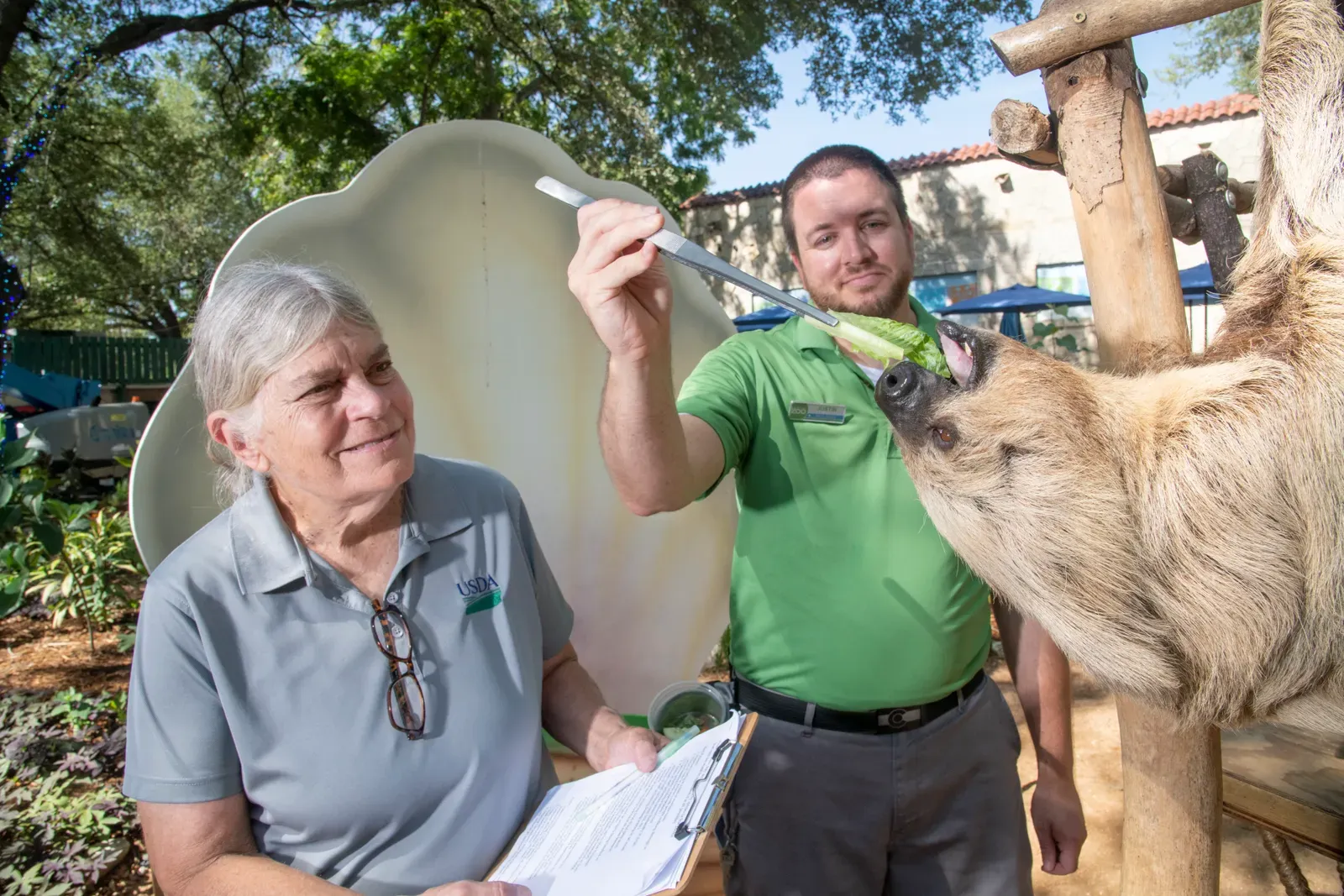
What connects these nine institutions isn’t geography or size. It’s a shared understanding that a zoo or aquarium in 2026 has to earn its place in the world by doing something meaningful for the species it houses. The AZA’s SAFE program, Saving Animals From Extinction, focuses the collective expertise within accredited zoos and aquariums and leverages their massive audiences to save species.
Nearly 90 percent of AZA’s accredited members worked together on 56 SAFE species programs to advance recovery in 2025. That kind of coordinated effort represents a genuine shift in how zoological institutions see their own role in the world.
The animals in these facilities are ambassadors for their wild counterparts. The research, breeding, rescue, and release programs they support are quiet, unglamorous, often difficult work carried out by dedicated scientists and care teams. When you visit one of these institutions, you’re not just spending a weekend outing. You’re participating in something much longer and more consequential than an afternoon at the zoo.
