
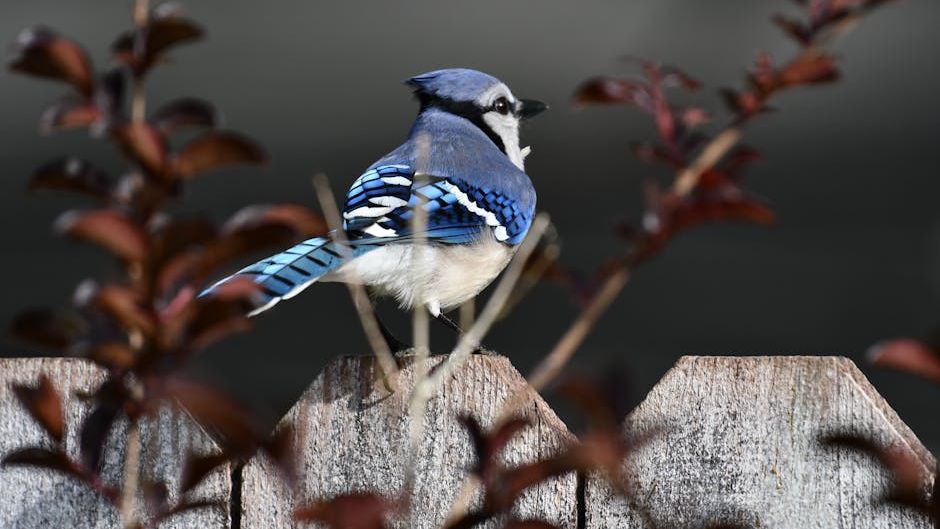
There’s something quietly magical about stepping outside in the morning and being greeted by the flutter of wings and a chorus of birdsong. It’s one of those simple pleasures that most people never think to cultivate – until they realize it’s actually within reach. Whether you’ve got a sprawling garden or a modest patch of green, turning your backyard into a genuine haven for beneficial birds is more achievable than you might think.
The trick isn’t just throwing out a handful of seeds and hoping for the best. There’s genuine strategy involved – the kind that, once you understand it, makes the whole thing feel almost effortless. From water features to native planting choices, each decision compounds on the last. So let’s dive in, because what you’re about to discover might completely change the way you look at your own backyard.
Set Up a Variety of Feeders and Watch the Magic Happen
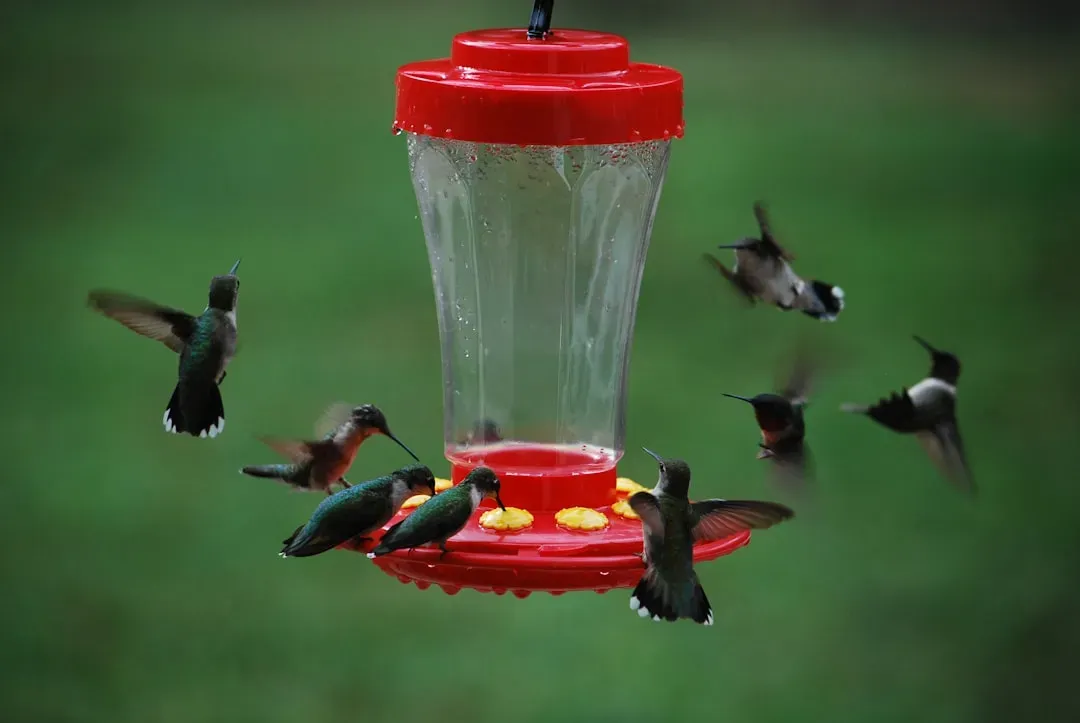
Here’s the thing most beginners get wrong: one feeder is rarely enough. Providing multiple bird feeder styles and foods attracts more birds to your backyard. Think of it like running a restaurant. Offer only one dish and you’ll only attract one type of diner.
Simultaneously offering sunflower, thistle, peanuts, fruit, jelly, suet, and mealworms will attract the greatest variety of bird species to your birdscape. It sounds like a lot, but you don’t need to start with all of them at once. Begin with two or three options and expand as you notice which visitors show up.
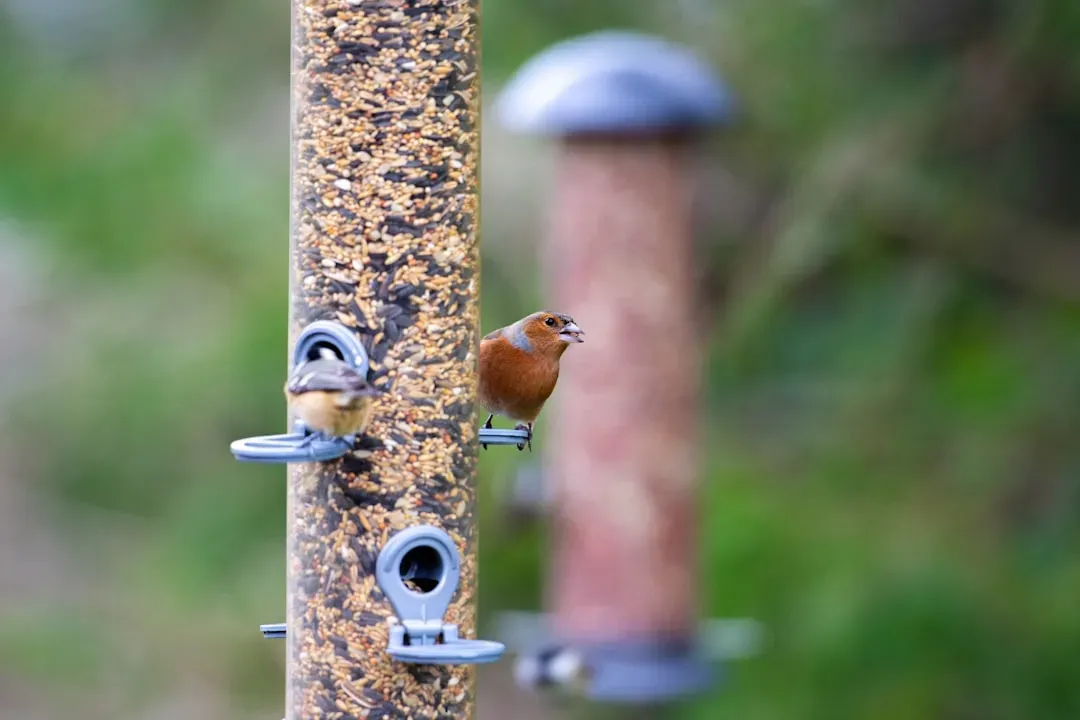
Providing a variety of feeder types and wild bird seed types is the best strategy for attracting the widest variety of birds to your backyard. Different sizes and species of birds have different preferences for bird feeder types and placements. A platform feeder for cardinals, a tube feeder for finches, and a suet cage for woodpeckers – that trio alone can transform your yard into a lively scene.
Choose the Right Seeds for the Birds You Actually Want
Not all seeds are created equal. Walk into any garden center and you’ll find bags of mixed seed that look appealing but often disappoint. Bird seed mixes are not usually the best choice. Seed mixes frequently contain more unwanted food, such as milo, oats, and red proso millet, than desirable food, such as sunflower.
Some birds eat a wide variety of seeds while others prefer only one or two types; however, sunflower seeds, proso millet seeds and peanut kernels appeal to the majority of birds. Honestly, if you do nothing else, a feeder stocked with quality black-oil sunflower seeds will do more work than almost anything else.
Goldfinches, house and purple finches, and siskins are extremely fond of nyjer and will select it in preference to most other foods. Pair a Nyjer tube feeder with sunflower seeds and you’ve already got a solid foundation. One important warning: when purchasing seed for birds, do not buy any coated with a red or pink dye. Seeds intended for planting are often treated with a fungicide called capstan and are marked with the red dye as a warning. Capstan is extremely toxic to birds.
Add Moving Water – Birds Simply Cannot Resist It
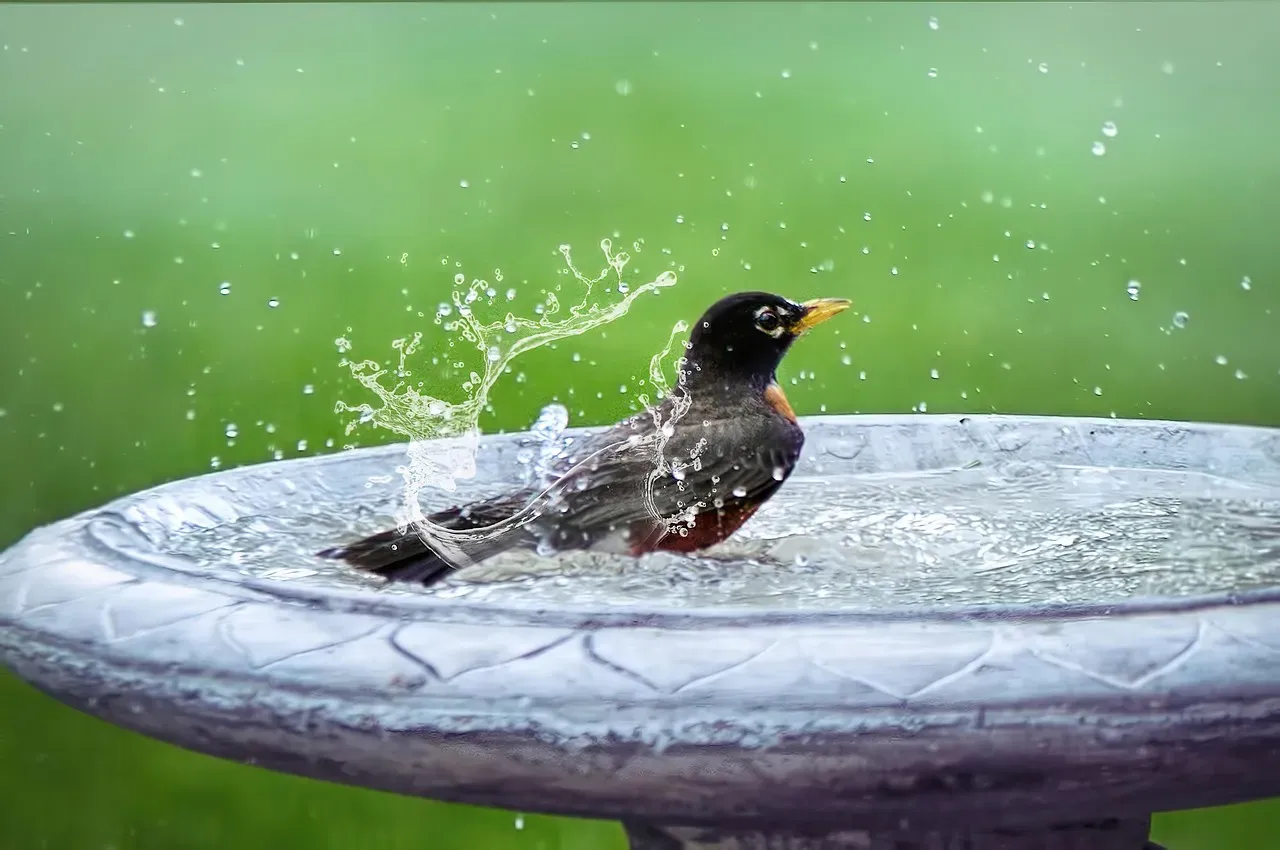
If there’s one thing I’d say is the single most underrated trick in this whole game, it’s moving water. A still birdbath is fine, but moving water is a different level entirely. Add a water dripper! Birds will be attracted to the sound and movement of the water. It’s like leaving a light on – it signals safety and abundance from a distance.
A source of fresh water is also necessary to maintain your bird population. The water source should be shallow – no more than two to three inches deep – and replaced on a regular basis. Running water, such as a shallow fountain, is ideal. Think of a birdbath as a meeting point. The shallower and more accessible it is, the more confidently birds will use it.
Bird baths should have a clear area of ten feet in diameter around the bath to prevent predators from sneaking up on birds drinking from the water. The water level should be no deeper than two inches. Place a rock in the center to make it easier for birds to use. Small details like that rock make a surprisingly big difference for smaller species that need a foothold.
Plant Native Trees, Shrubs, and Wildflowers
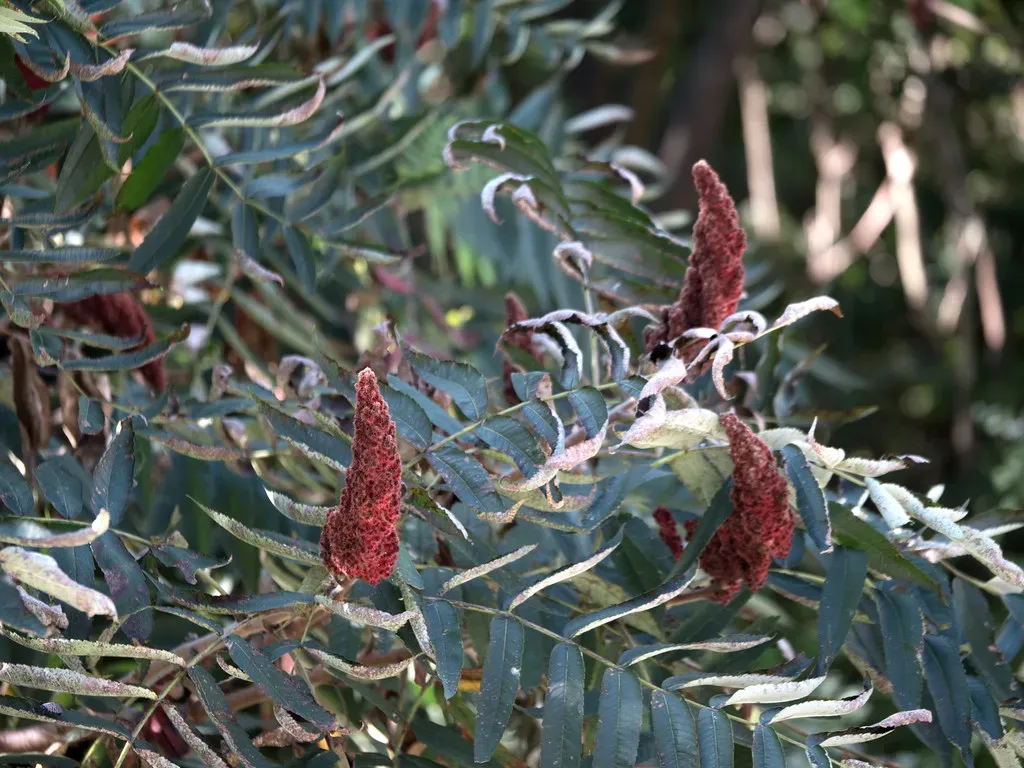
This one is a long-term investment, but it pays off in a way that no feeder ever could. The use of native trees and shrubs will help ensure that appropriate fruits and berries are available for the local bird population. It’s essentially building a self-sustaining pantry right in your yard.
Entomology research indicates that our native plant species support far more native insects than nonnative plants. This is good news because it means supporting native bird populations and attracting them to your yard is as straightforward as planting native plant species. The logic is beautiful in its simplicity. More native plants equal more native insects, which equal more birds.
Most berries ripen in the fall, just when birds are undertaking arduous migrations that require lots of sugar-fueled energy. Native wildflowers bring in hummingbirds in warmer months, plus insects that provide much-needed protein. Imagine your garden as a rest stop on a long highway journey. The right native plants make it a destination worth visiting twice.
Install Nesting Boxes to Invite Birds to Stay
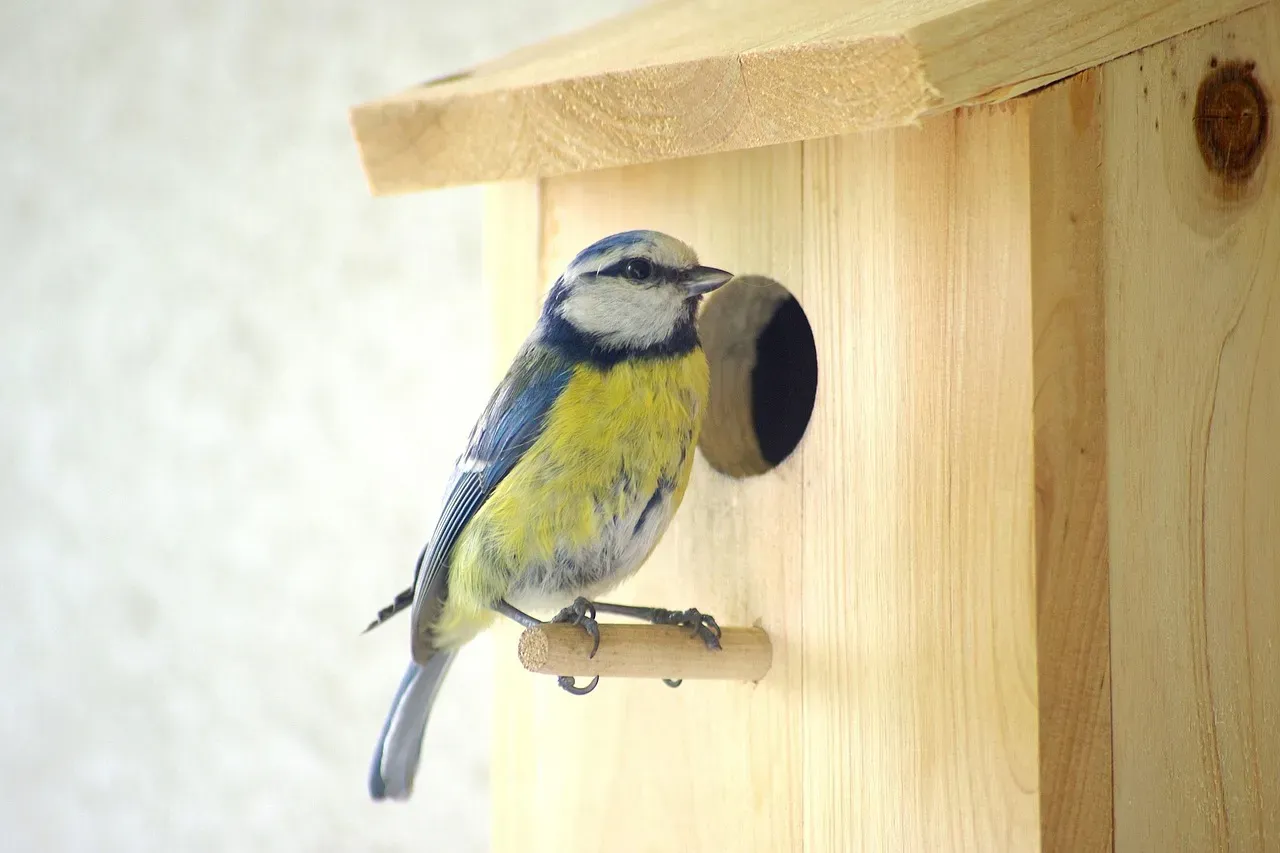
Attracting birds to visit is one thing. Getting them to actually move in is another. Putting up nesting boxes is a fantastic way to encourage birds to not only visit but also reside in your backyard. Different species prefer different types of boxes, so research which birds are common in your area and install appropriate nesting boxes for them. Position the boxes in quiet, sheltered areas to provide a safe environment for birds to raise their young.
Other birds are cavity nesters and will easily take to nest boxes. Species like bluebirds, chickadees, and tree swallows actively look for pre-made cavities during breeding season. A well-placed nest box can make the difference between a bird passing through and one raising a whole brood on your property.
Cleanliness matters here too. Nest boxes need to be cleaned out and washed between each brood. Skip the cleaning and you’re essentially offering a messy motel room – most discerning birds will pass.
Embrace a Little Wildness: Brush Piles and Snags
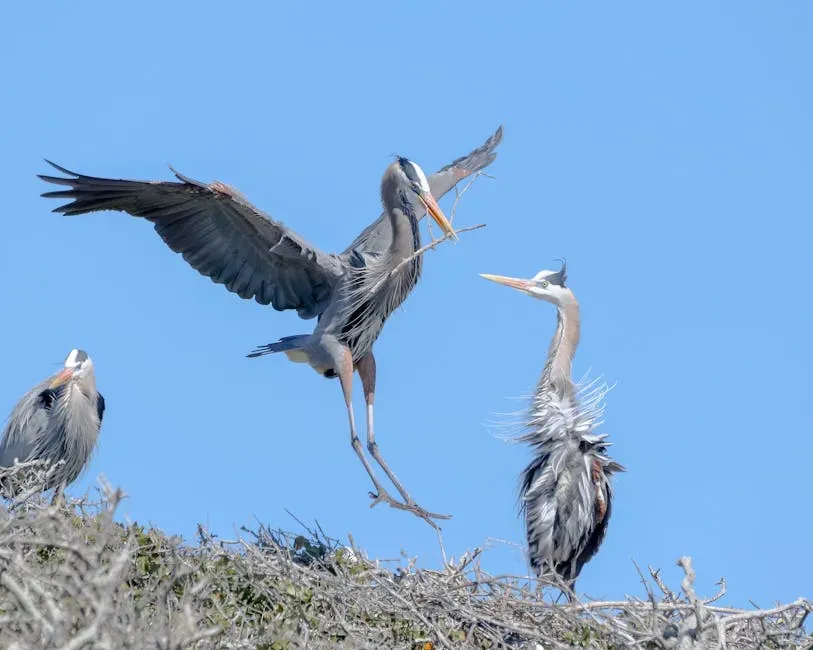
Let’s be real – most of us are trained to think of a tidy yard as a good yard. Perfectly manicured grass, not a dead branch in sight. The birds, however, disagree strongly. Brush piles and snags provide shelter to insects, making them a source of bird food and, for brush and cavity nesters, a source of shelter as well. Brush piles, in particular, are magnets for small bird species like warblers and Carolina wrens.
Snags or dead trees left standing provide homes for cavity nesters like woodpeckers, chickadees, bluebirds, and titmice. Woodpeckers and other birds feed on the insects that live in snags. Birds of prey, like raptors and owls, often use snags as hunting and nesting perches. A single standing dead tree can support more bird life than a dozen manicured ornamental shrubs.
If you’re planning to remove a tree from your property, instead of cutting it to the ground completely, consider leaving a 10 to 15 foot stump for wildlife to use. It sounds counterintuitive, but it’s one of those quiet decisions that quietly transforms a space over time.
Use Color Strategically to Catch a Bird’s Eye
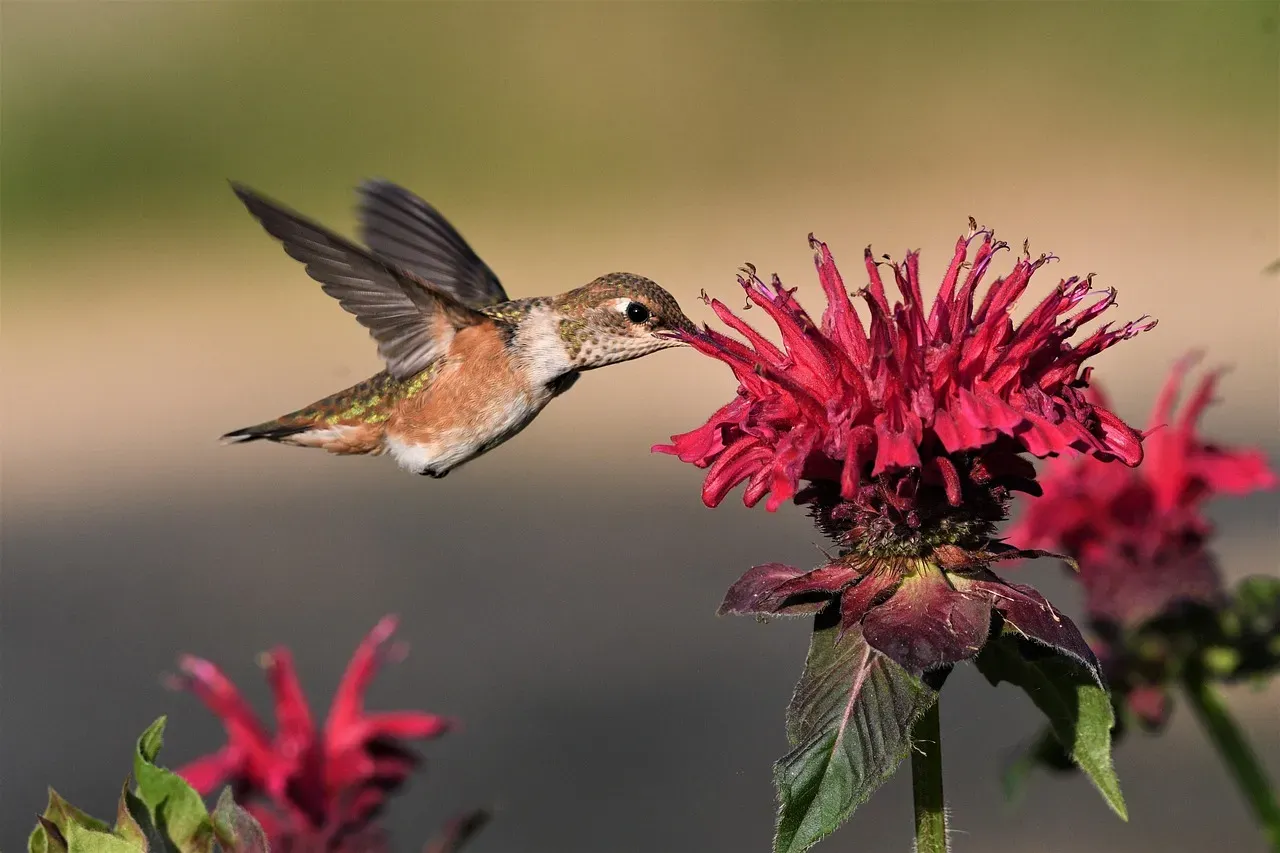
Here’s a fascinating detail that most people never consider. Birds have an extremely developed sensitivity to color and are attracted to bright colors not commonly found in nature. You can use colorful and flowering plant species to add a splash of color to your birdscape so birds on the fly can spot your bird oasis from the sky. Think of your yard as a visual beacon – the more vibrant, the more visible.
Plant specific flowers for seed-eating birds, like sunflowers, coneflowers, black-eyed Susans, zinnias, and more. When you are cleaning up in the fall, leave the seed heads of these flowers and the birds will pick them clean. This is the kind of low-effort, high-reward tip that feels almost too good to be true.
It’s also worth noting that hummingbird feeders typically come with red elements for a reason. These feeders typically have some sort of red element, which helps to attract hummingbirds since the nectar inside is clear. Color is essentially the welcome sign birds read before they ever land.
Make Your Backyard Predator-Safe
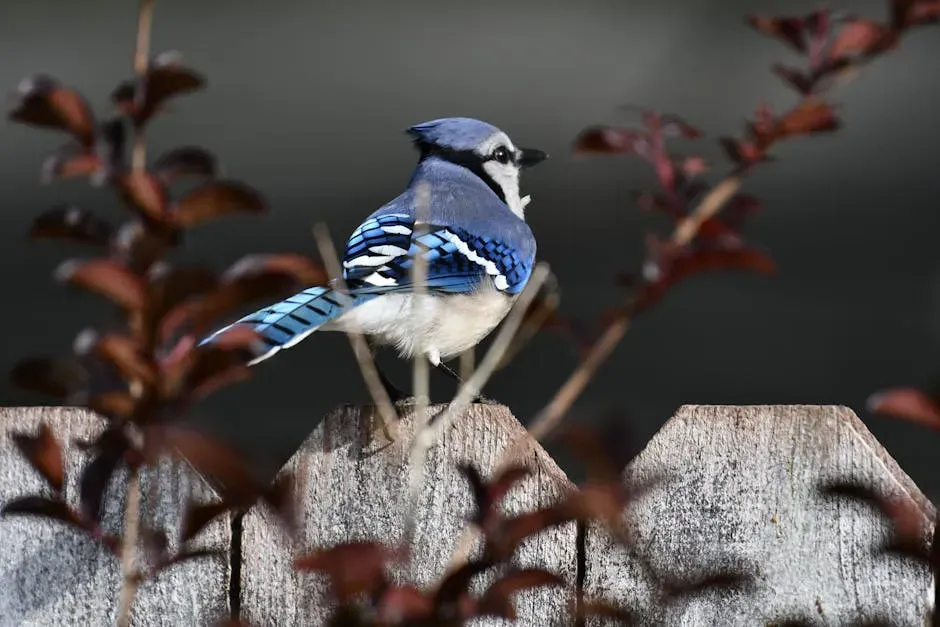
This part is crucial and, I’d argue, often overlooked. Inviting birds in and then leaving them exposed to predators is like setting a dinner table in the middle of a busy road. While we don’t want to discourage habitat creation, it is important to ask yourself if you are really helping the birds if, once they show up, there are dangerous obstacles that could threaten them.
Cats are natural predators of birds and can significantly decrease the chances of birds visiting your backyard. Keeping cats indoors, or at least away from bird feeding areas, can help create a safer environment for birds to feed, nest, and bathe. This is probably the most uncomfortable truth in backyard birding, but it’s an undeniable one.
The American Bird Conservancy estimates as many as one billion birds are killed in window collisions each year. That number is staggering. Adding window decals or moving feeders closer to or further from windows can reduce strike risk significantly – and it requires almost zero effort to implement.
Keep Everything Clean to Protect the Birds You’ve Attracted
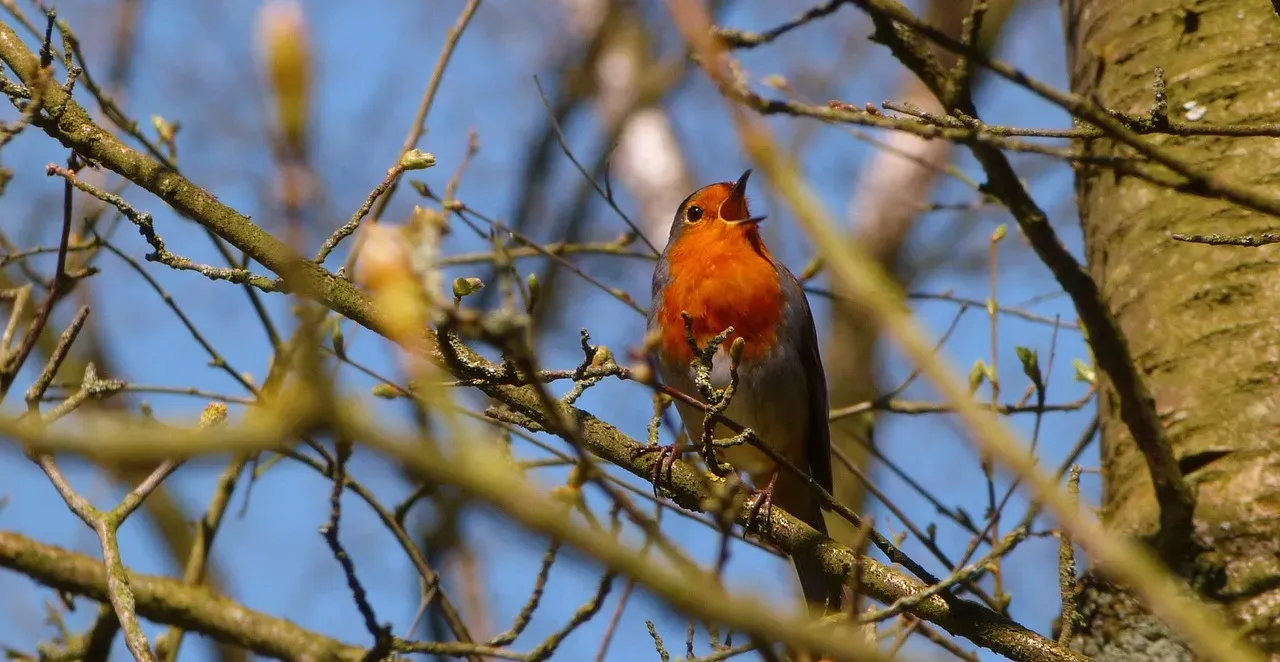
Bird feeders should be cleaned regularly. Diseases can grow in wet and moldy seed, in bird droppings, and in warm sugar water. It’s a bit like a food truck that never washes its surfaces – no matter how good the menu, health problems follow. The same principle applies here.
It is a good idea to move your feeders each season to give the ground underneath time to break down the seed debris and bird droppings, or rake up the seed debris and place it in the compost pile. This simple habit can prevent the buildup of harmful pathogens that spread quickly when birds congregate in one spot.
Caring for your local backyard birds isn’t only a great pastime, it’s beneficial for the birds, too. When they have access to resources, birds can lay more eggs and raise more healthy chicks. Lovingly outfitted with food, water and shelter, your bird-friendly backyard can support your local bird population for generations to come. That’s the bigger picture – and it makes every small act of maintenance feel genuinely meaningful.
Conclusion: Your Backyard Could Be a Wildlife Sanctuary
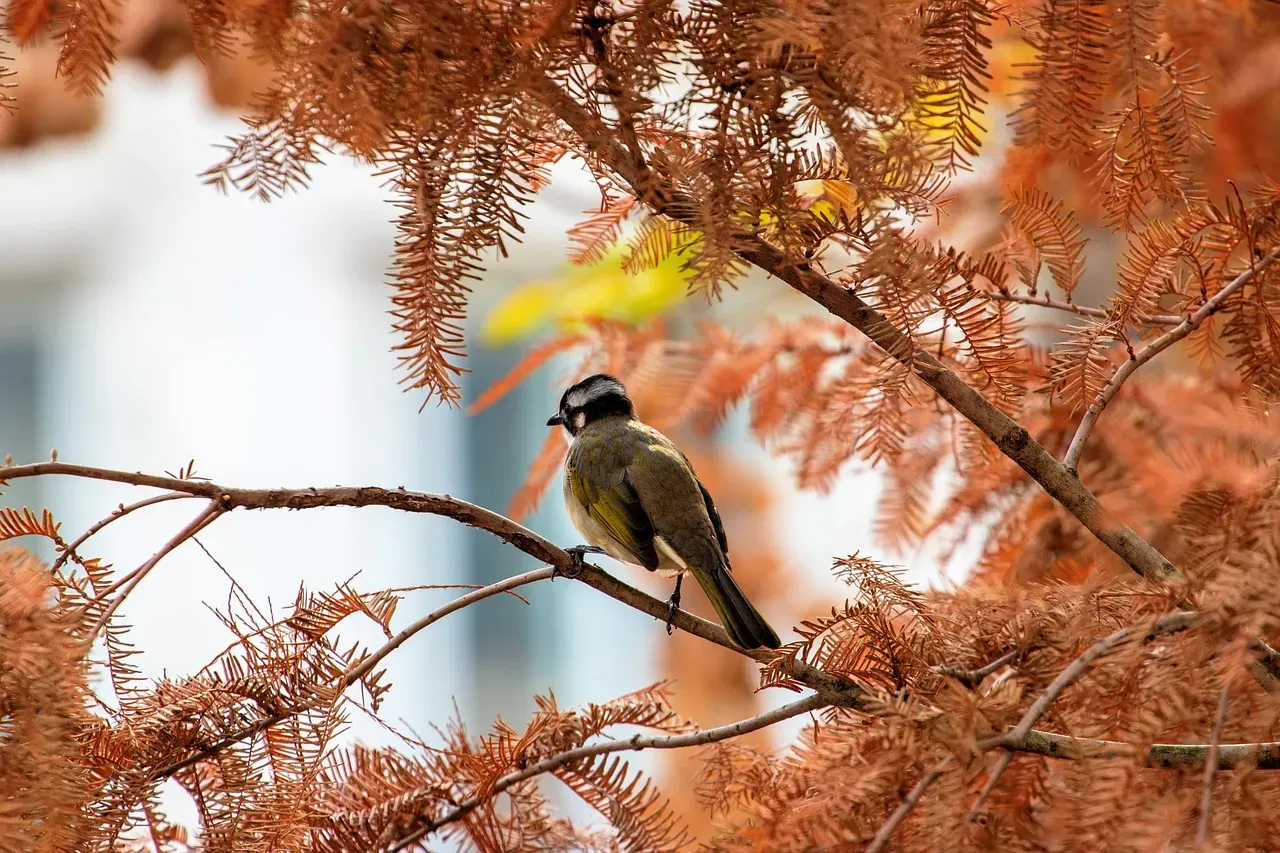
Attracting beneficial birds doesn’t require a huge budget or a landscape architect. It requires intention. Start with one or two changes – a better feeder, a shallow water dish, or a native shrub – and build from there. Each addition creates a ripple effect, making your space more visible, more welcoming, and more alive.
The real reward isn’t just the birds themselves, as wonderful as they are. It’s the knowledge that your patch of green is actively supporting a broader ecosystem. Every small step you take can have a big impact on the local bird population, turning your backyard into a thriving wildlife oasis.
Honestly, once you start noticing what shows up, it becomes a little addictive. So here’s a question worth sitting with: how many species do you think are already passing through your yard without ever stopping – and what would it take to make them stay? What do you think? Share your backyard bird stories in the comments below.
