
Animals have always captured our imagination. From childhood cartoons to wildlife documentaries, we absorb endless stories about how creatures live, think, and interact. The trouble is, many of those stories are simply wrong.
Some of these myths are harmless curiosities. Others can affect how we treat animals, respond to them in the wild, or care for the ones we live with. From the labradors we share our homes with to the legendary creatures of folklore, we’ve sought to understand our fellow earthlings since the beginning of humankind. Whether it’s superstition, exaggeration, or just plain misunderstanding, sometimes that quest for knowledge leads to some genuinely misguided conclusions. Here are nine of the most persistent ones, and what science actually tells us.
Myth 1: Bulls Are Enraged by the Color Red
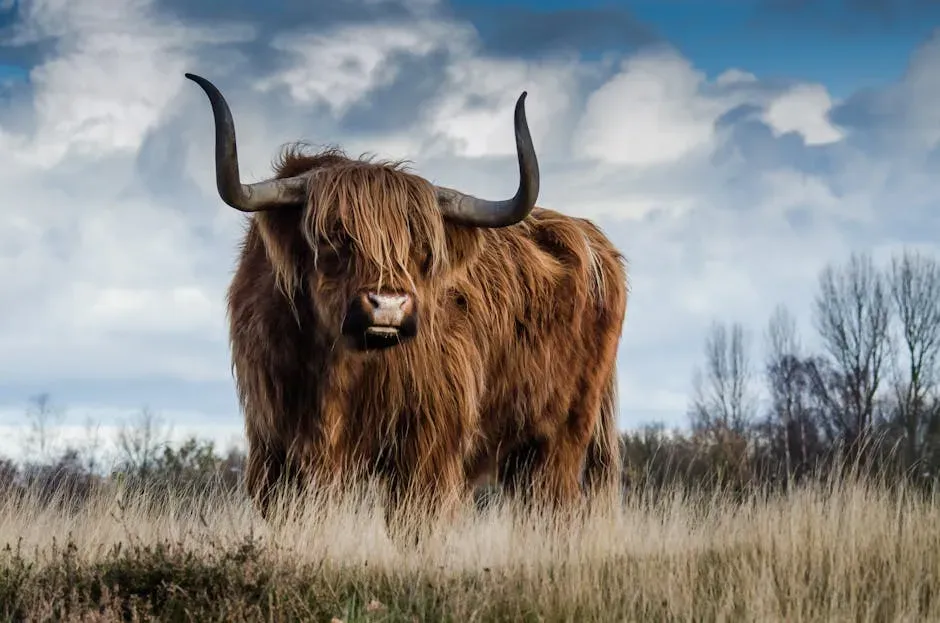
This one has been embedded in popular culture for so long it feels like settled fact. The idea comes directly from bullfighting, where a matador waves a vivid red cape in front of a charging bull. It looks like a simple cause and effect. It isn’t.
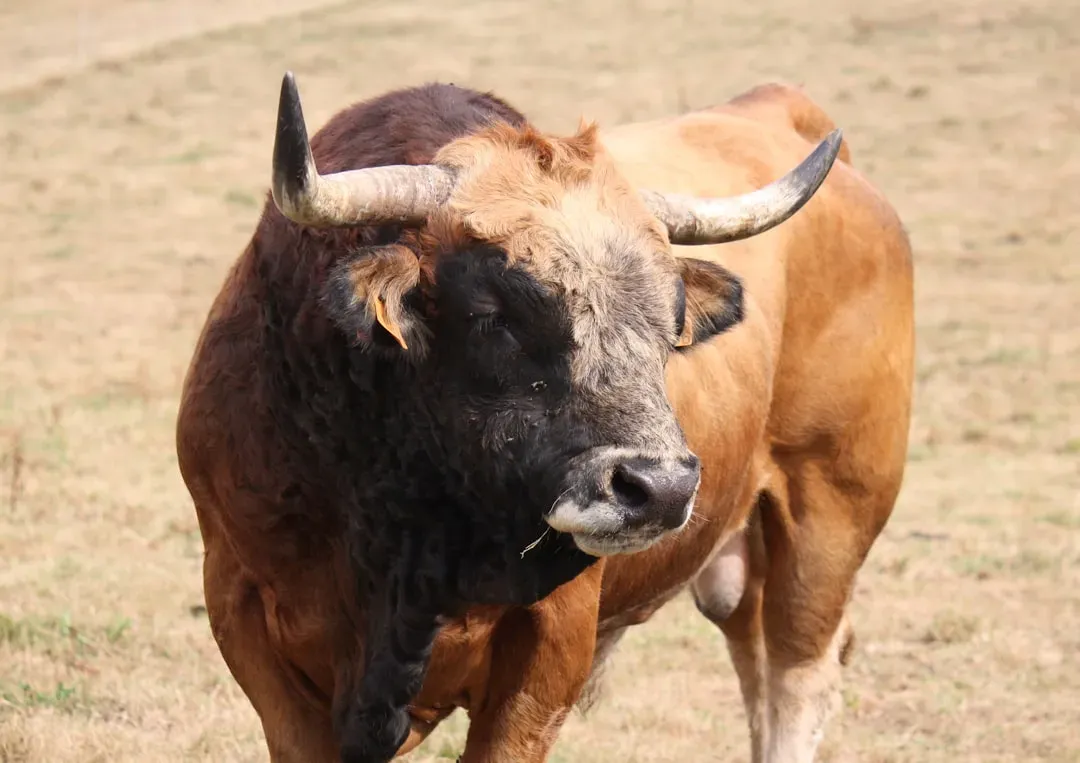
A belief that originated in Spanish bullfighting is that bulls are angered by the color red. In fact, it is the swift motion of the red cloth used by matadors in bullfighting arenas that causes the bull to charge. Studies suggest that bulls, like many animals, are actually colorblind, meaning that they are incapable of distinguishing between certain colors.
To bulls, the crimson-colored cloth that a matador waves looks more like drab yellow-gray. Studies have suggested that when bulls charge, they are likely responding to the movement more than the color of the cape. That’s why you’ll see the bull also charge at the matador’s other cape, the pink and yellow one used in the early rounds. It’s movement that triggers the reaction, not a color the animal can’t even detect.
Myth 2: Bats Are Blind
The phrase “blind as a bat” is so deeply lodged in everyday language that it’s easy to forget it describes something that simply isn’t true. Bats have functioning eyes, and many species use them effectively.
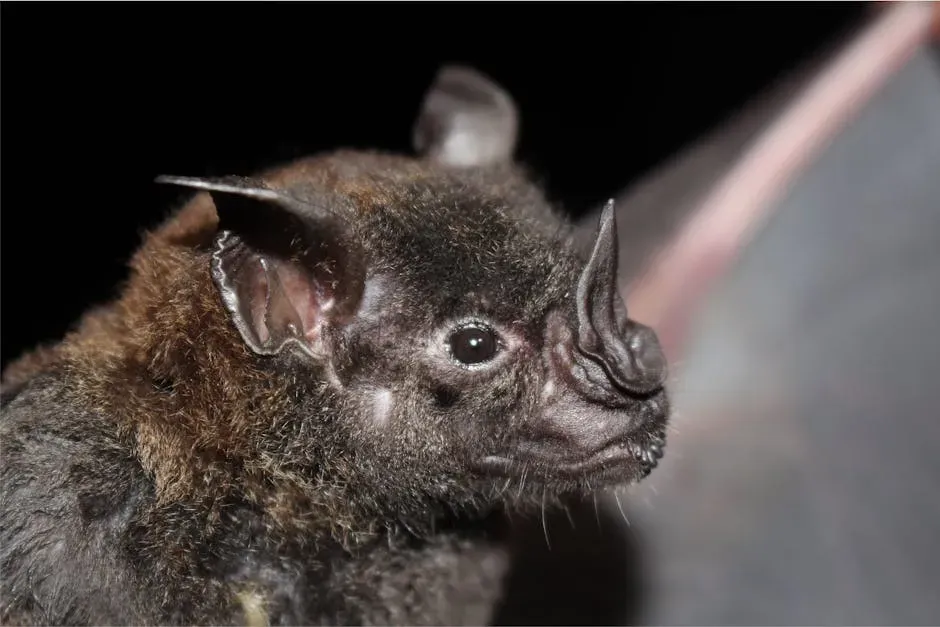
Bats are not blind. Not even a little bit. In fact, many species of bats have excellent eyesight. Some can even see better than humans in low light.
They can see almost as well as humans can, but at night they can use echolocation, or using echoes from sound waves, to locate meals and places to land. Bats are nocturnal like a lot of other animals, so they prefer to sleep during the day and hunt at night. Echolocation is a remarkable navigational bonus, not a compensation for blindness.
Myth 3: Ostriches Bury Their Heads in the Sand
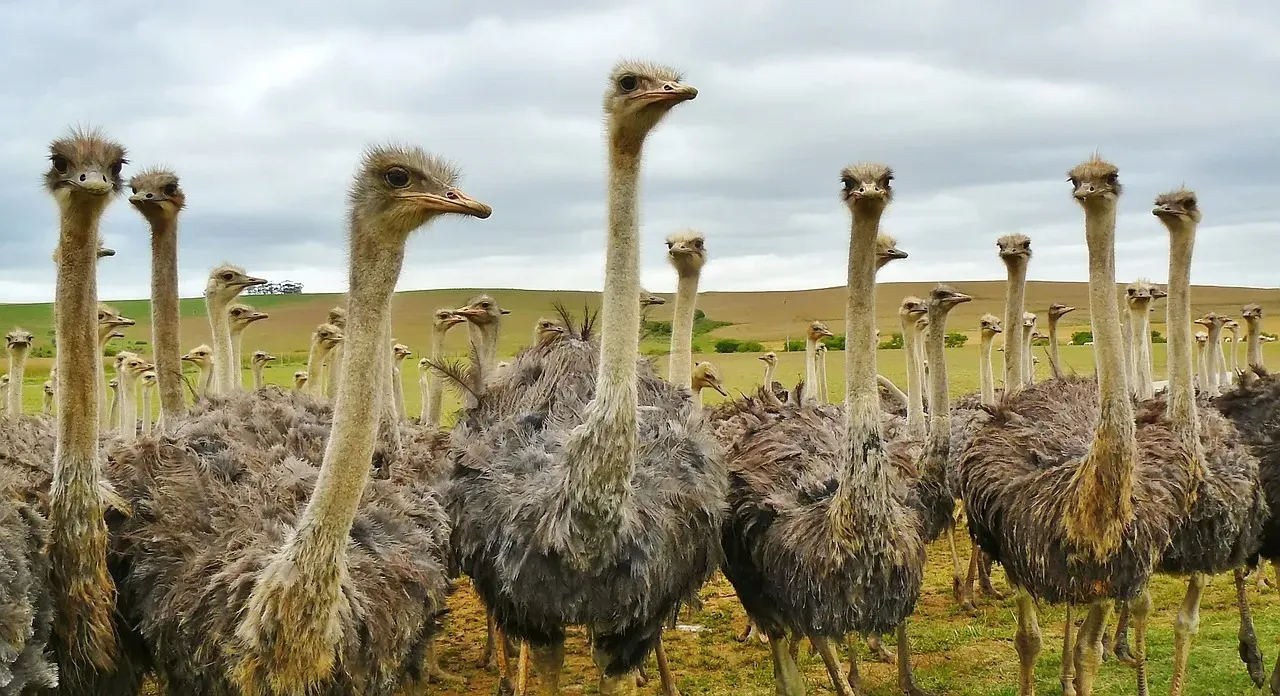
Few animal myths are as visually memorable as this one, and few are as thoroughly false. Ostriches do not bury their heads in the sand. If they did, they’d suffocate.
What they actually do is lower their heads to the ground when they’re feeling threatened, especially when sitting on their nests. Because their feathers blend in with the surrounding dirt, it can look like their heads have disappeared into the ground, but really, they’re just trying to stay low and avoid predators.
The myth about head-burying might have arisen from another typical ostrich behavior. When they’re getting ready to lay eggs, female ostriches will dig shallow holes in the sand to serve as nests for their young. The ostrich will use its beak to turn the eggs several times a day, and given the small size of an ostrich’s head, that might look from a distance as if the bird is burying its head. It’s an optical illusion with a surprisingly logical origin.
Myth 4: Goldfish Have a Three-Second Memory
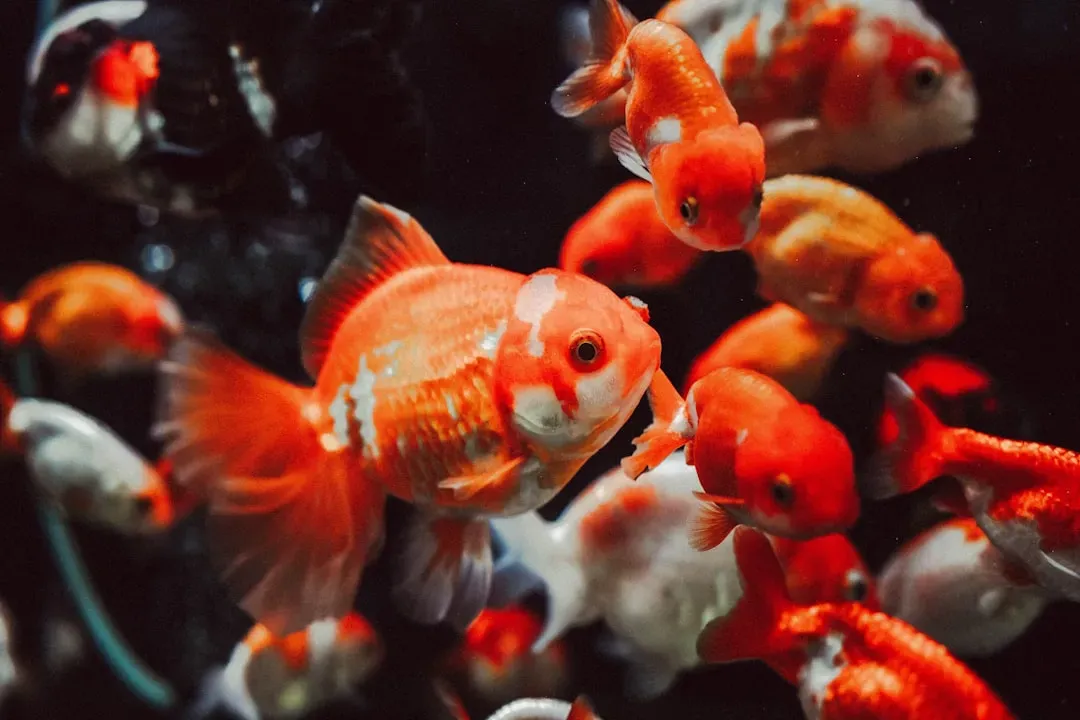
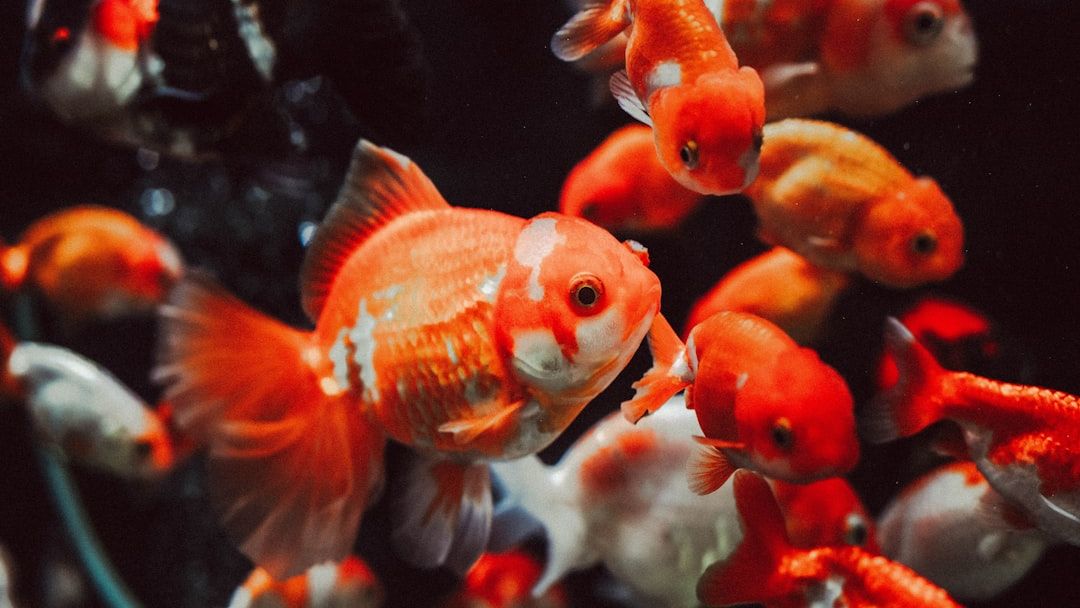
This is perhaps the most casually repeated animal myth in existence. It gets tossed around whenever someone wants to make a joke about forgetfulness. The problem is that goldfish are actually reasonably capable learners.
Contrary to popular belief, behavioral studies show that goldfish can associate sounds with feeding times, operate tiny levers, and even recognize their owners’ presence. Each of these behaviors requires a lengthier memory span than three seconds.
The persistence of this myth likely has more to do with how we perceive fish in general than with any actual evidence. Goldfish live in a constrained environment, they don’t express emotion in ways humans readily recognize, and they’ve become a cultural shorthand for insignificance. None of that changes what the research shows.
Myth 5: A Mother Bird Will Abandon Her Chick If You Touch It
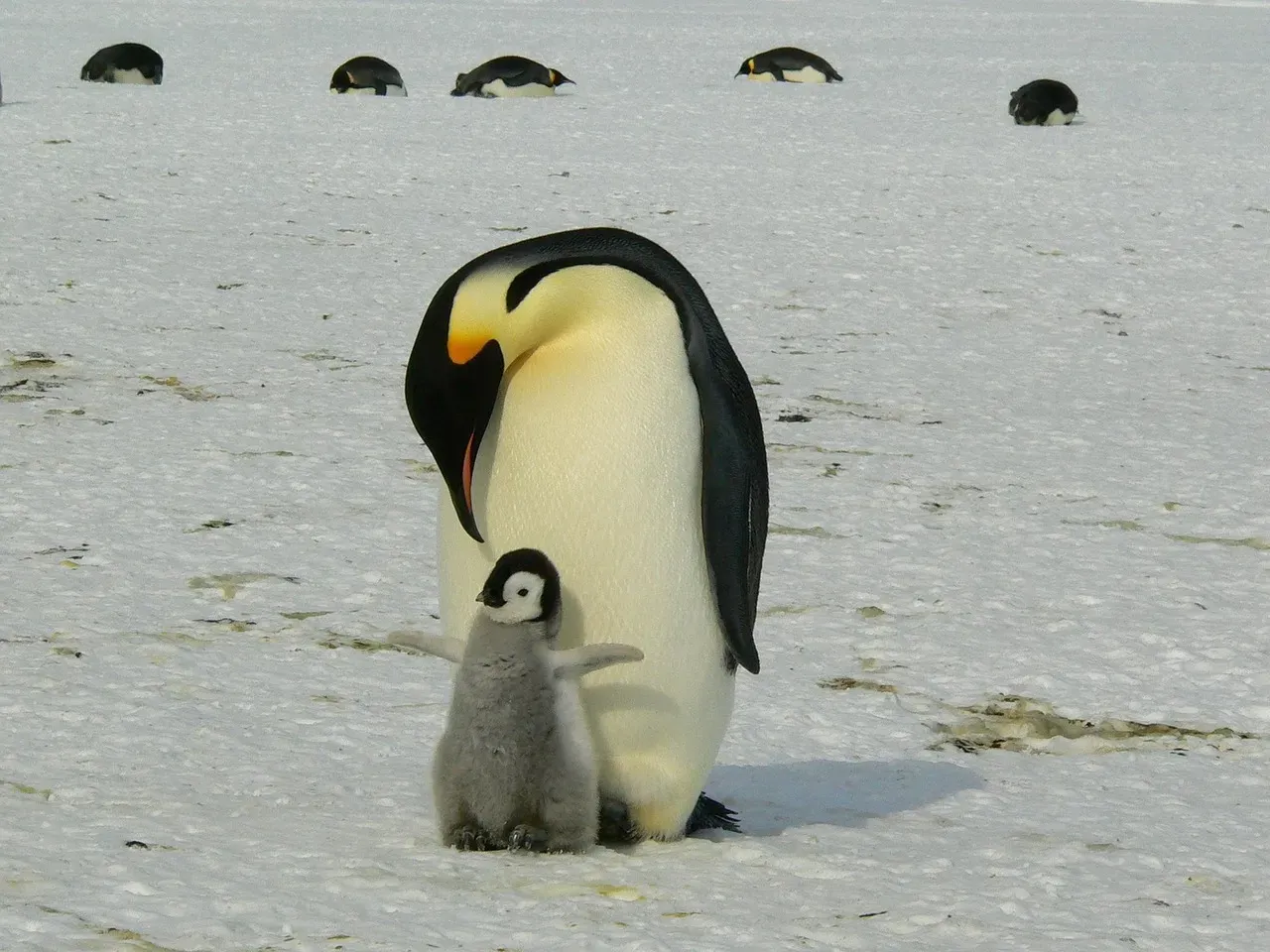
This one is told to children with good intentions, usually to stop them from picking up baby birds. The underlying logic sounds plausible enough: the mother smells human scent, panics, and leaves. Except birds don’t work that way.
The falsehood that mother birds will abandon their offspring if touched by a human derives from the belief that birds can pick up on human scent. In fact, most birds have a rather poor sense of smell and are unlikely to readily abandon their young.
A mother bird is not going to ditch her baby just because a human touched it. In fact, many birds are fiercely protective of their chicks and will return even if the nest has been disturbed. If you do find a baby bird, it is always best to check if it really needs help. Many fledglings are just learning to fly and their parents are still nearby. If it is clearly injured or in danger, it is totally fine to move it to safety or contact a local wildlife rescue.
Myth 6: Bears Hibernate So Deeply They Can’t Be Woken
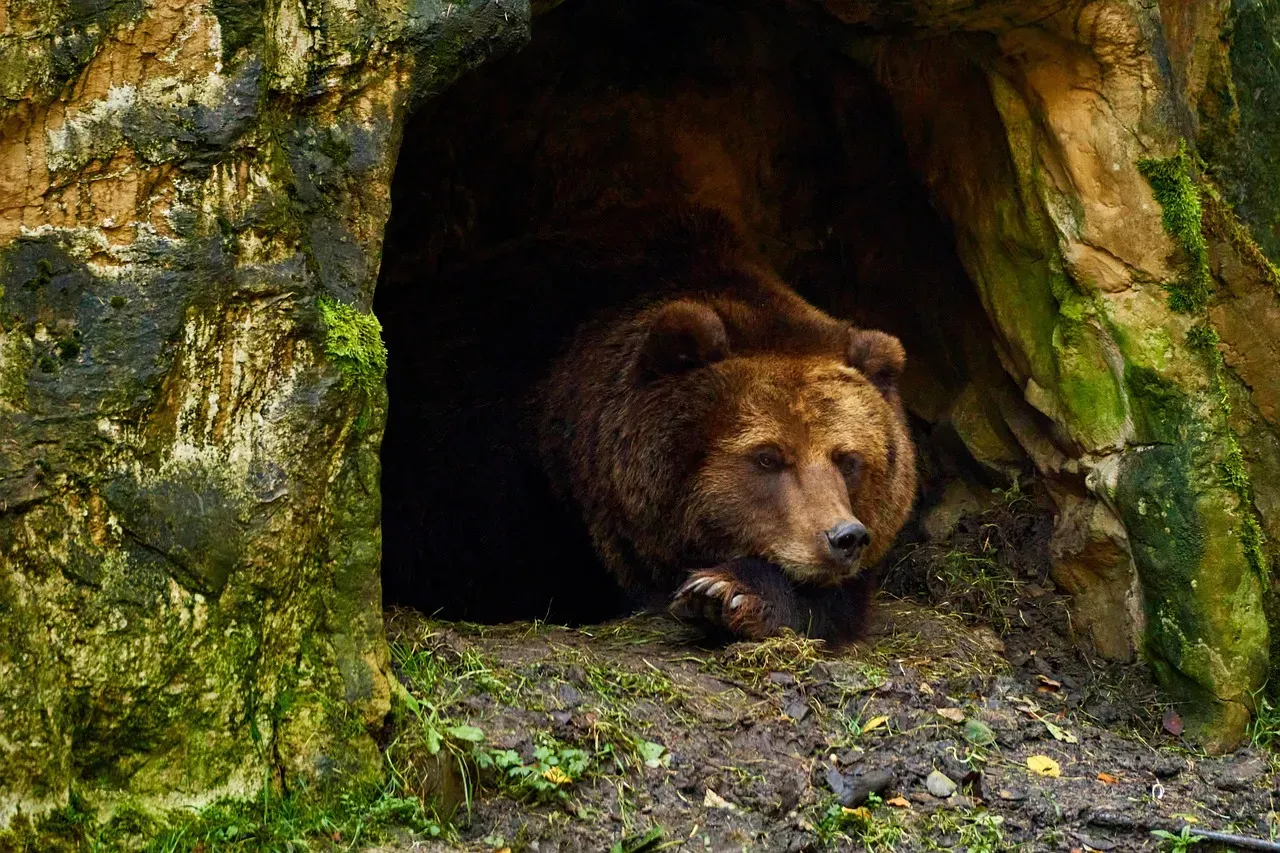
Ask most people which animal hibernates and bears are usually the first answer. That association is so strong it has produced a dangerous follow-on assumption: that a sleeping bear in winter is essentially switched off.
Hibernating animals, like woodchucks, appear lifeless and are not easily awakened. Bears, on the other hand, exhibit torpor, a shorter-term reduction in body temperature accompanied by lethargy. Heart rate drops, but not as much as that of true hibernators. Though less active than usual, bears in torpor can readily respond to external stimuli.
True hibernation occurs when an animal drastically lowers their body temperature to nearly match their surroundings, and sleeps through the winter. Bears don’t come close to that threshold. They’re resting, not comatose, and that difference matters enormously if you ever encounter one in the wild.
Myth 7: Dogs See Only in Black and White

This idea has circulated since at least the 1920s, and it keeps resurfacing in casual conversation. It paints a rather bleak picture of a dog’s visual experience. Reality is more nuanced.
Dogs aren’t completely colorblind, even though many people believe this. They have dichromatic vision, which means they see a limited range of colors. Dogs primarily distinguish blues and yellows but struggle with reds and greens. For example, a red toy tossed onto green grass may blend together visually for your dog.
This has been a belief since the 1920s, but dogs can see yellow and blue, which makes them colorblind in the same way that some humans are colorblind. Their eyes have two types of color receptors, or cones, as opposed to the three that the average person has. It’s a reduced palette, not an absent one.
Myth 8: A Cat’s Purr Means It’s Happy

There’s something deeply comforting about a purring cat curled up nearby. It feels like a clear signal of contentment. The relationship between humans and cats spans several thousand years, yet a significant proportion of the population still does not fully comprehend feline behavior. The purr is a perfect example of why.
Cats don’t purr only when they feel content, despite how comforting the sound may seem. Purring is actually a self-soothing behavior. Cats may purr when they feel stressed, frightened, or even in pain. A common example is a cat purring during a veterinary visit, which often signals anxiety rather than happiness.
According to the ASPCA, cats frequently purr while injured or recovering as a way to calm themselves. The purr, it turns out, is less a report on mood and more a coping mechanism. Reading a cat’s body language as a whole gives a far more reliable picture than listening for the purr alone.
Myth 9: Wolves Have an Alpha That Dominates the Pack

The concept of the “alpha wolf” became enormously popular in the latter half of the twentieth century. It filtered into leadership culture, dog training advice, and wildlife documentaries. It’s also largely a misreading of wolf behavior based on flawed research conditions.
It’s a misconception that every pack has an alpha wolf. This myth is probably based on how the animals act in captivity. When wolves are put together, there’s more competition. In the wild, on the other hand, wolves tend to stick with their families.
It’s a myth that wolves howl at the moon. They do tend to howl at night, but that’s because that’s when they’re active. They look up while doing it because it helps the sound travel. Other wolves can hear them from about six to seven miles away, and that’s why they howl: to communicate. Wild wolf packs are far more cooperative and family-centered than the aggressive dominance hierarchy that popularized the term “alpha” would suggest.
Why These Myths Keep Surviving
Most of these misconceptions didn’t spring from nowhere. They arose from partial observations, cultural storytelling, and our very human tendency to project familiar patterns onto creatures that behave quite differently from us. Although anthropomorphism can be useful in educational and conservation contexts, in that it fosters empathy and interest in animals, the increase of anthropomorphizing in content can result in misconceptions about animals’ genuine behaviors and ecological features, which are notably distinct from those of humans.
One of the challenges of animal science is making sure our own assumptions don’t influence what we think we see in animal subjects. The scientific process corrects for such mistakes over time. The difficulty is that cultural myths move faster than corrections, and a compelling image tends to outlast a careful study.
Understanding real animal behavior, even in small ways, changes how we engage with the natural world. It makes us better at caring for pets, safer around wildlife, and more accurate in how we talk about the creatures we share the planet with. The myths are understandable. Keeping them, once we know better, is a choice.
