
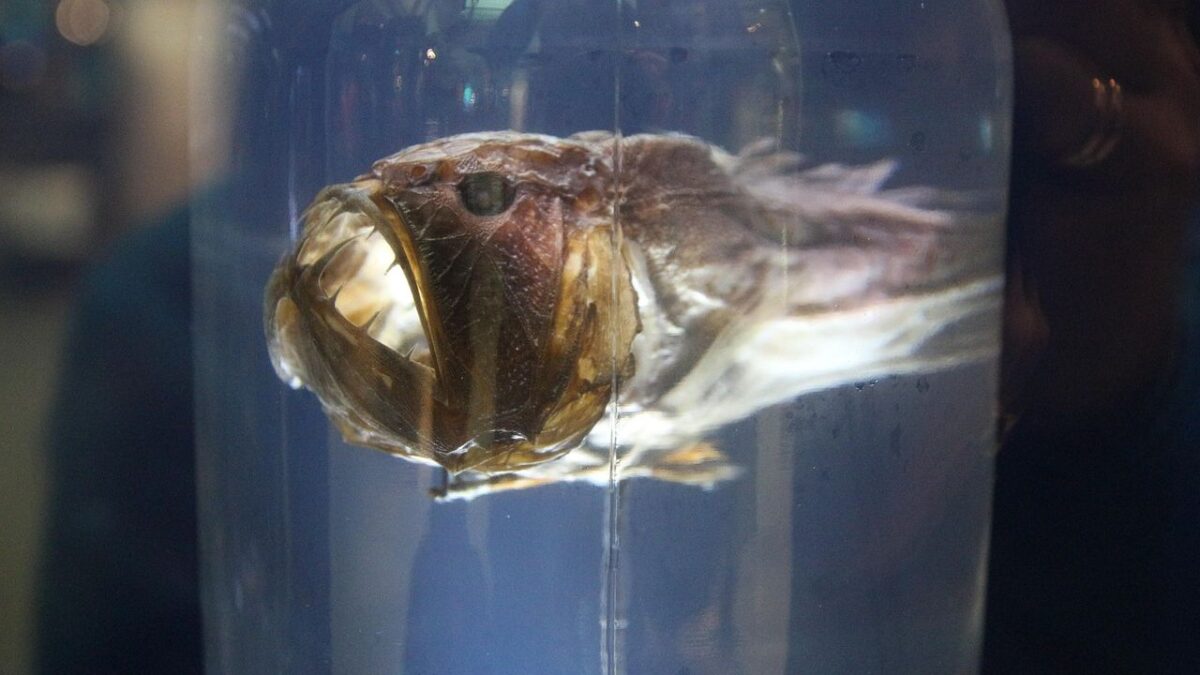
There are creatures roaming the pitch-black depths of our oceans that look like something straight out of a nightmare. Bulbous bodies, fang-filled jaws, glowing alien lights dangling from their heads. No, this isn’t science fiction. This is the deep sea anglerfish, one of the most bizarre, terrifying, and frankly fascinating animals on the planet.
Most people have seen a cartoon version of it at some point, maybe in a movie or a nature documentary. But the real facts about this creature go so far beyond what popular culture shows us. Honestly, the truth is stranger and more unsettling than anything Hollywood could dream up. Let’s dive in.
They Live in Total, Crushing Darkness
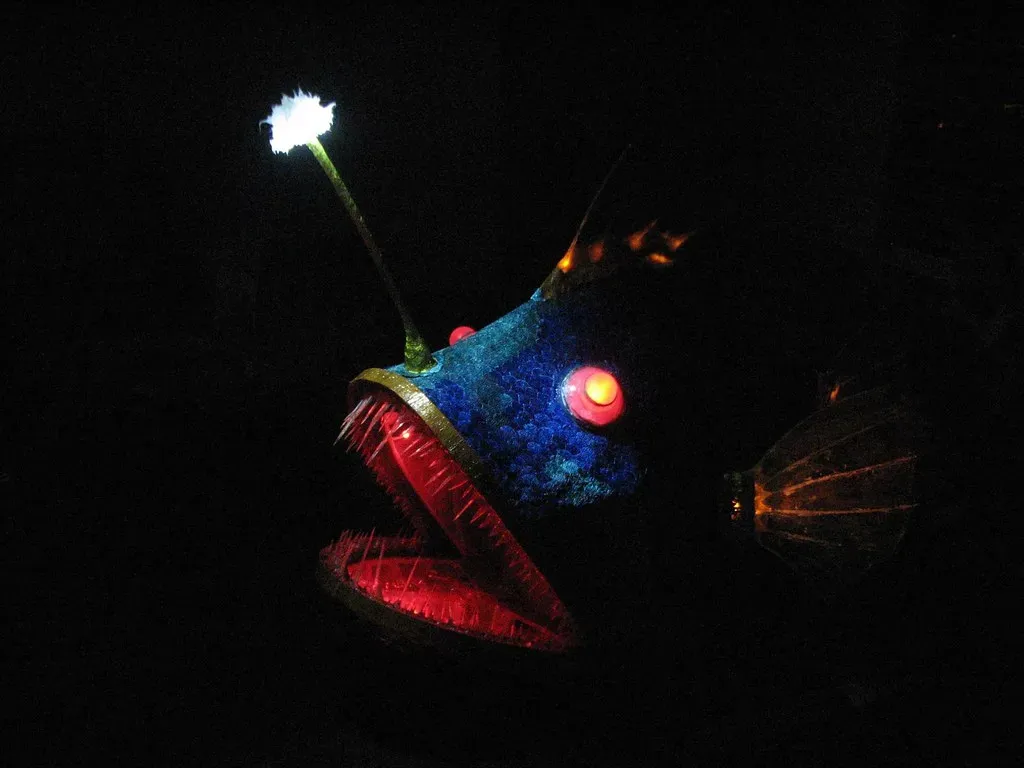
The deep sea anglerfish doesn’t just prefer the dark. It lives in it, completely and permanently. They lure their prey in the inky-black ocean darkness at depths between 300 and 5,000 meters using a bioluminescent fishing apparatus placed on the tip of the snout. To put that in perspective, sunlight stops penetrating the ocean at around 200 meters down. Everything below that is absolute darkness.
Anglerfish live in the deep ocean where there is no sunlight, extremely high pressures, and extremely low temperatures. We’re talking about pressures that would crush a human body in seconds. Yet somehow, this creature has evolved to not just survive there, but thrive, hunt, and reproduce in that lightless void.
It’s hard to fully wrap your head around an existence like that. Think of the deepest, darkest room you’ve ever been in, then multiply that darkness by infinity. That’s home for the anglerfish.
Their Glowing Lure Is Actually Powered by Bacteria
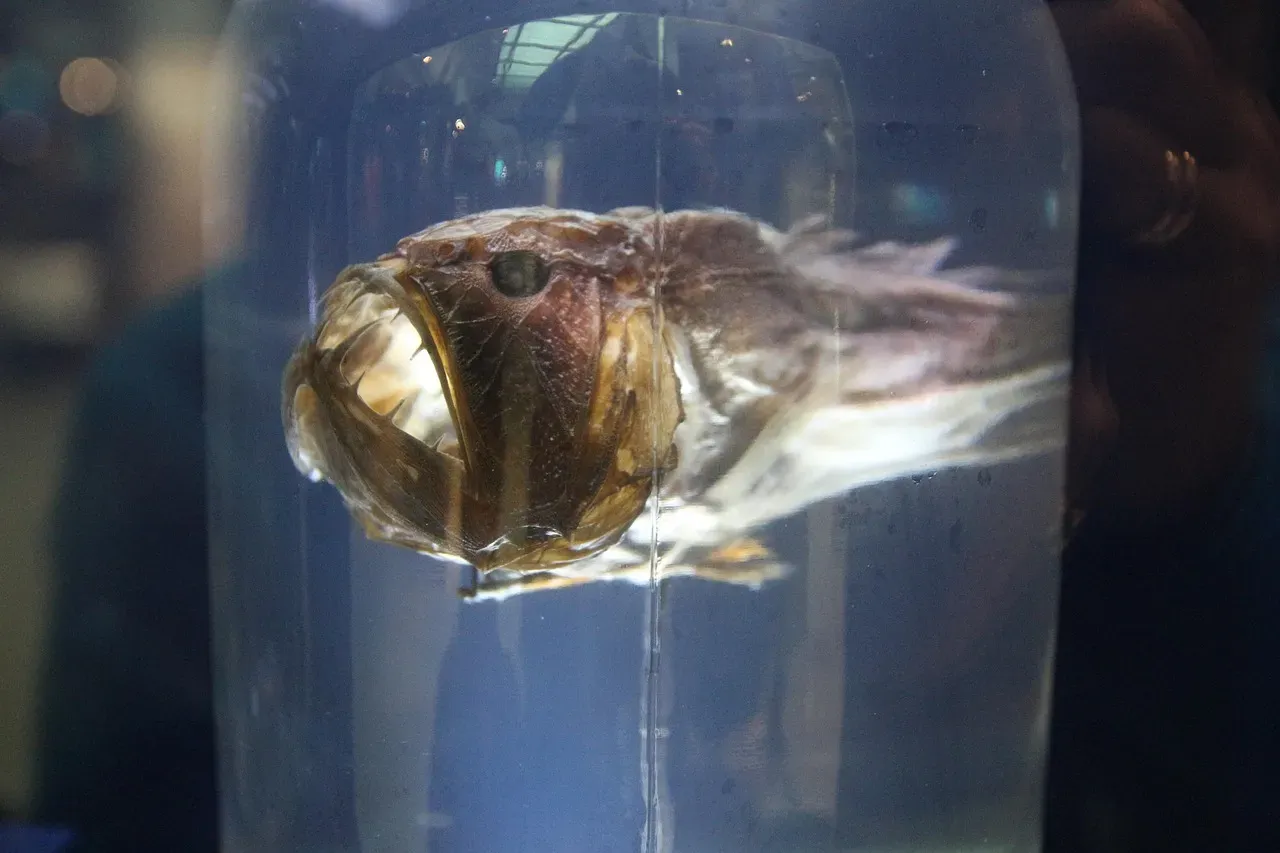
Here’s the thing about that iconic glowing light bobbing from the anglerfish’s head. The fish doesn’t actually produce it itself. Deep-sea anglerfish have a lure called an esca that contains bioluminescent bacteria, which live in the complex structure at the end of the rod. The fish benefits from the glow which attracts prey, while the bacteria gain shelter and nutrients.
It’s essentially a partnership, like two unlikely roommates who genuinely need each other. Only female anglerfish are bioluminescent and rely on bacterial symbionts to produce their light. The males have no lure at all. Zero. More on that disturbing detail shortly.
In the most basic sense, the esca is a spherical, bacteria-filled organ that contains one or more small openings to the external environment. However, there is more structural complexity as these organs can also contain lenses, filters, reflectors, filaments and multiple appendages. It’s basically a tiny biological lantern, engineered by millions of years of evolution.
They Can Swallow Prey Twice Their Own Size
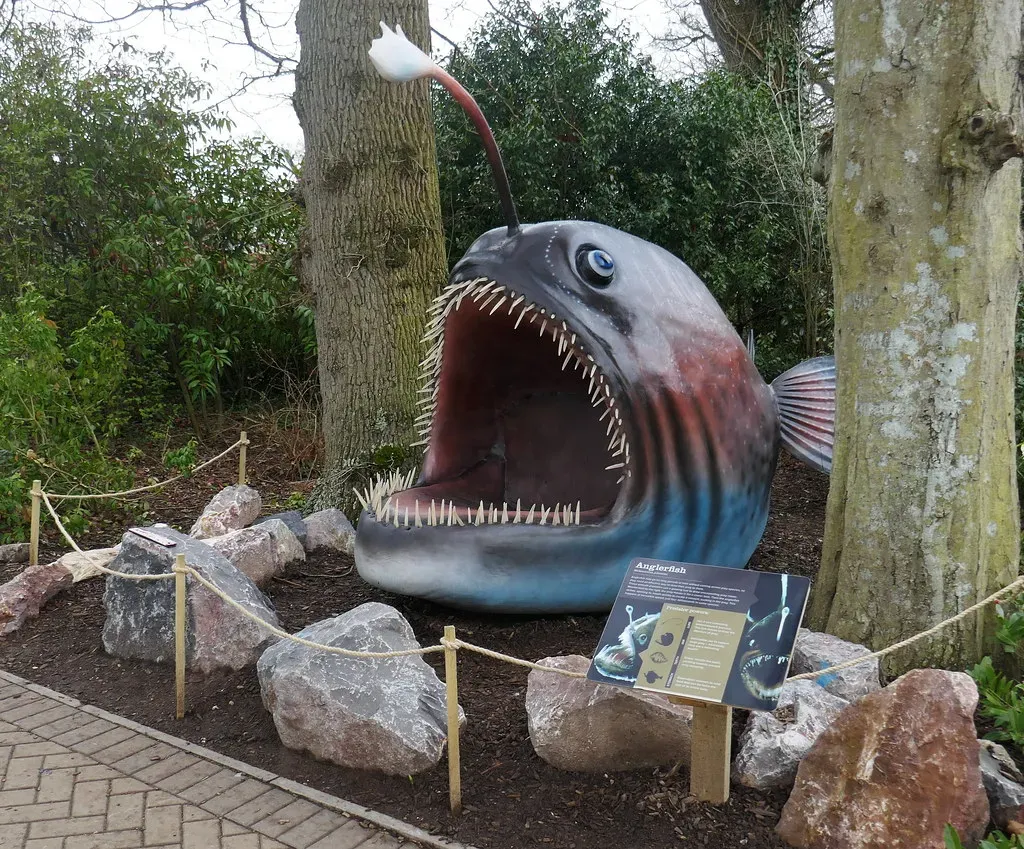
The anglerfish’s hunting strategy is pure, patient genius. The anglerfish is known to remain completely motionless, waving its lure back and forth like a fishing pole. When the prey fish gets close enough, the angler snaps it up with its powerful jaws and swallows it whole. No chasing. No wasted energy. Just stillness and a trap.
Anglerfish are able to distend both their jaw and stomach to enormous size, since their bones are thin and flexible, which allows them to swallow prey up to twice as large as their entire bodies. Imagine being able to swallow something the size of a fully grown adult human. That’s the anglerfish equivalent of every meal.
Since food can be scarce in the deep sea, this special adaptation allows it to stock up on food during times of plenty. It’s a survival strategy born of necessity. When your next meal might be weeks or even months away, you eat everything you possibly can, all at once.
The Female Is the Monster. The Male Is Microscopic.
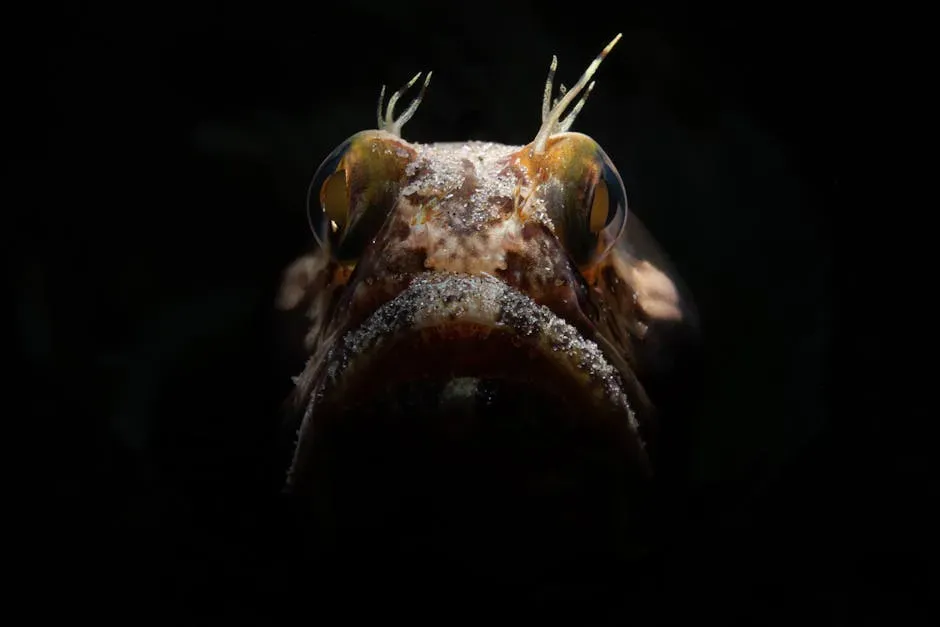
I know it sounds crazy, but the terrifying anglerfish creature everyone pictures is actually just the female. The male is a completely different story. Male deep sea anglerfish can reach up to about 16 centimeters long, while females are commonly around 77 centimeters, potentially weighing an order of magnitude more than the mate. Some species take this even further.
Male Photocorynus spiniceps were measured to be just 6.2 to 7.3 mm at maturity, which is roughly the size of a small pea. Meanwhile, the female he’s destined to find could be dozens of times his size. The size difference between a male and female anglerfish is almost comically extreme, like comparing a grape to a watermelon.
When a male angler matures, its digestive system degenerates, making it impossible for it to feed on its own. It must now find a female or die of starvation. No pressure there. Every male anglerfish hatches into existence with a ticking clock and a single biological mission.
Males Fuse Permanently to Females in a Disturbing Act of Survival
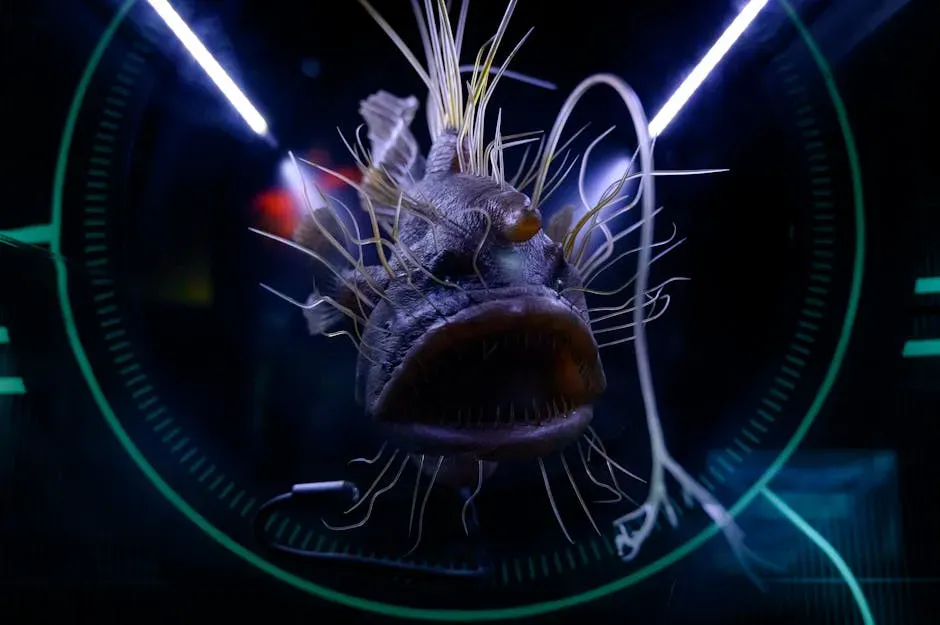
This is, without question, one of the most unsettling reproductive strategies in the entire animal kingdom. The male angler has small hook teeth, which it uses to attach itself to the female. Once he bites into her skin, he releases an enzyme that dissolves the skin of his mouth and that of her body. The two become fused together and their blood vessels join as one.
The male can remain attached by his mouth to the female’s body for the rest of his life, becoming a permanent appendage. He loses his own ability to live as a separate fish and can even lose his eyesight, thus relying on the female to hunt and provide nutrition via her blood. He essentially stops being an individual organism and becomes an extension of hers.
A female can carry up to six males on her body at a time. This bizarre method of reproduction helps to ensure that when the female is ready to spawn, she has a mate instantly available. One report even documented eight males attached to a single female. Eight. Permanently. It’s simultaneously horrifying and honestly very efficient.
They Rewired Their Entire Immune System to Make That Fusion Possible

Here’s where things get genuinely mind-blowing from a scientific perspective. When two genetically different organisms fuse like this, the immune system of both should trigger a violent rejection response, the same kind of thing that makes human organ transplants so complicated. So how does the anglerfish manage it?
To their great surprise, researchers found that anglerfishes that utilize permanent attachment largely lack the genes that encode MHC molecules. Additionally, they found that the function of killer T cells, which normally eliminate infected cells or attack foreign tissues during the organ rejection process, was also severely blunted, if not lost entirely, in anglerfishes.
The researchers found that anglerfishes lack the genes responsible for tissue rejection and instead use much improved innate facilities to defend themselves against infections, a most unexpected solution to a problem that is faced by all living things. Essentially, they threw out part of their immune system and rebuilt something entirely new. Scientists believe this discovery could one day inform advances in human organ transplant medicine.
Their Skin Is Ultra-Black and Nearly Invisible in the Dark
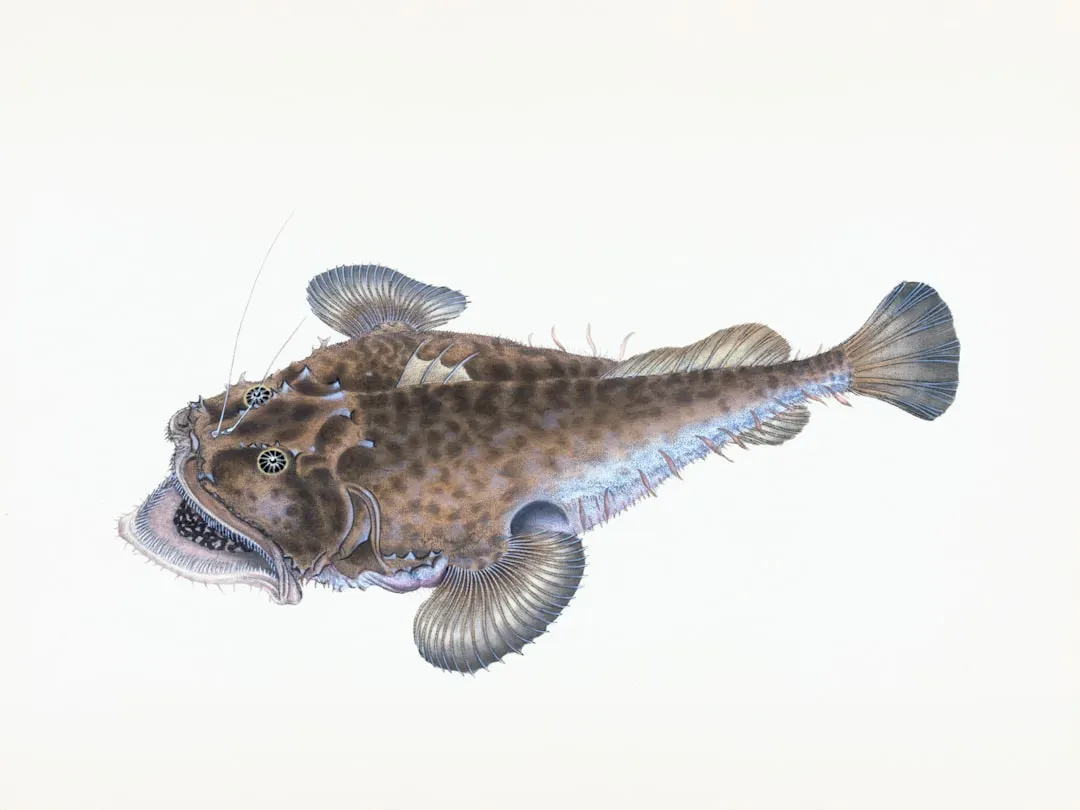
The anglerfish doesn’t just live in darkness. It becomes darkness. Their dark skin absorbs light, an ultra-black camouflage that helps mask their presence. In a world where any tiny bioluminescent signal can mean the difference between a meal and becoming one, blending completely into the black water is a critical survival tool.
Its skin is specially adapted to reflect blue light. Since nearly all light emitted from bioluminescent creatures is blue, the anglerfish can be nearly invisible to other deep sea animals. It’s a stealthy, almost counterintuitive trick. Use a glowing light to attract prey, while simultaneously absorbing every other photon so nothing can see the trap being set.
Female anglerfish have evolved body features to manipulate light, to lure prey with it and simultaneously to avoid illuminating themselves and becoming prey. Think of it as holding a flashlight in a dark room while wearing a perfect invisibility cloak. Terrifyingly clever.
Some Species Have Lures Inside Their Mouths and on Their Backs
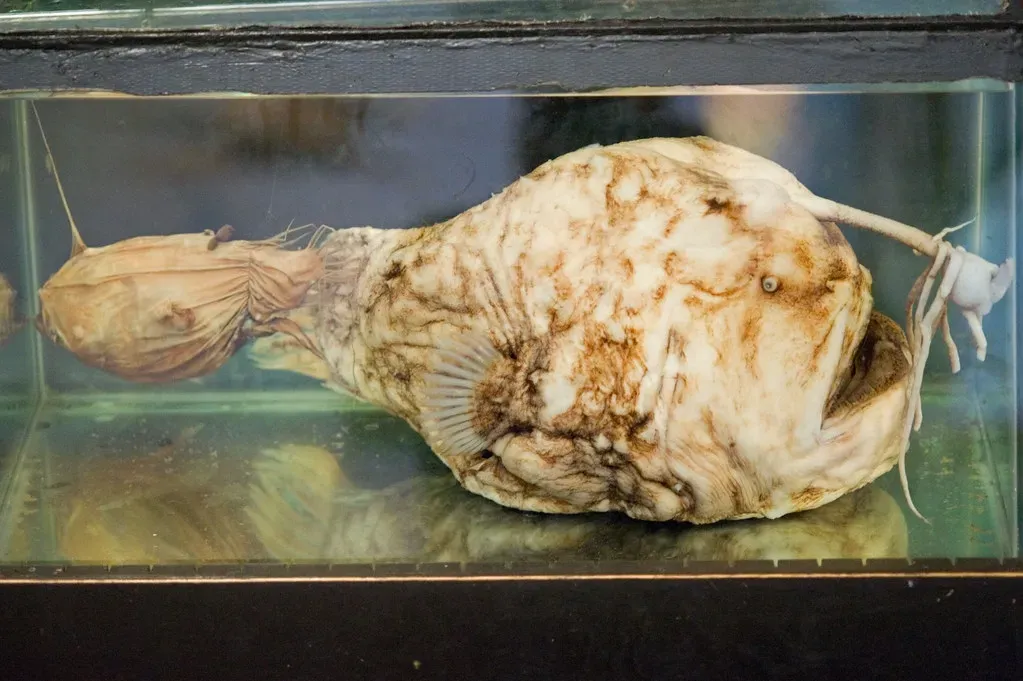
If you thought one glowing lure was enough strangeness, deep sea anglerfish species have taken the concept in multiple wild directions. Some species, such as Phyllorhinichthys balushkini, have elaborate light guides protruding from their bodies, like biological fiber optic cables. Others, like Cryptopsaras couesii, have glowing spots on their backs called caruncles. Some, like members of the Thaumatichthys genus, have lures on the roofs of their mouths.
A lure on the roof of the mouth. Let that sink in. Prey swims toward the light, and the light is already inside the jaws. Using a muscular skin flap, a deep sea anglerfish can either hide or reveal its lighted lure. By pulsing the light and moving the lure back and forth, they successfully attract pelagic crustaceans, fishes, and other prey.
The diversity within the anglerfish family is genuinely staggering. They’re all playing the same basic trick but with dozens of creative, nightmare-inducing variations.
They Colonized the Deep Sea During a Period of Global Warming

Here’s a fact that feels oddly relevant for 2026. The ancestors of today’s deep sea anglerfish weren’t always deep sea creatures at all. The rapid transition of ceratioid anglerfishes from benthic walkers, which use modified fins to walk the ocean floor in the shallows, to deep-sea swimmers occurred 50 to 35 million years ago during the Paleocene-Eocene Thermal Maximum, a period of high global temperatures that induced extinction throughout the oceans.
This transition coincided with the origins of sexual parasitism, which is thought to increase the probability of successful reproduction once a mate has been found in the midnight zone. A warming world pushed them deeper, and in adapting to survive there, they became the chilling creatures we know today. Evolution under extreme pressure, quite literally.
A cascade of traits, including those required for sexual parasitism, allowed anglerfishes to invade the deep sea during a period of extreme global warming when the planet’s oceans were in ecological upheaval. It’s a remarkable example of how crisis can drive extraordinary biological innovation. What nearly wiped out countless species instead forged one of the ocean’s most resilient and bizarre hunters.
Conclusion: The Deep Ocean’s Most Unsettling Genius
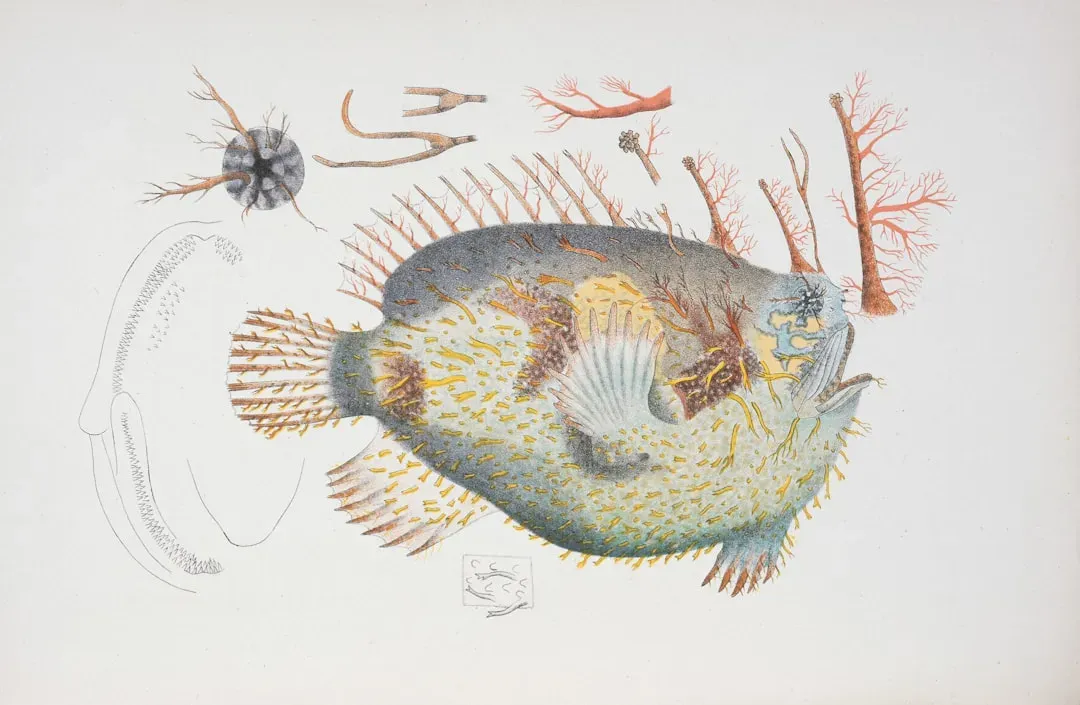
The deep sea anglerfish is not just a terrifying face in the dark. It’s a masterclass in survival, adaptation, and evolutionary problem-solving. Every strange feature it has, from the glowing bacteria-powered lure to the immune system it dismantled and rebuilt from scratch, exists because the deep ocean demanded it.
Honestly, what strikes me most is how alien the anglerfish feels while still being a fish on the same planet we live on. We share this world with a creature that fuses bodies with its mate, swallows prey bigger than itself, and navigates permanent darkness thousands of meters below the surface. And we’ve barely seen most of them in the wild.
Only a few anglerfish have been caught on video in their natural habitat and most of our knowledge of these fish comes from specimens that are caught in nets and preserved for later examination. For all we know, there are even stranger things happening down there in the dark that we haven’t discovered yet.
So here’s a thought to leave with you: in a world where we feel like we’ve mapped and catalogued everything, the deep sea anglerfish is a reminder that Earth still holds some genuinely terrifying secrets. What else do you think is lurking down there? Tell us in the comments.
