
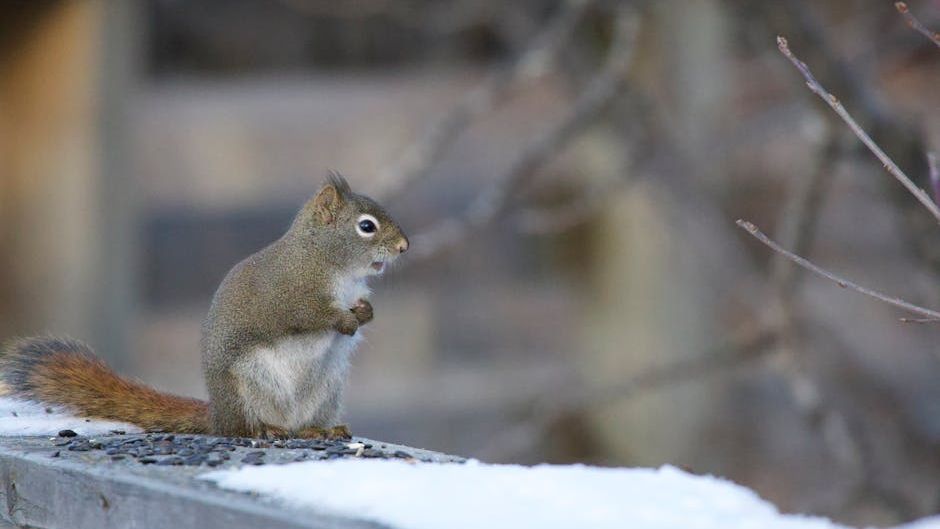
Most people look at the squirrels in their yard and see a bundle of chaos – something knocking over the bird feeder, digging up the flower bed, or racing up a tree for no obvious reason. The truth is a lot more interesting than that.
Squirrels are quietly running sophisticated operations right outside your window. They deceive rivals, build mental maps of their territory, communicate in a language of twitches and flicks, and even plant trees by accident. Once you know what to look for, watching them becomes something genuinely compelling.
#1. They Run a Full-Time Deception Operation
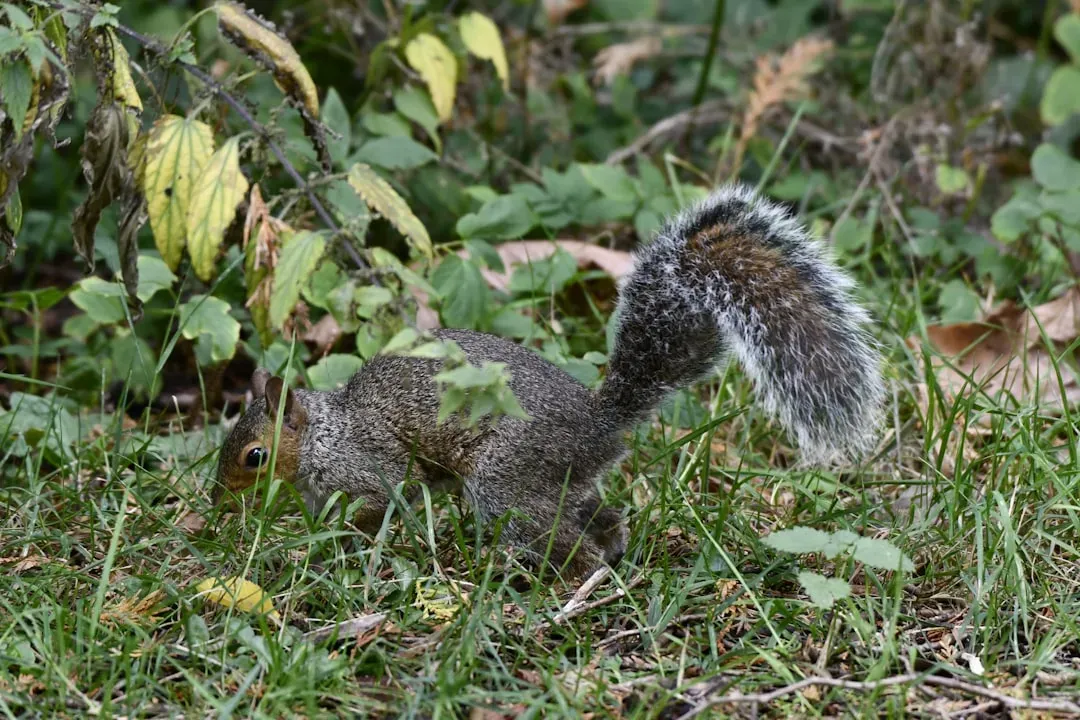
If you’ve ever watched a squirrel bury a nut, pause, look around, and then dig somewhere completely different – you weren’t imagining it. In an effort to deceive other animals and protect their real food caches, squirrels will pretend to bury food periodically, digging empty holes and covering them up with leaves. It’s not random fidgeting. It’s a deliberate misdirection strategy.
Research shows that free-living eastern grey squirrels, caching food in the presence of others, perform behavioral deception by covering additional empty sites where nothing has been cached. Such deceptive caching occurred in two distinct populations, happened more often in the close presence of rivals, and reduced the probability of cache theft by other pilferers. In other words, the squirrel in your yard is running a small-scale con – and it works.
Squirrels don’t cache the same way when they think they’re being watched; they develop their own tricks, like spacing caches farther apart and caching while oriented with their backs to an audience. The next time you spot one glancing over its shoulder, it’s not being paranoid. It’s being strategic.
#2. They Can Lose Roughly a Quarter of Their Food to Theft
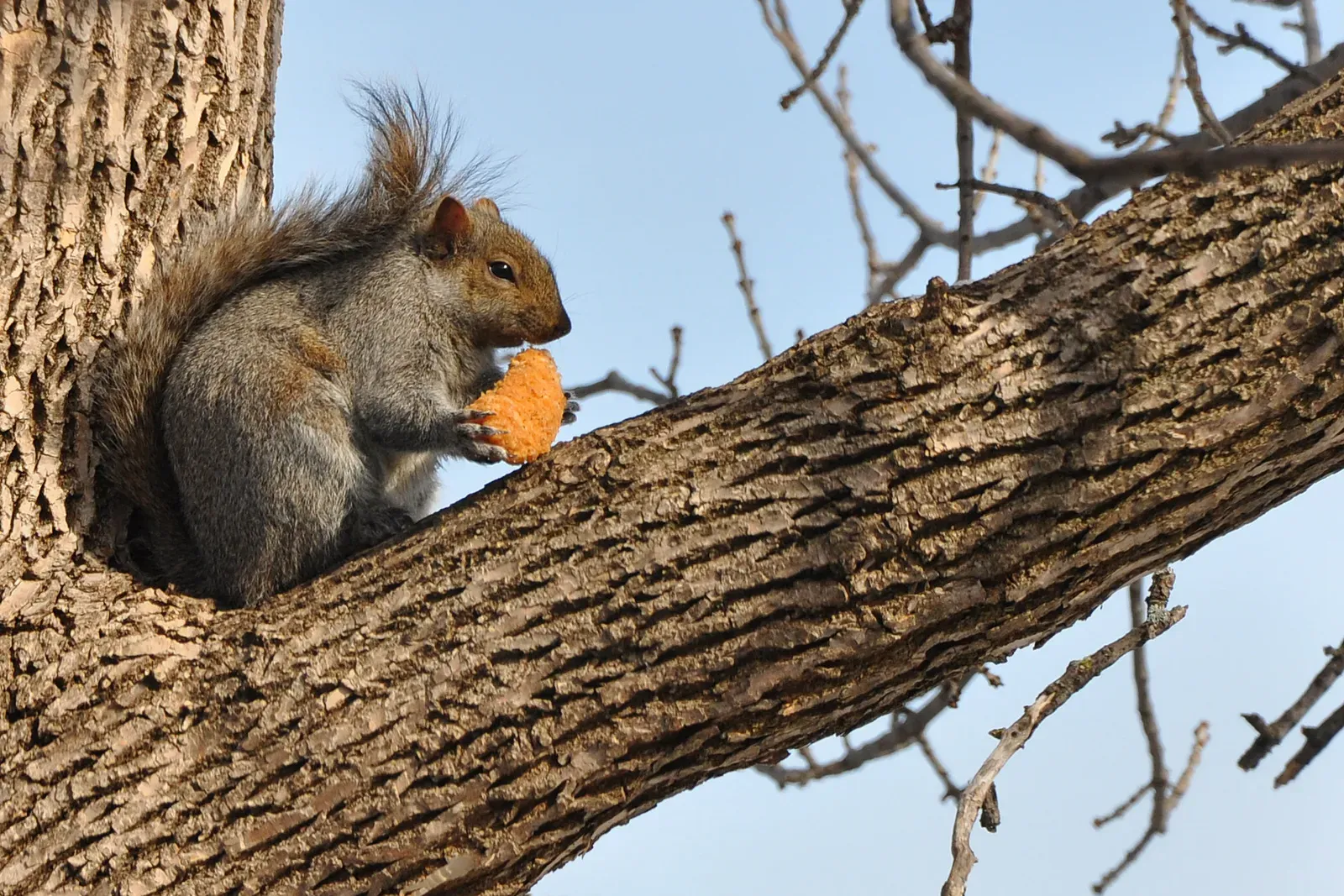
Squirrels are known for constantly foraging and hoarding food – and for stealing. They lose roughly a quarter of their food to theft by birds and other squirrels. This is the very pressure that drives all that deceptive behavior in the first place. It’s a constant arms race playing out in your backyard soil.
Gray squirrels are “scatter hoarders,” collecting and burying one nut at a time throughout home ranges up to seven acres in size. It’s impossible for them to keep an eye on all their caches at once. So instead of guarding, they mislead. The sheer scale of their territory means vigilance alone can’t protect them, which is why their deceptive caching instincts are so finely developed.
#3. Their Spatial Memory Is Genuinely Remarkable
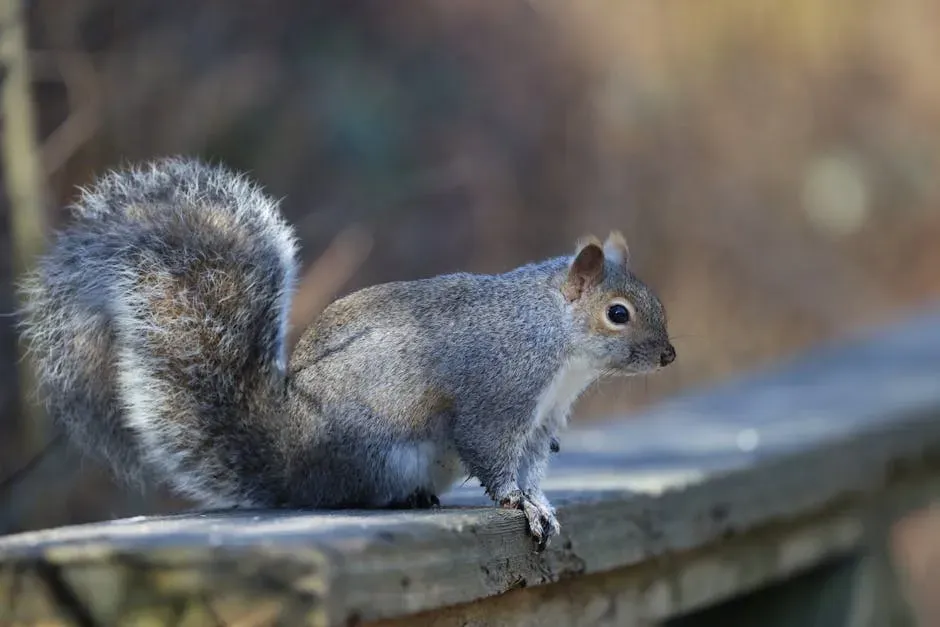
Squirrels rely heavily on spatial memory to recall the general area of a cache, utilizing landmarks like trees, rocks, and ground patterns as navigational cues. Research suggests the hippocampus, the brain region associated with spatial memory, may increase in volume during the autumn caching season due to intensive memory work. The brain, in effect, grows to meet the demand.
They employ a technique called “spatial chunking,” an organization method where similar types of nuts are grouped in specific geographical clusters. This mental mapping helps reduce the cognitive load of remembering up to thousands of separate hiding spots created in a single season. Think of it as a filing system, except it’s stored inside a creature that weighs roughly as much as a bar of soap.
Research also suggests that they have a mental map of their territory and where their caches are hidden, allowing them to locate their stashes months later. Watching a squirrel pace across a stretch of lawn in winter, then pause and dig with precision through six inches of snow, you’re witnessing that map in action.
#4. They Are Accidental Forest Planters
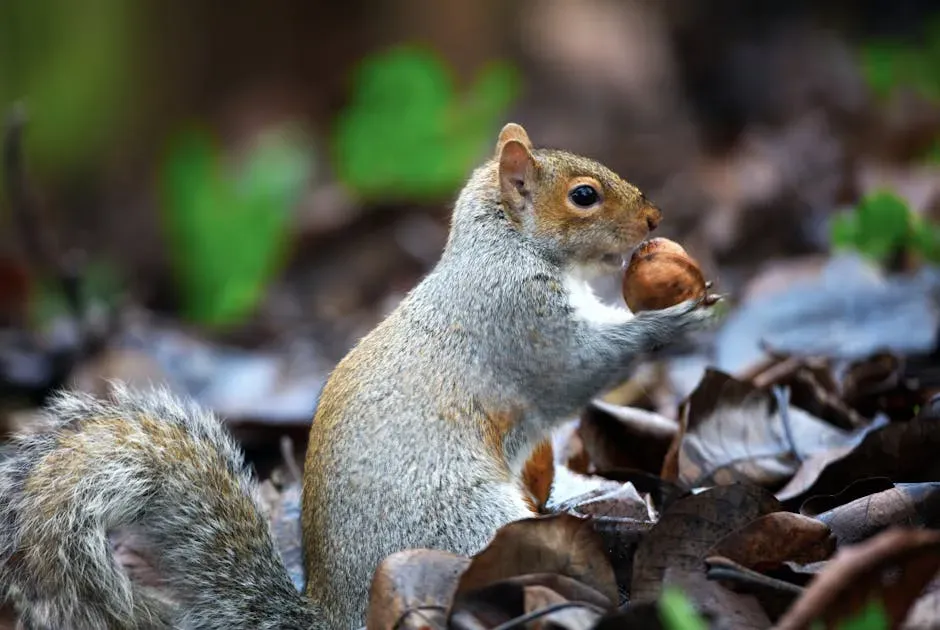
The forgotten nuts play an unintended, significant role in the larger ecosystem. Studies suggest that squirrels fail to recover a substantial percentage of their hidden nuts. These unrecovered nuts, particularly heavy seeds like acorns and walnuts, are effectively planted. Burying the nut places it in a layer of soil ideal for germination, providing necessary protection and moisture. This process of involuntary seed dispersal is a primary mechanism for the regeneration and expansion of forests.
Gray squirrels tend to dig up and rebury their caches as many as five times prior to winter. Each successive re-cache takes them farther and farther from the parent tree, which is good in terms of forest ecology. What looks like indecision is actually spreading trees across a landscape, one buried nut at a time.
The role of squirrels in forest regeneration is especially crucial in fragmented landscapes, where natural seed dispersal mechanisms may be disrupted. In such areas, squirrels can act as keystone dispersers, facilitating the movement of seeds across gaps and barriers that would otherwise impede forest recovery. By connecting isolated patches of forest, squirrels help maintain genetic diversity and ecosystem resilience. Your yard may be contributing to a slow, quiet reforestation project you never signed up for.
#5. Their Tails Are Multi-Tool Survival Instruments
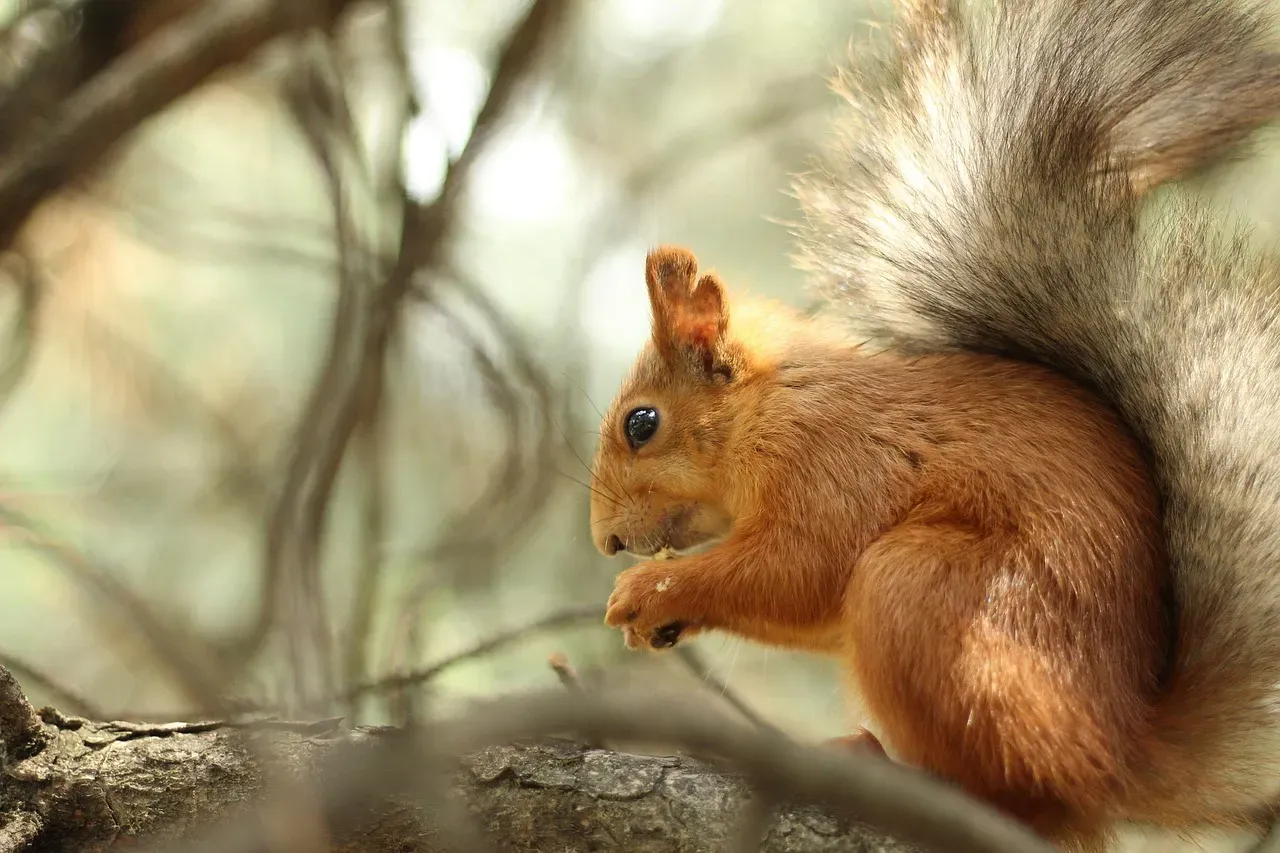
A squirrel’s tail is an essential tool for balance, communication, and thermoregulation. When leaping between tree branches, squirrels use their tails as a rudder to steer and stabilize their bodies mid-air. Additionally, they can signal to other squirrels by flicking or twitching their tails to warn of potential threats. That fluffy appendage is doing far more work than it appears.
During colder months, squirrels wrap their tails around themselves like a blanket to conserve heat, while in warmer weather, they use them to shade themselves from the sun. A squirrel’s tail can also serve as a parachute to ease falls – squirrels can fall from heights of up to 100 feet without injuring themselves. It is, without question, one of the most versatile structures in the animal kingdom.
#6. They Use Their Tails to Send Infrared Heat Signals
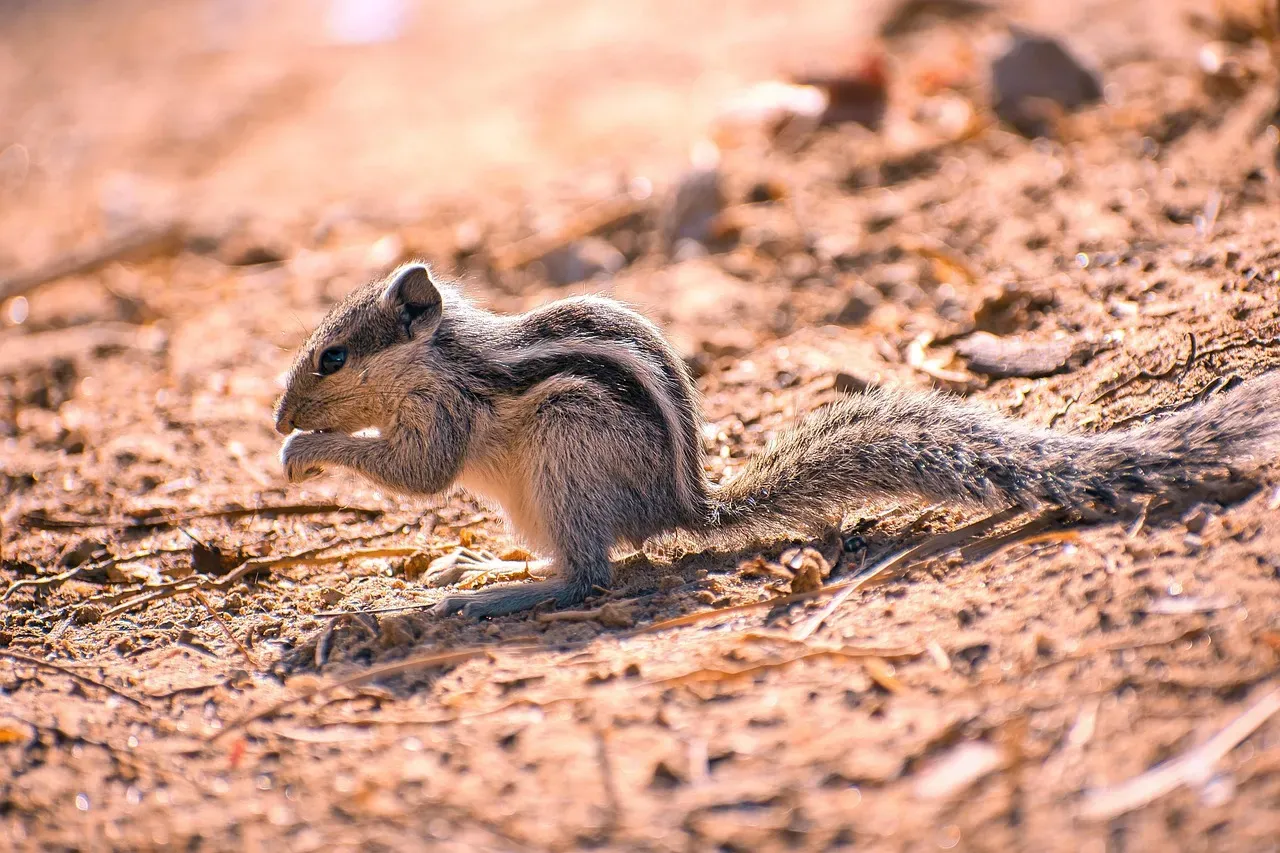
This one is especially strange. Behavioral biologist Aaron Rundus at the University of California, Davis, and his colleagues suspected squirrel tails were sending heat signals to rattlesnakes that were invisible to the human eye. One way squirrels regulate their body temperature is through their tails. They dump heat to cool down by increasing blood flow through their tails, or reduce blood flow there to keep warm. So there’s already a system there where they can manipulate tail temperature.
Curiously, squirrels wave their tails at rattlesnakes even more vigorously in the dark, when the snakes’ eyes cannot see squirrel tails. Still, rattlesnakes can sense heat or infrared radiation. This means squirrels are conducting a form of communication that is completely invisible to human observers, using a sensory channel we don’t possess. It’s a reminder that the yard you think you understand has hidden layers running constantly beneath the surface.
#7. They Communicate in a Layered System of Sounds and Movements
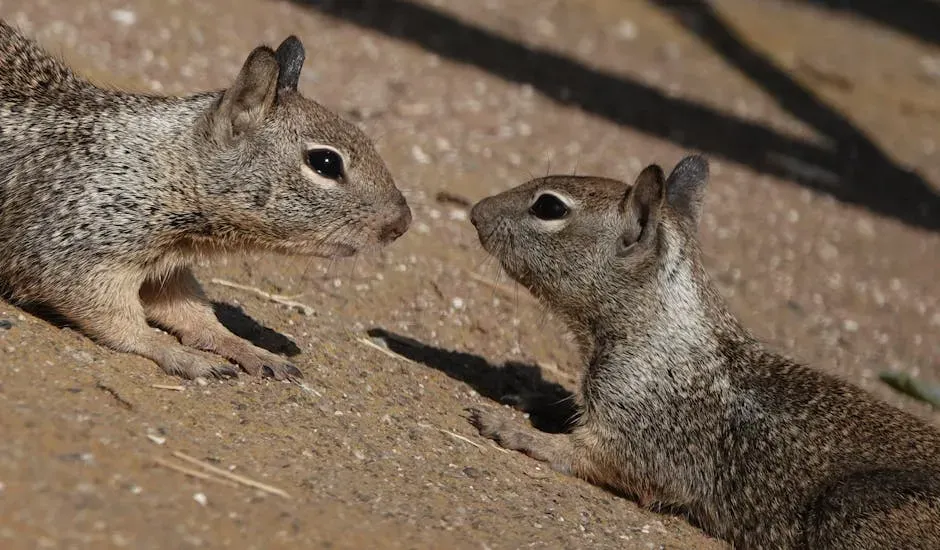
Squirrels have a complex system of communication. Through high-pitched vocalizations and tail movements, they can communicate with other squirrels, alert neighbors of predators, scold a predator, intimidate rivals, initiate mating, and more. What sounds like random chirping to a casual observer is actually a structured exchange of information.
Squirrels use vocalizations, tail movements, and body language to communicate. A rapid tail flick combined with a chattering sound can signal a warning to other squirrels about nearby predators. They even have specific alarm calls for different types of predators. Research has confirmed that squirrel alarm signals change depending on whether the threat is aerial, like a hawk, or ground-based, like a fox. They aren’t just making noise. They’re broadcasting specific intelligence.
#8. They Actively Watch and Learn from Each Other
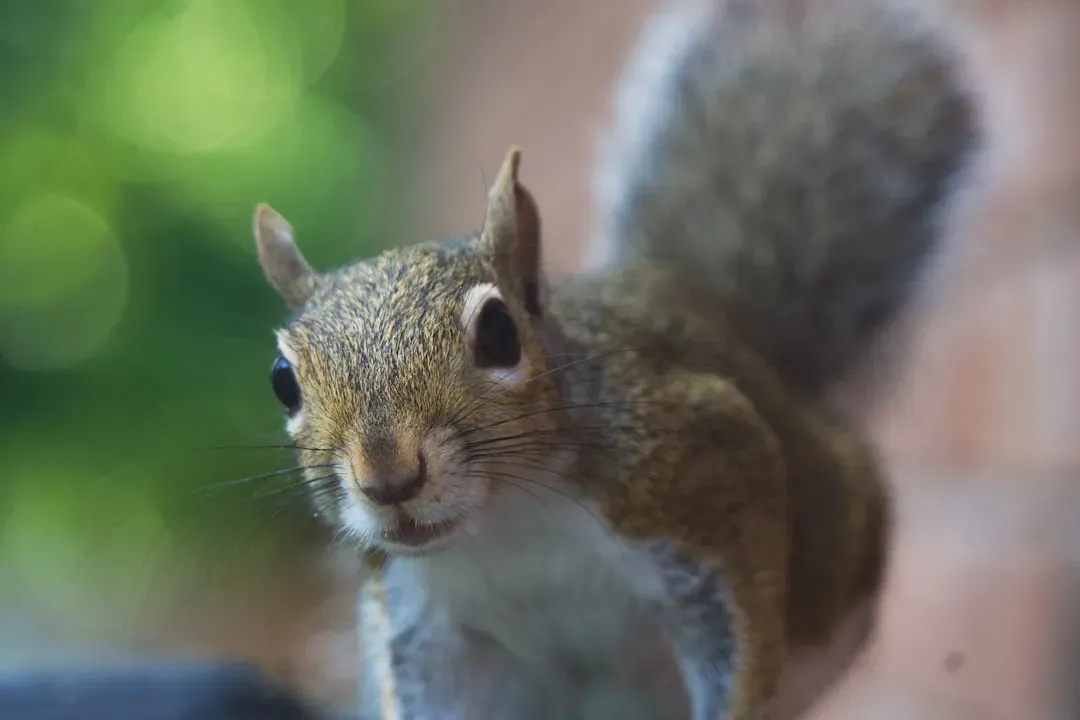
Some research suggests that squirrels can learn about nut caching locations through observation. Young squirrels might learn from watching experienced adults bury and retrieve nuts. This observational learning could enhance their own spatial memory and caching efficiency. It’s a form of social education that happens in open view, right across the lawn.
A growing body of evidence suggests that the impacts of urbanization can extend to squirrel cognition. Cognition manifests through behaviors, and can be defined as an individual acquiring, processing, storing, utilizing, and reacting to information about their environment. Cognition can enable wildlife to adapt their behaviors to meet environmental challenges. Urban squirrels, in other words, are not just surviving the modern world. They are learning to navigate it with increasing sophistication.
#9. They Maintain a Two-Peak Daily Activity Schedule With Surprising Precision
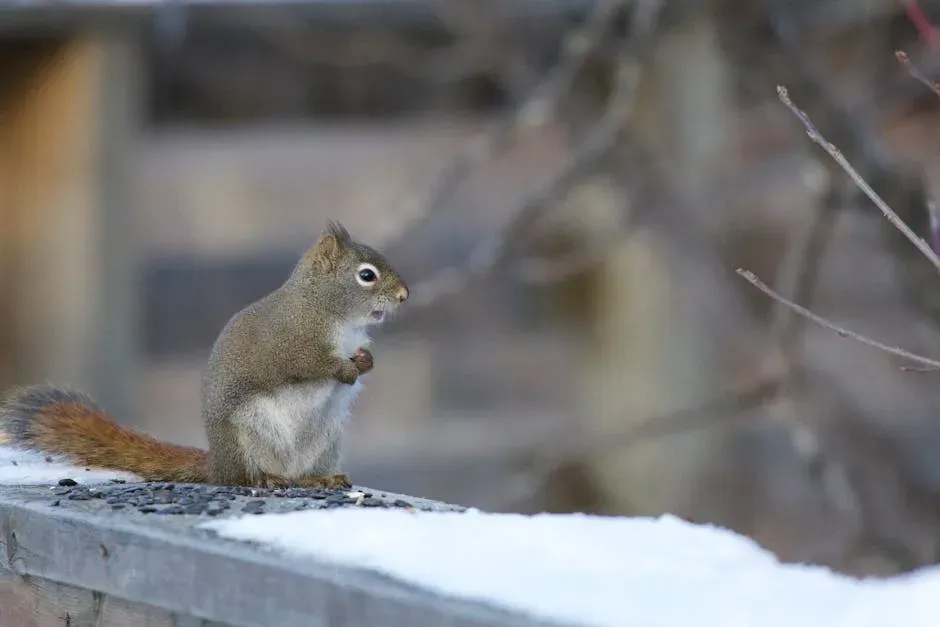
Most squirrels are active in the winter only around mid-day, during the remainder of the year they are early risers with a peak activity period during the two hours after sunrise and again during the mid-afternoon. If you’ve ever noticed the yard feels oddly quiet for several hours mid-morning, this is why. Squirrels don’t just forage randomly. They follow a structured daily rhythm.
Collectively, squirrels are common, seen throughout the seasons as they make their way up and down trees and scurrying across the ground. In the winter, they are one of the few animals we might see regularly because they do not hibernate and remain active on nice winter days. Their ankles can also rotate 180 degrees, enabling them to descend trees headfirst – a physical feature that makes their high-speed movement across the yard look effortless even when it’s genuinely remarkable.
Why Squirrels Deserve a Second Look
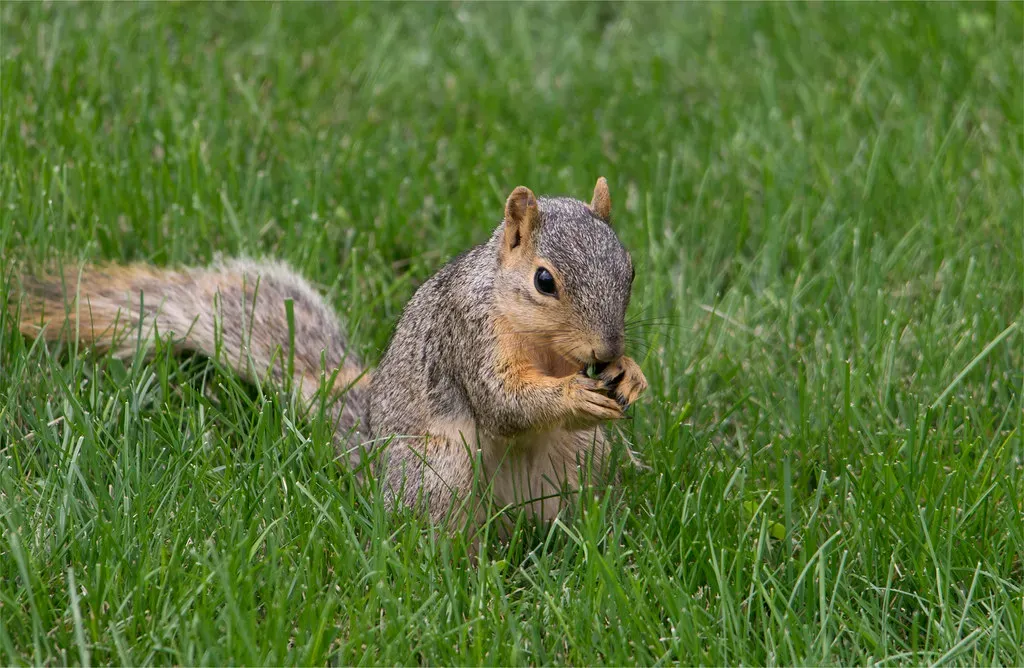
There’s a tendency to write squirrels off as background noise, the small furry distractions that raid the bird feeder and move on. But the science tells a more interesting story. These are cognitively sophisticated animals running active deception strategies, building spatial memory maps, communicating in multi-channel signal systems, and accidentally reshaping the forests around them.
The behaviors described here aren’t rarities. They’re happening in ordinary backyards, on any given morning, in plain sight. The gap isn’t between knowing and not knowing. It’s between looking and truly watching.
If squirrels have convinced you they’re predictable, that’s honestly the most squirrel thing they’ve ever done to you. Pay closer attention. You’ll see it differently.
