
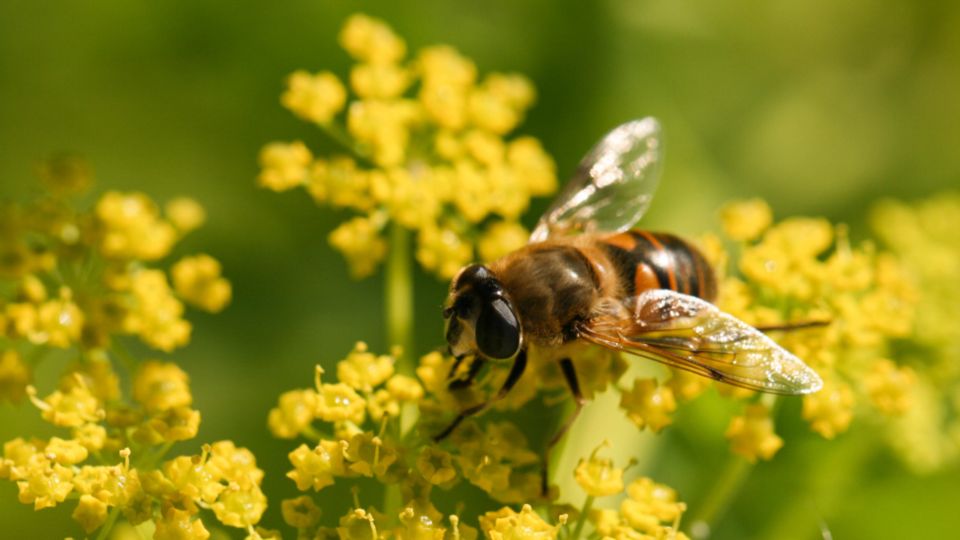
Every spring, garden centers stack their shelves with the same reliable cast: petunias, impatiens, marigolds, begonias. They’re cheerful, familiar, and gone by November. You plant them, they perform, and then you do it all again next year. Though impatiens and zinnias deliver immediate curb appeal as popular annuals, gardeners must plant them anew each spring because they die after each season. That adds up in cost, labor, and time.
Native annuals and perennials are naturally adapted to fill in quickly after a disturbance has created an opening where they can germinate and grow. The real surprise, for many gardeners who make the switch, is just how fast that filling happens. Some indigenous plants don’t just match the pace of store-bought annuals. They leave them behind entirely.
Why Indigenous Plants Have a Built-In Speed Advantage
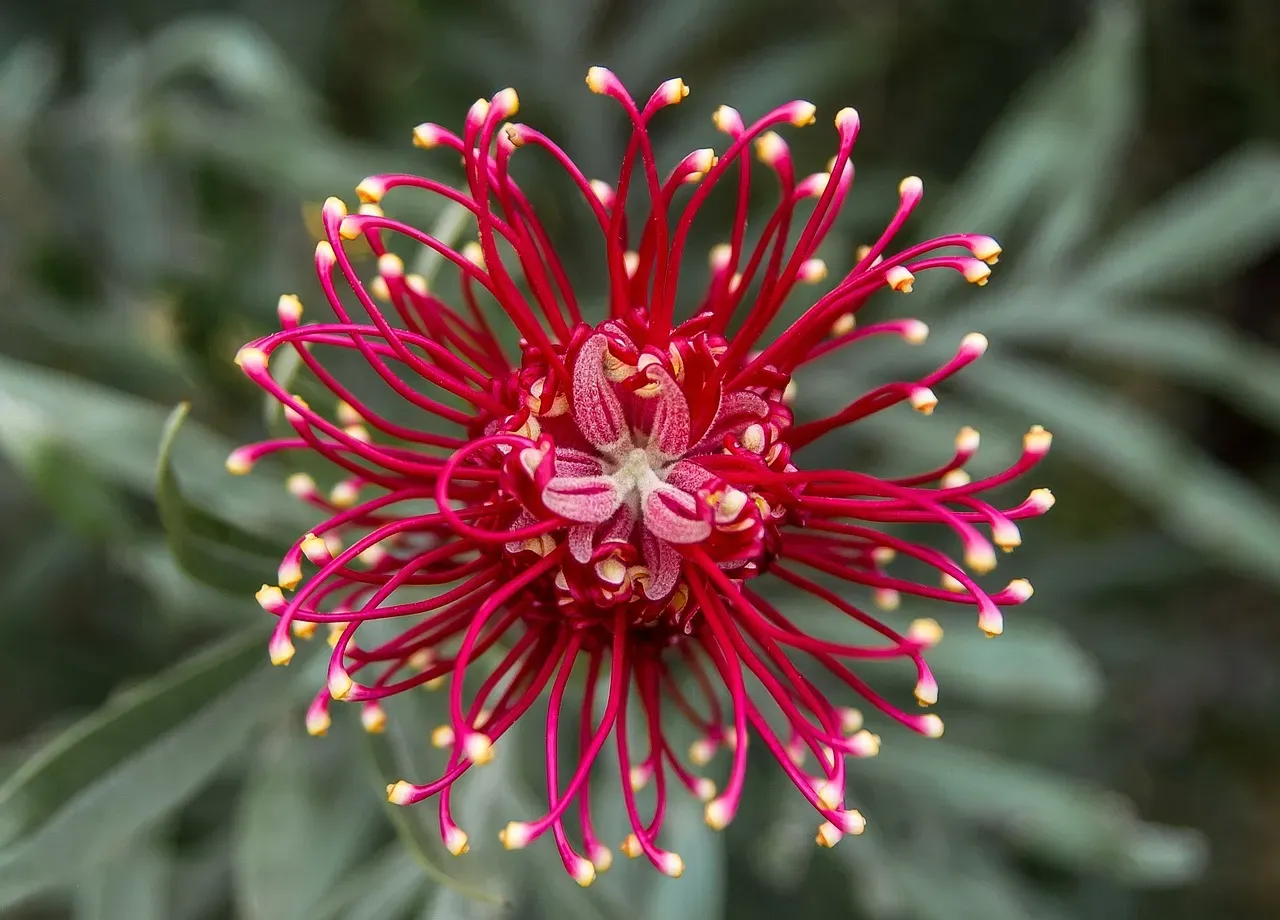
Native plants are well adapted to local climates and soils because they evolved there. This means they are generally easier to care for once established, needing little or no pruning, deadheading, watering, or fertilizing.
Native perennials have evolved over time to withstand local climate conditions, soil types, and pest pressures. Native plants act almost as natural pest control in your garden. This adaptability not only makes them more resistant to diseases but also reduces the need for pesticides and fertilizers.
Whether perennial or annual, native pollinator plants set deeper roots so they capture and filter higher amounts of stormwater runoff. This helps reduce flooding during extreme weather events and saves water since these require less watering after being established. Gardeners benefit because these plants are more resilient to drought, climate change, and other adverse conditions.
Bee Balm (Monarda)
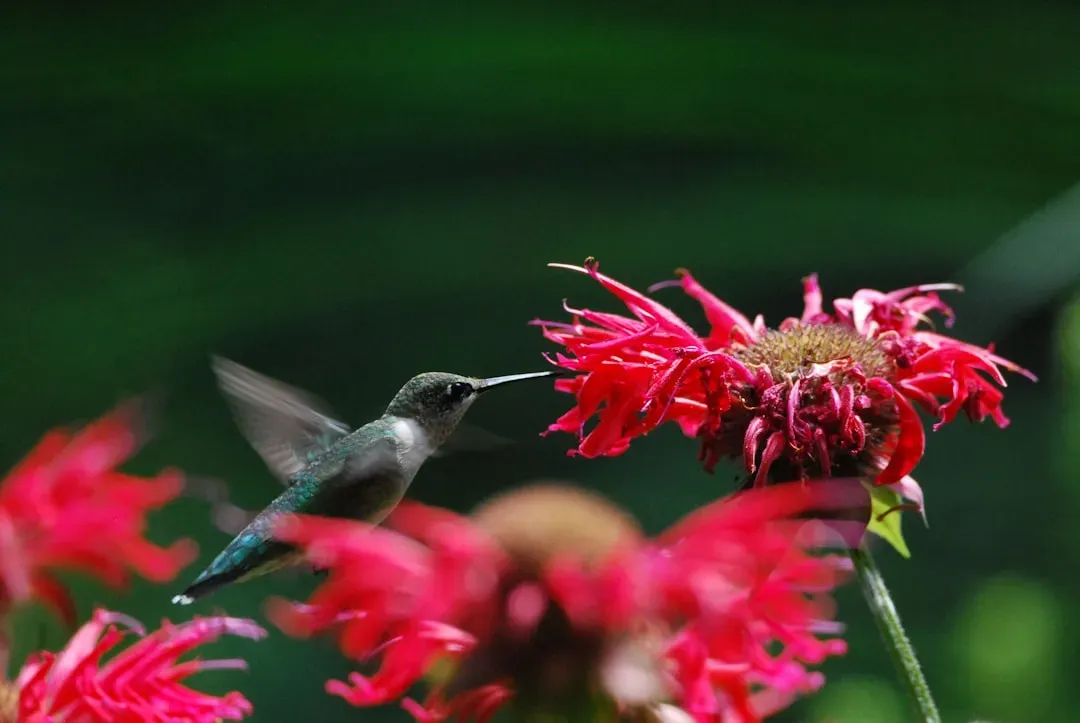
Mountain mints, wild bergamot, and bee balm are tall, showy members of the mint family that offer a variety of colors and bloom times while sharing the mint family’s common propensity to grow rapidly. Few native plants make such a dramatic visual statement in such a short window.
Growing two to four feet tall, bee balm works well as a background or mid-border plant in flower beds and native plantings. Its bold flowers pair beautifully with coneflowers, black-eyed Susans, phlox, and ornamental grasses.
Bee balm thrives in sunny spots with reasonably moist soil and will happily naturalize if left to its own devices. Just be sure to provide good air circulation to prevent disease. Once it settles in, it spreads reliably each season without any help from you.
Goldenrod (Solidago)
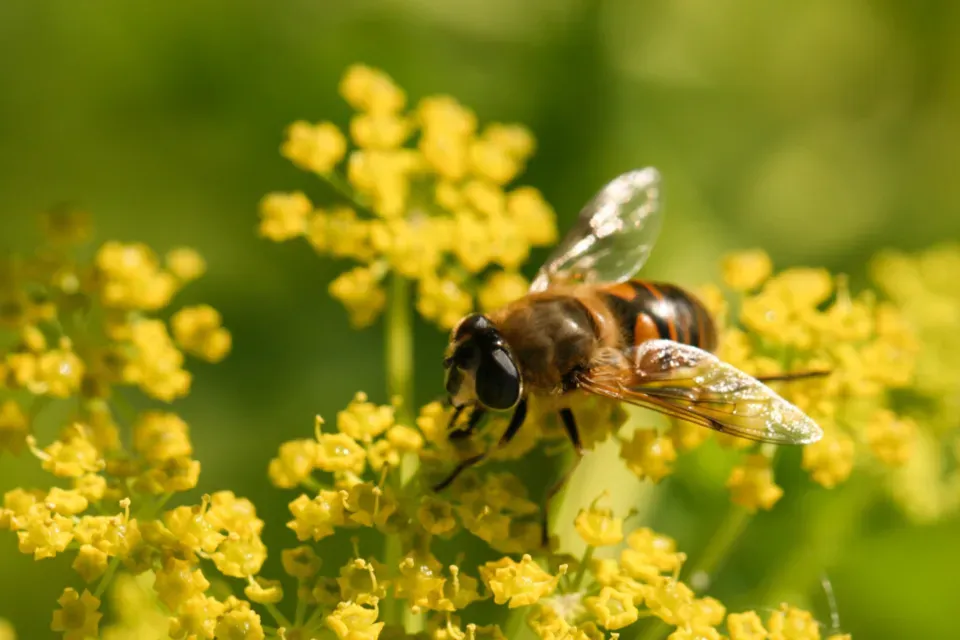
Native goldenrod is a nectar powerhouse for late-season pollinators and a fast grower in sunny spots. It produces tall, plume-like sprays of yellow flowers that quickly fill vertical gaps and add late-season colour and life to your planting scheme.
Often wrongly blamed for hay fever (it’s wind-pollinated ragweed that’s the real culprit), goldenrod is a vital late-season nectar source. Some varieties bloom September through October, supporting queen bumblebees building fat reserves for winter. Its fibrous roots stabilize soil and discourage erosion on sloped beds.
Goldenrod is one of those plants that earns its keep twice over. It grows fast, fills space beautifully, and then keeps working for the ecosystem long after the blooms fade.
Black-Eyed Susan (Rudbeckia hirta)
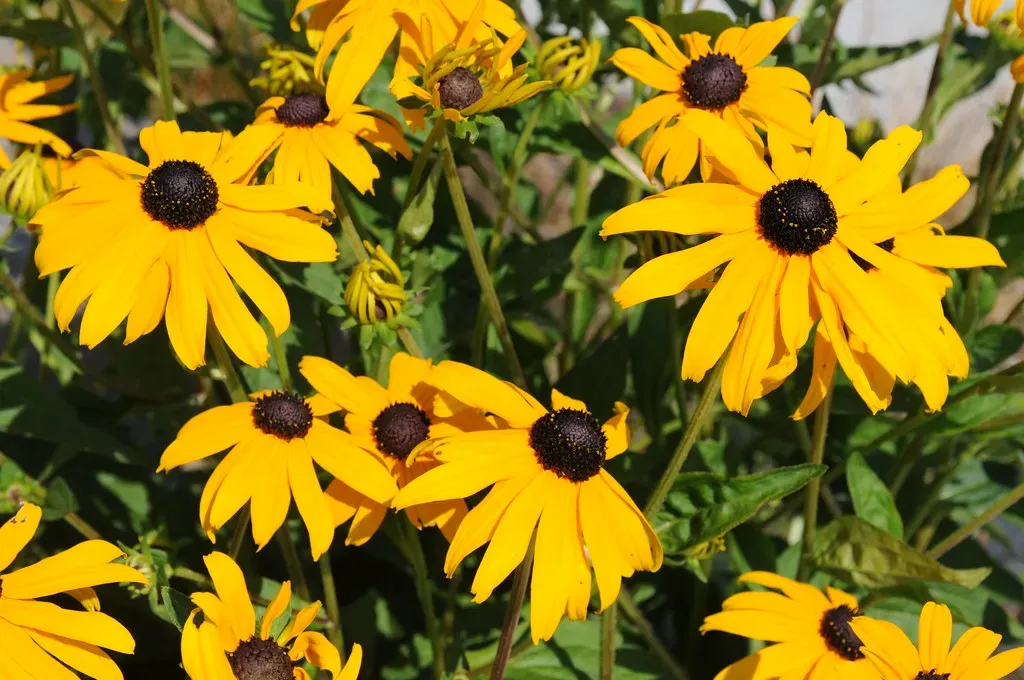
Black-eyed Susan has a fast growth rate and can be two to three feet tall and one to two feet wide once fully mature. These plants love to grow in full sun and moist, well-drained soil with an acidic to neutral pH. Water them regularly until the roots have established, after which they become drought-tolerant.
If you want a plant that delivers consistent color with little effort, Black-Eyed Susan is a top choice. Its cheerful yellow petals with dark centers brighten any landscape and bloom for an extended period during the growing season. These plants are incredibly hardy and resilient, thriving in full sun and in poor soil. They are also excellent for attracting pollinators and birds, making them both ornamental and functional.
Notably, this plant has deep roots in Indigenous North American knowledge. Black-eyed Susan roots were used by Native Americans to treat colds, sores, and swelling.
Milkweed (Asclepias)
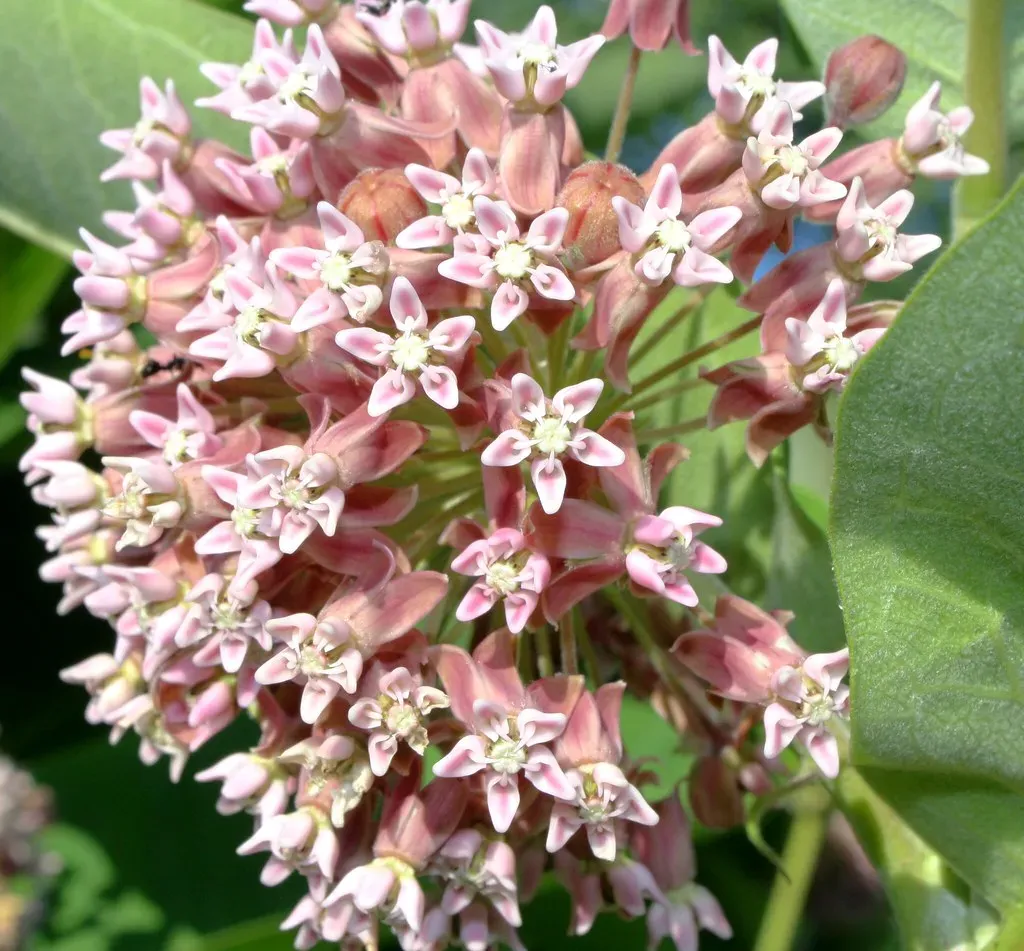
Perhaps best known as the host plant for monarch butterflies, milkweed also produces nectar-rich flowers that attract a wide range of pollinators. Many butterfly species, bees, and beneficial wasps visit milkweed blooms through the summer. Milkweed grows up quickly from plugs or plants, providing an upright presence that fills vertical space in a mixed border.
All milkweeds unfurl nectar-rich flowers that nourish pollinators, including butterflies of all kinds, honey bees, native bees, and hummingbirds. The variety of species available means there’s a milkweed suited to nearly every garden condition, from dry and sunny to wet and low-lying.
Butterfly weed and swamp milkweed are definite must-haves if you’re designing an earth-friendly, pollinator, or butterfly garden. Milkweed plants also fit well into prairie landscapes and wildlife gardens. For a rain garden, plant swamp milkweed.
Creeping Phlox (Phlox subulata)
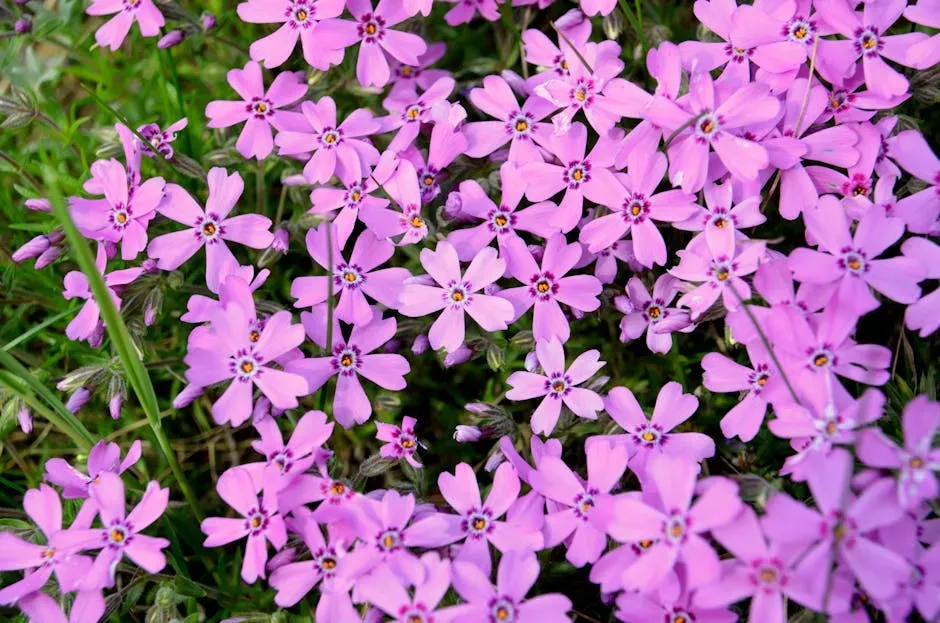
If you’ve got low, bare patches that need covering fast, creeping phlox is a brilliant go-to. This native perennial forms a dense, spreading mat of evergreen foliage that quickly knits together empty spaces, especially along borders, slopes, or pathways. In spring, it bursts into a carpet of color in soft pinks, purples, blues, and whites that not only looks stunning but also attracts early pollinators like bees and butterflies.
Once established, creeping phlox is drought-tolerant and low-maintenance, making it a reliable choice for gardeners who want maximum impact with minimal effort. It essentially takes care of itself after the first season, which is more than most store-bought ground covers can claim.
Coreopsis (Tickseed)
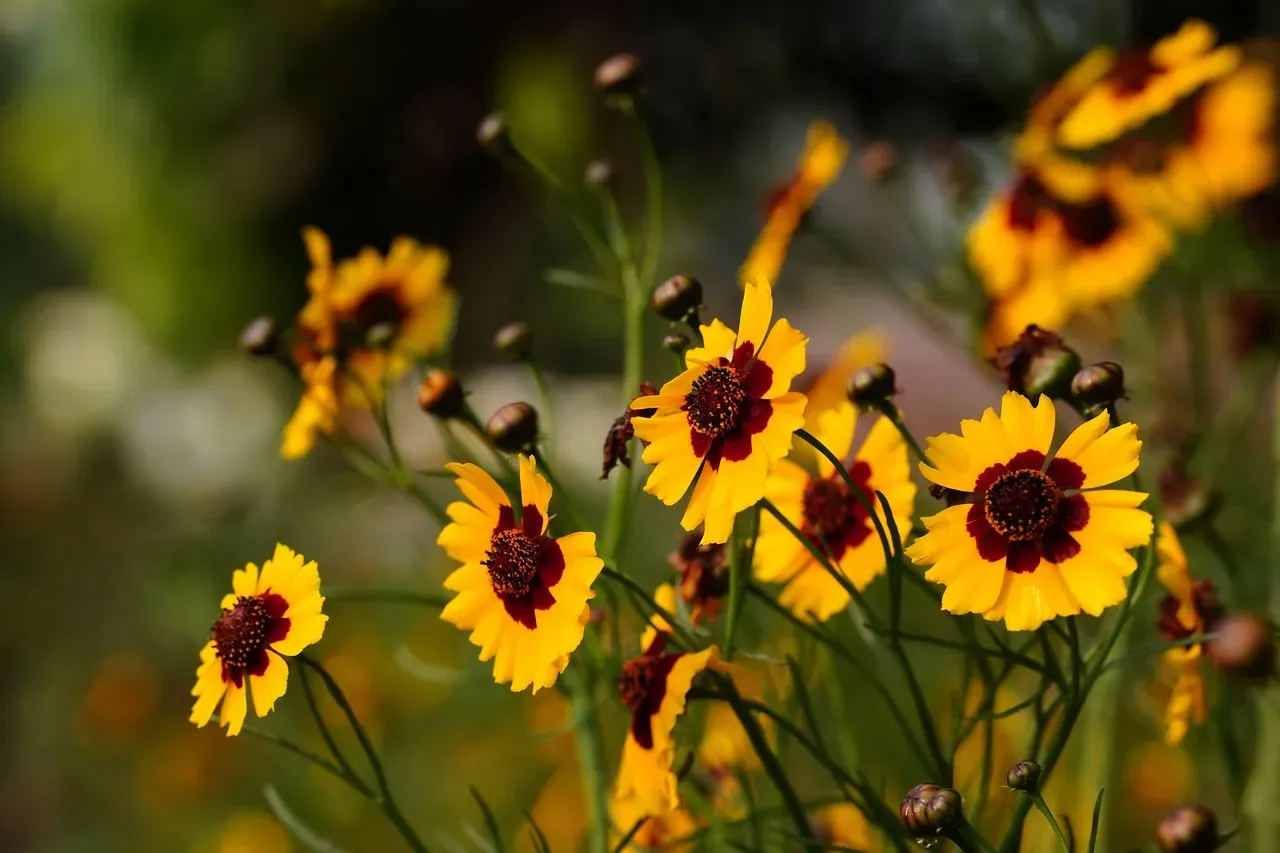
Native to the western U.S., Tickseed (Coreopsis tinctoria) is a fast-growing annual that brings a vibrant presence to any garden. A classic prairie native, coreopsis produces bright golden daisy-like flowers that attract bees and butterflies and bloom abundantly throughout the season.
What makes coreopsis particularly useful is its sheer adaptability. The ideal native annual can be considered as a plant that develops quickly with more flowers, a longer flowering cycle than perennials, and that reseeds but is not invasive. Coreopsis fits that description almost perfectly, returning year after year with very little encouragement.
Plant it in a sunny patch and step back. It fills quickly, blooms generously, and self-sows into reliable drifts of color that would take a non-native annual multiple expensive replacements to achieve.
Golden Alexander (Zizia aurea)
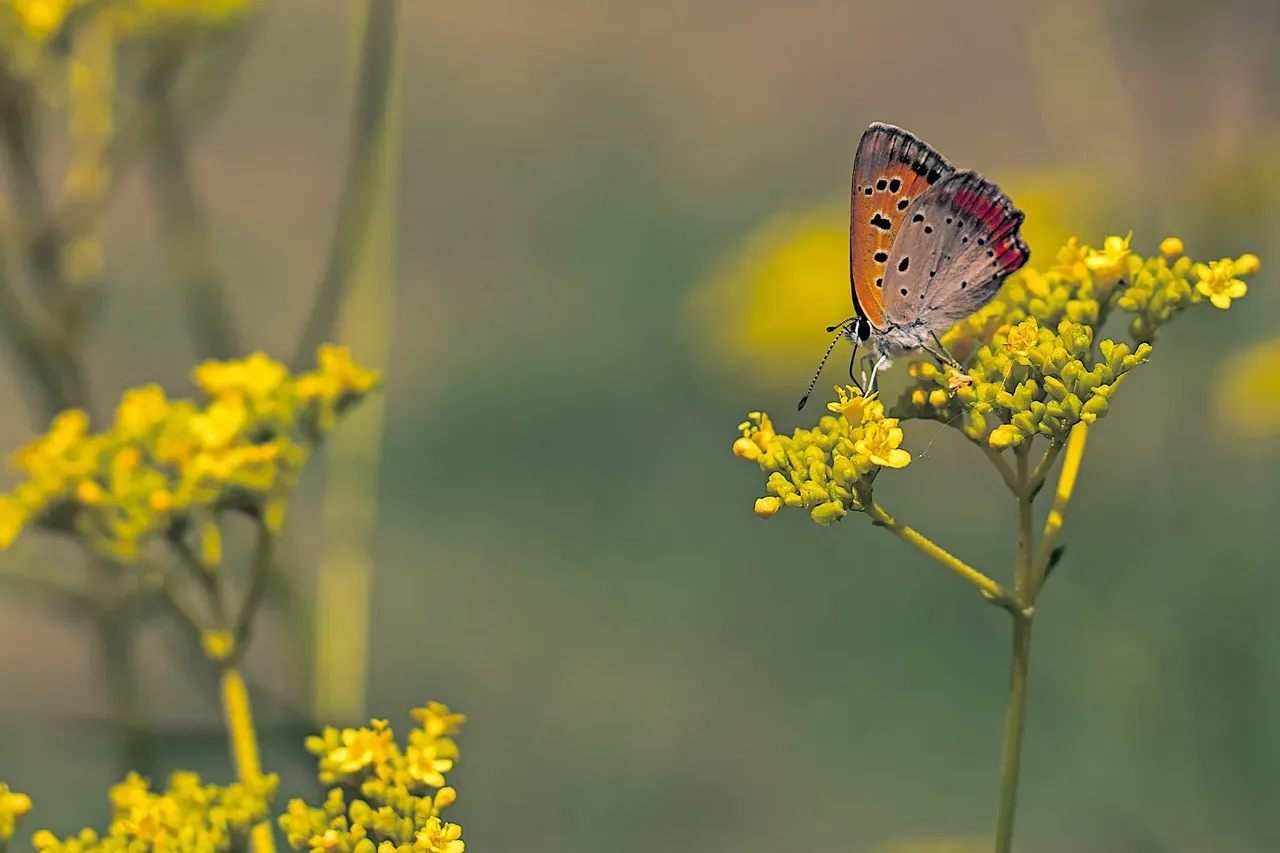
Zizia, also known as golden alexander, is a spring-blooming three-foot-high perennial with yellow flowers that look just like dill. Zizia blooms from April to June and then sporadically through the summer. Flower heads will dry and remain for most of the summer.
Golden Alexander is a beautiful, adaptable plant that can handle both occasionally dry and occasionally wet soils, as well as full sun and light shade. Its explosion of yellow flowers blooms in May. Its leaves feed the caterpillars of black swallowtail butterflies, whose stunning adult forms eventually add beauty to the garden as they sip nectar from other flowers blooming later in the year.
The foliage stays lush and strong and partially turns to a burgundy color in late fall and may often be evergreen. It readily spreads and can be easily divided. That means one plant quickly becomes several, saving money and multiplying your garden’s impact season after season.
Golden Ragwort (Packera aurea)
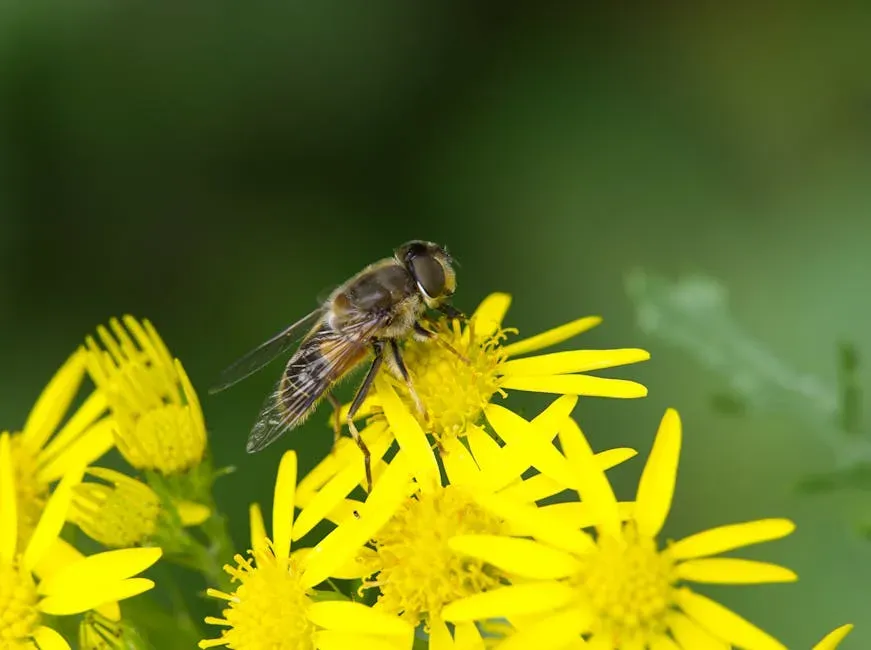
In spring and early summer, golden ragwort sends up two to three foot stems topped with small golden yellow flowers. It grows in full shade to dappled shade in moist or average soil. It also readily spreads and can be easily divided to create more plants. The plant forms rosettes at the base and those are often evergreen over winter.
Golden ragwort is a great pop of yellow to add to shadier sites, especially medium to wet ones. Blooming a little earlier than golden alexander, golden ragwort is a great source of food for emerging pollinators. Throughout the growing season, golden ragwort’s dark green leaves create a pleasing, low-growing mat that spreads quickly, filling in even the smallest gaps.
Native Blanket Flower (Gaillardia pulchella)
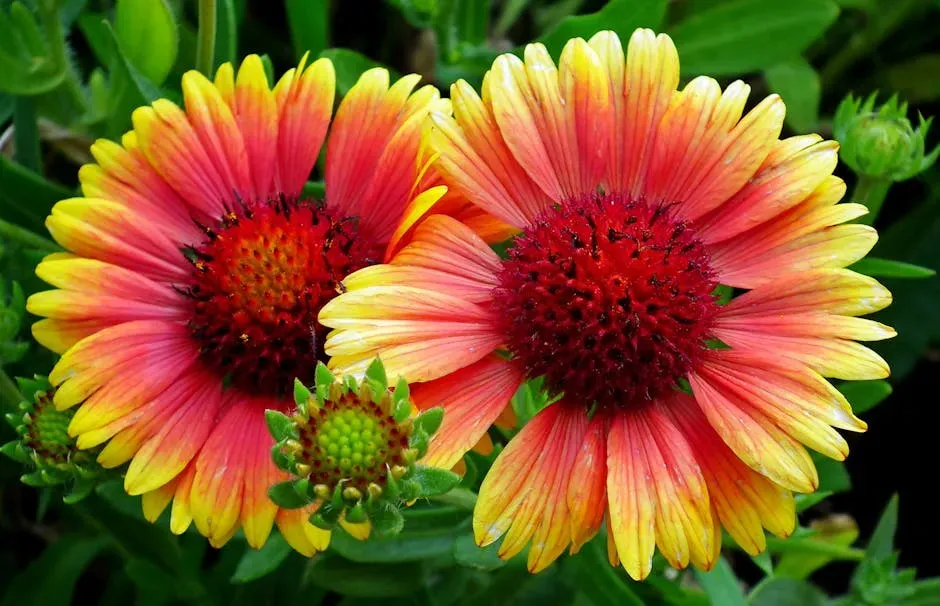
Blanket flower is an annual found naturally occurring in sandy habitat. It has a prolonged bloom time and will begin blooming in late May and continue until frost. Its blooms consist of red, orange, and yellow colors with green, fuzzy leaves. Blanket flower is highly tolerant of sandy soils and of salty conditions, making it an excellent choice for gardens with tough growing circumstances.
It is a good flower to incorporate into a meadow garden, rock garden, or cottage garden given that it will naturalize well and provide lots of color for most of the year. Blanket flower provides pollen and nectar which attracts both bees and butterflies, making it an excellent choice for a wildlife garden.
Annuals put their resources into producing large quantities of flowers and seeds. In addition to securing their continued presence in the garden, this also benefits wildlife. When these seeds find suitable conditions, they germinate and grow to bloom again. Blanket flower does this brilliantly, reseeding into generous colonies with little human input needed.
A Smarter Way to Fill a Garden
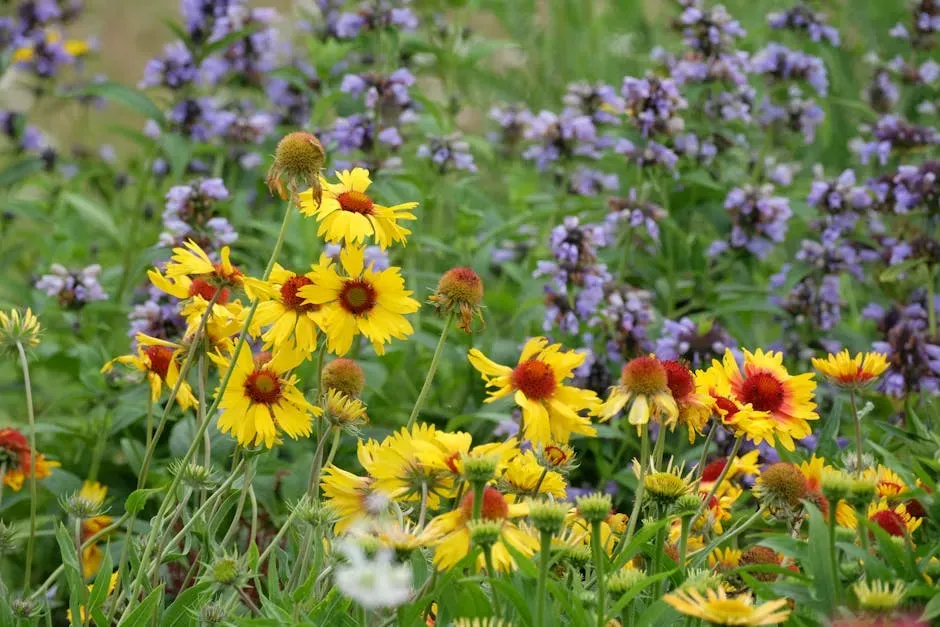
The cumulative case for indigenous plants is hard to argue with. When selecting fast-growing plants, going native is crucial. There are two key benefits to choosing native over non-native plants: you avoid planting a future invasive species that may become a nightmare to contain, and you quickly create an abundance of food and shelter for native wildlife like birds and butterflies.
Native plant landscaping cuts water use dramatically because these plants already adapt to local rainfall patterns and soil conditions. You won’t need to run sprinklers daily or install costly irrigation systems just to keep things alive. Many homeowners see water usage drop substantially after switching to native varieties, which translates into real monthly savings.
Unlike annuals, which require constant replanting and replacement, native perennials are hardy, resilient, and adapted to the local environment. Once established, they have the ability to thrive with minimal intervention, making them a low-maintenance and sustainable choice for beginner gardeners. Native perennials have evolved over time to withstand local climate conditions, soil types, and pest pressures.
There’s something quietly satisfying about a garden that builds on itself rather than starting from scratch each spring. These nine plants don’t just grow fast. They grow smart, they grow connected, and they keep giving back to the landscape around them. That’s a trade-off worth making.
