
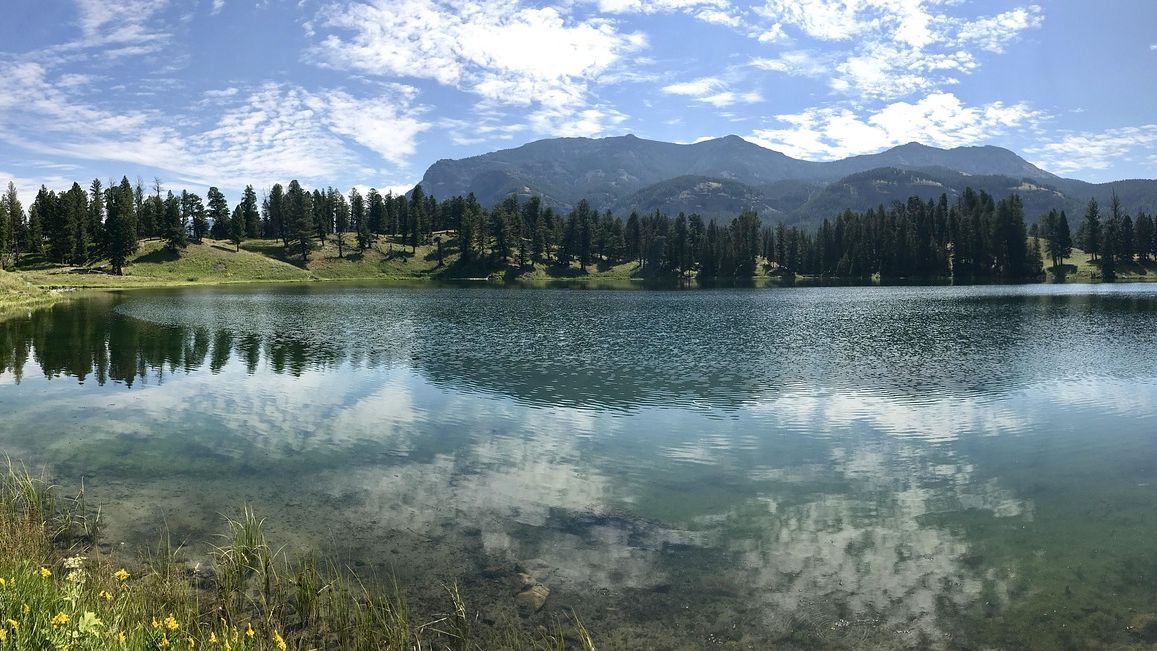
America’s natural landscape holds some of the most extraordinary on the planet, places where nature still reigns supreme and animals roam in their natural habitat. These refuges offer visitors an intimate glimpse into the wild, where majestic creatures live freely under protection and care. From grizzly bears wandering alpine meadows to wild ponies galloping along pristine beaches, these sanctuaries serve as guardians of our nation’s most precious wildlife.
differ from traditional zoos in profound ways. Here, animals aren’t displayed for entertainment but protected within vast natural spaces that mirror their original homes. These sacred spaces become lifelines for creatures who cannot survive in the wild due to injury, abandonment, or human interference. Each sanctuary tells its own unique story of conservation, education, and hope.
Best Friends Animal Sanctuary, Utah
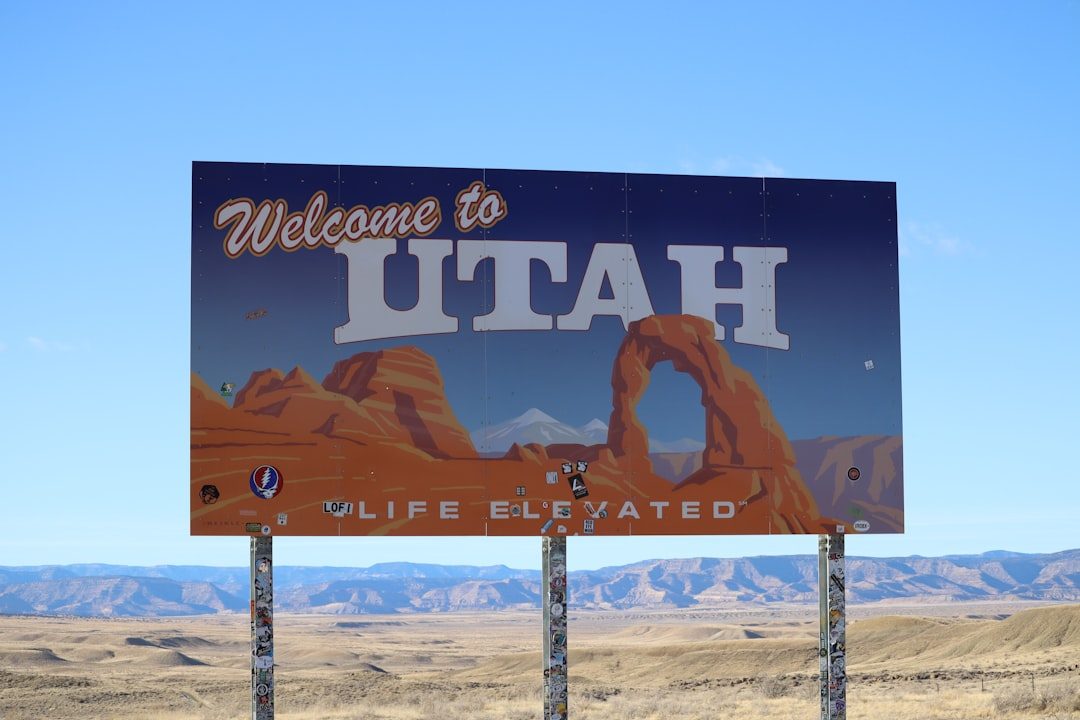
Nestled among the stunning red rock vistas of southern Utah, this massive sanctuary is home to more than 1,600 cats, dogs, pigs, horses, birds, bunnies, and other rescued friends. Sprawled across 3,700 acres in red rock country near Kanab in Utah is America’s largest no-kill animal sanctuary for companion animals. Best Friends Animal Society’s sanctuary has approximately 1,600 animals, including horses, pigs, dogs, cats and bunnies, all rescued from shelters across the country.
Visitors can take a guided tour of the grounds, volunteer to help care for the animals (which ensures extra up-close time with the residents), enjoy a vegan lunch at the on-site cafe, and explore the many hiking trails that wind through the beautiful canyons. The sanctuary transforms lives daily, offering second chances to animals while educating visitors about compassionate care and responsible pet ownership.
Grizzly and Wolf Discovery Center, Montana
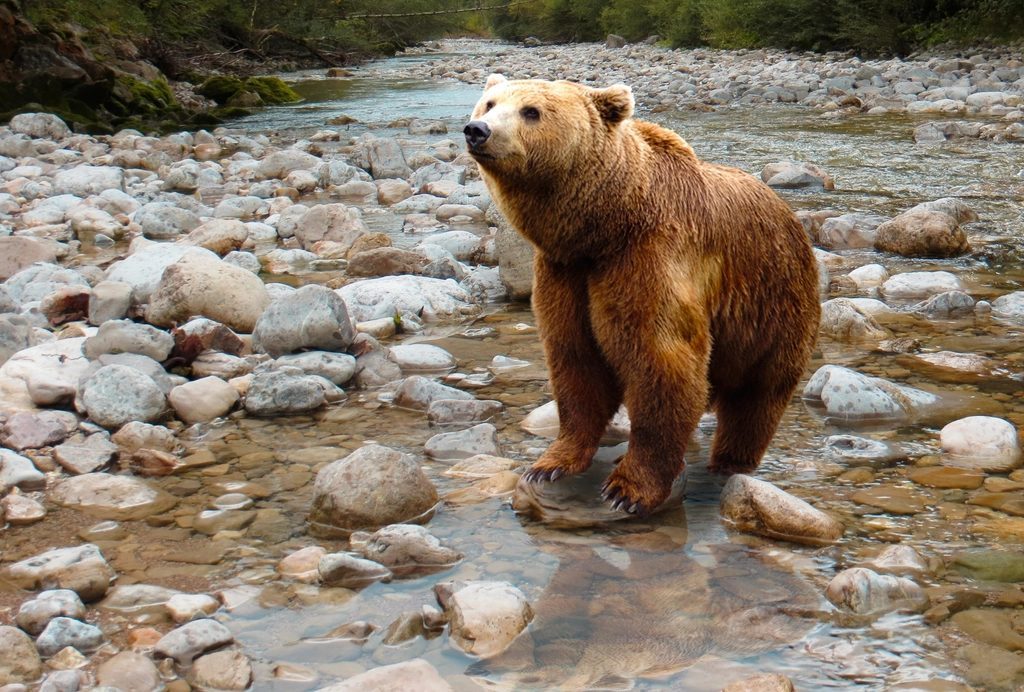
Providing lifelong care for 21 different species of animals and birds, the Yellowstone Wildlife Sanctuary also provides a robust education program for visitors and local schools. Located in West Yellowstone, Montana, The Grizzly & Wolf Discovery Center (originally Grizzly Discovery Center) is a not-for-profit wildlife park and educational facility opened in 1993 that is located in West Yellowstone, Montana, United States.
The bears at the center were all acquired after having become nuisance bears or the orphaned cubs of nuisance bears. They are provided with a large naturalistic outdoor habitat that includes a pool and waterfall, as well as private indoor areas. All of these animals are unable to survive in the wild. Many were rescued or removed from their original location due to risk with human interaction. The facility serves as both sanctuary and educational center, teaching visitors about coexistence with these magnificent predators.
The Elephant Sanctuary, Tennessee
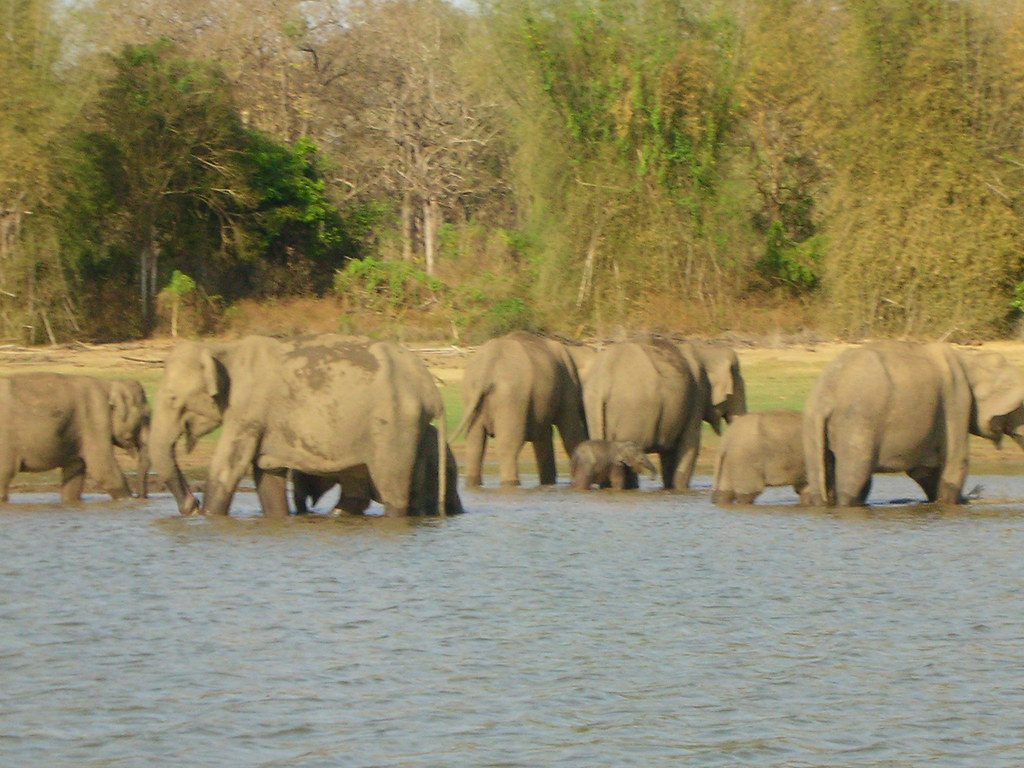
Currently home to 10 elephants retired from zoos and circuses, the Elephant Sanctuary in Tennessee is truly one of a kind. Elephants suffering from long-term health and behavioral issues (due to having spent their lives in captivity) now get to enjoy life in peace. This remarkable sanctuary offers these gentle giants acres of natural habitat where they can form herds and behave naturally.
The sanctuary provides them with individualized care and companionship of a herd. In addition, it is dedicated to educating the public about the plight of elephants in the wild, as well as the needs of those in captivity. The facility remains closed to the public to ensure the elephants’ peace and privacy, though they offer virtual tours and educational programs to spread awareness about elephant conservation.
Chimp Haven, Louisiana
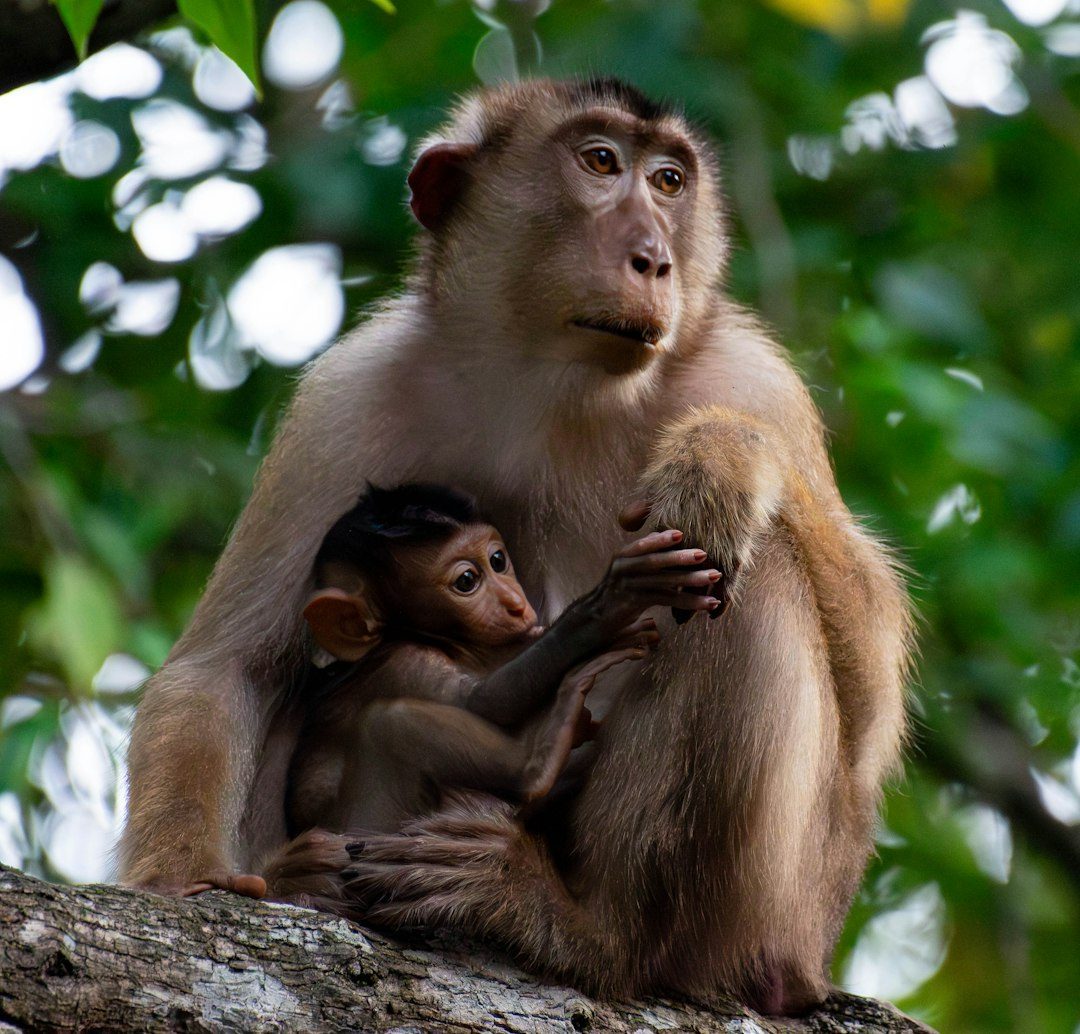
Chimp Haven, a Louisiana sanctuary for retired lab research animals, offers great apes another opportunity to live in nature. With over 200 acres for chimps to explore and 300 companions to get to know, Chimp Haven provides endless resources and possibilities for retired primates. In 2002, the organization was granted a federal contract to serve as the national chimpanzee sanctuary.
Dedicated to caring for retired chimpanzees that have been used for biomedical research, Chimp Haven, true to its name, provides blissful grounds for chimps to spend their days. There are sleeping nests, climbing trees and room to roam on the 200-acre property. The animals live in large bonded social groups, eating fruit, running around, playing and exploring their enriching environment. The sanctuary represents a triumph of compassion over exploitation, giving these intelligent beings the natural life they deserve.
Big Cat Rescue, Florida
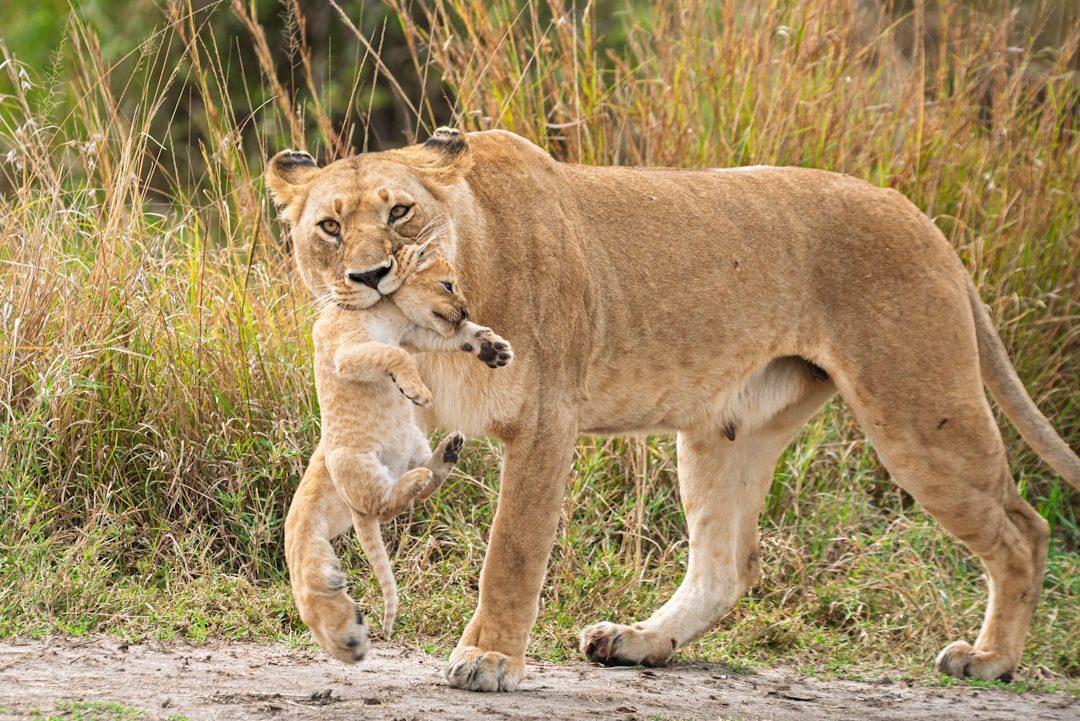
While it is definitely one of the more commercialized sanctuaries (if you’ve seen Tiger King on Netflix, you’ll know what we mean), Big Cat Rescue in Tampa remains a global leader in providing a home for over 80 tigers, lions, leopards, cougars, bobcats, lynx, servals, ocelots, and caracals. Most of the sanctuary’s cats were abandoned, abused, orphaned, or retired from performing acts.
The organization’s activism arm is also involved in legislative efforts to reduce irresponsible big cat ownership and exploitation. Though controversy has surrounded some aspects of big cat tourism, legitimate sanctuaries like this one focus on rescue, rehabilitation, and education rather than entertainment. Visitors can learn about the complex challenges facing wild cats in captivity and the ongoing efforts to protect these species.
Chincoteague National Wildlife Refuge and Wild Ponies, Virginia
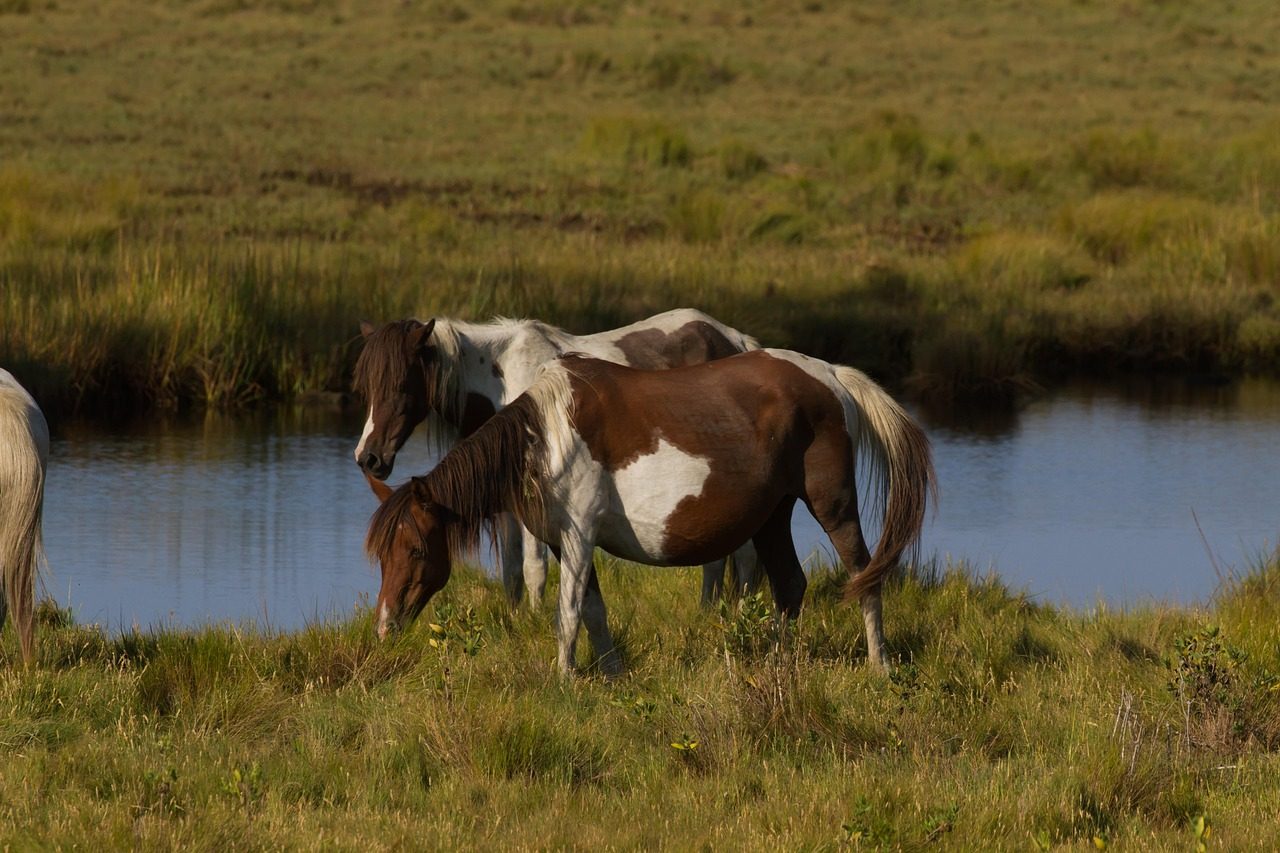
The roughly 150 ponies are one of two herds that live on Assateague, a 37-mile-long barrier island split between Maryland and Virginia. On the Maryland side, approximately 75 ponies roam the beaches and saltwater marshes of Assateague Island National Seashore and Assateague State Park. These mystical creatures embody the wild spirit of the Atlantic coast.
Conversely, the Virginia herd (referred to as Chincoteague ponies) live within the Chincoteague National Wildlife Refuge and are owned by the Chincoteague Volunteer Fire Company. The Virginia herd is owned by the Chincoteague Volunteer Fire Company, which has been rounding up the ponies for the swim since 1925. Each July, thonds of spectators witness the famous pony swim, where these hardy animals cross the channel between islands in an event that has captivated hearts for nearly a century.
Yellowstone Wildlife Sanctuary, Montana
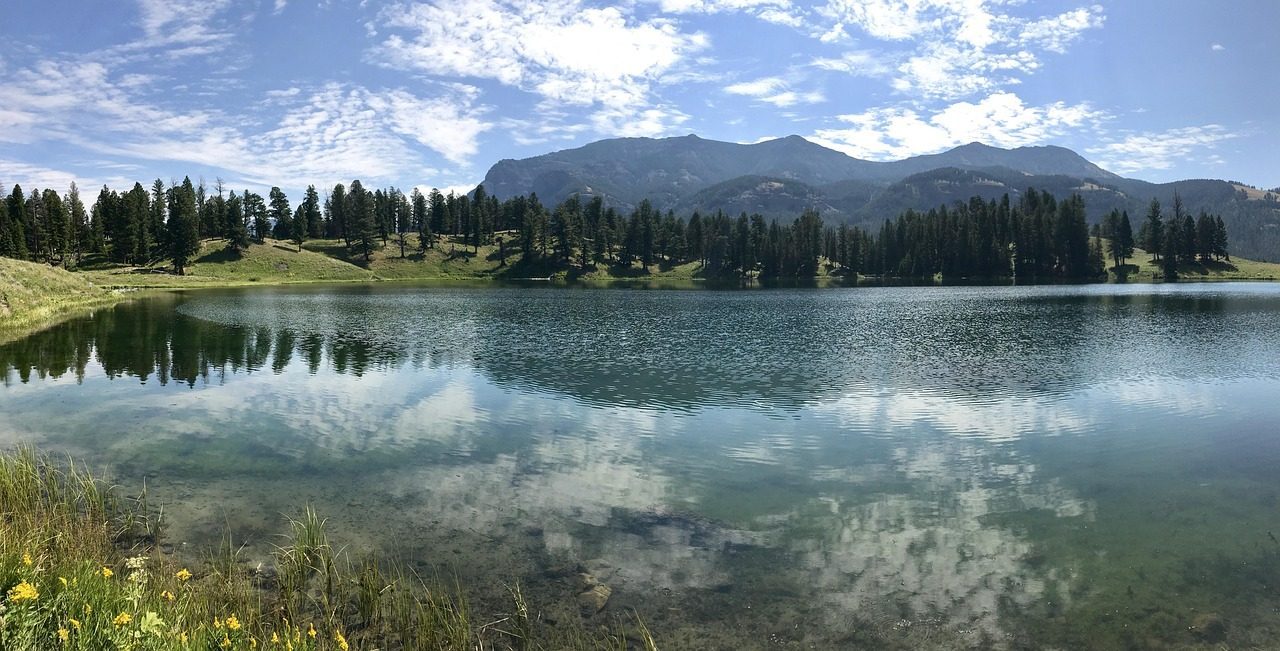
Yellowstone Wildlife Sanctuary, Red Lodge, Montana Providing lifelong care for 21 different species of animals and birds, the Yellowstone Wildlife Sanctuary also provides a robust education program for visitors and local schools. Whether due to injury, being orphaned, or becoming habituated to humans, when living in the wild is no longer feasible, some animals can live out their lives in sanctuaries.
Animals like Rex, or Sacajawea, the orphaned mountain lion found as a kitten in a window well outside Bozeman, can interact with others of their species while being studied for research and education. For us, that means an opportunity to learn about these magnificent creatures up close and personal. The sanctuary bridges the gap between wildlife conservation and education, allowing visitors to witness the beauty of Montana’s native species while supporting their protection.
Pelican Island National Wildlife Refuge, Florida
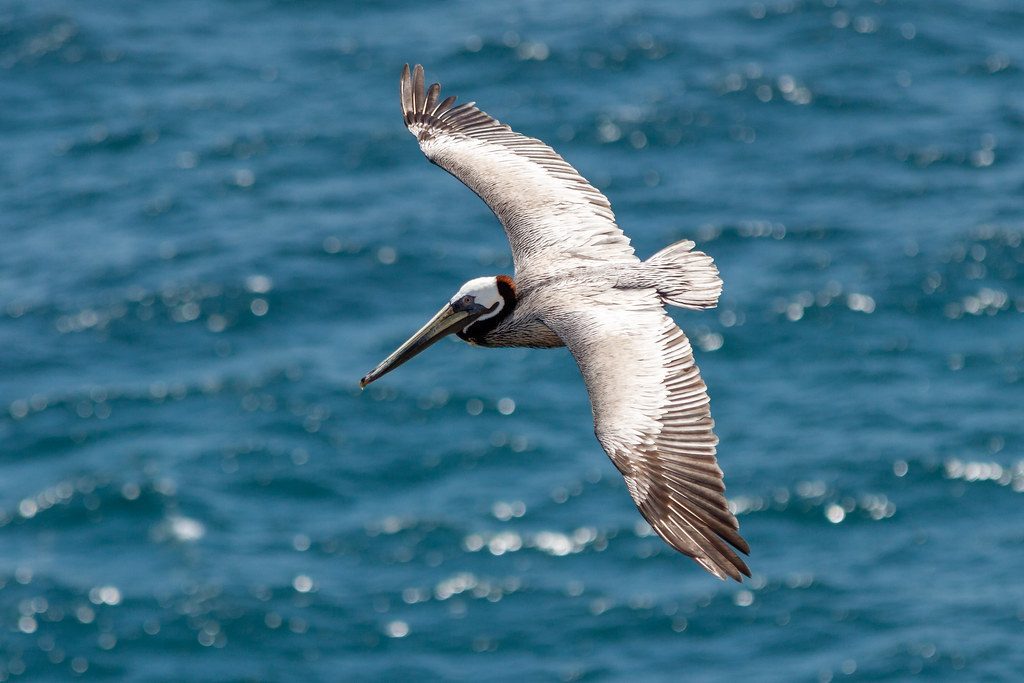
The 5400+ acres of land and water at Pelican Island National Wildlife Refuge represent the world’s first wildlife refuge. Established on March 14, 1903 by President Theodore Roosevelt, the site protects birds that were nearly hunted to extinction. This historic sanctuary holds the distinction of being America’s first wildlife refuge, setting the precedent for conservation efforts nationwide.
Located in the Indian River Lagoon along Florida’s Atlantic coast, this small island packs enormous historical significance. The refuge serves as a testament to early conservation efforts and continues protecting crucial habitat for brown pelicans and other seabirds. Visitors can witness the remarkable recovery of species that once teetered on the brink of extinction, showcasing the power of dedicated conservation work.
Okefenokee National Wildlife Refuge, Georgia
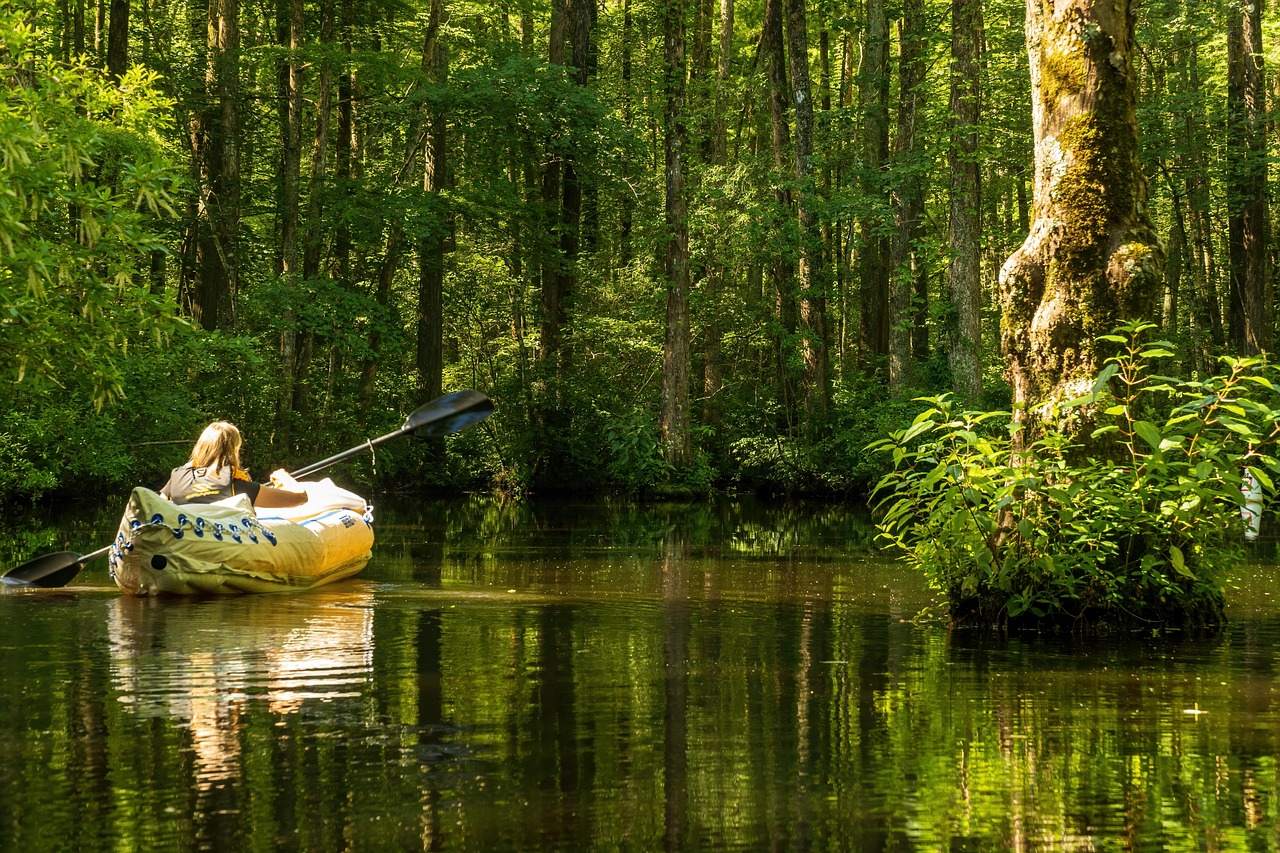
You never know what you’ll see and what you’ll miss at Okefenokee National Wildlife Refuge in Georgia. Exploring the wilds of this unique swamp takes patience. Walk carefully, paddle slowly and look everywhere. This mysterious swampland offers one of America’s most immersive wildlife experiences, where ancient cypress trees draped in Spanish moss create an otherworldly atmosphere.
Historically damaged, the refuge is on the road to recovery and home to endangered alligators and tortoises. Loud Sandhill Cranes are easy to find, but you might have to look hard to see Eastern screech owls like these cute owlets. This vast tract of swamps, prairies, and pine forests provides habitat for a variety of wildlife in the state, including alligators, black bears, river otters, and more than 200 species of birds. The refuge can be visited by paddling its water trails, hiking its elevated boardwalk paths, or enjoying guided boat tours.
Conclusion
These nine extraordinary wildlife sanctuaries represent the best of American conservation efforts, where animals find sanctuary and visitors discover wonder. Each location tells a unique story of resilience, protection, and hope for the future of our natural world. From the red rocks of Utah to the swamps of Georgia, these sanctuaries preserve not just individual animals but entire ecosystems and the delicate balance of life they support.
These living laboratories offer us glimpses into worlds we might otherwise never see, teaching us about coexistence, respect, and our responsibility as stewards of the earth. Every visit supports their vital mission of rescue, rehabilitation, and education. The magic happens when we witness these animals thriving in spaces designed for their wellbeing rather than our entertainment. What stories will these sanctuaries tell future generations about our commitment to wildlife conservation?
