

Every year, countless human-animal encounters end peacefully. We share hiking trails with deer, watch squirrels in our backyards, and enjoy wildlife at zoos without incident. Yet occasionally, these interactions take a dangerous turn, often because we unknowingly crossed an invisible line that triggered an animal’s defensive instincts.
These attacks are a cause of human injuries and fatalities worldwide, with injuries caused by animal attacks resulting in thousands of fatalities worldwide every year. The most shocking part? The circumstances of attacks are not always what you might assume. Many times, it’s our own behavior that sets these tragic events in motion. Let’s explore nine instances where human mistakes accidentally triggered devastating animal attacks, and discover what each taught us about coexistence with the natural world.
The Chimp Who Lost His Mind Over a Toy
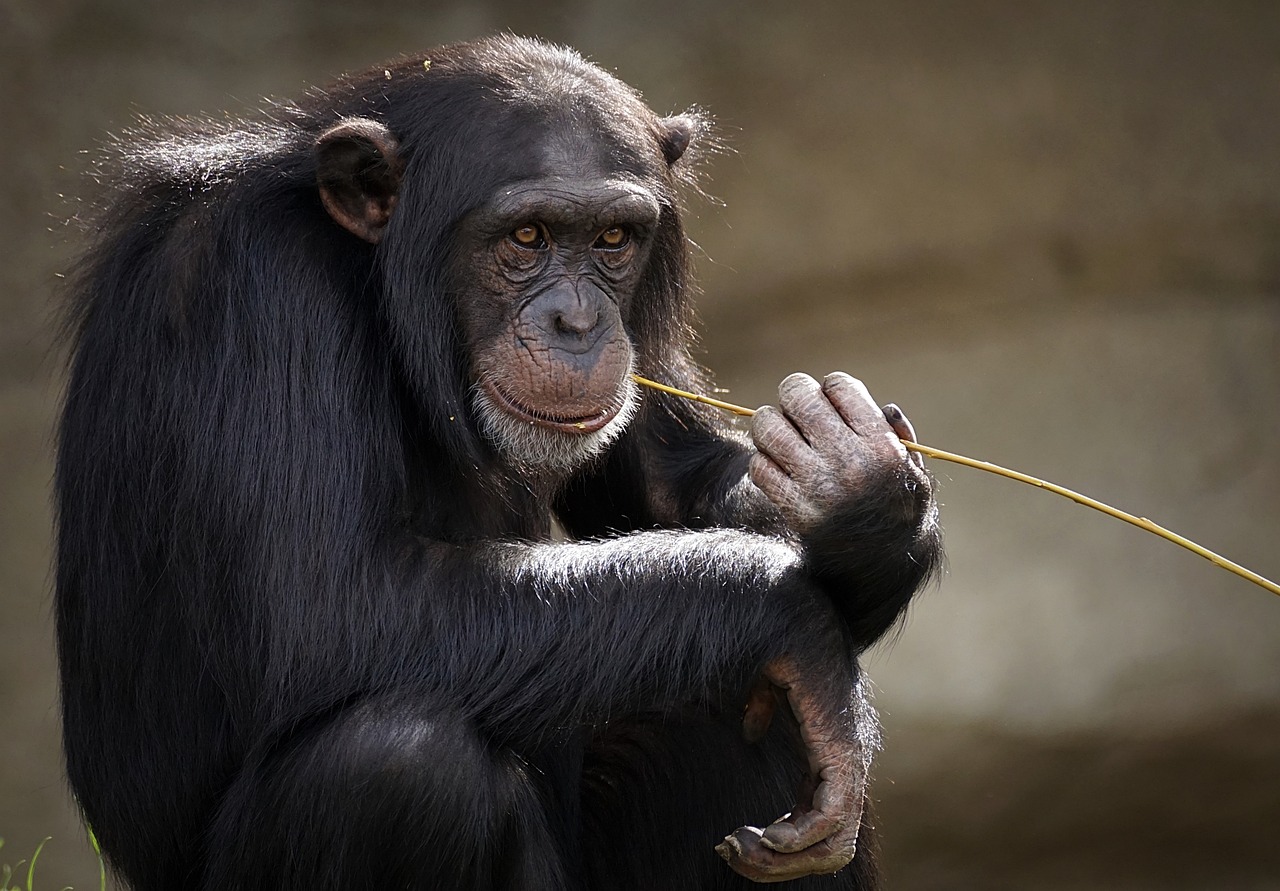
Travis the chimpanzee lived like a family member with Sandra and Jerome Herold in Connecticut. He grew up as a local celebrity, riding in the Herold’s tow truck, dressing himself, eating at the dinner table, watching baseball on TV, using the computer, and even driving a car. The Herold’s only human child had died in a car accident, so the couple pampered the chimp in her place.
In 2009, everything changed when family friend Charla Nash visited. Travis knew Nash, but she had a new haircut at the time and he may have become enraged because she was holding his favorite toy: a Tickle-Me-Elmo. The attack was brutal and life-changing for Nash, who suffered severe facial injuries.
The lesson learned was devastating in its simplicity. Travis’ autopsy also showed that he had been given Xanax shortly before the incident, which has a possible side effect of rage and paranoia in humans. We discovered that even beloved animal companions retain wild instincts that can be triggered by seemingly innocent changes, especially when combined with human medications that affect their behavior in unpredictable ways.
When Feeding Wildlife Becomes Fatal
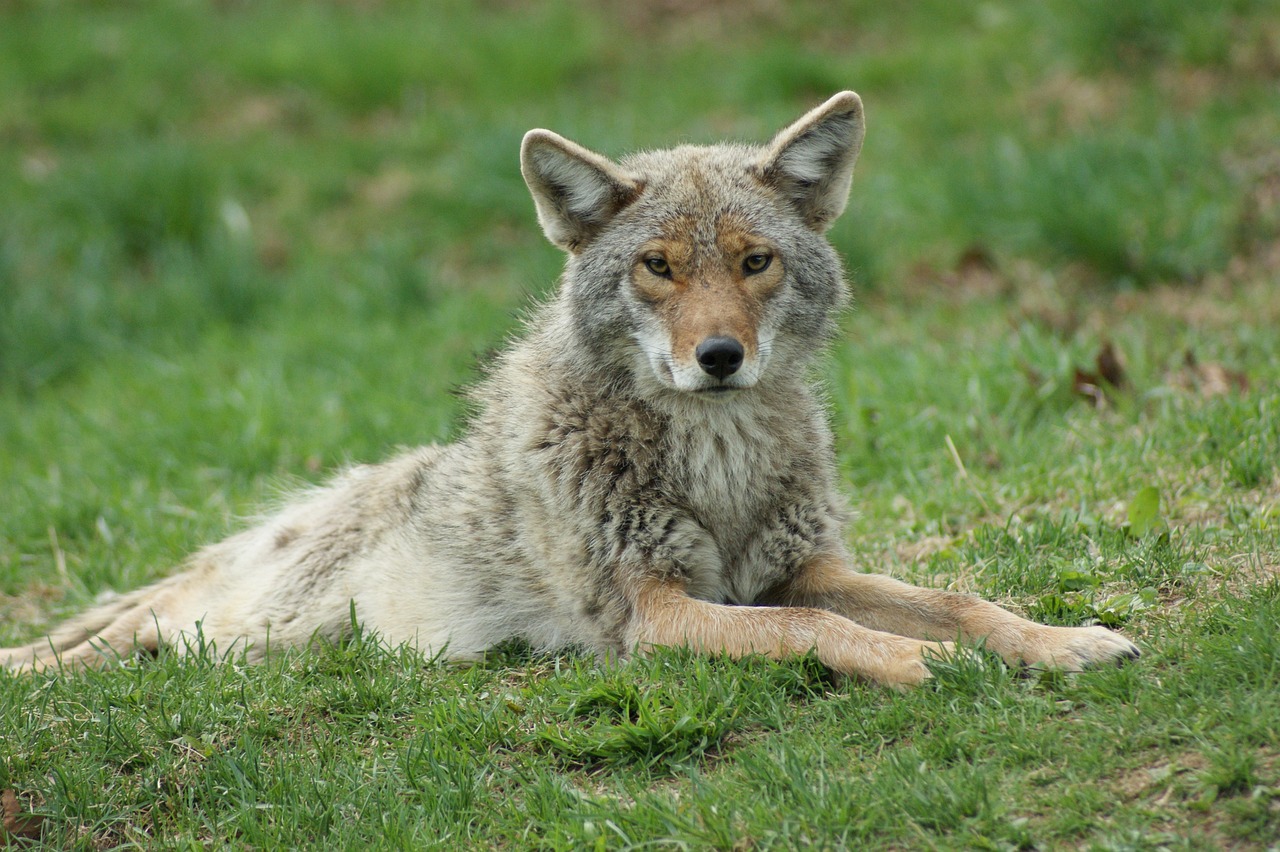
Wildlife biologists discovered a coyote had been intentionally fed by residents, causing it to lose natural fear of humans. This dangerous habituation, combined with the small size of children resembling natural prey, created a perfect storm for attacks. The incident occurred in a suburban neighborhood where well-meaning residents thought they were helping local wildlife.
What seemed like kindness turned deadly when the habituated coyote attacked local children. The incident led to new ordinances against feeding wildlife in the community. This tragedy taught us that feeding wild animals doesn’t help them – it transforms them into dangerous threats that must often be destroyed.
The fundamental lesson? Wild animals that lose their natural fear of humans become unpredictable and dangerous. Overall the vast majority of animal attacks involve fear on the animal’s part; they are afraid you will attack them, their young, or you are approaching their territory and scaring them! Yet when that fear disappears through habituation, the results can be catastrophic.
The Photographer Who Got Too Close During Mating Season
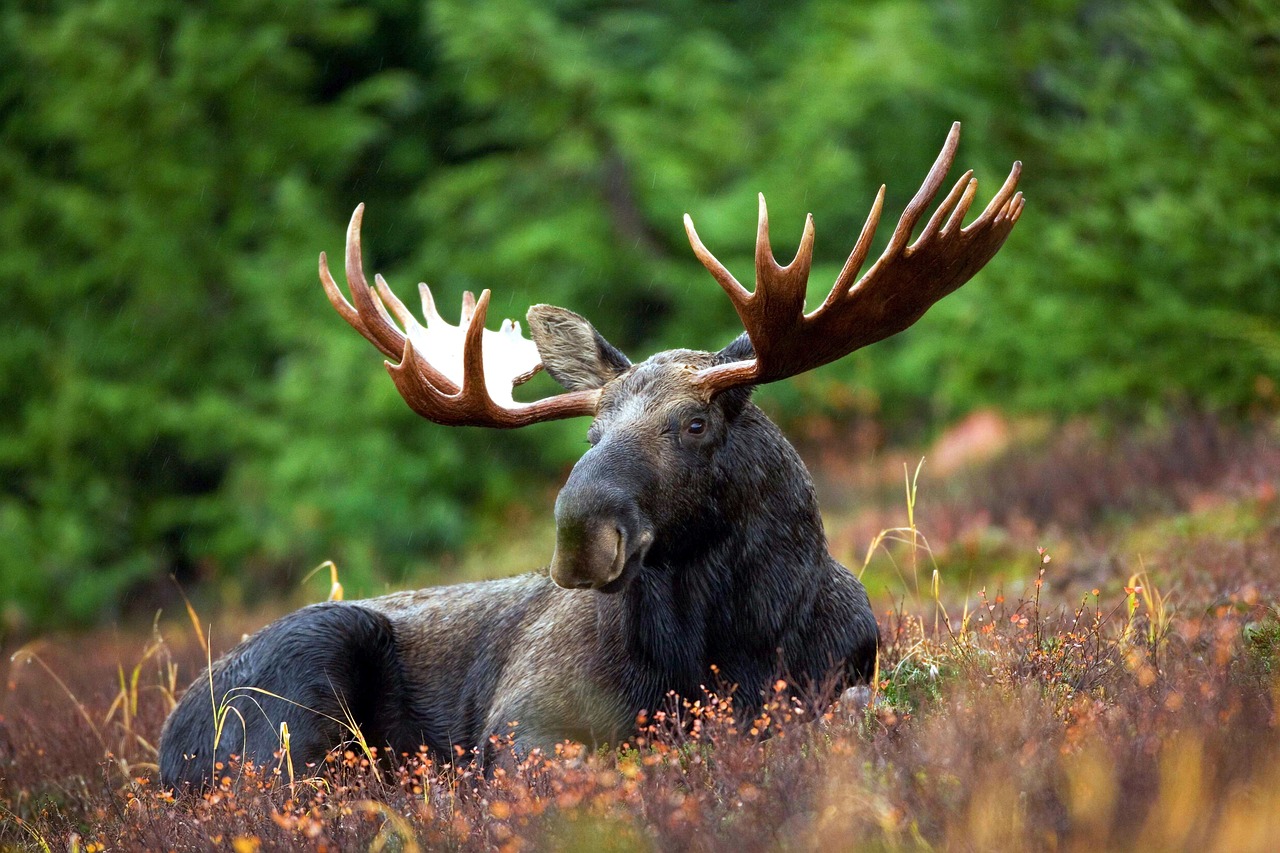
A photographer approached a bull elk during rutting season to capture close-up images. The massive animal, already agitated by seasonal hormones, lowered its antlers and charged with shocking speed. The photographer survived but learned a harsh lesson about animal behavior cycles.
Park rangers explain that male elk become extremely territorial during mating season each fall. The photographer had unknowingly entered the animal’s claimed territory while it was already in an aggressive state. The incident served as a reminder that wild animals require substantial distance, especially during breeding seasons.
This attack highlighted the critical importance of understanding seasonal animal behaviors. Animals with high levels of hormones, which depending on the species can be a seasonal occurrence, such as during rutting season, tend to be more aggressive, which leads to a higher frequency of attacks not only to humans but among themselves. Timing and hormones matter more than we often realize.
The Zoo Visitor Who Taunted a Tiger
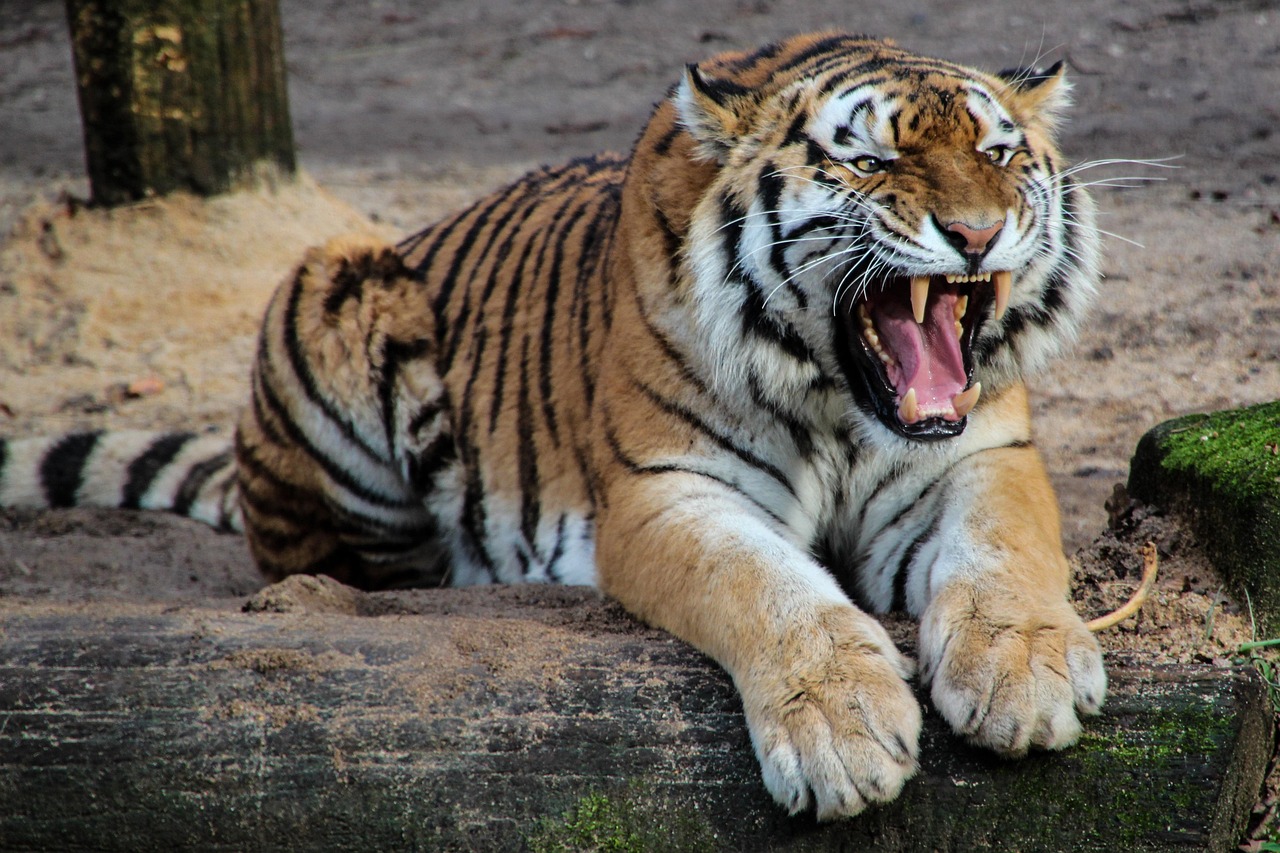
At the San Francisco Zoo, in December 2007, a Siberian tiger named Tatiana escaped her enclosure after visitors were seen throwing objects at the animal and taunting it. During the chaotic attack, one visitor was killed and two were injured before authorities fatally shot the tiger.
The incident exposed dangers when visitors provoke animals and breaches of safety protocols. Investigators discovered that the enclosure walls were lower than recommended standards, but the immediate trigger was human provocation through taunting and object-throwing.
Visitor behavior is another critical factor contributing to attacks in captive animal settings. Cases show how ignoring safety warnings or breaking barriers can provoke animal attacks. The tiger’s death was ultimately the result of human stupidity, proving that even captive animals retain their predatory instincts when sufficiently provoked.
The Fatal Mistake of Leaving Safety Protocols Behind
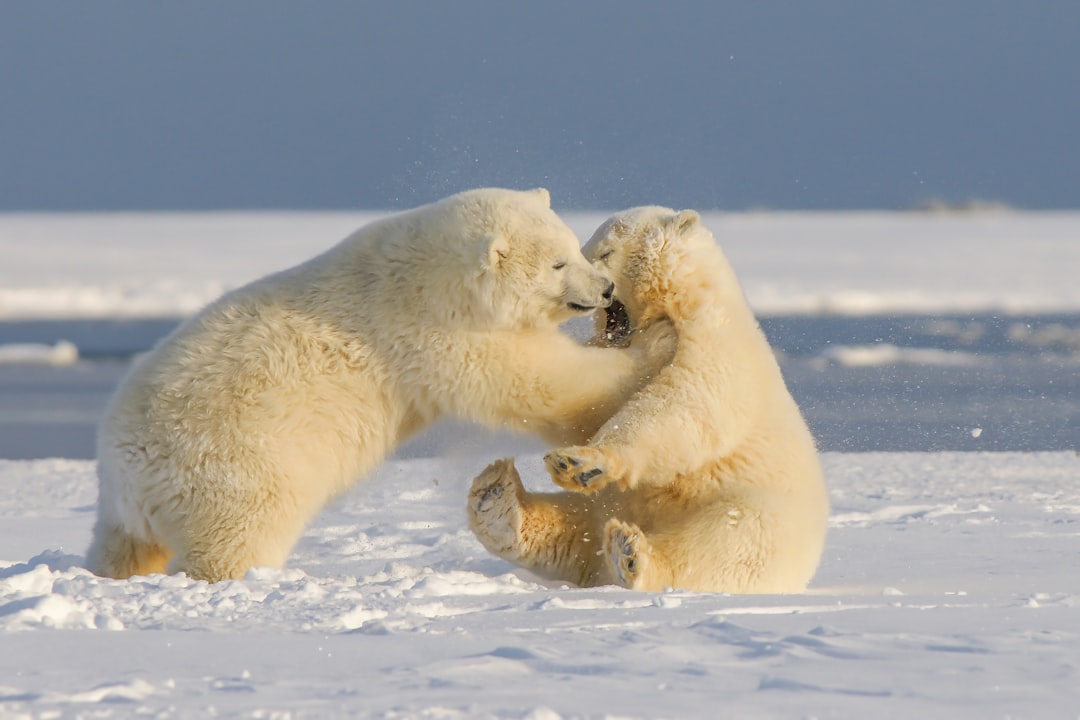
There was no watchman on the night of a polar bear attack, and the emergency gun did not fire for four attempts because the safety was left on. Explosives were set up around the camp to stop polar bears but they did not go off, possibly because they were improperly set up. This tragic incident occurred during a British Schools Exploring Society expedition to the Arctic.
Norwegian officials ruled in 2012 that the incident could have been stopped if the team had slept in cabins instead of tents, but the organization in charge of the trip was not prosecuted for the death. A young student lost his life because multiple safety protocols failed simultaneously.
The lesson was painfully clear: in dangerous wildlife territory, redundant safety measures exist for good reason. When humans become complacent with established protocols, even apex predators that typically avoid humans can become deadly threats during chance encounters.
The Snake Attack That Fell From the Sky
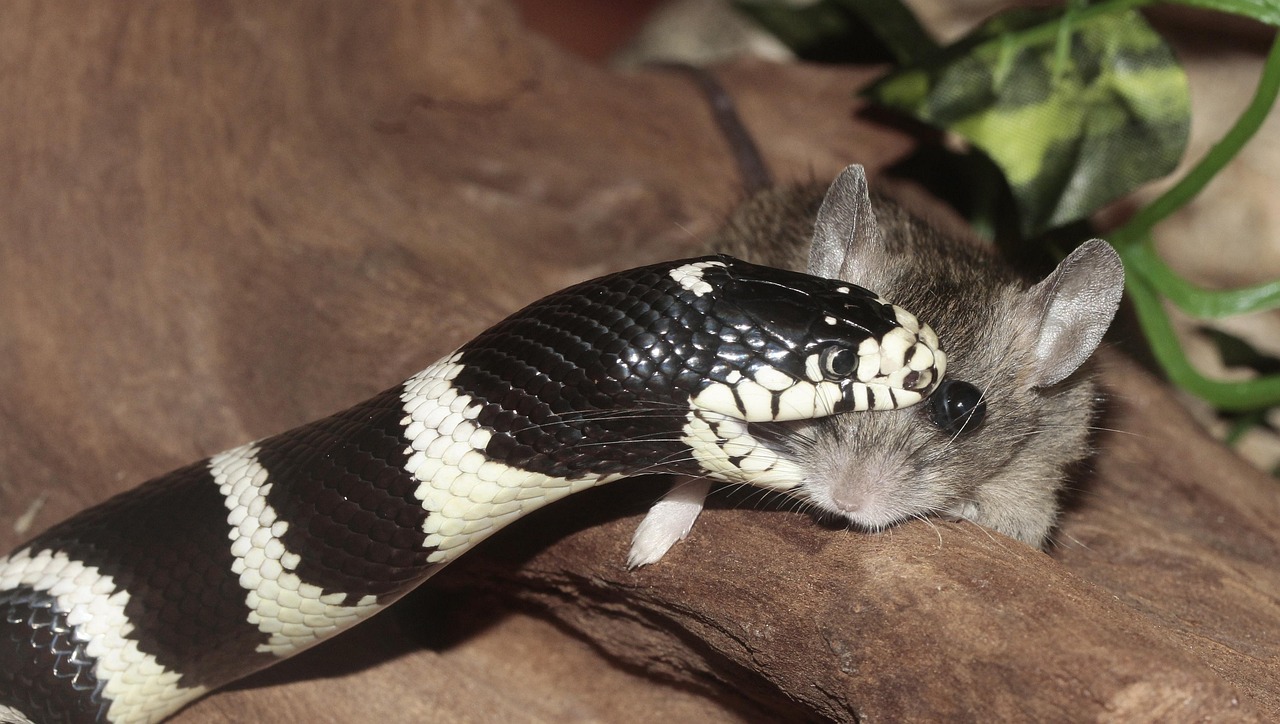
Peggy Jones got the shock of her life in August of 2023 when she was doing yard work on her property in Texas. All of a sudden, she saw something fall from the sky and hit her arm. What seemed impossible turned out to be a venomous snake that had been dropped by a hawk.
The hawk had captured the snake but dropped it during flight, and the confused reptile bit the first thing it encountered upon landing. Jones survived but required immediate medical attention for the venomous bite. This bizarre incident taught us that animal attacks can happen in the most unexpected circumstances, often involving multiple species and pure chance.
The key learning? Despite an abundance of care, confrontations still happen, sometimes because of human error, and sometimes the reason for an attack is unknown. Regardless, the results can have life-altering consequences. Sometimes we’re simply in the wrong place at the wrong time in nature’s chaotic ecosystem.
The Circus Performer Who Misread the Signs
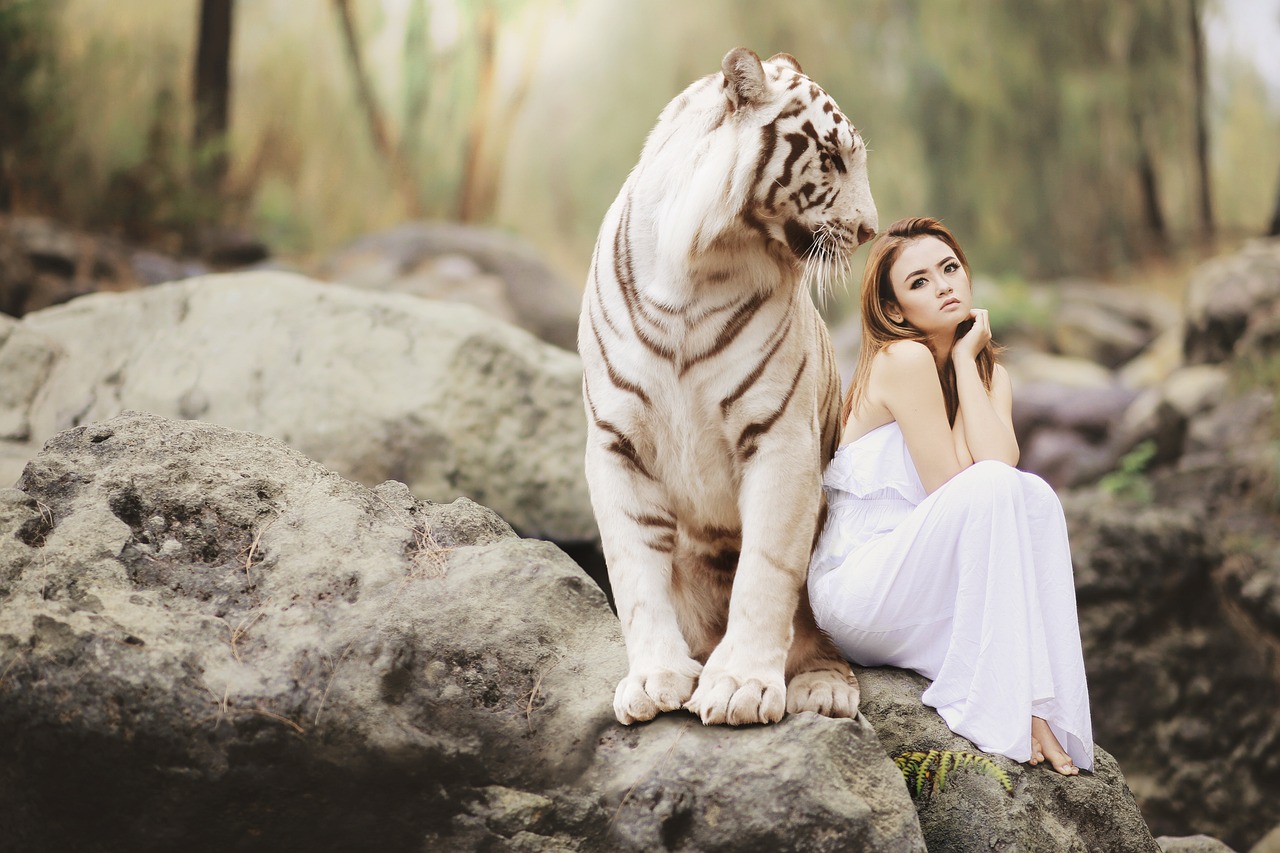
A circus worker in Egypt is reported to have had part of his arm amputated after being attacked by a white tiger during a show. The worker either put his hand through the ring cage bars or the tiger grabbed him through the bars. Video of the incident shows the tiger being repeatedly beaten by people inside and outside the ring cage but refusing to let go.
This attack was linked to the poor living conditions and stress common in circus animals, which live in cramped cages and face coercive training. These frequent attacks underline the risks of close human interaction with wild animals forced to perform unnatural acts under stressful conditions.
The tragedy revealed how even experienced handlers can misinterpret animal signals, inadvertently provoking defensive or aggressive reactions. Mistakes or lapses in safety protocols can have severe consequences. Stress, confinement, and forced performance create a volatile situation where even minor human errors can trigger devastating attacks.
The Crocodile on the Plane That Changed Everything
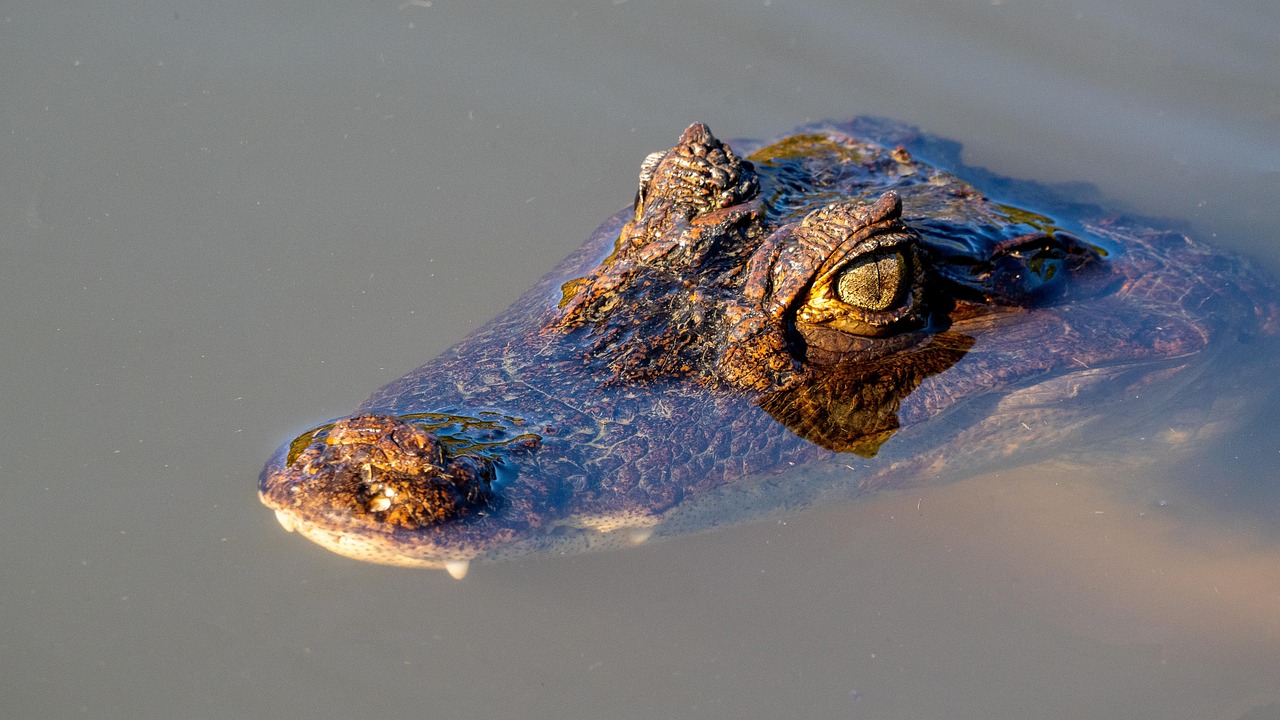
In 2010, a small passenger plane crashed in Africa as a result of a smuggled crocodile. A passenger had hidden a crocodile in their carry-on bag, and it escaped. The passengers panicked, getting out of their seats and rushing to the other side of the plane. Due to the small size of the plane, it was thrown off balance, and the pilots were unable to regain control.
Though the crocodile didn’t actually attack, its simple presence was enough to cause a panic that led to the death of twenty people. The surviving passenger revealed the truth about what had caused the crash, leading to stricter regulations about animal transport.
This incident demonstrated that sometimes the fear of animals can be more dangerous than the animals themselves. Human panic and poor decision-making in confined spaces can amplify a manageable situation into a deadly catastrophe, especially when illegal wildlife smuggling is involved.
The Game Lodge Guest Who Wanted a Pet
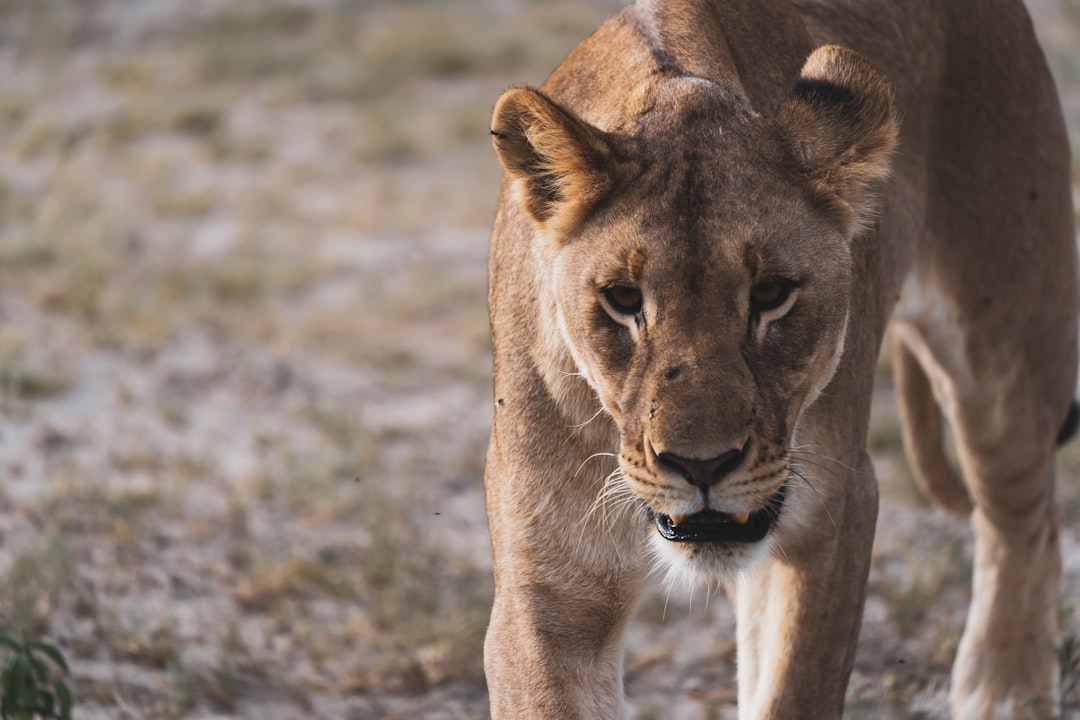
At the Tikwe River Lodge, a game lodge in South Africa, Pieter Nortje said, ‘Come here lovey, let daddy stroke you’ while waving his arm through the fence. The lioness then proceeds to sink her teeth into Pieter’s forearm, biting him down to the bone.
Nortje survived the attack but required extensive medical treatment and rehabilitation. His attempt to treat a wild predator like a domestic pet nearly cost him his arm. The incident was captured on video and became a stark reminder of the dangerous delusion that wild animals can be approached like pets.
Animals have no clue you just want a photo… Approaching a creature will certainly scare them! The lioness responded exactly as her instincts dictated when presented with what appeared to be prey reaching into her territory. Nortje learned that fences exist to protect humans, not to create photo opportunities with apex predators.
Conclusion
These nine incidents reveal a sobering pattern: most animal attacks result from human misunderstanding, overconfidence, or carelessness rather than malicious animal behavior. Indirect fatalities, occurring without animal contact, included traffic collisions, cardiac events, and falls triggered by animal encounters. Even when animals don’t physically attack, our fear and poor decisions can prove deadly.
The lessons are clear yet often ignored. Respect seasonal behaviors and give animals space during breeding seasons. Never feed wild animals or treat them as potential pets. Follow safety protocols completely, especially in dangerous habitats. Understand that captive animals remain wild and unpredictable. Most importantly, remember that our actions have consequences that extend far beyond our intentions.
What strikes me most about these stories is how preventable they were. Did you expect that simple mistakes like holding a toy or approaching during the wrong season could trigger such devastating consequences? What would you have guessed about human nature’s role in animal attacks?
