


The “jump yip” is a fascinating behavioral display observed in prairie dogs, small burrowing rodents native to the grasslands of North America. This gesture consists of a prairie dog standing on its hind legs, stretching its body upwards, and emitting a quick, sharp vocalization that resembles a “yip.” Understanding the purpose and context of this intriguing behavior can offer insights into these animals’ complex social lives and survival strategies.
Anatomy of a Jump Yip
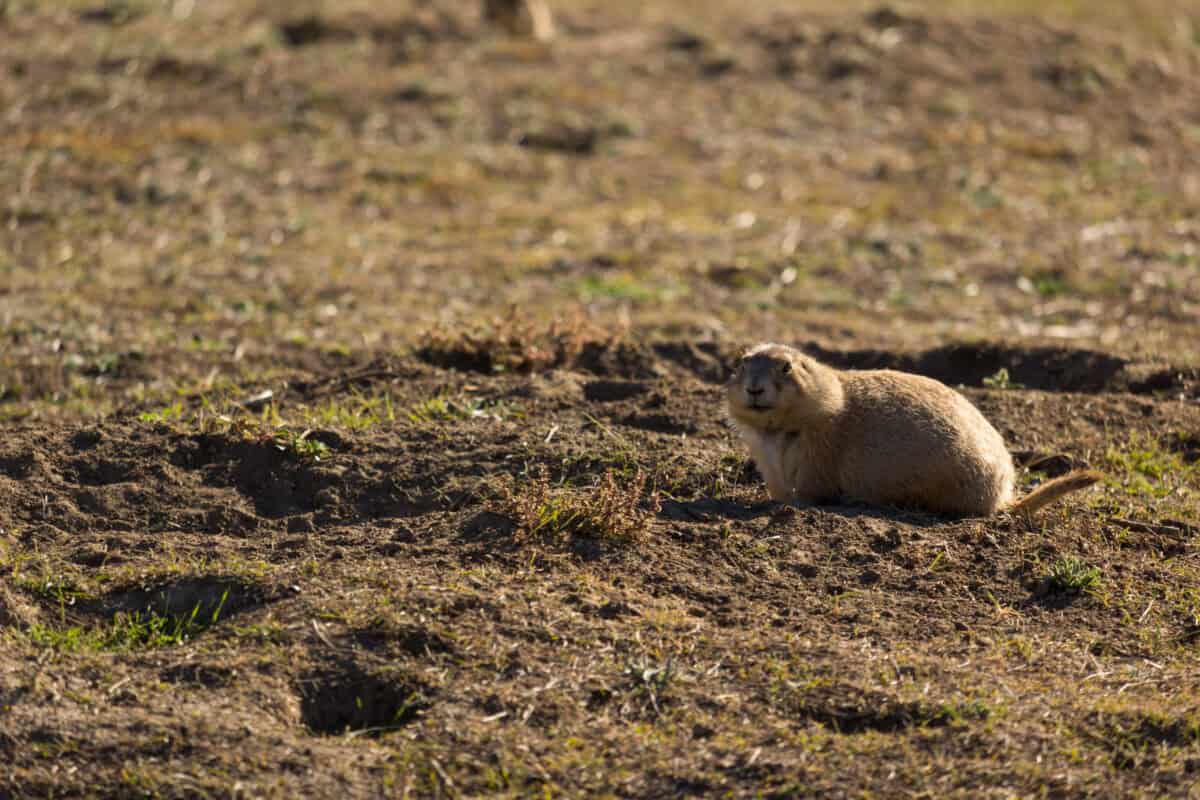
The jump yip is a multi-part movement that begins with a prairie dog rising onto its hind legs and extending its body skyward. In this posture, the prairie dog often throws its head back and lets out a high-pitched yip. This action might seem playful or random initially, but it serves several important functions in prairie dog society.
Communication in Prairie Dogs

Prairie dogs are highly social creatures with a rich repertoire of vocalizations and physical gestures used to communicate with one another. These interactions help to maintain the social structure of their colonies, signal the presence of predators, and coordinate movements. The jump yip is just one example of their sophisticated communication systems.
The Jump Yip as an Alert System
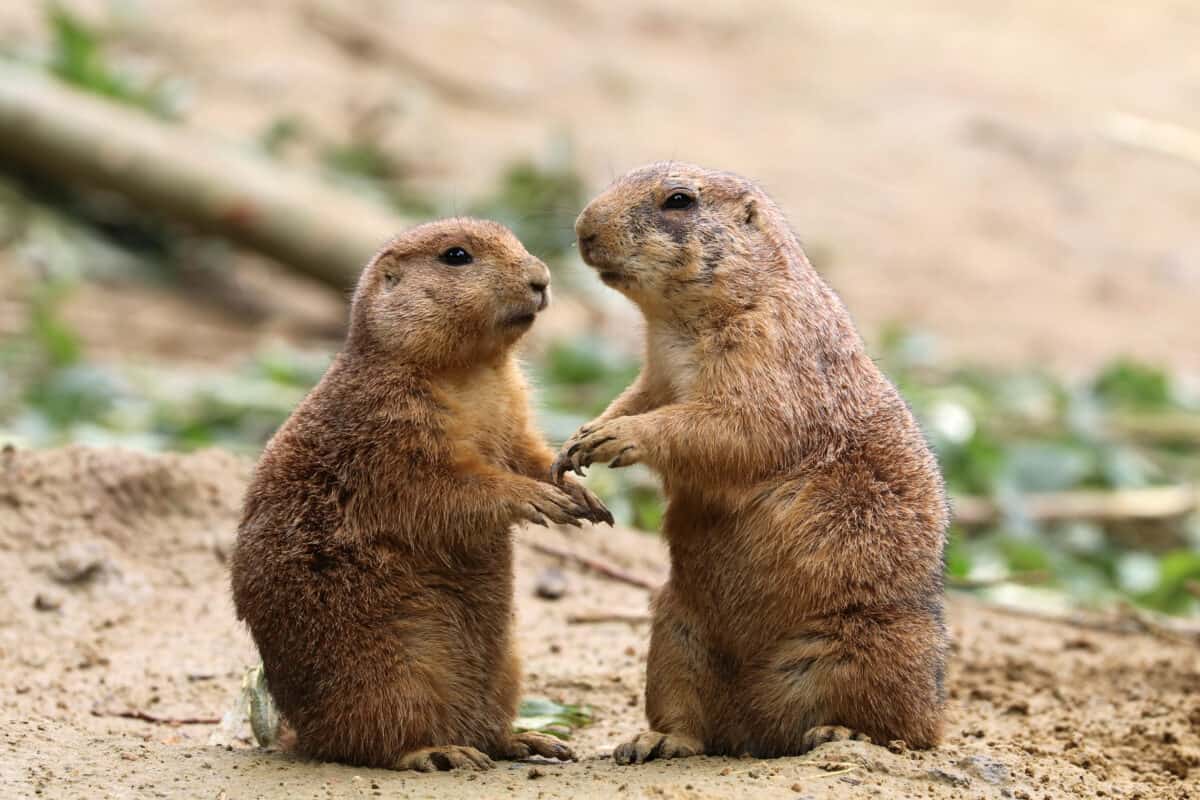
Among the primary theories about the purpose of the jump yip is its role as an alert mechanism. Prairie dogs are constantly on the lookout for predators such as hawks, coyotes, and snakes. The jump yip can act as a warning call, rallying the colony to pay attention and scan the environment for potential threats. This collective vigilance helps to maximize the safety of the community.
Group Coordination and Social Cohesion

Beyond its role in alerting others to danger, the jump yip is also thought to play a role in coordinating group activities and strengthening social bonds within the colony. By participating in the jump yip, prairie dogs reinforce their roles within the group and align with cooperative efforts, which is essential in their tightly-knit communities.
Energetic Display and Territory Marking

Some researchers propose that the jump yip may serve as an energetic display, showcasing an individual prairie dog’s vitality and fitness. This display could act as a territorial marker, signaling to neighboring colonies that the area is occupied by alert and healthy individuals who are ready to defend their homes.
Synchrony and Collective Decision-Making
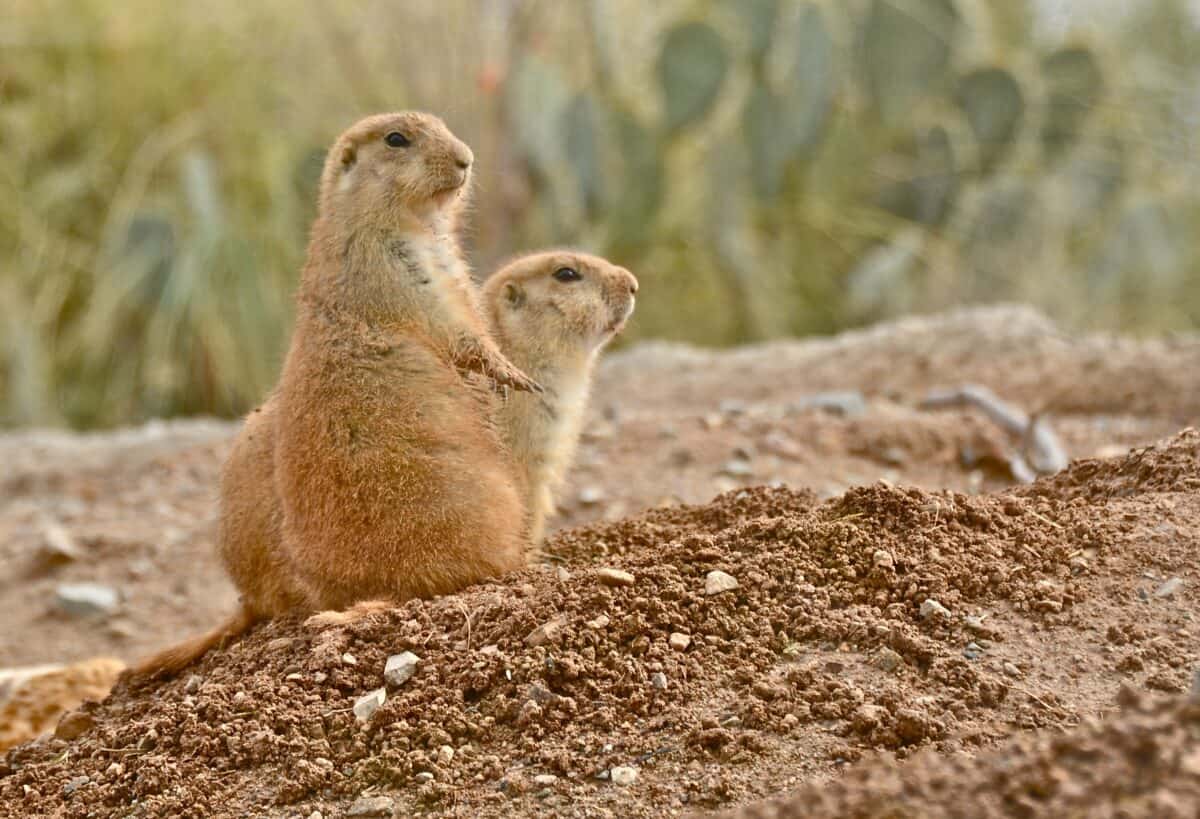
The jump yip often occurs in bouts where multiple prairie dogs participate, resulting in a wave-like effect across a colony. This synchronized action may facilitate collective decision-making, helping the group respond in unison to changing circumstances such as the perceived level of threat or the need to change locations.
Research Studies and Observations
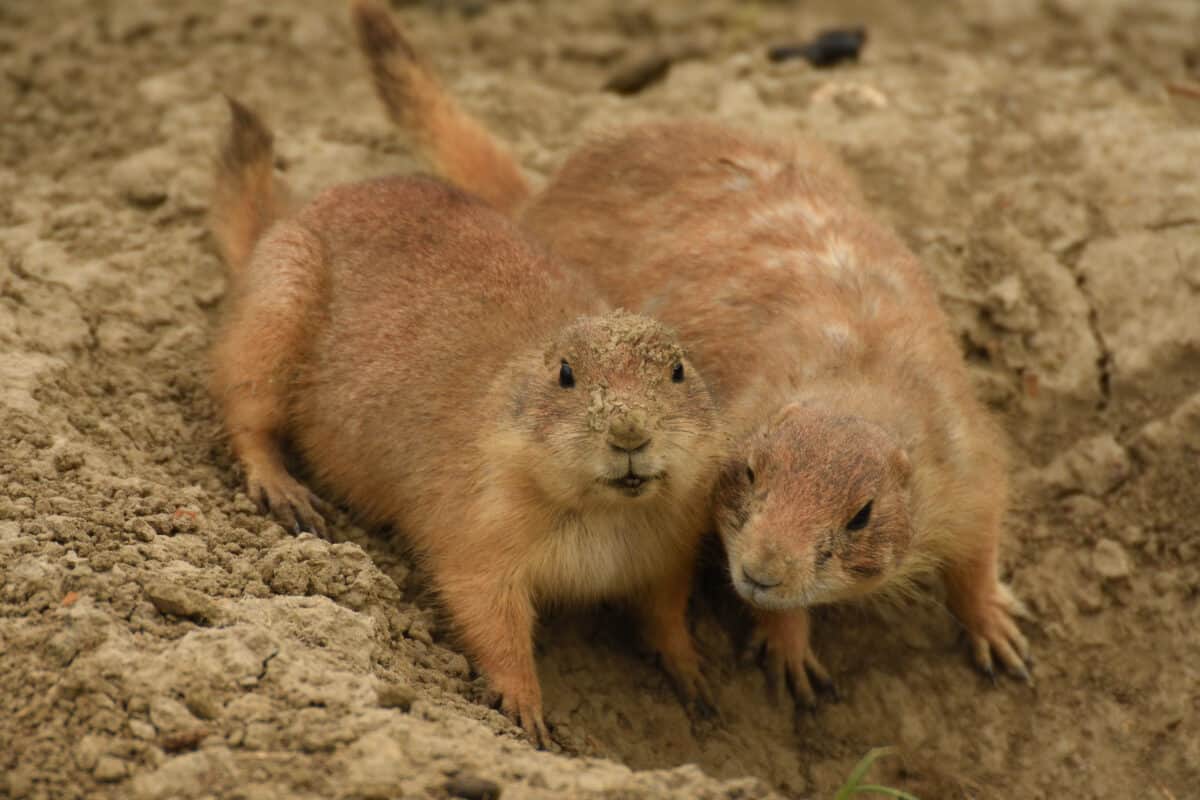
Numerous studies have been conducted to decode the jump yip behavior. Researchers employ various methodologies, including field observations, playback experiments, and video analysis, to understand the nuances of the jump yip. These studies have revealed the complexity of prairie dog communication and the potential adaptive functions of this behavior.
Comparisons to Other Animal Behaviors
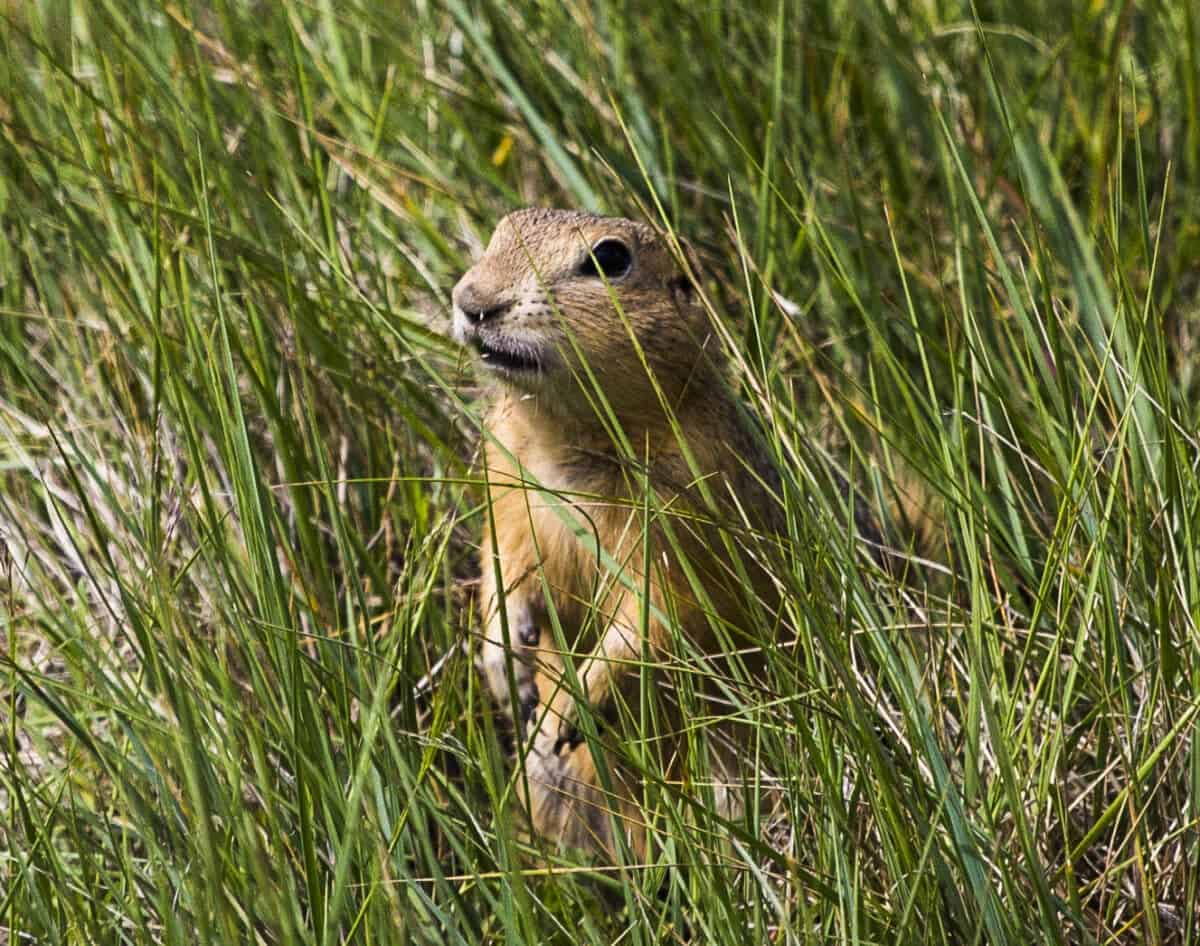
The jump yip is not unique in the animal kingdom. Similar behaviors can be observed in other social animals, such as wolves howling or meerkats standing sentry. Comparing these behaviors provides insight into how different species use group signals to address common ecological challenges such as predator avoidance and territory defense.
Implications for Prairie Dog Conservation
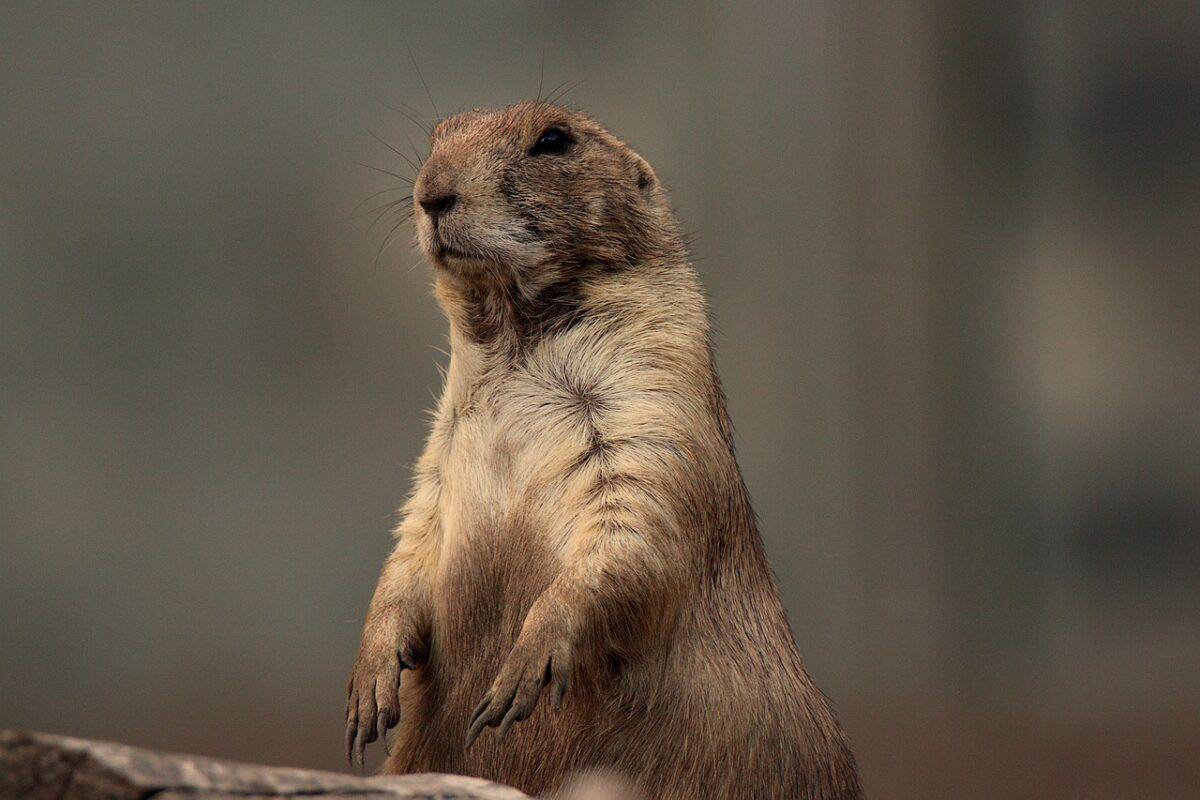
Understanding social behaviors like the jump yip is crucial for conservation efforts. Prairie dogs are considered a keystone species in North American grasslands, and their survival is vital for the ecosystem. Protecting their communication channels and social structures enhances conservation strategies, ensuring the health of both prairie dog populations and the broader environment.
Conclusion: The Jump Yip as a Window into Animal Communication
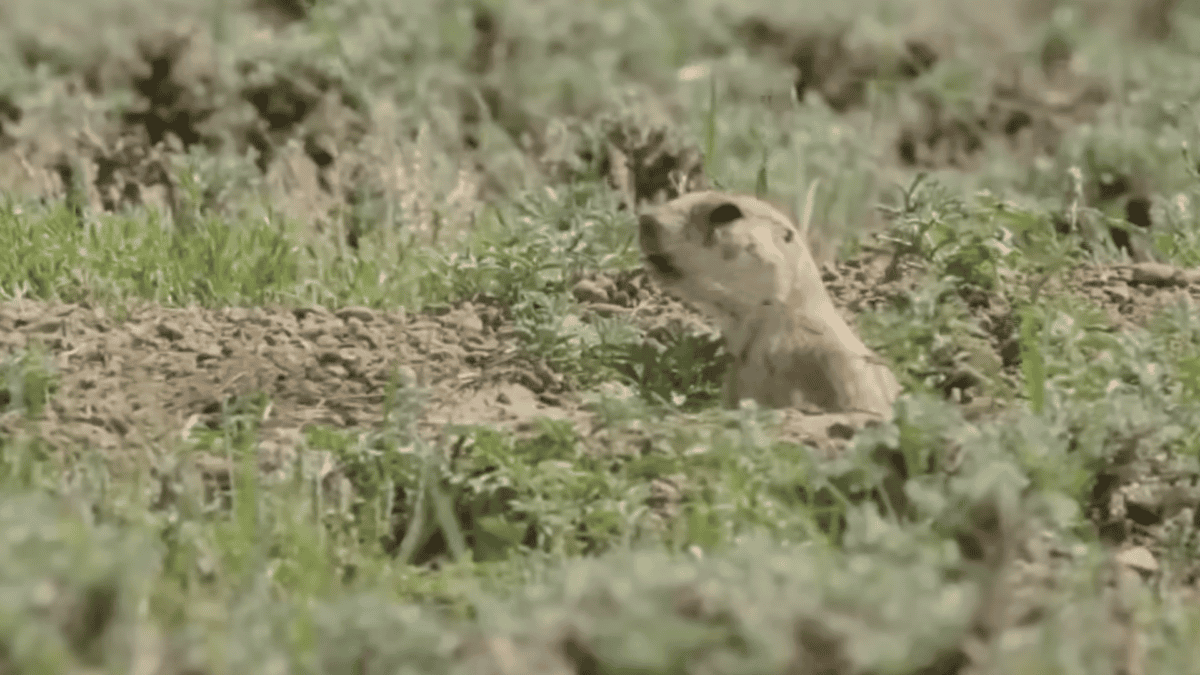
The prairie dog’s jump yip offers a fascinating glimpse into the world of animal communication and the intricate social dynamics of wildlife. By studying this behavior, we can gain greater appreciation for the communication strategies used by prairie dogs and other animals, enriching our understanding of their lives and the environments they inhabit.

As a little kid, I fell in love with nature, wildlife, and animals. Living in the USA, South Africa, Italy, China and Germany gave me the opportunity to discover the world's Wildlife. My favorite animals are Mountain Gorillas, Siberian Tigers, and Great White Sharks.
I'm a certified PADI Open Water Diver, went to Everest Base Camp and Trekked Gorillas in Uganda. I hold a Master of Science in Economics and Finance.
Please send any feedback to feedback@animalsaroundtheglobe.com
- Oceanography Says a Layer of Water Exists in the Pacific That Has Not Mixed With the Surface in Over a Thousand Years and What Lives There Defies Current Classification - June 26, 2026
- 12 Wild Animals That Build Homes Better Than Humans - June 26, 2026
- 13 Flight Patterns That Defy Gravity - June 26, 2026