


Idaho, known for its expansive wilderness, breathtaking landscapes, and abundant natural beauty, is also home to a wide variety of wildlife, some of which can be quite fearsome. From the well-known predators of the forests to the less visible creatures lurking in its waters, Idaho’s ecosystems are teeming with life that demands both respect and admiration. This article takes an in-depth look at 14 of Idaho’s most fearsome animals, exploring their habits, habitats, and the roles they play in the state’s ecology.
1. Grizzly Bear

The grizzly bear is one of the most iconic animals of Idaho. Known for their massive size and formidable strength, adult grizzlies can weigh between 400-800 pounds. These solitary bears are found in the northern and eastern parts of the state, particularly in the Yellowstone ecosystem. Grizzly bears are omnivorous, with diets ranging from berries and roots to fish and small mammals. While generally not aggressive towards humans, they are fiercely protective of their territory and cubs. Encountering a grizzly in the wild requires caution and respect.
2. Gray Wolf

After being reintroduced to Idaho in the mid-1990s, gray wolves have made a remarkable comeback. These apex predators are vital for maintaining ecological balance by controlling elk and deer populations. Wolves are highly social animals, living and hunting in packs that can range from 2 to over a dozen members. They communicate through vocalizations and body language, and their hauntingly beautiful howls can often be heard echoing through the wilderness regions of Idaho.
3. Mountain Lion
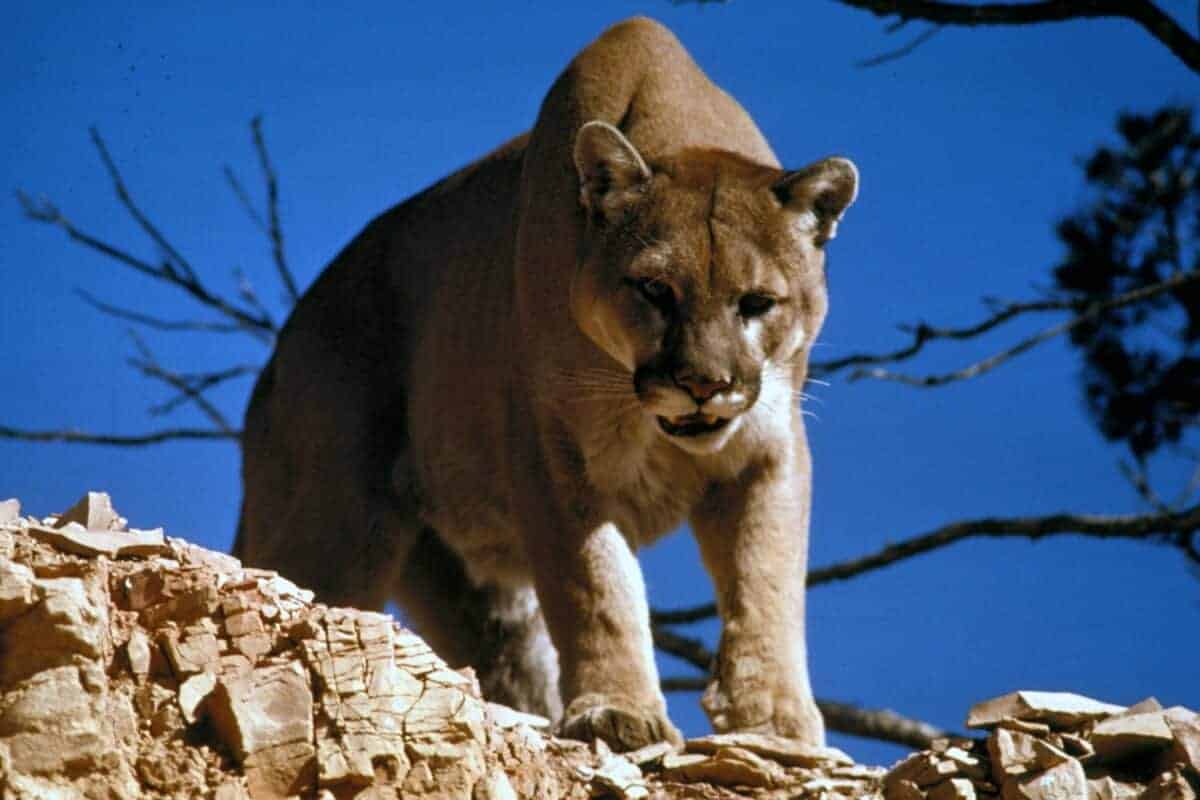
Also known as cougars or pumas, mountain lions are elusive apex predators that roam the forests and mountainous regions of Idaho. These big cats are incredibly adaptable and are known for their powerful build and stealth hunting techniques. Generally solitary, they are skilled hunters of deer and other small mammals, capable of taking down prey much larger than themselves. Mountain lions are rarely seen by humans, as they typically avoid human contact.
4. American Bison

While primarily associated with the plains, the American bison inhabits parts of Idaho’s wilderness areas as well. These massive animals are known for their powerful build, with adult males weighing over a ton. Bison are herd animals and play a crucial role in prairie ecosystems by grazing, which helps maintain the balance of plant species and promotes biodiversity. Though generally docile, they can be dangerous when provoked, capable of charging at high speeds when threatened.
5. Western Rattlesnake
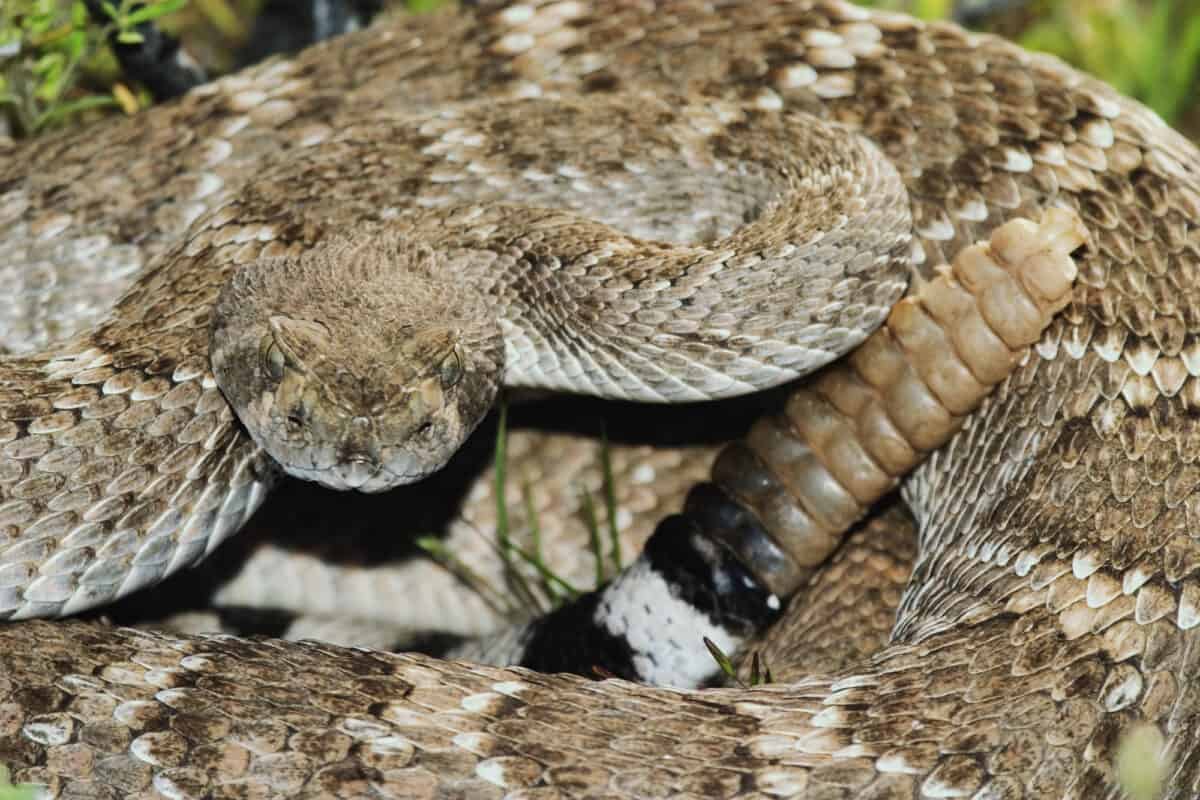
In the warmer and drier regions of Idaho, the Western rattlesnake, a venomous pit viper, can be found. Recognizable by its distinctive rattle sound, which is used as a warning to potential threats, the Western rattlesnake’s venom is potent, used to immobilize prey. While they aren’t aggressive unless provoked, it’s crucial to give these reptiles a wide berth if encountered in the wild. They primarily feed on rodents and other small mammals, playing an important role in controlling pest populations.
6. Black Bear

Idaho’s forests and mountains are also home to the less aggressive but equally intriguing black bear. Unlike their grizzly cousins, black bears have a more varied and less meat-centric diet, feeding on vegetation, fruits, nuts, and insects. These bears are excellent climbers and can be seen in wooded areas throughout the state. Although they are generally not as fearsome as grizzlies, black bears are still wild animals and should be treated with caution.
7. Bald Eagle

Symbolic of freedom, the bald eagle is a majestic bird of prey found near Idaho’s rivers and lakes. Known for their incredible hunting ability and keen eyesight, these eagles primarily feed on fish but will also hunt waterfowl and small mammals. They play a critical role as apex predators in their environment. With wingspans reaching over 7 feet, bald eagles are an awe-inspiring sight and an important conservation success story, having rebounded from the brink of extinction.
8. Moose

Moose are the largest members of the deer family and are commonly found in Idaho’s forested areas and wetlands. Recognized by their long legs, massive antlers, and humped shoulders, adult moose can stand over 6 feet tall at the shoulder. While they appear docile, they can be aggressive, especially during the rut or when calves are threatened. Moose are essential to Idaho’s ecosystem, aiding in plant growth management and providing prey for large carnivores like wolves and bears.
9. Elk
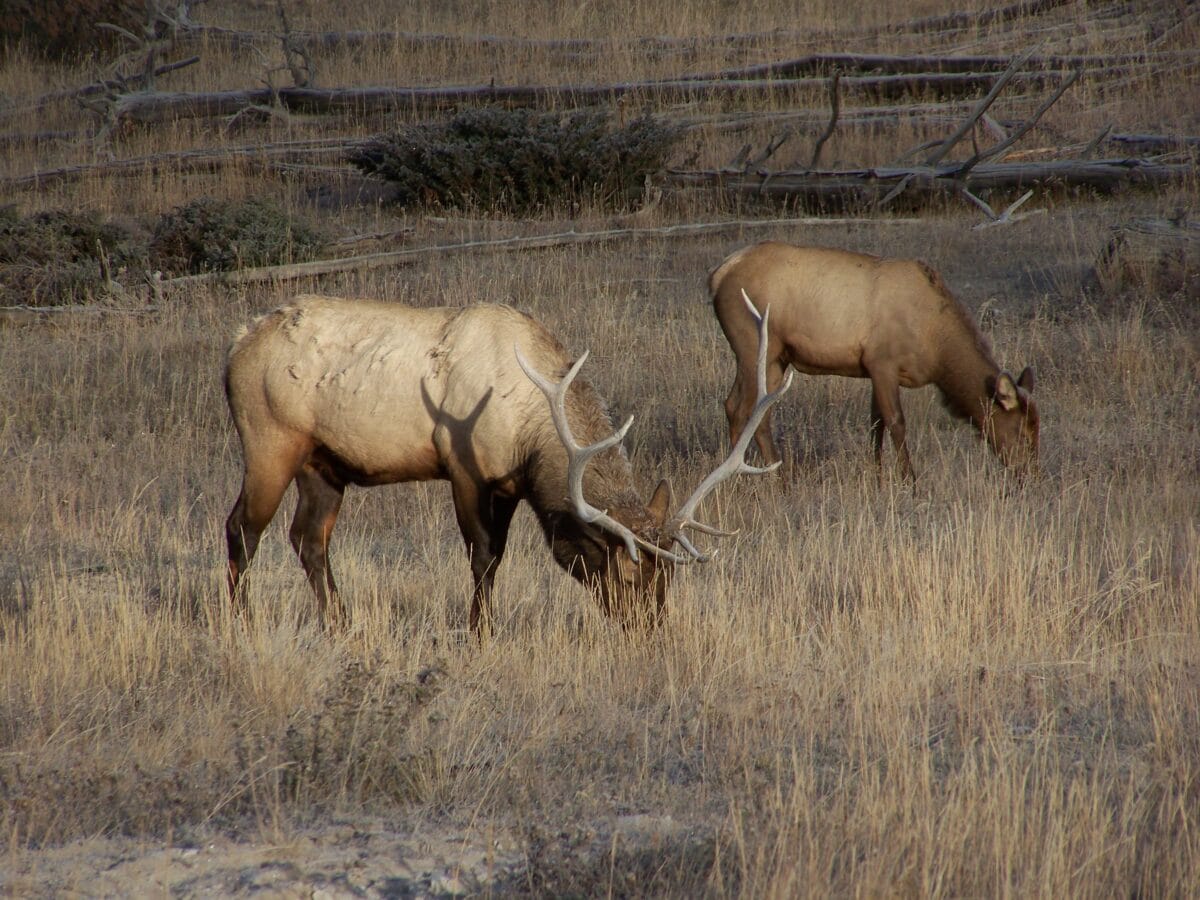
Elk, or wapiti, are one of the most prevalent large mammals in Idaho. These social animals are known for their impressive size and the haunting bugling calls made by males during the mating season. Elk play a significant ecological role, influencing vegetation patterns and serving as prey for large carnivores. They are frequently observed in a variety of habitats, from dense forests to open grasslands.
10. Wolverine
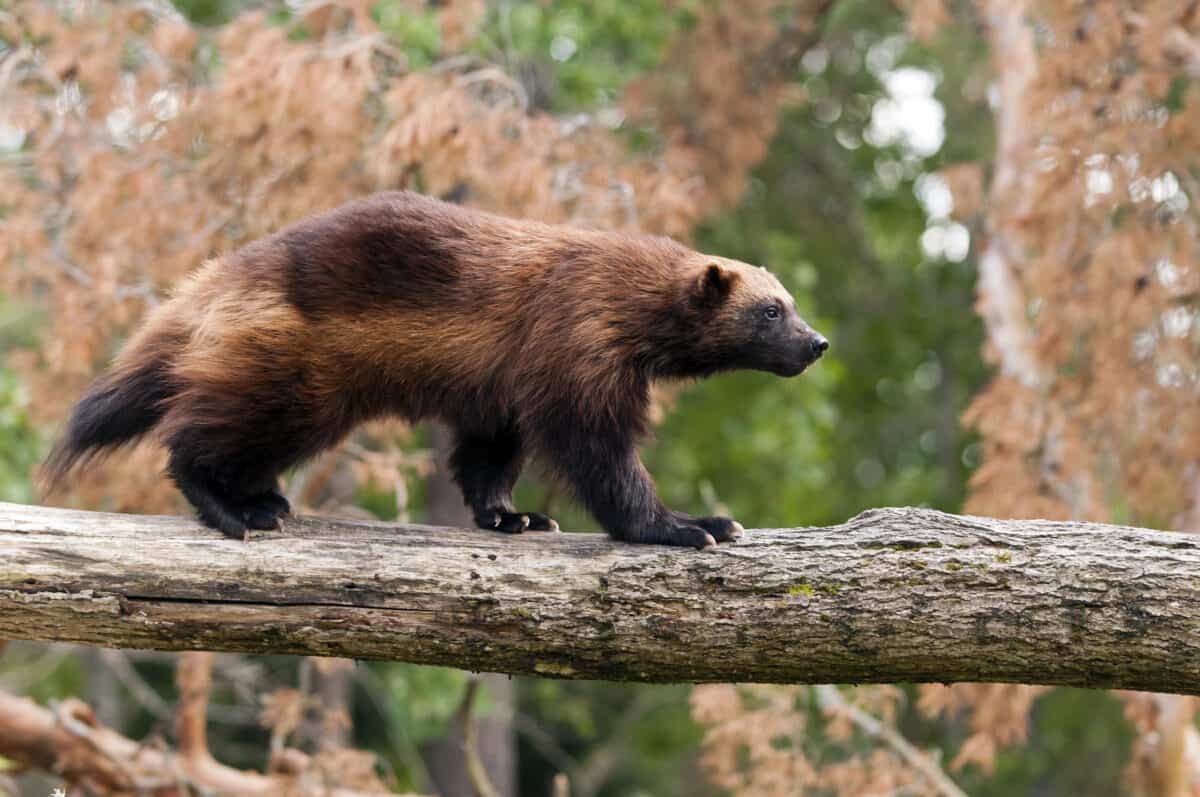
Wolverines are among the least understood yet most fascinating carnivores in Idaho. These solitary animals are known for their incredible toughness and strength, often taking on prey larger than themselves. Wolverines inhabit remote, rugged terrains, feeding on whatever they can catch or scavenge, including small mammals and carrion. Their elusive nature and vast range make spotting them a rare treat for those in Idaho’s wilderness.
11. Peregrine Falcon

Renowned for their unmatched speed, peregrine falcons are among the world’s fastest animals, capable of diving at speeds exceeding 200 miles per hour. In Idaho, these birds of prey can be found nesting on cliffs and high ledges, hunting tirelessly for smaller birds and mammals. Their recovery from a steep decline due to DDT pesticide exposure is a testament to successful conservation efforts.
12. Snapping Turtle

Despite their name, the common snapping turtle carries a fearsome reputation largely due to its powerful beak-like jaws and combative disposition when threatened. Found in wetlands and river habitats, these turtles feed on fish, amphibians, and even small birds. Though slow on land, they are adept swimmers and are an essential part of the aquatic ecosystems, contributing to the control of fish and invertebrate populations.
13. Lynx
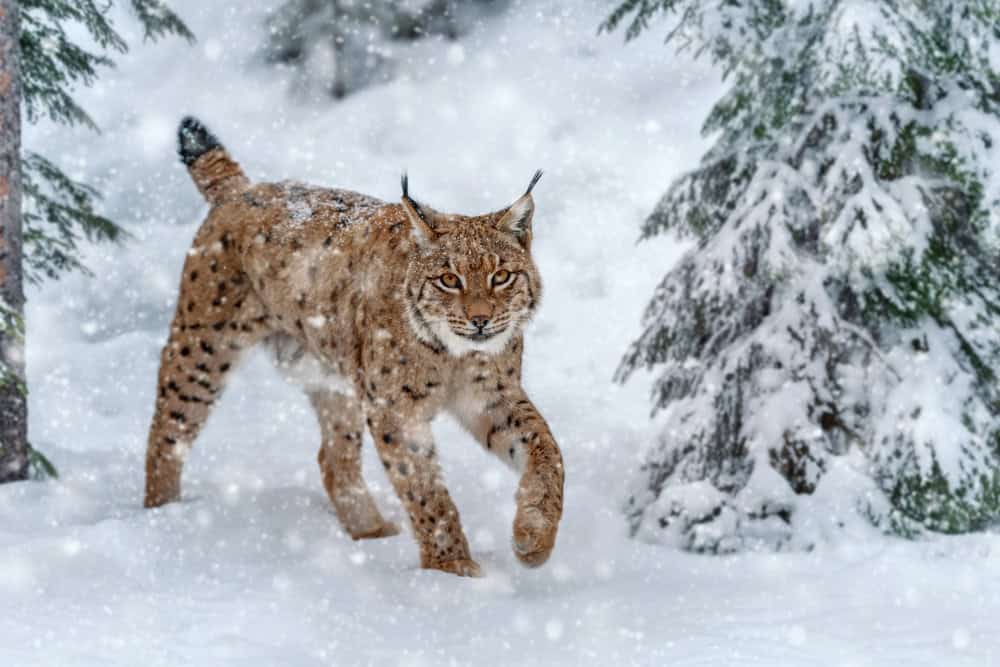
The lynx is a rare and elusive cat species inhabiting the dense forests of Idaho. Known for their tufted ears and remarkable stealth, lynx primarily prey on snowshoe hares but will also hunt other small mammals and birds. As a threatened species, they are a focus of conservation efforts within the state, reflecting the importance of protecting Idaho’s diverse wildlife habitats.
14. Bull Trout
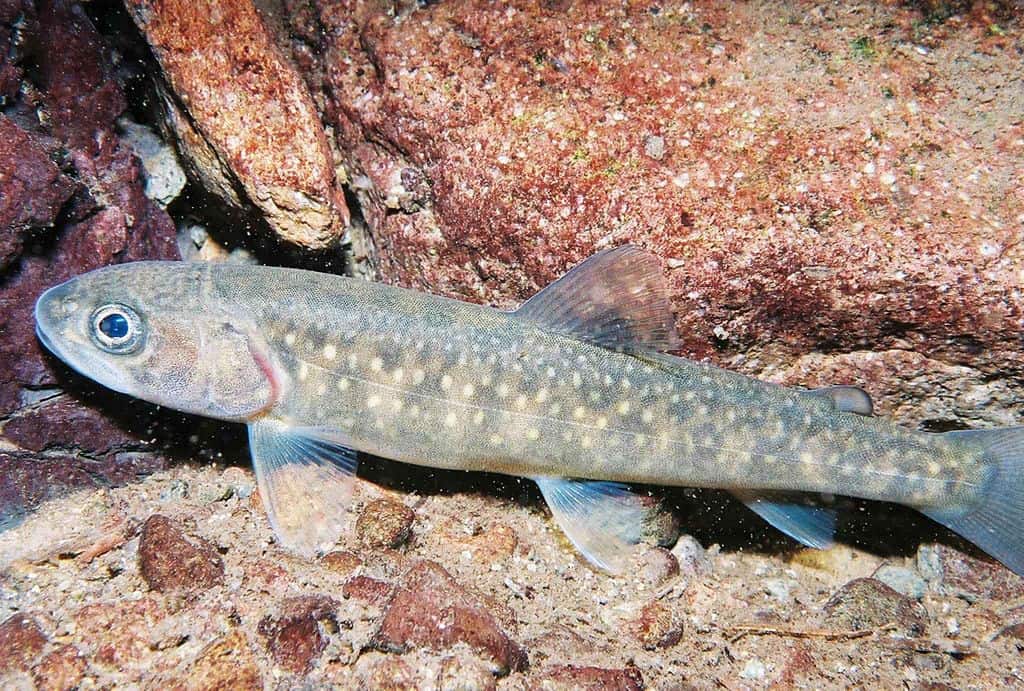
Bull trout, a cold-water fish, is Idaho’s only true native char species. These fish are important indicators of ecosystem health due to their sensitivity to water quality and temperature. Bull trout require clean, cold, and connected waters, and their presence signals a healthy aquatic environment. Fishing for bull trout is catch-and-release only, illustrating the importance placed on their conservation to ensure their populations thrive.
Conclusion
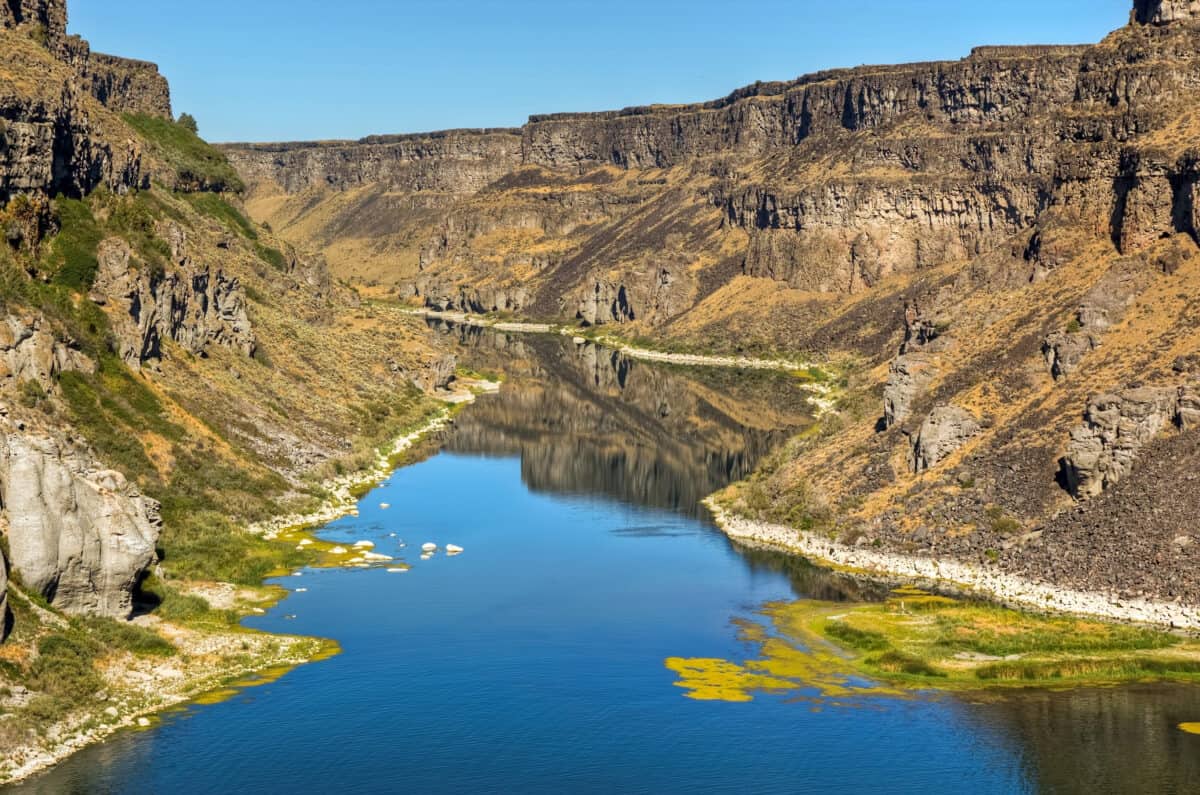
Idaho’s wilderness teems with wildlife that is both awe-inspiring and fearsome. From the mighty grizzly bears and cunning gray wolves to the swift peregrine falcons and elusive lynx, each of these animals plays an integral role in maintaining the balance of their ecosystems. By understanding and respecting these creatures, we can ensure that Idaho remains a haven for its diverse animal population, maintaining the delicate balance of nature that makes this region so unique.

From exploring the marine wonders in the Azores and witnessing the vast savannas of Kenya, to delving deep into the rich biodiversity of South Africa and traversing iconic landscapes in Australia and the US like Yellowstone, Chris's experiences are vast.
With a penchant for diving alongside sharks, the ocean holds a special place in his heart.
Through his academic insights, he champions wildlife conservation, striving with 'Animals Around The Globe' to cultivate a profound connection between humans and animals, enhancing our mutual appreciation.
Connect with him at Feedback@animalsaroundtheglobe.com.
- Animals and Wildlife in New York - July 26, 2026
- 15 Breeds That Shed the Most Hair - July 26, 2026
- Rhino vs. Hippo - July 26, 2026