


Worried about unexpected vet bills?
Pet insurance can cover thousands in unexpected vet costs. Get a free quote from Lemonade in under 2 minutes.
Get My Free Quote →Sponsored · Opens Lemonade.com
In 2050, the landscapes of America’s national parks may be both familiar and transformed. As stewards of these natural wonders, it’s essential to explore how climate change, conservation efforts, and technological advances might reshape the habitats and wildlife that define these cherished spaces. This article takes a forward-looking perspective on the future of US wildlife and offers insights into what we can expect from our national parks by the mid-21st century.
Influence of Climate Change on National Parks

Climate change stands as one of the most significant factors that will alter the face of national parks by 2050. Rising temperatures, shifting precipitation patterns, and more frequent extreme weather events will alter ecosystems and wildlife habitats. Species that rely on specific climate conditions may find themselves struggling for survival or migrating to new areas, potentially leading to changes in biodiversity within the parks.
Adapting to New Habitats

As habitats change, so too will the wildlife within them. Some species will thrive in new conditions, while others may face extinction. Conservationists predict that animals capable of rapid adaptation, such as certain birds and insects, will fare better. Conversely, species with specialized habitat needs, like polar bears and certain amphibians, may decline unless significant conservation efforts are implemented.
Technological Advances in Conservation

The future of US wildlife in national parks will be increasingly shaped by technological advancements. Drones, satellite tracking, and AI-driven data analysis offer novel ways to monitor and protect wildlife. These technologies enable more efficient management of resources and allow for real-time responses to environmental threats, thus playing a crucial role in safeguarding biodiversity.
Rewilding Initiatives

Rewilding initiatives are progressively becoming a key strategy in conservation efforts. These projects aim to restore ecosystems to their natural state, reintroducing native species that have been lost due to human activity. By 2050, such initiatives could see species like wolves and beavers playing significant roles in rebuilding healthy ecosystems within national parks.
Impact of Human Activity

Human activities, from urban expansion to agriculture, continue to present challenges for wildlife. Effective policies and sustainable practices are necessary to minimize these impacts. By 2050, increased awareness and education may lead to more balanced interactions between humans and the natural world, fostering coexistence and minimizing disruption to wildlife habitats.
Interagency Collaboration for Conservation

The future of wildlife within US national parks relies heavily on collaboration between multiple agencies and organizations. Federal, state, and local governments, along with private entities and non-profits, must work together to create cohesive strategies for conservation. Continued partnerships could enhance the effectiveness of policies aimed at preserving biodiversity.
Role of Indigenous Knowledge

Indigenous communities have long served as stewards of the land, possessing a deep understanding of their local ecosystems. Recognizing and integrating Indigenous knowledge into conservation strategies could offer new insights and solutions for managing national parks in the coming decades.
Visitor Education and Engagement
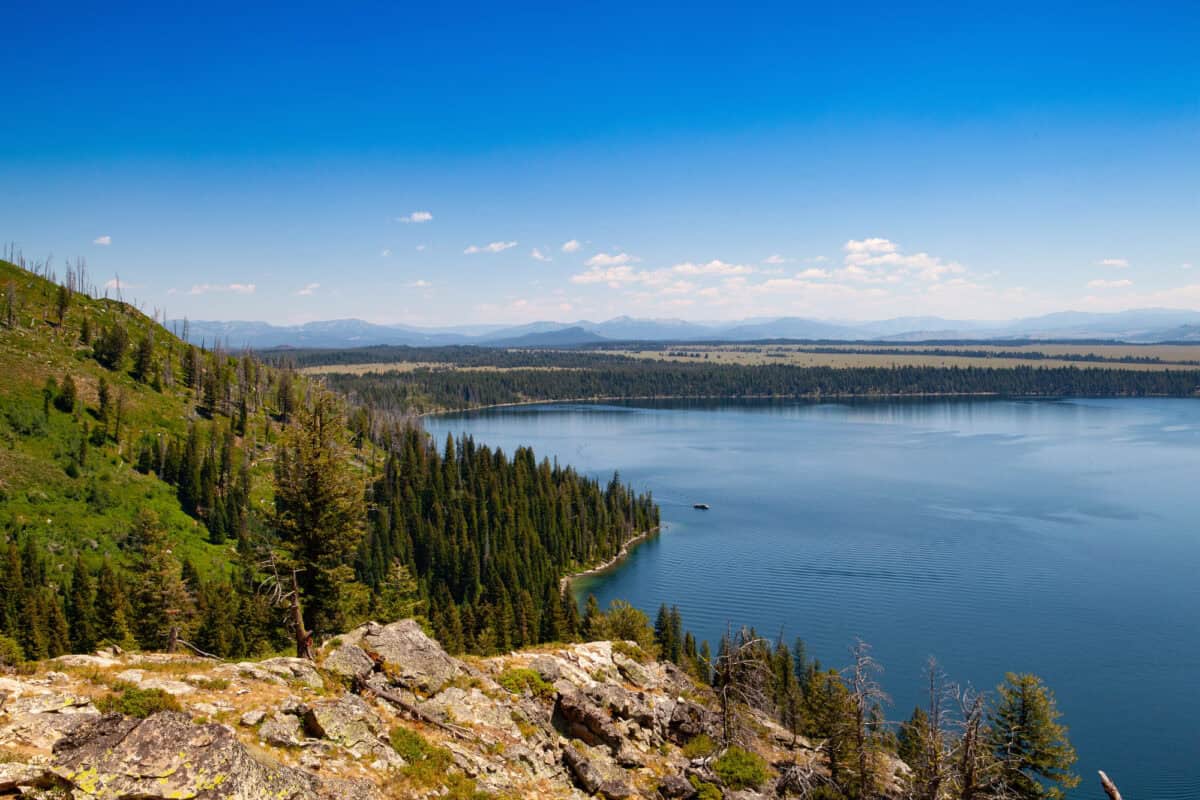
Educating park visitors about the significance of preservation and responsible wildlife interaction will remain paramount. By 2050, immersive technologies such as virtual reality may provide visitors with enhanced opportunities for engagement and learning, fostering greater appreciation and support for conservation efforts.
Protecting Endangered Species

Efforts to protect endangered species will be a focal point of conservation efforts in the coming decades. Strategic breeding programs, habitat restoration, and legal protections are expected to bolster populations of threatened species. By 2050, these measures could help prevent extinctions and promote resilience in vulnerable animal populations.
Innovative Park Management Strategies

Management strategies within national parks are set to evolve, incorporating scientific advances and new management tools. Adaptive management, which uses ongoing monitoring to inform practice, will become increasingly common. This approach allows for dynamic responses to changing environmental conditions, promoting more effective conservation of wildlife and habitats.
Urbanization and Its Effects

The encroachment of urban areas into wild landscapes poses significant threats to wildlife. By 2050, efforts to create urban green spaces and wildlife corridors may alleviate some of these pressures, providing essential habitats for wildlife even within highly developed areas. Balancing urban growth with the need for natural habitats is critical to preserving biodiversity.
The Role of Policy and Legislation

Future conservation success will depend on robust environmental policies and legislation. Lawmakers and conservationists must continue to collaborate to craft rules that protect wildlife and natural spaces. By 2050, policy frameworks will need to be adaptive and responsive to new challenges, ensuring that the legal foundations of conservation efforts are solid and forward-thinking.
To conclude, the future of US wildlife in national parks by 2050 is profoundly intertwined with technological, ecological, and social changes. While challenges such as climate change and urbanization loom large, collaborative efforts, innovative technologies, and inclusive policies offer hope for resilient and thriving ecosystems. It is only by embracing a holistic approach that we can ensure these natural treasures remain vibrant and diverse for generations to come.
Worried about unexpected vet bills?
Pet insurance can cover thousands in unexpected vet costs. Get a free quote from Lemonade in under 2 minutes.
Get My Free Quote →Sponsored · Opens Lemonade.com

From exploring the marine wonders in the Azores and witnessing the vast savannas of Kenya, to delving deep into the rich biodiversity of South Africa and traversing iconic landscapes in Australia and the US like Yellowstone, Chris's experiences are vast.
With a penchant for diving alongside sharks, the ocean holds a special place in his heart.
Through his academic insights, he champions wildlife conservation, striving with 'Animals Around The Globe' to cultivate a profound connection between humans and animals, enhancing our mutual appreciation.
Connect with him at Feedback@animalsaroundtheglobe.com.
- Why Sea Turtles Return to the Same Beach to Lay Eggs - June 10, 2026
- Why Pangolins Are the Most Trafficked Mammals on Earth - June 10, 2026
- 10 Animals with the Craziest Defensive Mechanisms in the Wild - June 10, 2026