


The ocean’s depths are a frontier less explored than the moon’s surface, with mysteries that continue to captivate. Among these enigmatic regions, the Mariana Trench stands out as the deepest part of the world’s oceans, stretching down nearly 36,000 feet. Here, under crushing pressure, stark darkness, and near-freezing temperatures, life finds incredible ways to thrive. This article explores ten bizarre creatures dwelling within this abyss, illustrating the remarkable adaptability of life under such extreme conditions.
The Frilled Shark A Living Fossil

The frilled shark, often described as a “living fossil,” is a fascinating species dating back 80 million years. Its eel-like body, measuring up to 7 feet long, navigates the deep ocean with undulating movements. This shark’s most distinctive feature is its elongated, frilled gill edges, which provide insights into evolutionary biology. Found lurking at depths of around 4,000 feet, frilled sharks feast primarily on squid, capturing their prey with a swift, snake-like bite.
The Goblin Shark Nature’s Nightmare

Named for its ghastly appearance, the goblin shark is a creature straight out of a nightmare. Found at depths of over 3,000 feet, it is distinguished by its elongated snout and protrusible jaws that snap forward to capture prey. This pink-skinned predator relies on electroreception to hunt in the pitch black of the trench, making it a marvel of evolutionary adaptation.
The Barreleye Fish A Deep-Sea Wonder
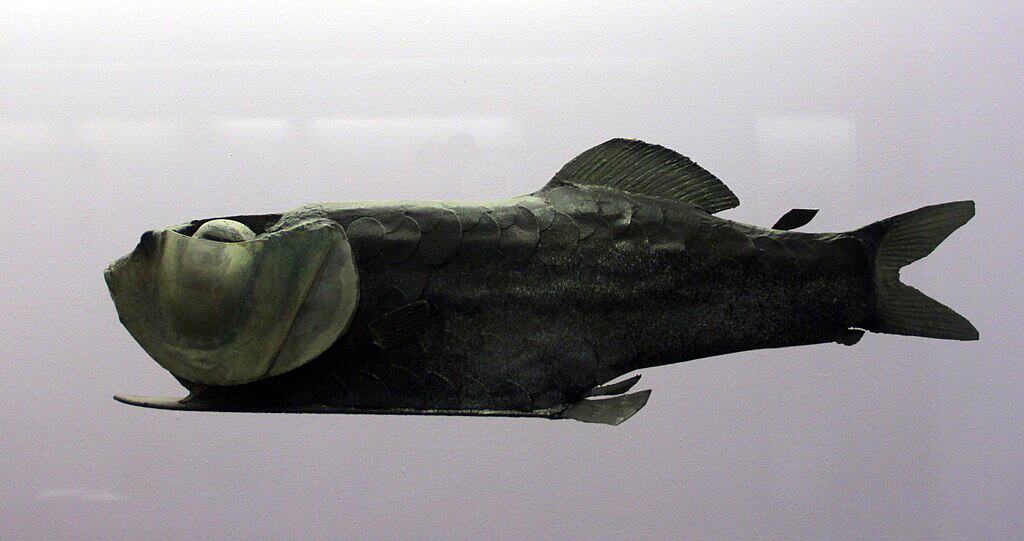
The barreleye fish is a peculiar resident of the Mariana Trench, best known for its transparent head. This adaptation allows it to perceive prey above while remaining motionless itself. Living at depths of up to 2,500 feet, its barrel-shaped eyes can rotate within its head, offering unparalleled binocular vision, essential for surviving in the dark, high-pressure environment.
The Sea Cucumber Bottom Dwellers of the Deep

Though not unique to the Mariana Trench, sea cucumbers are a prevalent species there, showcasing fascinating adaptations to extreme depths. These slow-moving creatures are scavengers, sifting through sediment to extract nutrients. Their simple yet effective way of life under such harsh conditions underscores the resilience of life itself, even in the deepest parts of the ocean.
The Deep-Sea Dragonfish A Lurker of the Abyss
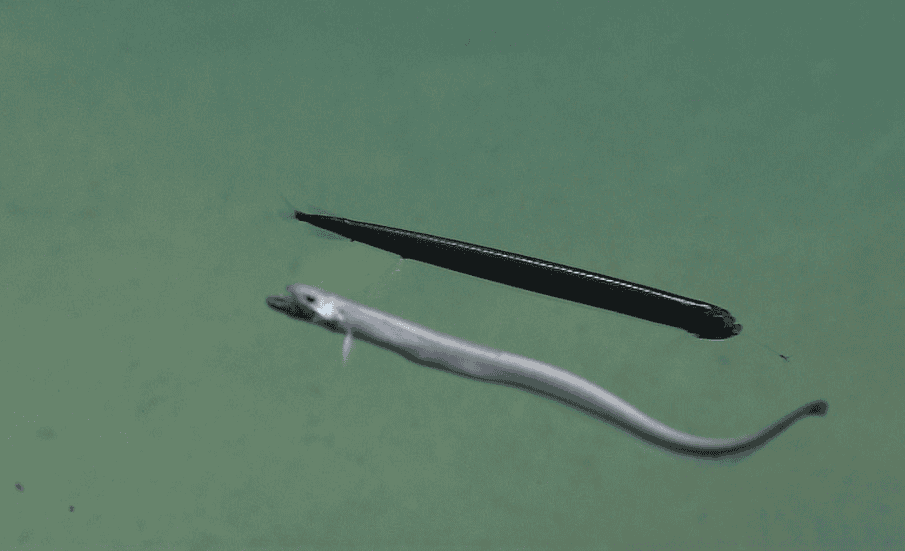
Braving depths of 5,000 feet, the deep-sea dragonfish is a formidable predator. This species is equipped with bioluminescent organs that lure prey and communicate with potential mates. Its build includes an extensile jaw filled with sharp teeth, allowing for efficient capturing of prey, which is crucial for survival in the nutrient-sparse depths of the trench.
The Dumbo Octopus An Endearing Deep-Dweller
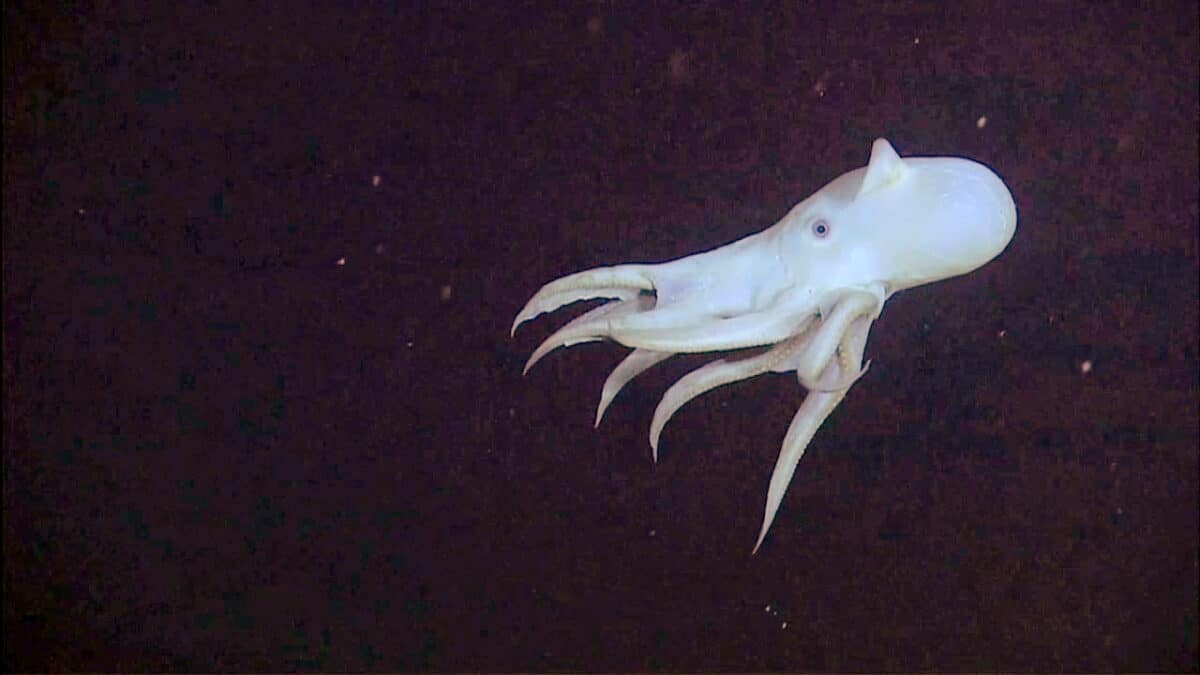
The dumbo octopus, so named for its ear-like fins reminiscent of Disney’s flying elephant, hovers gracefully through the trench. This endearing creature can inhabit depths surpassing 13,000 feet. Unlike other cephalopods, dumbo octopuses lack ink sacs, as they do not need such defenses in their sparse, predator-less environment. Their gentle flapping and ability to hover make them efficient hunters of small invertebrates.
The Amphipod Hardy Miniature Survivors
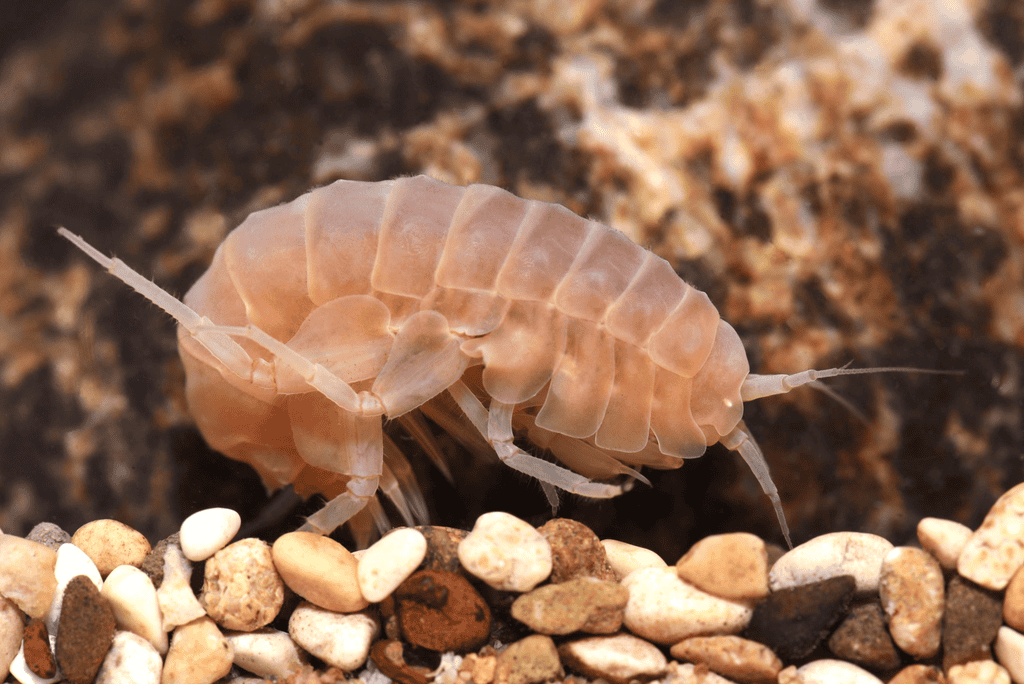
Among the trench’s most astonishing tiny residents are amphipods, small crustaceans thriving under extreme pressures up to eight tons per square inch. These creatures, some transparent and some colorful, play a crucial role in the trench’s ecosystem by breaking down organic matter. Their hardiness and adaptability signify the resilience of life forms in one of Earth’s most inhospitable regions.
The Fangtooth Fish Fearsome Appetites

The fangtooth fish might look terrifying with its disproportionately large teeth and gnarled appearance, but it remains a small creature, rarely surpassing six inches long. Residents of waters as deep as 16,000 feet, these fish have adapted to a low-light, high-pressure environment, using their intimidating looks and sharp senses to hunt smaller fish and crustaceans.
The Snailfish Pioneers of Deep-Sea Exploration

Snailfish are among the deepest-living known fish, with some species found over 26,000 feet beneath the ocean’s surface. They exhibit a blobby, gelatinous form allowing them to withstand incredible pressure. Snailfish predominantly feed on small crustaceans and play a vital role in the deep-sea food chain, typifying the enigmatic life thriving in the trench’s perpetual darkness.
The Atolla Jellyfish Bioluminescent Beacons

The Atolla jellyfish is an entrancing beacon of light, descending to depths that few can withstand. Its bioluminescence sets off emergency signals—flashes that can confuse predators and attract secondary threats, distracting attackers in a high-stakes game of survival. This glowing wonder marvelously illustrates the deep ocean’s reliance on bioluminescence as a lifeline.
Conclusion:
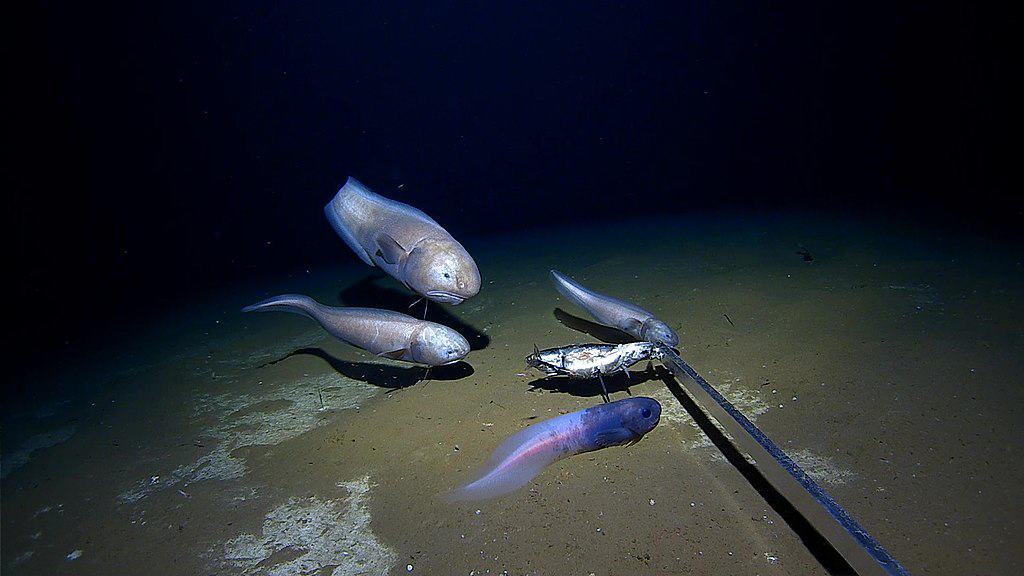
The Mariana Trench continues to be a haunting yet inspiring testament to nature’s ingenuity. The creatures inhabiting this dark abyss reveal adaptations that challenge our understanding of life on Earth, pushing the boundaries of biological possibility. As exploration technologies advance, we anticipate unveiling even more of the trench’s hidden wonders, contributing profoundly to our knowledge of life’s resilience in extreme environments.

As a little kid, I fell in love with nature, wildlife, and animals. Living in the USA, South Africa, Italy, China and Germany gave me the opportunity to discover the world's Wildlife. My favorite animals are Mountain Gorillas, Siberian Tigers, and Great White Sharks.
I'm a certified PADI Open Water Diver, went to Everest Base Camp and Trekked Gorillas in Uganda. I hold a Master of Science in Economics and Finance.
Please send any feedback to feedback@animalsaroundtheglobe.com
- The Best Ways to Introduce New Fish to an Existing Aquarium - July 30, 2026
- 10 Creatures With the Strongest Jaws on Earth - July 30, 2026
- 14 Animals Endangered in the U.S. And Whats Being Done - July 30, 2026