


Beneath our bustling cities, serene countryside, and even our own homes, lies a mysterious world that’s often overlooked. These mysterious underground realms are laden with secrets, history, and natural wonders waiting to be explored. Each hidden world tells a story of time, transformation, and survival, offering a glimpse into the unseen. Join us as we journey into 14 fascinating subterranean settings that captivate the imagination.
14. The Cave Cities of Cappadocia
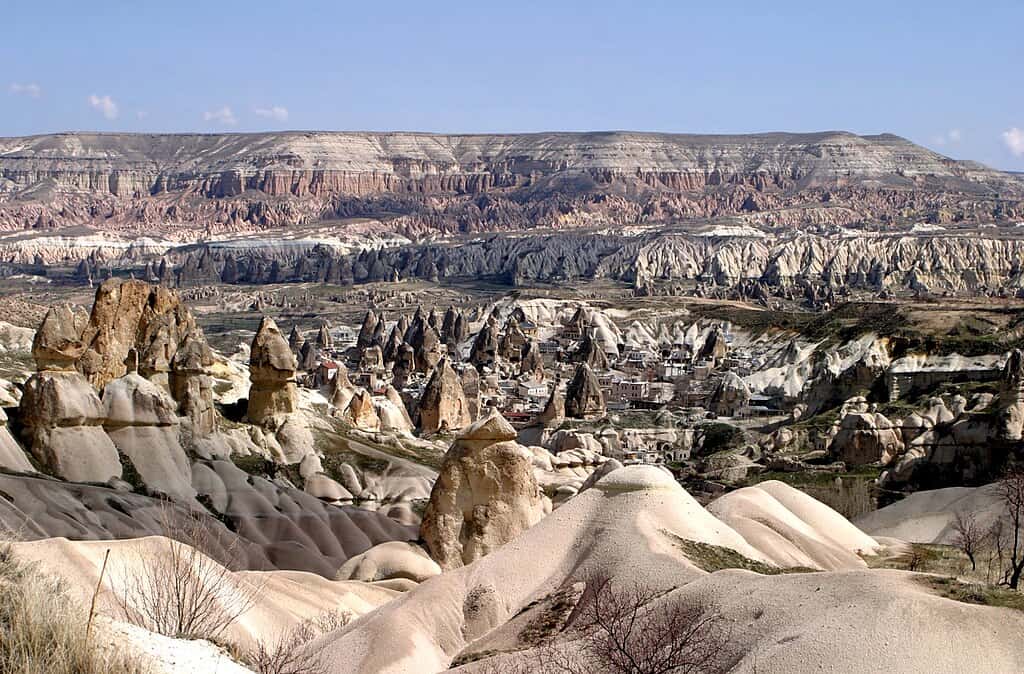
The region of Cappadocia in Turkey is famous not just for its mesmerizing landscapes of cone-shaped rock formations but also for its intricate underground cities. Thousands of years ago, civilizations carved these vast cities into the soft volcanic rock to find refuge from invaders. The cities, such as Derinkuyu and Kaymakli, boast multiple floors of living quarters, kitchens, wineries, churches, and more. These ancient labyrinths could shelter tens of thousands of people, making them a marvel of early urban planning.
13. The Mammoth Cave National Park

In Kentucky, USA, lies the expansive Mammoth Cave system, the world’s longest known cave system, with more than 400 miles explored. Designated as a UNESCO World Heritage Site, this astounding natural structure boasts a rich history and an ecosystem brimming with unique species. The cave provides a habitat for rare animals like the eyeless cave fish and features awe-inspiring stalactites and stalagmites, offering a surreal underground spectacle.
12. The Paris Catacombs
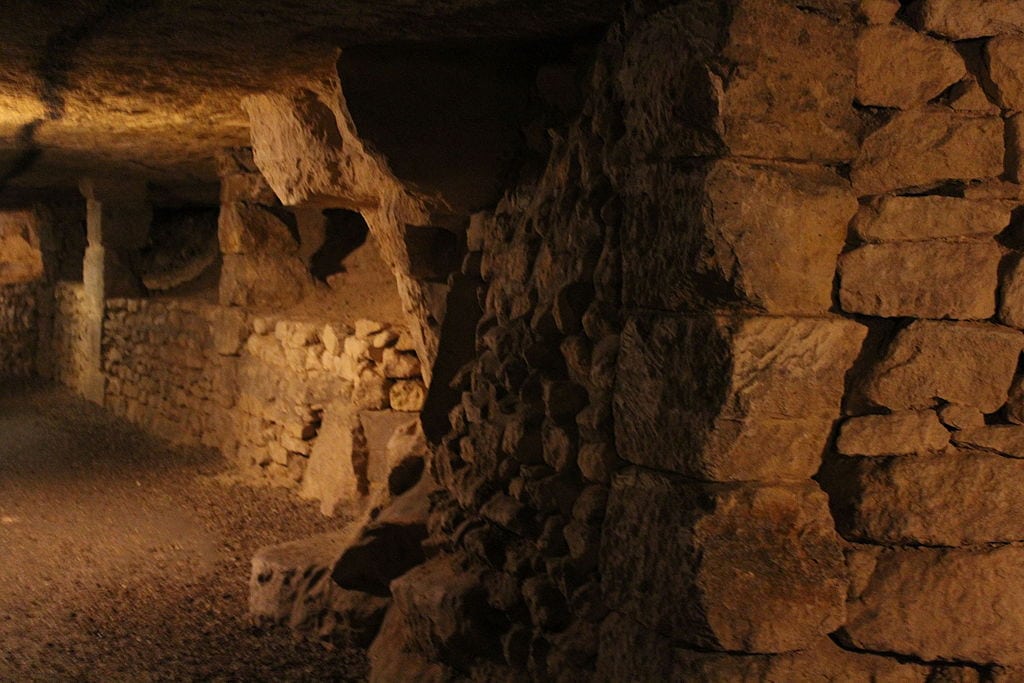
The Paris Catacombs, one of the city’s most macabre attractions, hold the remains of over six million Parisians. Originally limestone quarries, this subterranean ossuary was developed in the late 18th century to address the issue of overcrowded cemeteries. Today, the catacombs are open to the public, where visitors can wander among intricately arranged skulls and bones in a reminder of the city’s layered past.
11. The Ancient City of Petra
While most famous for its monumental rock-cut architecture, much of Petra in Jordan extends underground. The Nabataeans, an ancient Arab people, engineered an elaborate system of reservoirs and cisterns to support this city in a desert climate, many of which lay beneath its surface. This complex water management system highlights the ingenuity and adaptability of its former inhabitants.
10. The Salt Mines of Wieliczka

Located in Poland, the Wieliczka Salt Mine is an evocative world of underground caverns and tunnels that have been a source of salt since the 13th century. As one of the world’s oldest operational mines, it features breathtaking chapels, sculptures, and lakes all carved from salt. Today, it stands as a testament to human perseverance and creativity, enchanting visitors with its ethereal beauty.
9. The Coober Pedy Underground Homes
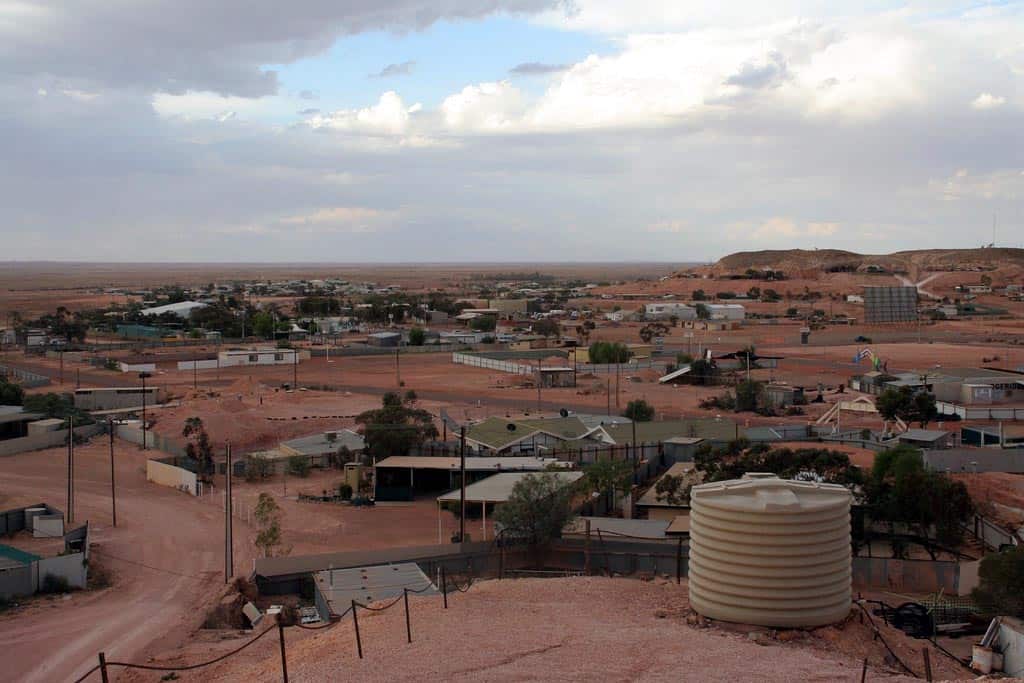
In the Australian outback lies Coober Pedy, a town where extreme heat has driven residents underground. Known as the opal capital of the world, Coober Pedy’s dugouts offer refuge from the scorching temperatures above. These subterranean homes are remarkably cozy, complete with typical amenities found in above-ground dwellings, offering a unique solution to harsh climate challenges.
8. The Underground River of Puerto Princesa
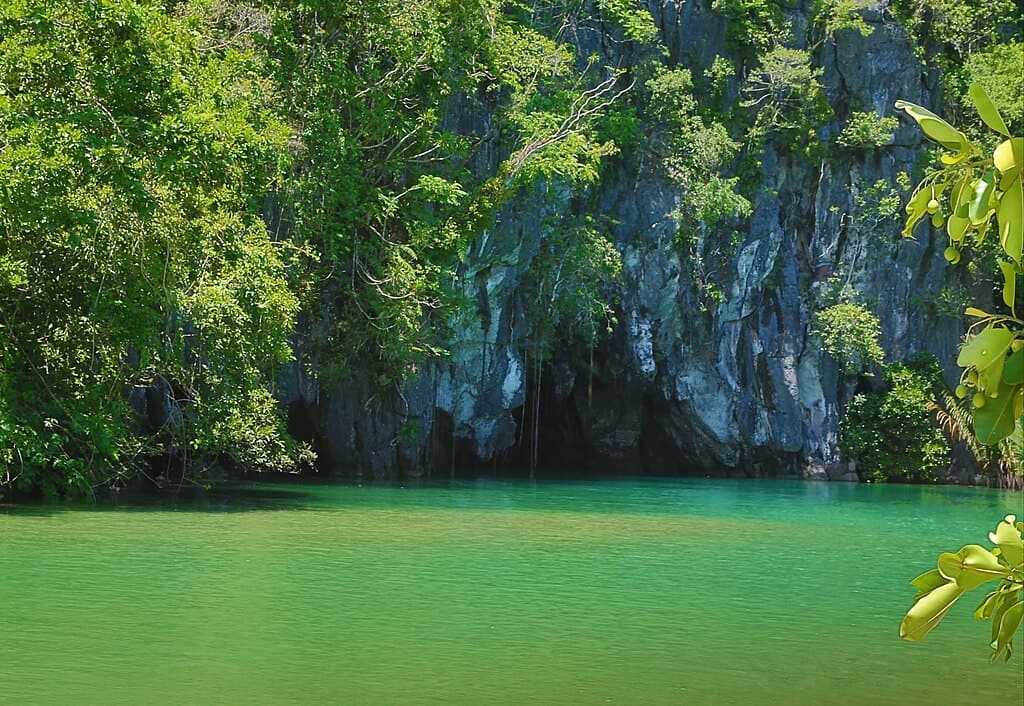
Located on the island of Palawan in the Philippines, the Puerto Princesa Underground River is one of the New Seven Wonders of Nature. This navigable underground river winds through a stunning cave system, offering glimpses of impressive rock formations and large chambers as it flows directly into the ocean. Its ecological value and untouched beauty provide an extraordinary example of nature’s hidden marvels.
7. The Svalbard Global Seed Vault
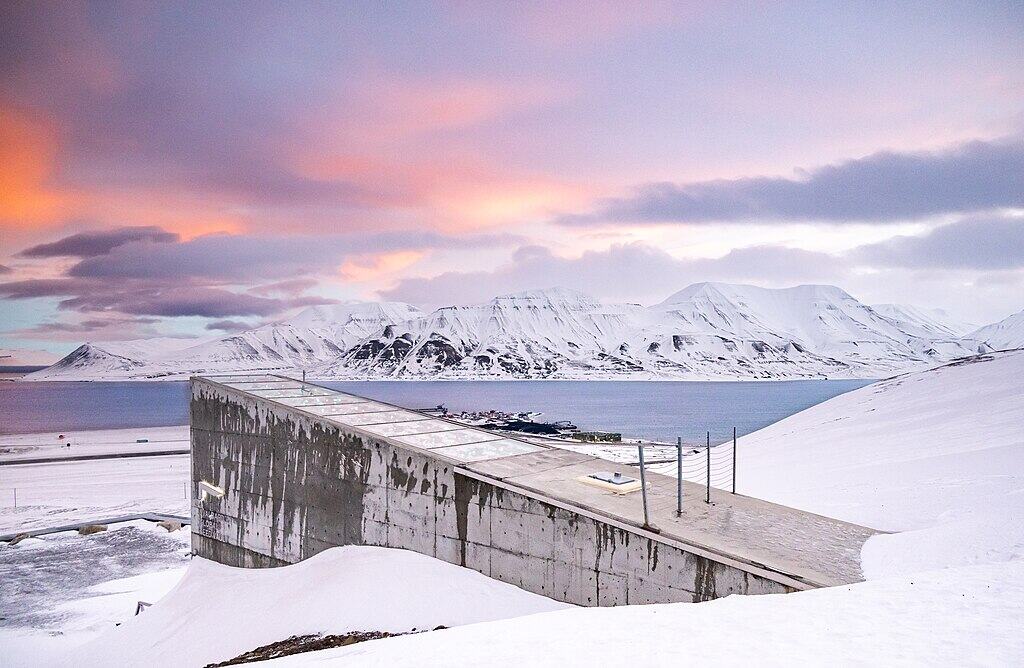
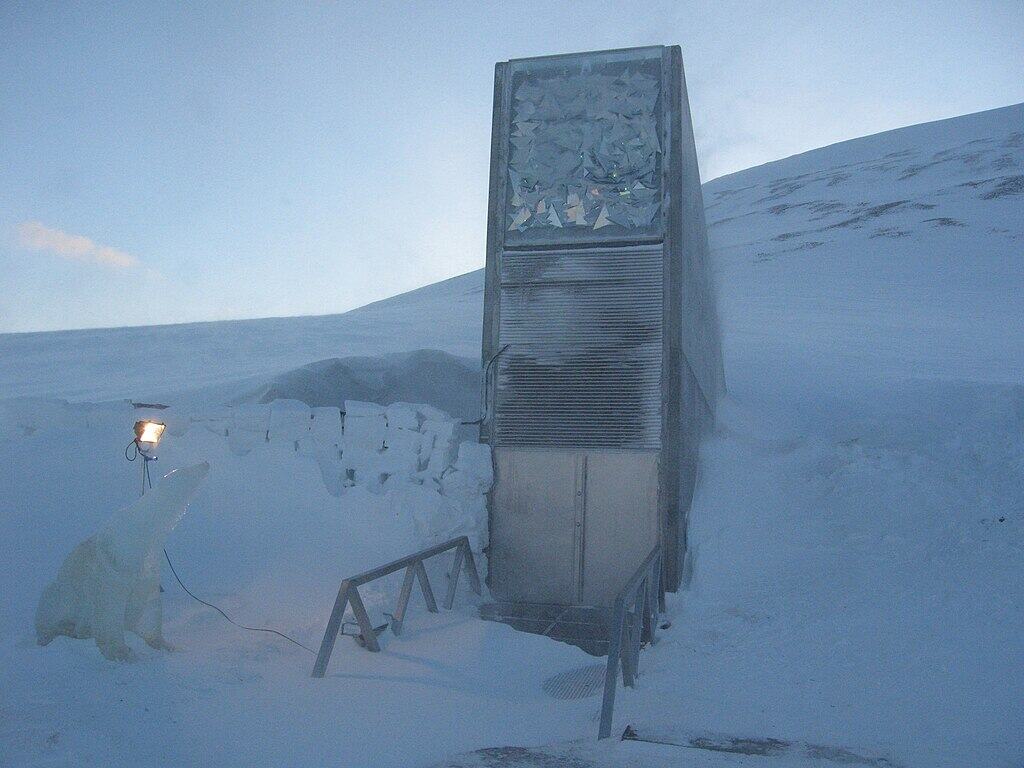
Perched atop the Arctic’s permafrost on the Norwegian archipelago of Svalbard, the Global Seed Vault serves a crucial role. It secures a vast genetic library for food crops across the globe, acting as a safeguard against plant calamities. Built deep into a mountain, the vault is designed to withstand economic turmoil, natural disasters, and climate threats, ensuring the preservation of biodiversity.
6. The Placeholder for China’s Underground Terracotta Army
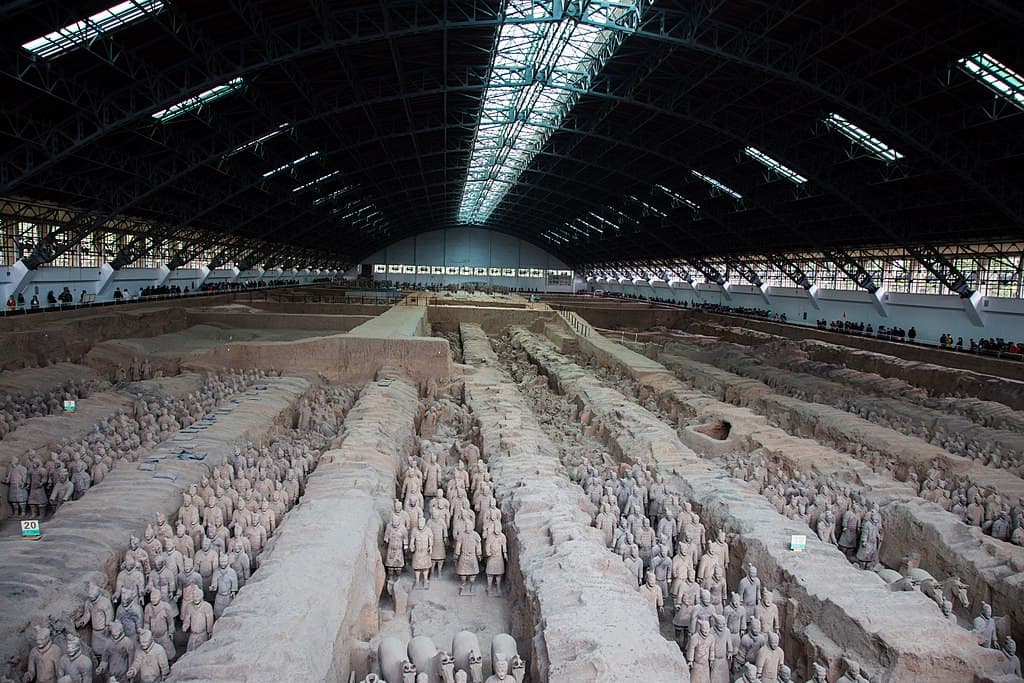
A vast underground city of clay soldiers and horses, China’s Terracotta Army guards the tomb of Emperor Qin Shi Huang, the first emperor of China. Discovered in 1974 by local farmers, these life-sized figures were meant to accompany the emperor into the afterlife. Each soldier bears unique features, illustrating the exceptional craftsmanship of ancient China.
5. The Lava Tubes of Hawaii
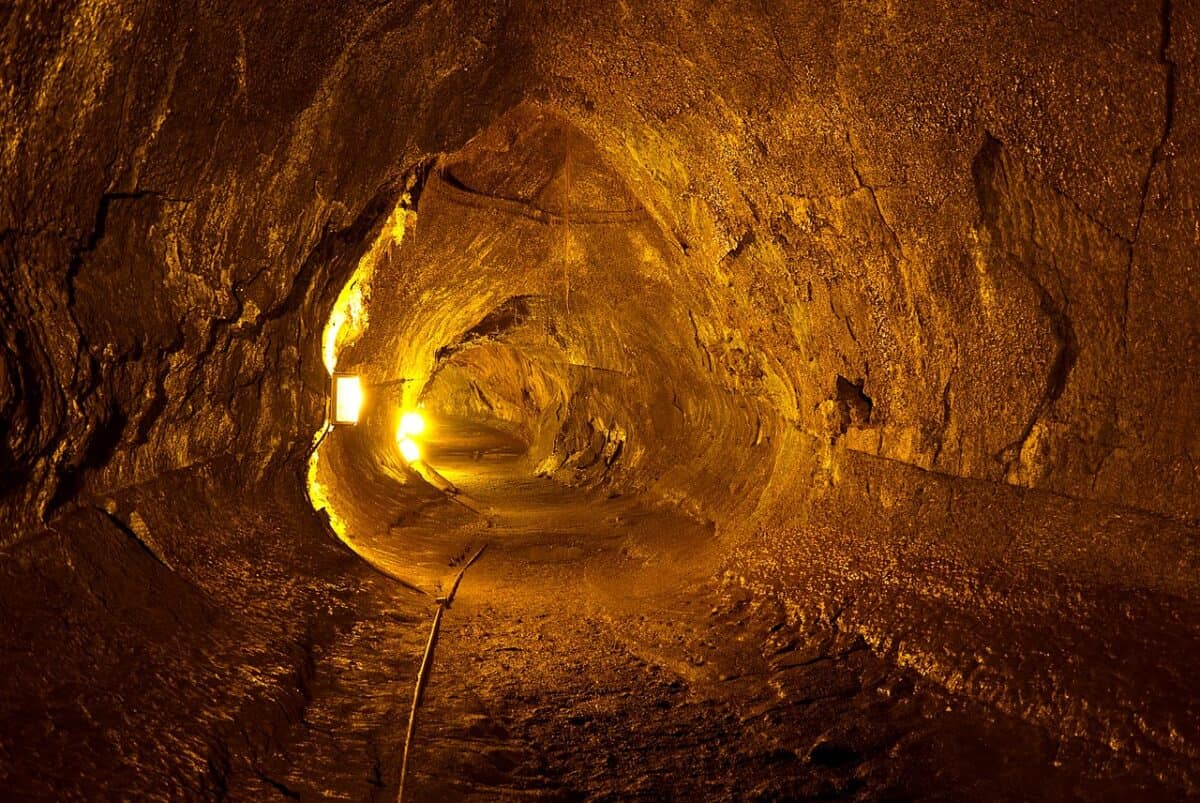
Formed from flowing lava, the Hawaiian Islands’ lava tubes are spectacular underground passages. As the surface of a lava flow cools and hardens, the liquid lava beneath continues to flow and eventually drains, leaving behind a tunnel. These tubes, like the ones at Hawaii Volcanoes National Park, are renowned for their geological significance and the insights they provide into volcanic activity.
4. The Subterranean Laboratory at Gran Sasso
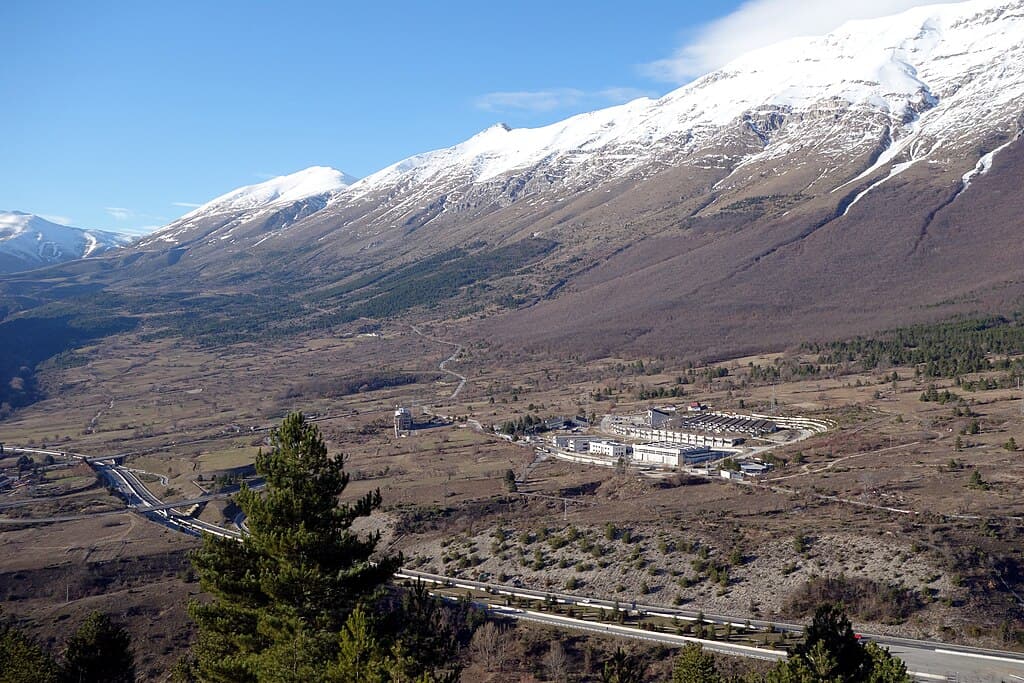
The Gran Sasso National Laboratory, located beneath the mountains of Italy, is one of the largest underground research centers in the world. Shielded by kilometers of rock, this laboratory allows scientists to study rare physics phenomena and astroparticle interactions that would otherwise be obscured by cosmic rays. It’s a prime example of how the underground environment can be harnessed for scientific discovery.
3. The Hidden Lakes of Antarctica’s Ice Sheets
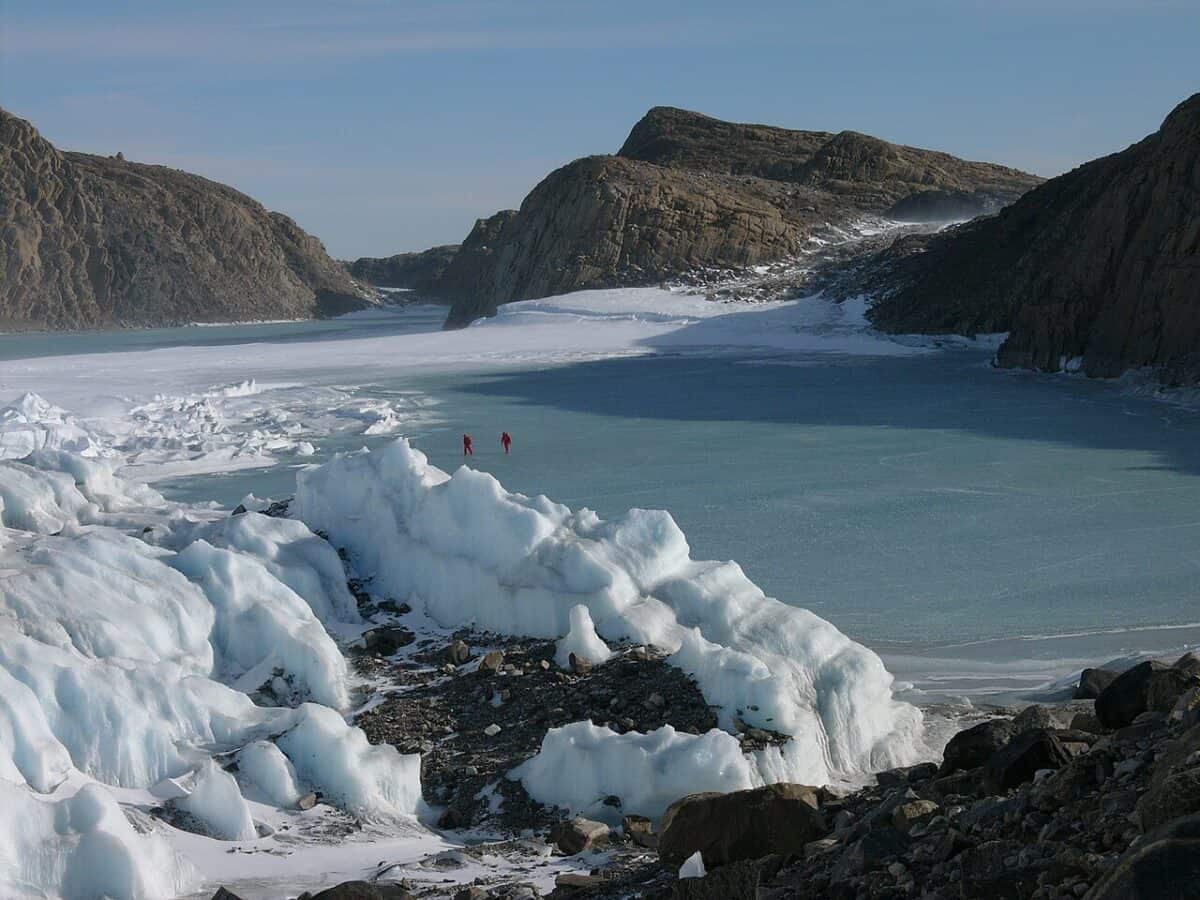
An otherworldly frontier lies beneath Antarctica’s thick ice. Scientists have discovered over 400 subglacial lakes, including Lake Vostok, one of the Earth’s largest bodies of freshwater. These lakes remain liquid due to geothermal heat and the pressure of the ice above, offering clues to life’s potential existence on other planets that may harbor similar conditions.
2. The New York City Tunnels
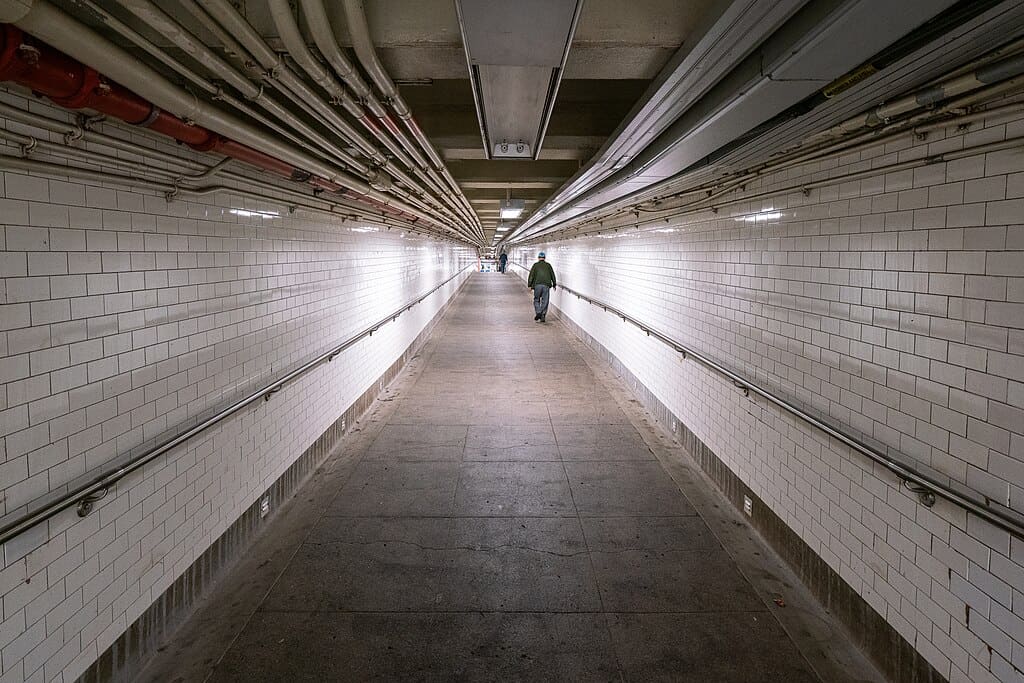
Beneath the bustling streets of New York City lies a complex network of tunnels, subways, and forgotten passageways. Known as the city’s silent veins, they connect boroughs and neighborhoods, represent engineering feats, and hold remnants of history like abandoned subway stations. These underground labyrinths tell a story of urban growth and evolution over more than a century.
1. The Cu Chi Tunnels of Vietnam
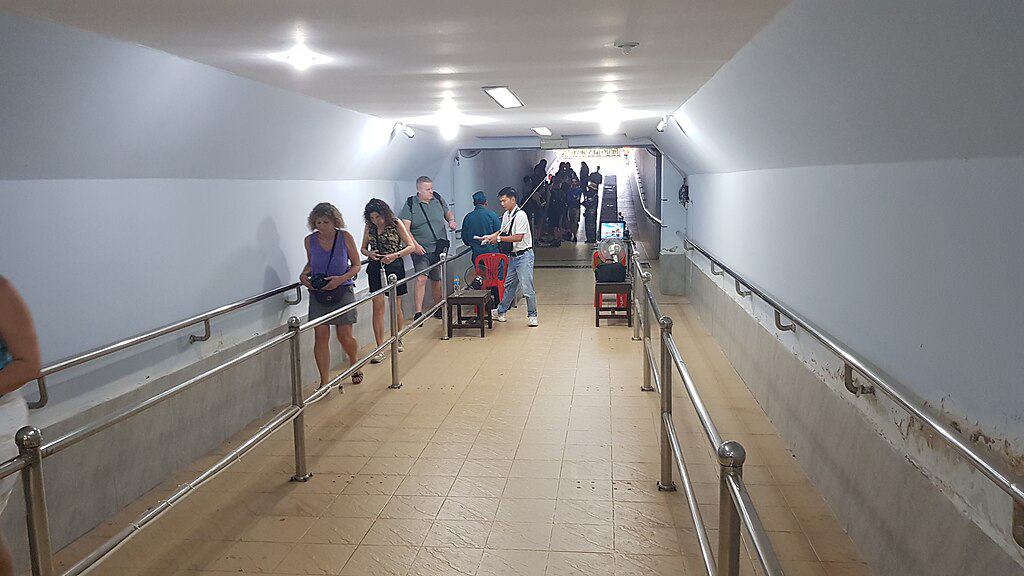
The Cu Chi Tunnels are an intricate network stretching more than 120 miles near Ho Chi Minh City, used by Viet Cong soldiers during the Vietnam War. These tunnels served as shelters, supply routes, and hospitals, proving strategic in guerrilla warfare. Now a popular tourist attraction, the site offers a sobering insight into the resilience and endurance of those who lived beneath the surface.
Conclusion:
These underground worlds reveal the intricate tapestry of history, ingenuity, and natural beauty hidden beneath our feet. While they vary in form and function, each offers a captivating glimpse into a domain often shrouded in mystery. These subterranean curiosities remind us of the unexplored treasures that lie below, waiting to be discovered and appreciated.

As a little kid, I fell in love with nature, wildlife, and animals. Living in the USA, South Africa, Italy, China and Germany gave me the opportunity to discover the world's Wildlife. My favorite animals are Mountain Gorillas, Siberian Tigers, and Great White Sharks.
I'm a certified PADI Open Water Diver, went to Everest Base Camp and Trekked Gorillas in Uganda. I hold a Master of Science in Economics and Finance.
Please send any feedback to feedback@animalsaroundtheglobe.com
- 10 Reasons Lions Are the True Kings of the Wild - July 19, 2026
- 11 Cold Blooded Truths About Snakes And 2 Big Misconceptions - July 19, 2026
- 10 Habits That Strengthen A Wolf Pack And 3 That Break It - July 19, 2026