


Tsunamis, colossal waves caused by underwater disturbances, are among nature’s most powerful and destructive forces. These surges can reshape coastlines, leaving indelible marks on the world. This article explores ten mega-tsunamis that have changed coastlines forever, revealing the enormity of their power and the fragility of human infrastructures.
10. The 2004 Indian Ocean Tsunami

The 2004 Indian Ocean tsunami is one of the deadliest in recorded history. Triggered by a magnitude 9.1 earthquake off the coast of Sumatra, it unleashed waves that reached heights of up to 100 feet. The tsunami claimed over 230,000 lives across 14 countries, and its aftermath left coastlines in Indonesia, Sri Lanka, India, and Thailand forever transformed. Infrastructure was decimated, and entire communities were obliterated, underscoring the ferocity of nature’s wrath.
9. The 2011 Tōhoku Tsunami
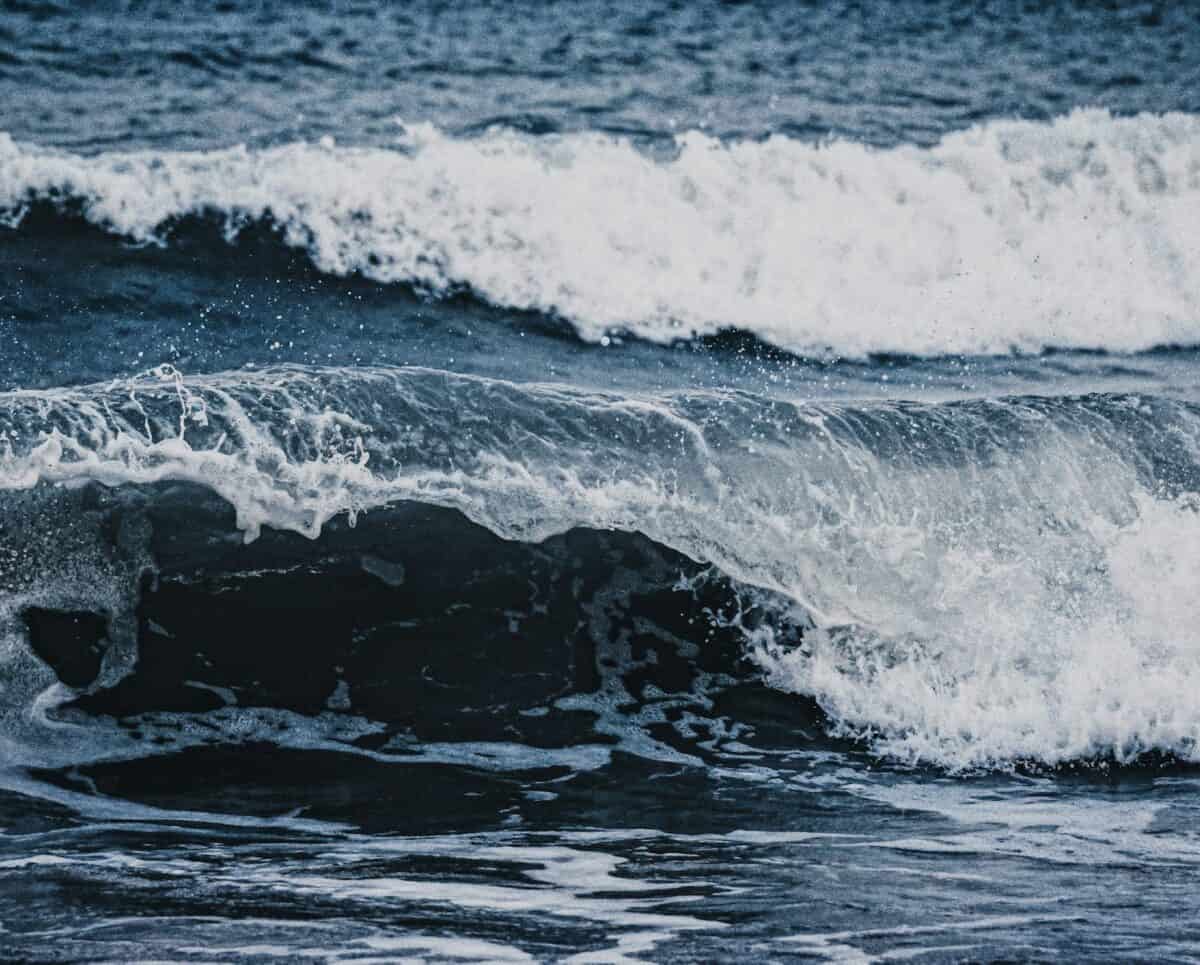
On March 11, 2011, a massive earthquake struck offshore Japan, generating a tsunami that had waves reaching heights of 133 feet. The Tōhoku tsunami caused immense devastation, particularly in the Fukushima region, leading to a nuclear disaster that compounded the natural catastrophe. The event prompted massive rebuilding efforts and a reevaluation of tsunami preparedness worldwide.
8. The 1960 Valdivia Earthquake and Tsunami

The most powerful earthquake ever recorded, with a magnitude of 9.5, hit Chile on May 22, 1960. It produced a tsunami that affected not only the Chilean coast but also traveled across the Pacific Ocean, impacting Hawaii, Japan, and the Philippines. The event reshaped Chile’s coastline, destroyed countless homes, and highlighted the interconnected nature of global ocean systems.
7. The 1755 Lisbon Earthquake and Tsunami
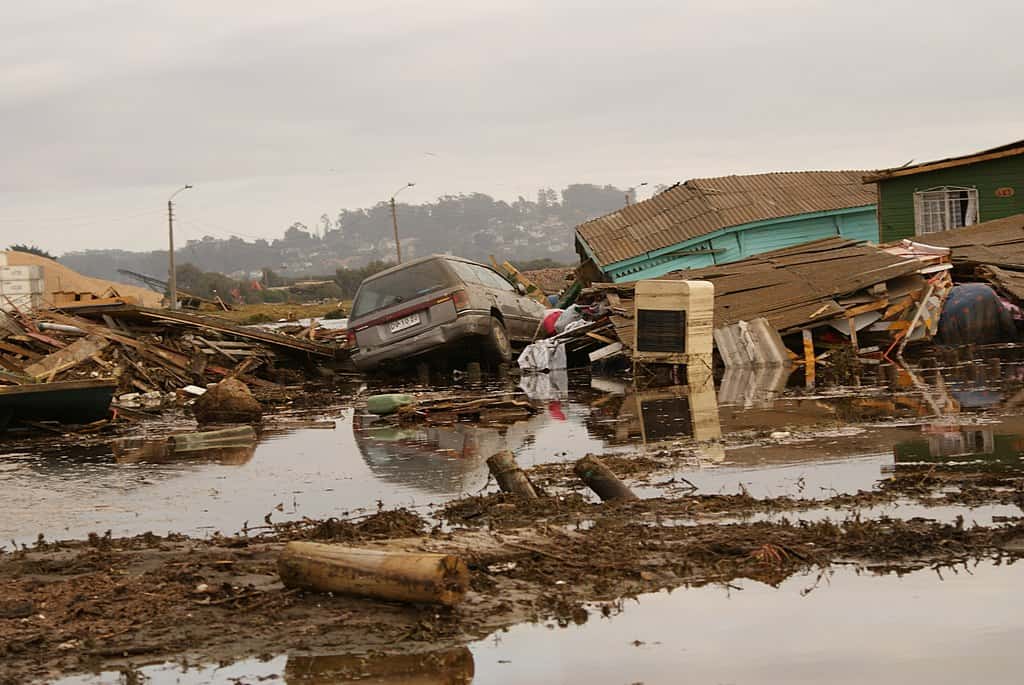
The 1755 Lisbon earthquake, estimated at a magnitude of 8.5–9.0, was followed by a tsunami that ravaged the Portuguese coast. Lisbon suffered immense damage with thousands of lives lost, and the tsunami reached as far as the Caribbean. This disaster had a profound impact on Portuguese society and the philosophy of the Enlightenment.
6. The 1883 Krakatoa Eruption and Tsunami

The eruption of Krakatoa in August 1883 was one of the loudest sound events in recorded history, and it produced a series of tsunamis that devastated the surrounding areas, including the coastlines of Java and Sumatra. The waves reached over 120 feet, and the event led to significant geographic and environmental changes in the region.
5. The 1958 Lituya Bay Megatsunami

In Alaska, a landslide in Lituya Bay caused a megatsunami with a record wave height of 1,720 feet, the highest ever recorded. Though the area was sparsely populated, the event is a stark example of how geological activity can lead to massive waves capable of altering landscapes drastically.
4. The 1700 Cascadia Earthquake and Tsunami

The Cascadia subduction zone, off the coast of North America, experienced a massive earthquake in 1700 that generated a tsunami felt across the Pacific Ocean. Native American oral histories and Japanese records document the extensive flooding and damage that reshaped coastlines and communities.
3. The 2018 Indonesia Sulawesi Tsunami

A 7.5 earthquake in the central Sulawesi region of Indonesia spawned a tsunami that ravaged the city of Palu. The waves reached over 20 feet in height, destroying thousands of structures and displacing over 200,000 residents. The rapid onset of the tsunami underscored the need for improved detection and alert systems.
2. The 1896 Sanriku Tsunami
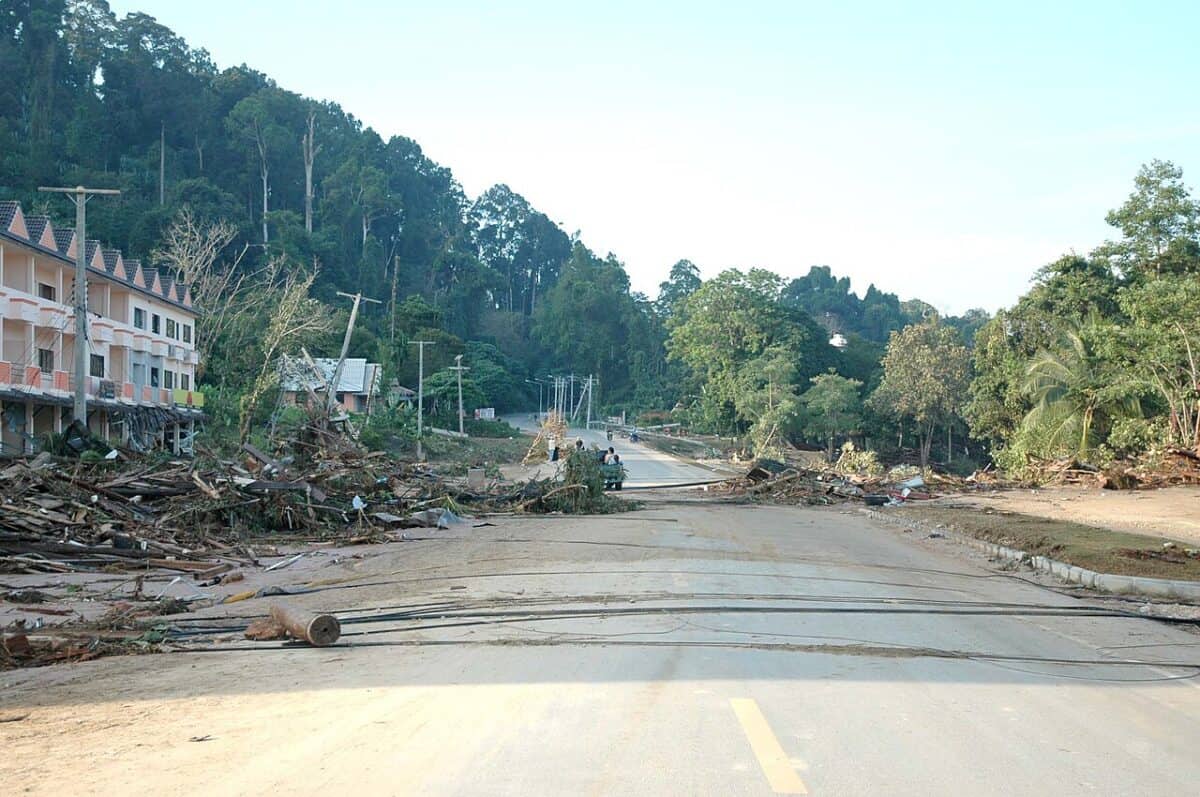
The 1896 Sanriku tsunami in Japan, following an offshore earthquake, generated waves as high as 125 feet. It caused widespread destruction and loss of life, altering the coastal geography of the region. This event highlighted the vulnerabilities of coastal communities to undersea seismic activity.
1. The 1782 South China Sea Tsunami
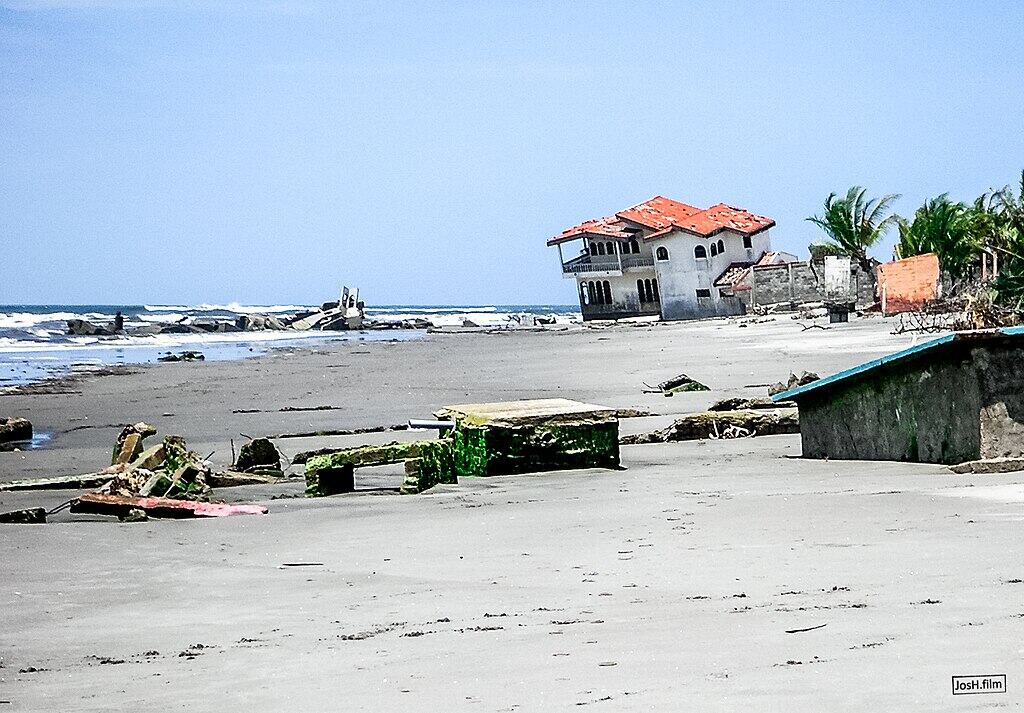
Little-known but extraordinarily destructive, the 1782 tsunami in the South China Sea affected the coastlines of Vietnam and China’s Guangdong province. Triggered by seismic activity, the waves submerged vast tracts of land, reshaping coastlines and affecting settlements for many years.
Conclusion:
Each of these ten mega-tsunamis has left an indelible mark on the world, not only by reshaping physical coastlines but also by altering the socio-economic structures of the affected regions. Their impact serves as a sobering reminder of the power of the natural world and the importance of preparedness and resilience in the face of such devastating events. The lessons learned from these tragedies continue to inform global strategies for mitigating future risks, emphasizing the need for international cooperation and technological advancements in disaster management.

As a little kid, I fell in love with nature, wildlife, and animals. Living in the USA, South Africa, Italy, China and Germany gave me the opportunity to discover the world's Wildlife. My favorite animals are Mountain Gorillas, Siberian Tigers, and Great White Sharks.
I'm a certified PADI Open Water Diver, went to Everest Base Camp and Trekked Gorillas in Uganda. I hold a Master of Science in Economics and Finance.
Please send any feedback to feedback@animalsaroundtheglobe.com
- Oceanography Says a Layer of Water Exists in the Pacific That Has Not Mixed With the Surface in Over a Thousand Years and What Lives There Defies Current Classification - June 26, 2026
- 12 Wild Animals That Build Homes Better Than Humans - June 26, 2026
- 13 Flight Patterns That Defy Gravity - June 26, 2026