


Rodeo is more than just a sport; it’s a vibrant tradition rooted in the rugged lifestyles of cowboys and ranch hands. At the heart of every exhilarating rodeo event is a remarkable creature – the rodeo horse. These elite athletes are the unsung heroes of the rodeo circuit, renowned for their agility, strength, and unwavering partnership with their riders. Let’s embark on a journey into the world of competitive rodeo horses, exploring the intricacies of their roles, training, care, and the intense competitions that showcase their talents.
An Introduction to Rodeo Events

Rodeo is a sport that brings together a series of events designed to test the skills of both horse and rider. Events such as barrel racing, calf roping, and bronco riding highlight the diverse capabilities of rodeo horses. Each event requires specific traits and training, making these horses versatile athletes with specialized roles.
The Breeds Behind the Champions
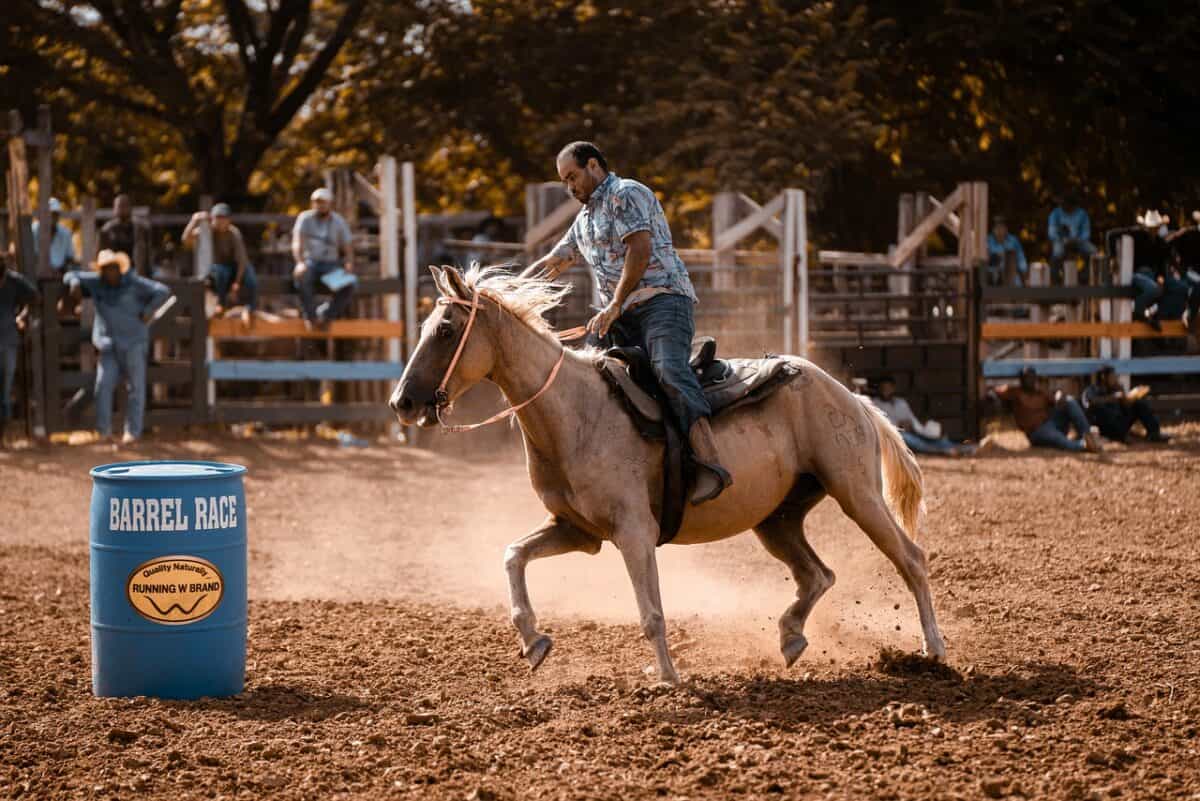
While many horse breeds participate in rodeos, certain breeds have gained a reputation for excelling in rodeo events. Quarter Horses dominate the arena, prized for their speed and agility, making them superb in events like barrel racing. Meanwhile, the American Paint Horse and Appaloosa are also popular and are known for their intelligence and versatility.
Training the Competitive Rodeo Horse

The path to becoming a rodeo horse is rigorous and demanding. Training begins early in a horse’s life, focusing on developing their physical strength, endurance, and obedience. Trainers use various techniques to enhance the horse’s agility and responsiveness, crucial for executing quick maneuvers in rodeo events.
The Role of the Rider-Equine Partnership
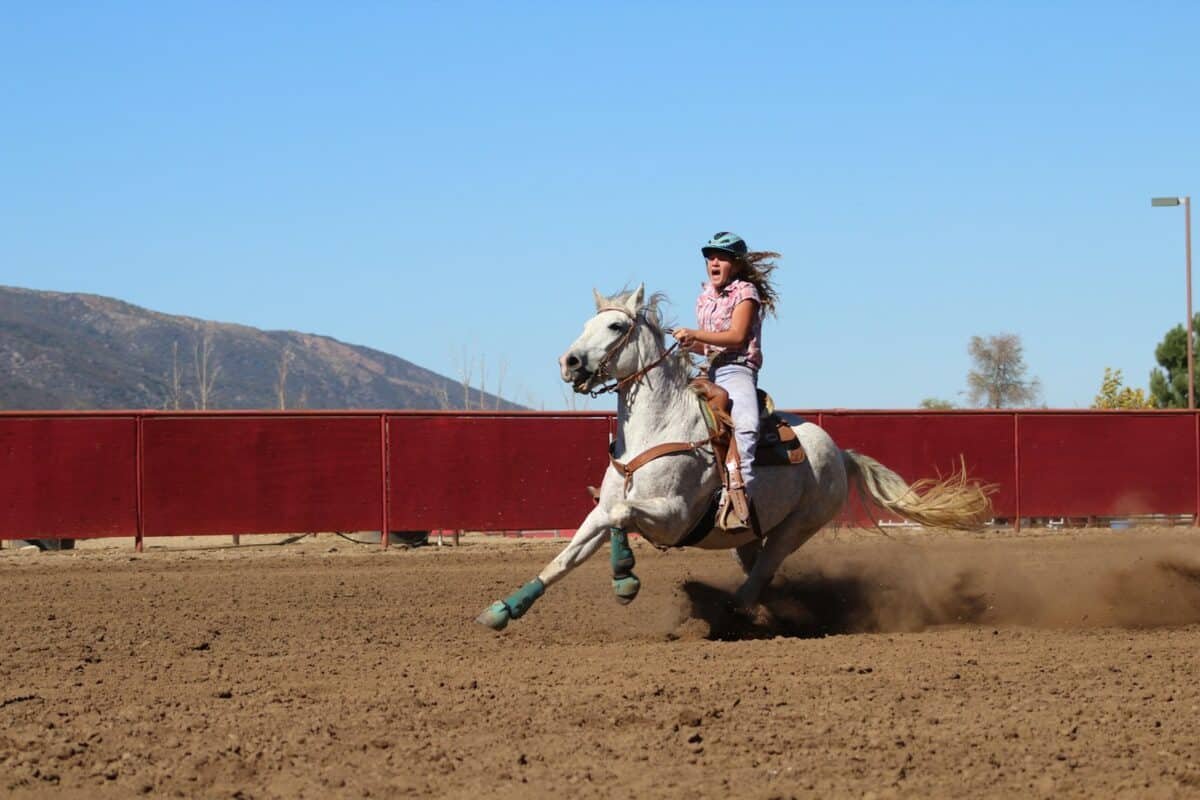
The relationship between a rodeo horse and its rider is foundational to success in the arena. Trust, communication, and mutual respect define this partnership. Riders must understand their horse’s cues and tendencies, working in harmony to navigate the challenges of each event efficiently.
Under the Spotlight: Barrel Racing

In barrel racing, precision and speed are paramount. Horses dart around a cloverleaf pattern of barrels, requiring sharp turns and bursts of speed. This event showcases the quick reflexes and agility of the horse, teamed with the rider’s skill in directing the course.
The Thrill of Bronc Riding

Bronc riding is perhaps the most iconic and dramatic of rodeo events, focusing on a rider’s ability to stay atop a bucking horse. Horses used in this event demonstrate impressive natural ability to buck, combined with training that allows safe, controlled performances.
Health and Nutrition of Rodeo Horses

The physical demands of rodeo require optimal health and conditioning. A balanced diet rich in protein, vitamins, and minerals supports muscle development and energy levels. Regular veterinary care ensures these athletes remain in peak condition, ready for the rigors of competition.
Injury Prevention and Rehabilitation

Injuries can be a significant concern due to the high-impact nature of rodeo events. Preventative care includes proper warm-ups, conditioning exercises, and protective gear. When injuries do occur, rehabilitation focuses on gradual recovery, with therapies such as hydrotherapy and specialized veterinary treatments.
The Cultural Significance of Rodeo Horses

Rodeo horses hold a cultural significance in the western lifestyle. They symbolize the enduring bond between humans and animals, and their roles in rodeos reflect traditions passed down through generations. These horses are not just athletes but icons representing a storied heritage.
The Economics of Rodeo Horse Ownership

Owning a rodeo horse involves substantial financial commitments. Costs range from purchasing and training to boarding and healthcare. However, successful competition can bring significant rewards through prize money and sponsorships, offering potential financial returns.
The Evolving World of Rodeo Competitions

Rodeo competitions continue to evolve, with new technologies and training methods enhancing performance and safety. The sport’s popularity has surged, drawing larger audiences and creating opportunities for innovation in horse training and care.
The Future of Competitive Rodeo Horses

The future of competitive rodeo horses looks promising, with an increased focus on welfare and sustainable practices. The bond between horse and rider will remain central, with advancements in training and care ensuring these athletes continue to excite and inspire audiences worldwide.
In conclusion, rodeo horses are formidable athletes driven by a spirit of competition and a deep connection with their riders. They embody the essence of the rodeo, capturing the hearts of spectators with their power, grace, and determination. As the sport of rodeo evolves, these horses will undoubtedly continue to shine, celebrating a legacy of collaboration and excellence on the grand stage of the arena.

- How Tea Plantations Support Biodiversity and Wildlife - July 19, 2026
- How to Attract Pollinators Without Using Sugar Water - July 19, 2026
- Coastal Creatures That Appear at Low Tide in Oregon - July 19, 2026