
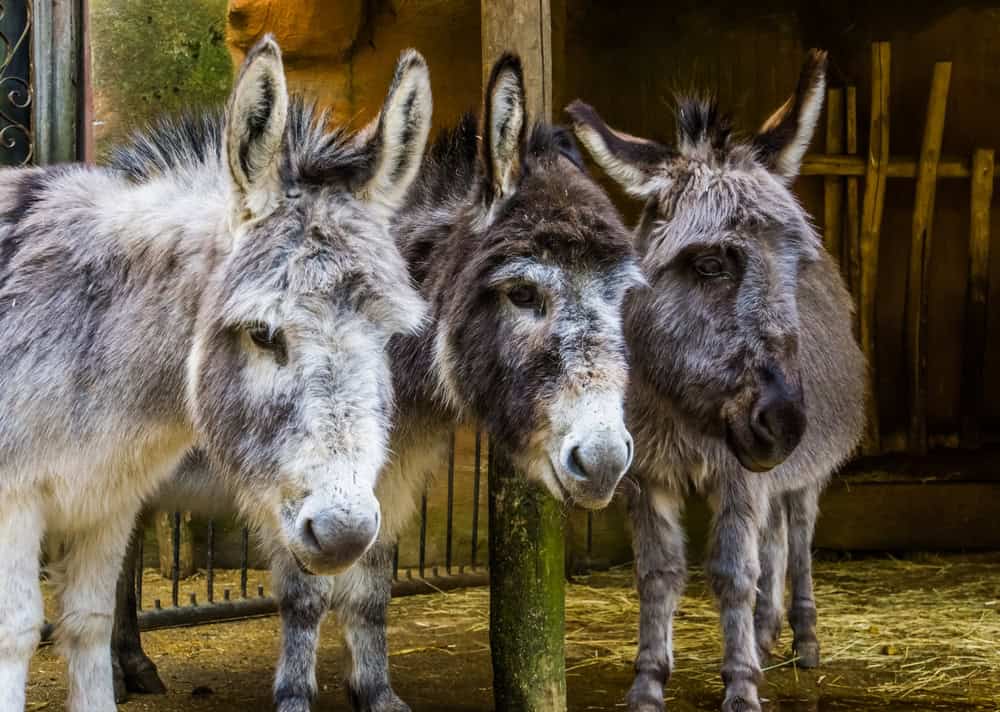
In the warming world of climate change, a curious phenomenon is taking place across ecosystems worldwide – animals are shrinking. From birds with smaller wingspans to fish with reduced body mass, numerous species are experiencing what scientists call the “temperature-size rule” or “Bergmann’s rule” in action. This widespread biological response to our changing climate presents profound implications for biodiversity, ecosystem function, and even human food security. As global temperatures continue to rise at unprecedented rates, understanding how and why animals are becoming smaller offers critical insights into the broader impacts of climate change on life on Earth.
The Scientific Evidence for Shrinking Animals
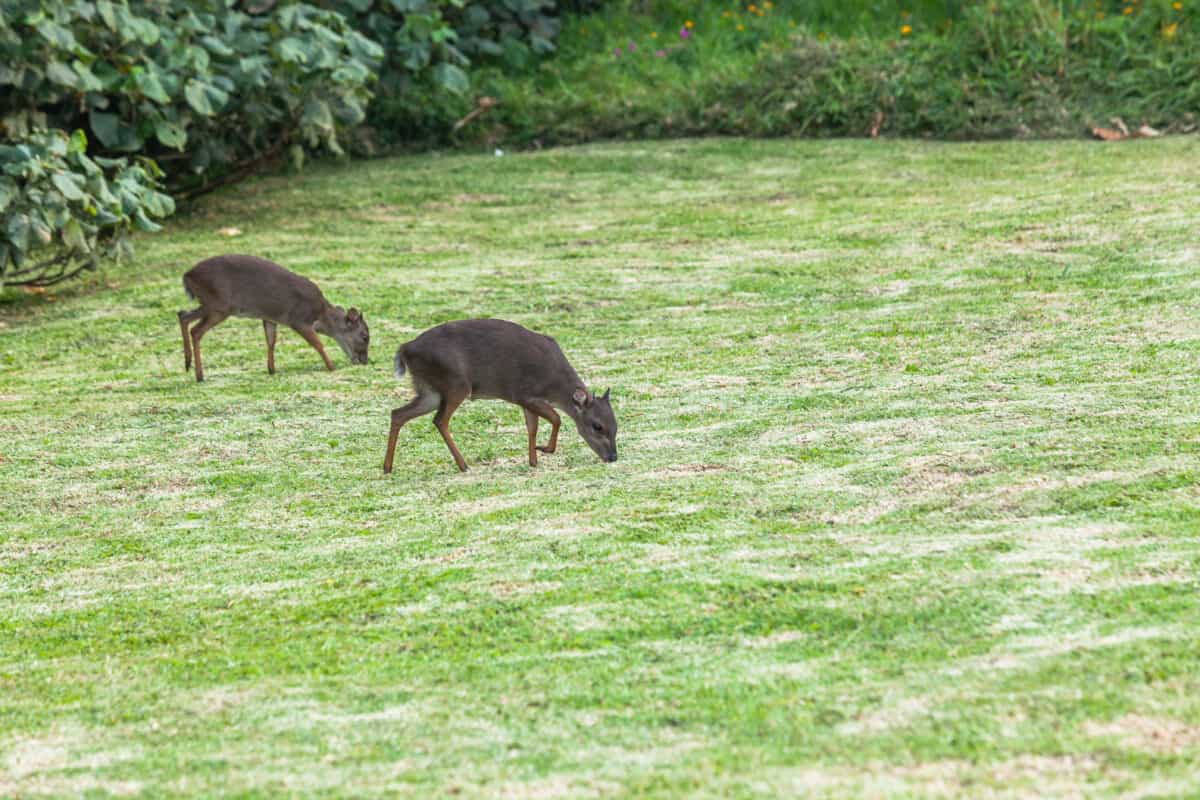
Research across multiple scientific disciplines has documented size reductions in diverse animal groups. A comprehensive 2019 meta-analysis published in Nature Communications examined data from over 100 species and found an average body size reduction of 3-8% per degree Celsius of warming. Marine ecologists have documented North Sea fish shrinking by up to 29% over four decades. Meanwhile, ornithologists studying North American migratory birds have recorded decreases in body mass ranging from 0.5% to 3.5% since the 1970s. The evidence spans taxonomic groups and habitats, from mammals and birds to fish and insects, suggesting a widespread biological response to warming temperatures rather than isolated occurrences.
Understanding Bergmann’s Rule
To comprehend why animals are shrinking, we must first understand Bergmann’s rule, a biological principle proposed by Carl Bergmann in 1847. This rule states that within a broadly distributed taxonomic group, populations and species of larger size tend to live in colder environments, while smaller ones typically inhabit warmer regions. The underlying mechanism relates to thermoregulation: larger bodies have a lower surface area-to-volume ratio, which helps conserve heat in cold climates. Conversely, smaller bodies with higher surface area-to-volume ratios can dissipate heat more efficiently in warm environments. As global temperatures rise, many species appear to be following this rule in real-time, becoming smaller to better adapt to warmer conditions.
The Metabolic Explanation

Beyond simple thermoregulation, metabolic factors play a crucial role in climate-related size changes. Warmer temperatures generally increase metabolic rates in ectothermic (cold-blooded) animals, requiring more energy for basic physiological functions. When combined with potential decreases in food availability or quality due to climate disruptions, animals often cannot obtain sufficient resources to reach their historical size. As Dr. Jennifer Sheridan of the University of Alabama explains, “Higher metabolic demands coupled with resource constraints create a perfect storm for body size reduction.” Additionally, research indicates that higher temperatures may accelerate development while simultaneously reducing growth rates, resulting in organisms that reach sexual maturity faster but at smaller sizes – a pattern particularly evident in fish and amphibians.
Shrinking Marine Life

Ocean ecosystems show some of the most dramatic examples of climate-related shrinking. A landmark study published in Global Change Biology documented a 20-30% reduction in the maximum body weight of over 600 fish species globally between 1950 and 2010. The impact extends beyond fish – crustaceans, mollusks, and plankton are also becoming smaller. For example, North Atlantic copepods, tiny crustaceans crucial to marine food webs, have shrunk by 6% since the 1960s. These changes are particularly concerning because oceans are simultaneously facing acidification and deoxygenation due to climate change, creating multiple stressors. Marine biologists warn that size reductions could ultimately cascade through food webs, potentially reducing the ocean’s capacity to support fisheries that feed billions of people worldwide.
Birds with Smaller Wingspans
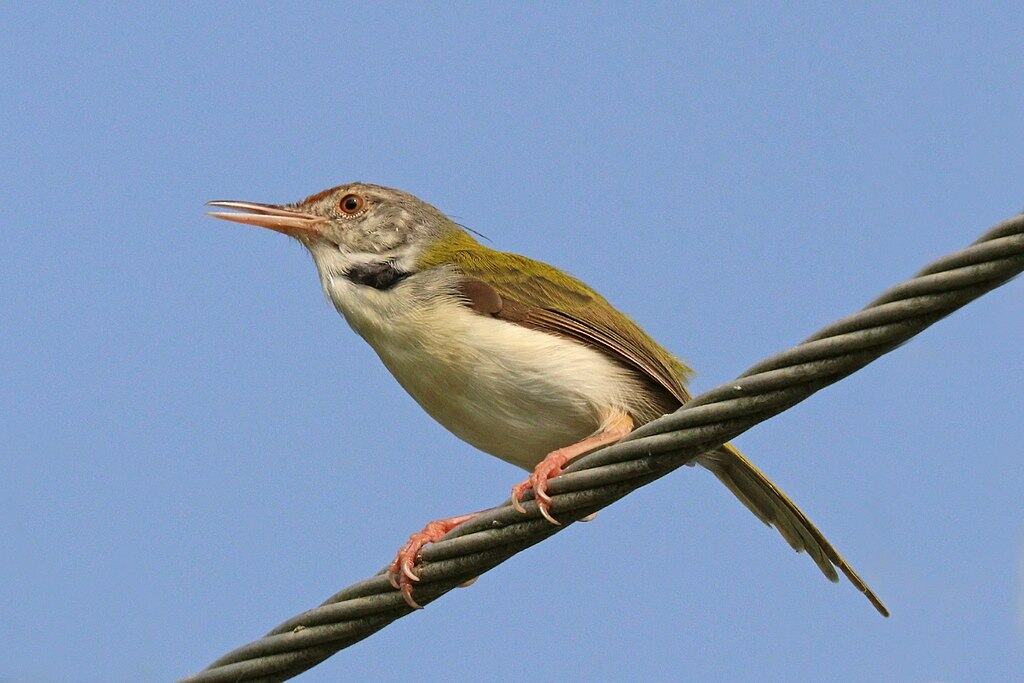
Ornithologists have documented consistent decreases in body size among bird species across different continents. A groundbreaking 2019 study from the Field Museum in Chicago analyzed 70,716 bird specimens from 52 North American migratory species collected over a 40-year period. The research revealed that body mass decreased by an average of 2.6% while wing length actually increased slightly. Scientists believe the longer wings may help compensate for reduced body mass during increasingly challenging migrations. Similar patterns have been observed in Australian birds, with researchers from the University of New South Wales finding that parrot species have shown a 10% decrease in body size over the past century, correlating strongly with increasing temperatures in their ranges.
Mammals Following the Trend

Mammals, despite their ability to regulate body temperature internally, are not immune to climate-driven size changes. Historical and fossil evidence reveals that many mammal species were smaller during ancient warming periods. Today, similar patterns are emerging. A study in Scientific Reports documented that alpine chipmunks in California’s Sierra Nevada mountains have experienced a 7% reduction in skull dimensions over the past century as their habitat has warmed. Perhaps most striking is research on the Channel Island fox, which has decreased in size by nearly 10% over just 20 years, corresponding with regional temperature increases. Even large mammals show this trend – moose in Minnesota have declined in body mass by approximately 12% over recent decades, a change researchers attribute partly to thermal stress reducing feeding time during warmer winters.
Insects and Other Invertebrates

Invertebrates, particularly insects, may be especially responsive to warming due to their ectothermic physiology and short generation times. Laboratory experiments consistently show that insects raised at higher temperatures typically develop into smaller adults. Field evidence supports this pattern – a 27-year study of forest beetles in Belgium documented a 20% reduction in body size across multiple species as regional temperatures increased. Butterflies in Japan have shown wing size reductions of up to 5% over the past century. Perhaps most concerning are indications that key pollinators like bumblebees are getting smaller, potentially affecting their foraging efficiency and pollination services. As Dr. Natalie Robinson of Oxford University notes, “Since invertebrates make up over 95% of animal species and form the foundation of most terrestrial and freshwater food webs, size changes in these organisms could have particularly far-reaching consequences.”
Ecological Consequences
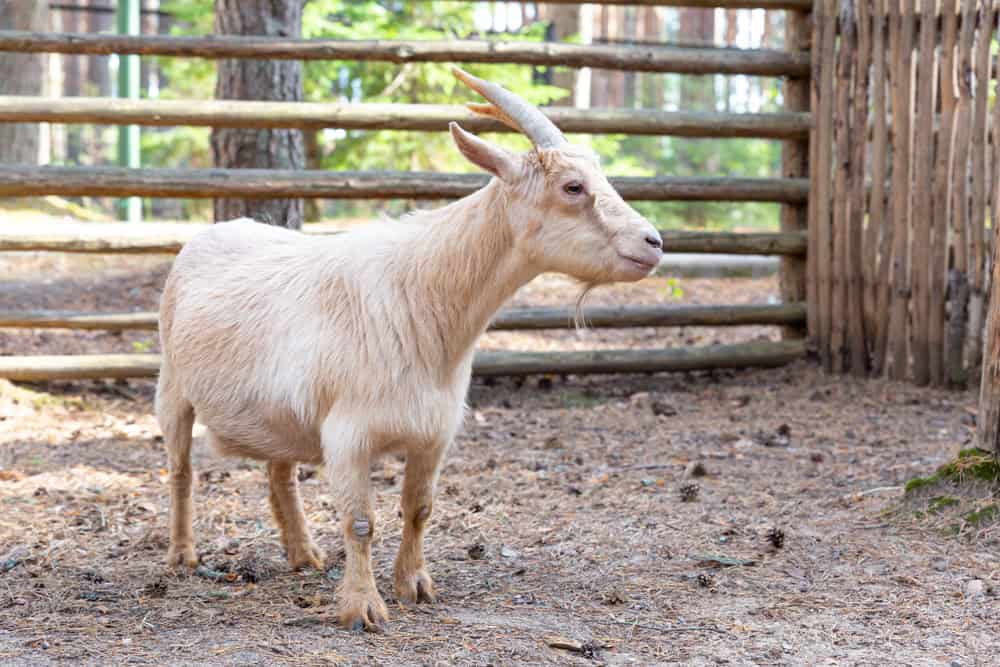
The ecological implications of shrinking animals extend far beyond the affected species themselves. Body size influences nearly every aspect of an animal’s ecology – from its metabolic requirements and reproductive capacity to its vulnerability to predation and competitive abilities. As animals become smaller, they typically consume less food and produce fewer offspring, potentially reducing population growth rates. Predator-prey relationships may shift as traditional size-based advantages change. Community composition could transform as previously separated size classes begin to overlap, intensifying competition. Particularly concerning is the potential for trophic mismatches, where predators evolve to target prey of specific sizes that are becoming less common. As ecologist Dr. Martin Edwards explains, “Size is such a fundamental trait that when it changes systematically across species, we should expect cascading effects throughout ecosystems.”
Evolutionary Implications
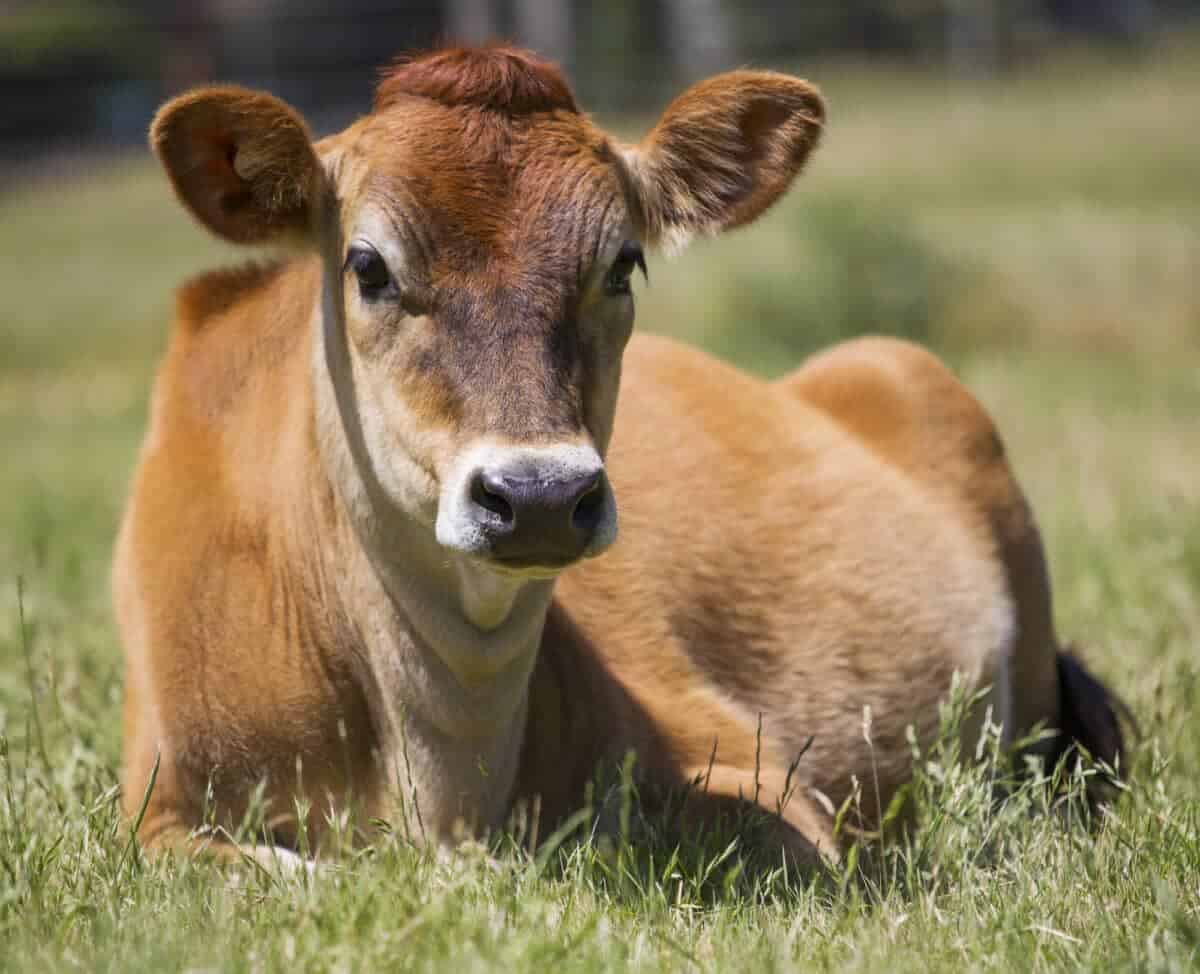
The shrinking trend raises profound questions about evolutionary responses to climate change. Some scientists argue that size reductions represent adaptive responses that may help species survive warming conditions. However, others caution that these changes could reflect physiological constraints rather than evolutionary advantages. The speed of contemporary climate change complicates matters further – many species may not have sufficient time to evolve optimal responses. A 2021 study in the Proceedings of the National Academy of Sciences suggested that while some size reductions may be adaptive in the short term, they could lead to evolutionary trade-offs with negative consequences for long-term fitness. The researchers warned that climate-driven size changes might create “evolutionary traps” where immediate survival benefits come at the cost of future adaptability, especially if conditions continue to change rapidly.
Human Impacts and Food Security
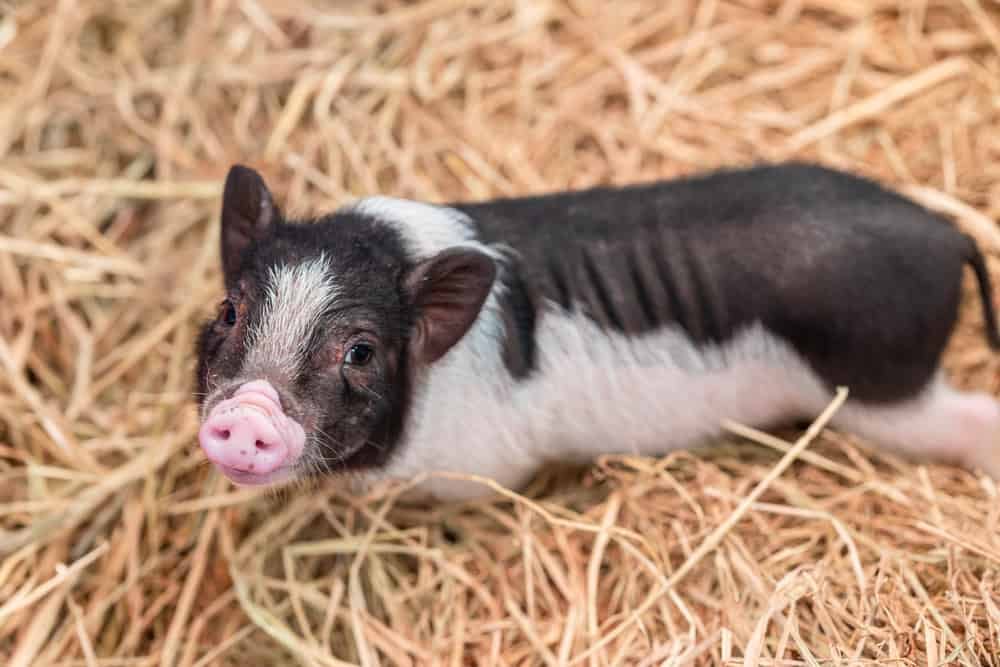
Shrinking animals pose significant challenges for human food security and resource management. Commercial fisheries worldwide are already documenting smaller catches, not just in numbers but in individual fish size. A 2018 study in Global Change Biology projected that continued warming could reduce the body weight of commercially harvested marine fish by 14-24% globally by 2050. This translates to potential annual losses of $10-27 billion in fishery yields. The implications extend to terrestrial systems as well, potentially affecting livestock productivity and wild game availability. Agricultural researchers are increasingly concerned about size reductions in pollinator species, which could impact crop yields. As humans depend on predictable animal sizes for food production planning, nutritional calculations, and harvest quotas, these climate-driven changes require adaptations in multiple sectors of food production.
Geographic Variations in the Shrinking Trend

The magnitude of climate-driven size changes varies significantly across geographic regions and habitats. Arctic and high-altitude environments, which are warming at accelerated rates, show some of the most pronounced size reductions. A 2020 analysis in Science documented that Arctic mammals and birds have decreased in size by an average of 10-15% over the past five decades, substantially more than the global average. In contrast, some tropical species show more modest size changes, perhaps because they already possess adaptations to warm conditions. Habitat fragmentation and urbanization can amplify the trend – a study of urban versus rural populations of the same bird species found that urban individuals were consistently smaller, suggesting that human-modified landscapes may interact with climate effects to intensify size reductions. These geographic patterns highlight the complex interplay between climate change and other environmental factors in determining body size responses.
Research Challenges and Future Directions
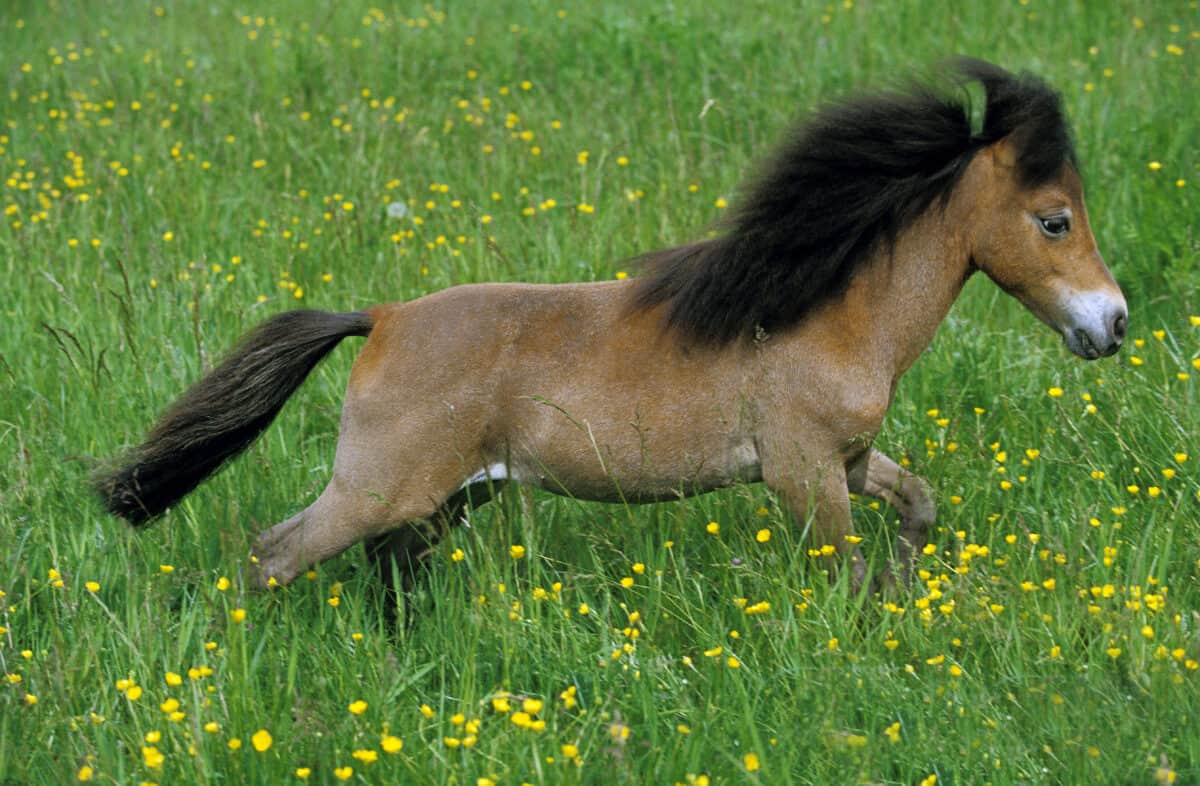
Despite growing evidence for animal shrinking, significant research challenges remain. Distinguishing climate-driven size changes from other environmental influences requires long-term datasets that are often unavailable. Controlled experiments are difficult to conduct at ecologically relevant scales, especially for long-lived species. Future research priorities include expanding monitoring programs to track body size across diverse taxonomic groups, developing better mechanistic models linking climate variables to physiological responses, and investigating potential genetic bases for size adaptations. Emerging technologies like remote sensing and environmental DNA sampling may help scientists gather data more efficiently. Additionally, researchers are increasingly focusing on potential interventions, from creating climate refugia to protect vulnerable populations to exploring whether assisted evolution could help species maintain functional body sizes despite warming temperatures.
Conclusion

The phenomenon of shrinking animals represents one of the most widespread yet underappreciated biological responses to climate change. From ocean depths to mountain peaks, species across the taxonomic spectrum are becoming smaller as our planet warms, following patterns predicted by ecological principles like Bergmann’s rule. These changes are not merely academic curiosities but harbingers of profound ecological restructuring with significant implications for biodiversity, ecosystem function, and human welfare. As we continue to monitor and understand this biological response, the shrinking of animal bodies serves as a tangible reminder of how deeply climate change is altering life on Earth, often in ways invisible to casual observation but fundamentally transformative to the natural systems upon which we depend.

- Why Puffins Are Using Trash in Their Nesting Materials - July 28, 2026
- Why This Fish Walks on Land and Breathes Air - July 27, 2026
- 13 Most Venomous Spiders and Where They Live - July 27, 2026