

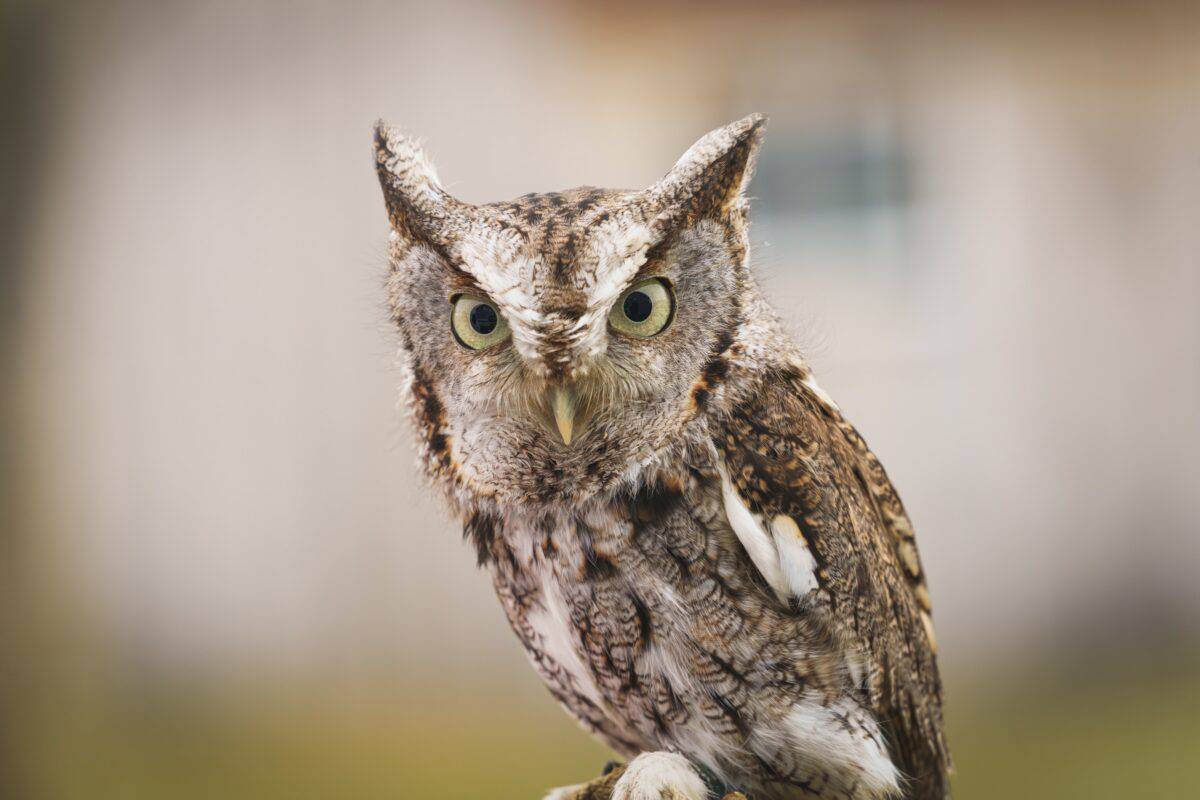
Deep in the forests of North America, a blood-curdling sound occasionally pierces the night. It’s not the cry of a wounded hiker or a scene from a horror movie—it’s simply an owl going about its business. The Eastern Screech Owl, in particular, has earned a reputation for producing vocalizations that sound eerily similar to human screams, creating both fascination and fear among those who encounter these remarkable birds. This phenomenon of human-like owl calls represents an intriguing intersection of wildlife behavior and human perception, where our tendency to anthropomorphize natural sounds meets genuine biological adaptations that have evolved over millennia.
The Infamous Eastern Screech Owl
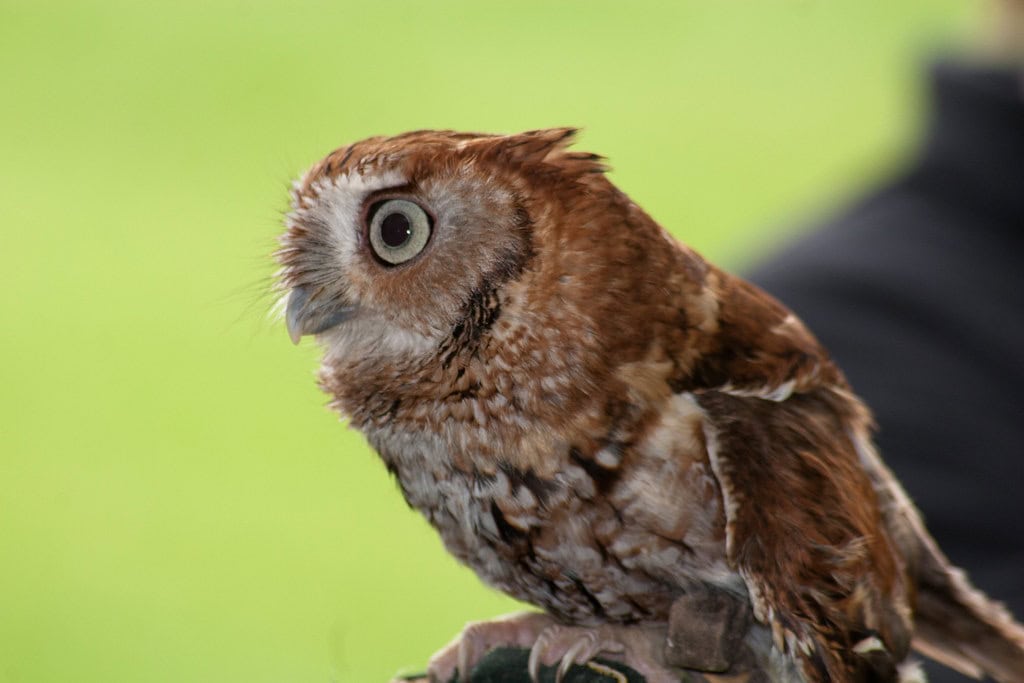
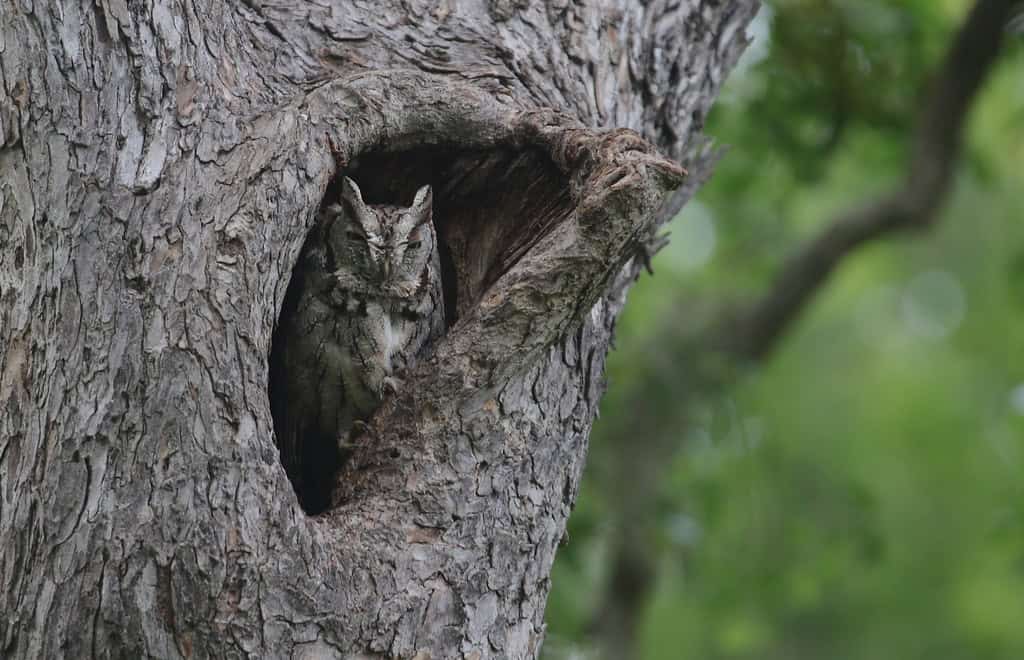
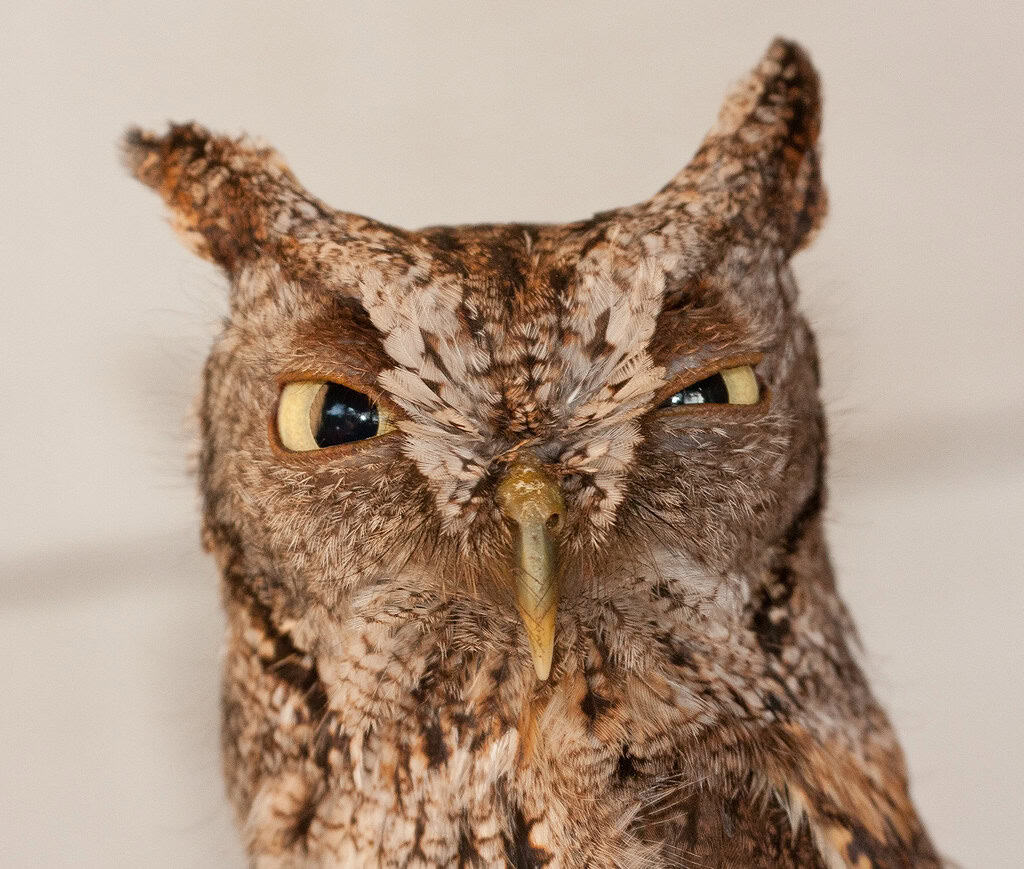
The Eastern Screech Owl (Megascops asio) is the primary culprit behind the human-like screaming sounds that have startled many a nighttime wanderer. Despite its name, the “screech” is somewhat of a misnomer. This small owl, measuring just 6.3-9.8 inches tall, produces a descending whinny or trill as its primary call, which doesn’t resemble a screech at all. However, its secondary vocalization—an eerie, tremulous, descending cry—is what earns it the reputation for sounding remarkably human-like. This call can be particularly unsettling when heard unexpectedly in the darkness, as it closely mimics the sound of a person in distress. Eastern Screech Owls are common throughout eastern North America, inhabiting woodlands, suburbs, and even urban parks, meaning their haunting calls can be heard in surprisingly populated areas.
The Barn Owl’s Bloodcurdling Scream

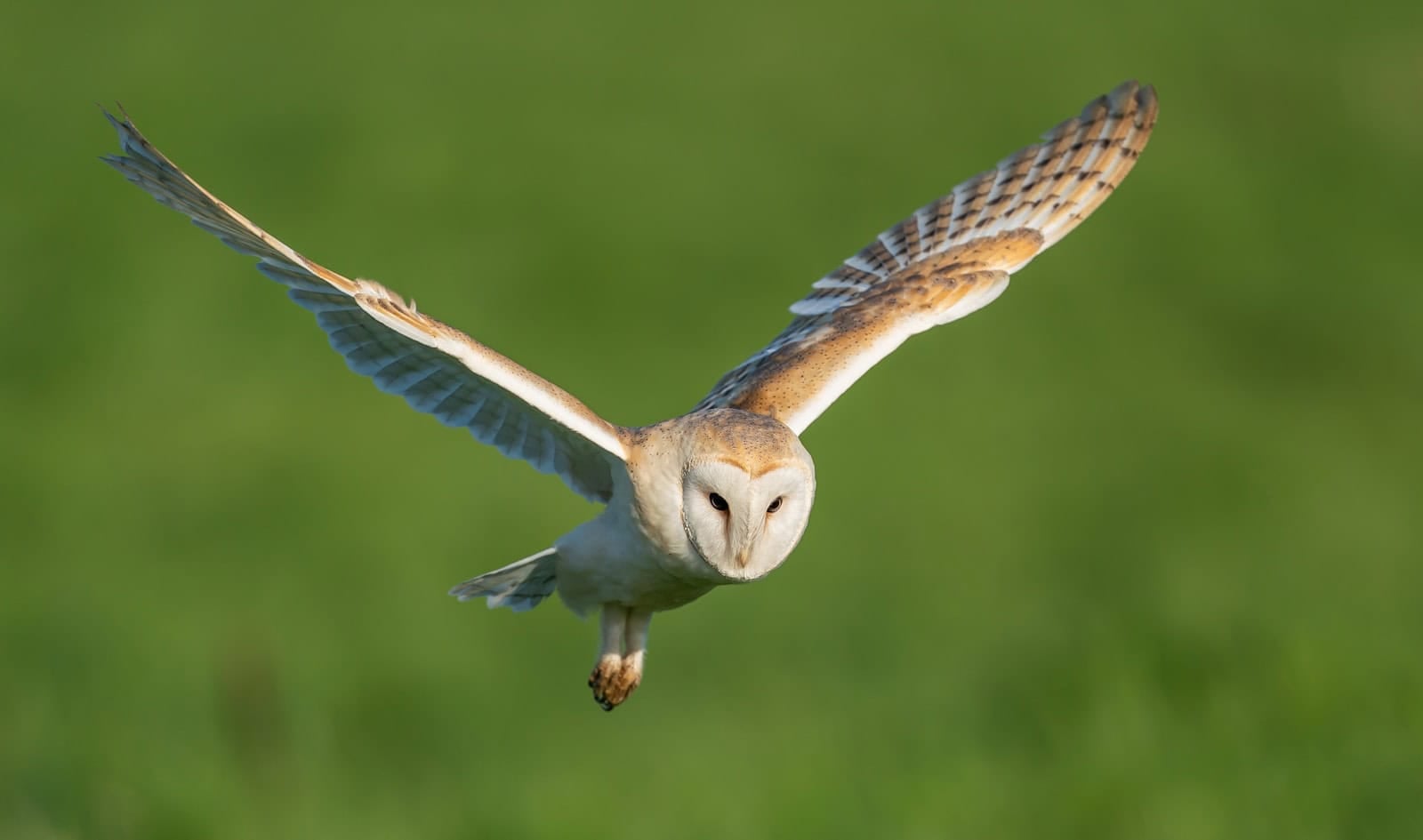
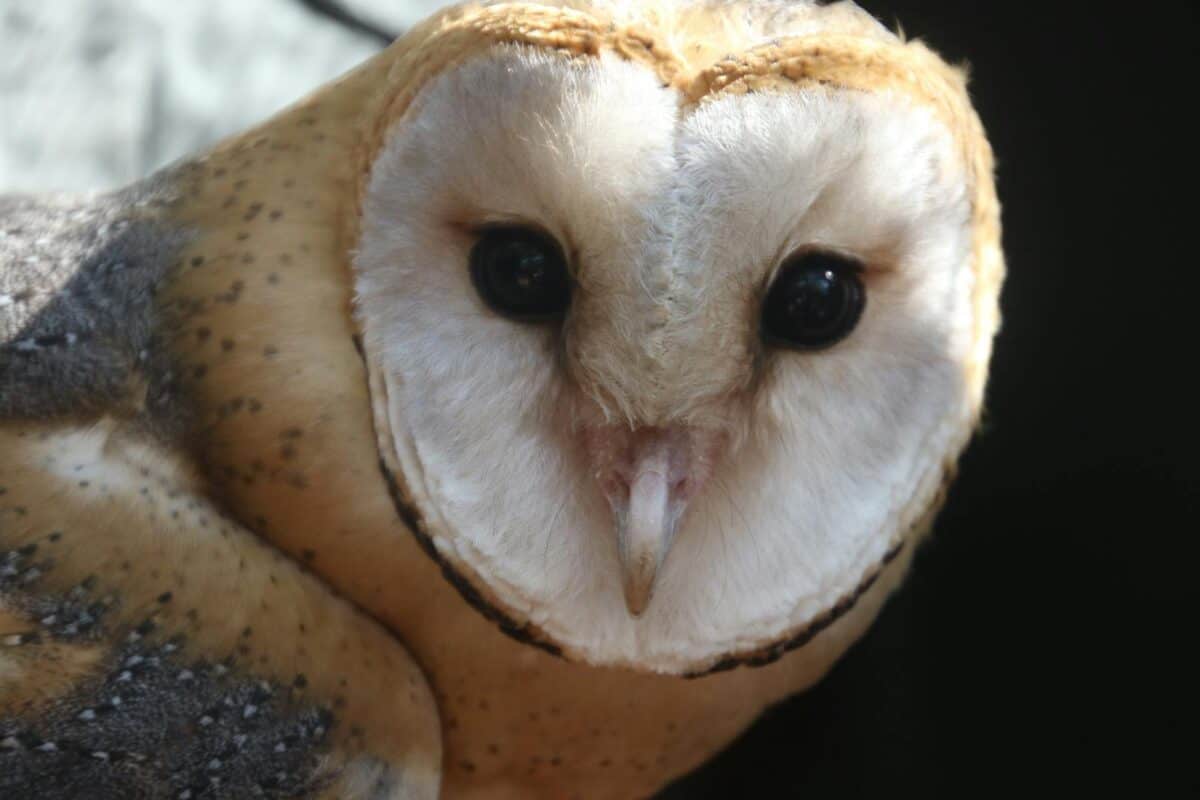
Another notable entrant in the human-sounding owl category is the Barn Owl (Tyto alba). These ghostly pale nocturnal hunters emit a piercing, drawn-out shriek that has been described as sounding like a woman screaming in terror. This vocalization is so unnerving that it has contributed to the Barn Owl’s association with superstition and folklore across many cultures. The scream serves practical purposes for the owl—primarily mate attraction and territorial proclamation—but for human listeners, it can be genuinely frightening, especially when heard unexpectedly at night. Barn Owls are found on every continent except Antarctica, making their bone-chilling cries a global phenomenon that has influenced local legends and ghost stories in numerous societies throughout history.
The Science Behind The Screams
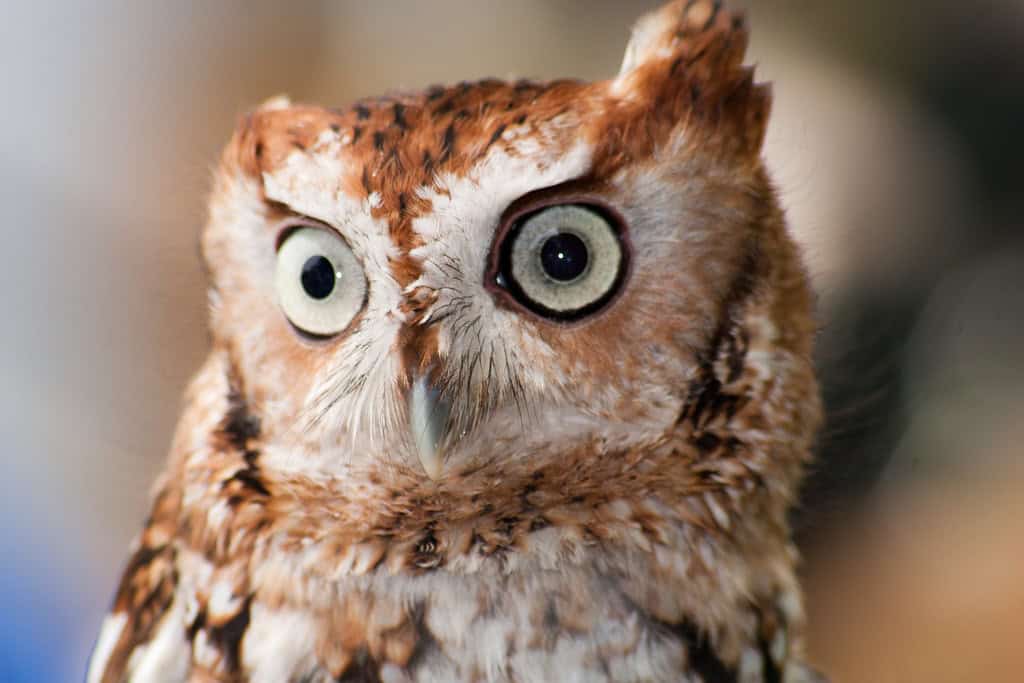
The human-like quality of certain owl vocalizations is not coincidental, but rather the result of specific anatomical adaptations. Owls possess a syrinx—the avian equivalent of a voice box—which is structured differently than the human larynx but capable of producing a remarkably diverse range of sounds. The Eastern Screech Owl and Barn Owl have evolved syrinx structures that can generate frequencies and tonal qualities that happen to overlap with human vocal ranges, particularly those produced during states of distress or fear. Additionally, these owls can manipulate air pressure through their syrinx with exceptional control, allowing for the modulation and sustain that gives their calls such emotional resonance to human ears. This overlap in acoustic properties creates the unsettling impression that we’re hearing a person rather than a bird, triggering instinctive emotional responses in human listeners.
Evolutionary Purpose of Owl Vocalizations
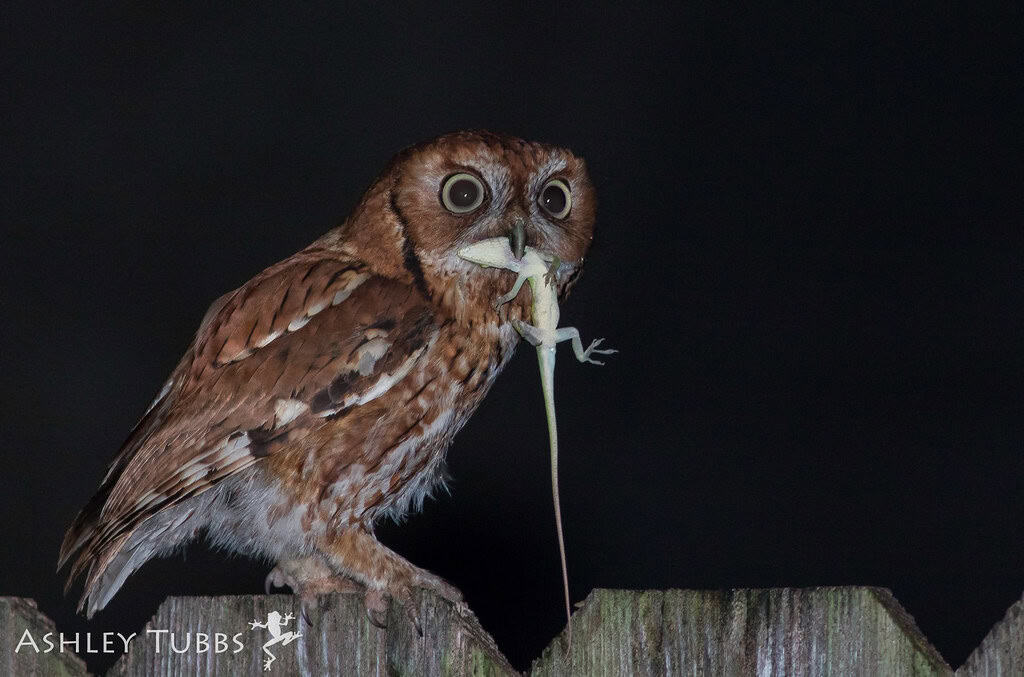
The screaming calls of owls have evolved not to frighten humans, of course, but to serve specific biological functions critical to the birds’ survival and reproduction. These vocalizations primarily function as territorial announcements, warning other owls to keep their distance from established hunting grounds. They also play a crucial role in mate attraction and pair bonding, with males often using their most impressive vocal performances to court females during breeding season. Some researchers theorize that the unsettling quality of these calls may also serve as a form of acoustic camouflage, momentarily startling or confusing potential predators or prey. The effectiveness of these calls over large distances, particularly at night when visual communication is limited, has made vocal communication an evolutionary advantage for nocturnal hunters like owls, regardless of how humans might interpret these sounds.
Cultural Impact and Folklore

The human-like screams of certain owl species have profoundly influenced folklore and superstition across numerous cultures. In many European traditions, Barn Owl screams were interpreted as omens of death or disaster, earning them nicknames like “Death Owl” or “Ghost Owl.” Similarly, in various Native American cultures, the Eastern Screech Owl’s calls were sometimes associated with prophecy or warnings from the spirit world. These interpretations weren’t arbitrary—they stemmed directly from the genuine emotional impact these sounds have on human listeners. The psychological effect of hearing what seems to be a human scream emanating from dark woods has contributed to owls featuring prominently in supernatural beliefs worldwide. Even today, when the biological explanation for these sounds is well understood, the visceral reaction many people experience upon hearing a screaming owl demonstrates the powerful connection between wildlife sounds and human emotional response.
Other Owls With Startling Sounds
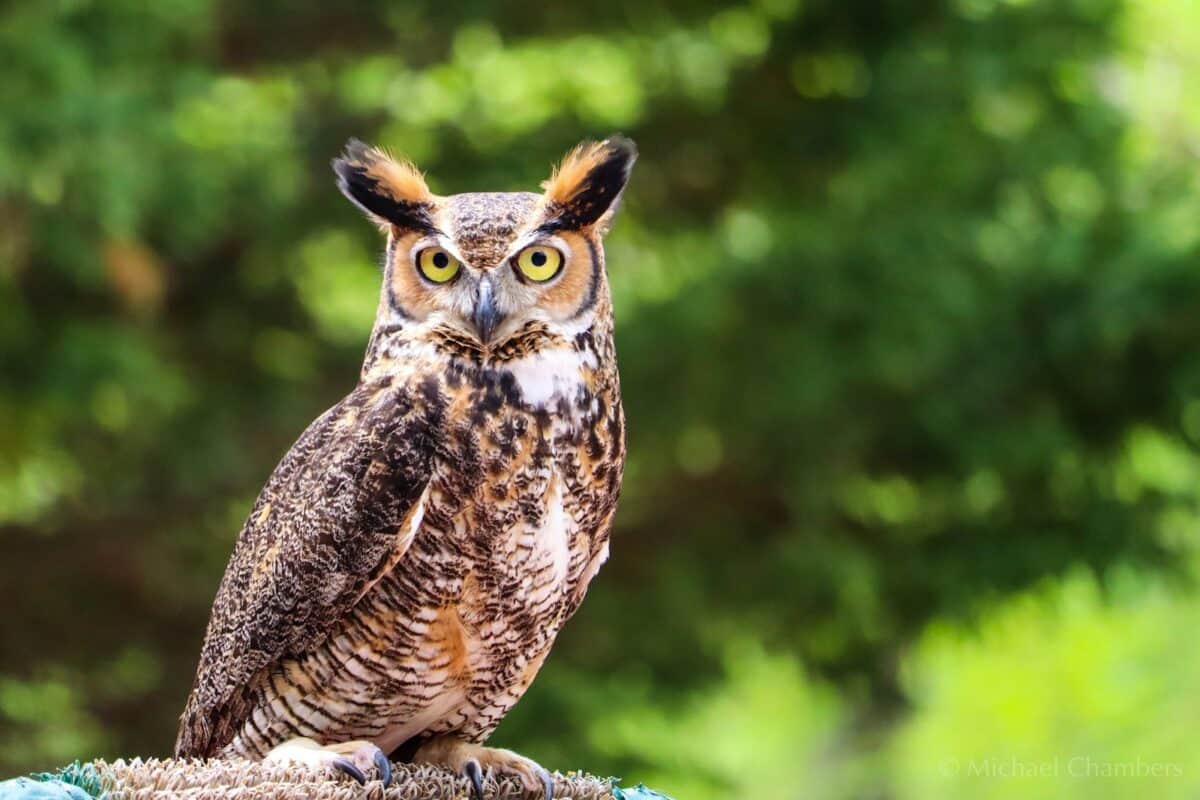
While the Eastern Screech and Barn Owls may be the most notorious for their human-like screams, they’re not alone in producing vocalizations that can startle or unsettle people. The Great Horned Owl (Bubo virginianus) delivers a deep, resonant hooting that, while not mimicking human screams, can sound distinctly foreboding when heard in the darkness. The Barred Owl (Strix varia) is known for its distinctive “who cooks for you” call that can evolve into a raucous, almost maniacal series of hoots and gurgles during mating displays.
Perhaps most unusual is the Northern Saw-whet Owl (Aegolius acadicus), whose repetitive, mechanical-sounding call resembles a blade being sharpened—not human-like, but certainly capable of raising goosebumps when unexpectedly encountered. Each of these vocal adaptations serves specific ecological purposes for the owls while simultaneously contributing to humanity’s complex relationship with these nocturnal birds.
Distinguishing Owl Calls from Actual Human Sounds

For those concerned about distinguishing between an owl call and an actual human in distress, there are several key differences to note. Owl calls, while sometimes remarkably similar to human screams, typically follow predictable patterns and rhythms that human vocalizations don’t. Eastern Screech Owl calls usually maintain a consistent pitch descent and duration when repeated, while Barn Owl screams often have a distinctive trailing quality that human screams lack.
Additionally, owl calls are generally heard during specific times—primarily at night and with greater frequency during breeding seasons (late winter to early spring for most North American species). Context also provides important clues; calls coming from treetops or abandoned buildings are more likely to be owls than humans. Learning to identify these patterns can help outdoor enthusiasts appreciate rather than fear these remarkable vocalizations, while still remaining appropriately alert to any sounds that might genuinely indicate human distress.
Recording and Studying Owl Vocalizations
Bioacoustic researchers have developed sophisticated techniques for recording and analyzing owl vocalizations, contributing significantly to our understanding of these remarkable birds. Using specialized directional microphones and recording equipment, scientists can capture the subtle nuances of different owl calls, even in challenging field conditions. These recordings are then subjected to spectrographic analysis, which visually maps the acoustic properties of each call—including frequency, amplitude, and temporal patterns.
This scientific approach has revealed that individual owls often have distinctive vocal “signatures,” allowing researchers to identify specific birds by their calls alone. Such studies have practical applications for conservation efforts, enabling population monitoring without the need to physically locate or disturb the birds. For amateur enthusiasts, numerous smartphone applications now exist that can help identify owl species based on recorded calls, making this area of ornithology more accessible than ever before.
When and Where You’re Most Likely to Hear Them
For those hoping (or perhaps hoping to avoid) encountering a screaming owl, certain conditions make these eerie encounters more likely. Breeding season, which typically runs from late January through May for many North American owl species, represents peak vocalization period, particularly during the evening hours after sunset and before midnight. Rural-urban interfaces—where developed areas meet woodlands or open country—offer prime habitat for both Eastern Screech Owls and Barn Owls, increasing the chances of hearing their distinctive calls.
Abandoned buildings, cemetery grounds with mature trees, and parks with significant wooded areas are all potential hotspots for owl activity. Weather conditions also play a role, with still, clear nights amplifying sound transmission and seemingly increasing owl vocal activity. Moonlit nights often feature increased owl calling as well, potentially because the additional light facilitates hunting while still providing owls the cover of darkness they prefer.
How Humans Misinterpret Animal Sounds

The phenomenon of screaming owls highlights a broader tendency for humans to misinterpret animal vocalizations through the lens of our own experience. This psychological phenomenon, called anthropomorphism, causes us to attribute human characteristics—including emotions and intentions—to non-human entities. Our brains are specifically tuned to recognize patterns associated with human distress calls, leading to heightened emotional responses when we encounter similar acoustic patterns in nature.
Beyond owls, other animals frequently misinterpreted include foxes, whose mating calls can resemble a child’s scream; mountain lions, whose vocalizations sometimes sound like a woman in distress; and even certain frogs, whose calls can resemble crying babies. These misinterpretations aren’t merely curiosities—they’ve shaped cultural beliefs, influenced conservation attitudes, and occasionally resulted in unnecessary emergency response calls. Understanding the biological reality behind these sounds helps us appreciate them as fascinating examples of convergent acoustic evolution rather than sources of fear.
Citizen Science Opportunities
The distinctive nature of owl calls makes them ideal subjects for citizen science initiatives, where amateur enthusiasts contribute valuable data to scientific research. Projects like the North American Breeding Bird Survey, eBird, and specialized owl monitoring programs invite volunteers to record and report owl vocalizations in their local areas. These contributions help researchers track population trends, document range expansions or contractions, and monitor the effects of habitat changes on owl communities.
Participating is relatively straightforward—aspiring citizen scientists can use smartphone applications to record and identify owl calls, then submit their observations to appropriate databases along with time and location data. Many local Audubon chapters and nature centers offer training workshops to help participants distinguish between similar-sounding species and learn optimal surveying techniques. These efforts not only advance scientific understanding but also foster greater public appreciation for these remarkable nocturnal birds and their haunting vocalizations.
Conservation Implications
The fascinating vocal adaptations of owls highlight the importance of conservation efforts for these ecologically significant birds. Both Eastern Screech Owls and Barn Owls face various threats, including habitat loss through deforestation and urban development, vehicle collisions, and secondary poisoning from rodenticides. Barn Owls have experienced particularly concerning population declines in parts of their range, with the loss of suitable nesting sites in old barns and hollow trees being a significant factor.
Conservation initiatives focusing on these species often include nest box installation programs, habitat preservation efforts, and public education campaigns about reducing pesticide use. The distinctive vocalizations of these owls serve as powerful ambassadors for conservation, as their human-like qualities create emotional connections that can motivate protection efforts. Additionally, the recording and monitoring of owl calls provide valuable data for assessing population health and distribution, informing targeted conservation strategies that benefit not just owls but entire ecosystems.
Conclusion: The Fascinating World of Owl Vocalizations

The remarkable similarity between certain owl calls and human screams represents a fascinating convergence of biology, psychology, and cultural interpretation. What we perceive as eerie human-like screams are actually sophisticated biological adaptations that serve critical functions in owl communication and survival. Understanding the science behind these vocalizations not only demystifies potentially frightening nighttime encounters but also deepens our appreciation for the complex acoustic world of these nocturnal hunters. As we continue to share landscapes with owls, their distinctive calls—whether perceived as beautiful, haunting, or terrifying—serve as powerful reminders of the wild world that exists alongside our human-dominated spaces. Far from being cause for fear, the screaming owl represents an opportunity to connect with nature’s remarkable diversity and the unexpected ways in which animal adaptations can intersect with human perception and experience.

From exploring the marine wonders in the Azores and witnessing the vast savannas of Kenya, to delving deep into the rich biodiversity of South Africa and traversing iconic landscapes in Australia and the US like Yellowstone, Chris's experiences are vast.
With a penchant for diving alongside sharks, the ocean holds a special place in his heart.
Through his academic insights, he champions wildlife conservation, striving with 'Animals Around The Globe' to cultivate a profound connection between humans and animals, enhancing our mutual appreciation.
Connect with him at Feedback@animalsaroundtheglobe.com.
- The Brightest Animal Lives in the Sea - June 30, 2026
- This Ocean Creature Moves the Slowest—but Lives the Longest - June 30, 2026
- 12 Biggest Dinosaur Fossils Ever Found - June 30, 2026