


A dangerous parasite once eradicated from the U.S. is making headlines again. The New World Screwworm—an aggressive, flesh-eating fly—has been detected in Mexico, and officials are concerned it could cross into southern Texas. The fly’s larvae burrow into the living tissue of warm-blooded animals, causing slow, painful deaths if untreated.
The U.S. Department of Agriculture (USDA) and the Mexican government are now coordinating on an urgent response. New agreements between the two nations will speed up eradication efforts. These include waiving customs duties and airspace restrictions so that USDA aircraft can drop sterilized male flies over high-risk zones—a method proven effective in past outbreaks.
What Makes the Screwworm Fly So Dangerous?
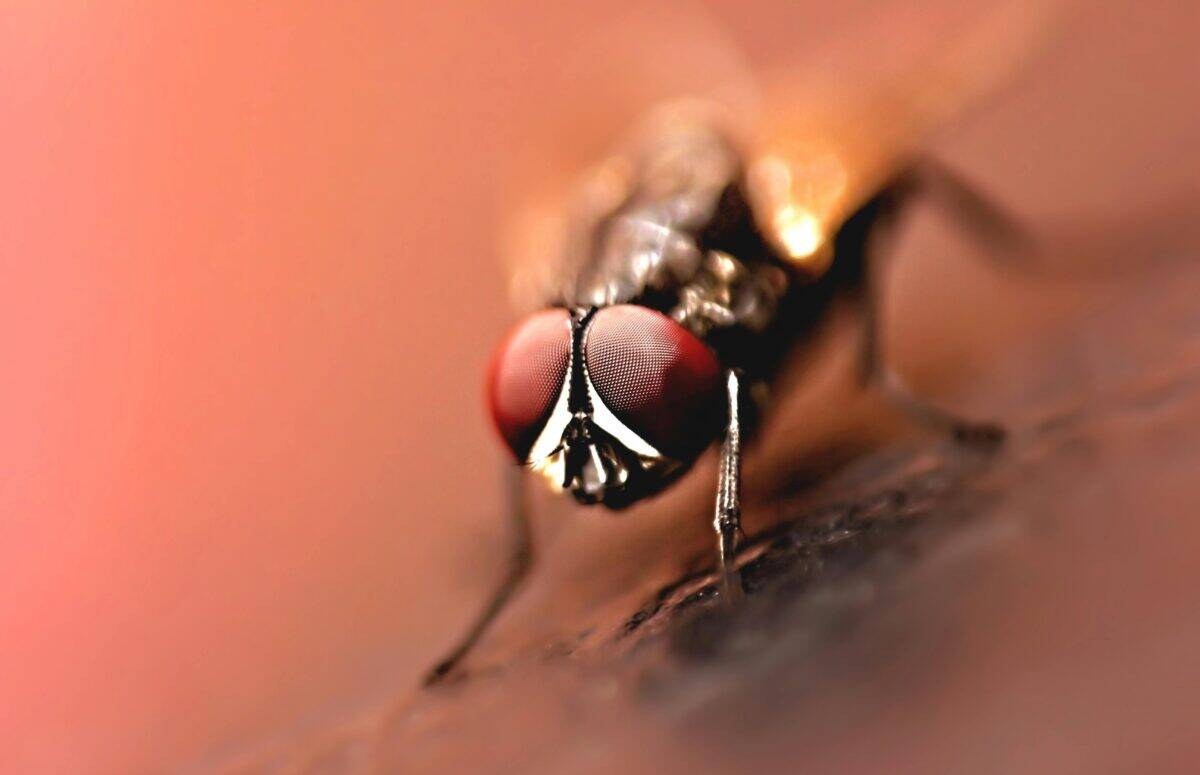
The New World Screwworm (Cochliomyia hominivorax) lays its eggs in wounds or body openings of animals. Once hatched, the maggots eat live flesh, causing massive tissue damage. It affects everything from cattle and deer to dogs—and even humans in rare cases.
In the 1950s and ’60s, the U.S. fought a massive eradication campaign using sterile fly releases. By 1966, the parasite was declared eradicated from the U.S. Still, any breach in that biological barrier could cost billions to agriculture and wildlife conservation.
Texas on High Alert
With a major cattle industry, Texas is especially vulnerable. Ranchers and wildlife experts are being warned to look for signs: foul-smelling wounds, excessive bleeding, or maggot infestations on livestock or pets. Early detection is key to preventing the fly from re-establishing itself.
In 2016, a similar outbreak occurred in the Florida Keys, affecting the endangered Key deer. The USDA quickly contained it using the sterile insect technique—but not before dozens of deer died.
How the USDA Fights the Fly
The USDA’s main weapon is an army of sterile male flies. These are released by aircraft over wide areas where wild screwworms may be active. When the sterile males mate with females, no viable offspring are produced, collapsing the population over time.
Based in Panama, this program creates over 400 million sterile flies weekly. With this system already in place, the U.S. is better prepared now than during the original outbreak decades ago—but fast action is critical.
What Ranchers and Pet Owners Can Do

The USDA advises ranchers to inspect livestock daily, especially animals with wounds. Pets should also be checked for injuries and kept away from carcasses or infected animals. If maggots are found, owners should contact their veterinarian or local animal control immediately.
Educational materials are being distributed throughout southern Texas. Community workshops and webinars are also underway to raise awareness in at-risk communities.
A Reminder of How Quickly Nature Can Shift
Experts say this incident is a reminder that disease threats can re-emerge even decades after eradication. With global travel, climate shifts, and cross-border trade, parasites like the screwworm can re-enter ecosystems faster than expected. Vigilance never goes out of style regarding invasive species.

- Coatimundi Attacks Arizona Hiker in Rare Desert Confrontation - July 17, 2026
- Rabid Bat Bites Texas Man—Fourth Kerr County Case This Year - July 17, 2026
- Colorado’s Rattlesnake Den Livestreams 2,000 Snakes - July 15, 2026