


From ancient folklore to modern-day anecdotes, stories of animals detecting human illness have fascinated us for centuries. Many pet owners share remarkable tales of their faithful companions acting differently just before they experienced health issues—sometimes even before symptoms appeared. Dogs sitting vigilantly by their owners during medical episodes, cats suddenly becoming affectionate with a previously ignored family member who later discovers they have cancer, or horses refusing to be ridden by someone who later suffers a heart attack. But how much of this is mere coincidence or wishful thinking, and how much is supported by scientific evidence? This article explores the fascinating intersection of animal behavior and human health, examining what current research tells us about animals’ ability to detect illness in humans.
The Historical Context of Animals Sensing Illness

Throughout history, humans have observed and documented animals behaving unusually before natural disasters or in the presence of sick individuals. Ancient Greek physicians noted that certain animals would avoid people with infectious diseases. In medieval Europe, it was common belief that dogs could sense the presence of the plague. Native American traditions often included stories of animals warning of illness or healing the sick. These historical observations weren’t scientifically validated at the time, but they laid the groundwork for our modern understanding that animals might perceive aspects of human health that escape our own awareness. The persistence of these beliefs across diverse cultures and time periods suggests there may be observable phenomena behind the folklore, which modern science is now beginning to investigate with rigorous methods.
The Science Behind Animal Senses
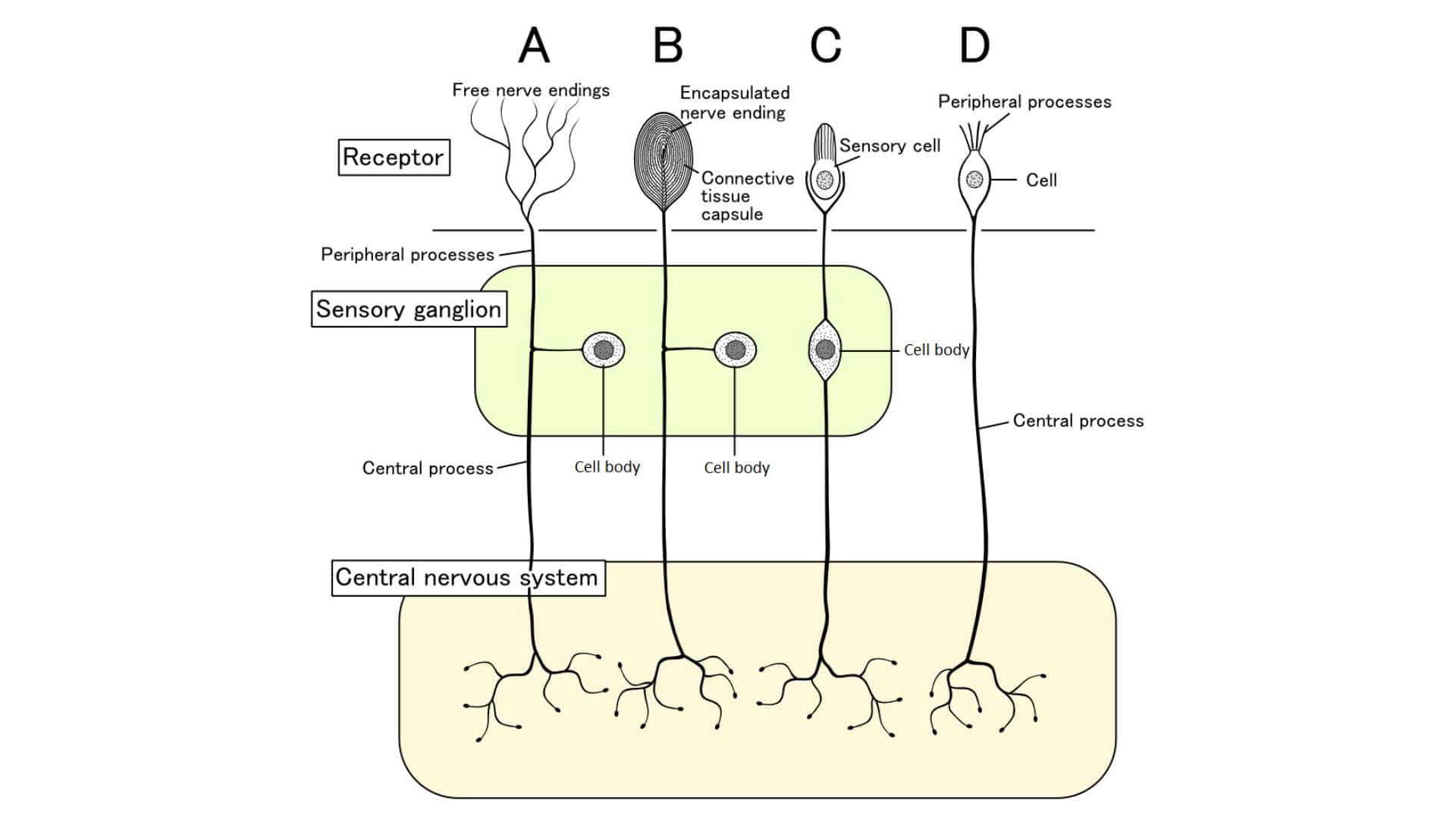
To understand how animals might detect illness, we must first appreciate the remarkable sensory capabilities many species possess. Dogs have approximately 300 million olfactory receptors compared to humans’ mere 6 million, making their sense of smell at least 10,000 times more acute than ours. Cats can hear frequencies up to 64 kHz, while humans top out around 20 kHz. Many animals also detect subtle changes in body temperature, posture, and behavioral patterns that might escape human observation. These enhanced senses create a perceptual world vastly different from our own. When someone becomes ill, their body chemistry changes, producing different volatile organic compounds (VOCs) in breath, sweat, and urine; their body temperature fluctuates; their movements and behaviors shift subtly. While these changes might be imperceptible to human companions, they can create a dramatic sensory signature that animals with heightened senses can detect, potentially explaining their ability to notice illness before we do.
Dogs as Disease Detectors: The Research Evidence

Among all animals, dogs have been the most extensively studied for their disease-detection abilities. Numerous peer-reviewed studies have demonstrated dogs’ capacity to identify various medical conditions through scent alone. Research published in journals like BMJ, The Lancet, and PLOS ONE has shown trained dogs can detect lung cancer with 97% accuracy, prostate cancer with 99% specificity, and colorectal cancer with 95% accuracy by sniffing breath or urine samples. In a groundbreaking 2019 study at the University of Pennsylvania, dogs were able to identify blood samples from patients with lung cancer with 96.7% sensitivity and 97.5% specificity. Similarly, researchers at the Medical Detection Dogs charity in the UK have trained dogs to alert diabetic owners to dangerous blood sugar fluctuations, sometimes up to 15 minutes before conventional monitors. Medical alert service dogs have also been trained to detect oncoming seizures, sometimes before the person experiences any conscious symptoms. These studies employ double-blind methodologies, controlling for handler bias and other confounding factors, providing compelling scientific evidence for dogs’ disease-detection capabilities.
Cats and Their Mysterious Sensing Abilities

While cats haven’t been studied as extensively as dogs in clinical settings, compelling anecdotal evidence suggests they too may sense illness in their human companions. One of the most famous cases is Oscar, a therapy cat at the Steere House Nursing and Rehabilitation Center in Rhode Island, who gained international attention for his apparent ability to predict death. Dr. David Dosa documented in the New England Journal of Medicine how Oscar would curl up with patients who were within hours of death, with over 50 accurate predictions. Some scientists speculate that cats may detect subtle changes in body odor caused by ketones released during final stages of life, or they may pick up on body temperature changes or subtle behavioral cues invisible to humans. While laboratory studies confirming cats’ diagnostic abilities remain limited, their finely tuned senses—including the ability to hear frequencies up to three times higher than humans and having a sense of smell 14 times more sensitive than ours—provide the physiological foundation for such capabilities. Researchers at the Animal Behavior Institute have noted that cats’ independence actually makes them potentially more reliable observers than dogs, as they’re less likely to respond to subconscious human cues.
The Case of Seizure Alert Animals

Seizure response and seizure alert animals represent one of the most documented areas of animals sensing medical conditions. While seizure response animals are trained to help during and after seizures, seizure alert animals appear to predict seizures before they happen—sometimes 10 to 20 minutes in advance. A 2019 study published in Scientific Reports found trained dogs could identify seizure-specific odors with 100% accuracy. Research at Queen’s University Belfast demonstrated that dogs can detect chemical changes emitted through sweat before a seizure occurs. What makes this phenomenon particularly interesting is that some animals develop this ability spontaneously, without specific training. A survey by the University of Florida found that approximately 15% of families with both epilepsy patients and untrained dogs reported their dogs demonstrated alerting behaviors before seizures. These behaviors included intense staring, circling, pacing, or even physically attempting to prevent the person from standing. The Epilepsy Foundation now recognizes the potential value of seizure alert animals, though they caution reliability varies considerably between individual animals, and more controlled studies are needed to fully understand this phenomenon.
Diabetes Alert Animals: Life-Saving Companions

For people with diabetes, especially those with hypoglycemia unawareness (inability to sense when blood sugar drops to dangerous levels), diabetes alert dogs (DADs) can be literal lifesavers. These specially trained animals can detect blood sugar fluctuations by smelling changes in their owner’s breath or sweat. When glucose levels fall or rise to dangerous levels, the person’s body produces specific volatile organic compounds that the dogs can identify, sometimes with greater speed and accuracy than medical devices. A 2016 study in the journal Diabetes Care found that trained dogs alerted their owners to blood sugar changes with 83% accuracy. More impressively, a 2019 study from the University of Bristol showed that under controlled conditions, diabetes alert dogs could detect hypoglycemic episodes with 90% accuracy, often alerting 15-30 minutes before conventional monitors registered the change. Beyond the medical benefits, these animals provide psychological support, reducing anxiety about undetected hypoglycemia and improving quality of life. Organizations such as Dogs4Diabetics and Medical Detection Dogs train and place these specialized service animals, though the rigorous training process means demand often exceeds supply, and costs (ranging from $15,000-$25,000 per dog) can be prohibitive without financial assistance.
Cancer Detection: Sniffing Out the Silent Killer

Cancer detection represents perhaps the most promising frontier in animal illness detection. Multiple studies have confirmed that dogs can be trained to detect various forms of cancer with remarkable accuracy. In a landmark 2006 study published in Integrative Cancer Therapies, five ordinary dogs were trained to identify lung cancer in breath samples, achieving 99% accuracy. Subsequent research has demonstrated canine detection of ovarian, prostate, colorectal, and breast cancers with similar success rates. What makes this ability particularly valuable is that dogs can often detect cancers at Stage I, when treatment is most effective but conventional tests might miss the disease. The biological mechanism appears to be the dogs’ ability to detect specific volatile organic compounds produced by cancer cells. In 2021, researchers at the MIT Lincoln Laboratory identified specific chemicals in the “cancer signature” that dogs respond to, bringing us closer to developing electronic “noses” based on canine capabilities. Several organizations, including the InSitu Foundation and Medical Detection Dogs, are working to standardize training protocols. While direct cancer screening by dogs isn’t yet incorporated into standard medical practice, research in this field has spurred development of “electronic nose” technology that mimics canine olfaction, potentially revolutionizing early cancer detection.
Psychological Conditions: Can Animals Sense Mental States?

Beyond physical ailments, evidence suggests animals may also detect psychological states and mental health conditions. Service dogs trained for psychiatric support can alert their handlers to impending panic attacks, anxiety episodes, or PTSD flashbacks, sometimes before the person becomes consciously aware of their symptoms. A 2017 study in Frontiers in Veterinary Science found that trained service dogs for veterans with PTSD could detect and respond to anxiety and stress cues with 90% accuracy. The mechanism likely involves a combination of scent detection—stress hormones like cortisol produce distinctive odors—and observation of subtle behavioral changes, such as muscle tension or micro-expressions. Research at Purdue University’s Center for the Human-Animal Bond has demonstrated that animals can distinguish between baseline and elevated stress levels by scent alone. Beyond trained service animals, ordinary pets often exhibit changed behavior around owners experiencing depression, anxiety, or emotional distress. Interestingly, a 2019 study from Washington State University found that petting and interacting with animals reduced cortisol levels in students, suggesting a bidirectional relationship where animals not only sense our psychological states but may actively help regulate them. While this area requires more controlled research, preliminary evidence suggests animals’ perceptiveness extends to our mental and emotional health.
How Different Animal Species Compare in Detection Abilities

While dogs have received the most scientific attention, various animal species demonstrate different sensing specialties. Dogs excel at scent-based detection, making them ideal for conditions that produce distinct odor signatures. Cats appear particularly sensitive to behavioral changes and physical weakness, with their independence potentially making them more objective observers. Horses, with their extreme sensitivity to human emotions and body language, have been documented responding differently to riders with concealed physical pain or anxiety disorders. Birds, particularly parrots and canaries, have historically been used to detect environmental toxins due to their sensitive respiratory systems. A study from the Monell Chemical Senses Center found that different species detect different compound classes with varying sensitivity—dogs excel with aldehyde detection (relevant for cancer), while rodents show greater sensitivity to amines (relevant for kidney disease). Even insects show promise; researchers at the University of Konstanz in Germany have trained honeybees to detect tuberculosis in sputum samples. These varying sensitivities reflect evolutionary adaptations to different ecological niches and suggest that a multi-species approach might provide the most comprehensive illness detection capabilities. The field of comparative olfaction continues to expand our understanding of how different animals’ sensory systems might complement each other in medical detection applications.
The Limitations and Controversies in the Research

Despite promising research, the field of animal illness detection faces significant limitations and controversies. Many studies suffer from small sample sizes, lack of standardized training protocols, and difficulty controlling for handler bias. A 2019 systematic review in BMC Cancer identified inconsistent methodologies across canine cancer detection studies, making direct comparison problematic. False positives and false negatives occur even with well-trained animals, raising concerns about reliability for clinical applications. Critics note that publication bias may skew the literature toward positive results, while negative findings remain unpublished. There’s also debate about whether animals are detecting specific diseases or general physiological distress; some studies suggest dogs may be responding to universal “sickness” indicators rather than disease-specific biomarkers. Ethical considerations arise regarding the welfare of animals trained for medical detection, particularly in high-stress environments. The American Veterinary Medical Association has called for more research into both the efficacy of detection animals and their welfare during training and working conditions. Additionally, regulatory frameworks for certifying medical detection animals remain inconsistent across countries, complicating their integration into healthcare systems. These limitations don’t negate the field’s promise but highlight the need for larger, more standardized studies before widespread clinical implementation.
Practical Applications: From Research to Real World

Despite ongoing research challenges, animal illness detection is already finding practical applications. Medical alert service dogs now help thousands of individuals with conditions like diabetes, epilepsy, and severe allergies navigate daily life with greater independence and security. Major hospitals, including Massachusetts General Hospital and Johns Hopkins Hospital, have implemented therapy animal programs after research showed reduced stress hormones and improved outcomes when animals visit patients. The UK charity Medical Detection Dogs partners with the NHS on clinical trials using canine olfaction for early disease detection. In some airports and public health settings, disease-detection dogs have been deployed to screen for COVID-19, with a study in The Lancet Respiratory Medicine reporting 82-94% sensitivity. Bio-detection animals are also being utilized in developing regions where sophisticated medical equipment is unavailable or prohibitively expensive. For example, African giant pouched rats trained by the APOPO organization detect tuberculosis in sputum samples across Tanzania and Mozambique, screening thousands of samples daily at a fraction of traditional laboratory costs. These applications represent the translation of research into real-world solutions, though most medical professionals view animal detection as a complementary approach rather than a replacement for conventional diagnostics. The field continues to evolve, with promising pilot programs demonstrating how animals’ natural abilities can enhance human healthcare systems.
The Future of Animal-Assisted Disease Detection

The future of animal-assisted disease detection points toward integration with technology and formalized medical protocols. Researchers at MIT and Tufts University are developing “artificial noses” based on the biological mechanisms of canine olfaction, potentially allowing machines to replicate animals’ detection abilities with greater consistency. The emerging field of “volatilomics”—studying disease-specific volatile compounds—has been accelerated by animal detection research. Several startups are developing portable devices that mimic dogs’ ability to detect cancer, including the Na-Nose device which demonstrated 86% accuracy for lung cancer in clinical trials. Medical institutions are establishing standardized certification programs for detection animals, similar to those for guide dogs. The Virtual Physiological Human Institute is creating digital models of animal sensory systems to better understand and replicate their detection capabilities. Interdisciplinary collaboration between veterinarians, physicians, chemists, and bioengineers is expanding, with major research initiatives at institutions like the University of Pennsylvania’s Working Dog Center focusing specifically on medical detection applications. As our understanding of the biological mechanisms behind animal illness detection improves, we may see more targeted training programs developing animals specialized for specific medical conditions. Some experts predict that within a decade, animal detection may become a standard screening tool for certain conditions, particularly those where early detection significantly improves outcomes, like certain cancers or degenerative neurological conditions.
The growing body of scientific evidence strongly suggests that many animals can indeed sense human illness, sometimes before conventional medical tests or even before patients themselves notice symptoms. This ability appears rooted in animals’ superior sensory capabilities—particularly olfaction—which allow them to detect subtle biochemical changes associated with disease states. While dogs have been studied most extensively, other species demonstrate similar abilities, each with unique sensory specializations. Despite promising research, significant questions remain about reliability, standardization, and specific mechanisms of detection. The most compelling evidence exists for conditions producing distinct chemical signatures, including diabetes, seizure disorders, and certain cancers. As research methodologies improve and larger studies emerge, we’re gaining a clearer picture of how to harness these remarkable animal abilities in healthcare settings. Whether through direct assistance from trained medical alert animals or through technology inspired by animal sensory systems, this field represents a fascinating convergence of nature and medical science. The ancient human intuition that animals sense things about our health that we cannot has found validation in modern research, reminding us that in the complex quest to understand and treat human disease, our animal companions may be not just sources of comfort but valuable allies in detection and early intervention.

- The Threats Tigers Face Today—From Poaching to Habitat Loss - July 29, 2026
- The Most Chill Animals Taking Over the Internet: Meet the Capybara Kings - July 29, 2026
- Prairie Dogs and Bison: Wildlife of the Tallgrass Prairie - July 29, 2026