
Worried about unexpected vet bills?
Pet insurance can cover thousands in unexpected vet costs. Get a free quote from Lemonade in under 2 minutes.
Get My Free Quote →Sponsored · Opens Lemonade.com
For decades, nature reserves have been the cornerstone of global conservation efforts, set aside as sanctuaries where wildlife and ecosystems can theoretically thrive free from human interference. These protected areas now cover roughly 15% of the world’s land surface and 7.5% of ocean areas, representing humanity’s most significant spatial commitment to biodiversity conservation. Yet, alarming declines in wildlife populations, ecosystem health, and biodiversity continue worldwide, raising a critical question: Are these designated havens truly fulfilling their intended purpose, or are they falling short of their conservation mission? This article examines the complex challenges facing nature reserves today, evaluates their effectiveness, and explores potential solutions to strengthen their conservation impact.
The Original Conservation Vision

The modern concept of nature reserves emerged in the late 19th century, epitomized by the establishment of Yellowstone National Park in 1872 as the world’s first national park. The founding vision was relatively straightforward: set aside pristine natural areas to protect them from resource exploitation and development, thereby preserving wilderness and wildlife for future generations. This “fortress conservation” approach assumed that by creating boundaries between humans and nature, ecosystems would remain intact and wildlife would flourish. Early reserves were established primarily to protect scenic landscapes and charismatic wildlife species, with goals focused on preservation rather than active management. This preservationist vision has evolved considerably over time, but many reserves still operate under frameworks established by these original conservation philosophies, which may not address the complex, interconnected challenges of the 21st century.
Size and Isolation Limitations
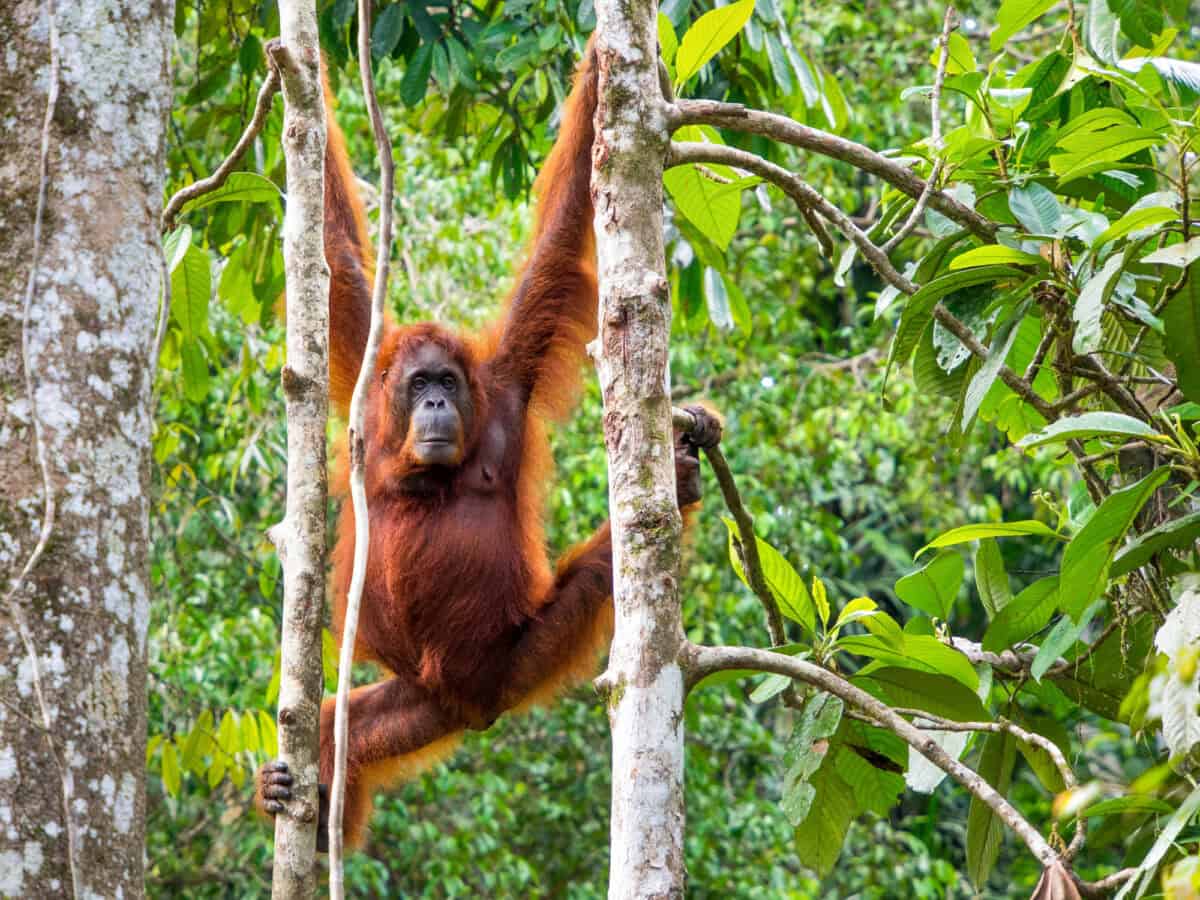
One of the most fundamental challenges facing many nature reserves is simply their size and isolation. Conservation biology has established that small, isolated protected areas often cannot maintain viable populations of many species, particularly large mammals with extensive home ranges. Research shows that many reserves worldwide are too small to support genetically healthy populations of their target species—a study in South Africa found that reserves smaller than 1,000 square kilometers struggle to maintain viable lion populations without intensive management intervention. The theory of island biogeography, pioneered by Robert MacArthur and E.O. Wilson, explains how isolated habitat patches experience higher extinction rates and lower species diversity over time. As surrounding landscapes become increasingly developed and fragmented, nature reserves increasingly function as ecological islands, subject to the same biological constraints. This isolation can lead to genetic bottlenecks, reduced resilience to environmental stressors, and eventual local extinctions, even with strict protection measures in place.
The Paper Park Phenomenon
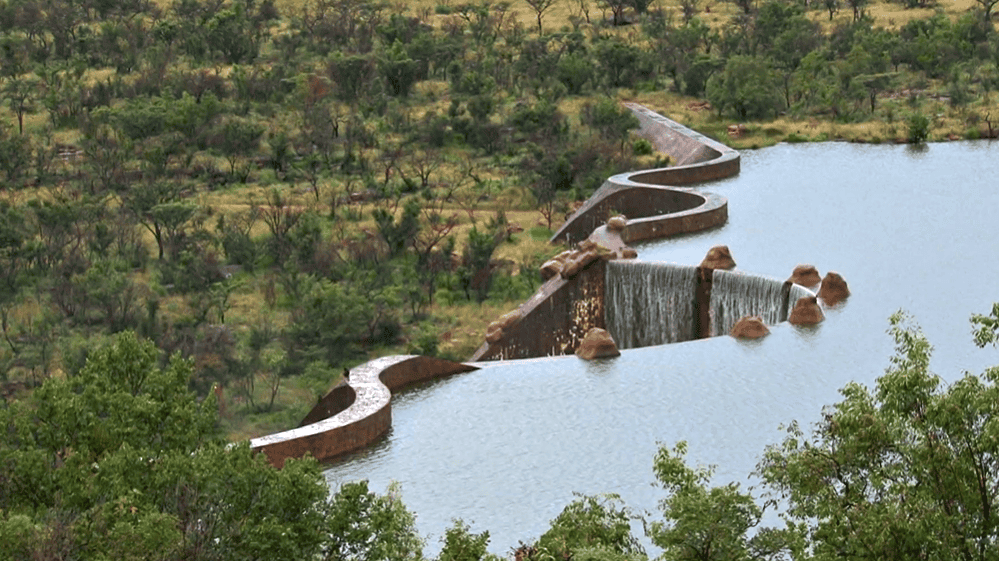
Perhaps the most troubling failure in protected area effectiveness is the “paper park” phenomenon—reserves that exist legally on paper but receive little actual protection on the ground. A 2019 assessment by the International Union for Conservation of Nature (IUCN) estimated that only about 10% of protected areas globally are effectively managed, with adequate staffing, funding, and enforcement mechanisms. Many reserves, particularly in developing nations, lack the necessary resources for basic operations like boundary patrol, wildlife monitoring, and threat management. Without these fundamentals, illegal activities proliferate—a 2018 study published in Science found evidence of human encroachment in 32.8% of protected forest areas across the tropics. The paper park problem represents a profound implementation gap between conservation intentions and reality, undermining the entire protected area paradigm regardless of how well reserves are designed in theory.
Climate Change: The Moving Target Problem

Climate change presents an existential challenge to the traditional static reserve model. Protected areas were generally established under the assumption of relatively stable climatic conditions, with boundaries drawn to encompass existing habitats and species ranges. However, climate change is rapidly shifting the ecological conditions within reserves, often faster than ecosystems can naturally adapt. Research in Proceedings of the National Academy of Sciences projects that by 2070, up to 58% of species may need to migrate outside their current protected areas to find suitable climatic conditions. Fixed reserve boundaries cannot accommodate these shifts, creating a fundamental mismatch between conservation goals and ecological reality. High-elevation and high-latitude reserves are particularly vulnerable, with some alpine protected areas already experiencing dramatic vegetation changes and species losses. The immobile nature of protected areas in the face of mobile climate envelopes represents perhaps the most significant structural challenge to their long-term conservation effectiveness.
External Threats and Edge Effects

Protected areas do not exist in isolation from their surroundings, and external threats increasingly penetrate reserve boundaries. Edge effects—ecological changes that occur at the boundary between different habitats—grow more pronounced as surrounding areas face intensifying development pressure. Research has documented how these edge effects can extend kilometers into protected areas, altering temperature, humidity, wind patterns, and species compositions. Pollution presents another boundary-crossing threat; a 2020 study in Nature Communications found that 90% of protected areas globally are exposed to nitrogen pollution levels exceeding critical ecological thresholds. Other transboundary threats include invasive species, which cause approximately $120 billion in environmental damages annually in the United States alone, and disease transmission between wildlife, domestic animals, and humans. Even well-managed reserves struggle to mitigate these external pressures, which often originate far beyond their jurisdictional control, highlighting the limitations of even the best-designed protected areas in an interconnected world.
Funding Shortfalls and Economic Pressures
Chronic underfunding undermines conservation effectiveness in protected areas worldwide. A comprehensive 2018 analysis published in the Proceedings of the National Academy of Sciences estimated that effective protected area management requires approximately $2,300 per square kilometer annually, yet actual spending in many developing nations averages less than $100 per square kilometer. This funding gap—estimated at $67 billion annually for the global protected area network—translates directly into conservation failures on the ground. Economic pressures also create competing priorities, particularly in regions with high poverty rates adjacent to protected areas. When local communities must choose between immediate economic needs and long-term conservation goals, short-term necessities naturally prevail. Tourism revenue, often proposed as a sustainable funding mechanism, proves highly volatile—as dramatically illustrated when the COVID-19 pandemic reduced global ecotourism revenue by an estimated 93% in 2020, leaving many reserves without operating funds. The economic vulnerability of protected area systems represents a fundamental weakness in their conservation model, as conservation effectiveness ultimately depends on sustained financial resources.
Human-Wildlife Conflict
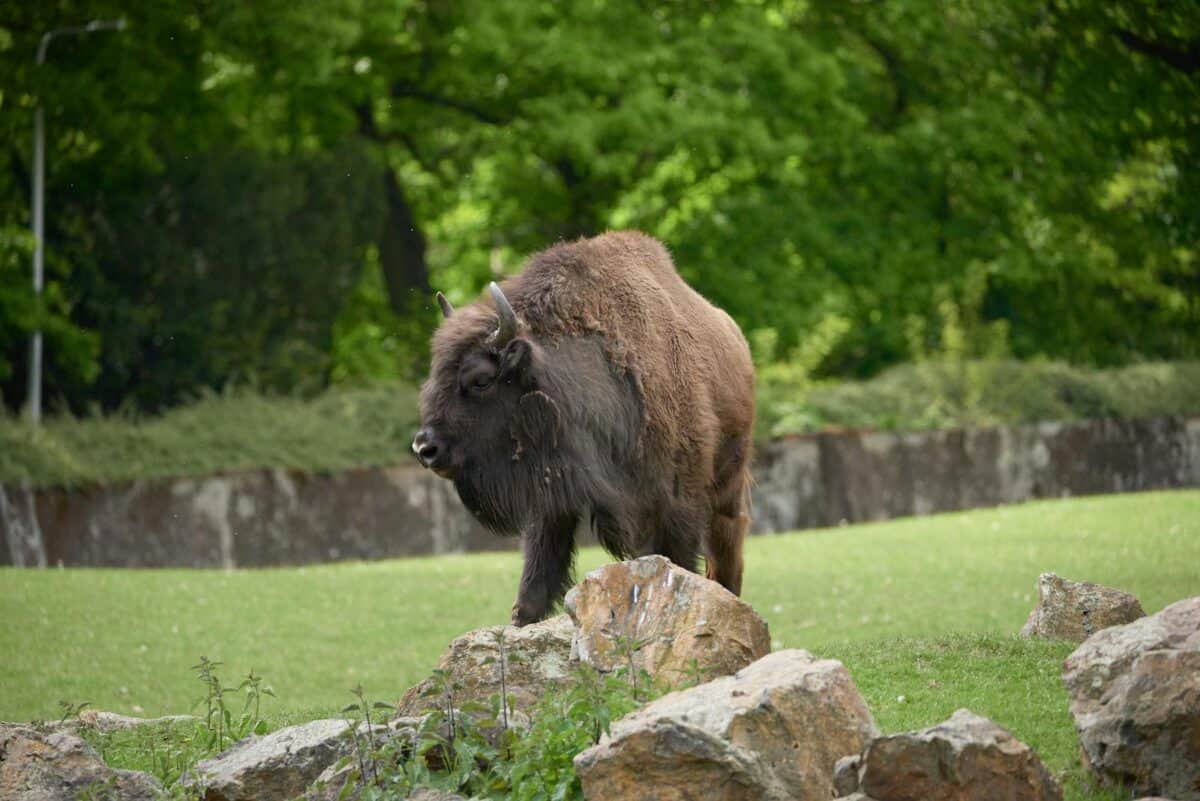
As human populations expand around protected area boundaries, human-wildlife conflict intensifies, creating significant challenges for conservation objectives. Large mammals like elephants, tigers, and wolves that require extensive territories inevitably range beyond reserve boundaries, where they encounter farms, livestock, and settlements. The costs of these interactions fall disproportionately on local communities—elephant crop raiding in Africa can destroy an entire season’s harvest in a single night, while predator attacks on livestock represent significant economic losses for pastoralists. These conflicts generate understandable resentment toward conservation initiatives and protected areas more generally. Research in Conservation Biology documents how retaliatory killings following livestock predation have driven steep population declines in multiple carnivore species globally, including within supposedly protected areas. Without addressing these conflict dynamics through compensation schemes, improved husbandry practices, and benefit-sharing mechanisms, many reserves face persistent antagonism from surrounding communities, severely compromising their conservation effectiveness.
The Indigenous Rights Question
Many protected areas were historically established through the displacement of indigenous and local communities, creating contentious legacies that continue to undermine conservation effectiveness. The traditional “fortress conservation” model often assumed that human presence was incompatible with biodiversity protection, leading to forced evictions documented across Africa, Asia, and the Americas. However, growing evidence suggests that indigenous-managed territories often preserve biodiversity as effectively as—and sometimes better than—conventional protected areas. A landmark 2019 study spanning 28 countries found that indigenous lands exhibited equal or lower deforestation rates compared to strictly protected areas with similar ecological characteristics. Indigenous management practices frequently incorporate sustainable resource use techniques refined over centuries, alongside strong cultural incentives for conservation. The historical marginalization of these knowledge systems and governance approaches represents not only a social justice failure but a missed opportunity for more effective conservation strategies. Protected areas increasingly recognize these tensions, with new models emerging that emphasize co-management, indigenous territorial rights, and traditional ecological knowledge integration.
Success Stories and Evidence of Effectiveness

Despite significant challenges, evidence shows that well-designed, adequately funded protected areas do deliver meaningful conservation outcomes. A 2019 meta-analysis in Conservation Letters examining 42 countries found that protected areas maintained higher vertebrate population abundances compared to non-protected landscapes, with an average positive effect of 14.5%. Success stories include the recovery of mountain gorillas in East Africa’s Virunga Mountains, where intensive protection efforts have increased populations from fewer than 400 individuals in the 1980s to over 1,000 today. Similarly, tiger populations in India’s well-protected reserves have increased by 33% since 2014, demonstrating that dedicated conservation can reverse declines of even highly threatened species. Marine protected areas show particularly strong results when properly enforced—a global analysis in Nature found that fish biomass in well-protected marine reserves averages 670% greater than in adjacent unprotected areas. These success stories share common elements: adequate funding, strong governance, integration with surrounding landscapes, and genuine engagement with local communities. While not universally achieved, these examples prove that protected areas can fulfill their conservation mission when properly designed and resourced.
Beyond Boundaries: Connectivity and Corridors

Recognition of size and isolation limitations has spurred innovative approaches to connect protected areas into larger, more resilient conservation networks. Wildlife corridors—protected connections between habitat patches—help maintain genetic exchange between otherwise isolated populations and facilitate species movement in response to climate change. The Yellowstone to Yukon Conservation Initiative represents one of the most ambitious corridor projects, working to connect protected areas across a 2,000-mile stretch of the Rocky Mountains. Similar large-landscape approaches include the Jaguar Corridor Initiative in Latin America and the Great Eastern Ranges Initiative in Australia. Research demonstrates these connections deliver measurable conservation benefits—a 2020 study in Proceedings of the National Academy of Sciences found that connected protected areas maintain 14% more species than isolated reserves of similar size. These connectivity approaches represent a paradigm shift from viewing protected areas as isolated sanctuaries to understanding them as anchor points within broader conservation landscapes, potentially addressing many limitations of traditional reserve designs.
Community-Based Conservation Alternatives

In response to limitations of traditional protected areas, community-based conservation has emerged as a promising alternative approach. These models place local communities at the center of conservation decision-making while delivering tangible economic benefits from biodiversity protection. The Namibian Community Conservancy program exemplifies this approach, with 86 conservancies now managing 166,000 square kilometers of land. This program has achieved remarkable outcomes, including increasing Namibia’s elephant population from approximately 7,500 to over 22,000 since 1995. Similarly, Nepal’s community forestry program has restored forest cover across 2.2 million hectares while improving local livelihoods. Research suggests that community-managed areas can be particularly effective at preventing deforestation and maintaining sustainable resource use. A 2020 study in Ecology and Society found that indigenous and community managed lands globally face lower deforestation pressures than conventional protected areas with similar characteristics. By aligning conservation incentives with local interests, these approaches potentially overcome many social and economic barriers that undermine traditional protected area effectiveness.
Technological Innovations in Conservation
Emerging technologies offer promising tools to address limitations of traditional protected area management. Satellite monitoring now provides near-real-time detection of deforestation, with systems like Global Forest Watch alerting managers to illegal clearing within days rather than months or years. DNA analysis enables non-invasive monitoring of elusive species through techniques like environmental DNA sampling and genetic census methods. Advanced tracking technologies, including GPS collars and acoustic monitoring networks, provide unprecedented data on wildlife movements and behaviors, helping managers identify critical habitats and movement corridors. Drone technology revolutionizes anti-poaching enforcement, with thermal imaging capabilities enabling night patrols that were previously impossible. Artificial intelligence applications further extend these capabilities—machine learning algorithms can now analyze camera trap images automatically, reducing processing time from months to hours. While these technologies cannot substitute for fundamental protected area management needs like adequate funding and staffing, they multiply the effectiveness of available resources and provide evidence-based metrics for conservation outcomes, potentially transforming how protected areas operate and are evaluated.
Conclusion: Reimagining Protected Areas for the 21st Century

Nature reserves have unquestionably prevented countless extinctions and preserved irreplaceable ecosystems, yet their limitations in addressing contemporary conservation challenges are increasingly evident. The evidence suggests a nuanced reality—protected areas remain essential tools for biodiversity conservation, but their effectiveness varies dramatically depending on design, management, funding, and integration with surrounding landscapes and communities. Rather than abandoning the protected area model, conservation science points toward reinventing it through expanded connectivity, indigenous and community co-management, sustainable funding mechanisms, and technological innovation. The future of effective conservation likely lies in viewing protected areas not as isolated fortresses but as anchors within larger, connected landscapes where conservation and sustainable human activities coexist. As climate change and other anthropogenic pressures intensify, this evolution from static preservation to dynamic, integrated conservation networks becomes not merely desirable but essential for fulfilling the mission that has always defined protected areas: safeguarding the planet’s biological diversity for future generations.
Worried about unexpected vet bills?
Pet insurance can cover thousands in unexpected vet costs. Get a free quote from Lemonade in under 2 minutes.
Get My Free Quote →Sponsored · Opens Lemonade.com

- The Most Decorated Crustacean in the Sea Literally Wears Camouflage - June 4, 2026
- 13 Most Colorful Coral Reef Creatures - June 4, 2026
- Meet the Loudest Animal in the Ocean - June 4, 2026