


When you think of venomous animals in the United States, your mind might immediately jump to rattlesnakes, black widow spiders, or perhaps scorpions. However, the title of the most venomous creature in the U.S. belongs to a rather unexpected candidate. This comprehensive exploration will dive deep into the fascinating world of America’s deadliest venomous creature, examining not only what makes it so dangerous but also its habitat, behavior, and the crucial role it plays in its ecosystem. We’ll also discuss how to avoid dangerous encounters, what to do if you’re envenomated, and how medical professionals treat such cases. Throughout history, these creatures have both fascinated and terrified humans, making them subjects of both scientific study and cultural significance.
Identifying America’s Most Venomous Creature: The Box Jellyfish

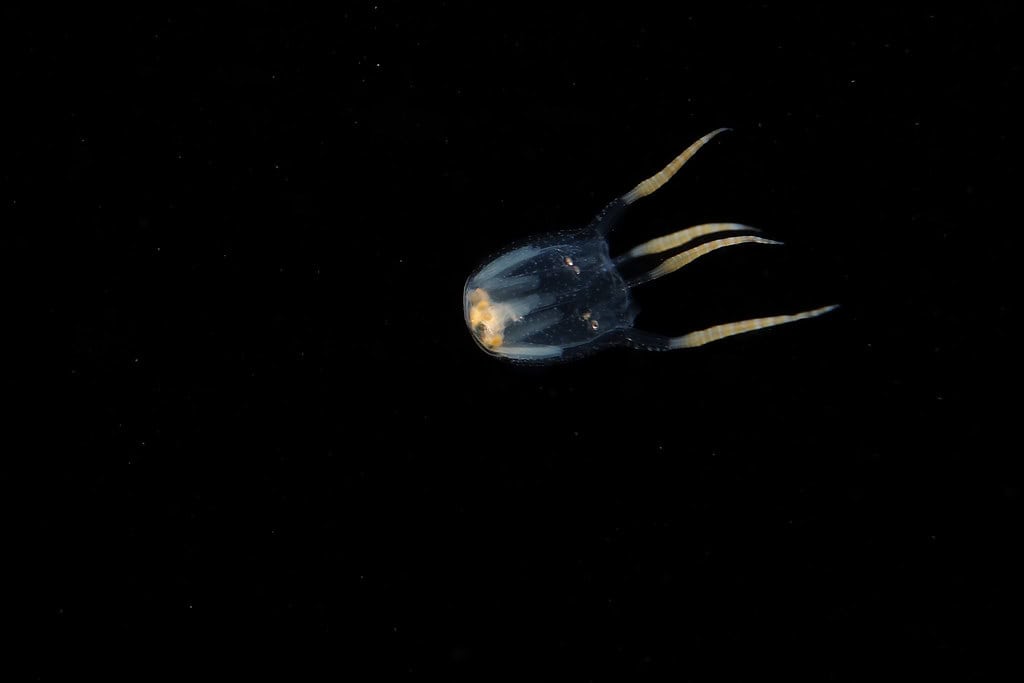
The most venomous creature in the continental United States is the box jellyfish (Cubozoa), specifically the Alatina alata species found primarily in Hawaiian waters. While many people assume rattlesnakes or spiders hold this title, box jellyfish venom is significantly more potent on a molecular level. These translucent, cube-shaped invertebrates possess a sophisticated venom delivery system consisting of specialized cells called nematocysts that fire like microscopic harpoons upon contact.
The venom contains a complex mixture of toxins, including proteins that attack the heart, nervous system, and skin cells simultaneously. A single box jellyfish can contain enough venom to kill multiple adults, making it far deadlier than any snake or spider found in America. Unlike many venomous creatures that use their venom primarily for hunting, the box jellyfish’s venom serves as both a defense mechanism and a means to capture prey.
The Science Behind the Venom’s Potency

What makes box jellyfish venom particularly lethal is its multi-system attack on the human body. The venom contains cardiotoxic, neurotoxic, and dermatonecrotic components, meaning it simultaneously affects the heart, nervous system, and skin. The primary toxin, called cubozoan toxin, can cause cardiac arrest within minutes in severe cases. Scientists have identified pore-forming proteins in the venom that create holes in cell membranes, causing rapid cell death.
A 2019 study published in the journal Nature Communications revealed that the venom contains porins that create molecular-sized holes in human red blood cells, leading to their rupture. This multifaceted attack makes box jellyfish venom uniquely dangerous compared to other venomous creatures. The venom’s potency is measured at around 20 micrograms per kilogram of body weight, making it one of the most toxic natural substances known to science. This sophisticated biochemical arsenal has evolved over millions of years, making these seemingly simple creatures extraordinarily dangerous predators.
Habitat and Distribution in the United States
Box jellyfish are primarily found in the warm coastal waters surrounding the Hawaiian Islands, though some species have been spotted along the Gulf Coast of Florida, particularly during summer months. In Hawaii, they often appear in predictable lunar cycles, typically 8-10 days after a full moon when they come closer to shore to reproduce. This phenomenon, known locally as “box jellyfish influx,” has become so predictable that Hawaiian officials now issue warnings to beachgoers during these times.
The warming of ocean temperatures due to climate change has gradually expanded their range northward along the Pacific coast, with isolated sightings reported as far north as California in recent years. Unlike many jellyfish that drift passively with currents, box jellyfish are active swimmers capable of achieving speeds up to 4 knots (4.6 mph), allowing them to actively hunt prey and navigate toward shorelines. They prefer shallow, warm waters where their prey is abundant, making popular swimming areas potential hotspots for encounters. Their nearly transparent bodies make them exceptionally difficult to spot in water, further increasing the risk of accidental contact.
Physical Characteristics and Identification
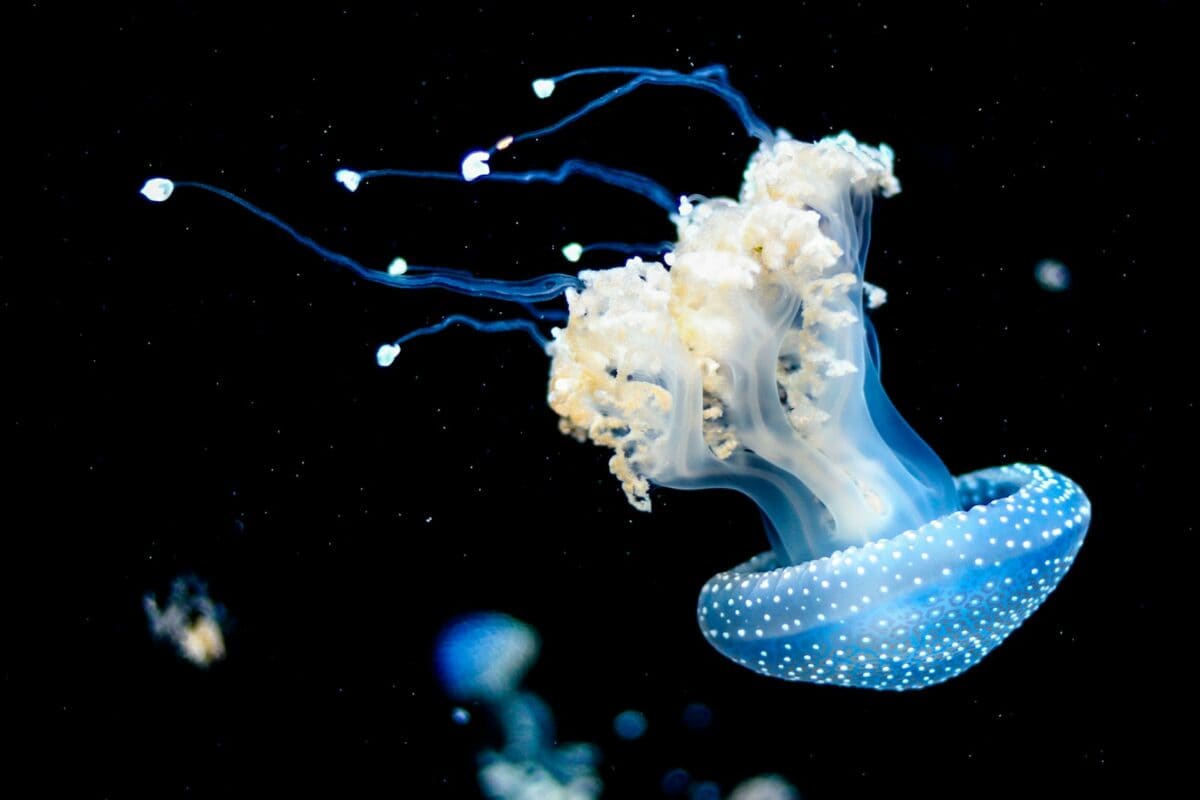
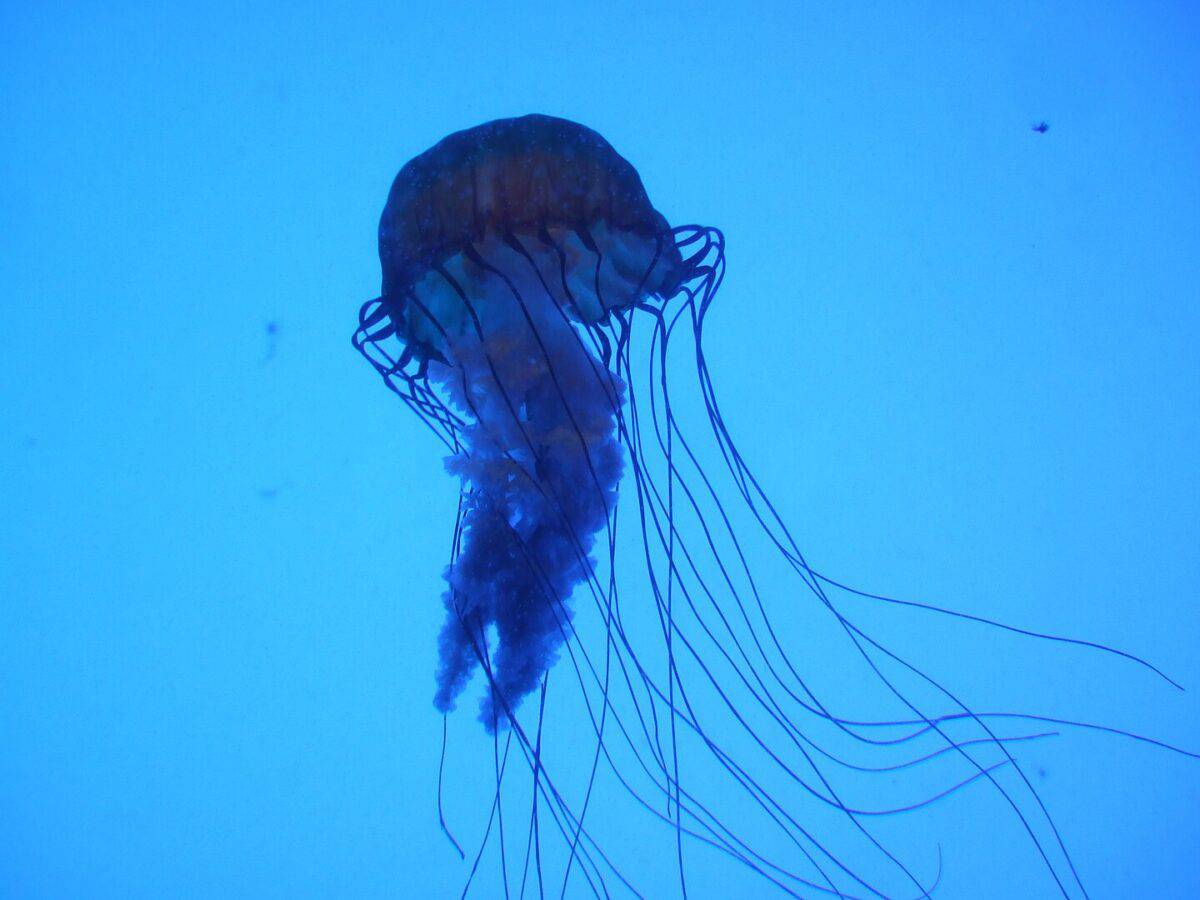
Box jellyfish derive their name from their distinctive cubic-shaped bell (body), which sets them apart from most other jellyfish species. The Hawaiian box jellyfish (Alatina alata) typically measures 2-3 inches across the bell with tentacles that can extend up to 3 feet in length. These tentacles are arranged in clusters, usually four in total, with each cluster containing multiple tentacles lined with thousands of nematocysts (stinging cells). What makes box jellyfish particularly unusual among jellyfish is their advanced sensory system, including 24 eyes of four different types—including some with lenses, corneas, and retinas similar to human eyes.
This sophisticated visual system allows them to actively hunt prey rather than simply drifting and accidentally encountering food. Their transparent body appears pale blue or colorless in water, making them nearly invisible to both predators and unwary swimmers. Unlike many jellyfish, they can swim at speeds up to 4 knots by contracting their bell in a jet-propulsion manner, giving them more directed movement than their relatives. The combination of near-invisibility, speed, and sensory sophistication makes them exceptionally efficient predators.
The Human Impact: Symptoms of Envenomation

A box jellyfish sting produces immediate and excruciating pain that victims often describe as feeling like being branded with hot metal or whipped with fiery chains. The initial contact typically creates visible red welts where the tentacles touched the skin, developing into a distinctive cross-hatched pattern as the venom spreads. Within minutes, systemic symptoms can develop, including nausea, vomiting, headache, and intense muscle pain. In severe cases, the venom can trigger Irukandji syndrome, characterized by back pain, muscle cramps, sweating, hypertension, and an overwhelming sense of doom.
The most dangerous aspect is the potential for cardiovascular collapse, as the venom can directly attack heart muscle cells, leading to irregular heartbeat and, in extreme cases, cardiac arrest. Respiratory distress may occur as the toxins affect the diaphragm and lungs. Psychological effects, including severe anxiety and panic, are common even in non-fatal stings, with some victims developing long-term post-traumatic stress responses. The intensity of symptoms varies based on the amount of venom injected, the person’s body weight, and individual sensitivity to the toxins, with children being particularly vulnerable due to their smaller body mass.
Medical Treatment and First Aid

Immediate first aid is critical when dealing with a box jellyfish sting, as the first minutes can determine survival in severe cases. The current medical recommendation is to rinse the affected area with vinegar for at least 30 seconds to deactivate unfired nematocysts, preventing further envenomation. Contrary to popular belief, urine is ineffective and can actually worsen the sting by causing additional nematocysts to fire. After vinegar application, carefully remove any remaining tentacles using tweezers or a gloved hand, never bare fingers. Pain management is the next priority, typically involving oral or injected analgesics depending on severity.
For severe reactions, emergency medical personnel may administer antivenin specific to box jellyfish, though this is more commonly available in Australia than in U.S. facilities. Cardiac monitoring is essential, as arrhythmias can develop even hours after the initial sting. Oxygen therapy and IV fluids are standard supportive care measures. In extreme cases where cardiac or respiratory arrest occurs, cardiopulmonary resuscitation (CPR) must be initiated immediately. Recovery from a box jellyfish sting can take anywhere from several days to weeks, with some victims experiencing persistent pain, scarring, or neuropathy in the affected areas.
Comparative Toxicity: Box Jellyfish vs. Other U.S. Venomous Animals

When comparing the box jellyfish to other venomous creatures found in the United States, its venom potency stands in a class of its own. The eastern diamondback rattlesnake, often considered America’s most dangerous snake, has a lethal dose of venom approximately 100 times larger than that of a box jellyfish on a weight-for-weight basis.
The Arizona bark scorpion, the most venomous scorpion in North America, produces venom that rarely causes fatalities in healthy adults, unlike the potentially lethal box jellyfish sting. Even the infamous brown recluse spider’s venom, while capable of causing necrotic lesions, doesn’t approach the systemic toxicity of box jellyfish venom. The primary distinction lies in how quickly symptoms progress: while rattlesnake envenomation typically provides a window of several hours for treatment, a severe box jellyfish sting can cause cardiovascular collapse within 20 minutes.
Marine biologists note that part of what makes the box jellyfish uniquely dangerous is its near invisibility in water combined with multiple long tentacles, creating a much larger “attack surface” than most venomous creatures. Additionally, unlike snakes or spiders that typically deliver a single dose of venom, contact with multiple jellyfish tentacles results in thousands of microscopic injections simultaneously, overwhelming the body’s detoxification systems.
Ecological Role and Importance
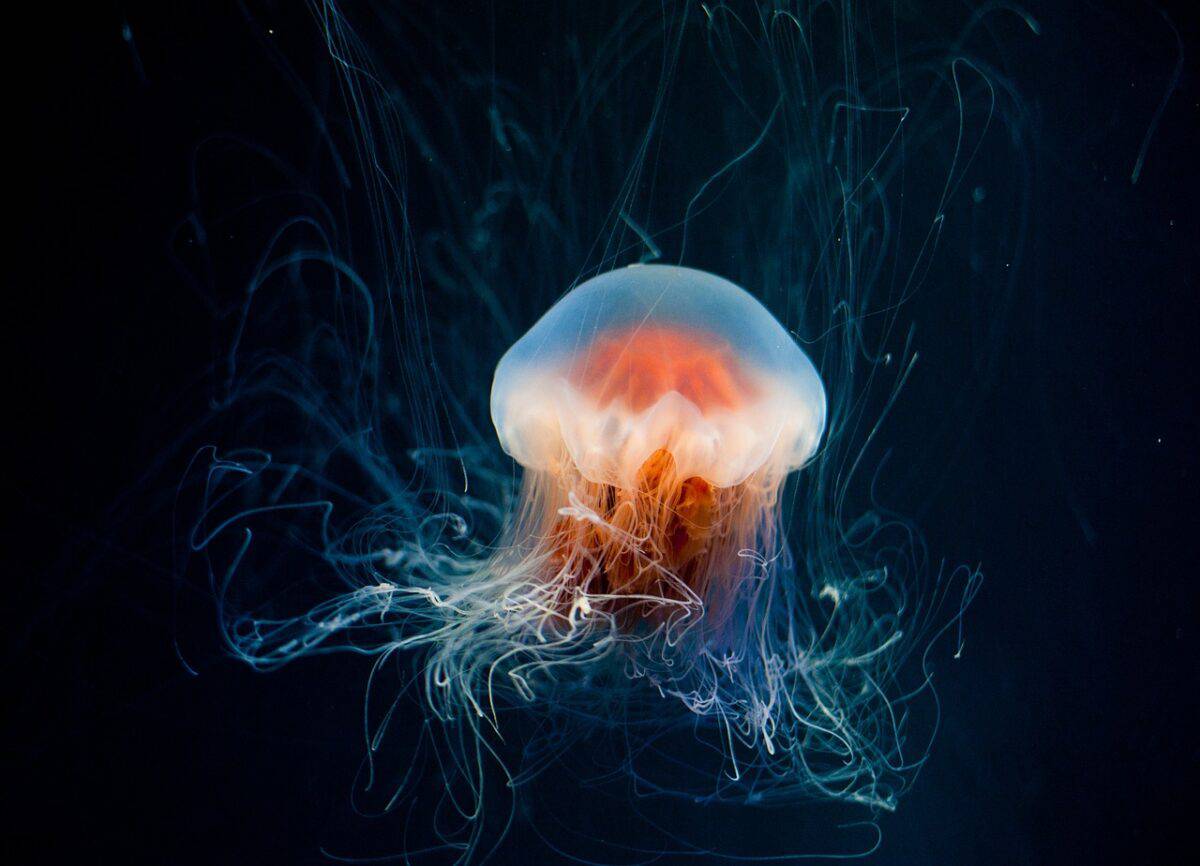
Despite their fearsome reputation, box jellyfish play a vital role in marine ecosystems. As predators, they help control populations of small fish and crustaceans, preventing any single species from dominating the ecosystem. Their feeding behavior influences the distribution and behavior of numerous marine species that have evolved to avoid these dangerous predators.
Box jellyfish also serve as prey for certain species of sea turtles, particularly the leatherback turtle, which has specialized adaptations including a thick esophageal lining that protects it from jellyfish stings. This predator-prey relationship helps maintain the delicate balance of marine food webs. Additionally, box jellyfish populations can serve as biological indicators of ocean health, as their abundance often correlates with specific water temperature, salinity, and nutrient levels.
Climate change researchers monitor box jellyfish distribution patterns as potential indicators of shifting marine ecosystems. Some species of juvenile fish find protection among box jellyfish tentacles, having evolved immunity to the venom, demonstrating the complex symbiotic relationships in marine environments. Researchers are increasingly studying box jellyfish venom for potential pharmaceutical applications, including pain management compounds and cardiac medications, highlighting how even the deadliest creatures may contribute to medical advancements.
Prevention and Safety Measures

Preventing box jellyfish encounters begins with awareness of their seasonal patterns and habitats. In Hawaii, officials post warning signs during known box jellyfish influx periods, typically occurring 8-10 days after each full moon. Beachgoers should heed these warnings and check local reports before swimming. Protective clothing offers significant protection, with “stinger suits” made of fine-mesh lycra covering the entire body except for the face, hands, and feet.
These suits provide a physical barrier against tentacle contact. Swimming in areas with protective nets can reduce risk, though these are not available at all beaches. Wearing water shoes can prevent stings to the feet when walking in shallow water where juvenile box jellyfish might be present. Swimmers should remain vigilant, scanning the water regularly, though the jellyfish’s transparency makes visual detection difficult. Swimming with a buddy increases safety, ensuring help is available if a sting occurs.
Some beaches in high-risk areas provide vinegar stations for emergency first aid. Smartphone apps that track jellyfish sightings and predict influx events based on lunar cycles have become increasingly popular safety tools. For those particularly concerned about box jellyfish encounters, swimming in enclosed pools rather than open ocean waters eliminates the risk entirely during high-activity periods.
Historical Encounters and Famous Cases

While fatalities from box jellyfish in the United States are relatively rare compared to Australia, several notable cases have occurred, primarily in Hawaiian waters. In 1997, a 30-year-old swimmer died after encountering a box jellyfish off Waikiki Beach, becoming one of the first documented fatalities in Hawaii.
The incident prompted authorities to implement the jellyfish warning system still in use today. A particularly severe influx in 2019 resulted in over 30 hospitalizations in a single weekend when hundreds of box jellyfish washed ashore on Oahu’s windward beaches. In 2012, a well-publicized case involved a competitive long-distance swimmer who suffered cardiac complications after being stung during training, leading to enhanced safety protocols for open-water swimming events. Box jellyfish encounters gained national attention in 2018 when a viral video showed the excruciating pain experienced by a victim, raising public awareness about the severity of these stings.
Hawaiian cultural practices have long acknowledged the danger of box jellyfish, with traditional warning systems predating modern alerts by centuries. Native Hawaiian healers developed early treatments using specific plant extracts that modern science has confirmed contain compounds that can neutralize some jellyfish toxins. Historical records from early European explorers in the 18th century document encounters with these “sea wasps,” noting the extraordinary pain caused by their stings.
Research and Scientific Advances
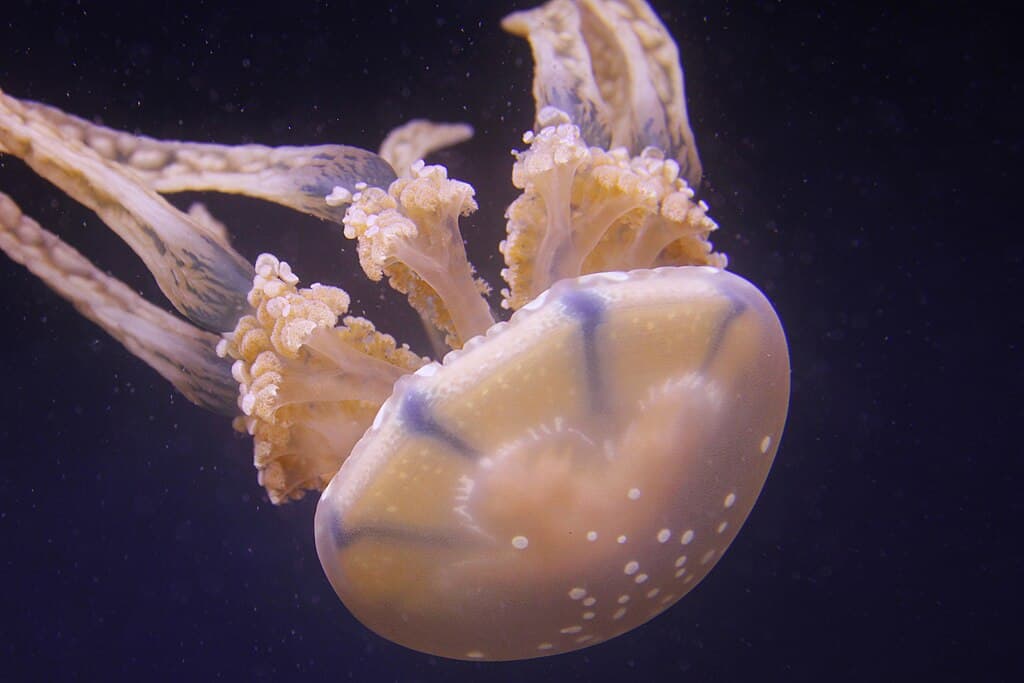
Scientific research on box jellyfish has accelerated dramatically in recent decades, particularly regarding their venom composition and potential medical applications. In 2019, researchers at the University of Sydney identified a zinc compound that blocks the action of cubozoan toxin, potentially offering a new treatment approach beyond the current antivenin.
Genomic studies have revealed that box jellyfish have surprisingly complex DNA for creatures with such simple body structures, with genes coding for sophisticated venom proteins that have evolved over millions of years. Medical researchers are investigating components of box jellyfish venom for potential pharmaceutical applications, including compounds that might help treat certain heart conditions by targeting specific cardiac pathways. Advanced imaging techniques have allowed scientists to map the box jellyfish’s unusual nervous system, revealing a complex neural network that processes visual information from their 24 eyes.
Tracking studies using miniature acoustic tags have provided new insights into their movement patterns and hunting behaviors, helping predict when they might approach popular beaches. Climate scientists are studying how rising ocean temperatures affect box jellyfish populations, with preliminary data suggesting potential range expansions that could bring these dangerous creatures to previously unaffected coastlines. The University of Hawaii maintains a specialized jellyfish research facility dedicated to understanding their biology, behavior, and venom, contributing valuable data for public safety protocols.
Climate Change and Future Concerns
Climate change is already influencing box jellyfish populations and distribution in ways that may increase human encounters. Rising ocean temperatures are creating suitable habitats in regions where these jellyfish were previously absent or rare. Marine biologists have documented box jellyfish sightings further north along the California coast than ever before, suggesting a northward range expansion tracking warming waters.
Changes in ocean chemistry, particularly acidification, appear to favor jellyfish over many other marine species, potentially leading to population booms. Research indicates that warmer waters may extend the breeding season of box jellyfish, increasing the number of days they appear near shorelines. Climate models predict that by 2050, suitable habitat for box jellyfish could extend along much of the southern U.S. coastline, including areas with high tourist activity. Altered precipitation patterns could affect coastal water salinity, potentially creating more favorable conditions for box jellyfish in certain estuarine environments.
Some climate scientists suggest that increased storm intensity may cause more frequent “jellyfish blooms”—sudden population explosions that overwhelm beaches and create extremely dangerous swimming conditions. Public health officials in coastal communities are beginning to incorporate jellyfish risk assessment into climate adaptation plans, recognizing the potential for increased envenomations as waters warm. Tourism industries in affected areas are developing contingency plans for managing beaches during jellyfish events, including improved warning systems and public education campaigns.
Conclusion: Respect and Awareness of Nature’s Most Venomous U.S. Resident
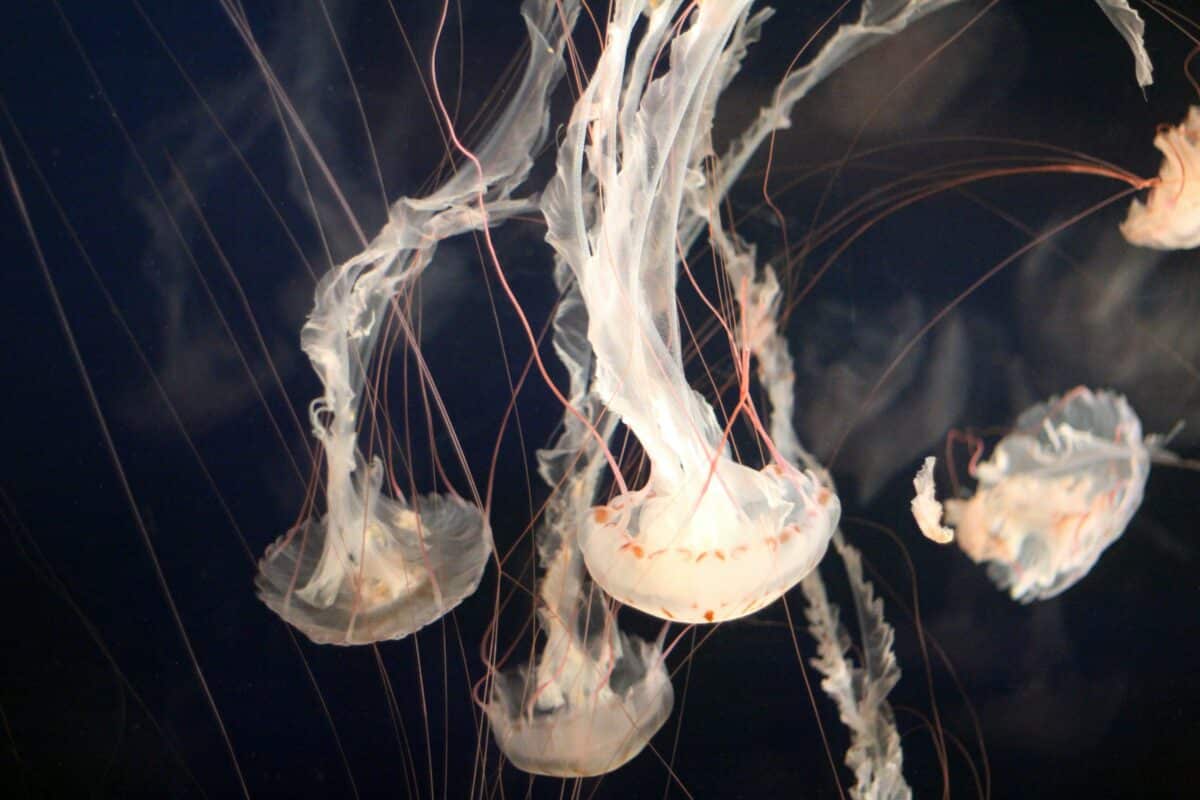
The box jellyfish stands as a powerful reminder of nature’s duality—beautiful yet potentially deadly—demanding both our scientific curiosity and cautious respect. As we’ve explored throughout this article, this nearly invisible marine creature possesses venom of extraordinary potency, capable of causing excruciating pain and, in severe cases, death within minutes. Yet understanding these animals, from their sophisticated venom biochemistry to their ecological importance, helps us appreciate their remarkable evolutionary adaptations rather than simply fearing them.
Public awareness remains our most effective tool against box jellyfish envenomations, with knowledge of their habits, seasonal patterns, and proper first aid responses saving lives each year. As climate change potentially expands their range and increases human encounters, this awareness becomes even more crucial for coastal communities across the United States.

From exploring the marine wonders in the Azores and witnessing the vast savannas of Kenya, to delving deep into the rich biodiversity of South Africa and traversing iconic landscapes in Australia and the US like Yellowstone, Chris's experiences are vast.
With a penchant for diving alongside sharks, the ocean holds a special place in his heart.
Through his academic insights, he champions wildlife conservation, striving with 'Animals Around The Globe' to cultivate a profound connection between humans and animals, enhancing our mutual appreciation.
Connect with him at Feedback@animalsaroundtheglobe.com.