


Worried about unexpected vet bills?
Pet insurance can cover thousands in unexpected vet costs. Get a free quote from Lemonade in under 2 minutes.
Get My Free Quote →Sponsored · Opens Lemonade.com
Chronic Wasting Disease (CWD), colloquially known as “zombie deer disease,” has been steadily spreading across North America, raising concerns among wildlife officials, hunters, and public health experts. This fatal prion disease affects cervids—including deer, elk, moose, and reindeer—causing progressive neurological damage that results in emaciation, abnormal behavior, and eventually death. As the geographical footprint of this disease continues to expand, understanding its causes, symptoms, transmission methods, and potential threats becomes increasingly important. This comprehensive guide explores what we currently know about this concerning wildlife epidemic and what steps are being taken to monitor and control its spread.
What Is Chronic Wasting Disease?
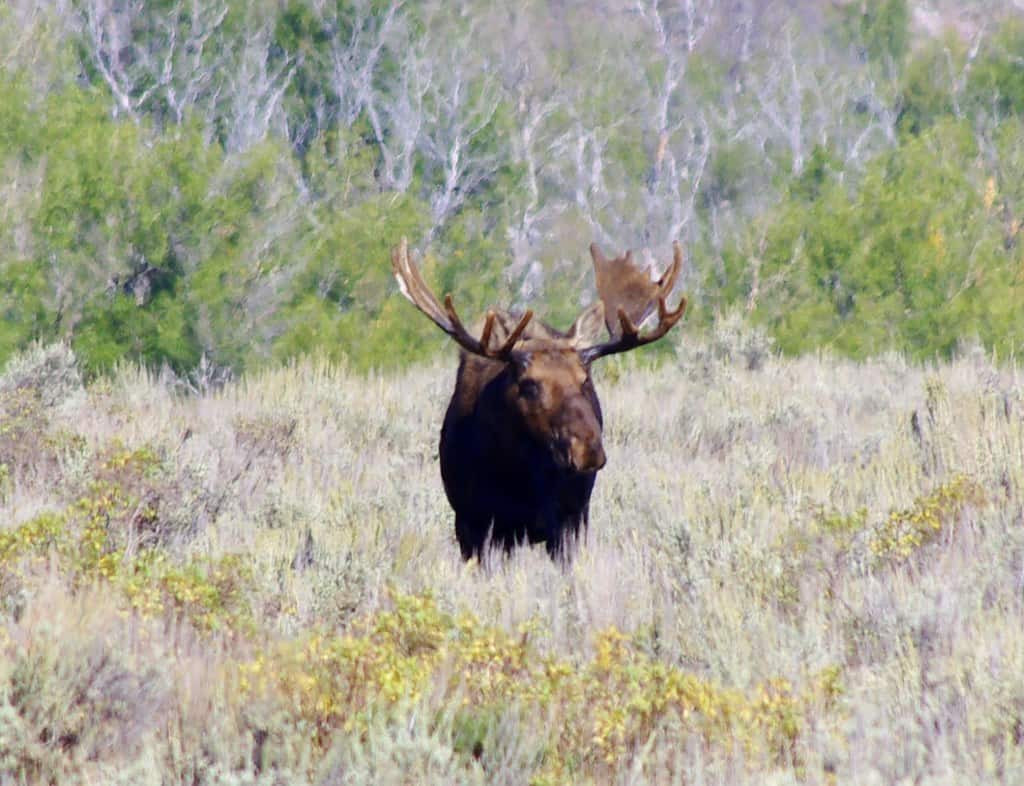
Chronic Wasting Disease is a transmissible spongiform encephalopathy (TSE), belonging to the same family of diseases as bovine spongiform encephalopathy (mad cow disease) in cattle, scrapie in sheep, and Creutzfeldt-Jakob disease in humans. Unlike bacterial or viral infections, CWD is caused by misfolded proteins called prions that damage normal proteins in the brain and nervous system.
Once these prions begin replicating, they create microscopic holes in brain tissue, giving it a sponge-like appearance. This progressive brain damage is irreversible and invariably fatal. First identified in 1967 in captive mule deer at a Colorado research facility, CWD has since been documented in both wild and captive cervid populations across numerous states, Canadian provinces, and even parts of Europe and Asia.
Why It’s Called “Zombie Deer” Disease

The dramatic nickname “zombie deer disease” stems from the distinctive behavioral and physical symptoms exhibited by infected animals in the disease’s advanced stages. As neurological damage progresses, affected deer may display a vacant stare and lack of awareness of their surroundings. They often appear listless and unresponsive, with a stumbling gait reminiscent of the fictional portrayal of zombies.
Infected animals also exhibit excessive drooling, difficulty swallowing, extreme weight loss, and a lack of fear toward humans—behavior starkly different from the naturally cautious demeanor of healthy deer. While the “zombie” moniker is scientifically inaccurate and somewhat sensationalistic, it effectively communicates the disturbing nature of the disease’s symptoms to the general public, helping raise awareness about this wildlife health crisis.
Current Geographic Spread

Since its discovery in Colorado over five decades ago, CWD has expanded its range at an alarming rate. As of 2023, the disease has been confirmed in wild and/or captive cervid populations in at least 31 U.S. states, primarily concentrated in the Midwest, Rocky Mountain, and Plains regions but with concerning appearances in parts of the Northeast and South. Beyond the United States, CWD has been detected in Alberta, Saskatchewan, Quebec, and Ontario in Canada.
In Europe, cases have been documented in Norway, Finland, and Sweden, while South Korea reported cases in imported deer. The disease’s geographic spread is not uniform, with some regions experiencing high prevalence rates exceeding 40% in specific deer populations, while other areas report only isolated cases. Wildlife agencies consider the disease’s distribution to be underestimated, as surveillance efforts vary significantly between jurisdictions, and CWD can exist in an area for years before detection.
How CWD Spreads Among Animals

CWD transmission occurs through direct animal-to-animal contact and indirect environmental exposure. Infected animals shed infectious prions in their saliva, urine, feces, and even antler velvet, contaminating soil, vegetation, and water sources that remain infectious for years or potentially decades. This environmental persistence makes CWD particularly challenging to control. Social behaviors among deer, such as grooming each other or sharing feeding areas, facilitate direct transmission.
During breeding seasons, increased movement and interaction between deer populations can accelerate spread between previously isolated groups. The commercial transportation of live cervids for game farms and hunting preserves has been implicated in long-distance jumps of the disease into new regions. Adding to control difficulties, infected animals can spread prions for up to a year before showing any clinical symptoms, creating silent reservoirs of infection that complicate surveillance and containment efforts.
Symptoms and Progression

The clinical manifestation of CWD develops slowly, with an incubation period ranging from approximately 16 months to over three years. Early symptoms are subtle and easily overlooked, including minor changes in behavior and slight weight loss. As the disease progresses, more distinctive signs emerge: excessive thirst and urination, difficulty coordinating movements, drooping head and ears, and pronounced ribs and spine due to severe weight loss despite continued eating. In later stages, affected animals exhibit the most recognizable symptoms: vacant expressions, excessive drooling, teeth grinding, head tremors, and a wide-based stance to maintain balance.
Ultimately, the animal becomes severely emaciated—hence the “wasting” in the disease name—and neurological dysfunction becomes profound, leading to death typically within 2-3 months after clinical symptoms appear. Importantly, many infected animals never display obvious symptoms before dying from predation or hunting, as the disease weakens them and makes them more vulnerable long before dramatic symptoms develop.
Testing and Detection Methods

Definitively diagnosing CWD in live animals remains challenging. Currently, the most reliable testing methods require post-mortem tissue samples, typically from the brain stem (medulla oblongata) and lymph nodes. These samples undergo specialized laboratory analysis, including immunohistochemistry (IHC), enzyme-linked immunosorbent assay (ELISA), or more recently, real-time quaking-induced conversion (RT-QuIC).
Several experimental live-animal tests are under development, including rectal biopsies, tonsil biopsies, and blood tests, but these have limitations in sensitivity or practicality for widespread field use. Wildlife agencies typically conduct surveillance through testing of hunter-harvested animals, roadkill, and targeted collection of sick-looking deer. This surveillance is crucial for tracking the disease’s spread and identifying new areas of infection. Many states with CWD have established mandatory testing requirements in certain management zones, while others offer voluntary testing programs for hunters concerned about consuming harvested animals.
Potential Risks to Human Health

To date, there have been no confirmed cases of CWD transmission to humans, unlike bovine spongiform encephalopathy (mad cow disease), which has caused variant Creutzfeldt-Jakob disease in people who consumed contaminated beef. However, laboratory studies have demonstrated that CWD prions can infect human cells in petri dishes and can cause disease in non-human primates fed infected meat. These findings have prompted health authorities to take a cautious approach.
The Centers for Disease Control and Prevention (CDC), World Health Organization (WHO), and state wildlife agencies recommend against consuming meat from known CWD-infected animals. They advise hunters in affected areas to have harvested deer tested before consumption and to take precautions when field dressing game, such as wearing gloves and minimizing handling of brain and spinal tissues. While the actual risk remains theoretical and apparently low, public health experts emphasize that prion diseases typically have very long incubation periods—sometimes decades—making it difficult to rule out potential human health impacts definitively.
Impact on Wildlife Populations
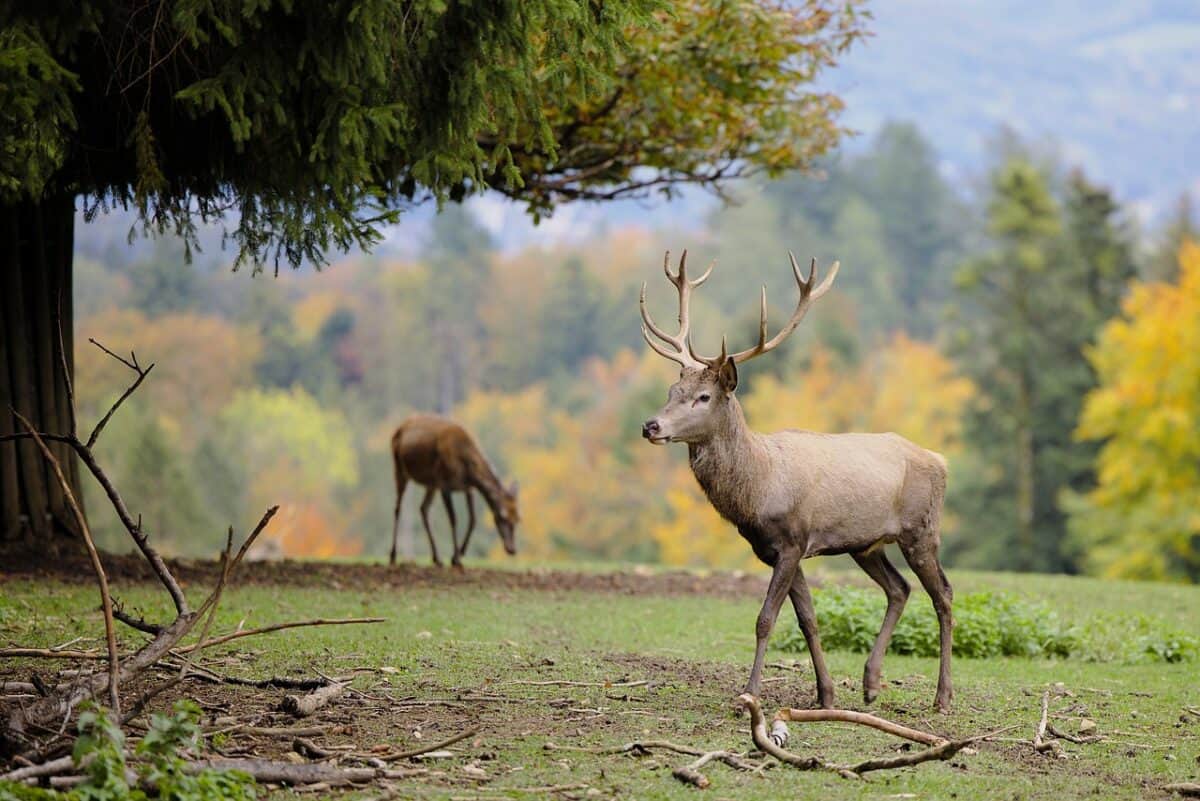
The long-term ecological consequences of CWD remain a subject of ongoing research and concern. In areas with high prevalence, studies have documented population-level effects on deer herds, including altered age structures and population declines. Research in Wyoming has shown that heavily infected mule deer populations declined by approximately 10% annually, with infected individuals dying at 2-3 times the rate of uninfected deer.
Beyond direct mortality, the disease affects reproduction rates as infected females have lower pregnancy rates and poorer fawn survival. CWD also creates selective pressure that may alter deer genetics over time, potentially favoring resistant genotypes. The broader ecosystem impacts remain poorly understood but could be significant if deer populations substantially decline, as these animals play important roles in forest vegetation development and provide food for predator species. The economic impacts on wildlife management are substantial, with states spending millions on surveillance, testing, and control efforts that divert resources from other conservation priorities.
Management and Control Efforts

Managing CWD presents extraordinary challenges due to the persistence of prions in the environment and the mobility of wild deer populations. State wildlife agencies employ various strategies depending on disease prevalence and local conditions. In newly infected areas, targeted culling of deer to reduce population density and remove infected individuals is sometimes implemented, though such efforts often face public resistance. Movement restrictions on live cervids and carcasses help prevent artificial spread through commercial transport or hunting activities.
Many states have banned deer feeding and baiting, which artificially congregate animals and increase disease transmission opportunities. Research into genetic resistance shows some promise, as certain genotypes appear less susceptible to infection, potentially offering future management options through selective breeding in captive herds. Experimental options like soil remediation treatments for contaminated environments are being explored but remain practically limited. Despite these efforts, complete eradication of CWD appears unlikely once established in an area, making containment and limiting prevalence the primary management goals.
Recommendations for Hunters

For those who hunt in affected regions, wildlife agencies have developed comprehensive guidelines to reduce risk and help monitor the disease. Hunters should familiarize themselves with CWD regulations in their hunting areas, which may include mandatory testing or restrictions on transporting carcasses across county or state lines. When field dressing deer, hunters should wear latex or rubber gloves, minimize handling of brain and spinal cord tissues, bone out the meat, and avoid cutting through bones or the spinal column.
Tools used for field dressing should be dedicated solely to that purpose or thoroughly disinfected with a bleach solution (40% bleach) for at least five minutes. Hunters should consider having their harvest tested for CWD in affected areas, even where testing is voluntary, and wait for negative results before consuming the meat. By participating in testing programs, hunters provide valuable data that helps wildlife agencies track and manage the disease while protecting their own health through informed decisions about consumption.
Research Frontiers

Scientists across multiple disciplines are pursuing research on several fronts to better understand and combat CWD. Promising avenues include the development of more sensitive and practical live-animal tests that could revolutionize surveillance. Genetic research has identified cervid gene variants that appear to slow infection progression, offering potential for selective breeding programs in captive settings and insights into natural selection processes in wild populations. Environmental decontamination methods are being investigated, including enzymatic treatments that might break down prions in soil.
Vaccine development, while challenging for prion diseases, continues to receive attention from researchers. Some of the most innovative research involves using natural predation as a management tool, as evidence suggests wolves and mountain lions may preferentially target infected deer, potentially providing a natural control mechanism. Additionally, researchers are developing more sophisticated models to predict CWD spread and impact, allowing for more targeted and efficient management interventions.
Future Outlook
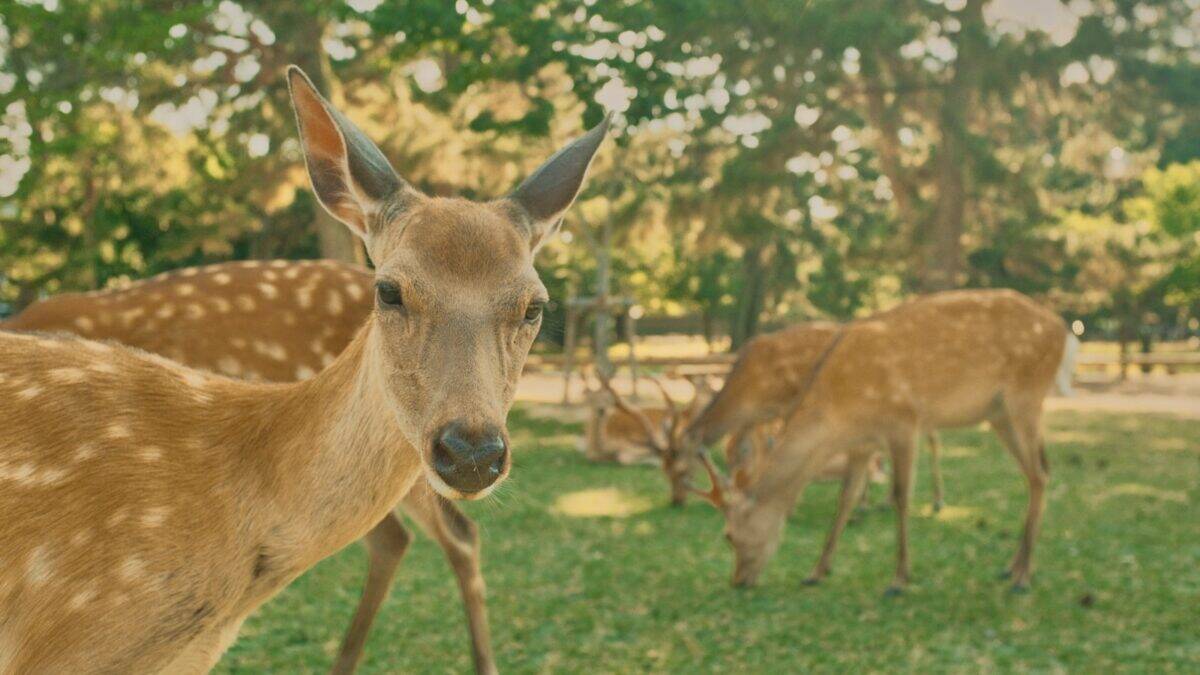
The future trajectory of CWD presents significant uncertainty. Current trends suggest continued geographic expansion and increasing prevalence in affected areas, barring major breakthroughs in control methods. Modeling studies predict that in the absence of effective intervention, some heavily affected deer populations could experience substantial declines over the coming decades. The economic impacts may intensify as well, with potential reductions in hunting participation affecting conservation funding and rural economies dependent on hunting tourism.
Public awareness and concern are likely to grow as the disease appears in new regions, potentially influencing both hunting practices and wildlife management policies. The potential for the disease to adapt to new species remains a low but concerning possibility that scientists continue to monitor. Despite these challenges, increased research funding and coordination between state, federal, and international agencies offer hope for improved management approaches. The ultimate outcome will depend largely on developing more effective surveillance tools, management strategies, and possibly genetic or immunological interventions that can break the cycle of transmission.
Conclusion

Chronic Wasting Disease represents one of the most significant wildlife health challenges of our time, with implications that extend beyond affected deer populations to ecosystem health, wildlife management practices, and potentially public health. While the “zombie deer” nickname may seem sensationalistic, it has helped bring necessary attention to a complex disease that might otherwise remain below the public radar.
The continued geographic spread of CWD highlights the interconnectedness of wildlife populations and the challenges of managing diseases in free-ranging animals. As research continues and management approaches evolve, cooperation between hunters, wildlife managers, researchers, and the public will be essential to control this disease and protect our wildlife resources for future generations. By staying informed and following recommended guidelines, everyone can contribute to minimizing the impact of this concerning wildlife epidemic.
Worried about unexpected vet bills?
Pet insurance can cover thousands in unexpected vet costs. Get a free quote from Lemonade in under 2 minutes.
Get My Free Quote →Sponsored · Opens Lemonade.com

From exploring the marine wonders in the Azores and witnessing the vast savannas of Kenya, to delving deep into the rich biodiversity of South Africa and traversing iconic landscapes in Australia and the US like Yellowstone, Chris's experiences are vast.
With a penchant for diving alongside sharks, the ocean holds a special place in his heart.
Through his academic insights, he champions wildlife conservation, striving with 'Animals Around The Globe' to cultivate a profound connection between humans and animals, enhancing our mutual appreciation.
Connect with him at Feedback@animalsaroundtheglobe.com.
- Turtles as World-Bearers in Indigenous Beliefs - June 10, 2026
- The Real-Life Animal Behaviors That Inspired Kung Fu Panda - June 10, 2026
- The Most Common Backyard Wildlife in Pennsylvania - June 9, 2026