


When we think of tasting food, we naturally think of using our tongues. But in the fascinating world of insects, particularly butterflies, the rules of sensory perception take an unexpected turn. Butterflies have evolved a remarkable adaptation that allows them to taste not with their mouths, but with their feet. This peculiar feature plays a crucial role in their survival, reproduction, and daily activities. Through specialized sensory organs located on their tarsi—the final segments of their legs—butterflies can detect chemicals, identify host plants, and make critical decisions about where to lay their eggs. This extraordinary ability showcases the incredible diversity of sensory adaptations in the natural world and highlights how evolution has crafted unique solutions to life’s challenges.
The Unique Sensory World of Butterflies

Butterflies experience the world through a sensory system vastly different from our own. While humans rely primarily on five basic senses, butterflies possess specialized sensory adaptations that allow them to perceive their environment in ways we can barely imagine. Their compound eyes can detect ultraviolet light and patterns invisible to humans.
Their antennae serve as sophisticated olfactory organs, detecting pheromones and other airborne chemicals. But perhaps most remarkably, butterflies have chemoreceptors—essentially taste buds—distributed across their bodies, with the highest concentration on their feet. This distributed sensory system allows them to gather critical information about their environment through direct contact with surfaces, giving them a “taste” of the world with every step they take.
The Science of Tarsal Taste

The scientific explanation for a butterfly’s foot-tasting ability lies in specialized structures called chemoreceptors located on their tarsi. These receptors contain sensory neurons that can detect specific chemicals upon contact. When a butterfly lands on a surface, these chemoreceptors immediately begin analyzing the chemical composition of that surface. The information is then transmitted to the butterfly’s brain, where it’s processed and used to make decisions.
Remarkably, these tarsal chemoreceptors are incredibly sensitive, capable of detecting chemical compounds in concentrations as low as a few parts per million. This sensitivity allows butterflies to identify suitable host plants with remarkable precision, even when visual and olfactory cues might be insufficient. Essentially, each step a butterfly takes provides it with a detailed chemical analysis of its surroundings.
Finding the Perfect Host Plant

One of the primary functions of a butterfly’s foot-tasting ability is to identify appropriate host plants for egg-laying. Many butterfly species have evolved to be highly specialized, with caterpillars that can only feed on specific plant species. Female butterflies must therefore be extremely selective about where they deposit their eggs, as choosing the wrong plant would doom their offspring. When searching for a host plant, a female butterfly will perform a characteristic behavior called “drumming,” where she rapidly taps her forelegs against a leaf surface.
This drumming action allows her to thoroughly sample the leaf’s chemical composition through her tarsal chemoreceptors. If the chemical profile matches what she’s looking for—specific compounds unique to her caterpillars’ host plant—she will proceed to lay her eggs. This remarkable chemical detection system ensures the survival of the next generation and demonstrates the sophisticated relationship between butterflies and their host plants.
The Evolutionary Advantage
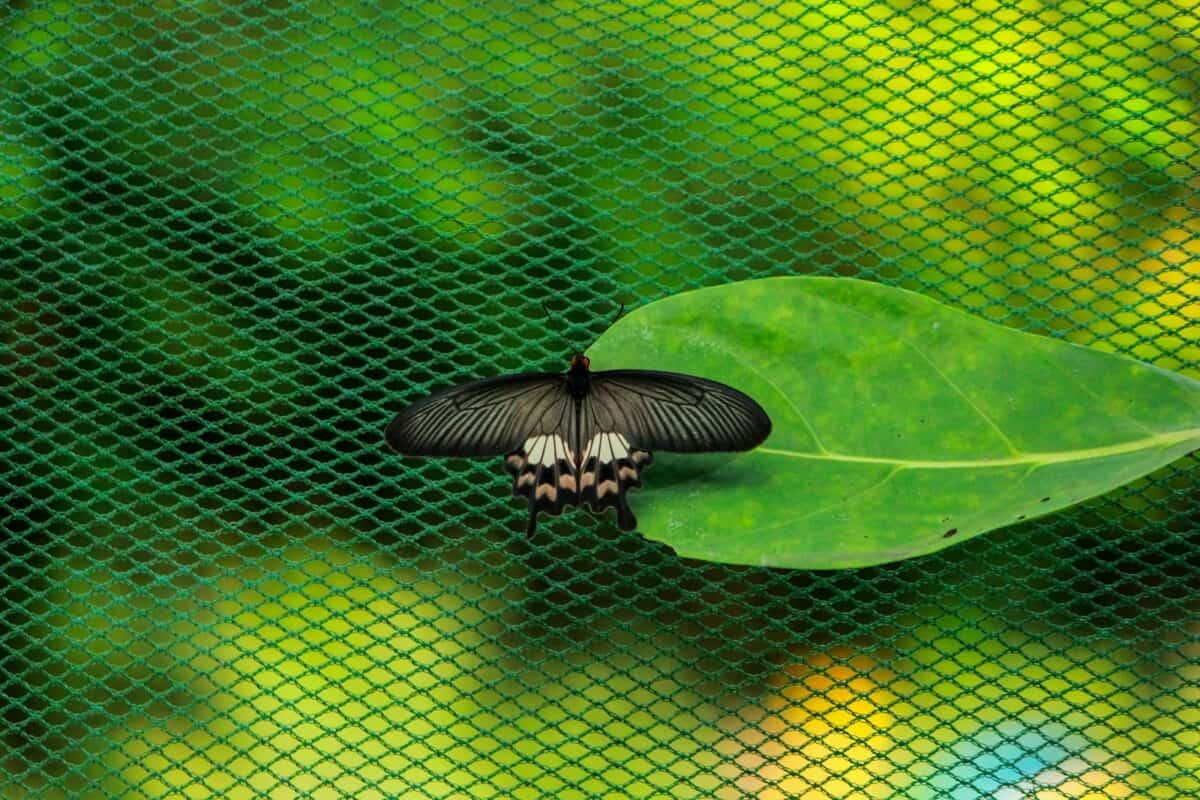
The evolution of tarsal taste receptors represents a brilliant adaptation that provides butterflies with significant survival advantages. By tasting with their feet, butterflies can quickly assess their environment without having to consume potentially harmful substances. This is particularly important because many plants have evolved toxic compounds specifically to deter herbivores. Through their tarsal chemoreceptors, butterflies can detect these toxins before ingesting them, allowing them to avoid poisonous plants.
Additionally, this adaptation enables butterflies to efficiently evaluate multiple potential host plants in rapid succession simply by landing briefly on each one. From an evolutionary perspective, the development of tarsal taste receptors demonstrates how natural selection can produce specialized sensory systems that are precisely tuned to an organism’s ecological niche and lifestyle. This adaptation has contributed significantly to the success and diversity of butterflies worldwide.
Anatomy of Butterfly Feet

Butterfly feet are marvels of biological engineering, designed not just for locomotion but as sophisticated sensory organs. Each of a butterfly’s six legs ends in a tarsus, which is divided into five segments called tarsomeres. The final segment bears a pair of claws that help the butterfly grip surfaces. Distributed across these tarsal segments are thousands of microscopic sensilla—hair-like structures that house the chemoreceptors. These sensilla come in various shapes and sizes, each specialized for detecting different types of chemical compounds.
Some detect sugars and nutrients, others identify plant toxins, while yet others recognize specific compounds unique to host plants. The density of these sensory structures is remarkable; a single butterfly foot may contain several thousand chemoreceptors. This concentration of sensory equipment makes the butterfly’s foot one of the most sensitive chemical detection systems in the insect world, capable of distinguishing between chemically similar plants with astonishing precision.
The Feeding Connection

While butterflies are famous for their nectar-sipping proboscis—a long, straw-like mouthpart that uncoils to reach deep into flowers—their foot-tasting ability also plays an important role in feeding behavior. Before a butterfly even extends its proboscis, it often tests a potential food source with its feet. When a butterfly lands on a flower, fruit, or other potential food source, its tarsal chemoreceptors immediately begin analyzing the surface for sugars and other nutrients.
If sufficient nutrients are detected, this triggers the butterfly to uncoil its proboscis and begin feeding. This preliminary testing helps butterflies conserve energy by ensuring they only attempt to feed from sources that actually contain nutrients. It also provides an additional layer of protection against harmful substances that might be present in some food sources. The coordination between tarsal taste detection and feeding behavior demonstrates the sophisticated integration of sensory systems in these seemingly simple creatures.
Sexual Selection and Mating
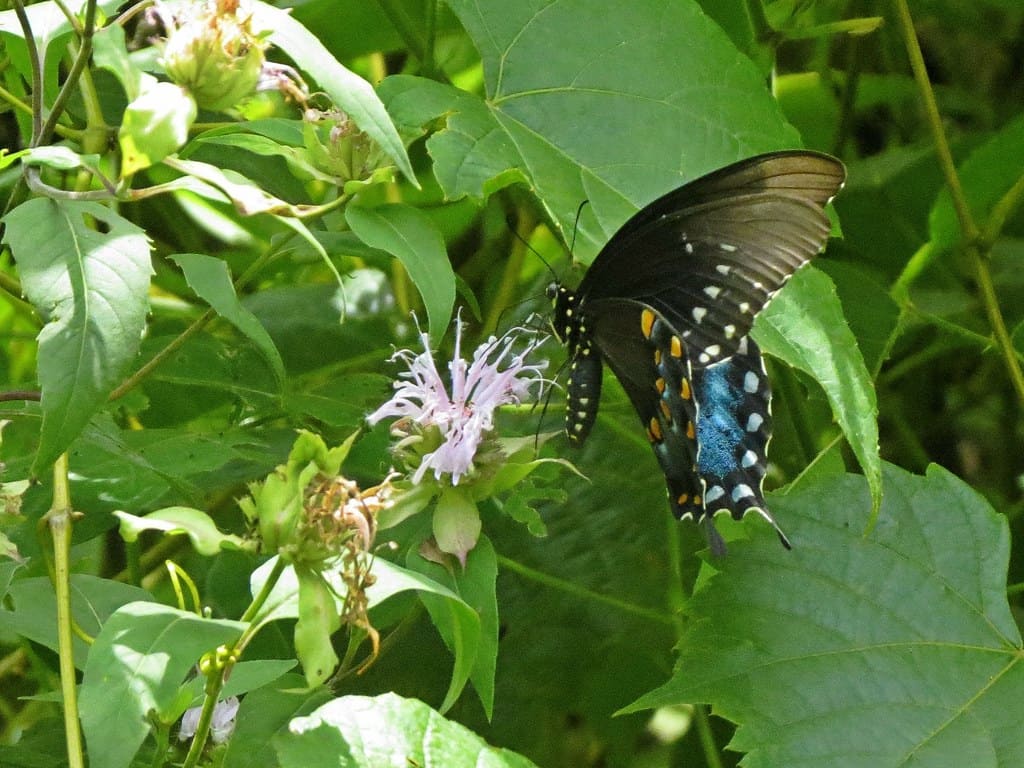
The foot-tasting ability of butterflies extends beyond finding food and host plants—it also plays a crucial role in reproduction and mate selection. During courtship, male butterflies often perform a behavior known as “drumming” on the female’s wings or body. Through this contact, males can detect chemical cues that indicate the female’s species, reproductive status, and genetic quality. Similarly, females can assess potential mates by detecting male-specific pheromones through their tarsal chemoreceptors.
In some butterfly species, males transfer nutrient-rich “nuptial gifts” to females during mating, and females can evaluate the quality of these gifts through tarsal taste. This chemical communication system helps ensure that butterflies mate with compatible partners and contributes to reproductive isolation between closely related species. The role of tarsal taste in butterfly mating behavior highlights how a single sensory adaptation can serve multiple critical functions across different aspects of an organism’s life.
Comparing Butterfly Taste to Human Taste

The difference between butterfly taste and human taste extends far beyond the location of taste receptors. Humans have approximately 8,000 taste buds concentrated primarily on the tongue, capable of detecting five basic taste sensations: sweet, salty, sour, bitter, and umami. Butterflies, by contrast, possess tens of thousands of chemoreceptors distributed across their feet, proboscis, and antennae, capable of detecting a vastly wider range of chemical compounds.
While human taste is primarily oriented toward nutrition and avoiding toxins, butterfly taste has evolved to detect specific plant compounds with incredible precision. Many butterflies can identify plants containing particular chemicals in concentrations so low that they would be undetectable to human taste. Additionally, some butterfly species can taste compounds that humans cannot perceive at all, such as specific alkaloids that indicate suitable host plants. These differences reflect the distinct evolutionary pressures that have shaped human and butterfly sensory systems for their respective ecological needs.
Variation Across Butterfly Species
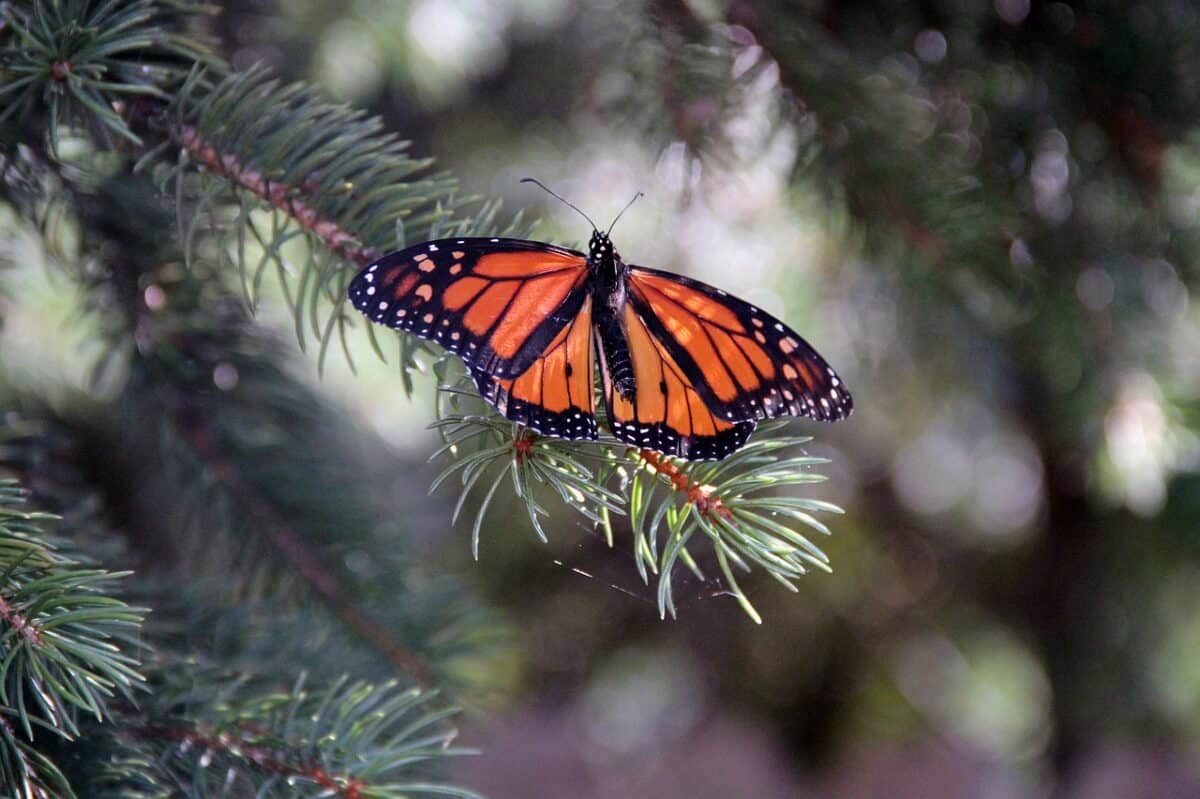
The foot-tasting ability of butterflies isn’t uniform across all species—it varies dramatically in sensitivity and specificity depending on each butterfly’s ecological niche and evolutionary history. Specialist butterfly species that rely on a single host plant species typically have highly specialized chemoreceptors tuned specifically to the unique chemical profile of that plant. For example, monarch butterflies possess tarsal receptors exquisitely sensitive to compounds found in milkweed plants, their sole host.
Generalist butterflies, which can utilize multiple host plants, tend to have more broadly responsive chemoreceptors capable of detecting a wider range of plant chemicals. There’s also variation in the density and distribution of chemoreceptors; some species have most of their receptors concentrated on their front legs, while others have a more even distribution across all six legs. These differences in sensory equipment reflect the diverse ecological strategies employed by different butterfly species and showcase how sensory systems can be fine-tuned through natural selection to match specific environmental challenges.
Scientific Research and Discoveries

Scientific understanding of butterfly tarsal taste has advanced significantly in recent decades, thanks to sophisticated research techniques. Electron microscopy has revealed the intricate structure of tarsal chemoreceptors, showing how these sensory organs are organized at the cellular level. Electrophysiological studies, where tiny electrodes record the electrical activity of sensory neurons, have demonstrated how these neurons respond to specific chemicals. More recently, genetic studies have identified the genes responsible for building and operating these chemoreceptors, revealing evolutionary relationships between butterfly taste receptors and those of other insects.
Perhaps most fascinating are behavioral experiments that test how butterflies respond to different chemical compounds. In one landmark study, researchers were able to trick female butterflies into laying eggs on artificial surfaces by applying specific plant compounds that triggered their tarsal chemoreceptors. These scientific advances have not only deepened our understanding of butterfly biology but have also inspired applications in fields ranging from chemical sensing technology to agricultural pest management.
Conservation Implications

Understanding the remarkable foot-tasting ability of butterflies has important implications for conservation efforts. As highly specialized sensory systems, tarsal chemoreceptors make many butterfly species particularly vulnerable to environmental changes. When specific host plants decline due to habitat loss, climate change, or pesticide use, the butterflies that depend on them often cannot simply switch to alternative plants—their chemoreceptors are too specialized. Additionally, agricultural chemicals and pollutants can interfere with the function of these sensitive chemoreceptors, potentially disrupting the ability of butterflies to find appropriate host plants or mates.
Conservation strategies that protect not just butterflies themselves but the specific plant species they depend on are essential for preserving these incredible insects. By highlighting the sophisticated sensory relationship between butterflies and their environment, scientists hope to encourage more targeted and effective conservation approaches. Protecting the intricate chemical communication systems that butterflies rely on represents a crucial frontier in insect conservation biology.
Cultural and Educational Significance

The discovery that butterflies taste with their feet has captured public imagination and become an engaging entry point for science education. This fascinating fact frequently appears in children’s science books, nature documentaries, and museum exhibits, helping to spark interest in entomology and sensory biology. Beyond its educational value, this unusual adaptation also appears in cultural contexts, from poetry and literature to advertising and design, where it symbolizes the wonder and unexpected ingenuity of nature.
The concept has proven particularly effective in encouraging children to explore scientific concepts; the surprising notion that an animal could taste with its feet immediately challenges assumptions and encourages questioning how and why animals perceive the world differently than humans do. By highlighting such extraordinary adaptations, educators and conservationists can foster greater appreciation for the complexity and diversity of life on Earth, potentially inspiring the next generation of biologists, conservationists, and nature enthusiasts to protect these remarkable creatures and their habitats.
Conclusion: A World Sensed Through Footsteps
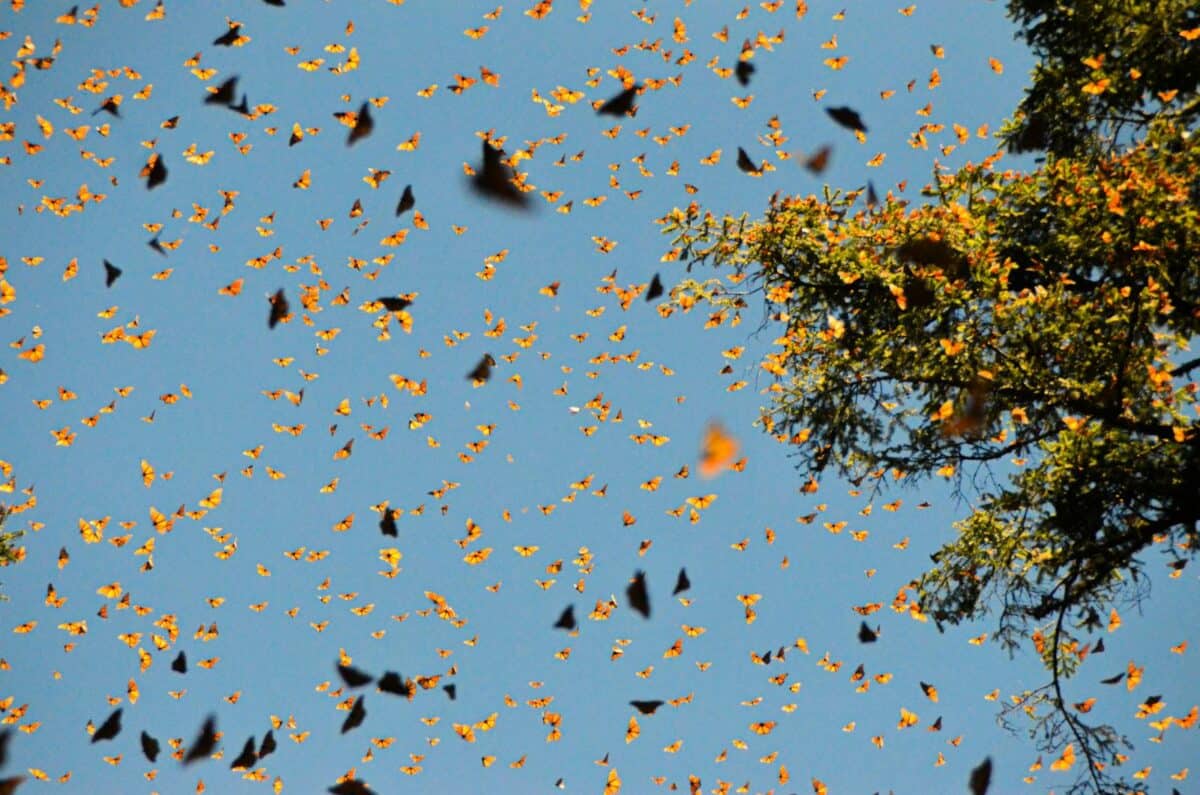
The butterfly’s ability to taste with its feet stands as a testament to the incredible diversity of adaptations that have evolved in the natural world. This remarkable sensory system, with its thousands of specialized chemoreceptors, allows butterflies to navigate their environment with extraordinary precision, identifying specific host plants, detecting suitable mates, and avoiding toxic substances—all through the simple act of landing.
As we continue to study and understand these sophisticated sensory adaptations, we gain not only scientific knowledge but also a deeper appreciation for the countless ways that life has evolved to perceive and interact with the world. The butterfly tasting with its feet reminds us that nature often finds solutions that transcend our human expectations and assumptions, challenging us to look beyond our own sensory experiences to appreciate the rich diversity of perception across the animal kingdom. In the delicate touch of a butterfly’s foot against a leaf lies a world of chemical communication and sensory marvels that continues to inspire scientific discovery and wonder.

From exploring the marine wonders in the Azores and witnessing the vast savannas of Kenya, to delving deep into the rich biodiversity of South Africa and traversing iconic landscapes in Australia and the US like Yellowstone, Chris's experiences are vast.
With a penchant for diving alongside sharks, the ocean holds a special place in his heart.
Through his academic insights, he champions wildlife conservation, striving with 'Animals Around The Globe' to cultivate a profound connection between humans and animals, enhancing our mutual appreciation.
Connect with him at Feedback@animalsaroundtheglobe.com.
- How Tigers Mark Their Territory Using Scent and Scratches - July 29, 2026
- The Deadly Volcano That Erased a Town Is Now Active Again - July 29, 2026
- 12 Deep Sea Animals With Terrifying Adaptations - July 29, 2026