

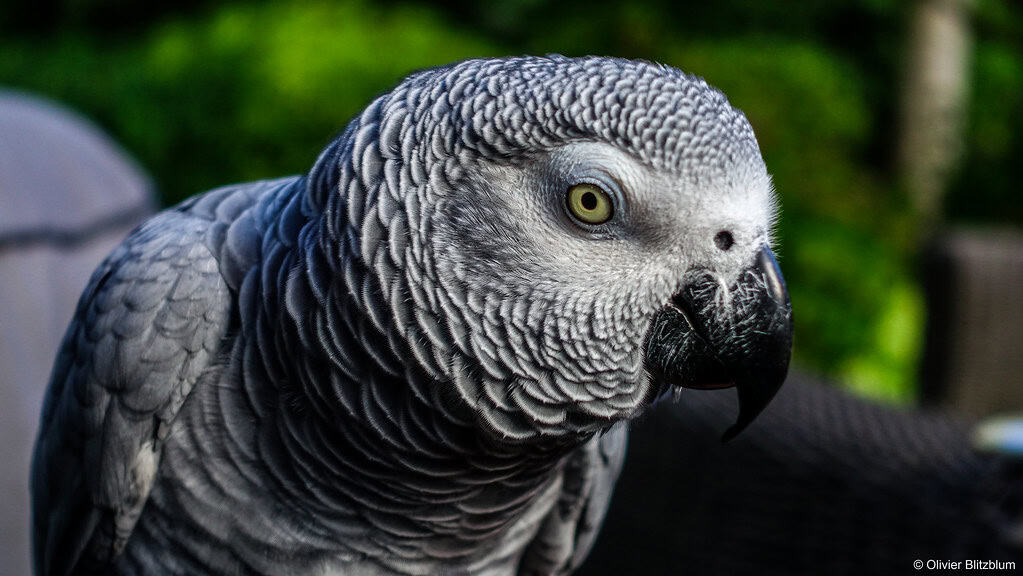
From the vibrant jungles of South America to suburban living rooms across the world, parrots captivate us with their remarkable ability to mimic human speech and environmental sounds with astonishing accuracy. These colorful birds aren’t just repeating meaningless sounds; they’re engaging in complex vocal learning that few animal species can master. What makes parrots such exceptional vocal mimics? How do their specialized brain structures and evolutionary adaptations enable this extraordinary talent? Join us as we explore the fascinating world of parrot mimicry, uncovering the science, behavior, and evolutionary advantages behind their impressive vocal repertoire.
The Evolutionary Advantage of Mimicry

Parrots evolved their mimicry abilities over millions of years as a crucial survival adaptation. In the wild, this skill serves multiple purposes beyond the entertainment value we humans appreciate. Vocal mimicry helps parrots identify members of their own flock, establish and maintain complex social bonds, and recognize potential mates. Research suggests that mimicry may also function as a form of territorial defense, allowing parrots to incorporate sounds that warn off competitors. Additionally, some scientists theorize that mimicry helps parrots blend into their environment by reproducing the sounds of less-threatened species, potentially fooling predators. This evolutionary advantage has been so successful that it has become deeply ingrained in parrot physiology and neurology.
The Unique Vocal Anatomy of Parrots

Parrots possess a remarkably specialized vocal apparatus that enables their impressive mimicry skills. Unlike mammals who produce sounds with their larynx, parrots use a unique organ called the syrinx, located at the junction where the trachea splits into the bronchi. This specialized structure allows for incredible vocal flexibility and precision. The syrinx contains multiple pairs of membranes and muscles that can be controlled independently, enabling parrots to produce two distinct sounds simultaneously. Additionally, parrots have a thick, muscular tongue and a specialized beak structure that helps shape sounds. Their vocal tract is also highly flexible, allowing for precise manipulation of resonant frequencies. This anatomical sophistication explains how parrots can reproduce complex human speech patterns with such remarkable accuracy.
Parrot Brain Architecture: Wired for Mimicry
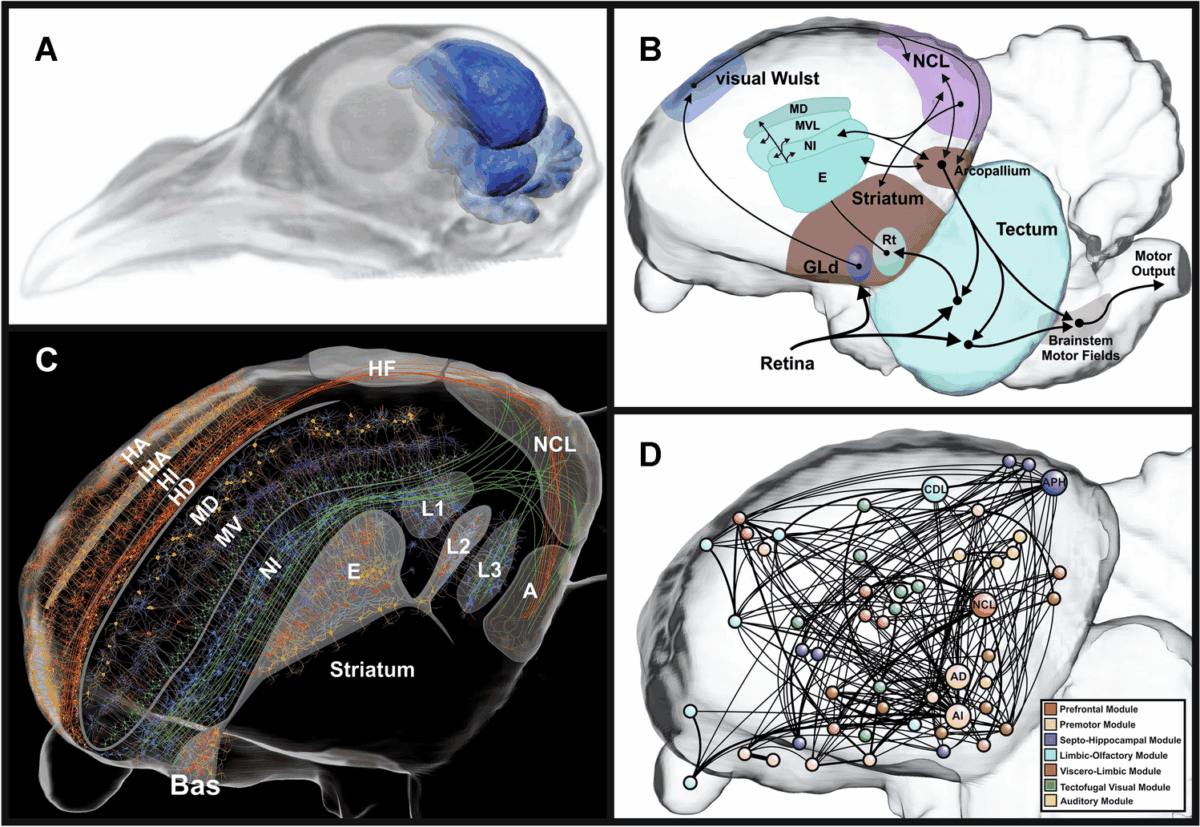
The parrot brain contains specialized neural circuits dedicated to vocal learning that bear striking similarities to those found in humans. A 2015 study published in PLOS ONE identified a unique brain structure called the “shell” surrounding the core of the parrot’s song system, which is not found in other vocal-learning birds like songbirds. This shell structure may explain parrots’ enhanced vocal abilities. Additionally, parrots possess an enlarged area called the pallium, which is associated with higher cognitive functions including language processing. Research has shown that when parrots mimic sounds, activity increases in a brain region called the “nidopallium caudolaterale,” which is functionally similar to the human prefrontal cortex. These specialized neural adaptations provide parrots with the cognitive hardware necessary for complex vocal learning and sound reproduction.
The Social Intelligence Behind Mimicry

Parrot mimicry is deeply intertwined with their remarkable social intelligence. As highly social creatures, parrots use vocal learning to strengthen bonds within their flocks and family groups. Young parrots learn specific calls from their parents, creating family-specific “dialects” that help identify group members. In captivity, this social learning is redirected toward human caregivers, whom parrots often view as flock members. Studies have shown that parrots are more likely to mimic sounds from individuals they’ve bonded with, suggesting that mimicry serves as a form of social connection. This social aspect of mimicry explains why isolated parrots often struggle to develop strong vocal abilities. The renowned African Grey parrot Alex, studied by Dr. Irene Pepperberg, demonstrated not just mimicry but contextual understanding of approximately 100 words, highlighting the sophisticated social cognition underlying parrot vocalization.
The Learning Process: How Parrots Master Sounds

Parrots develop their mimicry skills through a methodical learning process that begins in their early development. Young parrots go through a “babbling” phase similar to human infants, where they practice and refine their vocalizations. Learning typically occurs through repeated exposure and social reinforcement. When attempting to master a new sound, parrots often begin with a rough approximation before gradually refining it through hundreds or thousands of repetitions. Research indicates that parrots learn best when they can connect sounds with meaningful contexts or rewards. They practice vocalizations during quiet moments, sometimes even in their sleep, suggesting a process similar to human memory consolidation. The learning window remains open throughout a parrot’s life, unlike many other species whose vocal learning is restricted to early development. This lifelong neuroplasticity allows even elderly parrots to continue adding new sounds to their repertoire.
Comparing Parrot Mimicry Across Species
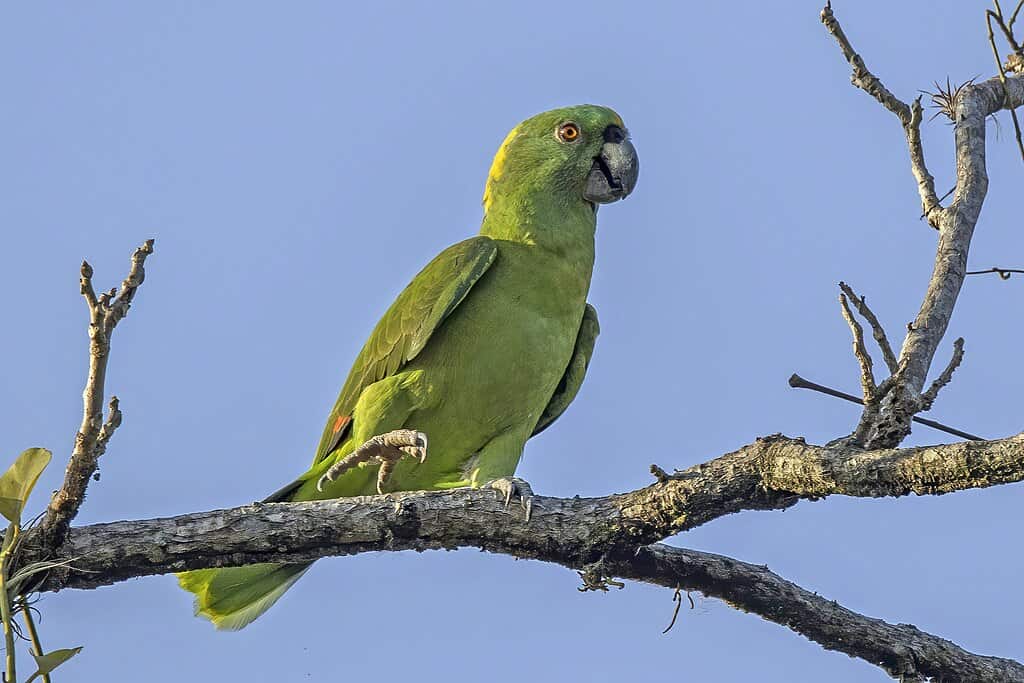
While mimicry abilities exist across the parrot family (Psittacidae), there are significant variations in proficiency between species. African Grey parrots (Psittacus erithacus) consistently rank as the most skilled mimics, capable of reproducing human speech with remarkable clarity and building vocabularies of hundreds of words. Amazon parrots, particularly Yellow-naped Amazons, also demonstrate exceptional mimicry skills and can master complex phrases. Budgerigars (commonly known as budgies or parakeets), despite their small size, show impressive vocal abilities, with some individuals learning hundreds of words. Cockatoos excel at reproducing environmental sounds rather than speech, while macaws, though highly intelligent, typically have less precise mimicry abilities. These differences correlate with variations in brain structure, particularly in the size and organization of the neural pathways devoted to vocal learning.
Beyond Simple Imitation: Understanding and Context

The most remarkable aspect of parrot mimicry extends beyond mere imitation to contextual understanding. Numerous scientific studies have documented parrots using mimicked words and phrases in appropriate contexts, suggesting genuine comprehension. Dr. Irene Pepperberg’s groundbreaking work with Alex the African Grey demonstrated that parrots can associate words with meanings and concepts. Alex could identify colors, shapes, materials, and quantities, using human language to communicate his understanding. Similarly, N’kisi, another famous African Grey, developed a vocabulary of approximately 950 words and demonstrated the ability to use these words in novel contexts, even creating new word combinations. While parrots may not process language exactly as humans do, evidence strongly suggests they understand connections between sounds and meanings, elevating their mimicry from simple repetition to a form of meaningful communication.
Environmental Mimicry: Beyond Human Speech

While human speech mimicry receives the most attention, parrots are equally adept at reproducing a vast array of environmental sounds. Wild parrots incorporate the calls of other bird species, insects, and even the sounds of flowing water into their vocal repertoires. In domestic settings, parrots regularly master household sounds with remarkable precision—from ringing telephones and microwave beeps to running water and squeaking doors. Some parrots become so proficient at mimicking common sounds that they can cause confusion, such as imitating doorbells or alarm systems convincingly enough to fool their human companions. This environmental mimicry demonstrates the extraordinary versatility of the parrot’s vocal apparatus and auditory processing capabilities. Research suggests that parrots develop particularly accurate reproductions of sounds they hear frequently, indicating a learning process based on repetition and reinforcement similar to their acquisition of human speech.
The Role of Intelligence in Mimicry Mastery

Parrot mimicry is intimately connected with their impressive cognitive abilities. With brain-to-body size ratios comparable to those of great apes, parrots possess the neural hardware necessary for complex information processing. Their intelligence manifests in problem-solving skills, tool use, self-awareness, and their remarkable capacity for vocal learning. Studies using MRI technology have revealed that when parrots process language, they activate brain regions analogous to those used by humans. This cognitive sophistication allows parrots to not only reproduce sounds but to understand patterns, contexts, and associations. Research indicates that the most intelligent parrot species—African Greys, Amazons, and cockatoos—also tend to be the most skilled mimics, supporting the connection between general cognitive ability and mimicry prowess. This relationship suggests that mimicry represents not just a specialized skill but an expression of broader intellectual capabilities.
Cultivating Mimicry in Pet Parrots
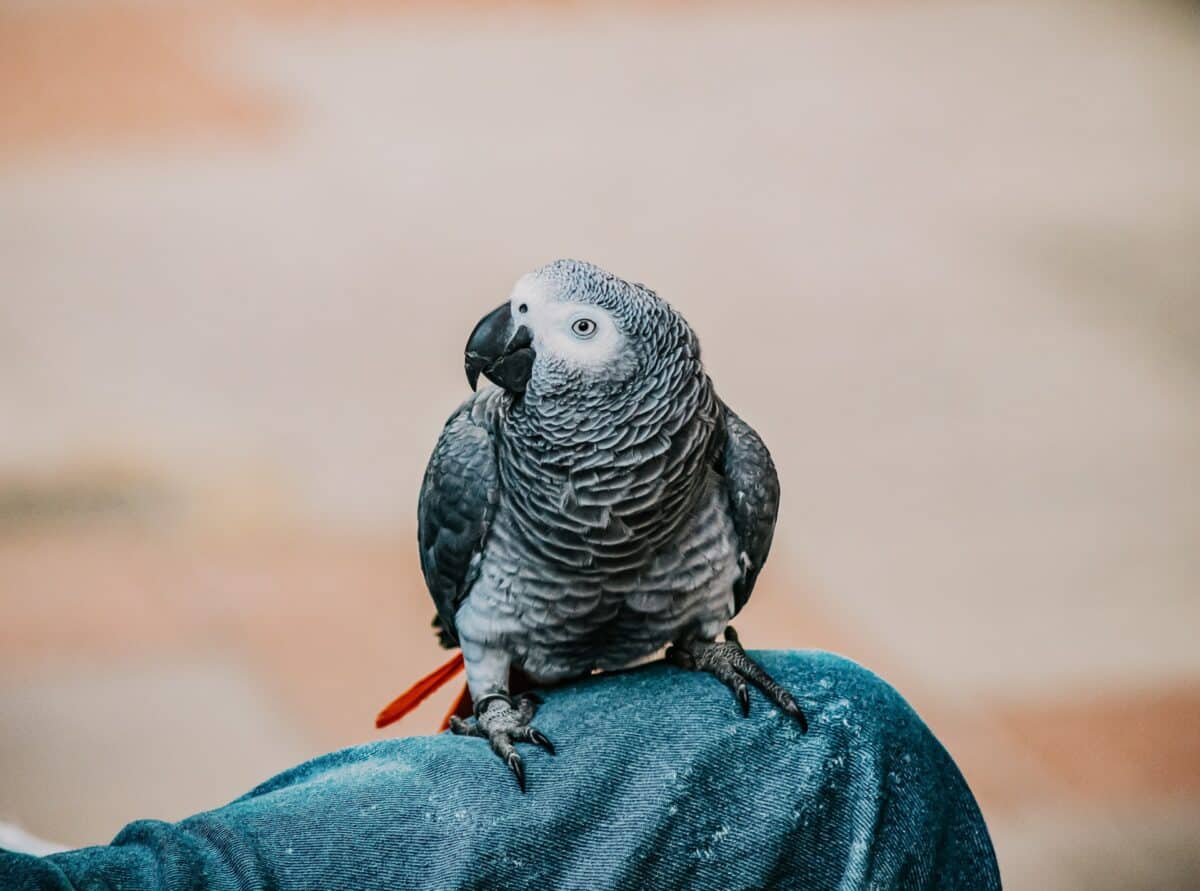
For those hoping to develop their pet parrot’s mimicry abilities, certain approaches prove more effective than others. Consistent, patient training during the bird’s peak alertness periods creates the best learning environment. Repetition is crucial—new words or sounds should be presented clearly and consistently, ideally in contexts that give them meaning. Social reinforcement works better than food rewards; parrots are more likely to mimic individuals with whom they’ve formed strong bonds. Creating a stimulating environment with varied auditory experiences encourages vocal exploration. However, expectations should be realistic and species-appropriate; while an African Grey might develop an extensive vocabulary, a cockatiel will have more limited capabilities. Additionally, respect for the bird’s natural communication is essential—mimicry should supplement rather than replace a parrot’s natural vocalizations. With patience and appropriate techniques, many pet parrots can develop impressive mimicry skills that enhance the human-avian bond.
Ethical Considerations in Parrot Mimicry

The fascination with parrot mimicry raises important ethical considerations regarding these intelligent birds. The popularity of “talking birds” has contributed to the exotic pet trade, including illegal trafficking of wild-caught parrots, many of which are endangered. Potential parrot owners often acquire these birds specifically for their mimicry abilities without understanding their complex needs, resulting in neglected or abandoned birds when expectations aren’t met. Furthermore, focusing exclusively on human speech can neglect the importance of natural parrot vocalizations essential for their psychological well-being. Ethical considerations include ensuring appropriate environmental enrichment, respecting natural behaviors, and recognizing that mimicry should be viewed as an expression of the parrot’s natural intelligence rather than a performance for human entertainment. Conservation efforts must also address the impact of the pet trade on wild parrot populations, balancing human fascination with these birds’ remarkable abilities against the birds’ welfare and conservation status.
Parrots truly stand as the unrivaled masters of mimicry in the animal kingdom, possessing a unique combination of specialized anatomy, neural architecture, social intelligence, and cognitive abilities that enable their extraordinary vocal talents. Their mimicry represents far more than an entertaining party trick; it’s a sophisticated adaptation that serves crucial ecological and social functions in the wild, transformed into cross-species communication in captivity. The parrot’s ability to not only reproduce sounds but to associate them with meanings reveals cognitive processes that continue to fascinate scientists and bird enthusiasts alike. As we continue to study these remarkable birds, we gain not only insights into animal communication but also a deeper appreciation for the complex inner lives of species whose intelligence evolved along very different evolutionary paths from our own. In the vibrant calls and startlingly accurate human phrases of parrots, we find a remarkable window into the diverse ways intelligence can manifest in the natural world.

- Fastest Fish in American Waters Identified - July 15, 2026
- How Ants Build Living Bridges - July 15, 2026
- Why Foxes Scream at Night—and What It Means - July 15, 2026