

In a landmark conservation initiative, India has launched its first ‘frozen zoo’ – a state-of-the-art genetic repository designed to preserve biological materials from endangered species across the subcontinent. This ambitious project aims to safeguard the genetic diversity of India’s threatened wildlife for future conservation efforts, potentially offering a lifeline to species on the brink of extinction. The initiative represents a significant advancement in the country’s conservation strategy, combining cutting-edge cryopreservation technology with traditional conservation approaches to create a comprehensive safety net for India’s rich but increasingly vulnerable biodiversity.
What Is a Frozen Zoo?

A frozen zoo, also known as a biobank or genetic resource bank, is a specialized facility that collects, processes, and stores biological materials from various animal species at ultra-low temperatures. These materials typically include tissue samples, blood, sperm, eggs, embryos, and DNA. Unlike traditional zoos that house living animals, frozen zoos preserve the genetic blueprint of species in cryogenic conditions, usually in liquid nitrogen at temperatures of -196°C (-320°F). At these extremely low temperatures, biological activity essentially stops, allowing genetic material to remain viable for decades or even centuries. This creates a living library of genetic information that could prove invaluable for future conservation, research, and potential species restoration efforts.
The Location and Infrastructure of India’s Frozen Zoo

India’s pioneering frozen zoo facility has been established at the Laboratory for the Conservation of Endangered Species (LaCONES), a specialized research division of the Centre for Cellular and Molecular Biology (CCMB) in Hyderabad. The facility features state-of-the-art cryopreservation equipment, including specialized liquid nitrogen storage tanks capable of maintaining the required ultra-low temperatures.
The infrastructure includes dedicated laboratories for sample processing, DNA extraction, and genetic analysis. The facility also incorporates comprehensive backup systems to ensure uninterrupted power supply and temperature control, critical safeguards for preserving irreplaceable genetic material. This purpose-built infrastructure represents a significant investment in India’s conservation capabilities, with the capacity to store thousands of samples from hundreds of species in a secure, controlled environment.
Target Species for Preservation

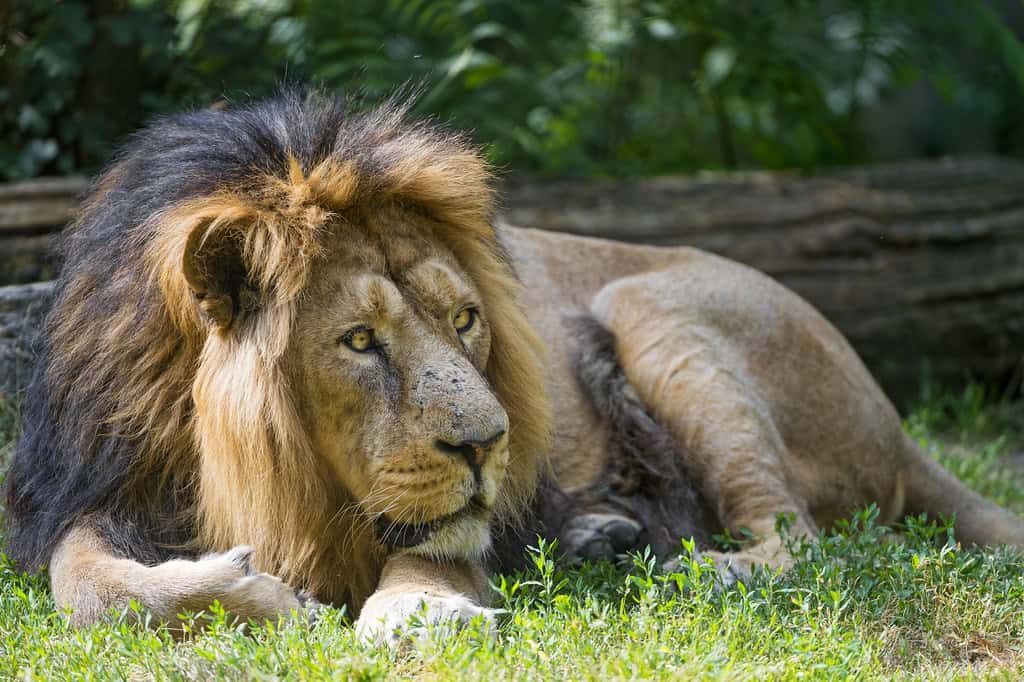
The Indian frozen zoo initiative has identified a priority list of endangered and vulnerable species native to the subcontinent for genetic preservation. This includes iconic species like the Bengal tiger (Panthera tigris tigris), Asiatic lion (Panthera leo persica), Indian elephant (Elephas maximus indicus), and one-horned rhinoceros (Rhinoceros unicornis).
Additionally, lesser-known but critically endangered species such as the gharial (Gavialis gangeticus), Ganges river dolphin (Platanista gangetica), lion-tailed macaque (Macaca silenus), and various native bird species are targeted for collection. The project also extends to endangered plant species, recognizing the importance of preserving India’s botanical diversity. Selection criteria for inclusion are based on conservation status, genetic uniqueness, cultural significance, and the practical feasibility of collecting and storing samples.
Collection Methodologies and Ethical Considerations
The collection of genetic material for India’s frozen zoo follows strict scientific protocols and ethical guidelines. For living animals, non-invasive techniques are prioritized whenever possible, including the collection of hair, feathers, fecal samples, or shed skin that can yield DNA. When more direct sampling is necessary, such as blood collection or reproductive material, it is conducted under veterinary supervision with minimal stress to the animals.
For deceased animals, protocols are in place for rapid collection to preserve viability. All collection activities operate under permits from the relevant wildlife authorities, with particular attention to animal welfare and the principles of conservation ethics. Indigenous knowledge and community perspectives are also incorporated, especially when collection involves species with cultural significance to local communities.
Scientific Technology Behind Cryopreservation
The science of cryopreservation that powers India’s frozen zoo involves sophisticated techniques to preserve biological materials at extremely low temperatures without damage. Before freezing, samples are typically treated with cryoprotectants – special compounds that prevent the formation of ice crystals that would otherwise damage cells. The freezing process itself is carefully controlled, often using programmed freezing that lowers temperature at optimal rates to minimize cellular stress.
For certain materials like sperm or embryos, vitrification techniques may be used, which transform the material into a glass-like state rather than allowing crystallization. After freezing, samples are stored in specialized containers filled with liquid nitrogen, maintaining temperatures of -196°C. At this temperature, all biological processes essentially stop, allowing for long-term preservation with minimal degradation. Regular monitoring systems and quality control protocols ensure the integrity of the preserved materials over time.
Comparison with Global Frozen Zoo Initiatives
India’s frozen zoo joins a growing international network of similar facilities, though each has unique aspects reflecting regional biodiversity priorities. The San Diego Zoo Wildlife Alliance’s Frozen Zoo, established in the 1970s, is often considered the pioneer in this field, with collections from over 1,000 species. The Frozen Ark project in the UK takes a collaborative approach, linking multiple institutions in a coordinated preservation effort.
South Africa’s National Zoological Gardens Biobank focuses specifically on African wildlife. What distinguishes India’s initiative is its focus on the subcontinent’s unique biodiversity hotspots and endemic species found nowhere else on Earth. Additionally, India’s approach incorporates traditional knowledge systems alongside modern biotechnology, creating a culturally contextual conservation model. The Indian facility also places special emphasis on aquatic species and reptiles that are sometimes underrepresented in other biobanks. This global network of frozen zoos increasingly shares protocols, standards, and sometimes even samples, creating an international safety net for Earth’s genetic diversity.
Potential Applications in Species Recovery
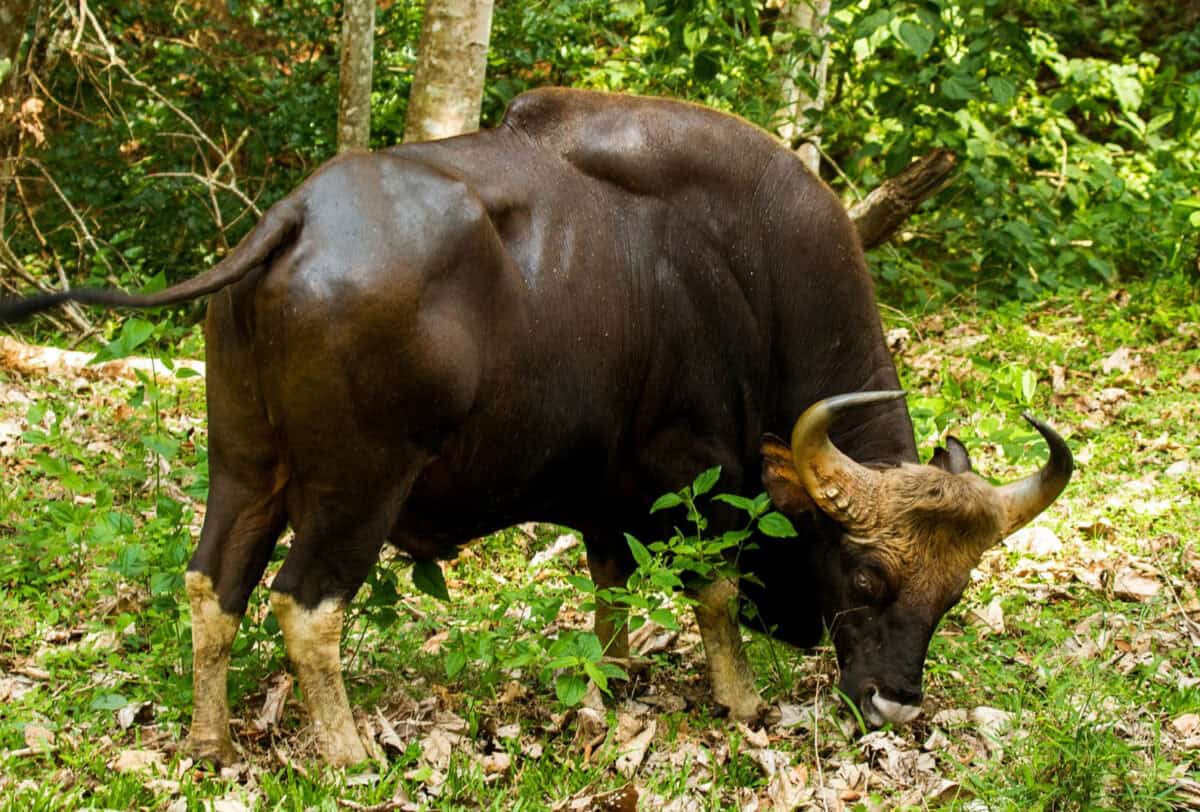
The genetic material preserved in India’s frozen zoo holds tremendous potential for future species recovery efforts. In the most direct application, stored reproductive materials like sperm and eggs could be used for assisted reproductive technologies such as artificial insemination or in vitro fertilization to bolster wild populations or reintroduce species to their former ranges. Beyond reproductive applications, preserved DNA provides a baseline genetic record that can guide breeding programs by identifying genetically diverse individuals to prevent inbreeding depression.
The genetic repository also enables advanced conservation techniques like cloning, though this remains controversial and technically challenging for many species. Additionally, the preserved genetic material serves as a reference for monitoring genetic health in wild populations, detecting changes like decreasing diversity that might signal conservation concerns. These applications aren’t merely theoretical—success stories from other frozen zoos include the birth of a gaur (Indian bison) from cryopreserved cells and the preservation of genetic material from the extinct po’ouli bird, maintaining the possibility of future restoration.
Research Benefits Beyond Conservation

The genetic repository established through India’s frozen zoo offers significant research benefits extending well beyond direct conservation applications. The collected DNA provides unprecedented opportunities for researchers to study the genetic basis of adaptation in various species, potentially revealing how animals have evolved to survive in specific Indian ecosystems. This genetic information could advance understanding of disease resistance, which has applications not only for wildlife health but potentially for domestic animals and even humans.
The biobank also enables detailed taxonomic studies, helping scientists better understand evolutionary relationships between species and sometimes identifying previously unrecognized distinct populations deserving conservation attention. Additionally, the preserved genetic material provides research opportunities in comparative genomics, potentially yielding insights into fundamental biological processes. For pharmaceutical research, the genetic diversity represented in the frozen zoo may contain unique compounds or genetic sequences with potential medical applications. The repository thus serves as a scientific resource that bridges conservation biology with broader biological and medical research.
Funding and Stakeholder Involvement

India’s frozen zoo initiative operates through a complex funding structure and multi-stakeholder collaboration. Primary financial support comes from the Indian government through the Department of Biotechnology and the Ministry of Environment, Forest and Climate Change. This core governmental funding is supplemented by grants from international conservation organizations and partnerships with private sector entities interested in biodiversity preservation.
The project involves diverse stakeholders, including scientific institutions like the Centre for Cellular and Molecular Biology, wildlife management authorities, zoological parks that provide access to captive species, veterinary professionals who assist in sample collection, and conservation NGOs that contribute field expertise. Local communities, particularly those living near protected areas, are engaged as conservation partners and knowledge holders regarding local wildlife. Academic institutions both within India and internationally contribute research expertise and training. This broad coalition reflects recognition that preserving India’s genetic biodiversity is a shared responsibility requiring diverse perspectives and resources.
Challenges and Limitations
Despite its promise, India’s frozen zoo initiative faces several significant challenges and limitations. Technical hurdles include the difficulty of developing species-specific protocols for sample collection and preservation, as techniques that work for one species may not be effective for another. Logistical challenges are considerable, especially when collecting samples from remote wilderness areas where endangered species often persist, complicated by the need to rapidly process and freeze materials before degradation occurs. Financial sustainability remains a concern, as the long-term maintenance of cryogenic facilities requires consistent funding over decades.
The initiative also confronts scientific limitations, as current technology doesn’t yet allow the complete restoration of a species from DNA alone—preserved material represents potential, not guaranteed restoration. Ethical questions persist about resource allocation between ex-situ preservation and in-situ conservation efforts that protect habitats. Additionally, regulatory complexities involving permits, international agreements on genetic resources, and evolving legislation on biotechnology create administrative challenges. Perhaps most fundamentally, frozen zoos cannot address the root causes of biodiversity loss, such as habitat destruction and climate change, making them necessary but insufficient tools in the broader conservation toolkit.
Integration with Traditional Conservation Approaches

India’s frozen zoo is designed to complement rather than replace traditional conservation strategies. This integration occurs through multiple pathways. Genetic information from the biobank informs habitat protection efforts by identifying areas with high genetic diversity that merit special protection status. The frozen zoo supports conventional captive breeding programs by providing genetic assessments that help managers make informed breeding decisions to maximize genetic diversity. Reintroduction programs benefit from having access to preserved genetic material that can help establish genetically robust founder populations.
The initiative also strengthens India’s existing species recovery plans by adding a genetic safety net to populations under intensive management. This complementary approach recognizes that genetic preservation is most valuable when paired with ecosystem protection—preserving genetic material has limited value if suitable habitats no longer exist for potential reintroduction. The integration extends to research coordination, with frozen zoo data informing field conservation priorities and vice versa. This holistic strategy reflects current conservation best practices that combine multiple approaches to address the complex challenges of biodiversity protection.
Future Expansion Plans

Looking ahead, India’s frozen zoo initiative has ambitious expansion plans to enhance its conservation impact. Geographic expansion is a priority, with plans to establish satellite collection facilities in different biogeographic zones across India, from the Western Ghats to the Himalayas, enabling better representation of the country’s diverse ecosystems. Taxonomic expansion aims to increase the diversity of preserved species, extending beyond charismatic megafauna to include lesser-known but ecologically important species such as amphibians, invertebrates, and rare plants. Technological advancement features prominently in future plans, with ongoing research into improved preservation techniques, including dry preservation methods that might reduce dependence on liquid nitrogen.
Capacity building initiatives seek to train more Indian scientists in biobanking techniques, creating a skilled workforce to sustain the program. International collaboration is set to increase, with formal partnerships being developed with other frozen zoos globally to share expertise and potentially establish backup collections in multiple locations as a safeguard against facility failures. Public engagement strategies are also being developed, including educational programs to increase awareness of genetic conservation and its importance for biodiversity preservation.
Conclusion: A Genetic Lifeline for India’s Biodiversity
India’s frozen zoo represents a forward-thinking approach to conservation that acknowledges both the gravity of the current biodiversity crisis and the potential of science to offer solutions. By preserving the genetic blueprint of endangered species, this initiative creates a biological time capsule that maintains options for future conservationists facing an uncertain ecological landscape. The frozen zoo should be viewed not as an admission of defeat in traditional conservation efforts, but rather as an additional layer of protection—an insurance policy for India’s natural heritage that complements ongoing work to protect habitats and populations in the wild.
As climate change and habitat loss continue to threaten biodiversity worldwide, such innovative approaches that bridge traditional conservation with cutting-edge science will become increasingly vital. India’s frozen zoo stands as testimony to the nation’s commitment to preserving its biological wealth for future generations, recognizing that in the genetic code of its endangered species lies not only ecological value but cultural and scientific treasures worth protecting at all costs.

From exploring the marine wonders in the Azores and witnessing the vast savannas of Kenya, to delving deep into the rich biodiversity of South Africa and traversing iconic landscapes in Australia and the US like Yellowstone, Chris's experiences are vast.
With a penchant for diving alongside sharks, the ocean holds a special place in his heart.
Through his academic insights, he champions wildlife conservation, striving with 'Animals Around The Globe' to cultivate a profound connection between humans and animals, enhancing our mutual appreciation.
Connect with him at Feedback@animalsaroundtheglobe.com.
- The Lizard That Shoots Blood From Its Eyes - July 21, 2026
- What Happens If Fireflies Stop Glowing? - July 21, 2026
- Coyotes Are Thriving in Every U.S. State — Even New York City - July 21, 2026