


Nature’s diversity extends far beyond what meets the eye, especially when it comes to reproduction. While humans may follow relatively straightforward courtship rituals, the animal kingdom boasts an astonishing array of bizarre, fascinating, and sometimes downright shocking mating behaviors. These reproductive strategies have evolved over millions of years to maximize genetic survival in countless ecological niches. From deadly sexual cannibalism to elaborate dances and remarkable anatomical adaptations, these unusual mating behaviors demonstrate the incredible creativity of evolution. Join us as we explore 16 of the most unusual mating behaviors found in the animal kingdom, offering a glimpse into the extraordinary lengths species will go to ensure their genetic legacy continues.
16. Sexual Cannibalism in Praying Mantises

Perhaps one of the most notorious mating behaviors in the animal kingdom belongs to the praying mantis. Female mantises are known to occasionally decapitate and consume their mates during or after copulation. This grisly behavior might seem counterproductive, but it actually serves evolutionary purposes. The male’s body provides valuable nutrients that help the female produce healthier eggs, while his nervous system—which can continue functioning even without a head—may actually perform better sexually without brain inhibition. Research suggests that approximately 25% of sexual encounters end in the male’s consumption, though rates vary significantly between species. Interestingly, males have evolved strategies to detect particularly voracious females and may approach with extreme caution or even avoid them entirely.
15. Traumatic Insemination in Bedbugs
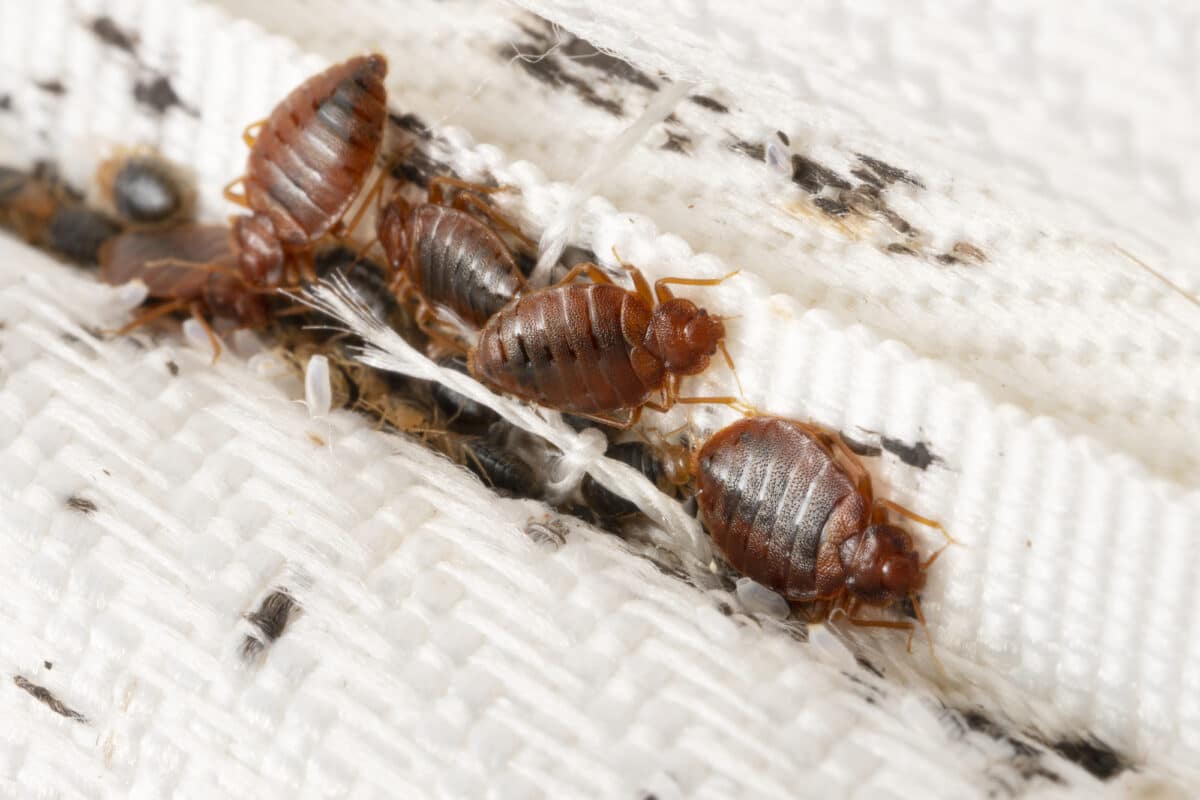
Bedbugs practice what scientists call “traumatic insemination,” a process as unpleasant as it sounds. Rather than using the female’s reproductive tract, male bedbugs pierce the female’s abdomen with their sharp, needle-like penis and inject sperm directly into her body cavity. The sperm then swims through her bloodstream to reach her ovaries. This violent reproductive strategy causes significant injury to females, reducing their lifespan and reproductive output. To mitigate damage, female bedbugs have evolved a specialized organ called the spermalege—a reinforced pocket of tissue that receives the male’s traumatic penetration, limiting internal injuries. This bizarre mating method is thought to have evolved through sexual conflict, where males bypass female mate choice mechanisms, leading to an evolutionary arms race between the sexes.
14. The Elaborate Mating Dances of Birds of Paradise
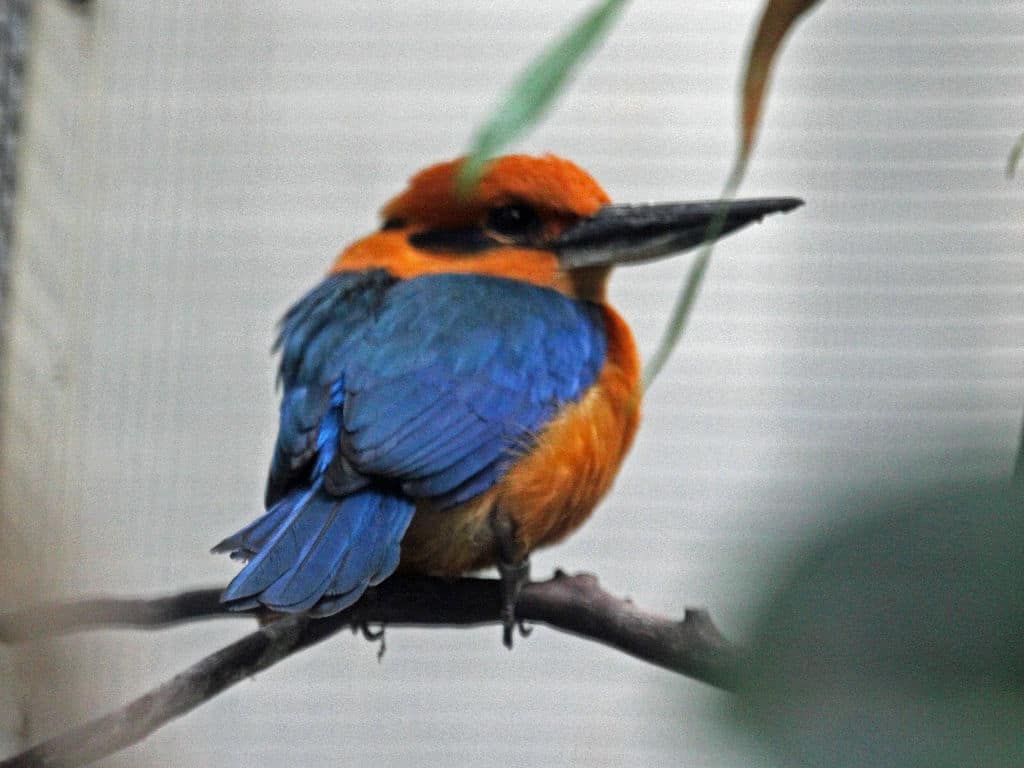
The birds of paradise native to New Guinea and surrounding regions perform some of the most elaborate courtship displays on Earth. Males sport spectacular plumage with iridescent colors, elongated feathers, and bizarre ornaments that transform their appearance dramatically. Species like the Superb Bird of Paradise create an optical illusion by arranging their feathers into a startling oval shape with bright blue “eyes,” making them appear as an entirely different creature. Males meticulously prepare their display grounds, removing every leaf and twig that might distract from their performance. Their dances include precisely choreographed movements—hopping, bobbing, wing-fluttering, and vocalizations—that must be executed flawlessly to impress highly selective females. Studies show that female birds of paradise typically reject over 95% of displaying males, making this one of nature’s most competitive mating systems.
13. The Explosive Mating of Anglerfish

Deep in the ocean’s darkest reaches, male anglerfish face a unique reproductive challenge: finding a mate in the vast, pitch-black abyss. Their solution is equally extreme. When a male finds a female—often many times his size—he bites into her flesh and triggers a remarkable transformation. His mouth dissolves and fuses with her body, connecting their bloodstreams. Eventually, the male degenerates into little more than a parasitic sperm-producing appendage permanently attached to the female. A single female anglerfish may accumulate multiple males on her body over her lifetime, ensuring sperm is always available when she’s ready to release eggs. This bizarre adaptation guarantees reproductive success in an environment where encounters between potential mates are exceedingly rare. Some species of anglerfish show sexual size dimorphism that is among the most extreme in vertebrates, with females reaching up to 60 times the size of males.
12. Flatworm Penis Fencing
Marine flatworms engage in what biologists colorfully term “penis fencing”—a remarkable hermaphroditic mating ritual. Since each flatworm possesses both male and female reproductive organs, they engage in aggressive duels using their two-headed penises, attempting to inseminate their partner while avoiding being inseminated themselves. These battles can last up to an hour, with each worm trying to pierce the skin of the other with their sharp reproductive organ to inject sperm. The “loser” who receives sperm must bear the energetically costly burden of producing and carrying eggs. This unusual reproductive strategy represents an evolutionary solution to the dilemma faced by hermaphroditic organisms: the biological advantage of inseminating others without the resource-intensive process of egg production. Research has documented these fencing matches can sometimes involve multiple flatworms simultaneously, creating complex reproductive tournaments.
11. Hyena Gender Role Reversal
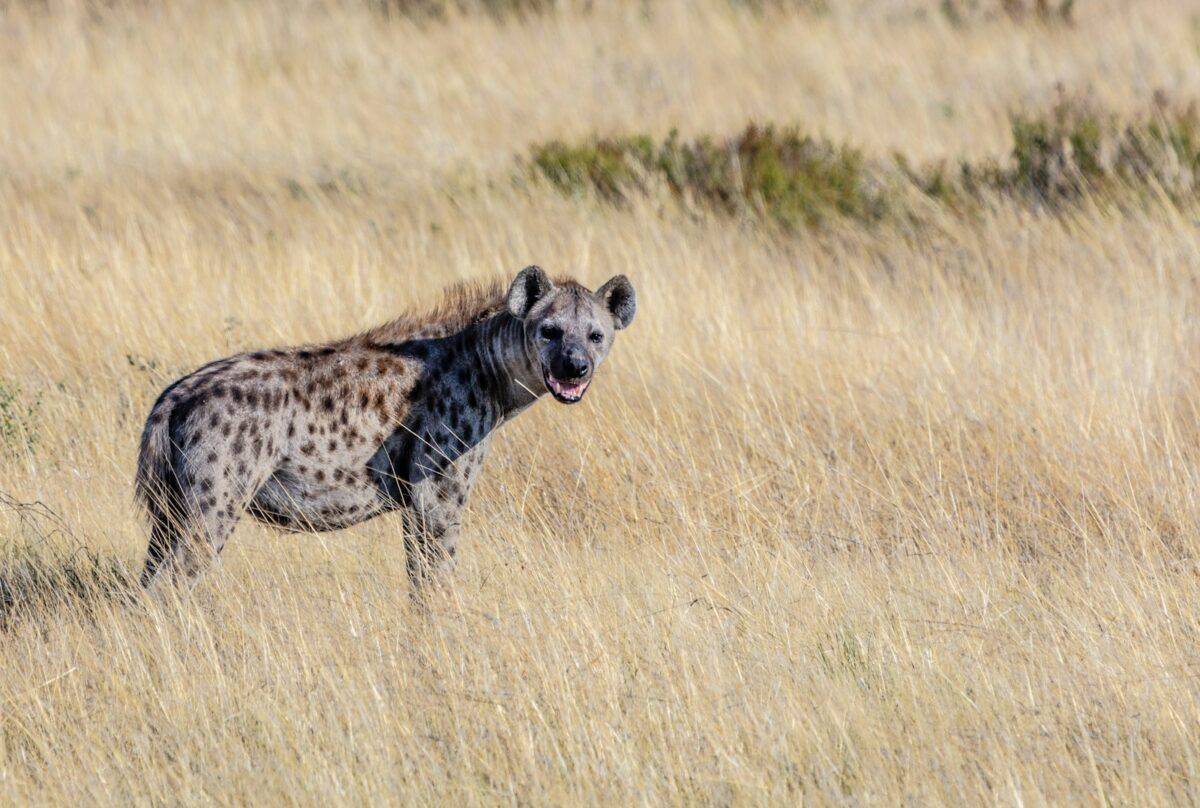
Spotted hyenas have evolved one of the most unusual reproductive systems among mammals, featuring a complete reversal of typical mammalian gender dynamics. Female spotted hyenas dominate their social hierarchies and possess arguably the most masculinized genitalia of any female mammal. They develop a pseudopenis—actually an elongated clitoris—through which they urinate, mate, and even give birth. This extraordinary organ can be up to seven inches long, nearly indistinguishable from the male penis, and can be erect. Mating requires remarkable cooperation, as the male must somehow achieve intromission into the female’s pseudopenis. The birth process is even more challenging and dangerous, as the pseudopenis must stretch to allow passage of cubs, often tearing in the process. This unique adaptation is thought to have evolved in response to high levels of testosterone in female hyenas, which helps maintain their dominant social position but created this reproductive challenge as a side effect.
10. Sneaker Males in Giant Cuttlefish

Australian giant cuttlefish males exhibit a fascinating deceptive mating strategy. Large dominant males typically guard females and fight off competitors. However, smaller “sneaker males” have evolved an ingenious workaround: they disguise themselves as females. These clever impostors change their skin patterns and coloration to mimic females perfectly and assume a feminine posture, tucking their arms close to their body. While dominant males are distracted guarding their chosen female from other obvious males, these disguised sneakers slip past undetected. Once near the female, they reveal their true identity and mate quickly before the guarding male notices the deception. Studies show that these sneaker males achieve successful mating in approximately 30-40% of attempts. This alternative reproductive strategy allows smaller, less competitive males to pass on their genes despite their physical disadvantage, demonstrating nature’s remarkable adaptability in the face of sexual selection pressures.
9. Porcupine Courtship Rituals
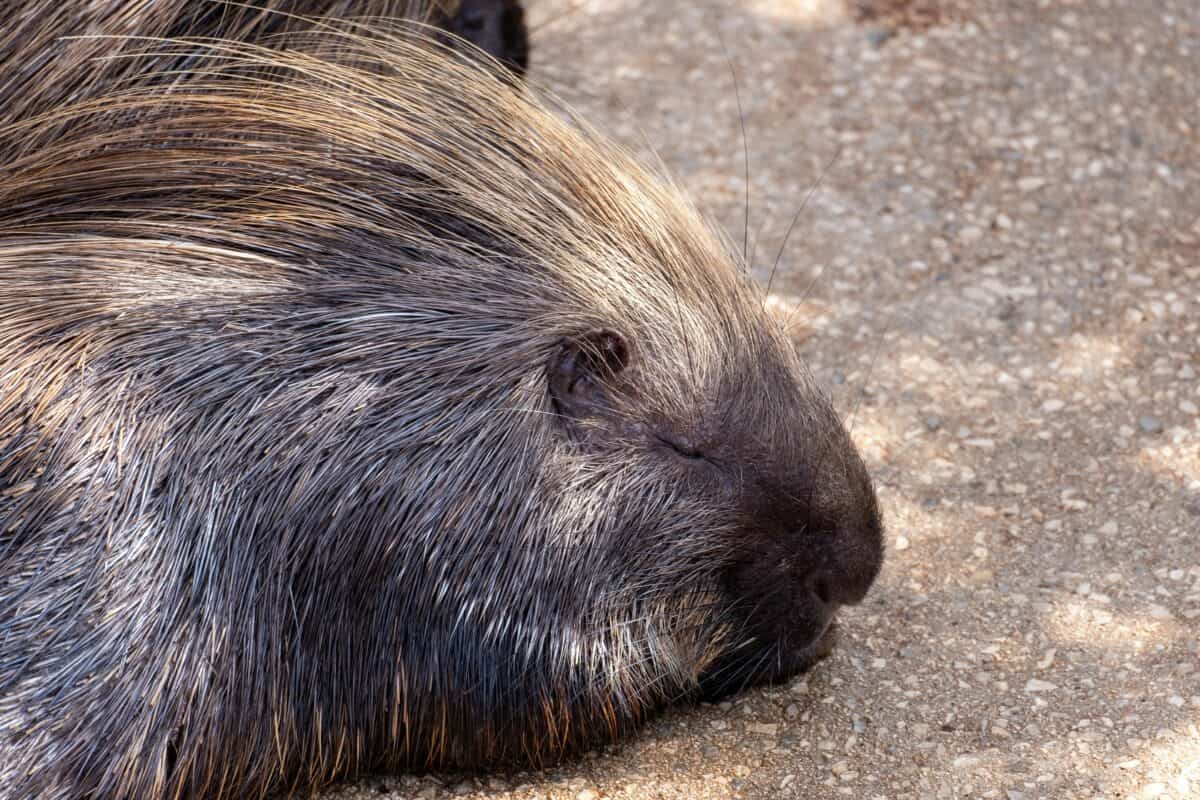
The question of “how porcupines mate” has long been a source of humor, but the actual process involves a fascinating and elaborate courtship ritual. Male North American porcupines begin by spraying females with urine from several feet away—a behavior that seems counterintuitive for attraction but contains powerful pheromones that signal reproductive readiness. If receptive, the female will arche her tail over her quill-covered back. The male then performs a complex dance, standing on his hind legs, chattering his teeth, and swaying gently. When finally ready to mate, the female’s quills in the pelvic region relax and flatten, creating a quill-free path for copulation. She may also lie flat with her stomach against the ground, exposing her less-quilled underside. Despite these adaptations, porcupine mating remains a delicate process, and couples may mate multiple times over several days to ensure successful fertilization.
8. The Complex Love Darts of Snails

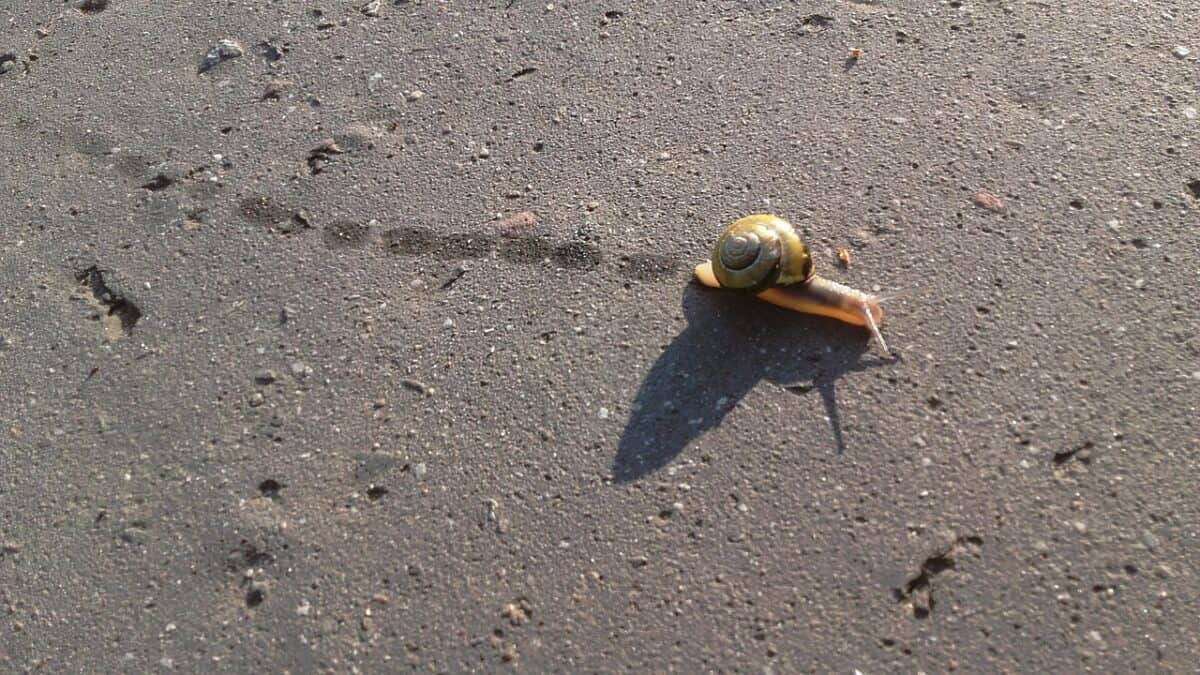
Garden snails engage in one of nature’s most bizarre courtship rituals involving “love darts”—sharp, calcium-based spears that can reach up to a third of their body length. Before mating, hermaphroditic snails will stab these darts into their partner’s body. Far from romantic, these darts inject mucus containing hormones that prevent the recipient’s reproductive system from destroying incoming sperm, significantly increasing fertilization success for the shooter. The process is painful and potentially damaging—snails often miss their target and can pierce vital organs. This seemingly violent act represents an evolutionary solution to sperm competition in these hermaphroditic animals. Interestingly, research has shown that successful dart-shooting can increase fertilization success by up to 40%, making this bizarre behavior evolutionarily advantageous despite its risks. Some species of snails have evolved elaborate dart shapes, including corkscrew-like spirals and barbed tips to ensure they remain embedded in their partner.
7. Garter Snake Mating Balls

Red-sided garter snakes create one of nature’s most spectacular mating displays in the cold regions of Manitoba, Canada. After emerging from winter hibernation, thousands of males simultaneously pursue each available female, creating writhing “mating balls” with up to 100 males entwined around a single female. This creates intense competition, with males releasing pheromones that mimic female scents to confuse rivals. The female, significantly larger than males, must drag this entire mass of suitors as she attempts to move. Only the strongest, most persistent males succeed in achieving proper alignment for copulation. This extraordinary phenomenon results from the compressed breeding season in cold climates—snakes have just a few weeks to mate before needing to disperse to feeding grounds. Scientists have documented that these mating aggregations can contain over 30,000 snakes in a single location, creating one of the largest concentrated reptile mating events on Earth.
6. Dolphin Mating Alliances

Male bottlenose dolphins exhibit remarkably complex social behavior during mating, forming sophisticated multi-level alliances that rival human social structures in complexity. Groups of 2-3 males form primary alliances to cooperatively herd and control access to fertile females, sometimes keeping them isolated for days or weeks. These primary alliances often form secondary alliances with other male groups, creating teams of up to 14 dolphins that work together to steal females from competing alliances or defend against such theft. Research in Shark Bay, Australia, has even documented tertiary alliances, where multiple secondary alliances cooperate in large conflicts. Males within these alliances maintain strong bonds through physical contact, synchronized swimming, and vocal exchanges. This cooperative yet competitive mating system requires remarkable social intelligence and represents one of the most complex non-human social structures ever documented. Some male alliance relationships have been observed to last over 20 years, demonstrating the long-term stability of these reproductive partnerships.
5. Barnacle Proportions

Barnacles may appear unassuming, but they possess the most remarkable sexual adaptation in the animal kingdom relative to their body size. Despite being immobile as adults, cemented to rocks or other surfaces, barnacles have evolved the longest penis relative to body size of any animal—up to eight times their body length. This extraordinary appendage allows them to reach neighboring barnacles for reproduction without leaving their secure position. The penis is highly flexible and can change shape and direction to locate partners, equipped with sensory capabilities to detect chemicals released by receptive neighbors. Even more fascinating, barnacles are hermaphrodites, possessing both male and female reproductive organs, allowing them to reciprocally fertilize each other. In areas with strong wave action, barnacle penises evolve to be shorter and stockier to withstand turbulence, while in calmer waters, they develop longer, more slender organs—a remarkable example of environmental adaptation in reproductive anatomy.
4. Leopard Slug Aerial Acrobatics
Leopard slugs perform one of the most spectacular mating displays in the invertebrate world. The process begins with two slugs climbing a vertical surface or tree branch before launching themselves into the air, suspended only by a thick strand of mucus. Dangling in mid-air, these hermaphroditic creatures intertwine their bodies and simultaneously extend their iridescent blue penises from openings near their heads. These reproductive organs, which can be as long as their entire body, wrap around each other in a spiral formation resembling a translucent blue flower. The slugs exchange sperm packets during this aerial dance, which can last for hours. Once complete, they climb back up their mucus string or drop to the ground below. This extraordinary behavior likely evolved to reduce predation risk during their vulnerable mating period and to allow their extraordinarily large reproductive organs to extend fully without obstruction. The entire process represents one of nature’s most beautiful and unexpected mating rituals.
3. Red-Sided Whorl Snail’s Chirality Challenge
The red-sided whorl snail faces perhaps the most geometrically challenging mating situation in nature due to “chirality”—the direction in which their shells spiral. Most individuals have right-spiraling shells, but genetic mutations occasionally produce left-spiraling individuals. This seemingly minor difference creates a profound reproductive barrier, as their genital openings end up on opposite sides of their bodies, making copulation physically impossible between opposite-spiraling individuals. This creates an extraordinary evolutionary situation where rare left-spiraling individuals can only mate with other left-spiraling snails, essentially creating instant reproductive isolation—a key mechanism in speciation. For a new left-spiraling individual, finding a compatible mate is nearly impossible, but if they do and produce offspring, all their children will share this trait. Several new snail species have formed through this mechanism, demonstrating how a single genetic change affecting physical orientation can drive the evolution of new species through reproductive incompatibility.
2. Honey Bee Explosive Mating

The mating ritual of honey bees involves one of the most dramatic reproductive sacrifices in nature. When a virgin queen bee embarks on her mating flight, she’s pursued by thousands of male drones from surrounding colonies. The fastest and strongest drones catch up with the queen mid-flight and mate with her. During copulation, the male’s endophallus (reproductive organ) explosively everts with such force that it ruptures from his body with an audible pop, paralyzing and quickly killing him. The drone literally gives his life for this single mating opportunity, leaving his reproductive apparatus still attached to the queen. This “mating sign” serves as a temporary plug, potentially preventing other drones from successfully inseminating the queen. Nevertheless, a queen typically mates with 12-20 drones during her nuptial flights, collecting and storing enough sperm to fertilize eggs throughout her lifetime, which may last several years. This extreme reproductive strategy maximizes genetic diversity within the colony while ensuring only the most vigorous drones contribute to the next generation.
1. The Strange Case of the Argonaut Octopus

The argonaut octopus, also known as the paper nautilus, demonstrates one of the strangest reproductive strategies in the marine world. Males are tiny—less than an inch long—while females can reach ten inches, creating one of the most extreme size differences between sexes in any animal. The male’s third right arm is specialized into a structure called a hectocotylus that detaches completely during mating. Before detachment, this arm fills with sperm, and then breaks off to swim independently toward the female. Upon reaching her, this autonomous, motile arm crawls into her mantle cavity and releases sperm. Early naturalists who discovered these free-swimming arms actually mistook them for parasitic worms. The male, now missing an arm, will eventually grow a new hectocotylus. Meanwhile, the female stores multiple detached arms from different males in her mantle cavity, using them to fertilize her eggs as needed. This remarkable adaptation allows reproduction despite the vast size difference between sexes and the challenges of finding mates in the open ocean.
Conclusion: The Remarkable Diversity of Animal Reproduction

These 16 unusual mating behaviors offer a vivid reminder that nature never stops innovating. Whether through deadly cannibalism, precision dances, deceptive disguises, or anatomical extremes, each reproductive strategy has evolved to meet a unique ecological or evolutionary challenge. While many of these behaviors seem alien—even shocking—they underscore one fundamental truth: the drive to reproduce has sculpted life in astonishing ways. Sexual selection has pushed countless species toward extraordinary lengths to pass on their genes, often leading to behaviors that blur the lines between beauty, brutality, and biological brilliance. In the end, these reproductive oddities aren’t just curiosities—they are a testament to evolution’s endless capacity for adaptation, creativity, and survival.

As a little kid, I fell in love with nature, wildlife, and animals. Living in the USA, South Africa, Italy, China and Germany gave me the opportunity to discover the world's Wildlife. My favorite animals are Mountain Gorillas, Siberian Tigers, and Great White Sharks.
I'm a certified PADI Open Water Diver, went to Everest Base Camp and Trekked Gorillas in Uganda. I hold a Master of Science in Economics and Finance.
Please send any feedback to feedback@animalsaroundtheglobe.com
- 10 Unique Animals You Can Find Only In California - July 21, 2026
- 10 Loudest Animals on Land - July 21, 2026
- 13 Animals With Extra Limbs or Heads - July 21, 2026