

Worried about unexpected vet bills?
Pet insurance can cover thousands in unexpected vet costs. Get a free quote from Lemonade in under 2 minutes.
Get My Free Quote →Sponsored · Opens Lemonade.com
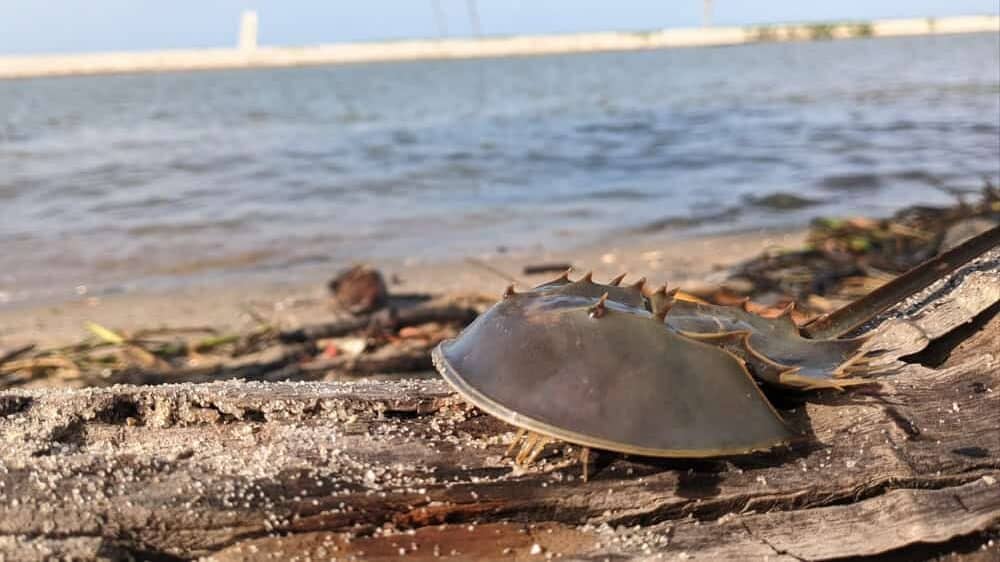
At the intersection of modern medicine and ancient biology lies a remarkable creature whose blood has saved countless human lives. Horseshoe crabs, living fossils that have remained largely unchanged for over 450 million years, play a critical yet often overlooked role in vaccine development and pharmaceutical safety. Their copper-based blue blood contains a substance that has become indispensable to the medical industry, while their declining populations present urgent conservation challenges. This article explores the fascinating connection between these prehistoric arthropods and cutting-edge medical science, examining how our healthcare system depends on these creatures and why their conservation has become increasingly important in recent years.
The Living Fossil: An Introduction to Horseshoe Crabs

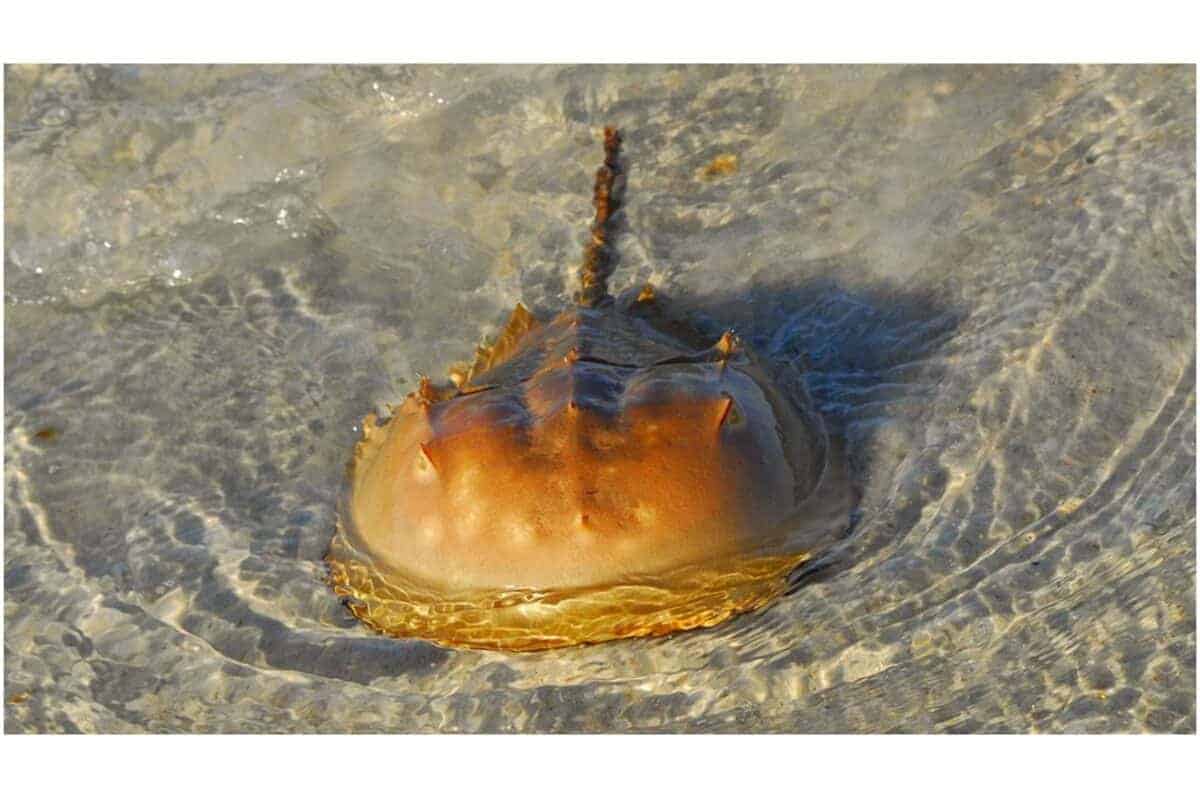
Horseshoe crabs (Limulidae) represent one of Earth’s oldest surviving lineages, having existed in their current form since before the dinosaurs. Despite their name, they aren’t true crabs at all but are more closely related to spiders and scorpions. Four species exist worldwide: the Atlantic horseshoe crab (Limulus polyphemus) found along the North American Atlantic coast, and three Asian species found from Japan to India (Tachypleus tridentatus, Tachypleus gigas, and Carcinoscorpius rotundicauda).
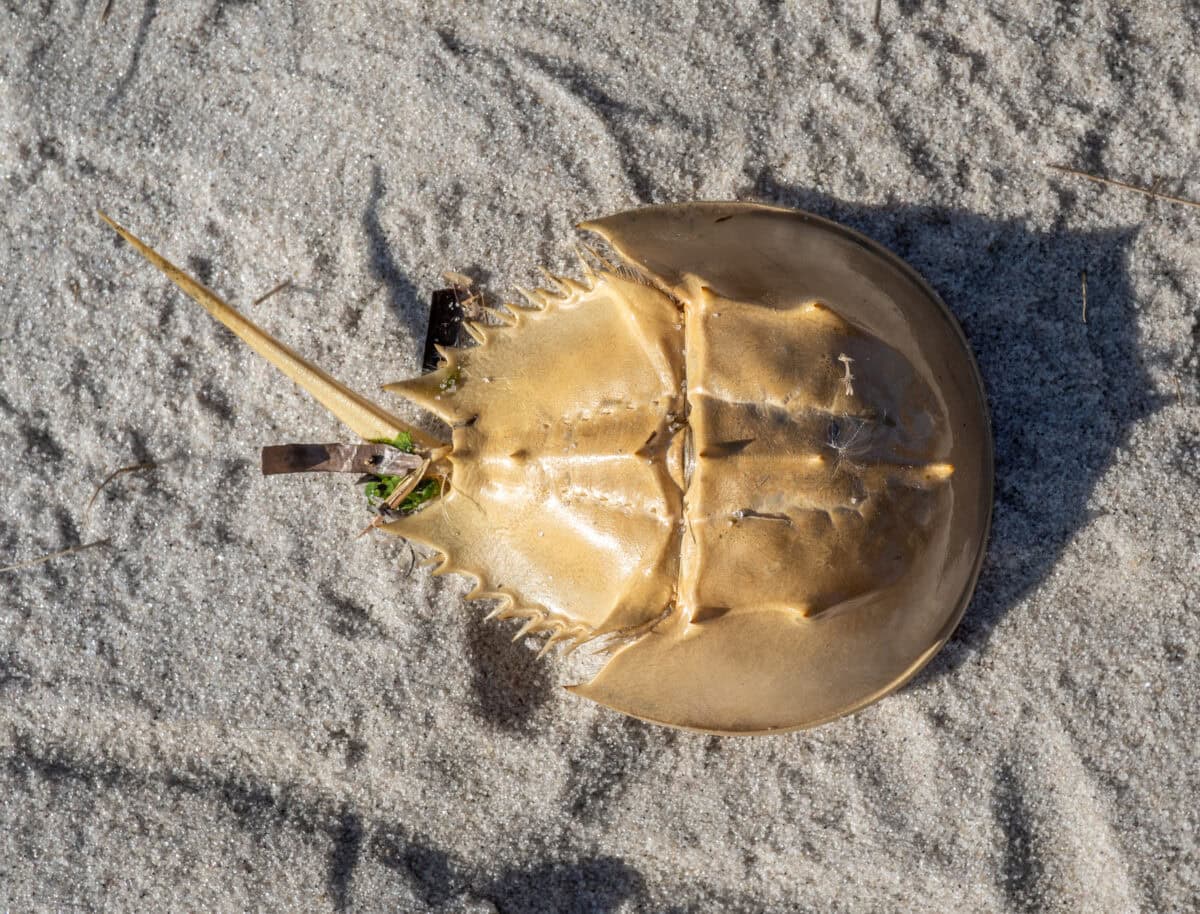
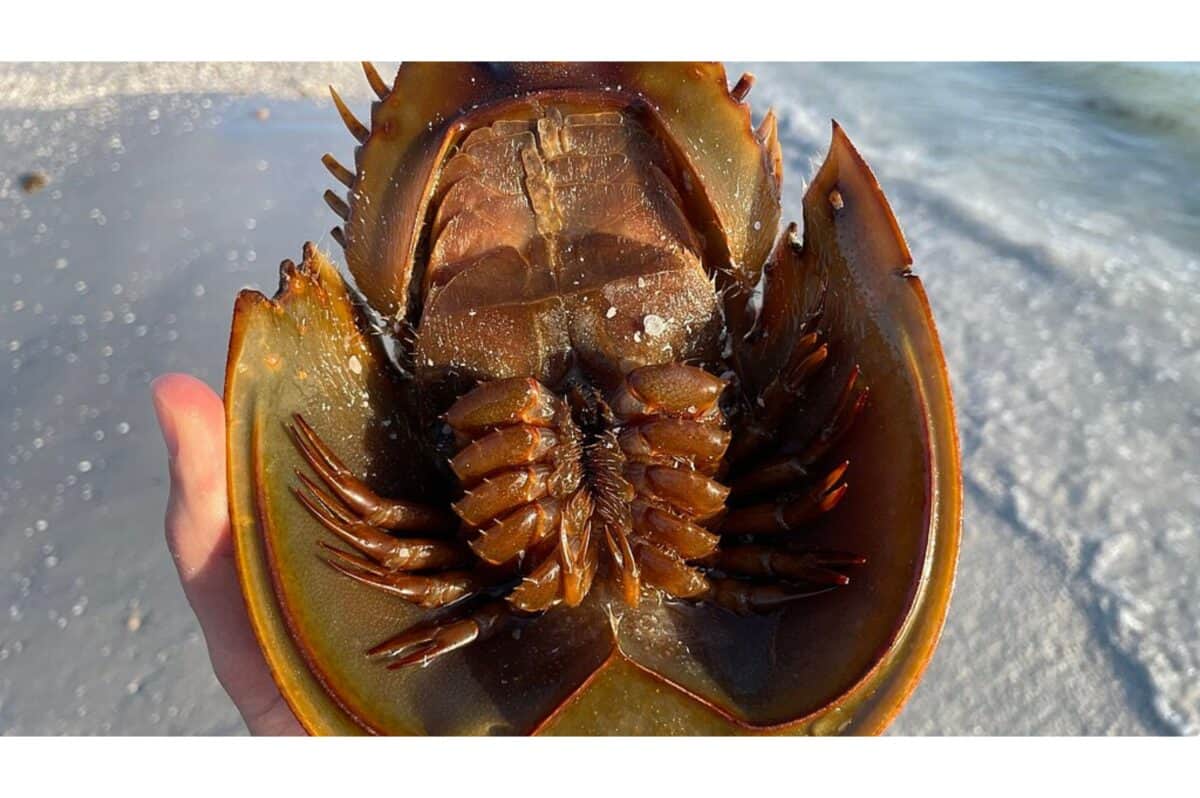
These remarkable creatures possess a hard exoskeleton, a distinctive horseshoe-shaped shell (carapace), and a long, spike-like tail called a telson that helps them right themselves if flipped over. Their primitive appearance belies their biological sophistication—particularly their unique immune system that has made them invaluable to modern medicine. Unlike vertebrates that use antibodies to fight infections, horseshoe crabs rely on a different mechanism involving specialized blood cells that react instantly to bacterial toxins, a property scientists have harnessed for pharmaceutical safety testing.
The Blue Blood Phenomenon: A Medical Marvel
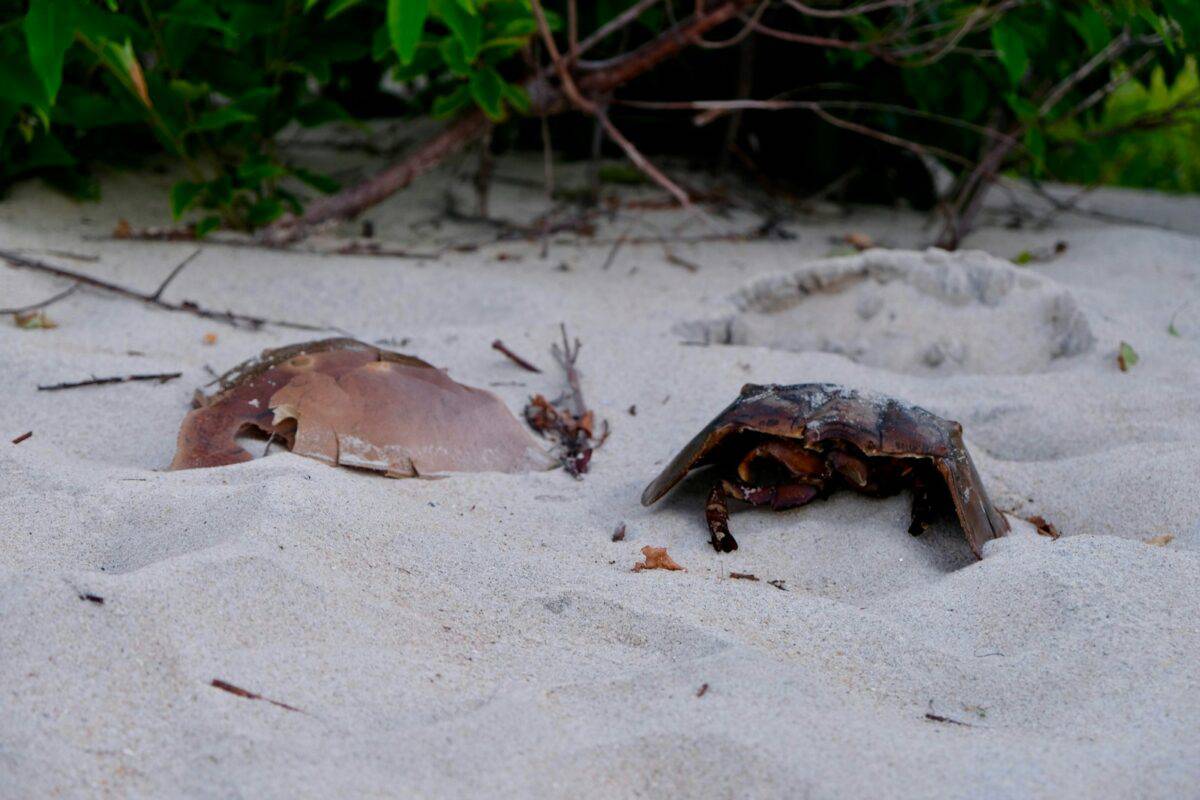
What makes horseshoe crab blood extraordinary is its copper-based composition, which gives it a striking blue color, unlike the iron-based red blood of vertebrates. But the truly remarkable feature lies in their amebocytes—specialized blood cells that contain a substance called Limulus Amebocyte Lysate (LAL). When these amebocytes encounter bacterial endotoxins, they immediately coagulate, forming a gel-like substance that effectively traps the pathogens. This rapid response mechanism has evolved as the horseshoe crab’s primary defense against bacterial infections in their marine environment.
Scientists discovered this unique property in the 1950s when researchers at the Marine Biological Laboratory in Woods Hole, Massachusetts, observed how horseshoe crab blood clotted when exposed to certain bacteria. By the 1970s, the FDA had approved LAL testing for medical applications, replacing previous testing methods that used rabbits. This development revolutionized pharmaceutical safety testing, providing a more sensitive and efficient method for detecting bacterial contamination in vaccines, injectable medications, and medical devices—a critical advancement for ensuring these products are safe for human use.
The LAL Test: Guardian of Pharmaceutical Safety
The LAL test has become the gold standard for detecting endotoxins—potent fever-inducing components from bacterial cell walls that can cause severe reactions or even death if introduced into the human bloodstream. The test is remarkably sensitive, capable of detecting endotoxin concentrations as low as one part per trillion. This extraordinary sensitivity makes it ideal for testing injectable pharmaceuticals, vaccines, and medical devices where even minute bacterial contamination could pose serious health risks.
The testing process involves adding a sample of the pharmaceutical product to LAL reagent. If bacterial endotoxins are present, the mixture coagulates—a visible reaction that signals potential contamination. Every injectable medication, IV fluid, and implantable medical device must pass this test before reaching patients. It’s estimated that the LAL test is used to screen every injectable pharmaceutical produced worldwide, representing thousands of tests each day and making horseshoe crab blood one of the most valuable substances in medicine by volume. During the COVID-19 pandemic, LAL testing was essential for ensuring the safety of vaccines developed at unprecedented speed.
Blood Harvesting: The Process and Its Impact
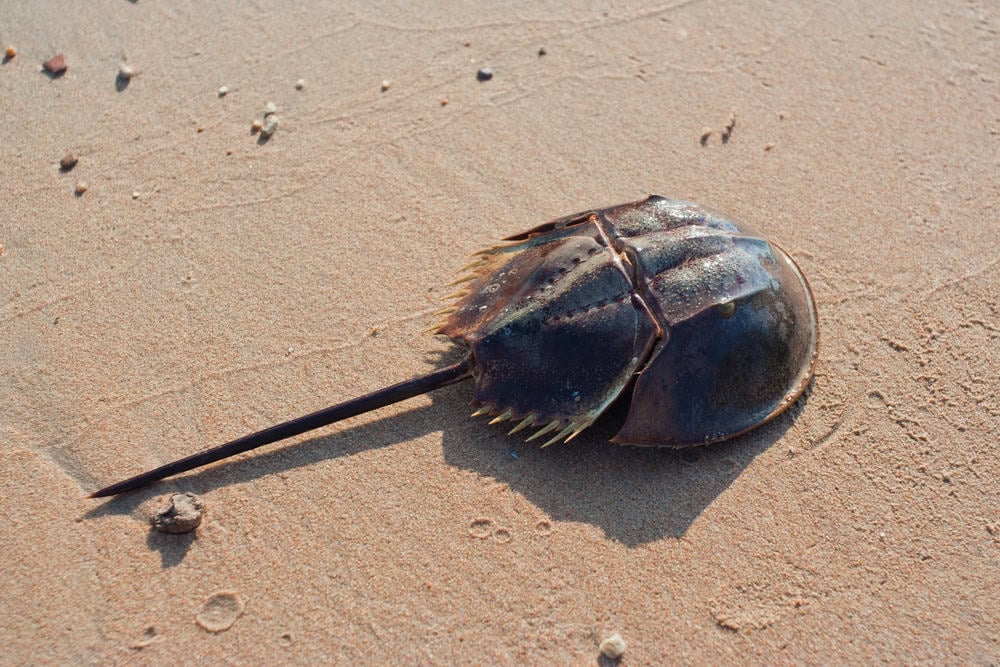
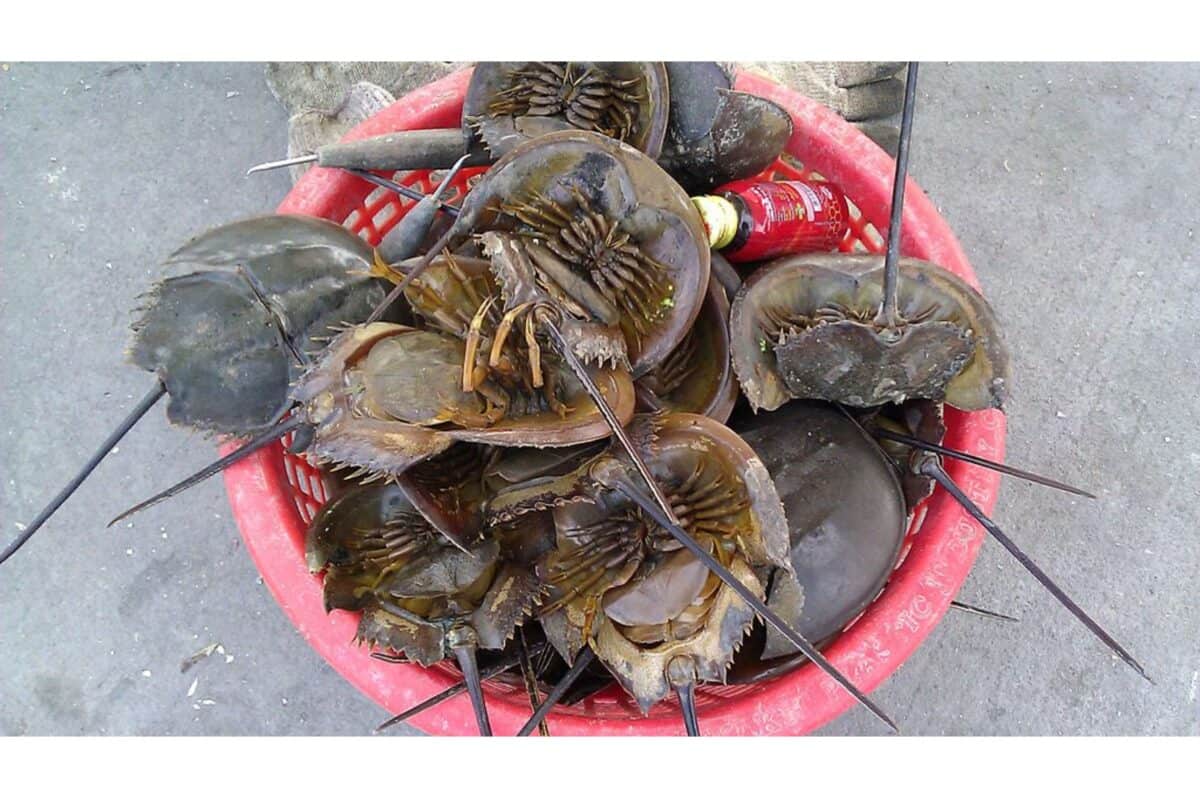
The harvesting of horseshoe crab blood involves carefully capturing the animals during their spawning season when they come ashore to breed. Biomedical companies collect the crabs, transport them to specialized facilities, and extract approximately 30% of their blood by inserting a needle near the heart joint. The animals are then returned to the ocean, typically within 24-72 hours. While the industry maintains this practice is sustainable because the crabs can regenerate their blood and many survive the process, research has revealed concerning impacts.
Studies indicate that the mortality rate from bleeding ranges from 15-30%, significantly higher than the 3-5% often cited by the industry. Even crabs that survive may experience behavioral changes, reduced movement, and decreased spawning activity. Female horseshoe crabs bled for LAL production show evidence of reduced fitness and reproductive capacity, potentially contributing to population declines. Each year, approximately 500,000 horseshoe crabs are harvested for their blood in North America alone, creating substantial pressure on already vulnerable populations and raising serious questions about the long-term sustainability of this practice.
Horseshoe Crabs and Vaccine Development: An Essential Partnership
The role of horseshoe crabs in vaccine development extends beyond routine safety testing. During the research and development phases of new vaccines, LAL testing is integral to ensuring that production processes are free from bacterial contamination. Each batch of vaccine must be tested before distribution, creating a direct dependency between global immunization programs and horseshoe crab populations. Without LAL testing, the safety of vaccines would be compromised, potentially leading to dangerous adverse reactions in recipients.
The COVID-19 pandemic highlighted this dependency as billions of vaccine doses required testing. Every step in the manufacturing process of mRNA vaccines, traditional inactivated virus vaccines, and viral vector vaccines needed LAL testing to ensure safety. This unprecedented demand for LAL during the global vaccination campaign intensified pressure on horseshoe crab populations just as they were already facing multiple threats. The pandemic demonstrated the critical importance of finding a balance between medical necessity and conservation, as future pandemics will likely create similar demands on this limited biological resource.
Population Threats: A Conservation Crisis

Horseshoe crab populations face multiple threats beyond biomedical bleeding. Habitat loss due to coastal development has destroyed many traditional spawning beaches, while climate change alters the temperature and chemistry of their marine environments. In some regions, particularly in Asia, horseshoe crabs are harvested for food, traditional medicine, and fertilizer. Additionally, these creatures are often caught as bycatch in commercial fishing operations or killed when they become entangled in marine debris and fishing gear.
The combination of these pressures has led to alarming population declines. The International Union for Conservation of Nature (IUCN) lists the American horseshoe crab as “Vulnerable” while the three Asian species are classified as “Endangered” or “Data Deficient.” In Delaware Bay, once home to the world’s largest horseshoe crab population, numbers have declined by an estimated 90% over the past 15 years in some areas. This decline threatens not only the species itself but also the migratory shorebirds that depend on horseshoe crab eggs for survival, creating a cascading ecological crisis that extends beyond the immediate medical implications.
The Shorebird Connection: Ecological Ripple Effects
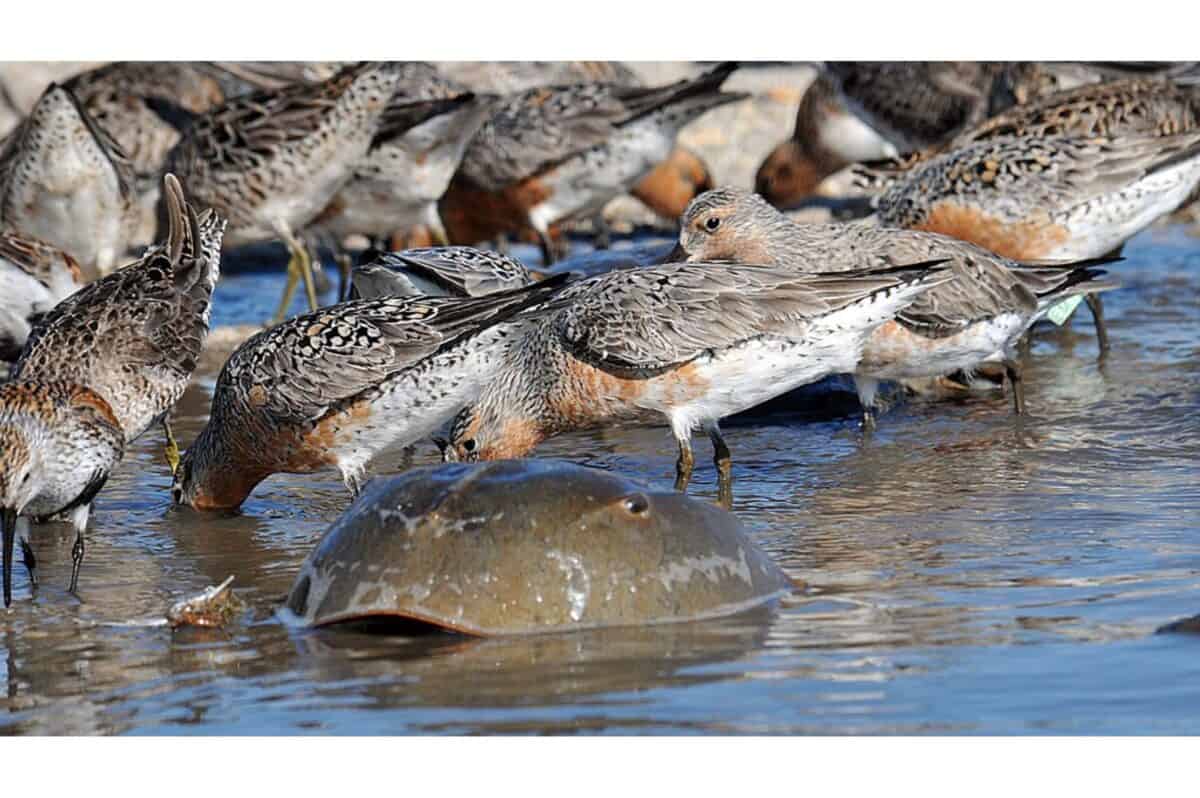
The fate of horseshoe crabs is intimately linked to several migratory shorebird species, particularly the red knot (Calidris canutus rufa). These remarkable birds undertake one of the longest migrations on Earth, flying over 9,000 miles from the southern tip of South America to Arctic breeding grounds. Along this journey, they make a crucial stopover in places like Delaware Bay, where they rely on horseshoe crab eggs to replenish their depleted energy reserves. A single red knot can double its body weight in just two weeks by feeding on these nutrient-rich eggs.
As horseshoe crab populations have declined, so too have red knot numbers—by more than 75% since the 1980s, leading to their listing as threatened under the U.S. Endangered Species Act. Other shorebird species like ruddy turnstones, semipalmated sandpipers, and sanderlings also depend on this food source. The conservation challenges facing horseshoe crabs thus represent not just a medical concern but an ecological one, demonstrating how the biomedical industry’s practices can have far-reaching impacts across ecosystems and international boundaries.
Sustainable Alternatives: The Promise of rFC

In response to conservation concerns, scientists have developed recombinant Factor C (rFC), a synthetic alternative to LAL produced through genetic engineering. This technology involves inserting the horseshoe crab gene responsible for the Factor C protein (the key component that reacts to endotoxins) into cells that can produce it in laboratory settings. The resulting synthetic compound can detect bacterial endotoxins with comparable sensitivity to natural LAL without requiring horseshoe crab blood.
Several pharmaceutical companies have successfully implemented rFC testing for certain products, and studies have demonstrated its effectiveness and reliability. In 2020, the European Pharmacopoeia recognized rFC as an acceptable alternative to LAL, marking a significant regulatory milestone. However, the U.S. Food and Drug Administration has been more cautious, requiring additional validation studies before broadly accepting rFC. This regulatory hesitancy, combined with the pharmaceutical industry’s natural conservatism regarding established safety protocols, has slowed the transition away from horseshoe crab-derived LAL despite the promising alternative. Conservation advocates argue that accelerating this transition is critical for both horseshoe crab populations and the long-term sustainability of the medical supply chain.
Regulatory Challenges and Industry Response
The transition to synthetic alternatives faces significant regulatory hurdles. Pharmaceutical companies must conduct extensive validation studies to prove that rFC performs as reliably as LAL across diverse products and manufacturing conditions. Each company must individually validate rFC for their specific products, creating a substantial investment of time and resources. This regulatory framework, while designed to ensure safety, has inadvertently created barriers to adopting more sustainable practices.
Some forward-thinking pharmaceutical companies have begun incorporating sustainability considerations into their decision-making, recognizing both the ethical and business cases for reducing dependency on a limited natural resource. Eli Lilly, for example, has pioneered the use of rFC for testing certain products, while industry collaborations are working to generate the data needed for broader regulatory acceptance. Meanwhile, conservation organizations are advocating for regulatory harmonization between different global jurisdictions to streamline the adoption of synthetic alternatives. This complex interplay between industry practices, regulatory requirements, and conservation needs illustrates the challenges of modernizing deeply embedded medical technologies, even when viable alternatives exist.
Conservation Strategies: Protecting the Living Pharmacy
Comprehensive conservation strategies for horseshoe crabs require a multi-faceted approach addressing both biomedical harvesting and broader ecological threats. Protected spawning areas have been established in key regions, with seasonal beach closures during peak spawning periods. Organizations like the Ecological Research and Development Group work with local communities to promote awareness and conservation efforts, including beach cleanups and monitoring programs. Some states have implemented quotas or moratoriums on harvesting horseshoe crabs for bait, though biomedical collection typically receives exemptions.
More innovative approaches include artificial spawning habitats to compensate for natural beach loss and captive breeding programs to supplement wild populations. Tagging studies help scientists track population dynamics and survival rates, while genetic research aims to understand population structure and diversity. Perhaps most promising is the push for increased collaboration between conservation biologists, pharmaceutical companies, and regulatory agencies to develop sustainable harvesting practices while accelerating the transition to synthetic alternatives. These collaborative efforts recognize that horseshoe crab conservation represents not just an ecological imperative but a medical one, as human health ultimately depends on the sustainable management of this biological resource.
Global Perspectives: International Conservation Efforts
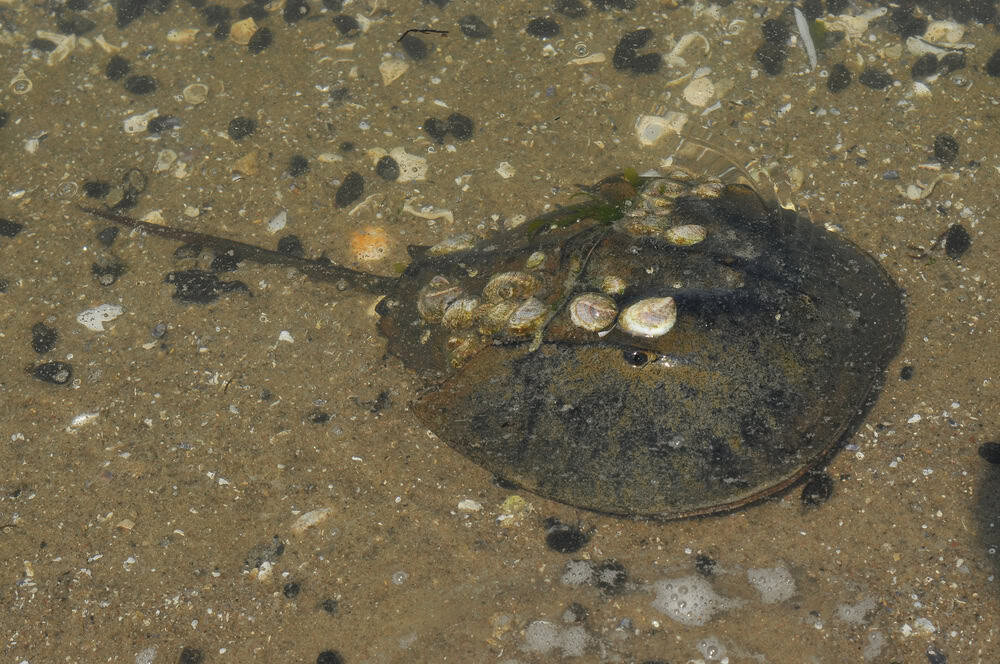
Horseshoe crab conservation presents different challenges across their global range. In Asia, where three of the four horseshoe crab species are found, populations face severe threats from habitat destruction, pollution, and direct harvesting for food and traditional medicine. Conservation efforts in Japan, Hong Kong, and Taiwan have established protected areas and breeding programs, while educational initiatives work to raise awareness about these ancient creatures’ ecological importance.
International cooperation has emerged through organizations like the International Union for Conservation of Nature (IUCN) Horseshoe Crab Specialist Group, which facilitates knowledge sharing and coordinates global conservation strategies. Cross-border initiatives in Southeast Asia aim to protect migratory populations that move between national waters. The contrast between regional approaches highlights the need for culturally appropriate conservation strategies that address local uses and values while working toward the common goal of ensuring horseshoe crab survival. As medical technology continues to globalize, these international conservation efforts become increasingly important for maintaining both biodiversity and pharmaceutical safety systems worldwide.
The Future of Medical Testing: Balancing Innovation and Tradition
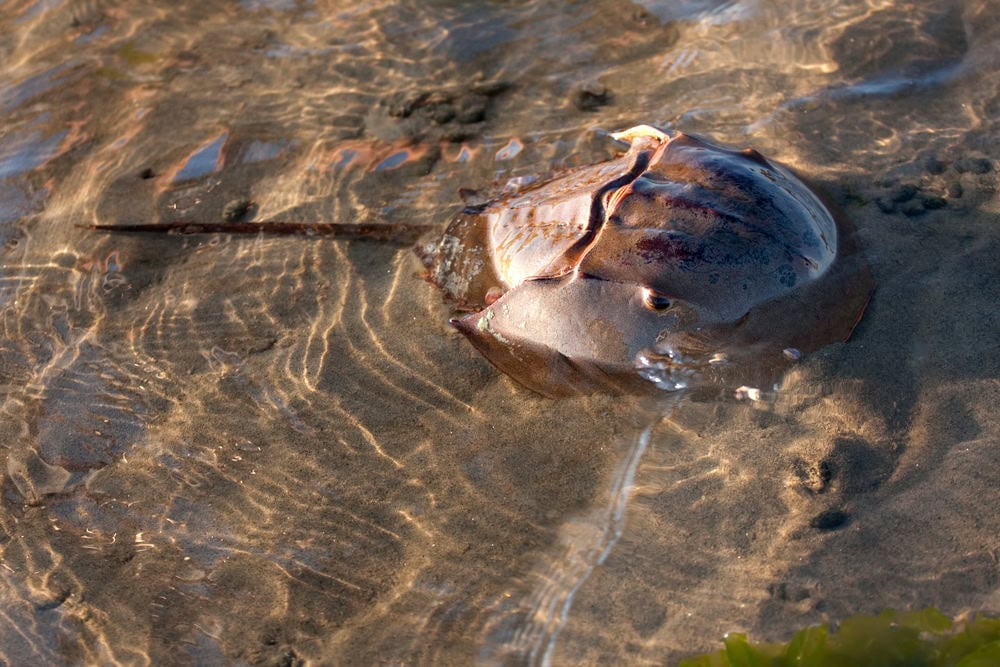
The future relationship between horseshoe crabs and medical testing stands at a crossroads. While synthetic alternatives like rFC show great promise, some researchers argue that a transitional approach may be necessary, combining reduced harvesting of horseshoe crabs with gradual implementation of synthetic alternatives. Improved bleeding practices, including taking smaller blood volumes and optimizing handling procedures, could reduce mortality among harvested crabs. Some companies are developing closed systems that would allow horseshoe crabs to be “donors” maintained in captivity rather than captured from wild populations.
Advanced technologies on the horizon include cell-based systems that could potentially detect a broader range of contaminants beyond bacterial endotoxins. Machine learning algorithms are being developed to optimize testing protocols and reduce the amount of LAL needed per test. As the pharmaceutical industry continues to evolve, the sustainability of its testing methods will likely become an increasingly important consideration, driven by both ethical concerns and the practical recognition that depending on a declining natural resource represents a supply chain vulnerability. The challenge lies in maintaining the rigorous safety standards that protect patients while reducing the ecological footprint of medical testing.
Conclusion: A Delicate Balance Between Medicine and Nature
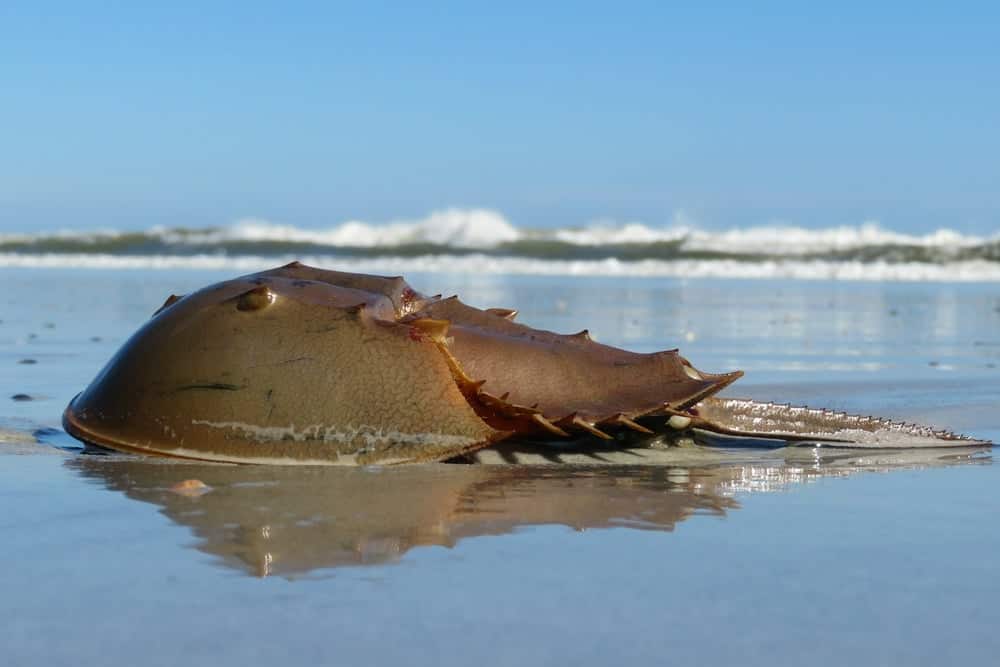
The story of horseshoe crabs in medical research represents one of the most remarkable intersections of ancient biology and modern medicine in our world today. These living fossils, having survived multiple mass extinctions, now face their greatest challenge in helping humans overcome disease while their own populations decline. The dependency of our global vaccine and pharmaceutical supply chains on horseshoe crab blood demonstrates how thoroughly human health is intertwined with biodiversity conservation.
As we move forward, finding sustainable solutions will require unprecedented cooperation between the biomedical industry, conservation organizations, regulatory agencies, and communities. The development and acceptance of synthetic alternatives like rFC offer hope for a future where both human health and horseshoe crab populations can thrive. The conservation of these remarkable creatures is not merely an ecological imperative but a medical necessity, ensuring that future generations will continue to benefit from both the ecological services horseshoe crabs provide and the life-saving medical applications they’ve made possible.
In the end, the horseshoe crab’s contribution to human medicine may be its most powerful conservation argument—these ancient creatures have saved countless human lives through their unique blood, and now they deserve our efforts to ensure their continued survival. Their story reminds us that solutions to human challenges often lie in the natural world, and that protecting biodiversity is ultimately an investment in our own health and wellbeing.
Worried about unexpected vet bills?
Pet insurance can cover thousands in unexpected vet costs. Get a free quote from Lemonade in under 2 minutes.
Get My Free Quote →Sponsored · Opens Lemonade.com

From exploring the marine wonders in the Azores and witnessing the vast savannas of Kenya, to delving deep into the rich biodiversity of South Africa and traversing iconic landscapes in Australia and the US like Yellowstone, Chris's experiences are vast.
With a penchant for diving alongside sharks, the ocean holds a special place in his heart.
Through his academic insights, he champions wildlife conservation, striving with 'Animals Around The Globe' to cultivate a profound connection between humans and animals, enhancing our mutual appreciation.
Connect with him at Feedback@animalsaroundtheglobe.com.
- 11 Cat Breeds That Have a Dog-Like Personality - June 11, 2026
- The Most Venomous Snake in the U.S. Would You Know It If You Saw It? - June 11, 2026
- What Kind of Bird Is Zazu? The Real Story Behind the Character - June 11, 2026