


In the quiet laboratories across the world, a scientific revolution is unfolding that was once confined to the realm of science fiction. CRISPR-Cas9, a groundbreaking gene-editing technology, has opened doors to possibilities previously unimaginable—including the potential resurrection of extinct species. This process, known as de-extinction, involves using genetic engineering to revive species that have vanished from Earth, sometimes for thousands of years.
The concept has captured both scientific curiosity and public imagination. While traditional conservation focuses on preventing extinction, de-extinction represents a paradigm shift: the ability to potentially reverse it. Scientists are now piecing together genetic puzzles from preserved tissues, museum specimens, and even well-preserved remains from permafrost to reconstruct the genomes of creatures that once roamed our planet but have since disappeared, often due to human activities.
Understanding CRISPR Technology

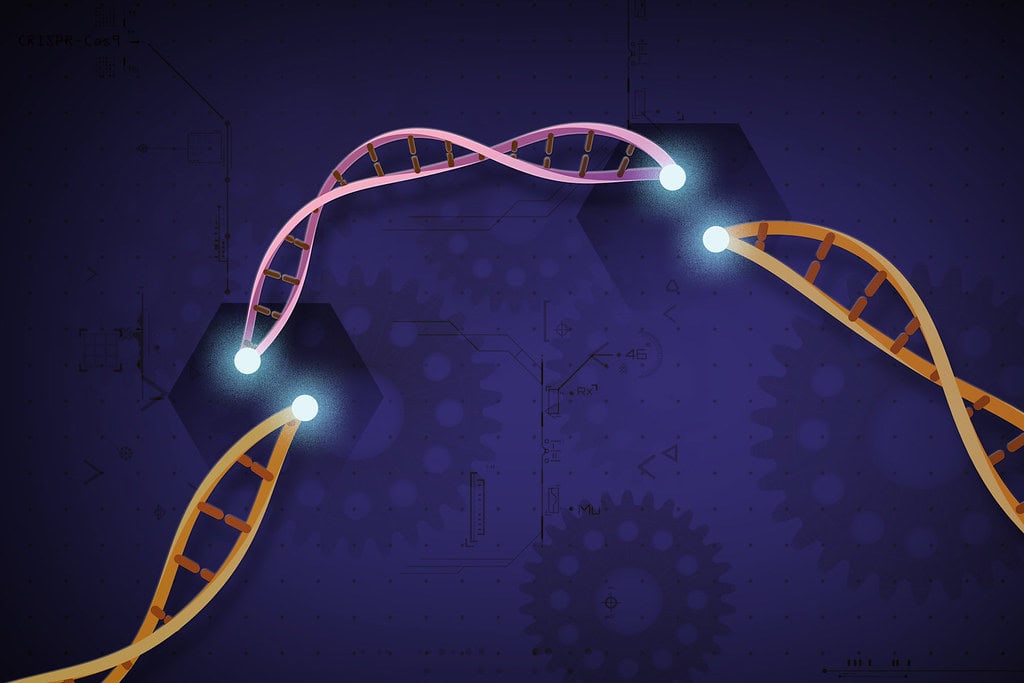
CRISPR-Cas9 (Clustered Regularly Interspaced Short Palindromic Repeats) functions essentially as molecular scissors, allowing scientists to cut DNA at specific locations and insert, delete, or modify genetic material with unprecedented precision. Discovered in bacteria as a natural defense mechanism against viruses, this system has been adapted by scientists into a revolutionary gene-editing tool that earned its developers, Jennifer Doudna and Emmanuelle Charpentier, the Nobel Prize in Chemistry in 2020.
The technology works by using a guide RNA molecule to lead the Cas9 enzyme to a specific DNA sequence, where it makes a precise cut. The cell’s natural repair mechanisms then fix this break, allowing scientists to introduce changes to the genetic code during this repair process. For de-extinction, CRISPR allows researchers to potentially edit the DNA of a closely related living species to match that of an extinct relative, gradually recreating the extinct species’ genome through successive edits.
Prime Candidates for De-Extinction

Not all extinct species are equally viable candidates for resurrection. The most promising candidates typically have well-preserved DNA samples, closely related living species that could serve as genetic templates or surrogates, and formerly occupied ecological niches that remain unfilled. The woolly mammoth stands as perhaps the most famous de-extinction candidate, with numerous well-preserved specimens recovered from Siberian permafrost providing relatively intact DNA. Scientists are currently working to edit Asian elephant DNA to express mammoth traits like cold resistance, thicker hair, and subcutaneous fat layers.
Other prominent candidates include the passenger pigeon, which once darkened North American skies in flocks of billions before being hunted to extinction by 1914; the thylacine (Tasmanian tiger), an iconic marsupial predator that disappeared in the 1930s; and the bucardo, a Pyrenean ibex that became extinct in 2000 and actually saw a short-lived clone born in 2003, though it survived only minutes due to lung defects. Each of these species presents unique challenges and opportunities for de-extinction efforts, with varying degrees of scientific progress made toward their potential revival.
The Mammoth Revival Project
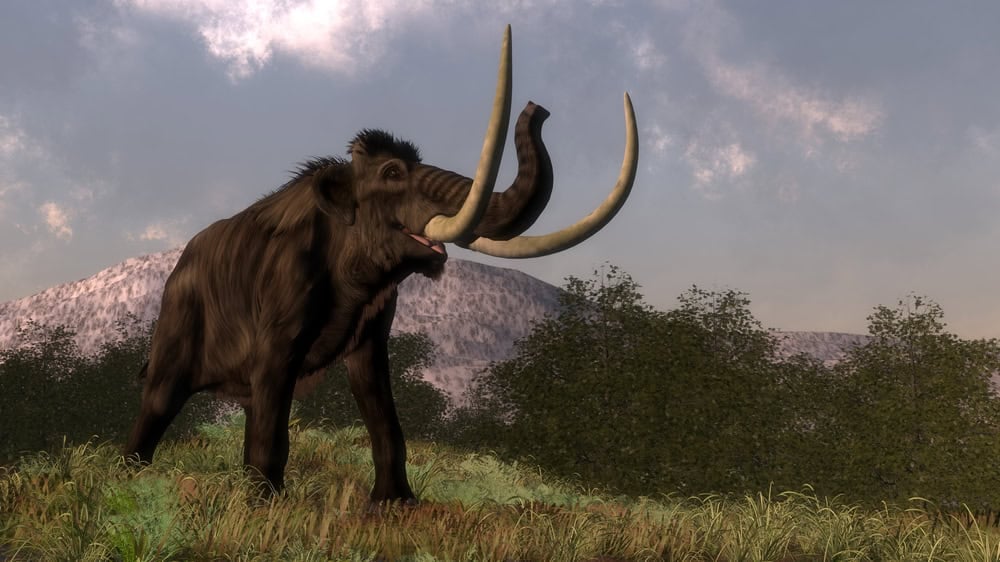
The effort to bring back a mammoth-like creature represents the most advanced and well-funded de-extinction project to date. Colossal Biosciences, founded by Harvard geneticist George Church and entrepreneur Ben Lamm, has raised over $75 million to create what they call a “cold-resistant elephant with all of the core biological traits of the woolly mammoth.” Rather than producing an exact replica of the extinct mammoth, scientists aim to create a hybrid elephant with mammoth characteristics by identifying and editing approximately 50 genes responsible for mammoth-specific adaptations like cold tolerance, thick fur, and fat layers.
The process involves extracting DNA from mammoth remains preserved in permafrost, comparing it with elephant genomes, identifying key genetic differences, and using CRISPR to edit elephant embryonic cells accordingly. These modified embryos would eventually be gestated either in surrogate elephant mothers or, more likely, in artificial wombs currently under development. Proponents argue these “mammophants” could help restore Arctic grassland ecosystems and potentially slow permafrost melting by trampling snow and exposing the soil to colder air temperatures—a process that might help mitigate climate change by preventing the release of greenhouse gases trapped in thawing permafrost.
The Passenger Pigeon’s Potential Return

Once numbering in the billions, passenger pigeons darkened North American skies with flocks so vast they could take days to pass overhead. Their abrupt extinction by 1914—driven by commercial hunting and habitat destruction—represents one of history’s most dramatic biodiversity losses. Revive & Restore, a nonprofit organization dedicated to genetic rescue of endangered and extinct species, has made the passenger pigeon a flagship de-extinction project through their “Great Passenger Pigeon Comeback” initiative.
The approach differs somewhat from mammoth de-extinction efforts. Scientists are sequencing DNA from museum specimens of passenger pigeons and comparing it with the genome of its closest living relative, the band-tailed pigeon. Using CRISPR, they aim to gradually edit band-tailed pigeon cells to express passenger pigeon traits, focusing initially on specific physical characteristics like the longer tail and reddish breast coloration. The project faces significant challenges, including degraded museum DNA and questions about whether a small initial population could develop the social behaviors that made passenger pigeons successful—their massive flocks were central to their ecological niche. Nevertheless, project leaders believe creating a genetically similar bird with passenger pigeon characteristics could help restore eastern forest ecosystems that evolved alongside these once-abundant birds.
Technological Hurdles in De-Extinction

Despite CRISPR’s revolutionary potential, numerous technical challenges remain before extinct species can successfully return. Ancient DNA is typically highly fragmented and contaminated, making genome reconstruction difficult. Even with well-preserved specimens like those found in permafrost, DNA degrades over time, creating gaps in the genetic blueprint. Scientists must then make educated guesses about what genetic information belongs in these gaps, often using related living species as reference points.
Another significant hurdle involves the sheer number of genetic modifications required. Creating a mammoth-elephant hybrid, for instance, might require editing thousands of genes to fully capture mammoth traits. Current CRISPR technology, while precise, faces limitations in making multiple simultaneous edits. Additionally, genes often interact in complex ways that aren’t fully understood, meaning that modifying one gene could have unexpected effects elsewhere in the genome. Perhaps most challenging is the reproduction aspect—scientists must develop methods to create viable embryos from edited cells and find appropriate surrogate mothers or develop artificial womb technology. For species like the mammoth, with long gestation periods and few close relatives capable of serving as surrogates, this presents a particularly difficult obstacle.
Ethical Considerations of Bringing Back the Dead
De-extinction raises profound ethical questions that extend beyond technical feasibility. Critics argue these projects may divert limited conservation resources away from protecting currently endangered species. Why spend millions trying to resurrect the woolly mammoth, they ask, when living elephants face imminent extinction threats? Others question whether resurrected animals would truly be the same species they’re meant to replace, given the inevitable genetic compromises and the absence of learned behaviors that would have been passed down culturally through generations of the original species.
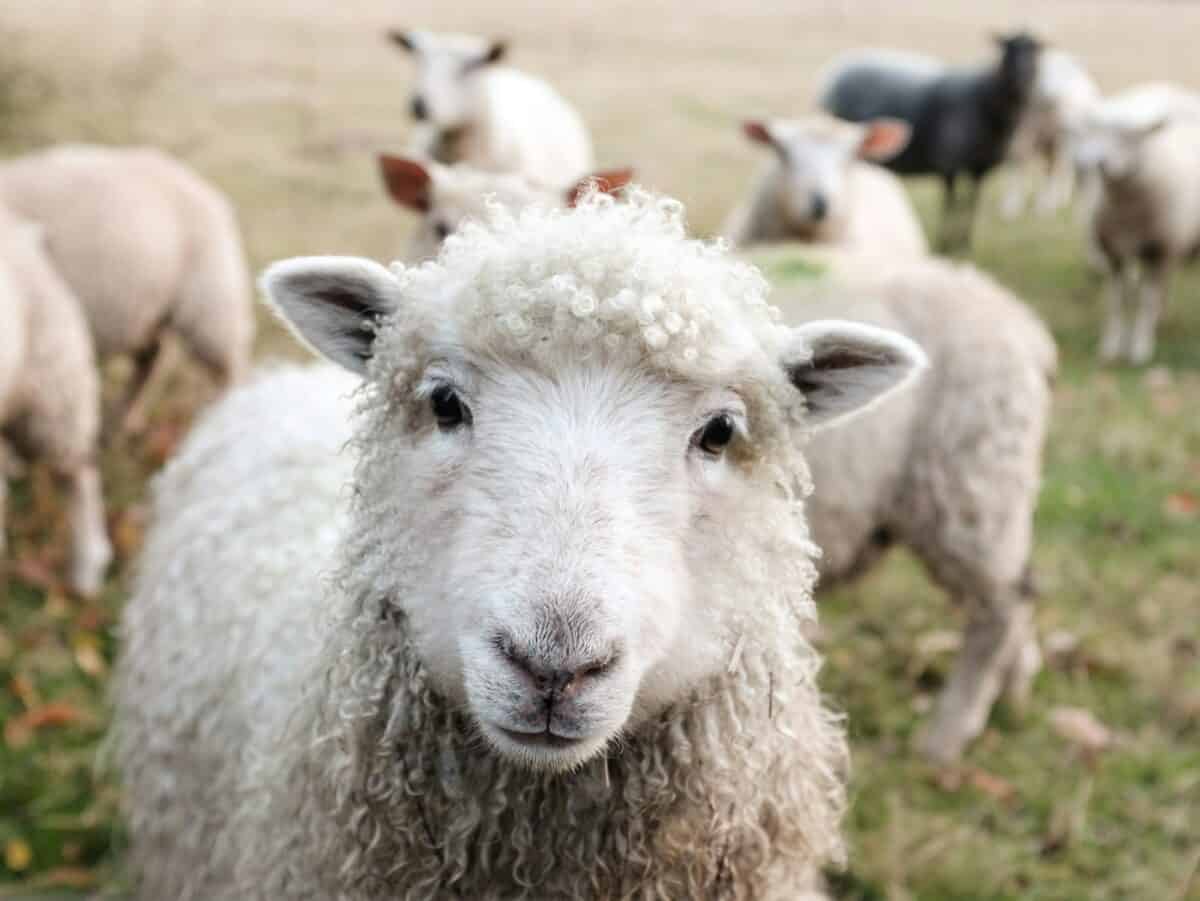
Animal welfare concerns also feature prominently in ethical debates. The cloning and genetic engineering processes typically involve high failure rates and potential suffering for both the engineered animals and surrogate mothers. For instance, early cloning attempts like Dolly the sheep required hundreds of failed embryos before success. Questions also arise about the psychological well-being of revived animals potentially introduced into unfamiliar modern ecosystems without the social structures and learned behaviors of their extinct predecessors. Releasing “de-extincted” species also presents regulatory challenges, as these organisms would technically qualify as genetically modified organisms, subject to strict oversight in many jurisdictions.
Ecological Implications of Resurrection

The reintroduction of extinct species could significantly impact modern ecosystems that have adapted to their absence. Proponents argue many extinct species were “ecosystem engineers” whose loss created cascading effects throughout their habitats. The woolly mammoth, for example, helped maintain grassland ecosystems by preventing forest encroachment and recycling nutrients through their feeding and movement patterns. Their reintroduction might help restore these ancient grassland ecosystems while potentially slowing permafrost thaw in the Arctic.
However, ecosystems are dynamic systems that have continued evolving since these species disappeared. Reintroducing extinct species after long absences could disrupt these new ecological balances in unpredictable ways. Modern landscapes often differ dramatically from historical habitats due to climate change, human development, and altered species compositions. An extinct species reintroduced to an environment that no longer resembles its original habitat might struggle to survive or, conversely, might become invasive if natural predators or competitors no longer exist to check its population. These ecological uncertainties require careful assessment through controlled experiments and gradual reintroduction programs before any widespread release of de-extinct species.
Beyond Full De-Extinction: Genetic Rescue Applications

While complete de-extinction captures headlines, CRISPR technology offers more immediate conservation applications through “genetic rescue” of endangered species. Rather than resurrecting extinct species entirely, scientists can potentially use recovered genetic material from extinct populations to increase genetic diversity in their endangered relatives. The black-footed ferret, for instance, suffered a severe genetic bottleneck after being reduced to just seven individuals in the 1980s. Scientists have successfully cloned a ferret that died in 1988 using preserved cells, potentially allowing genes lost during the bottleneck to be reintroduced to the current population.
Similar approaches could help species like the northern white rhinoceros, with only two females remaining worldwide. Scientists are developing techniques to create embryos using preserved cells from deceased rhinos, potentially combining this genetic material with that of the more numerous southern white rhinoceros to prevent complete extinction. Even more promising is the use of CRISPR to help endangered species adapt to modern threats. Researchers are exploring whether gene editing could make American chestnut trees resistant to the fungal blight that devastated their populations, or whether corals could be edited to better withstand warming oceans. These applications represent a middle ground between traditional conservation and full de-extinction, potentially offering more immediate benefits for biodiversity preservation.
The Regulatory Landscape for De-Extinction

As de-extinction moves from theoretical possibility toward practical reality, regulatory frameworks struggle to keep pace. Most existing wildlife conservation laws never contemplated the possibility of resurrecting extinct species. Questions abound: Would a resurrected species receive endangered species protection? Who “owns” a de-extinct species? What regulations should govern their release into the wild? Different countries maintain vastly different approaches to genetically modified organisms (GMOs), with some embracing biotechnology and others taking more precautionary stances.
In the United States, de-extinct species would likely fall under a complex regulatory patchwork involving the FDA, USDA, and Fish and Wildlife Service, potentially creating jurisdictional confusion. International treaties like the Convention on Biological Diversity and the Cartagena Protocol on Biosafety offer some guidance on transboundary movements of GMOs but weren’t designed with de-extinction in mind. As these projects advance, policymakers face the challenge of developing regulatory frameworks that balance innovation with precaution, allowing beneficial applications while safeguarding against potential ecological risks. Public engagement will be crucial in this process, as societal values and risk perceptions should inform how we govern these powerful new biotechnologies.
Public Perception and Cultural Significance

De-extinction captures public imagination in ways few other scientific endeavors can match. Popular culture has long explored the concept through works like “Jurassic Park,” which, while scientifically inaccurate in many respects, introduced millions to the concept of reviving extinct species. Public surveys reveal complex attitudes toward de-extinction, with support often varying based on species, extinction cause, and proposed benefits. People typically show more enthusiasm for reviving species humans drove to extinction recently (like the thylacine or passenger pigeon) than for creatures that disappeared through natural processes millions of years ago (like dinosaurs).
Beyond scientific considerations, extinct animals often hold profound cultural significance for indigenous communities and broader society. The thylacine remains a powerful symbol in Tasmanian identity despite being extinct for nearly a century. Similarly, the passenger pigeon represents both the abundance of pre-colonial North America and a cautionary tale about humanity’s capacity for environmental destruction. For many indigenous peoples, certain extinct species held spiritual or cultural importance that transcends purely ecological considerations. The mammoth, for instance, featured prominently in the art and mythology of many Arctic peoples. These cultural dimensions add layers of complexity to de-extinction debates, suggesting that decisions about which species to revive and how to manage them should incorporate diverse perspectives beyond purely scientific considerations.
Future Horizons in De-Extinction Science

While current de-extinction efforts focus on recently extinct species with available DNA and close living relatives, future technological advances could expand these possibilities dramatically. Emerging technologies like primordial germ cell manipulation, artificial chromosomes, and whole genome synthesis may eventually enable scientists to recreate species with more distant or no living relatives. Improvements in ancient DNA recovery and analysis could potentially extend the temporal reach of de-extinction, possibly bringing back species that disappeared thousands or even tens of thousands of years ago with greater genetic fidelity.
Artificial intelligence will likely play an increasingly important role in de-extinction science, helping reconstruct fragmented genomes by predicting missing genetic information based on evolutionary patterns and gene function. Advances in reproductive technologies, particularly artificial wombs, could overcome the surrogate limitations currently restricting which species can be revived. While dinosaur resurrection remains firmly in the realm of science fiction due to DNA degradation over millions of years, creatures that disappeared during the last ice age or more recently represent increasingly plausible candidates as technology advances. These developments will continue raising profound questions about humanity’s relationship with nature and our responsibility toward both extinct and endangered species.
Conclusion: Balancing Innovation, Ethics, and Conservation
CRISPR technology has transformed de-extinction from science fiction fantasy into a technical possibility advancing toward reality. As we stand at this remarkable scientific frontier, we face profound choices about how to wield these powerful new capabilities. De-extinction offers the tantalizing prospect of undoing some of humanity’s most devastating ecological impacts and restoring lost biodiversity. Yet it simultaneously raises complex ethical, ecological, and practical questions that demand thoughtful consideration.
Perhaps the most balanced approach lies in viewing de-extinction not as a replacement for traditional conservation but as a potential complement to it. The same technologies being developed to resurrect woolly mammoths could help save their endangered elephant cousins, and techniques refined through passenger pigeon de-extinction research might protect other bird species from similar fates. Moving forward requires humility about both our growing technological capabilities and their limitations.
As de-extinction projects progress from laboratories toward potential wild releases, inclusive societal conversations become increasingly necessary. These discussions must incorporate diverse perspectives—scientific, ethical, indigenous, and public—to guide responsible innovation. Whether CRISPR brings back extinct species in our lifetimes or simply helps prevent new extinctions, it has already forever changed our relationship with nature by challenging the permanence of extinction itself.
The coming decades will reveal whether these remarkable scientific tools will serve primarily as insurance policies against biodiversity loss or as means to actually welcome back long-absent species to a changed planet. Either way, the journey itself is revolutionizing our understanding of genetics, ecology, and humanity’s role as stewards of Earth’s precious and irreplaceable biodiversity.

From exploring the marine wonders in the Azores and witnessing the vast savannas of Kenya, to delving deep into the rich biodiversity of South Africa and traversing iconic landscapes in Australia and the US like Yellowstone, Chris's experiences are vast.
With a penchant for diving alongside sharks, the ocean holds a special place in his heart.
Through his academic insights, he champions wildlife conservation, striving with 'Animals Around The Globe' to cultivate a profound connection between humans and animals, enhancing our mutual appreciation.
Connect with him at Feedback@animalsaroundtheglobe.com.