


When it comes to world travelers, few species can compete with the remarkable range of the house mouse (Mus musculus). This tiny mammal has managed to establish populations on every continent except Antarctica, making it one of the planet’s most widespread vertebrate species. Through a combination of natural adaptability and its complex relationship with humans, the house mouse has conquered diverse environments from tropical rainforests to urban metropolises. Its global presence tells a fascinating story of evolution, adaptation, and the unintended consequences of human expansion across the globe.
While many animals have broad geographic distributions, the house mouse stands out for its sheer ubiquity and success in colonizing such diverse habitats. This article explores how this small rodent achieved its impressive global range, the challenges it has overcome, and the significant impacts—both ecological and economic—that have resulted from its worldwide expansion. The story of the house mouse is not just about a successful species; it’s a reflection of human history and our profound influence on the natural world.
Origins and Evolutionary History
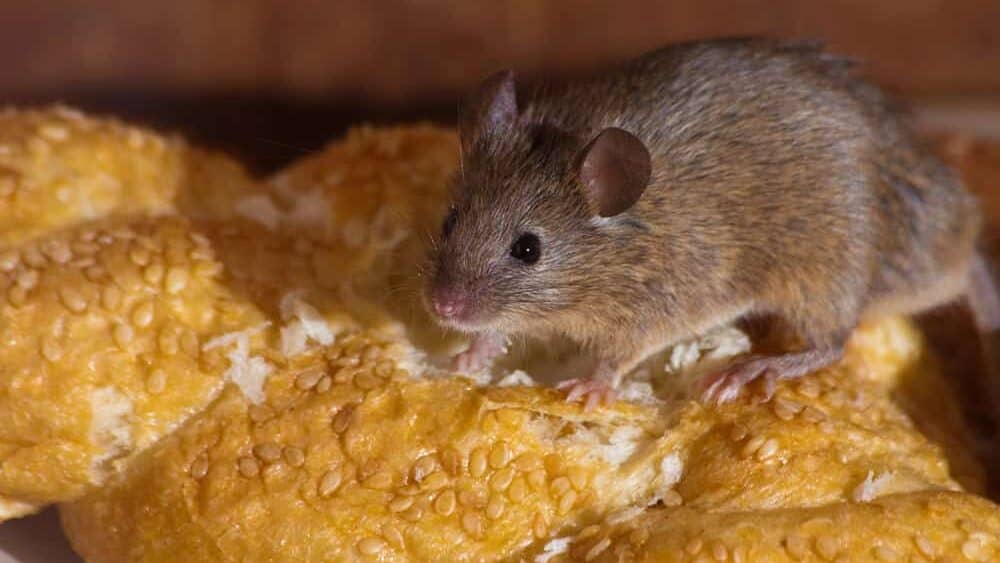
The house mouse originated in the grasslands and open forests of northern India and parts of Central Asia approximately 900,000 years ago. Genetic evidence suggests that the species diverged from its closest relatives during the Pleistocene epoch, adapting to life in these seasonally changing environments. Archaeological findings indicate that house mice began their association with humans around 15,000 years ago during the early agricultural revolution in the Fertile Crescent, where stored grains provided an abundant food source.
This initial commensal relationship—where mice benefited from human settlements without significantly impacting humans—would prove transformative for both species. As humans transitioned from hunter-gatherer societies to agricultural communities, house mice evolved traits that made them increasingly dependent on human-modified environments. This co-evolutionary relationship would eventually launch the mouse on its journey to global dominance, as the rodents stowed away on human migrations, trade routes, and eventually sailing vessels that would carry them to new continents.
Remarkable Adaptability: The Key to Success
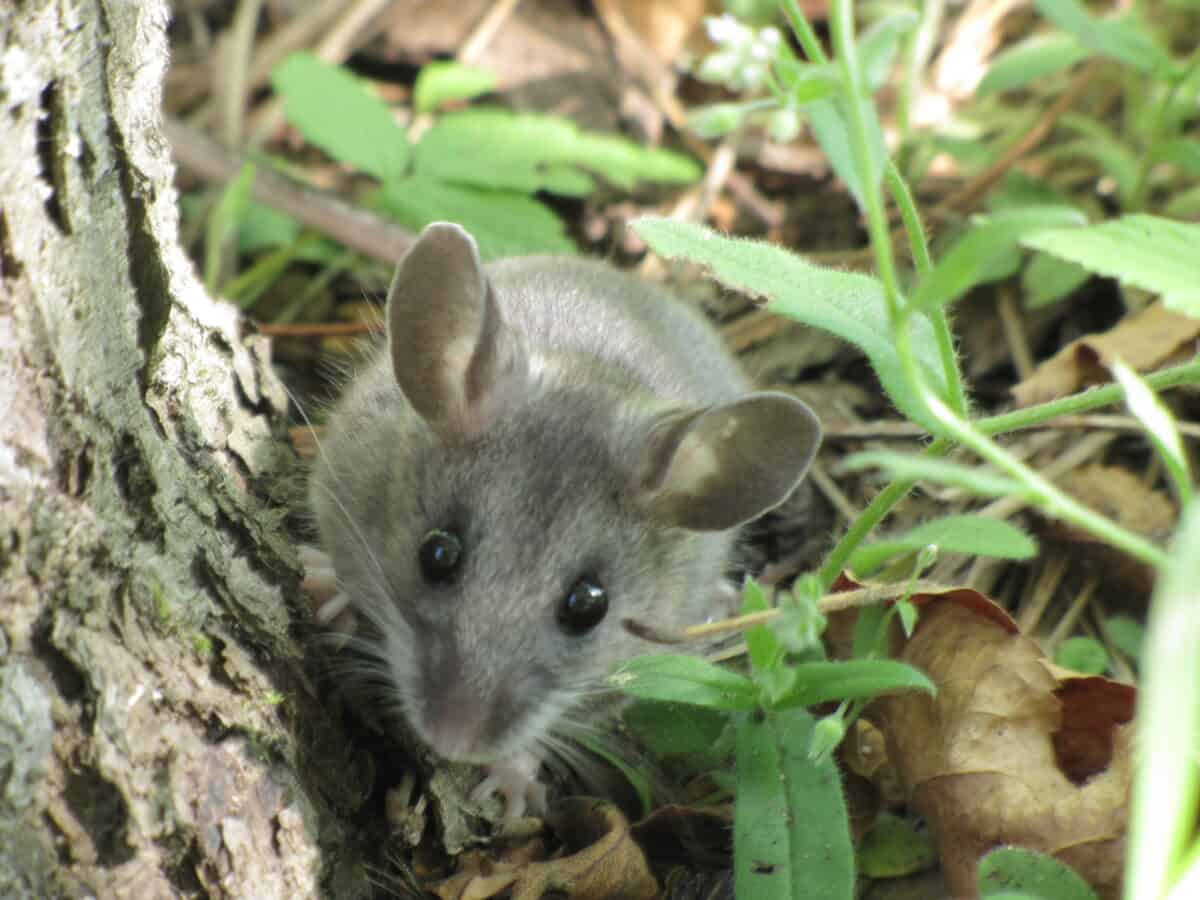
The house mouse’s extraordinary global spread can be largely attributed to its exceptional adaptability. These small mammals possess a remarkable suite of physiological and behavioral traits that allow them to thrive in environments ranging from deserts to rainforests, from sea level to mountain plateaus. They can survive on diverse diets, consuming almost anything with nutritional value, from grains and seeds to insects and even soap. This dietary flexibility means house mice can find sustenance in virtually any human-influenced environment.
Their reproductive capabilities further enhance their colonizing success. House mice reach sexual maturity at just 6-8 weeks of age, with females capable of producing up to 10 litters per year, each containing 5-12 pups. This remarkable reproductive rate allows mouse populations to expand rapidly when conditions are favorable. Additionally, their small size enables them to occupy tiny spaces, evade predators, and require minimal resources to survive. These combined adaptations have made the house mouse one of nature’s most successful opportunists, capable of establishing viable populations from just a few founding individuals.
The Human Connection: Accidental Global Transport

The house mouse’s worldwide distribution is inextricably linked to human transportation networks. As early maritime trade developed across the Mediterranean and beyond, mice became accidental stowaways on ships carrying grain and other goods. By the time of the Roman Empire, house mice had spread throughout Europe, North Africa, and parts of the Middle East. The Age of Exploration starting in the 15th century then dramatically accelerated their global conquest, as European sailing vessels inadvertently transported mice to the Americas, sub-Saharan Africa, Australia, and countless islands.
Historical records document the arrival of mice coinciding with European colonization in many regions. For example, house mice likely arrived in North America with the earliest European settlers in the 16th and 17th centuries, while they reached Australia with the First Fleet in 1788. Modern global commerce continues to facilitate mouse dispersal, with shipping containers and cargo planes providing new opportunities for mice to expand their range. The result is that today, wherever humans have established permanent settlements, house mice have almost invariably followed—with Antarctica remaining the only continent free from their presence.
Subspecies Diversity Across Continents

As house mice spread across the globe, they diversified into several distinct subspecies adapted to different regions. The three primary subspecies are Mus musculus domesticus (Western Europe and the Americas), Mus musculus musculus (Eastern Europe and northern Asia), and Mus musculus castaneus (Southeast Asia). These subspecies differ slightly in appearance, behavior, and genetic makeup, reflecting their adaptation to different environments and thousands of years of separate evolution. In regions where these subspecies meet, they can interbreed to some extent, creating hybrid zones.
The genetic differences between house mouse populations provide scientists with valuable information about human migration and trade patterns throughout history. By analyzing the genetic makeup of mouse populations on different continents and islands, researchers can often determine when these areas were first visited by humans and which human populations they interacted with. For instance, genetic studies of house mice in New Zealand have helped confirm the timing and routes of Polynesian and European arrivals. This makes the humble house mouse an unexpected ally in understanding human history and migration patterns.
Antarctica: The Final Frontier

Antarctica remains the only continent where wild house mouse populations have not established themselves, despite numerous opportunities for introduction. The extreme conditions of the Antarctic environment present insurmountable challenges even for this highly adaptable species. Winter temperatures regularly plunge below -40°C (-40°F), fierce katabatic winds can reach speeds of 200 mph, and the landscape offers minimal natural shelter. Perhaps most critically, the continent lacks consistent food sources, with no native land plants or year-round insects to sustain a rodent population.
Human research stations in Antarctica maintain strict biosecurity protocols to prevent accidental mouse introductions, recognizing the potential ecological damage that could occur if mice were to establish themselves in the few ice-free areas during summer months. These measures include careful inspection of all incoming supplies and prohibition of certain high-risk materials. While mice have occasionally been detected on ships traveling to Antarctica, rapid response protocols have prevented any known successful colonization. As climate change continues to affect polar regions, scientists monitor the situation closely, aware that warming temperatures could potentially make parts of the Antarctic Peninsula more hospitable to invasive species like the house mouse in the future.
Ecological Impacts as an Invasive Species

The house mouse’s global spread has resulted in significant ecological consequences, particularly on islands where native species evolved without mammalian predators. On islands like Gough in the South Atlantic and Midway in the Pacific, house mice have devastated seabird populations by attacking eggs, chicks, and sometimes even adult birds. Their omnivorous diet and opportunistic feeding behavior allow them to exploit vulnerable native species that have no evolutionary defenses against such predators. On many islands, mice also consume large quantities of seeds and invertebrates, disrupting natural ecological processes and threatening endemic species with extinction.
Mainland ecosystems have generally proven more resilient to mouse invasions, as they typically have established predators and competitors that can limit mouse populations. However, even in these environments, house mice can reach high densities in disturbed habitats, competing with native small mammals for resources. Additionally, mice can serve as vectors for diseases and parasites that can affect wildlife, domestic animals, and humans. Their role in spreading pathogens like hantavirus and salmonella makes them not only ecological disruptors but also public health concerns in many regions around the world.
Economic Impact: The Cost of Coexistence

The economic consequences of the house mouse’s global presence are substantial and multifaceted. Agricultural losses attributed to mice are estimated at billions of dollars annually worldwide. In Australia alone, severe mouse plagues can cause over $100 million in crop damage in a single season. These rodents consume and contaminate stored grains, fruits, vegetables, and other food products throughout the supply chain, from farms to warehouses to retail establishments. Their propensity for gnawing also results in damage to infrastructure, including electrical wiring—creating fire hazards—and structural damage to buildings.
Beyond direct damage, substantial resources are directed toward mouse control efforts globally. The pest control industry, valued at over $20 billion worldwide, dedicates a significant portion of its activities to rodent management. Public health systems incur costs treating mouse-borne diseases, while research institutions invest in developing new control strategies. The cumulative economic burden of this small mammal’s success illustrates how profoundly a species weighing just 15-20 grams can impact human economies across six continents, making it not only the most widespread mammal after humans but also one of the most economically significant.
Urban Adaptation: City Mice vs. Country Mice

House mice living in urban environments have developed fascinating adaptations distinct from their rural counterparts. Research has shown that urban mice often exhibit different behavioral traits, including reduced fear responses, altered activity patterns to coincide with human schedules, and enhanced problem-solving abilities to overcome human deterrents. Genetic studies reveal that urban mouse populations can evolve resistance to common rodenticides in as little as 10-20 generations, demonstrating remarkable evolutionary adaptability. Their diets have also shifted to take advantage of human food waste, with some populations showing physiological adaptations to process higher-fat, higher-sugar diets typical of human food.
The contrast between urban and rural mouse populations offers scientists a natural laboratory for studying rapid evolution and adaptation. In cities like New York, London, and Tokyo, researchers have documented mouse populations with genetic and behavioral differences from nearby rural populations, despite their relatively recent divergence. These urban mice typically have smaller territories, higher population densities, and more complex social structures than their rural relatives. Such differences highlight the house mouse’s exceptional ability to adapt to human-created environments, a key factor in their successful colonization of diverse habitats across the globe.
Control Challenges: The Battle Against Infestation

Controlling house mouse populations presents significant challenges due to their remarkable biological and behavioral adaptations. Their small size allows them to access spaces as narrow as 6mm (about the width of a pencil), making complete exclusion nearly impossible in most structures. Their exceptional reproductive capacity means that populations can rebound quickly even after successful control efforts reduce their numbers. Traditional control methods including trapping and rodenticides face increasing limitations, as mice develop behavioral aversion to traps (known as “trap shyness”) and genetic resistance to common poisons, particularly in areas where these methods have been used extensively.
Modern integrated pest management approaches emphasize prevention through environmental modification, combined with targeted control measures when necessary. Sealing entry points, eliminating food sources, and reducing harborage areas form the foundation of sustainable mouse management. Emerging technologies include advanced detection systems using thermal imaging and AI, contraceptive baits that limit reproduction, and genetic control methods still in development stages. The continued evolution of control strategies reflects the ongoing arms race between human ingenuity and mouse adaptability—a contest that has continued for thousands of years across nearly every habitable landscape on Earth.
Scientific Significance: The Mouse as Research Model

The house mouse’s worldwide distribution has made it an invaluable scientific research subject, providing insights into fundamental biological processes and human health. Laboratory mice, domesticated descendants of the wild house mouse, have become the most widely used mammalian research model, contributing to countless medical breakthroughs. Their genetic similarity to humans (sharing approximately 85% of protein-coding genes), combined with their small size, rapid reproduction, and adaptability to laboratory conditions, make them ideal for studying diseases, testing treatments, and understanding basic biological functions. The 2007 Nobel Prize in Medicine was awarded for techniques to create “knockout mice” with specific genes disabled, revolutionizing the study of gene function.
Beyond laboratory applications, wild house mouse populations serve as important subjects for evolutionary and ecological research. Their rapid adaptation to diverse environments provides opportunities to study natural selection in action. For example, mice on the east coast of North America have evolved lighter coat colors over just a few centuries to better blend with sandy coastal habitats, while populations in extremely cold regions show metabolic adaptations for heat conservation. The house mouse’s success in colonizing such diverse environments makes it an excellent model for understanding how species adapt to new conditions—knowledge that has broader applications in conservation biology and predicting responses to environmental change.
Cultural Significance: Mice in Human Society

Despite their pest status, house mice occupy a complex and often contradictory position in human culture. In children’s literature and entertainment, mice are frequently portrayed as heroic, clever protagonists—from Mickey Mouse to Stuart Little to Reepicheep in The Chronicles of Narnia. These anthropomorphized depictions contrast sharply with the reality of mice as disease vectors and agricultural pests. This duality reflects our ambivalent relationship with a species that has been our constant companion throughout civilization. In some cultures, mice hold symbolic significance: in Chinese astrology, the mouse (or rat) is the first animal in the zodiac cycle, representing intelligence and prosperity, while in Hindu tradition, mice are associated with the god Ganesha.
The scientific name Mus musculus itself reflects the mouse’s cultural position—”musculus” in Latin means “little mouse” but also “little soldier,” possibly referring to the way mice appear to scurry about like busy soldiers. Laboratory mice have contributed to saving countless human lives through medical research, creating another dimension to our complicated relationship with this species. Few other animals occupy such contradictory positions in human society: simultaneously reviled as pests and embraced as pets, feared as disease carriers and valued as research subjects, depicted as vermin to be eliminated and as beloved characters in children’s entertainment. This complex cultural positioning mirrors the biological adaptability that has allowed house mice to thrive wherever humans have settled.
Conclusion: A Remarkable Global Success Story
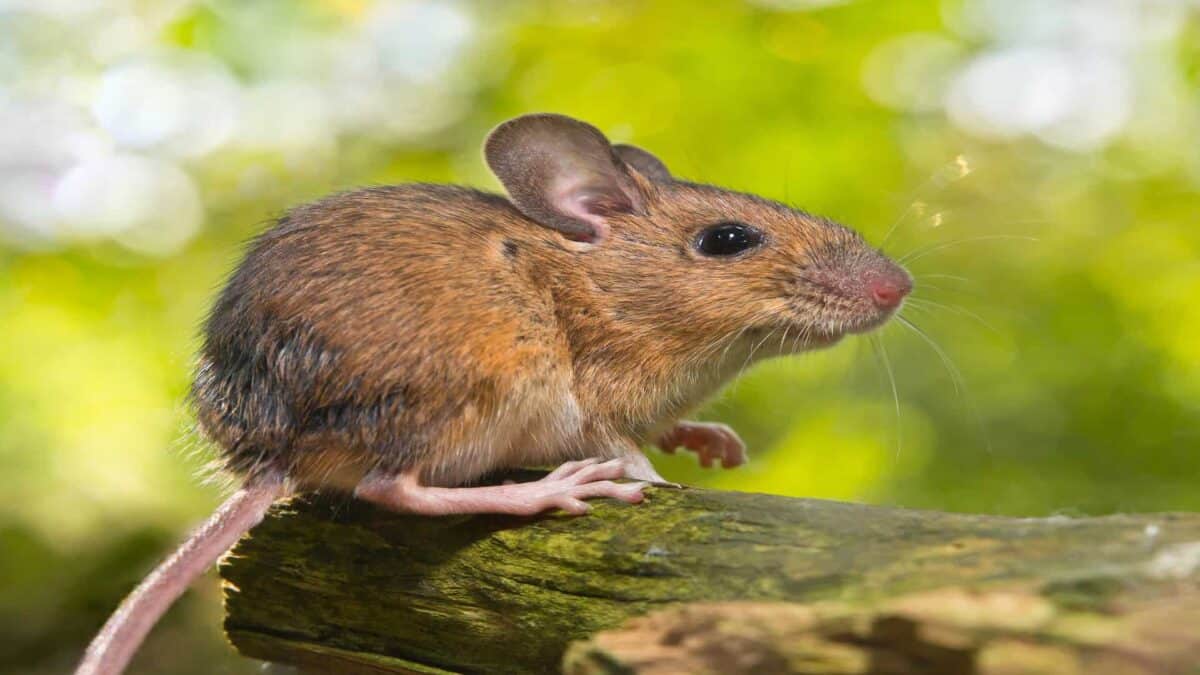
The house mouse’s presence on six of the world’s seven continents represents one of the most remarkable range expansions of any vertebrate species in evolutionary history. From its humble origins in the grasslands of Asia, this adaptable rodent has accompanied humans across oceans and continents, establishing populations in environments ranging from tropical islands to subarctic regions. Its success story highlights the profound ecological consequences of human activity, as our global movements have inadvertently carried mice to new habitats where they’ve both thrived and caused significant disruption.
The mouse’s journey parallels our own in many ways, reflecting humanity’s expansion across the globe and our transformation of natural environments. As we continue to modify landscapes and alter ecosystems worldwide, the house mouse serves as both companion and competitor, beneficiary and victim of our activities. Its absence from Antarctica—the last mouse-free continent—stands as a reminder of the limits of even this highly adaptable species, while also highlighting the importance of biosecurity measures in protecting pristine environments.
Understanding the house mouse’s global conquest offers valuable insights into biological adaptation, invasion ecology, and the unintended consequences of human activity. As we face growing challenges from invasive species and environmental change, the lessons from this small but remarkably successful mammal become increasingly relevant. The story of the house mouse—the animal with the widest range on Earth—is ultimately a story about resilience, adaptation, and the complex web of relationships between humans and the species that have followed us around the world.

From exploring the marine wonders in the Azores and witnessing the vast savannas of Kenya, to delving deep into the rich biodiversity of South Africa and traversing iconic landscapes in Australia and the US like Yellowstone, Chris's experiences are vast.
With a penchant for diving alongside sharks, the ocean holds a special place in his heart.
Through his academic insights, he champions wildlife conservation, striving with 'Animals Around The Globe' to cultivate a profound connection between humans and animals, enhancing our mutual appreciation.
Connect with him at Feedback@animalsaroundtheglobe.com.
- 12 Breeds That Will Love You More Than They Love Themselves (And 3 Who Won’t) - June 13, 2026
- Why Rattlesnakes Rattle and What to Do When You Hear It - June 13, 2026
- How Bears Use Rivers, Trails, and Terrain to Navigate - June 13, 2026