

Worried about unexpected vet bills?
Pet insurance can cover thousands in unexpected vet costs. Get a free quote from Lemonade in under 2 minutes.
Get My Free Quote →Sponsored · Opens Lemonade.com
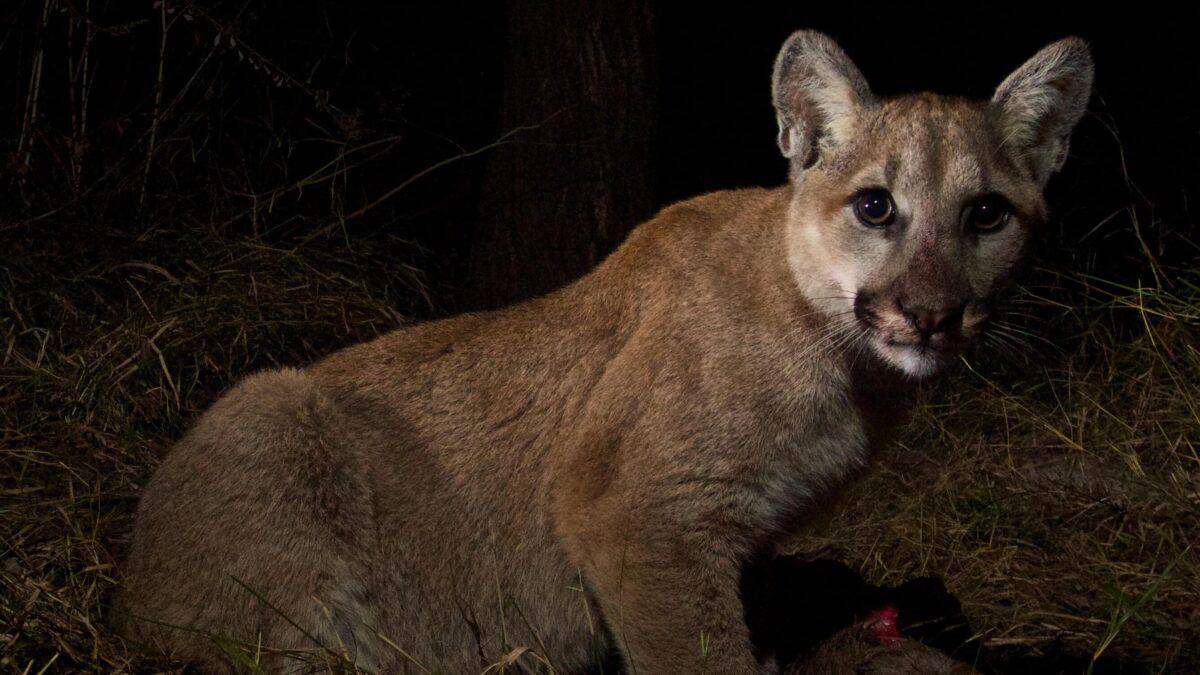
Deep in the shadows of North America’s wilderness lurks a phantom—a wild cat so secretive that even dedicated naturalists and wildlife biologists might spend their entire careers without catching a glimpse of one. The elusive mountain lion, also known as the cougar, puma, panther, or catamount, is America’s largest wild cat and perhaps its most mysterious. Despite weighing up to 200 pounds and leaving tracks larger than a human hand, these magnificent predators move like ghosts through the landscape, watching us far more often than we see them. While their presence spans from the Canadian Yukon to the southern Andes, one particular subspecies stands out for its extraordinary rarity and endangered status: the Florida panther. With fewer than 200 individuals remaining in the wild, these cats represent both the fragility of our natural heritage and the resilience of a species adapting to an increasingly human-dominated world. This is the story of America’s most elusive wild cat—rarely seen, but very much out there.
The Ghost Cat: An Introduction to the Mountain Lion
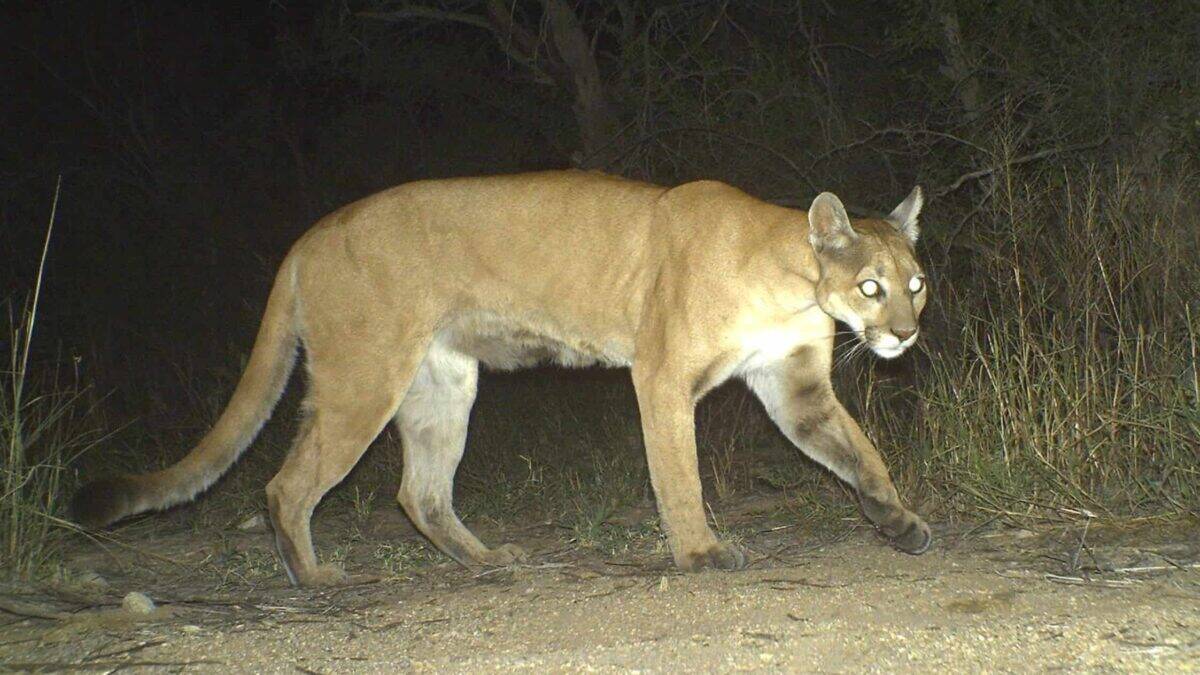
The mountain lion (Puma concolor) stands as North America’s largest wild cat and second-largest cat in the Western Hemisphere after the jaguar. With its tawny coat, muscular build, and extraordinarily long tail (which can measure up to two-thirds of its body length), the mountain lion cuts an impressive figure. Adult males typically weigh between 110-180 pounds, while females are smaller at 80-130 pounds. From nose to tail tip, they can measure up to 8 feet long, with shoulder heights reaching around 30 inches. Despite their size, mountain lions are not considered among the “big cats” biologically, as they cannot roar like lions or tigers. Instead, they produce a range of vocalizations including screams, growls, and distinctive chirps used between mothers and cubs.
What makes these cats truly remarkable is their incredible adaptability. Mountain lions occupy more ecosystems across the Americas than any other mammal besides humans, from desert lowlands to mountainous terrain as high as 15,000 feet. They can thrive in dense forests, open grasslands, and even the outskirts of suburban developments. This adaptability contrasts sharply with their extreme wariness around humans, earning them the nickname “ghost cats.” Their secretive nature is not merely behavioral but evolutionary—mountain lions have perfected the art of moving unseen, with specially adapted paw pads that allow silent movement and coloration that blends perfectly with their surroundings. This extraordinary capacity for concealment is why so few people ever encounter one in the wild, despite their widespread distribution.
Historical Range and Population Decline
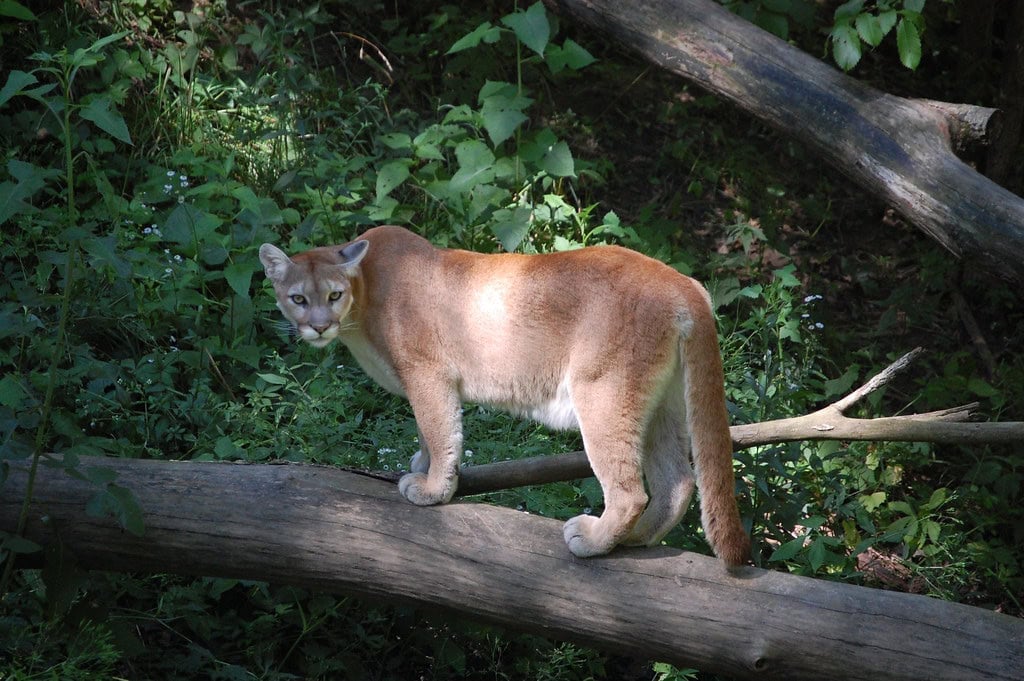
Historically, mountain lions maintained the largest range of any terrestrial mammal in the Western Hemisphere, spanning from the Yukon in Canada to the southern tip of South America. Before European colonization, these cats roamed nearly every habitat across North America. Their domain was essentially continental in scale, demonstrating their remarkable adaptability to diverse ecosystems. However, the arrival of European settlers marked the beginning of a devastating decline for mountain lion populations across the United States. The 19th and early 20th centuries saw systematic persecution of these cats, driven by fear, livestock protection concerns, and government-sponsored predator elimination programs that offered bounties for mountain lion kills.
By the mid-20th century, mountain lions had been virtually eliminated from the entire eastern United States and severely reduced throughout much of their western range. State-sponsored bounty programs in places like Colorado resulted in thousands of lions being killed annually until the 1960s, when mounting conservation concerns finally led to policy changes. The cats were reclassified from “vermin” to “game animals” in many western states, offering some protection through regulated hunting. Today, sustainable populations persist primarily in the western United States, with small, isolated populations in Florida and possibly parts of the Midwest. Recent genetic studies suggest mountain lions may be naturally recolonizing some of their former eastern territories, with confirmed sightings in states like Missouri, Arkansas, and even Connecticut, though established breeding populations east of the Mississippi (outside of Florida) remain unconfirmed.
The Florida Panther: America’s Most Endangered Cat

The Florida panther represents the most imperiled mountain lion subspecies in North America and stands as a poignant example of how close we’ve come to losing these magnificent animals entirely. Once ranging throughout the southeastern United States from Florida to Arkansas and possibly as far north as Tennessee, by the 1970s, the Florida panther had been reduced to a single isolated population in South Florida’s swamps and forests. By 1995, only 20-30 adults remained in the wild, suffering from severe genetic defects due to inbreeding, including heart defects, reproductive problems, and kinked tails. This genetic bottleneck had pushed the subspecies to the brink of extinction.
In a last-ditch conservation effort, wildlife managers introduced eight female Texas cougars (the closest genetic relatives) to the Florida population in 1995 to combat inbreeding depression. This genetic rescue operation proved remarkably successful. Today, the Florida panther population has rebounded to an estimated 120-230 individuals, though they remain confined to just 5% of their historic range, primarily in the southwestern tip of Florida. Despite this progress, Florida panthers face enormous challenges, including habitat loss from development, vehicle strikes on Florida’s highways (the leading cause of known panther deaths), and continued genetic isolation. Their critically endangered status makes Florida panthers perhaps the most elusive of all mountain lion populations—many lifelong Floridians have never seen one in the wild, despite living within miles of their territory. Conservation success remains tenuous, with each individual cat precious to the subspecies’ survival.
Masters of Camouflage and Stealth

Mountain lions have perfected the art of invisibility through both physical and behavioral adaptations. Their tawny coats—ranging from reddish-brown to grayish depending on habitat—blend seamlessly with forest duff, desert rock, or dappled sunlight. Unlike spotted cats such as jaguars or ocelots, mountain lions rely on their uniform coloration and shadow-matching capabilities to remain hidden in plain sight. Their movement patterns contribute significantly to their elusiveness; mountain lions typically travel during dawn, dusk, and nighttime hours when human activity is minimal. Using their acute night vision, which features a reflective layer behind the retina called the tapetum lucidum, they can hunt effectively in near-total darkness.
The physical structure of mountain lions further enhances their stealth capabilities. Large, specially adapted paw pads allow these cats to move silently through even the crunchiest forest floor or rocky terrain. Their extraordinary strength-to-weight ratio enables them to traverse difficult landscapes without disturbing the environment around them. Perhaps most remarkable is their patience—mountain lions can remain perfectly still for hours when necessary, waiting for prey or avoiding detection. Wildlife researchers using camera traps have documented mountain lions freezing in place for over 90 minutes when sensing human presence nearby. This combination of physical camouflage, nocturnal habits, silent movement, and incredible patience explains why even in areas with healthy mountain lion populations, humans rarely catch more than a fleeting glimpse of America’s ghost cat.
The Solitary Hunter’s Remarkable Skills

Mountain lions stand among North America’s most efficient predators, with hunting abilities that have been refined over millennia of evolution. Unlike pack hunters such as wolves, mountain lions are solitary ambush predators that rely on stealth and explosive power rather than endurance. Their hunting strategy typically involves silently stalking prey from downwind before launching a decisive attack from distances as close as 50 feet. The mountain lion’s primary weapon is surprise—studies show they successfully capture prey in approximately 70% of attempted ambushes, a remarkably high success rate compared to many other predators. Their powerful build allows them to take down animals significantly larger than themselves, with adult deer comprising the primary prey throughout much of their range.
The physical adaptations that make mountain lions such formidable hunters are numerous. Their hind legs are disproportionately muscular, enabling jumps of up to 40 feet horizontally and 15 feet vertically from a standing position. A flexible spine allows for rapid acceleration and sharp turns when pursuing prey through dense vegetation. Perhaps most impressive is their bite force, concentrated through specialized canine teeth designed to sever the spinal cord of prey animals with a single, precisely placed bite to the neck. This killing method is notably humane compared to many predators, often resulting in nearly instantaneous death for prey animals. Mountain lions typically consume larger prey over several days, covering the remains with soil and vegetation between feedings and returning regularly until the carcass is fully utilized—a behavior that demonstrates not only their hunting prowess but also their resource management skills in challenging wilderness environments.
The Wide-Ranging Territory Holder

One of the most significant factors contributing to the mountain lion’s elusiveness is its extraordinary territorial requirements. Mountain lions maintain some of the largest home ranges of any terrestrial mammal relative to their body size. A single adult male may patrol a territory spanning 150-200 square miles—larger than many cities—while females typically maintain somewhat smaller ranges of 50-100 square miles. These vast territories mean mountain lion density remains extremely low even in optimal habitat, with research suggesting typical densities of just 1-3 adult cats per 100 square miles in most regions. This spatial distribution makes random encounters with humans statistically unlikely, even for people who frequently venture into mountain lion country.
Mountain lions mark and defend these extensive territories through a complex system of communication. Males particularly are known for creating scrapes—small piles of dirt, leaves, and debris that they urinate on to leave chemical signposts for other lions. These territorial markers serve multiple purposes: warning other males to stay away, advertising their presence to potential mates, and creating a spatial map of their domain. Female mountain lions maintain more flexible territories that often overlap with those of males but rarely with other females. This territorial system helps maintain genetic diversity by preventing inbreeding while ensuring sufficient hunting grounds for each individual. The vast spatial requirements of mountain lions also explain why habitat fragmentation poses such a serious threat to their long-term survival—when wilderness areas become isolated islands surrounded by human development, mountain lions face increasing challenges maintaining viable territories and finding mates.
Rare Encounters: What to Do If You See One

While mountain lion sightings are exceedingly rare, they do occasionally occur, particularly in western states with healthy populations. Understanding how to respond in such encounters is crucial for both human safety and the welfare of these magnificent animals. Wildlife biologists emphasize that the vast majority of mountain lion encounters end without incident, as these cats typically avoid confrontation with humans whenever possible. If you do spot a mountain lion, experts recommend maintaining eye contact, standing tall, and speaking firmly in a loud voice. Making yourself appear larger by raising arms or opening a jacket can further discourage any potential aggression. Never run from a mountain lion, as this may trigger predatory instincts—unlike bears, playing dead is not recommended with mountain lions.
Most encounters with mountain lions are fleeting, with the cat quickly retreating once it realizes a human is present. In the exceptionally rare instance of aggressive behavior, fighting back vigorously is recommended, using whatever objects are available as weapons. Parents should keep children close in mountain lion territory, as their smaller size and quick movements may occasionally trigger predatory responses. It’s worth noting that fatal attacks remain extraordinarily rare—fewer than 30 documented fatal attacks have occurred across all of North America in the past 100 years, making mountain lions statistically less dangerous than bees, dogs, or lightning. The extreme rarity of attacks underscores the mountain lion’s natural avoidance of humans and reinforces the fact that these elusive cats pose minimal risk to people enjoying outdoor recreation in their habitat.
Tracking the Invisible: How Scientists Study Mountain Lions
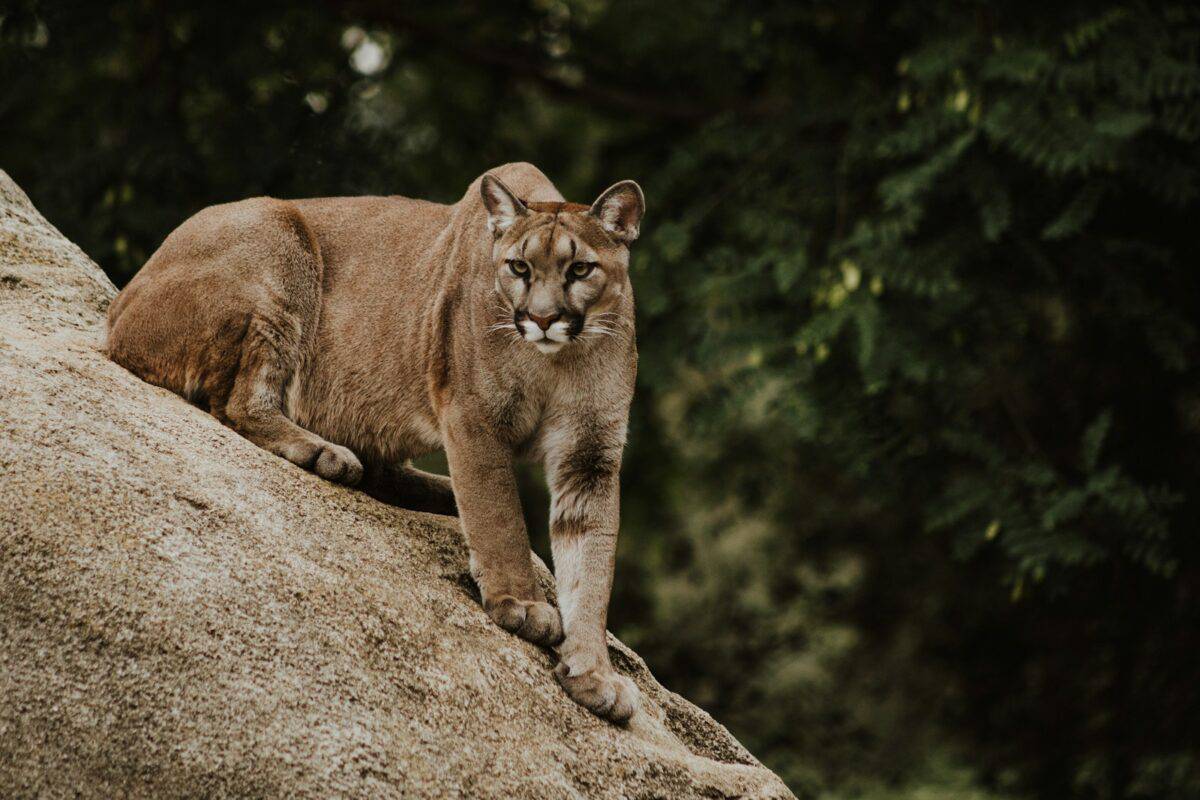
Studying animals as elusive as mountain lions presents unique challenges that have driven innovative research methods. Traditional wildlife observation techniques prove largely ineffective with these phantom cats, requiring scientists to develop specialized approaches. GPS collar technology has revolutionized mountain lion research, allowing biologists to remotely track individuals’ movements with remarkable precision. Modern collars can record a cat’s location as frequently as every hour for years, transmitting data via satellite and revealing previously unknown aspects of mountain lion behavior, territory use, and hunting patterns. Before an animal can be collared, however, researchers must first locate and safely capture it—typically using trained hounds that can track a mountain lion’s scent until the cat seeks refuge in a tree, allowing researchers to tranquilize it safely.
Beyond GPS tracking, non-invasive research methods have become increasingly important. Camera traps—motion-activated cameras placed along game trails or near suspected travel corridors—have proven invaluable for documenting mountain lion presence without disturbing the animals. DNA analysis from scat, hair, or tissue samples provides critical information about population genetics, health, and diet composition. Perhaps most fascinating is the emergence of citizen science in mountain lion research, with initiatives like the Olympic Cougar Project enlisting hikers and outdoor enthusiasts to report tracks, scat, or sightings through smartphone apps. These combined approaches are gradually unveiling the secretive lives of mountain lions, though researchers acknowledge that much remains unknown about America’s most elusive wild cat—a testament to the species’ remarkable capacity to remain hidden even in an age of advanced surveillance technology.
Conservation Challenges in the Modern Landscape

Mountain lions face a complex array of threats in today’s rapidly changing world. Habitat loss and fragmentation represent perhaps the most significant challenges, as expanding human development increasingly isolates mountain lion populations and restricts their movement. This fragmentation is particularly problematic given the species’ extensive territorial requirements and genetic exchange needs. Major highways create deadly barriers—in Florida alone, vehicle strikes kill approximately 20-25 panthers annually, a devastating toll on a population of fewer than 230 individuals. Conservation efforts increasingly focus on creating wildlife crossings—dedicated overpasses or underpasses that allow safe passage across roads. These structures have proven remarkably successful when implemented, with studies in places like Southern California documenting regular mountain lion use of properly designed crossings.
Beyond habitat issues, mountain lions face challenges from hunting pressure in states where they’re classified as game animals, occasional persecution from livestock producers experiencing predation problems, and emerging threats like rodenticide poisoning, which can accumulate in mountain lions that consume prey exposed to these toxins. Climate change adds another layer of uncertainty, potentially altering prey distribution and habitat suitability across the species’ range. However, there are encouraging signs for mountain lion conservation. Public attitudes have shifted dramatically over recent decades, with increasing appreciation for these cats’ ecological importance as apex predators that help maintain healthy ecosystems. Scientific research continues to improve management approaches, while conservation organizations advocate for policy changes that better protect mountain lion habitat. The gradual natural recolonization of former range in midwestern states suggests that with proper protections and connectivity, mountain lions may slowly reclaim portions of their historic distribution, though the days of mountain lions roaming the eastern forests remain a distant prospect.
The Ecological Importance of Mountain Lions

As apex predators, mountain lions play a crucial role in maintaining ecosystem health and biodiversity. Their presence creates what ecologists call a “landscape of fear” that influences prey behavior, preventing overgrazing and promoting more natural movement patterns among herbivores like deer and elk. This behavioral effect can have cascading benefits throughout the ecosystem—studies in areas with healthy mountain lion populations show increased plant diversity and improved riparian habitat as prey animals avoid lingering in vulnerable locations. This phenomenon, known as a trophic cascade, demonstrates how the presence of a top predator can reshape entire ecological communities, from vegetation to small mammals and birds that benefit from improved habitat structure.
Mountain lions also provide important ecosystem services through their predation activities. By targeting vulnerable individuals within prey populations—often the sick, injured, or elderly—they help maintain healthier deer and elk herds by removing disease vectors and preventing genetic decline. Their tendency to prey on mesopredators like raccoons and opossums helps maintain balance within predator guilds, potentially benefiting ground-nesting birds and small mammals that would otherwise face increased predation pressure. Perhaps most fascinating is research suggesting that mountain lion kills create biodiversity hotspots—the remains of their prey provide critical nutrition for a remarkable diversity of scavengers and decomposers, from bears and eagles to insects and microorganisms. One study documented over 200 different species benefiting from a single mountain lion kill site over time. This ecological importance underscores why protecting mountain lions benefits not just the cats themselves but entire ecosystems.
Mountain Lion Myths and Misconceptions

Few North American wildlife species are surrounded by as many myths and misconceptions as the mountain lion. Perhaps the most persistent myth involves black panthers supposedly roaming North American forests. Wildlife biologists consistently confirm that no melanistic (black) phase exists among North American mountain lions, despite thousands of verified observations, captures, and photographs. The “black panther” reports in places like the Appalachians likely represent misidentifications of other animals, such as black bears, large domestic cats, or even optical illusions caused by poor lighting and distance. Another widespread misconception is that mountain lions are inherently aggressive toward humans. In reality, attacks are exceptionally rare, and these elusive predators typically go out of their way to avoid human contact. When conflicts do occur, they are often the result of habitat encroachment or unusual circumstances rather than natural aggression.
Additionally, some believe that mountain lions are solitary and silent hunters, but research has shown they use a range of vocalizations, from growls and hisses to eerie screams, especially during mating season. They also play a crucial ecological role as apex predators, helping to regulate prey populations and maintain ecosystem balance. By dispelling these myths and replacing fear with understanding, we can better appreciate the mountain lion not as a menace, but as an essential and fascinating part of North America’s natural heritage.
Conclusion: A Ghost in the Wilderness

The American mountain lion, often called a ghost of the wilderness, remains one of the most elusive and misunderstood predators in North America. Despite its wide range and remarkable adaptability, sightings of this powerful yet secretive cat are rare, reminding us how much of the natural world continues to operate beyond the reach of human observation. Mountain lions play a vital ecological role as apex predators, quietly maintaining the balance of their ecosystems while avoiding unnecessary contact with people.
As human development increasingly overlaps with wild habitats, it is crucial to respect the presence of these solitary hunters and support conservation efforts that ensure their survival. Their story is not one of disappearance but of endurance—proof that even in the modern world, some wilderness secrets remain intact. If you’re lucky enough to spot one of these magnificent cats, consider it a rare and humbling encounter with a true American icon of the wild.
Worried about unexpected vet bills?
Pet insurance can cover thousands in unexpected vet costs. Get a free quote from Lemonade in under 2 minutes.
Get My Free Quote →Sponsored · Opens Lemonade.com

From exploring the marine wonders in the Azores and witnessing the vast savannas of Kenya, to delving deep into the rich biodiversity of South Africa and traversing iconic landscapes in Australia and the US like Yellowstone, Chris's experiences are vast.
With a penchant for diving alongside sharks, the ocean holds a special place in his heart.
Through his academic insights, he champions wildlife conservation, striving with 'Animals Around The Globe' to cultivate a profound connection between humans and animals, enhancing our mutual appreciation.
Connect with him at Feedback@animalsaroundtheglobe.com.
- The World’s Smallest Mammal Could Fit on Your Fingertip - June 10, 2026
- How Turtles Use Earth’s Magnetic Field to Navigate Oceans - June 10, 2026
- Turtles as World-Bearers in Indigenous Beliefs - June 10, 2026