


Snakes, often misunderstood creatures, communicate in various ways beyond their infamous hiss. While Hollywood has conditioned us to expect dramatic hissing with every snake encounter, the reality is far more nuanced. Snakes are actually silent creatures much of the time, reserving their vocal communications for specific situations. Understanding when snakes choose silence versus when they vocalize helps us better interpret their behavior and intentions. This knowledge is valuable not only for snake owners but also for anyone who might encounter these fascinating reptiles in the wild. Let’s explore the nine common scenarios when snakes remain silent and the three situations when they’re most likely to hiss loudly.
12. Normal Daily Movement The Silent Slither

Contrary to popular belief, snakes don’t announce their presence with hisses during normal movement. When a snake is simply exploring its environment, hunting, or relocating, it typically moves in complete silence. This silent locomotion is an evolutionary advantage that allows snakes to approach prey undetected and avoid potential predators.
Snakes accomplish this silent movement through their unique musculoskeletal system. Their scales create minimal friction against surfaces, and their muscle contractions produce virtually no audible sound. This silence is so profound that even large species like pythons and anacondas can move through dense vegetation without making a sound, despite their impressive size and weight. This silent mobility is one reason why snake encounters can be so startling for humans – we simply don’t hear them coming.
11. Resting and Sleeping Silent Repose

When snakes are at rest or sleeping, they remain completely silent. Unlike mammals that might snore, breathe heavily, or make other noises while sleeping, snakes are practically undetectable during their downtime. Snakes don’t have a diaphragm or vocal cords in the mammalian sense, so they don’t produce breathing sounds that humans would easily detect.
During periods of rest, which can last days after a large meal, snakes will find a secure location and remain motionless. Their metabolic rate slows significantly, especially in digestion phases, and their already minimal respiratory sounds become even more imperceptible. Many snake owners report being unable to tell if their pet is sleeping or simply resting, as the visual and auditory cues are so subtle. This silent resting state helps snakes conserve energy and remain hidden from potential threats.
10. Hunting The Silent Predator

When hunting, silence is a snake’s greatest weapon. Snakes are ambush predators by nature, and making noise would immediately alert potential prey to their presence. During a hunt, a snake will remain completely silent, often staying motionless for hours while waiting for the perfect moment to strike. This patience and silence are key components of their hunting strategy.
Even during the strike itself, snakes don’t typically hiss or make vocalizations. Their movements are quick and decisive, with venomous species delivering their bite and often retreating without sound, while constrictors rapidly wrap around their prey in silence. This silent hunting approach is particularly evident in species like the gaboon viper, which can remain motionless in leaf litter for weeks, or the ball python, which may wait silently near rodent trails for extended periods. The only sounds during a snake’s hunt typically come from the prey’s reaction, not from the snake itself.
9. Shedding The Quiet Transformation

During the shedding process, known as ecdysis, snakes remain remarkably quiet. This vulnerable period in a snake’s life cycle involves the gradual loosening and removal of the old skin layer, revealing a fresh, vibrant skin underneath. Throughout this entire process, which can take days from start to finish, snakes typically don’t vocalize or hiss.
The only sounds associated with shedding might be the subtle rustling of the old skin as the snake rubs against rough surfaces to initiate and complete the shed. Snakes are particularly vulnerable during this time, as their vision is compromised by the cloudy spectacle caps that cover their eyes. Their silent behavior during shedding is likely an evolutionary adaptation to avoid drawing attention to themselves during this vulnerable state. Many snake owners note that their pets seek isolation and remain particularly quiet during the shedding process.
8. Mating The Subtle Courtship

Despite the intensity of reptilian courtship, snake mating rituals are surprisingly quiet affairs. Male snakes locate females primarily through chemical cues rather than vocal calls. When males compete for a female’s attention, they engage in “combat dances” that involve wrestling and intertwining, but these physical competitions rarely involve hissing or other vocalizations.
The actual mating process is also conducted in silence, with the male stimulating the female through physical touch rather than sound. This differs dramatically from many other animal species that use loud calls or songs to attract mates. Even in species where multiple males may gather around a receptive female, creating what’s known as a “breeding ball,” the interaction remains largely silent. The lack of vocalization during mating is consistent across nearly all snake species, from small garter snakes to massive pythons.
7. Digestion The Silent Feast

After consuming a meal, snakes enter a period of intense digestion that can last days or even weeks for large meals. During this time, they become remarkably inactive and silent. A snake’s digestive process requires a significant amount of energy, with some studies showing that a snake’s metabolic rate can increase by up to 44 times during digestion compared to their resting state.
Despite this internal activity, the external manifestation is one of complete silence and stillness. A snake digesting a large meal will find a warm, secure location and remain motionless, not even hissing when mildly disturbed. This silent period serves two purposes: it conserves energy for the metabolically expensive process of digestion, and it reduces the snake’s exposure to predators during a time when it would be slower and less able to defend itself or escape due to the bulge of food in its digestive tract.
6. Basking Quiet Sun Worship
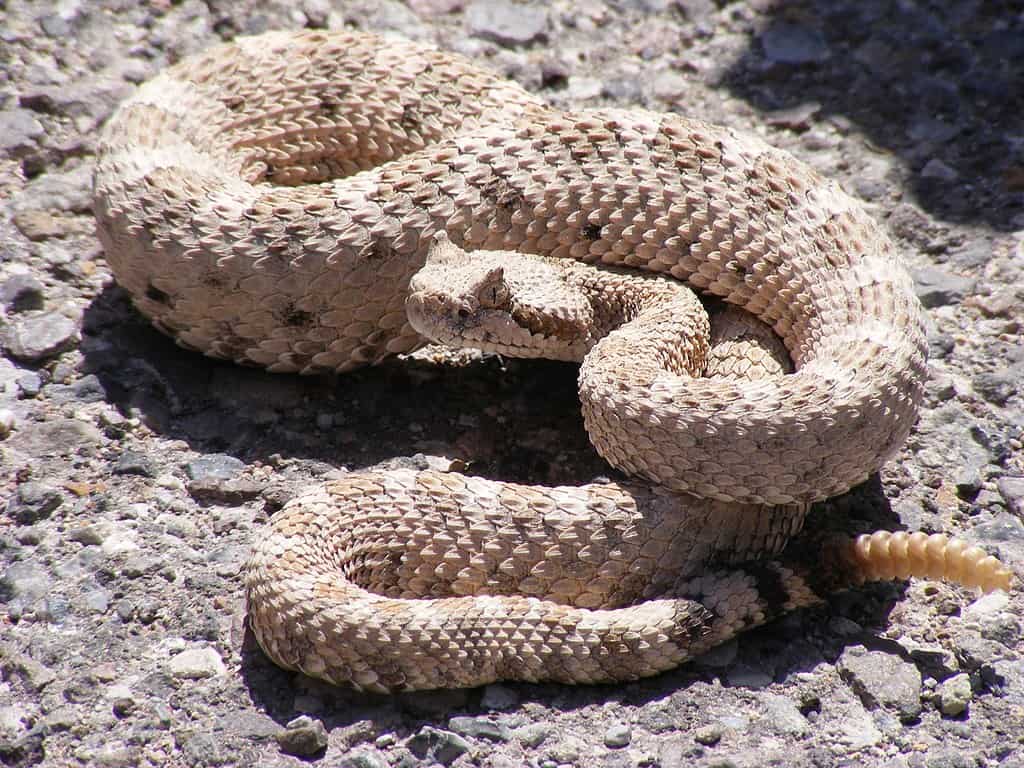
Thermoregulation is crucial for snakes as ectothermic (cold-blooded) creatures, and basking is a common behavior that helps them achieve optimal body temperature. Whether in the wild or captivity, snakes spend significant time basking under heat sources, yet they do so in complete silence. This quiet basking behavior allows snakes to warm themselves without attracting attention from predators.
During basking, a snake may adjust its position slightly to maximize heat absorption or move between sunny and shaded areas to fine-tune its temperature, but these movements are typically slow and silent. Snake owners often observe their pets lying completely still under heat lamps for hours, making no sounds whatsoever. This silent behavior during basking is consistent across species, from small corn snakes to large boas, and represents one of the longest periods of silent behavior in a snake’s daily routine.
5. Exploration Curious but Quiet

When exploring new environments, snakes are naturally curious but remain remarkably quiet. Whether investigating a new enclosure in captivity or exploring territory in the wild, snakes rely primarily on their tongues to collect chemical information about their surroundings. This tongue-flicking behavior, which transfers scent particles to the vomeronasal organ in the roof of the mouth, is performed in complete silence.
Even when moving through unfamiliar terrain or encountering novel objects, snakes typically don’t vocalize their curiosity or uncertainty. Instead, they may pause, increase their tongue-flicking rate, or gently touch objects with their snouts to gather information. This silent exploration is particularly noticeable in captive snakes when introduced to enrichment items or new habitats. Owners often report that their snakes will thoroughly investigate every corner of a new enclosure without making a sound, demonstrating that curiosity in snakes is expressed through movement and investigation rather than vocalization.
4. Social Interactions The Silent Community

While most snakes are not social animals in the traditional sense, certain species do engage in communal behaviors like denning together during winter months or gathering at preferred basking sites. During these social interactions, snakes remain largely silent. Unlike social mammals or birds that vocalize to maintain group cohesion, snakes coexist quietly, with physical proximity being their primary form of “social” interaction.
Even in rare cases where multiple snakes share space in close proximity, such as garter snakes in communal hibernacula, their interactions are conducted without vocalizations. This silence during social contexts reflects the limited role that auditory communication plays in snake social structures. Chemical cues and physical touch appear to be far more important for snakes than vocal communications, even in the few species that demonstrate some degree of social behavior. This silent sociality represents an interesting contrast to the vocal complexity seen in many other vertebrate social systems.
3. Defensive Hissing The Warning Sound
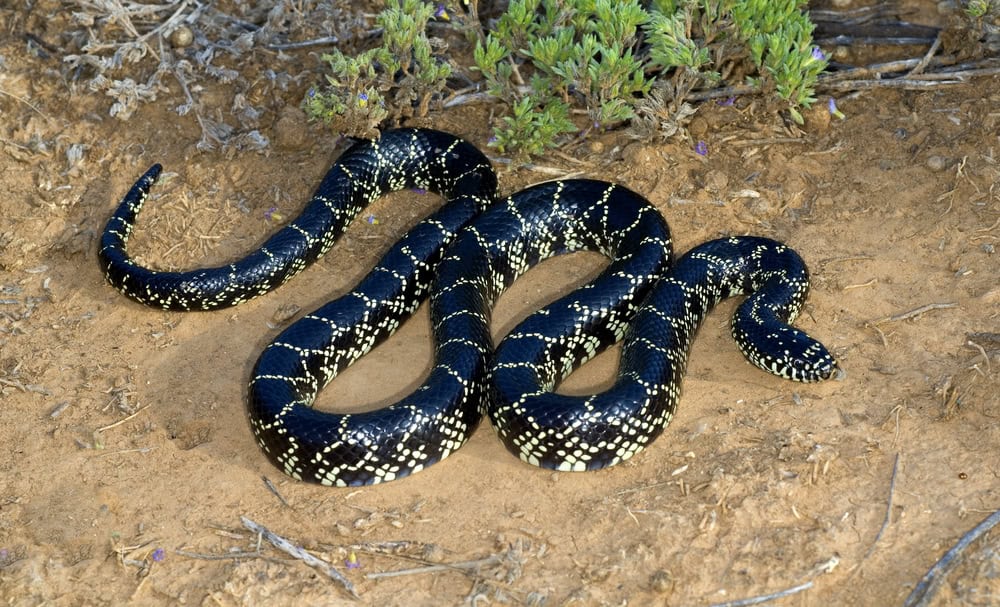
When a snake feels threatened or cornered, hissing often serves as its first line of defensive communication. This loud, unmistakable sound is produced by forcefully expelling air through a specialized structure in the glottis called the glottal aperture. The hiss serves as a warning signal that effectively communicates “back off” to potential threats, including humans, predatory animals, and even other snakes.
The intensity and duration of defensive hissing vary widely among species. Some, like the western hognose snake, produce especially dramatic hisses accompanied by a flattened neck display that mimics the hood of a cobra. Corn snakes and ball pythons may hiss briefly when startled but quickly calm down when they feel secure. The defensive hiss is particularly common in larger species like pythons and boas, whose substantial lung capacity allows for louder, more prolonged hissing. This vocalization is purely defensive and indicates that the snake feels threatened enough to abandon its usual silent nature in favor of an audible warning.
2. Pre-Strike Hissing The Final Warning

When defensive hissing fails to deter a perceived threat, some snake species will escalate to a more intense form of hissing immediately before striking. This pre-strike hiss is typically louder, more forceful, and often accompanied by a more aggressive body posture. The snake may coil its body tightly, raise its head, and prepare to lunge forward while producing this intensified hiss.
This behavior is particularly common in vipers, certain pythons, and many colubrid species when they feel cornered with no escape route. The pre-strike hiss differs from general defensive hissing in its intensity and immediate connection to a potential bite. Experienced herpetologists can often distinguish between a general defensive hiss and this more urgent pre-strike vocalization. For snake owners and wildlife enthusiasts, recognizing this escalation in hissing intensity can be crucial for avoiding bites, as it represents the snake’s final warning before it resorts to physical defense through striking.
1. Territorial Hissing Defending Home Ground
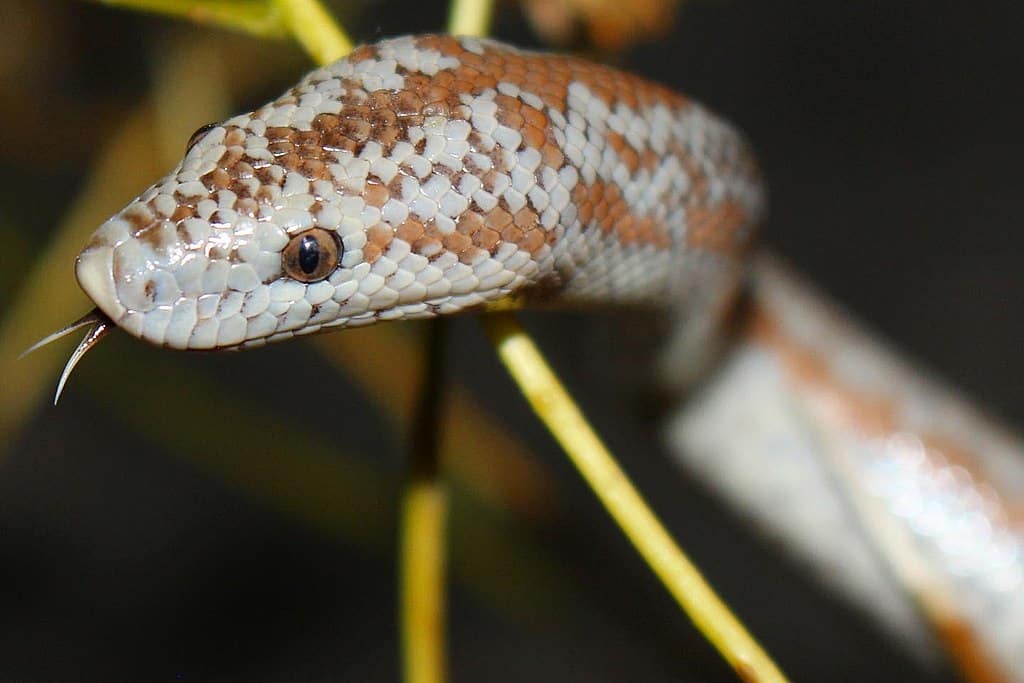
Some snake species, particularly during breeding season or when guarding a nest, will emit territorial hisses to ward off intruders. Female pythons guarding their eggs are known for their persistent, aggressive hissing when approached. This maternal hissing is typically deeper and more sustained than defensive hissing, reflecting the snake’s commitment to protecting its offspring or territory rather than merely responding to a startling stimulus.
In captivity, territorial hissing might occur when a snake feels its enclosure is being invaded, particularly during cleaning or maintenance. Some species, like king cobras, are known to be highly territorial in the wild and will produce loud hisses while displaying their impressive hoods when their territory is encroached upon. Even typically docile species can become territorial under specific circumstances, such as when a female is preparing to lay eggs or when resources are limited. This type of hissing serves as a clear acoustic boundary marker, warning others to stay away from the snake’s established territory.
Conclusion: Understanding Snake Communication A Valuable Skill

Understanding when snakes choose silence versus vocalization provides valuable insights into their behavior and emotional states. The predominant silence of snakes in most situations highlights how unusual and significant it is when they do choose to hiss. This knowledge can help snake owners better care for their pets by recognizing signs of stress or discomfort, while also helping those who encounter snakes in the wild respond appropriately. Far from the constantly hissing creatures often portrayed in media, real snakes are masters of silent living who reserve their voice for truly necessary situations. This balance of silence and sound represents millions of years of evolutionary refinement, creating a communication system perfectly suited to their predatory lifestyle and unique physiological capabilities. By respecting these communication signals, we can coexist more safely with these fascinating reptiles and appreciate the sophisticated simplicity of their behavioral repertoire.

As a little kid, I fell in love with nature, wildlife, and animals. Living in the USA, South Africa, Italy, China and Germany gave me the opportunity to discover the world's Wildlife. My favorite animals are Mountain Gorillas, Siberian Tigers, and Great White Sharks.
I'm a certified PADI Open Water Diver, went to Everest Base Camp and Trekked Gorillas in Uganda. I hold a Master of Science in Economics and Finance.
Please send any feedback to feedback@animalsaroundtheglobe.com
- 8 Dogs That Are Natural Protectors of American Farms and 3 That Are not - July 19, 2026
- 14 Stunning Animals You Can See in India - July 18, 2026
- The Most Enormous Lobster Ever Pulled From Maine Waters - July 18, 2026