

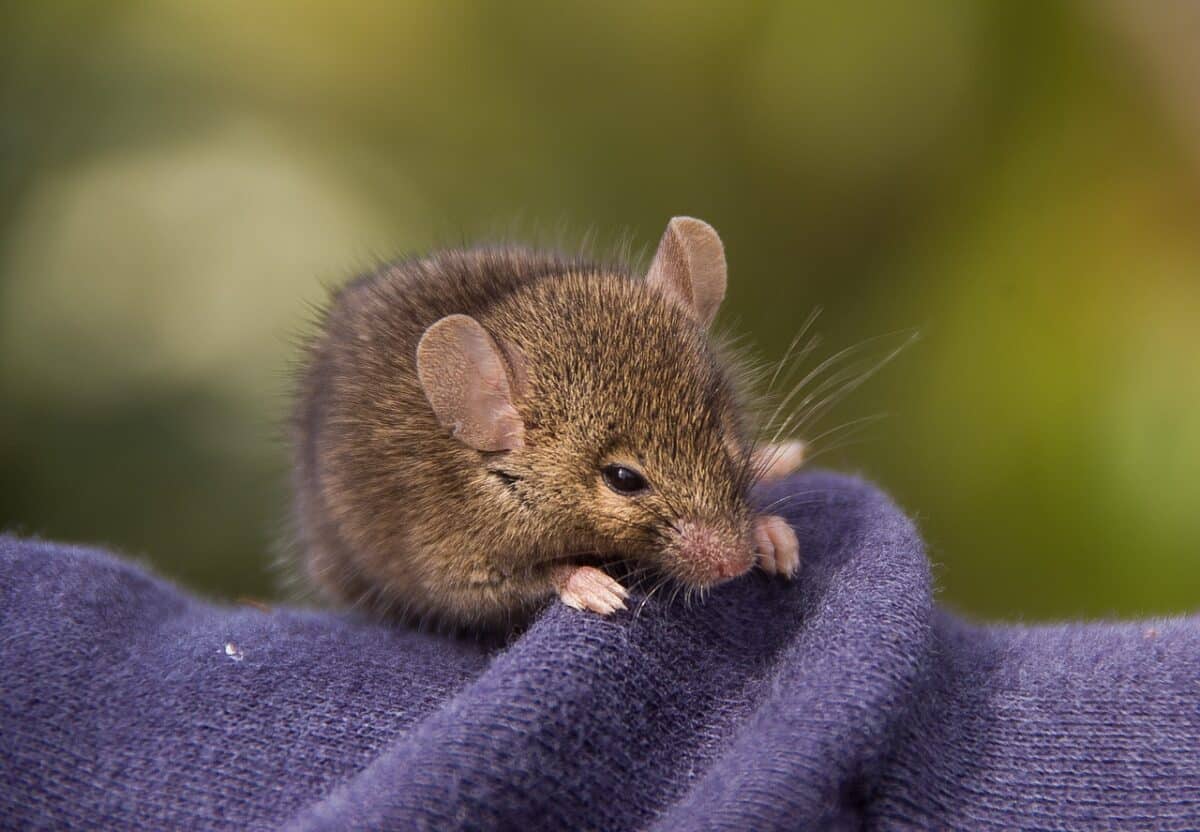
The animal kingdom showcases remarkable diversity in lifespans, from centuries-old tortoises to ephemeral mayflies. But among mammals—our warm-blooded, typically long-lived relatives—one species stands out for its extraordinarily brief existence. The male antechinus, a small marsupial native to Australia, lives for approximately 11-12 months before experiencing a programmed death following an intense mating season. This phenomenon represents one of nature’s most extreme reproductive strategies, where males literally mate themselves to death in a frenzy of activity that depletes their bodies to the point of complete system failure. This dramatic life cycle has fascinated biologists for decades and offers unique insights into evolutionary adaptations and reproductive strategies in the animal kingdom.
The Antechinus: Australia’s Suicidal Marsupial
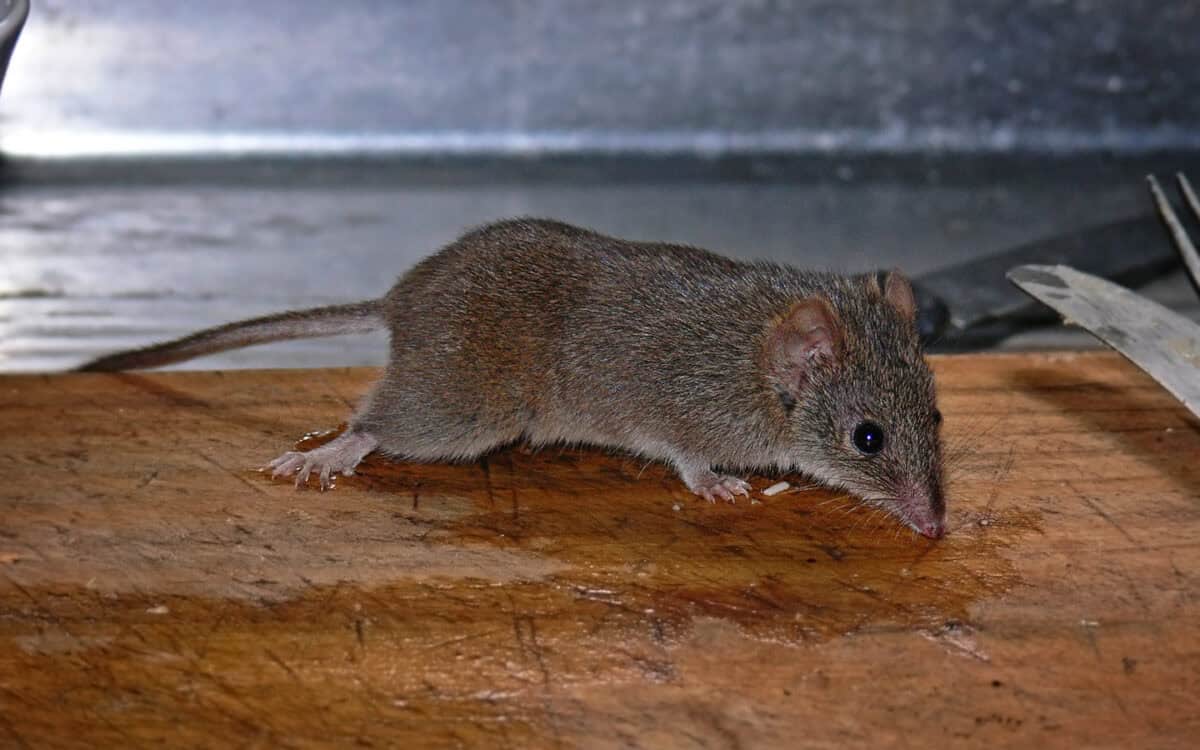
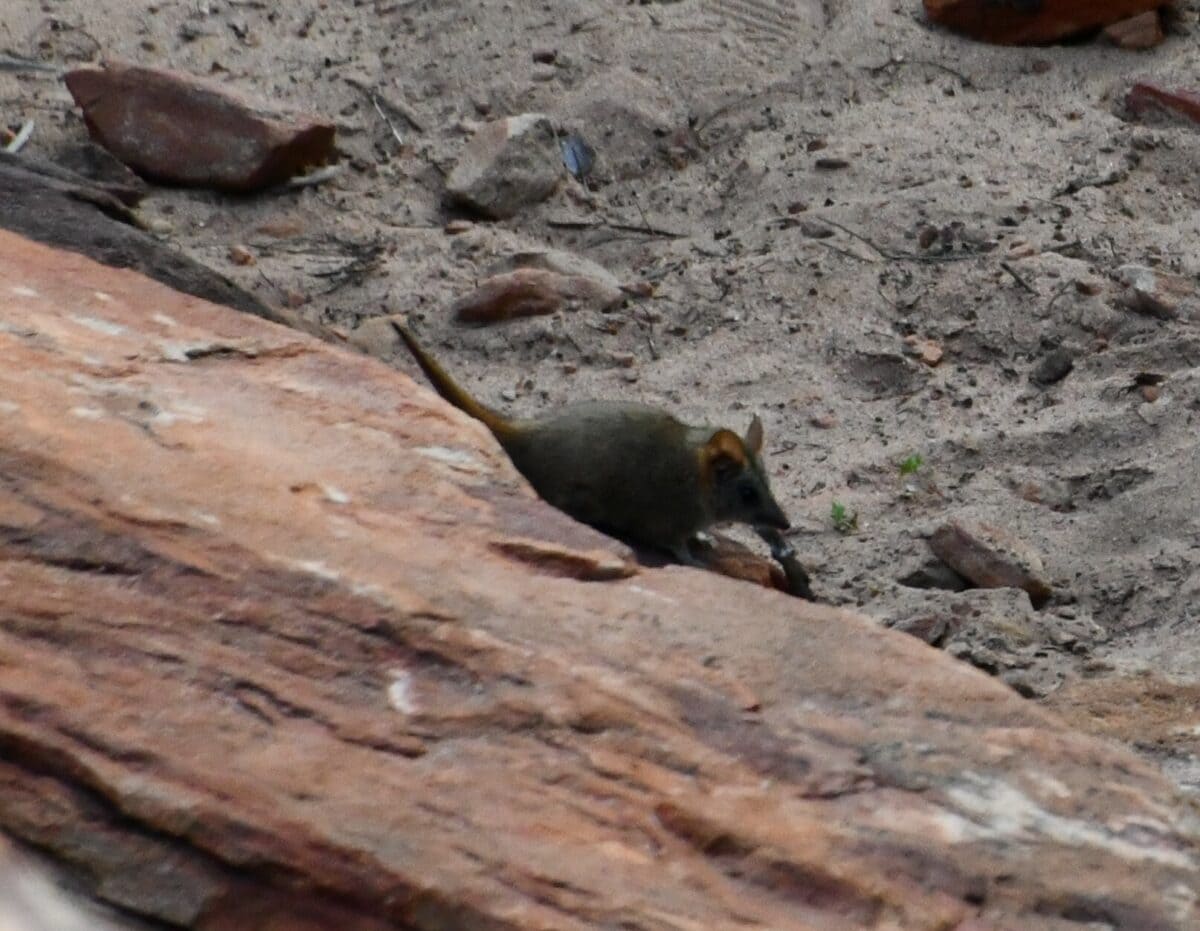
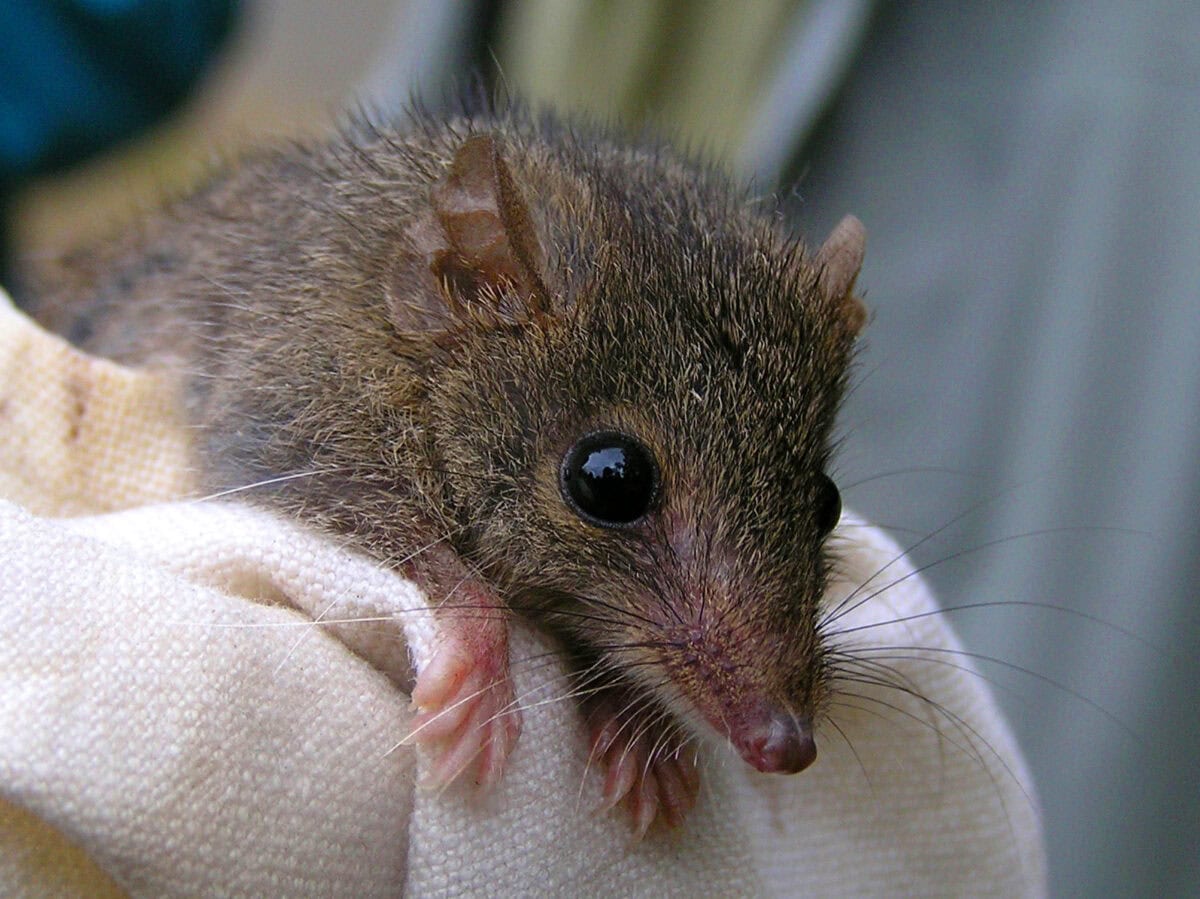
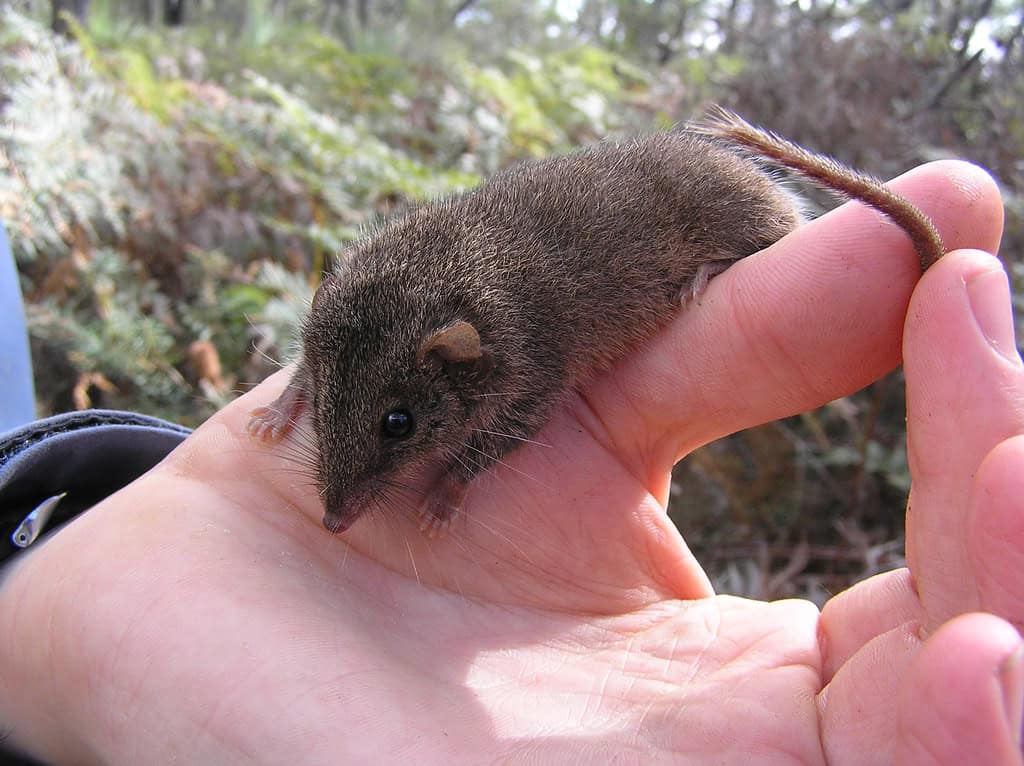
The antechinus (pronounced an-tuh-KY-nus) belongs to the family Dasyuridae, which includes other marsupials like quolls and Tasmanian devils. These mouse-like creatures typically weigh between 16-170 grams depending on the species, with shrew-like snouts, sharp teeth, and pointed ears. Despite their rodent-like appearance, they’re more closely related to kangaroos and koalas than to mice or rats. Australia is home to approximately 15 species of antechinus, spread across diverse habitats from tropical rainforests to alpine meadows.
What makes these small marsupials remarkable isn’t their appearance but their extraordinary life cycle—particularly that of the males. While female antechinus can live for up to 2-3 years, males experience what scientists call “semelparity” or “big-bang reproduction,” where they reproduce just once before dying. This extreme reproductive strategy is rare among mammals but has evolved independently in several antechinus species, suggesting it provides some evolutionary advantage despite its seemingly self-destructive nature.
The Shortest Mammalian Lifespan
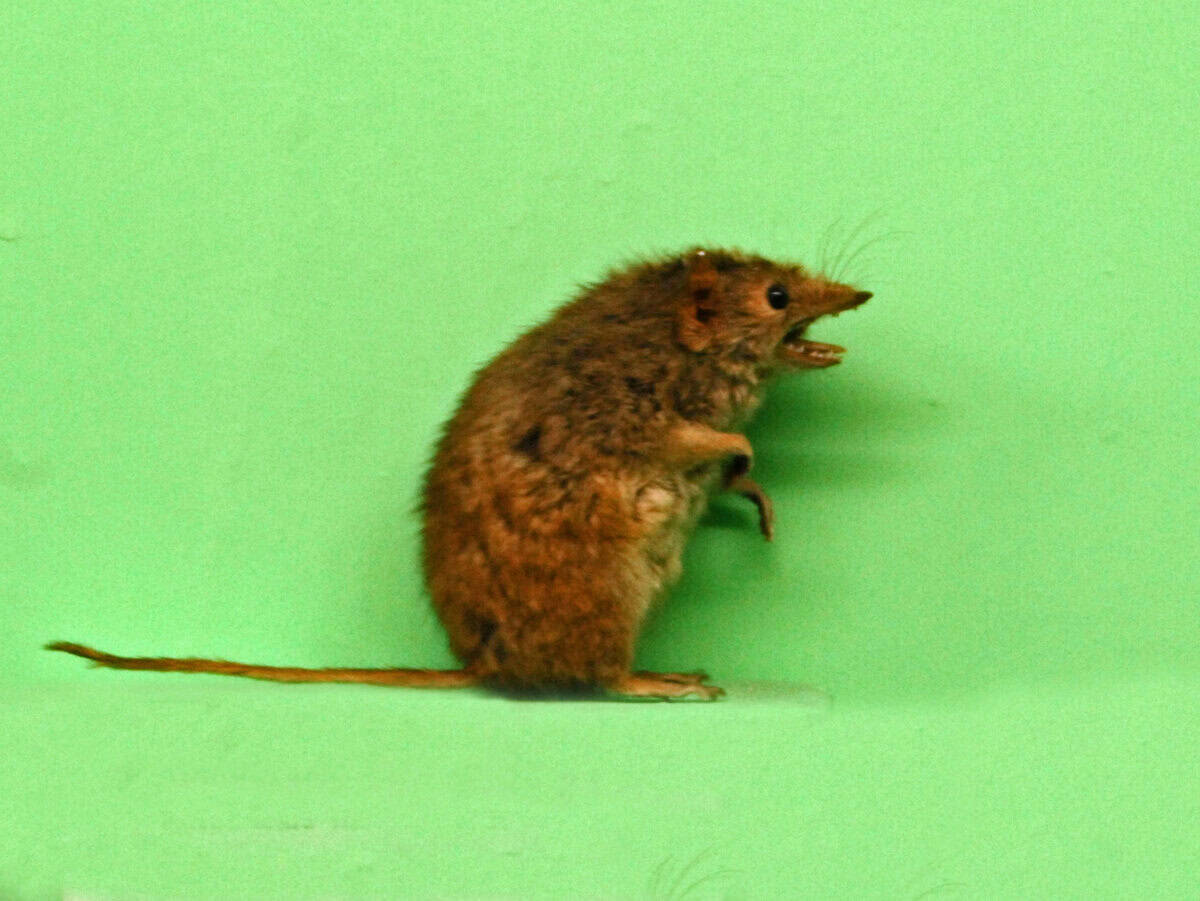
Male antechinus have one of the shortest lifespans documented among mammals, living just 11-12 months on average. This abbreviated life cycle is precisely timed to coincide with seasonal food availability. Born in late winter or early spring, young antechinus develop quickly, reaching sexual maturity within their first year. During most of their short lives, they focus on growth, foraging, and avoiding predators—typical behaviors for small mammals. However, unlike most mammals that reproduce multiple times throughout their lives, male antechinus have just one brief opportunity to pass on their genes.
By comparison, other small mammals like mice typically live 1-3 years in the wild, while bats—similar in size—can live for decades. Even other marsupials generally have multi-year lifespans. The male antechinus’s predetermined lifespan represents an extreme case of evolutionary specialization, where longevity has been sacrificed for reproductive intensity. This strategy places them among the shortest-lived mammals on Earth, alongside certain shrew species that may live only 13-14 months in the wild.
The Mating Frenzy: Two Weeks of Chaos
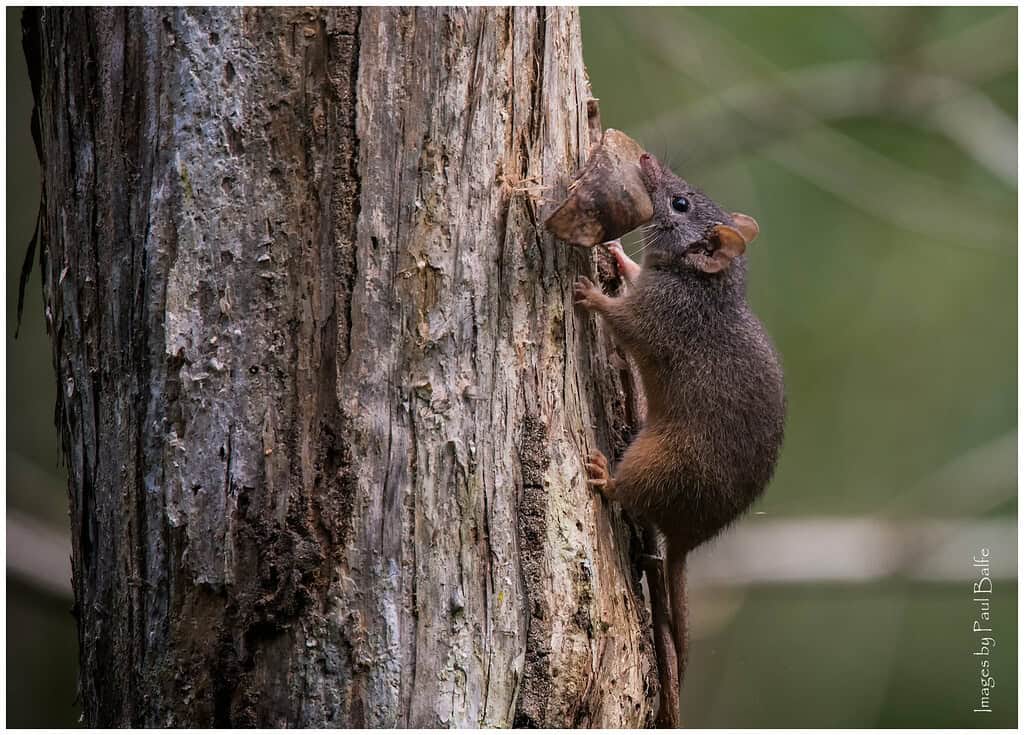
The final chapter in the male antechinus’s life begins with the annual breeding season—a frantic two-week period that represents one of nature’s most intense mating frenzies. During this brief window, males abandon all normal activities like feeding and self-preservation, dedicating themselves entirely to mating. They engage in marathon copulation sessions lasting up to 14 hours with multiple females, competing aggressively with other males for access to mates. This period is characterized by constant movement, fighting, and mating—a non-stop expenditure of energy that pushes their small bodies to the absolute limit.
Scientists have documented males losing up to 25% of their body weight during this period. Their fur begins to fall out, they develop open sores, and internal bleeding becomes common. Yet despite their deteriorating condition, they continue this frenzied activity until their bodies simply cannot continue. The intensity of this reproductive period exceeds almost anything else observed in mammalian reproduction and represents the culmination of their short lives—a reproductive strategy that puts all resources into one brief, explosive period rather than spreading reproduction across years.
Hormonal Self-Destruction: The Science Behind the Exhaustion
The physiological mechanism behind the antechinus’s programmed death involves a dramatic hormonal shift. As the breeding season approaches, male antechinus experience a surge in testosterone and stress hormones, particularly corticosteroids. Under normal circumstances, mammals have feedback mechanisms that regulate these hormones, but in male antechinus, these regulatory systems break down. The result is a condition similar to adrenal insufficiency in humans, where stress hormone levels rise uncontrollably, suppressing the immune system and causing tissue damage throughout the body.
Dr. Diana Fisher, a biologist at the University of Queensland who has extensively studied this phenomenon, explains that “their bodies basically start to fall apart.” The high levels of corticosteroids cause protein breakdown, immune suppression, and internal hemorrhaging. Glucose regulation fails, leading to metabolic chaos. Their bodies begin cannibalizing muscle tissue for energy as they stop eating during the mating period. This cascade of physiological failures isn’t accidental—it’s genetically programmed, a phenomenon scientists call “programmed organismal death” that few mammals exhibit.
Evolutionary Advantages: Why Die Young?
The obvious question is why evolution would favor such an apparently self-destructive strategy. Scientists believe semelparity evolved in antechinus due to specific ecological pressures. The timing of their single breeding season coincides with the annual peak in insect abundance—their primary food source. By synchronizing reproduction with this resource pulse, females can maximize their chances of successfully raising young. For males, concentrating all reproductive effort into this optimal time period, rather than surviving to breed again in less favorable conditions, may maximize their genetic contribution to future generations.
Additionally, this strategy eliminates intergenerational male competition. By dying after mating, older males don’t compete with their own offspring for resources or future mating opportunities. Dr. Andrew Baker of Queensland University of Technology suggests that “in boom and bust environments with unpredictable resource availability, putting all reproductive effort into one season may be more successful than spreading it across multiple years.” This explains why the strategy has evolved independently in multiple antechinus species, particularly those living in more seasonal or unpredictable environments.
Sperm Competition and Reproductive Success
The male antechinus’s reproductive strategy centers around sperm competition rather than long-term mating bonds. During their frenzied mating period, males mate with as many females as possible, with each coupling producing enormous quantities of sperm. A single female may mate with multiple males during her receptive period, creating intense competition at the cellular level. The males with the highest quality or quantity of sperm have the best chance of fathering offspring, regardless of when during the two-week mating window they encountered the female.
This strategy explains the massive physiological investment males make in sperm production and mating duration. Their testes swell to an enormous size relative to their body, sometimes accounting for 8% of their body weight before the breeding season. The marathon copulation sessions—some lasting 12-14 hours—appear designed to displace the sperm of competing males or block females from remating. By dying after this tremendous reproductive effort, males have committed every available biological resource to reproduction, with nothing held in reserve for survival.
Female Survival: A Different Strategy
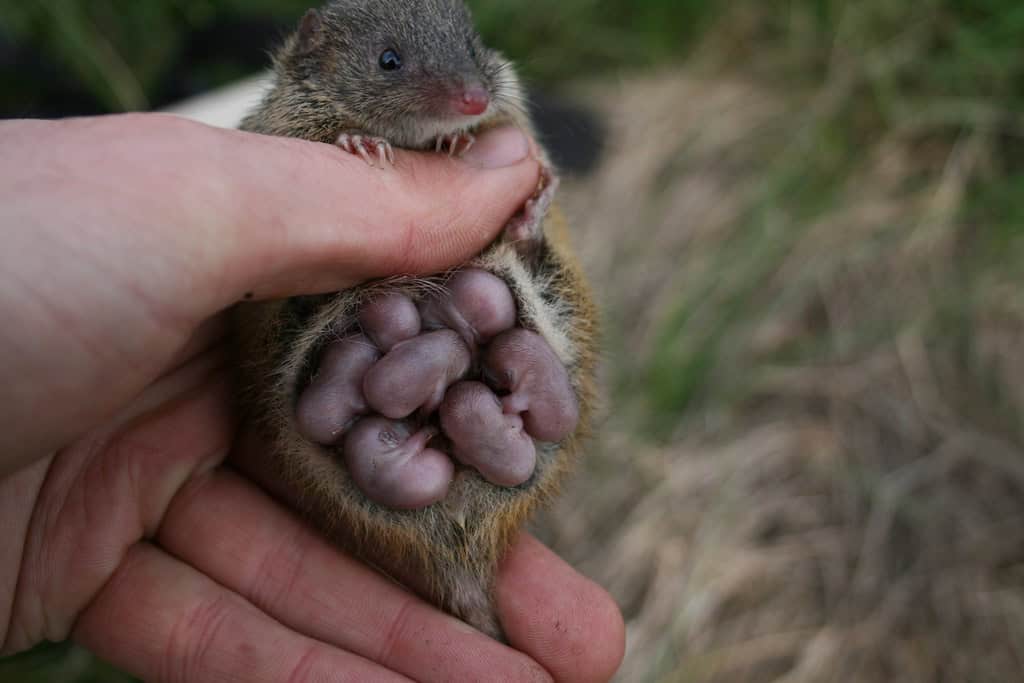
While male antechinus follow their doomed reproductive path, females employ a completely different strategy. Females can live for 2-3 years and potentially reproduce in consecutive breeding seasons. After mating with multiple males during the breeding frenzy, females carry their young in a pouch, similar to other marsupials. The gestation period is brief—typically 26-35 days—after which they give birth to underdeveloped young that continue developing attached to teats in the mother’s pouch. A female may raise 6-12 young in a single litter, investing significant energy in their development and protection.
The stark contrast between male and female life history strategies represents an extreme case of sexual dimorphism in life history traits. Females benefit from surviving to reproduce multiple times, as their reproductive success is limited by their ability to successfully raise young rather than fertilize eggs. This creates an evolutionary scenario where the optimal strategy for males (die young after maximum reproductive effort) differs dramatically from females (survive to reproduce multiple times). The result is one of the most pronounced sex-specific lifespan differences observed in mammals.
Species Variations: Not All Antechinus Die Young
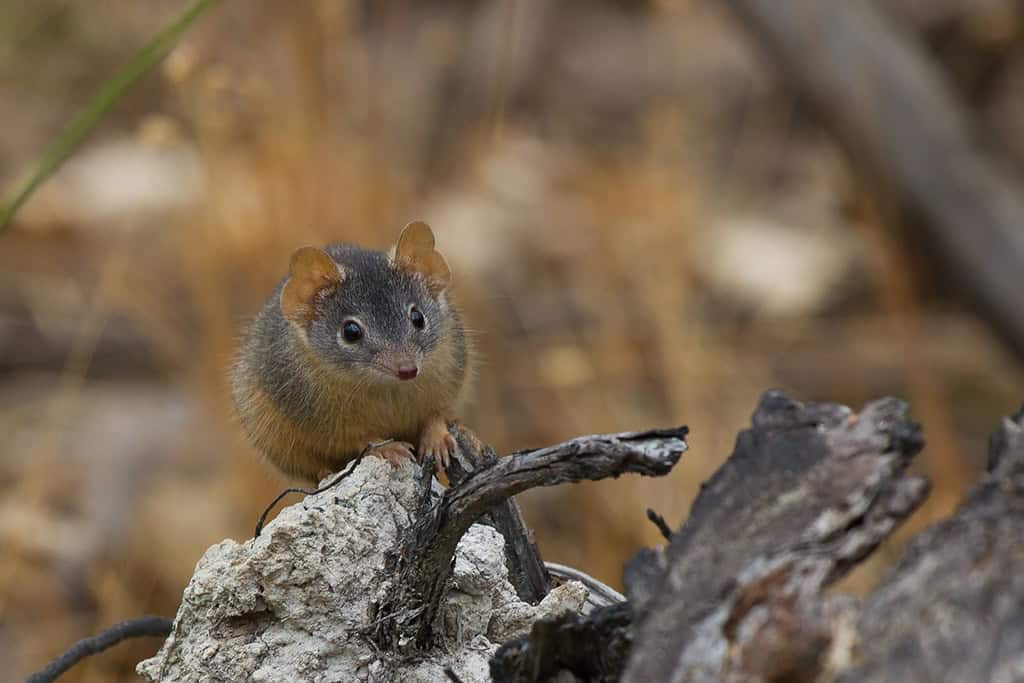
While the phenomenon of male die-off has been observed across most antechinus species, the intensity and universality of this trait varies. The Brown Antechinus (Antechinus stuartii) and Dusky Antechinus (Antechinus swainsonii) exhibit the most complete male mortality, with virtually 100% of males dying after the breeding season. Other species show more variable patterns. The Yellow-footed Antechinus (Antechinus flavipes), for instance, has populations where some males survive their first breeding season, particularly in regions with more stable year-round food resources.
These variations provide valuable insights into the evolution of semelparity. In environments with more predictable resources and less seasonal variation, the evolutionary pressure toward complete post-mating mortality appears reduced. This suggests the die-off strategy evolved as an adaptation to specific environmental conditions rather than being an inherent trait of the genus. Recent research also indicates that climate change may be affecting these patterns, with some populations showing shifts in breeding timing and mortality rates as environmental conditions change.
Conservation Challenges: Vulnerable to Extinction
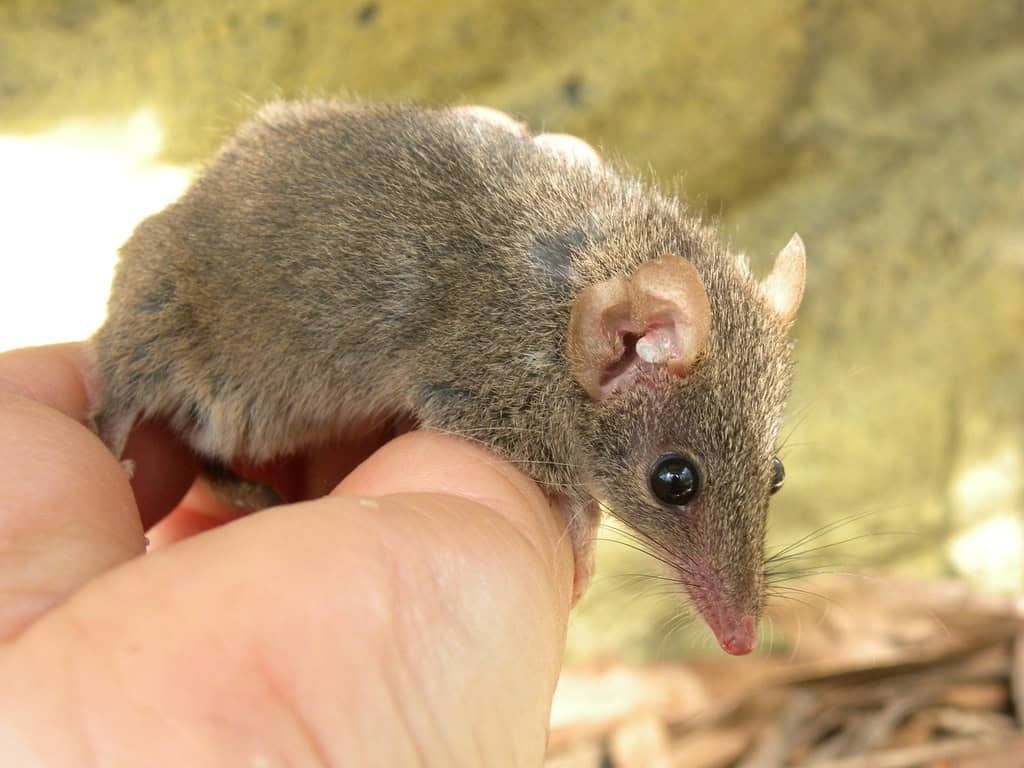
The extreme reproductive strategy of the antechinus creates unique conservation challenges. Several antechinus species are currently considered vulnerable or endangered, including the Black-tailed Antechinus (Antechinus arktos) discovered in 2014. Their specialized reproduction makes them particularly vulnerable to environmental disruptions. If a single breeding season is compromised due to habitat destruction, fire, or unusual weather patterns, an entire generation may be lost, with significant implications for population survival.
Climate change poses a particular threat, as the carefully timed breeding season evolved to coincide with peak food availability. As seasonal patterns shift, the synchronization between breeding and resource availability may be disrupted. Additionally, the small geographic range of some species increases their vulnerability. Conservation efforts focus on habitat protection and monitoring population trends, with particular attention to maintaining the ecological conditions that support their unique life cycle. These efforts are crucial for preserving not just the species themselves, but the extraordinary evolutionary adaptations they represent.
Similar Phenomena in Other Species
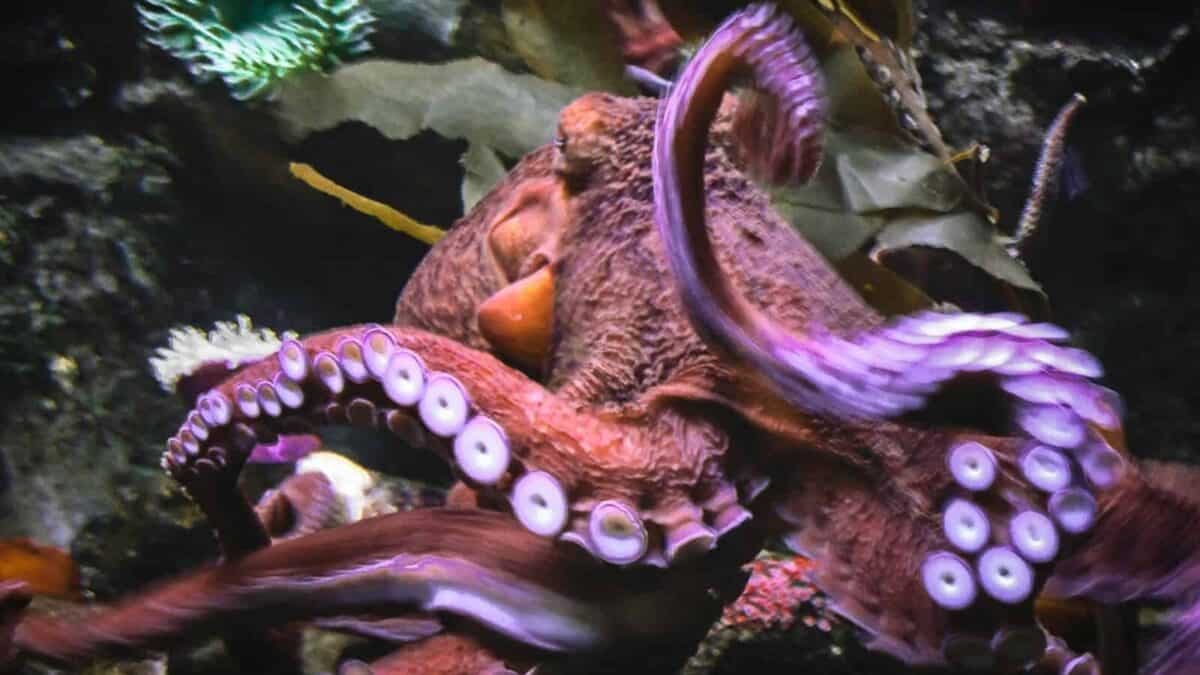
While the antechinus’s reproductive die-off is extreme among mammals, similar phenomena occur in other animal groups. Pacific salmon perhaps represent the most famous example, swimming upstream to spawn once before dying. Several marsupial mice in the genus Phascogale also show male die-off patterns similar to antechinus. Outside mammals, certain octopus species starve themselves while guarding their eggs, eventually dying after their young hatch. These examples of semelparity across diverse animal groups suggest it’s a viable evolutionary strategy under specific ecological conditions.
What makes the antechinus remarkable is being one of the few mammals to evolve this strategy. Mammals generally exhibit slow life histories with extended parental care and multiple reproductive events—a strategy called iteroparity. The antechinus represents an evolutionary experiment in an alternative approach, trading longevity for reproductive intensity. By studying these exceptions to typical mammalian patterns, biologists gain insights into the flexibility of life history strategies and the ecological conditions that favor different reproductive approaches.
Scientific Discoveries and Ongoing Research
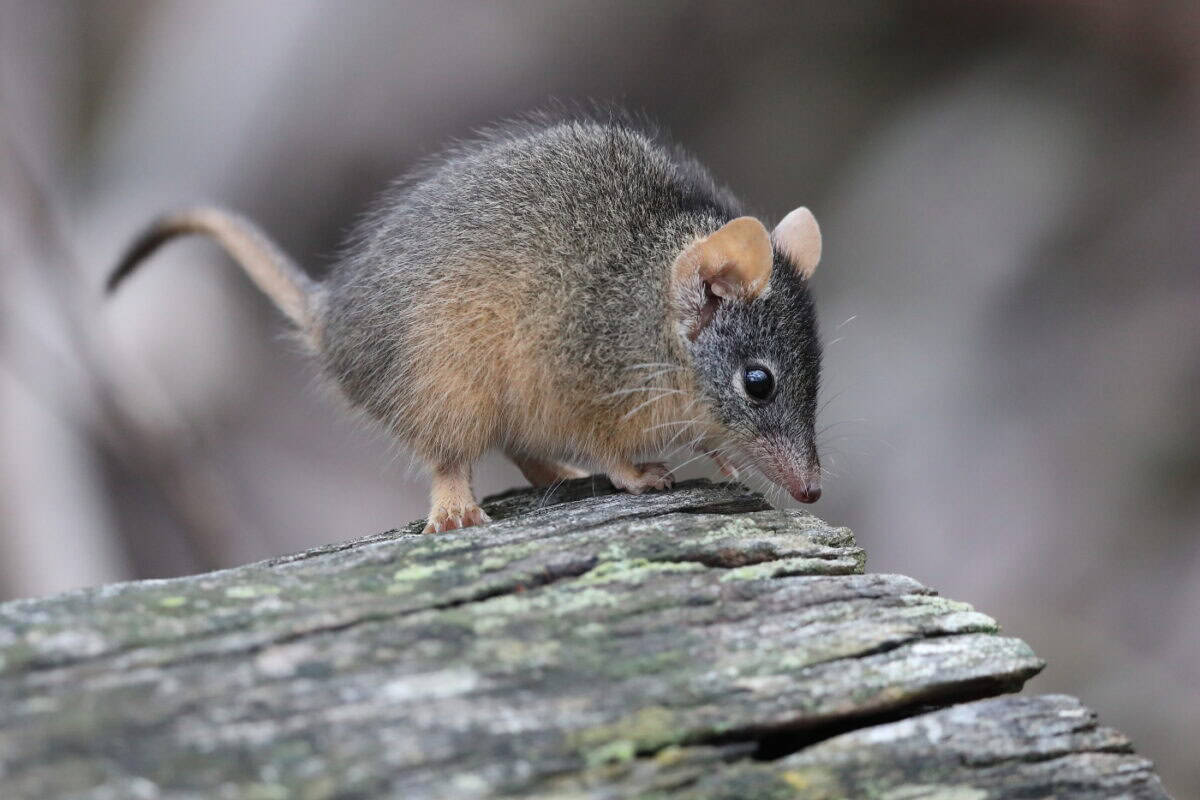
Research on antechinus continues to yield fascinating discoveries. The genus itself continues to expand, with several new species identified in the past decade. In 2014, researchers described the Black-tailed Antechinus (Antechinus arktos), found only in high-elevation areas of eastern Australia. Genetic studies have revealed complex evolutionary relationships between species and helped identify previously unknown populations. Physiological research explores the precise mechanisms of the programmed die-off, including the genetic and hormonal factors that trigger this remarkable process.
Current research also examines how changing environmental conditions affect antechinus populations. Studies tracking the timing of breeding seasons relative to insect availability help predict how climate change might impact their carefully evolved life cycle. Other research focuses on conservation applications, identifying critical habitat features and potential refuges for vulnerable populations. These small marsupials, once considered merely ecological curiosities, now serve as important subjects for understanding evolutionary adaptation, reproductive physiology, and conservation biology in a changing world.
Conclusion: Nature’s Extreme Reproductive Strategy
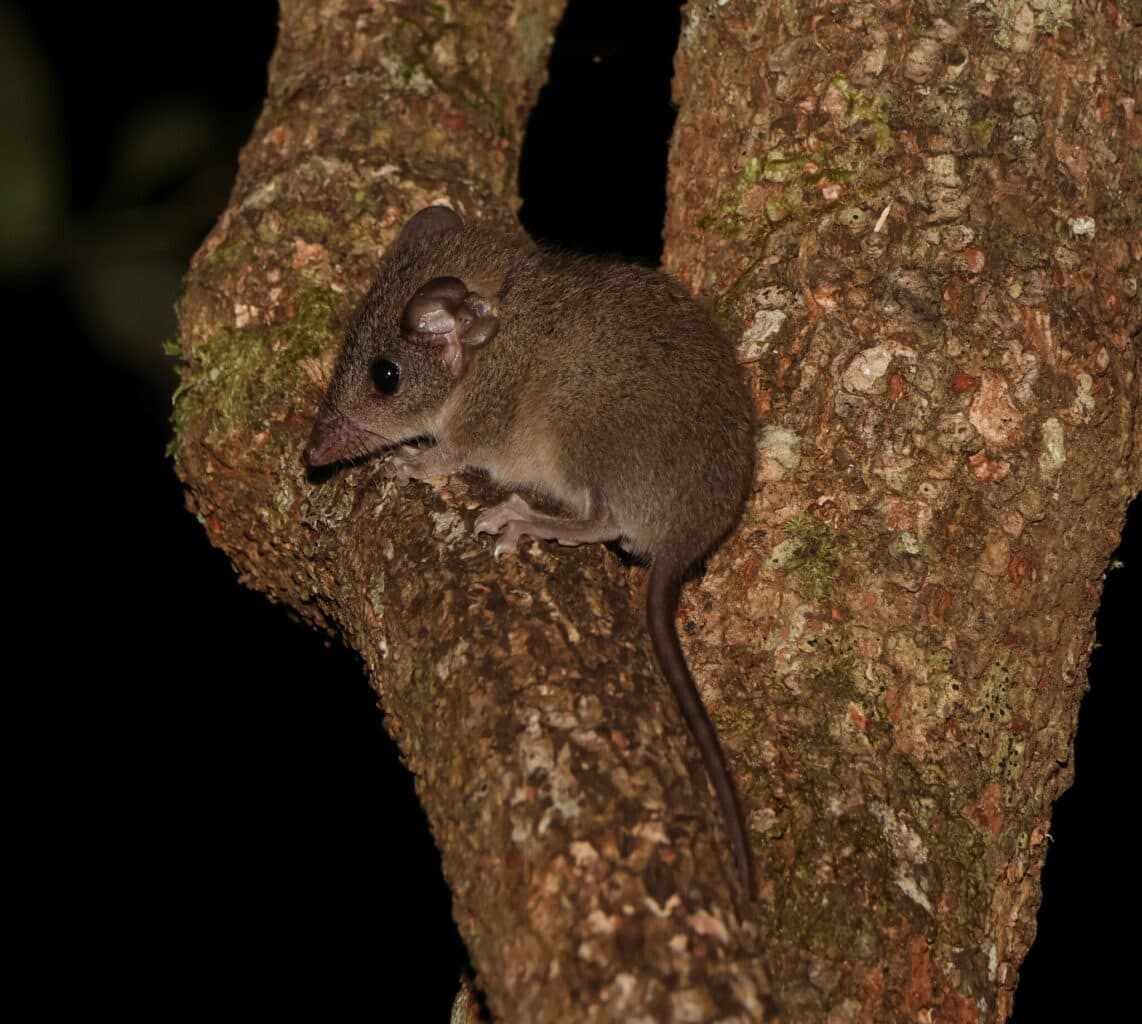
The male antechinus stands as a remarkable example of evolutionary specialization, demonstrating how natural selection can produce extreme life history strategies that seem counterintuitive at first glance. Its brief life—culminating in a reproductive frenzy that leads to programmed death—represents one of nature’s most dramatic sacrifices of individual survival for reproductive success. This strategy, while unusual among mammals, has proven successful enough to evolve independently in multiple antechinus species across thousands of years, suggesting it provides genuine adaptive advantages in their ecological niche.
As we continue to study these fascinating marsupials, they offer valuable lessons about the diversity of life history strategies in the animal kingdom and the trade-offs between reproduction and survival. They remind us that evolution doesn’t necessarily favor long life or individual survival, but rather the strategies that most effectively pass genes to the next generation. In the case of the antechinus, dying young after an exhausting reproductive effort has proven a successful, if dramatic, path through evolutionary time—a reminder of the extraordinary diversity of solutions that evolution has produced to life’s fundamental challenges.

From exploring the marine wonders in the Azores and witnessing the vast savannas of Kenya, to delving deep into the rich biodiversity of South Africa and traversing iconic landscapes in Australia and the US like Yellowstone, Chris's experiences are vast.
With a penchant for diving alongside sharks, the ocean holds a special place in his heart.
Through his academic insights, he champions wildlife conservation, striving with 'Animals Around The Globe' to cultivate a profound connection between humans and animals, enhancing our mutual appreciation.
Connect with him at Feedback@animalsaroundtheglobe.com.
- Why Ants Farm Aphids for Sugar - June 12, 2026
- The Truth About Hyena Behavior vs. The Lion King’s Villains - June 12, 2026
- The Only Animal That Can Survive Being Frozen Solid for Months - June 12, 2026