

Over the past few decades, an unlikely spiny mammal has won the hearts of exotic pet enthusiasts across the globe. The African Pygmy Hedgehog (Atelerix albiventris), native to central and eastern Africa, has emerged as the most popular hedgehog breed kept as pets. This small nocturnal creature, measuring just 6-9 inches in length, has experienced a remarkable surge in popularity since the 1980s when they first began appearing in the American pet trade.
What makes these diminutive animals so appealing is their unique combination of exotic appeal and manageable care requirements compared to other unusual pets. Unlike their European hedgehog cousins, which are protected in many countries and cannot legally be kept as pets, African Pygmy Hedgehogs have found a niche in the exotic pet market. Their compact size, distinctive appearance, and relatively straightforward care needs have positioned them as an ideal alternative for those seeking a pet more unique than traditional cats and dogs, yet less demanding than many exotic species.
The Perfect Size for Modern Living

One of the most compelling reasons for the African Pygmy Hedgehog’s popularity is its convenient size. These hedgehogs typically weigh between 12-24 ounces (about 340-680 grams) when fully grown, making them substantially smaller than their European counterparts. This compact stature makes them ideal companions for people living in apartments or smaller homes where space for pets might be limited. Their enclosure requirements are modest compared to many other exotic pets, with a minimum recommended cage size of 2 square feet, though larger is always better for their wellbeing.
The manageable size of African Pygmy Hedgehogs also makes them easier to handle and transport when necessary. Many owners appreciate being able to carry their hedgehog in specialized small animal carriers for veterinary visits or even in hedgehog-safe pouches during supervised outings. Their size also means they consume relatively small amounts of food and produce minimal waste, making them economical to keep compared to larger pets—a significant consideration for many modern pet owners facing rising living costs.
Low Maintenance Care Requirements
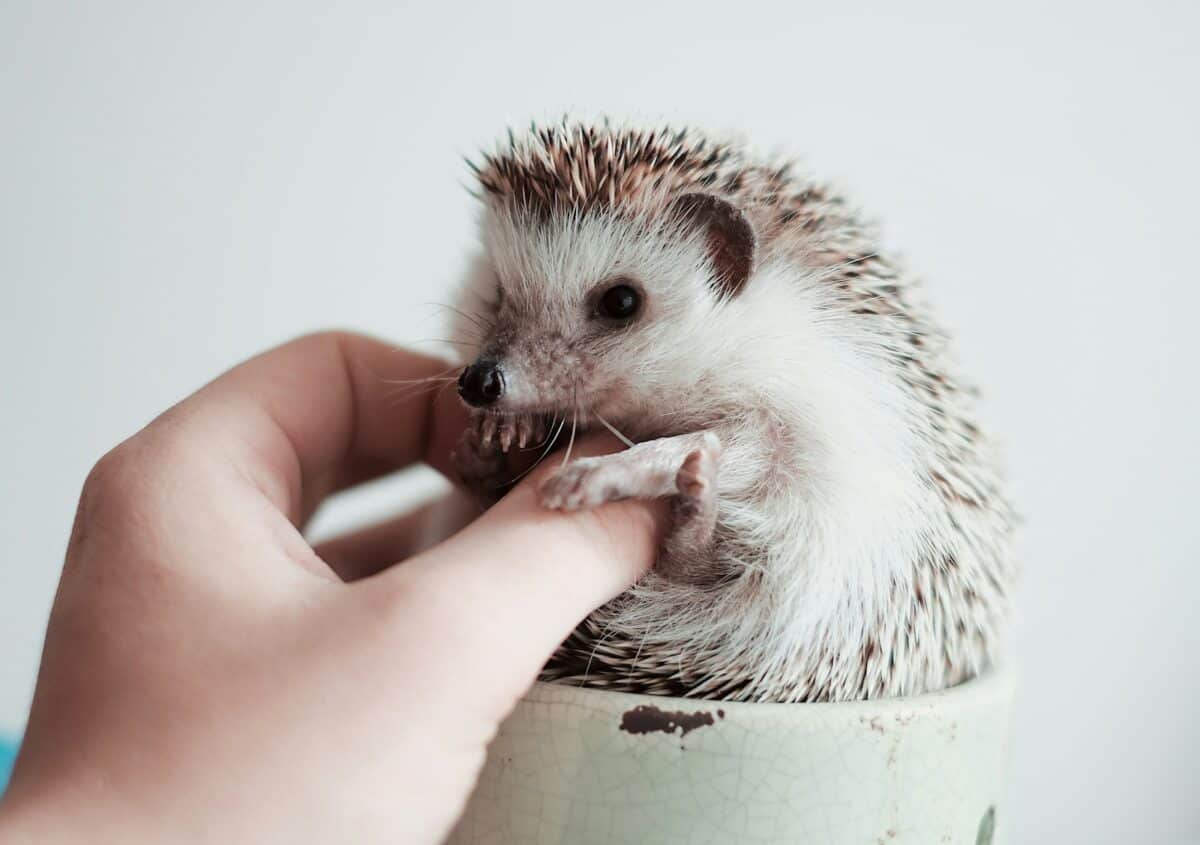
Compared to many traditional and exotic pets, African Pygmy Hedgehogs have relatively straightforward care needs. Their diet consists primarily of high-quality cat food supplemented with insects like mealworms and crickets, occasional fruits and vegetables, and specialized hedgehog food where available. They don’t require daily walks like dogs, complex environmental enrichment like many birds and primates, or the elaborate habitat setups needed for reptiles and amphibians. This makes them particularly appealing to first-time exotic pet owners or those with busy lifestyles.
Hedgehogs are also naturally clean animals that typically use a designated bathroom area in their enclosure, making cage maintenance more manageable. They require a weekly cage cleaning, occasional nail trimming, and rare baths only when necessary. These modest care requirements don’t mean they should be neglected, but rather that they fit well into the lifestyles of many pet owners who might not have the time or resources for more demanding animals. This balance of exotic appeal with practical care needs has significantly contributed to their rising popularity.
Unique Appearance and Adorable Behaviors

The distinctive appearance of African Pygmy Hedgehogs has undoubtedly contributed to their appeal. Their coat of short quills (which are actually modified hairs) covering their back and sides creates an unmistakable silhouette that many find charming. Unlike porcupine quills, hedgehog quills don’t easily detach and aren’t barbed, making them safer to handle. These hedgehogs come in a variety of color patterns—from salt and pepper to cinnamon, albino, and pinto—adding to their visual appeal and allowing owners to select pets with unique appearances.
Beyond their looks, African Pygmy Hedgehogs exhibit endearing behaviors that have made them social media darlings. Their defensive “balling up” reflex, where they curl into a protective ball with quills pointing outward, is both a fascinating natural defense mechanism and utterly adorable to witness. Many owners delight in watching their hedgehogs explore their surroundings, dig in bedding material, or engage in “self-anointing”—a curious behavior where they encounter new scents, create a frothy saliva, and apply it to their quills. These quirky behaviors provide entertainment and create strong bonds between hedgehogs and their human caregivers.
Hypoallergenic Qualities for Allergy Sufferers

For many potential pet owners, allergies present a significant barrier to adopting furry companions. African Pygmy Hedgehogs offer a viable alternative for some allergy sufferers. While no animal is completely hypoallergenic, hedgehogs produce fewer allergens than many traditional pets like cats and dogs. Their quills are made of keratin rather than fur, and they shed less dander than many mammals. This reduced allergen production means some people who react strongly to cats or dogs can live comfortably with a hedgehog.
It’s important to note that individual sensitivity varies, and some people may still experience allergic reactions to hedgehog urine or saliva. However, for many moderate allergy sufferers seeking companionship, African Pygmy Hedgehogs represent a chance to enjoy pet ownership without the constant symptoms that might come with more traditionally allergenic animals. This feature has opened the door to pet ownership for many who previously thought it impossible, further expanding the hedgehog’s appeal across diverse populations of potential owners.
Solitary Nature Suits Modern Lifestyles

Unlike many pets that require extensive social interaction with their own kind, African Pygmy Hedgehogs are naturally solitary creatures. In the wild, they typically come together only for mating purposes and otherwise lead independent lives. This solitary nature translates well to captivity, where they not only tolerate but actually prefer living alone. This characteristic makes them particularly well-suited to owners who can only accommodate one pet or who worry about the complex social dynamics that can develop between multiple animals of other species.
The independent nature of these hedgehogs also means they don’t suffer from separation anxiety when their owners are away for work or travel. While they still need daily care and regular handling to remain socialized with humans, they don’t experience the distress that more social animals might feel when left alone for reasonable periods. For working professionals, students, or anyone with a busy lifestyle that involves time away from home, this self-sufficient temperament makes African Pygmy Hedgehogs a practical and ethical pet choice that aligns with contemporary living patterns.
Reasonable Lifespan Commitment

Pet ownership always involves a commitment to care for an animal throughout its natural lifespan. The African Pygmy Hedgehog offers a middle ground in terms of longevity that many find appealing. With proper care, these hedgehogs typically live 4-7 years in captivity. This represents a significant but not overwhelming time commitment compared to parrots that may live for decades or some reptiles with 20+ year lifespans. For many, particularly younger adults or those unsure of their long-term living situations, this moderate lifespan represents a reasonable commitment period.
This timeframe allows owners to form meaningful bonds with their hedgehog companions while still accommodating the reality that life circumstances can change dramatically over very long periods. The relatively predictable lifespan also helps potential owners make informed decisions about their ability to provide lifelong care, reducing the likelihood of hedgehogs being surrendered or rehomed due to unanticipated longevity. For many responsible pet owners, this manageable commitment window strikes an ideal balance between fleeting and excessive duration.
Nocturnal Schedule Compatibility

The nocturnal nature of African Pygmy Hedgehogs makes them particularly compatible with the schedules of many working adults. These animals naturally sleep during daylight hours and become active in the evening and throughout the night. For people who work traditional daytime hours, this means their hedgehog is typically sleeping while they’re away and becomes active during evening hours when owners are home and available to interact. This natural alignment reduces the guilt many pet owners feel about leaving animals alone during work hours.
This schedule compatibility extends to noise considerations as well. Unlike some pets that may vocalize during daytime hours when neighbors in apartments or shared living situations might be disturbed, hedgehogs conduct most of their activities during night hours when ambient noise concerns are reduced. While hedgehogs do make use of exercise wheels that can create noise, modern silent spinner wheels have largely addressed this issue. For many urban dwellers or those with sensitive living arrangements, the quiet nature and nocturnal habits of these small mammals represent significant practical advantages over more vocal or diurnal pets.
Minimal Odor Compared to Other Small Pets

One of the practical considerations that has boosted the popularity of African Pygmy Hedgehogs is their relatively low odor profile compared to many other small mammals kept as pets. Hedgehogs themselves have very little body odor, and when their enclosures are properly maintained, they produce minimal smell. Unlike ferrets, which have distinctive musk glands, or hamsters and mice, which can develop strong ammonia odors from urine, hedgehogs tend to be quite inoffensive to the human nose when kept in clean conditions.
This characteristic makes them particularly suitable for apartment living or situations where strong pet odors might be problematic. Many hedgehog owners report being able to keep their pets in bedrooms or living areas without the space developing unpleasant smells, something that would be challenging with many other small mammals. Regular cage cleaning once or twice weekly is typically sufficient to maintain a fresh-smelling environment, making hedgehogs a consideration even for those who are sensitive to animal odors or who live in close quarters where strong smells would be particularly noticeable.
Social Media and Pop Culture Influence

The rise of social media platforms has significantly contributed to the popularity of African Pygmy Hedgehogs as pets. Their photogenic qualities—particularly their tiny size, distinctive quills, and expressive faces—make them ideal subjects for viral content. Instagram accounts dedicated to pet hedgehogs can amass hundreds of thousands of followers, while YouTube videos featuring hedgehogs exploring, eating, or simply being cute regularly attract millions of views. This high visibility has introduced these animals to potential owners who might never have considered exotic pets previously.
Beyond social media, hedgehogs have permeated popular culture in numerous ways that have raised their profile. From Sonic the Hedgehog in video games to children’s books featuring hedgehog characters, these spiny mammals have become cultural icons that resonate with many people. This increased visibility and positive portrayal have contributed to a growing interest in keeping them as pets. While this popularity is generally positive for the appreciation of these animals, it has also raised concerns about impulse purchases by owners unprepared for their specific care needs—a reminder of the importance of thorough research before acquiring any exotic pet.
Legal in More Jurisdictions Than Other Exotics

The legal landscape for exotic pet ownership varies dramatically across different regions, but African Pygmy Hedgehogs enjoy legal status in more places than many other unusual pets. While they are prohibited in some areas such as California, Hawaii, and Pennsylvania in the United States (primarily due to concerns about potential environmental impact if released), they remain legal in the majority of U.S. states and many countries worldwide. This wider legal acceptance has contributed significantly to their status as the most common hedgehog kept as a pet, as potential owners in many regions can acquire them without legal concerns.
The relative legal permissiveness toward African Pygmy Hedgehogs compared to other exotic mammals reflects their lower risk profile. They pose minimal threat to native ecosystems in most regions if accidentally released, as they typically cannot survive in the wild outside their native climate zones. They also don’t present significant public health concerns compared to some other exotic species. This favorable legal status has allowed breeding programs to develop more extensively and pet ownership to flourish across wider geographic areas than is possible with more heavily restricted exotic animals.
Conclusion: The Perfect Balance of Exotic and Practical

The remarkable popularity of African Pygmy Hedgehogs as pets can be attributed to their unique position at the intersection of exotic appeal and practical ownership. They offer the distinctiveness and conversation-starting qualities of an unusual pet while still being manageable in terms of size, care requirements, and lifespan. This balance has made them accessible to a broader range of potential owners than many other exotic species that demand specialized knowledge or extensive resources.
As with any pet, responsible ownership remains essential, and potential hedgehog parents should thoroughly research their needs before bringing one home. Proper diet, temperature control, veterinary care from exotic specialists, and regular handling are all crucial components of responsible hedgehog keeping. For those willing to meet these needs, African Pygmy Hedgehogs offer a rewarding and unique pet ownership experience that explains their enduring popularity.
Their rise to becoming the most popular pet hedgehog species represents a broader trend in exotic pet keeping—a movement toward animals that can be reasonably accommodated within typical home environments while still offering something different from traditional pets. As education about proper hedgehog care continues to improve and specialized products become more widely available, these charming creatures are likely to maintain their position as the favored hedgehog breed for pet enthusiasts seeking something a little different in their animal companions.
Whether they’re curled up sleeping in their hideaway or exploring their environment with curious sniffing, African Pygmy Hedgehogs have undeniably carved out a special place in the world of pet keeping, bringing joy and companionship to thousands of dedicated owners worldwide.

- The Story of the Arctic Fox’s Incredible Seasonal Transformation - July 18, 2026
- 10 Most Venomous Snakes in US National Parks - July 18, 2026
- The Moth That Drinks Blood - July 18, 2026