


Imagine meeting someone who was alive when your great-great-great-grandparents were children. Picture shaking hands with a creature that witnessed the American Civil War, both World Wars, and the first moon landing. This isn’t science fiction – it’s the remarkable reality of Jonathan, a Seychelles giant tortoise living on the island of St. Helena, who at an estimated 192 years old holds the title of the world’s oldest known living land animal.
Meet Jonathan: The Ancient Giant of St. Helena
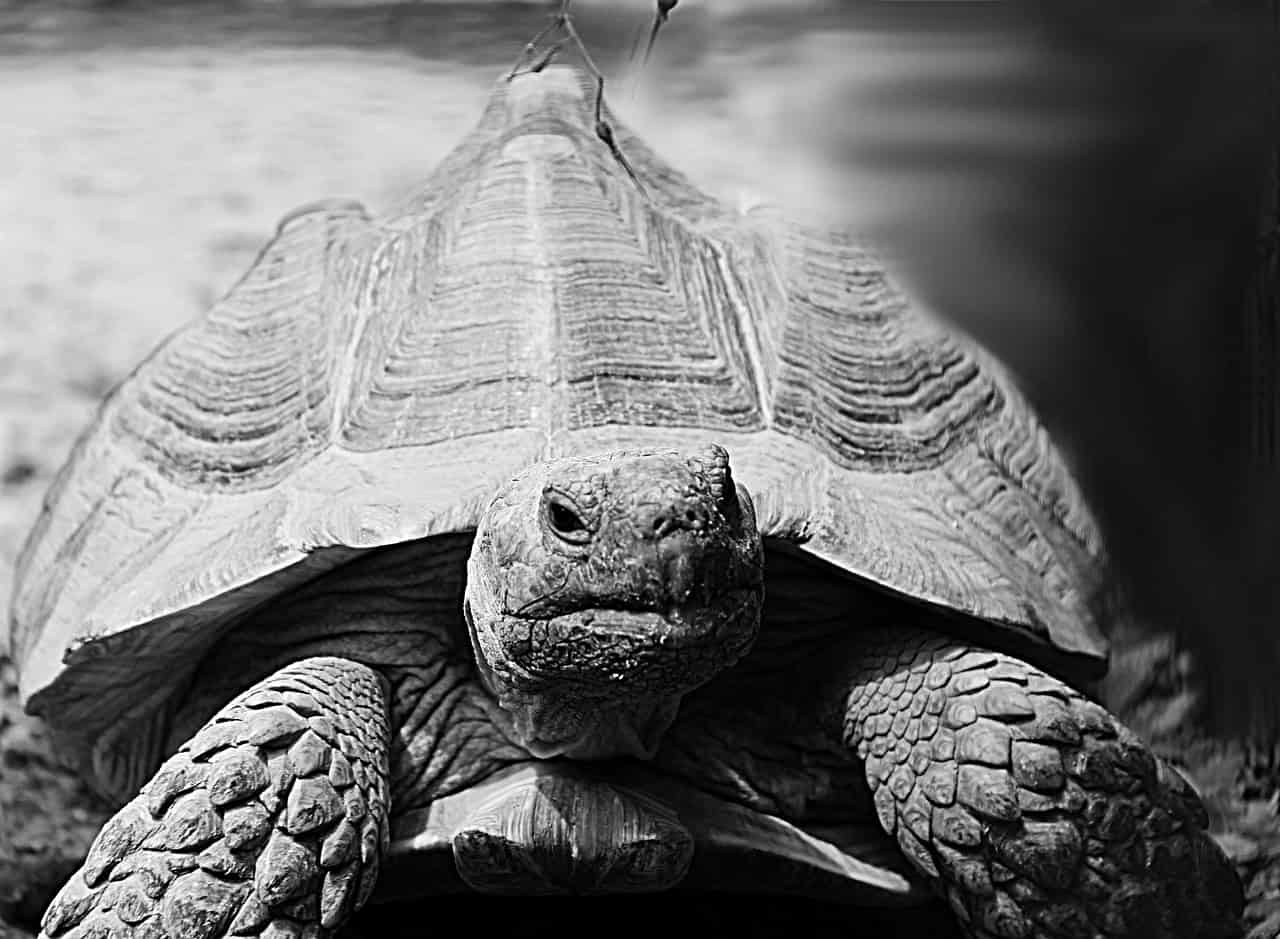
Jonathan arrived on St. Helena in 1882 as a gift to the British governor, and even then, he was already considered a mature adult. Scientists estimate he hatched around 1832, making him older than the invention of the telephone, the light bulb, and even the photograph. His shell bears the scars of nearly two centuries of life, weathered by time but still carrying him through his daily routines on the governor’s lawn.
Standing at about three feet tall and weighing roughly 440 pounds, Jonathan moves with the deliberate pace that has served him well for almost two centuries. His massive shell, now smooth from age, tells stories of survival that span from the Victorian era to the digital age. What makes Jonathan truly special isn’t just his age – it’s his continued vitality and the window he provides into a world that existed long before any of us were born.
The Incredible Journey from Young Tortoise to Living Legend
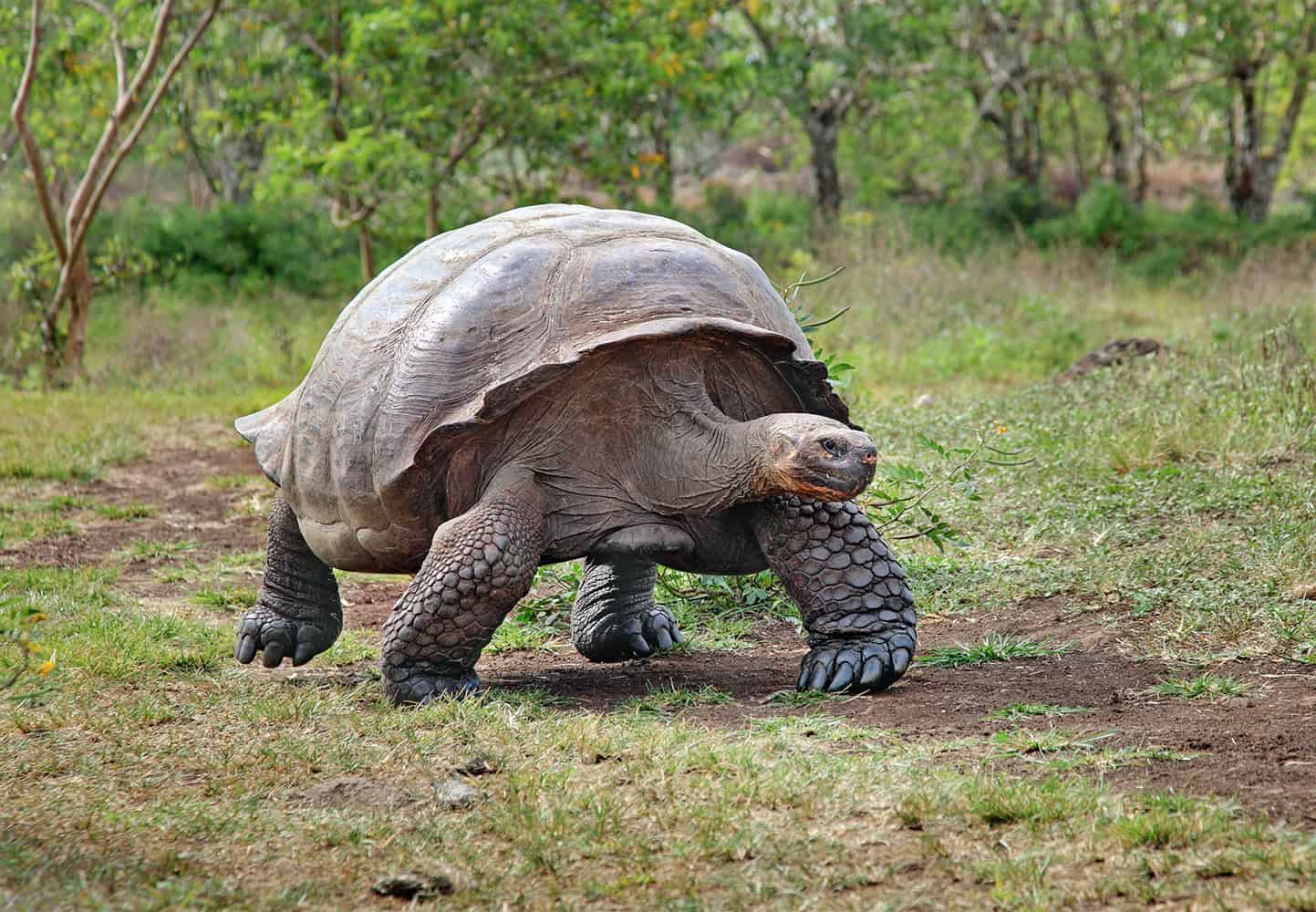
When Jonathan first set foot on St. Helena, Queen Victoria was still on the throne, and the island served as a remote British outpost in the South Atlantic. The tortoise was estimated to be around 50 years old when he arrived, already an impressive age for most animals. His journey from the Seychelles to St. Helena marked the beginning of what would become one of the most documented animal lifespans in history.
During his early decades on the island, Jonathan witnessed the final years of the age of sail and the rise of steam power. Ships would dock at the island carrying news from around the world, while Jonathan quietly grazed on the governor’s grounds, unknowingly becoming part of a living historical record. His presence has been documented through multiple generations of governors, each marking their tenure alongside this ancient resident.
How Scientists Determined Jonathan’s Remarkable Age

Determining Jonathan’s exact age required detective work spanning historical records and biological analysis. The key evidence came from a photograph taken in the 1880s showing Jonathan alongside a second tortoise, both already fully grown adults. Since giant tortoises reach maturity at around 50 years old, researchers could work backward to estimate his birth year.
Additional documentation from the St. Helena government archives provided crucial timeline markers. Records show that Jonathan was a gift from the Seychelles, arriving as part of a small group of tortoises intended to establish a population on the island. The combination of photographic evidence, historical records, and knowledge of tortoise growth patterns allowed scientists to confidently place Jonathan’s birth around 1832.
The Secret Behind Tortoise Longevity

Giant tortoises like Jonathan possess several biological advantages that contribute to their extraordinary lifespans. Their slow metabolism means they burn energy at a fraction of the rate of most animals, reducing cellular damage over time. Their large size also provides protection from predators and environmental stresses that might shorten the lives of smaller creatures.
Research has shown that giant tortoises have evolved unique cellular repair mechanisms that help prevent age-related diseases. Their DNA repair systems work more efficiently than those of shorter-lived animals, and they show remarkable resistance to cancer despite their long lifespans. These biological adaptations, combined with their peaceful island environment, create ideal conditions for extreme longevity.
Jonathan’s Daily Life in the Modern Era

Today, Jonathan spends his days grazing on the lush lawns of Plantation House, the governor’s residence on St. Helena. His routine has remained remarkably consistent throughout his long life – he wakes with the sun, slowly makes his way to his favorite grazing spots, and spends the warm hours of the day resting in the shade. His favorite foods include grass, fallen fruits, and the occasional treat provided by his caretakers.
Despite his advanced age, Jonathan maintains an active social life with the other tortoises on the property. He shares his home with three other giant tortoises: David, Emma, and Fred, though none come close to matching his incredible age. Visitors often observe Jonathan’s patient, methodical approach to life, watching him navigate his territory with the confidence of someone who has called this place home for nearly 150 years.
The Challenges of Caring for a 192-Year-Old Tortoise
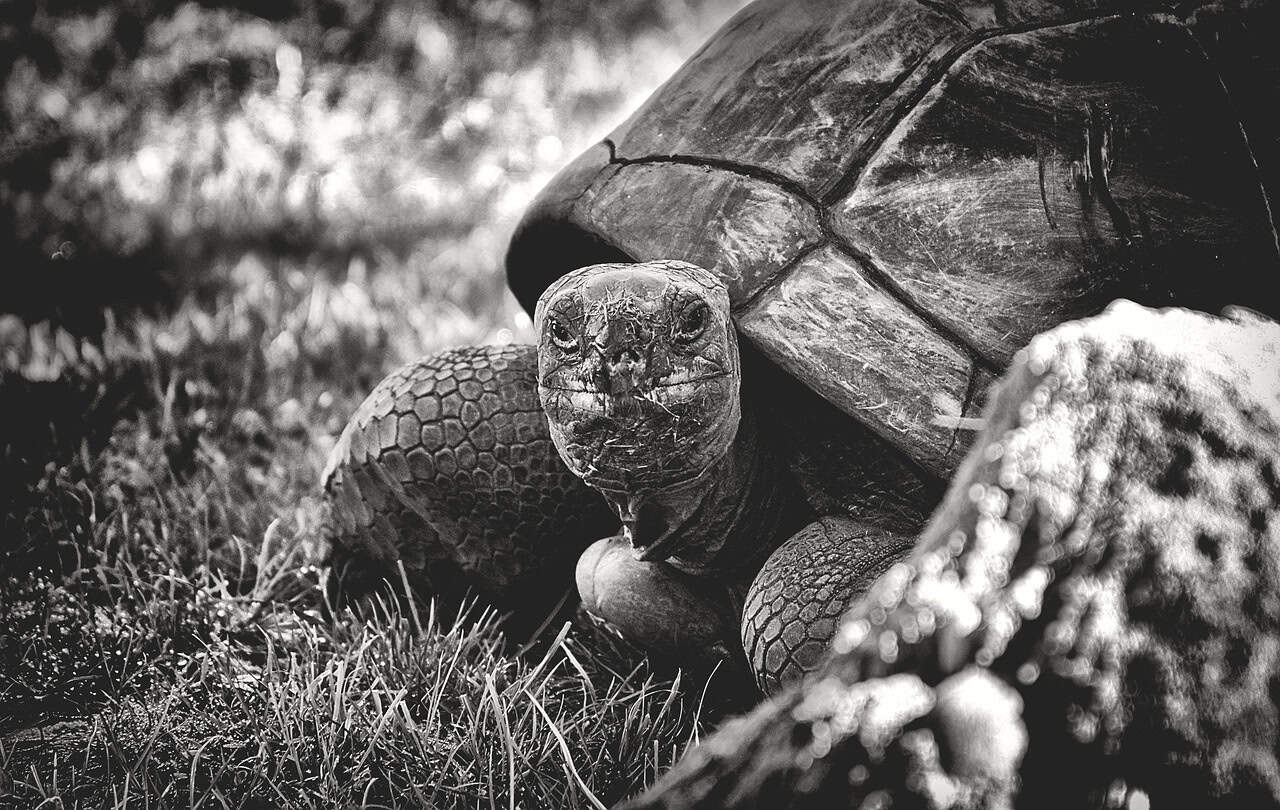
Caring for Jonathan requires specialized knowledge and dedicated attention from veterinarians familiar with giant tortoise biology. As he has aged, his senses have diminished – he has lost most of his eyesight and hearing, relying primarily on smell and touch to navigate his world. His beak has also lost its sharp edge, making it difficult for him to bite through tougher vegetation.
The St. Helena government provides dedicated care for Jonathan, including regular veterinary check-ups and a supplemented diet to ensure he receives proper nutrition. His caretakers hand-feed him softer foods and provide additional vitamins to support his health. This level of care demonstrates the island’s commitment to preserving their most famous resident and ensuring his comfort in his golden years.
Jonathan’s Place in the Guinness Book of World Records
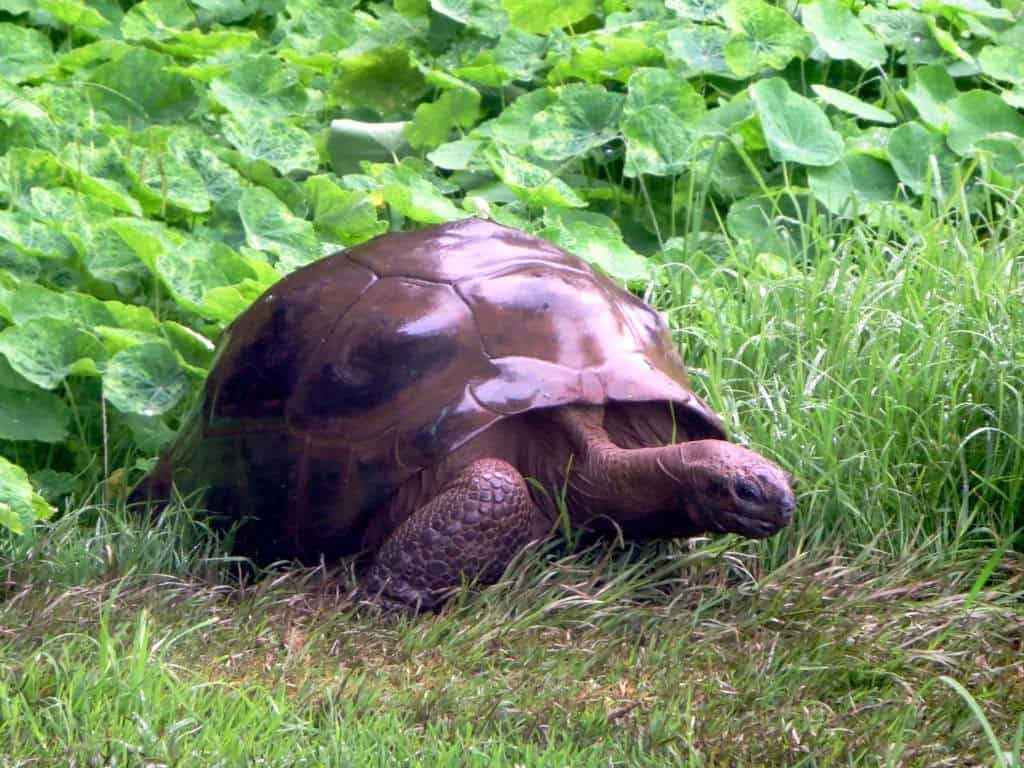
Jonathan officially holds the Guinness World Record as the oldest known living land animal, a title he has held for several years. The verification process required extensive documentation, including historical photographs, government records, and expert testimony from tortoise specialists. This recognition has brought international attention to both Jonathan and St. Helena, highlighting the remarkable nature of his longevity.
The record brings with it both pride and responsibility for the island community. Jonathan has become a symbol of endurance and survival, representing the power of nature to create truly extraordinary individuals. His record-breaking age continues to fascinate scientists studying aging and longevity, providing valuable insights into the biological mechanisms that allow some animals to live for centuries.
Historical Events Jonathan Has Witnessed
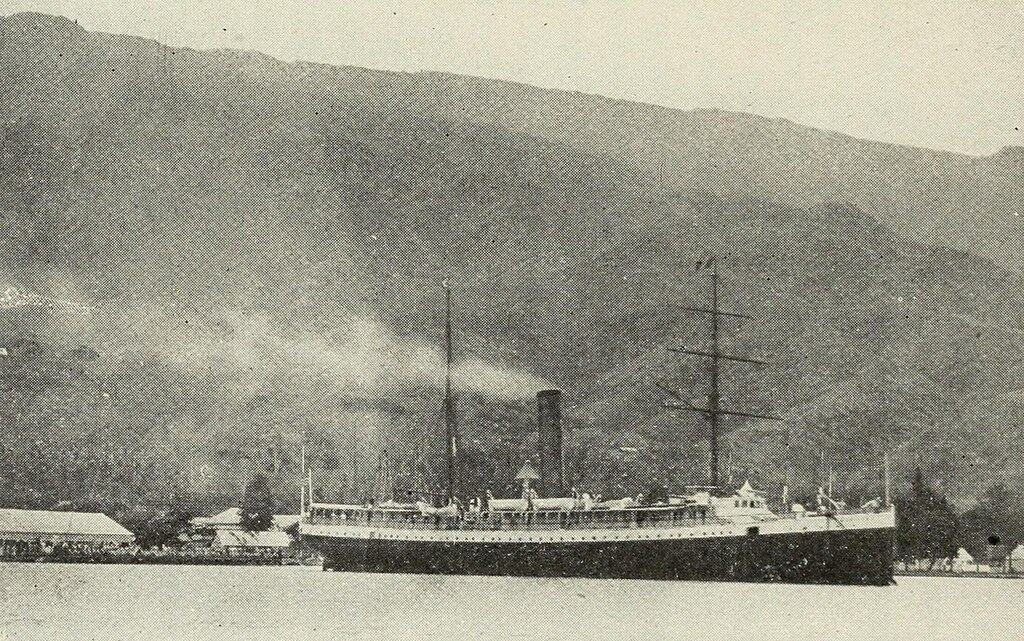
Jonathan’s lifespan encompasses some of the most significant events in human history. He was alive during the American Civil War, witnessed the entire reign of Queen Victoria, and has lived through two world wars. When the Wright brothers made their first flight in 1903, Jonathan was already 71 years old, watching from his island home as the world began to change at an unprecedented pace.
He has survived the sinking of the Titanic, the Spanish flu pandemic, the Great Depression, and countless other historical moments that shaped the modern world. From his perspective on St. Helena, Jonathan has watched ships evolve from sail to steam to modern vessels, seen the arrival of radio, television, and eventually the internet age. His longevity provides a unique biological bridge connecting the Victorian era to the present day.
The Science of Extreme Longevity in Reptiles

Giant tortoises like Jonathan represent some of the most successful examples of longevity in the animal kingdom. Scientists study these creatures to understand the biological mechanisms that allow them to live for centuries without the age-related diseases that affect shorter-lived animals. Their slow cellular division rates and efficient DNA repair systems contribute significantly to their extended lifespans.
Research has shown that giant tortoises possess unique genes related to tumor suppression and cellular repair that function differently from those in other animals. Their immune systems remain surprisingly robust even at advanced ages, and they show little evidence of the cellular senescence that typically accompanies aging in other species. These discoveries have important implications for understanding aging processes and potentially developing treatments for age-related diseases in humans.
Conservation Efforts Inspired by Jonathan’s Story
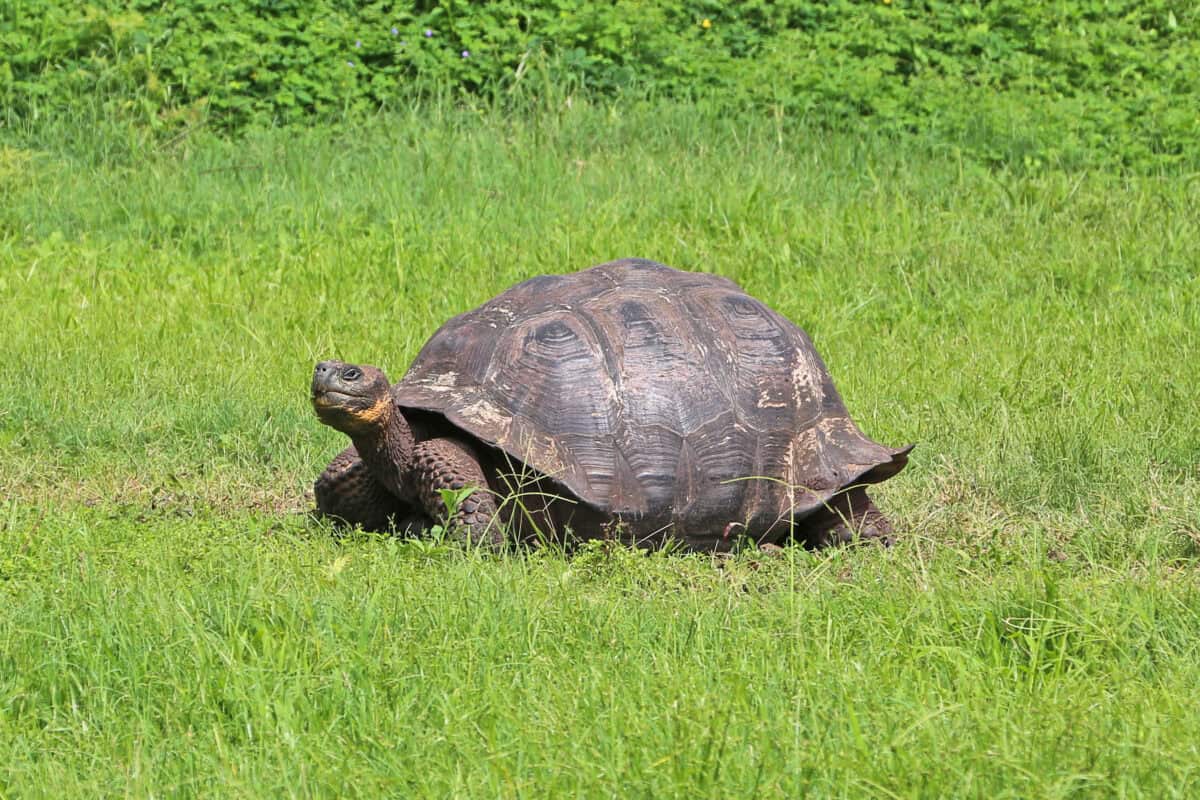
Jonathan’s fame has brought increased attention to the conservation needs of giant tortoises worldwide. His story highlights the importance of protecting these magnificent creatures and their habitats, as many species face threats from habitat loss, climate change, and human interference. Conservation organizations use Jonathan’s example to demonstrate the incredible lifespans these animals can achieve when properly protected.
The success of Jonathan’s long life on St. Helena has informed conservation strategies for other giant tortoise populations. His care regimen, including dietary management and medical monitoring, has been adapted for use in other conservation programs. The lessons learned from maintaining Jonathan’s health provide valuable guidance for protecting other aging giant tortoises in captivity and in the wild.
The Island Community’s Relationship with Jonathan

For the residents of St. Helena, Jonathan is more than just a record-holding tortoise – he’s a beloved member of the community who has become part of the island’s identity. Generations of families have grown up knowing Jonathan, with grandparents sharing stories of the ancient tortoise with their grandchildren. His presence provides a sense of continuity and connection to the island’s past.
Local schools regularly bring children to visit Jonathan, teaching them about conservation, biology, and the importance of respecting wildlife. These educational visits help foster a sense of stewardship among young islanders, ensuring that future generations will continue to care for Jonathan and appreciate the natural world. The tortoise has become an unofficial ambassador for St. Helena, representing the island’s commitment to wildlife preservation.
Jonathan’s Diet and Nutritional Needs

Maintaining proper nutrition for a 192-year-old tortoise requires careful attention to dietary needs that change with age. Jonathan’s natural diet consists primarily of grass, leaves, and fallen fruits, but his caretakers supplement this with specially prepared foods to ensure he receives adequate nutrition. As his ability to bite and chew has diminished with age, softer foods have become increasingly important.
Veterinarians monitor Jonathan’s weight and overall condition regularly, adjusting his diet as needed to maintain optimal health. His meals often include hand-cut vegetables, fruits, and specially formulated tortoise pellets that provide essential vitamins and minerals. The careful attention to his nutritional needs demonstrates the level of commitment required to care for such an ancient animal and helps ensure his continued well-being.
Medical Care for the World’s Oldest Tortoise

Providing medical care for Jonathan requires specialized knowledge of giant tortoise physiology and the unique challenges of treating such an elderly animal. Regular health assessments help monitor his condition and identify any potential problems before they become serious. His veterinary team includes experts in reptile medicine who understand the specific needs of aging giant tortoises.
Common health concerns for Jonathan include maintaining proper hydration, preventing respiratory infections, and managing the effects of his diminished senses. His caretakers must be vigilant about environmental conditions, ensuring that he has access to appropriate shelter and that his living area remains clean and safe. The medical protocols developed for Jonathan’s care have contributed to the broader understanding of geriatric veterinary medicine for reptiles.
The Role of Climate in Jonathan’s Longevity
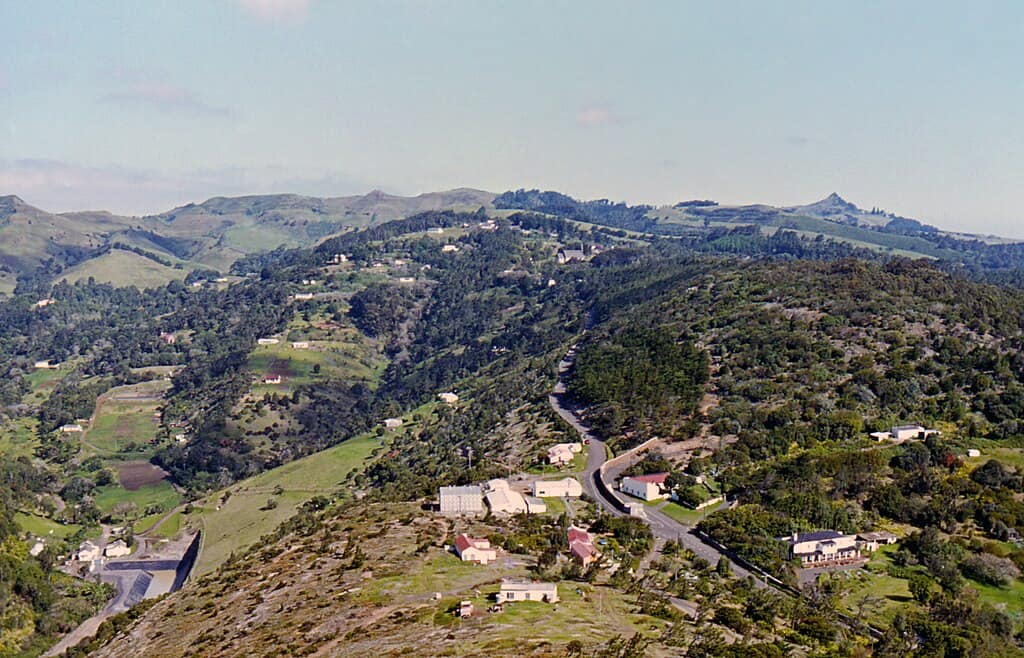
St. Helena’s stable, temperate climate has likely contributed significantly to Jonathan’s remarkable longevity. The island’s location in the South Atlantic provides moderate temperatures year-round, without the extreme seasonal variations that might stress an aging animal. This consistent environment has allowed Jonathan to maintain regular activity patterns throughout his long life.
The island’s isolation has also protected Jonathan from many of the diseases and environmental stressors that might affect tortoises in other locations. The absence of natural predators and the relatively pristine environment have created ideal conditions for his extended lifespan. Climate scientists studying Jonathan’s longevity note that stable environmental conditions may be crucial factors in achieving extreme ages in long-lived species.
Jonathan’s Behavior and Personality
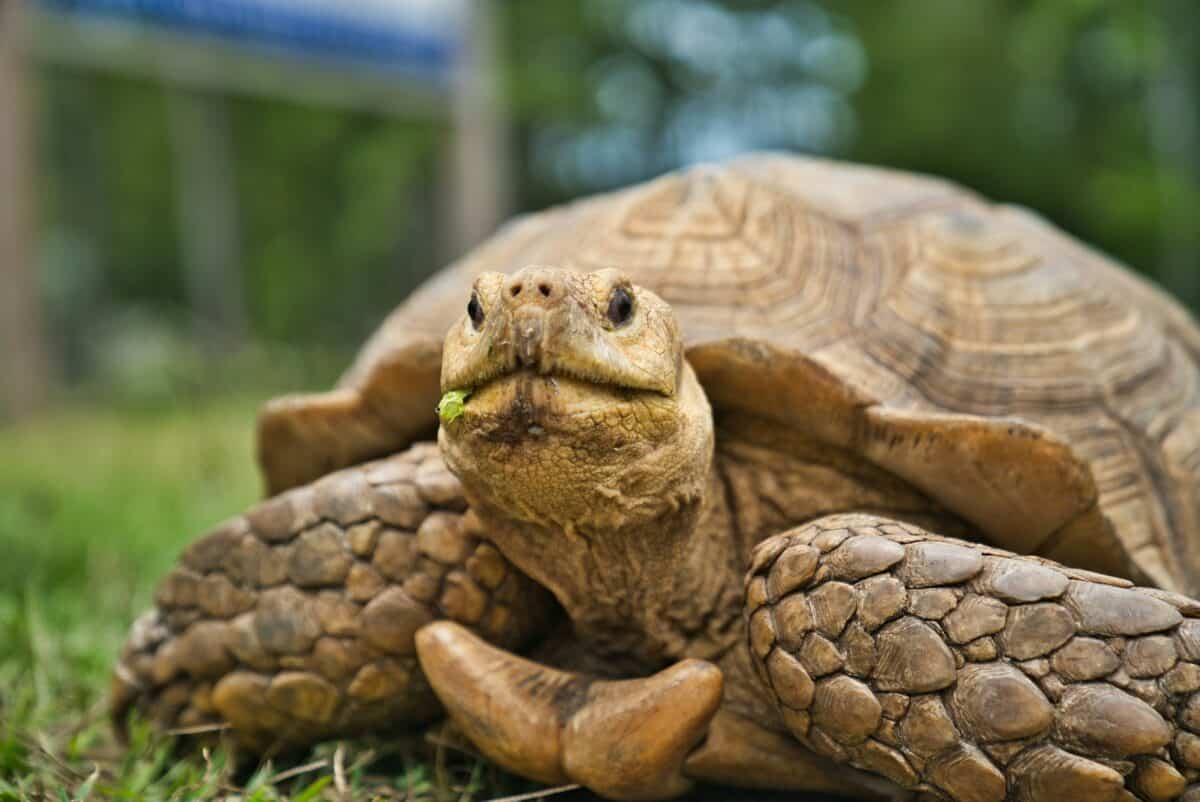
Despite his advanced age, Jonathan maintains distinctive personality traits that have endeared him to caretakers and visitors alike. He shows preferences for certain foods and locations, demonstrating that his cognitive abilities remain intact despite his sensory limitations. His gentle demeanor and patient nature have made him a favorite among the staff at Plantation House.
Observers note that Jonathan exhibits complex social behaviors with the other tortoises, suggesting that his emotional and intellectual capacities have remained remarkably preserved. He recognizes his caretakers and responds to their presence, showing that the bonds formed over decades of care continue to influence his behavior. These personality traits remind visitors that Jonathan is not just a biological curiosity but a sentient being with his own preferences and relationships.
The Future of Jonathan’s Care
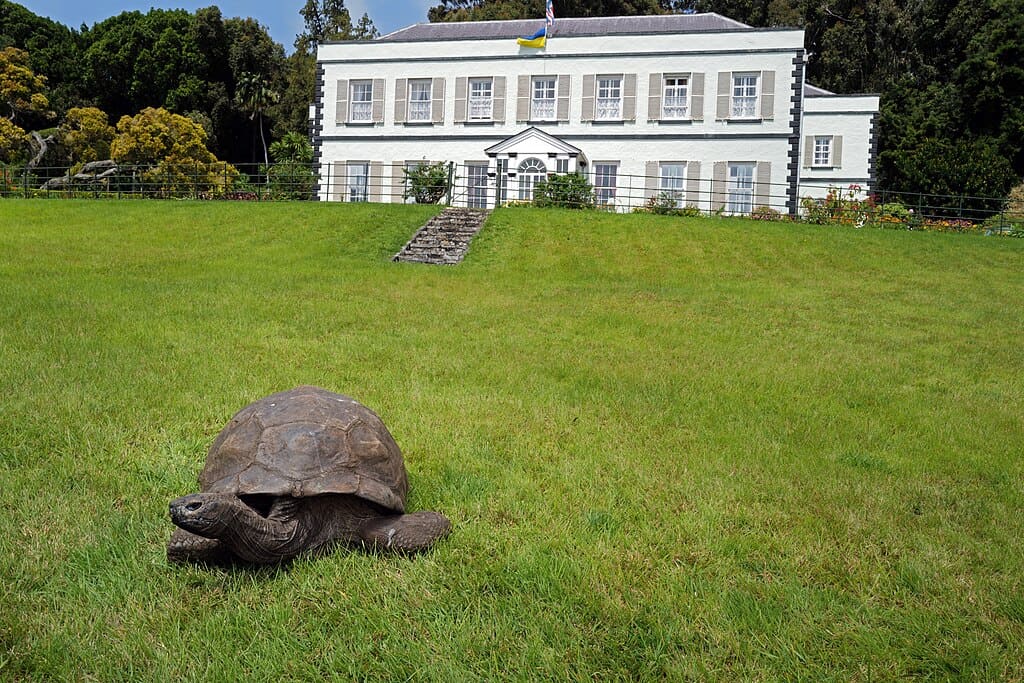
Planning for Jonathan’s continued care requires long-term thinking and careful resource allocation. The St. Helena government has committed to providing him with the best possible care for the remainder of his life, however long that may be. This commitment includes maintaining specialized veterinary expertise and ensuring that his living conditions remain optimal.
Succession planning for Jonathan’s care team ensures that knowledge about his specific needs will be preserved as current caretakers retire or move on. Training programs help prepare new staff members to understand the unique requirements of caring for such an ancient animal. The island’s dedication to Jonathan’s well-being reflects both their affection for him and their recognition of his importance to scientific understanding of longevity.
Jonathan’s Impact on Scientific Research
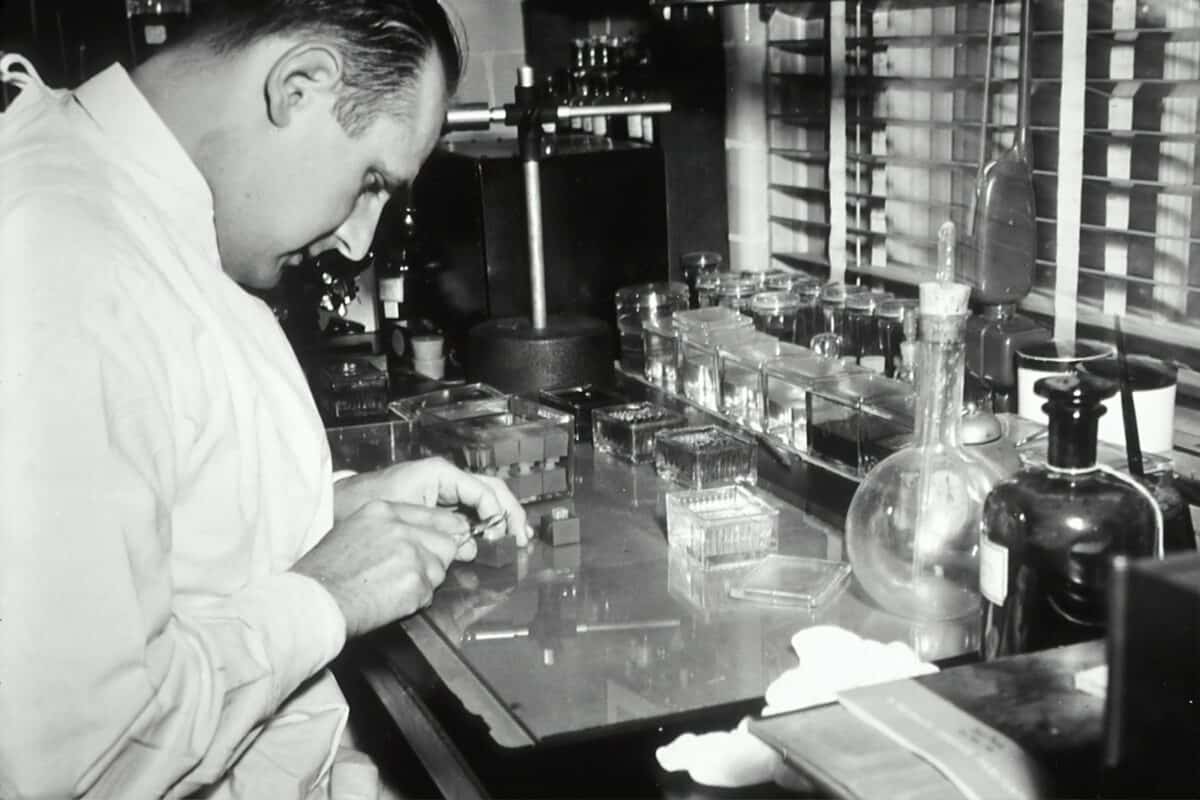
Jonathan’s extraordinary longevity has made him a valuable subject for scientific research into aging and cellular biology. Researchers study his blood samples, genetic material, and physiological functions to understand the mechanisms that allow such extreme longevity. His case provides unique insights into the biological processes that enable some animals to live for centuries.
Studies of Jonathan and other giant tortoises have revealed important information about cancer resistance, cellular repair mechanisms, and immune system function in long-lived animals. This research has potential applications for human medicine, particularly in understanding age-related diseases and developing treatments for conditions associated with aging. Jonathan’s contribution to science extends far beyond his record-breaking age, making him a valuable research subject whose biological secrets may benefit future generations.
The Global Fame of St. Helena’s Ancient Resident
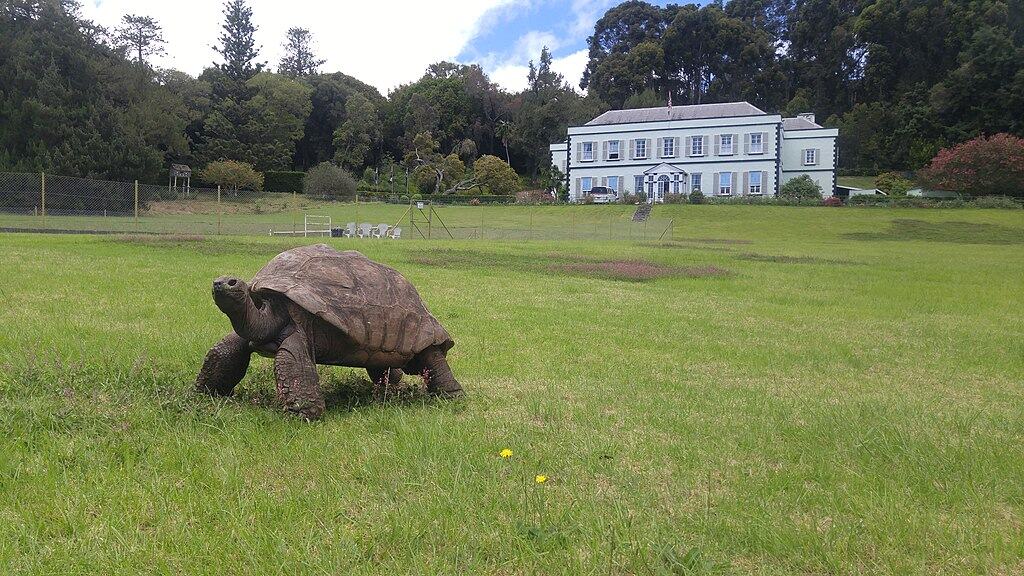
Jonathan’s fame has brought international attention to St. Helena, putting the remote island on the world map in ways that few other attractions could achieve. Media coverage of his story has attracted visitors from around the globe, contributing to the island’s tourism industry and raising awareness of its unique wildlife. His celebrity status has made him an unofficial ambassador for both St. Helena and giant tortoise conservation.
Social media has amplified Jonathan’s reach, with photos and videos of the ancient tortoise capturing hearts worldwide. His story resonates with people across cultures, representing hope, endurance, and the wonder of the natural world. The global fascination with Jonathan demonstrates humanity’s deep connection to other species and our amazement at the diversity of life on Earth.
Lessons We Can Learn from Jonathan
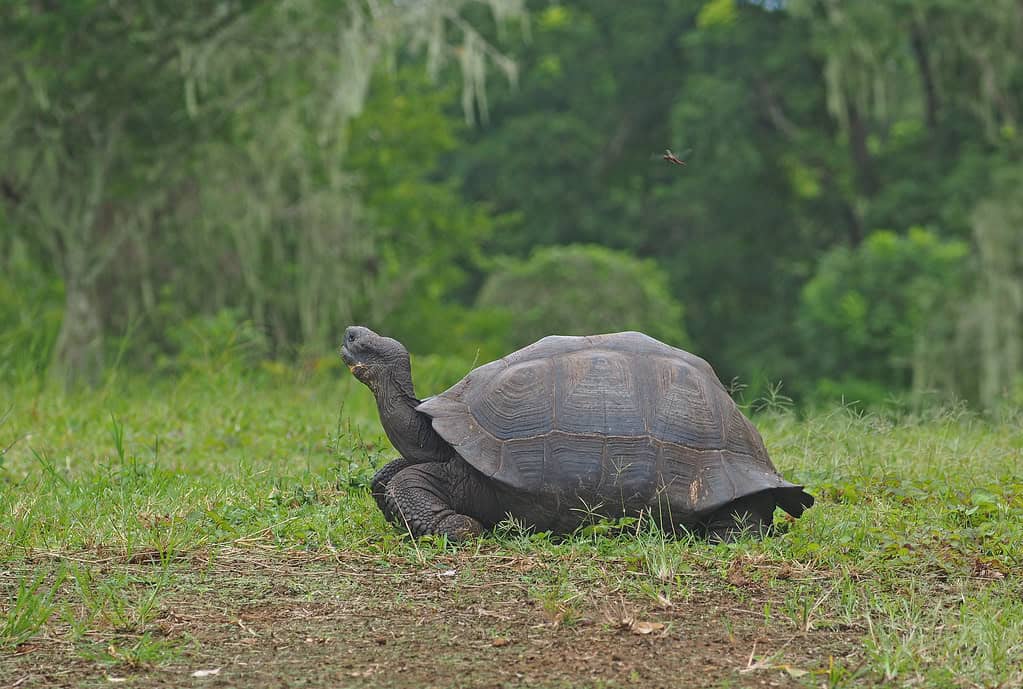
Jonathan’s remarkable life offers profound lessons about resilience, patience, and the power of consistent care. His ability to thrive for nearly two centuries demonstrates the importance of stable environments and dedicated stewardship in promoting longevity. His story reminds us that with proper care and protection, remarkable things are possible in the natural world.
The tortoise’s peaceful existence also teaches us about the value of living at a sustainable pace. In our fast-paced modern world, Jonathan’s methodical approach to life serves as a reminder that sometimes the longest journeys are taken one slow step at a time. His endurance through decades of change shows us that adaptability and patience can overcome even the most challenging circumstances.
Conclusion
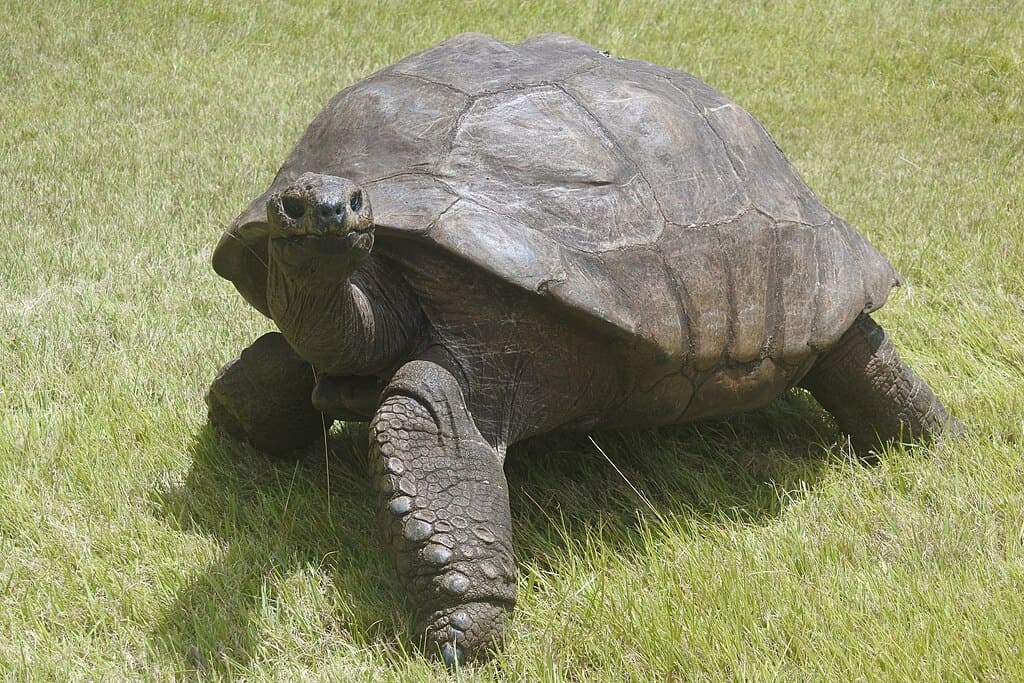
Jonathan’s story is more than just a tale of remarkable longevity – it’s a testament to the incredible diversity and resilience of life on Earth. This ancient tortoise has become a living bridge between past and present, carrying with him the memories of a world that existed long before any of us were born. His continued vitality at 192 years old challenges our understanding of aging and inspires us to think differently about the possibilities of life itself.
As we celebrate Jonathan’s record-breaking age and the dedicated care that has sustained him, we’re reminded of our responsibility to protect and preserve the natural world for future generations. His story encourages us to value longevity, consistency, and the quiet wisdom that comes from a life well-lived. In a world that often seems to move too fast, Jonathan reminds us that sometimes the most extraordinary achievements come from simply enduring, one day at a time.
What would you ask Jonathan if he could tell you about all the history he’s witnessed?

- How Accurate Is the Wolf Behavior in Twilight and Game of Thrones? - July 28, 2026
- Spiders of the Amazon Rainforest: Fierce and Fascinating - July 28, 2026
- From Babe to Babe 2: What’s Life Like for Real Farm Animals? - July 27, 2026