

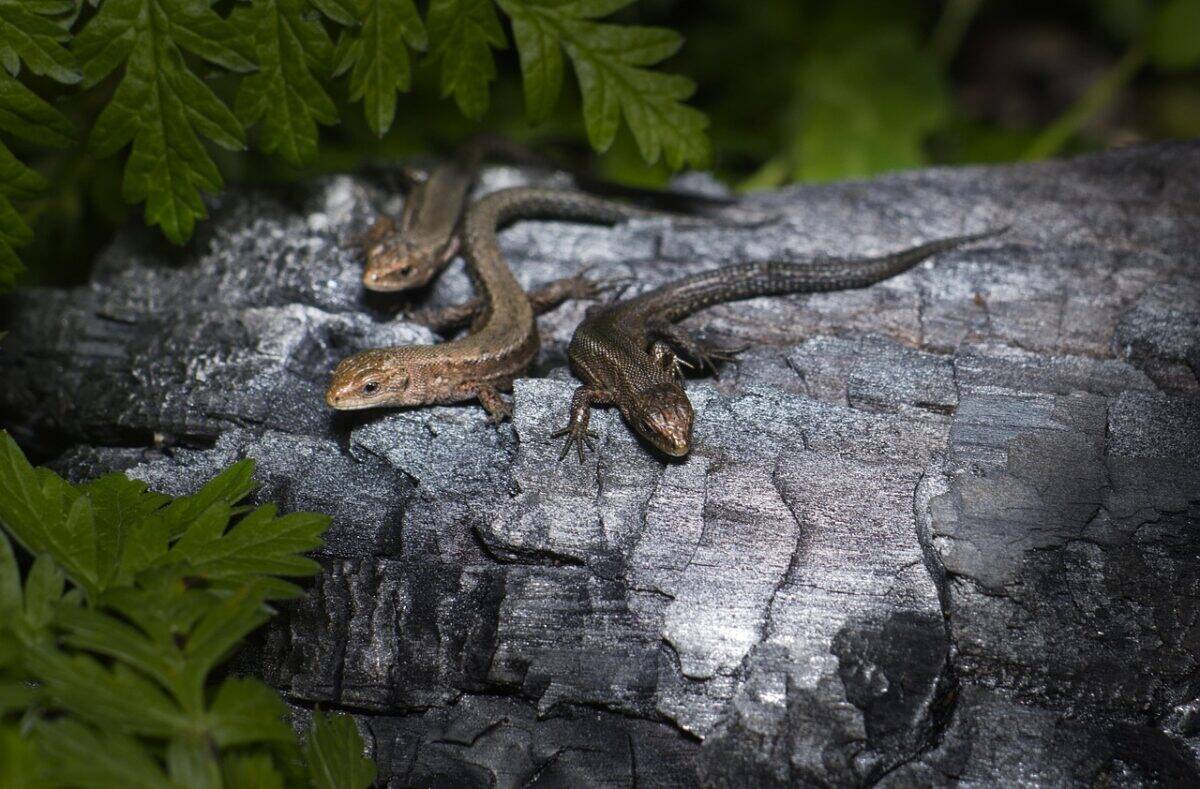
When most people think of reptiles, they picture sun-bathing lizards on hot rocks or snakes slithering through desert sand. The idea of a reptile thriving in freezing temperatures seems almost impossible. Yet nature has a remarkable way of defying our expectations, and there’s one extraordinary cold-blooded creature that has mastered the art of surviving in conditions that would kill most other reptiles within hours.
The Extraordinary Common Lizard
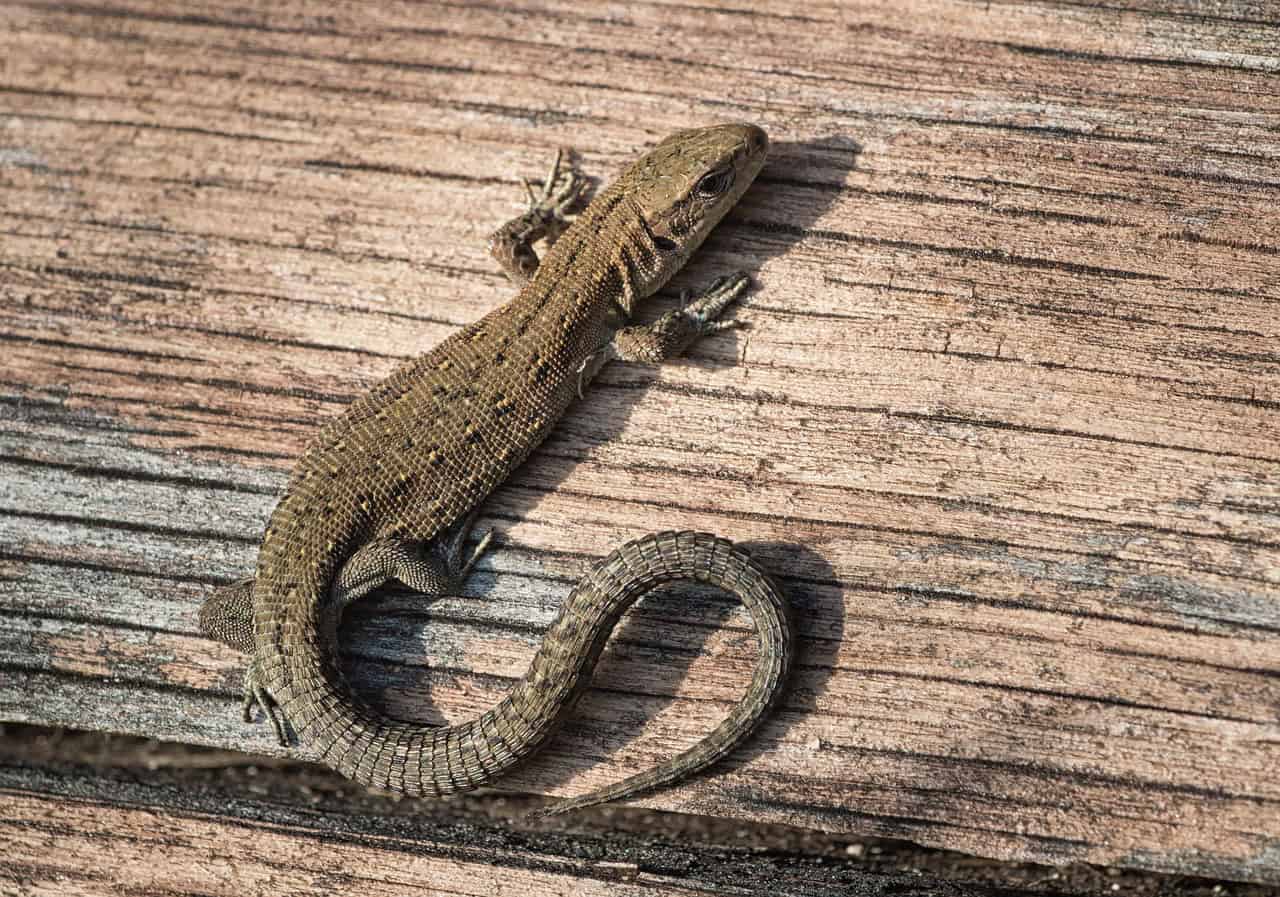
The common lizard, scientifically known as Zootoca vivipara, holds the incredible distinction of being the world’s most cold-tolerant reptile. This remarkable species can survive temperatures that would be lethal to virtually any other reptile on Earth. Found across Europe and extending into Asia, these lizards have evolved extraordinary adaptations that allow them to thrive in environments where snow covers the ground for months.
What makes this achievement even more astounding is that these lizards maintain their cold-blooded nature while surviving in conditions that challenge even warm-blooded mammals. Their ability to function in near-freezing temperatures represents one of nature’s most impressive evolutionary solutions to extreme environmental challenges.
Geographic Distribution and Habitat Range

The common lizard boasts the widest distribution of any reptile species on the planet, stretching from Ireland in the west to Sakhalin Island in Russia. This incredible range includes some of the harshest climates imaginable for a reptile. In Scandinavia, these lizards survive well above the Arctic Circle, where winter temperatures can plummet to -40°C (-40°F).
Their habitat preferences are equally impressive, ranging from coastal dunes to mountain slopes at elevations exceeding 3,000 meters. These adaptable creatures have colonized environments from British moorlands to Siberian forests. The fact that they can establish thriving populations in such diverse and challenging climates showcases their remarkable evolutionary flexibility.
Physical Adaptations for Cold Survival
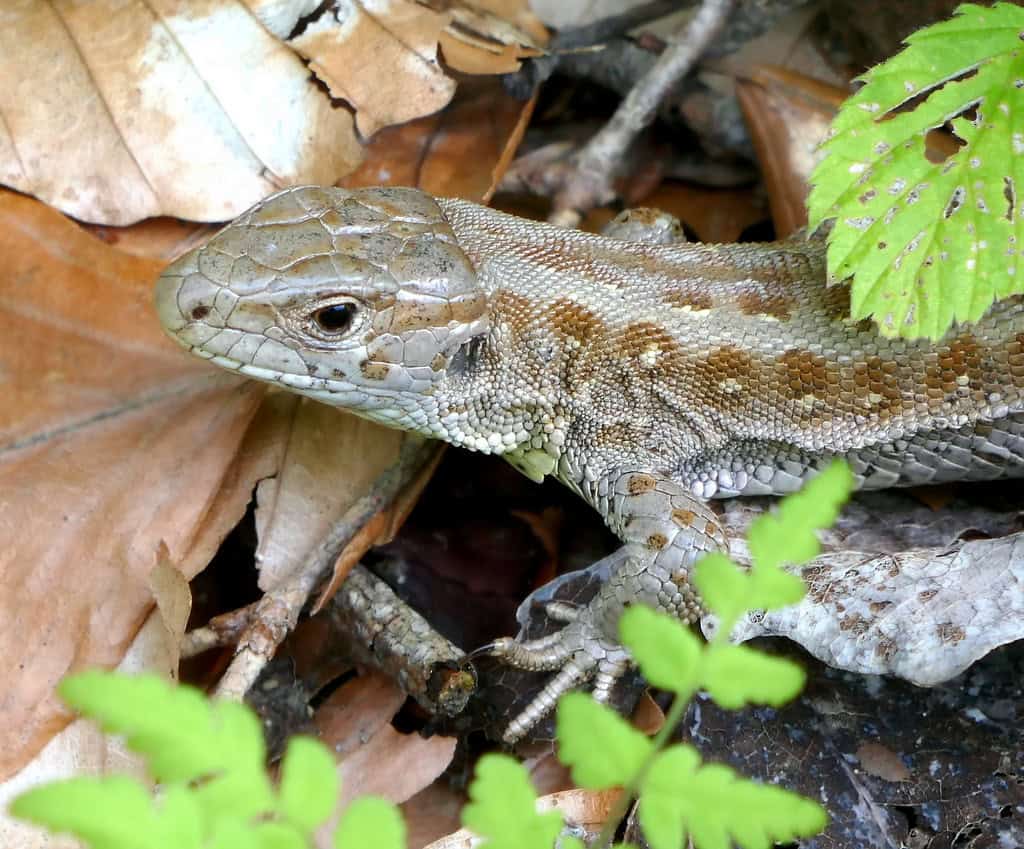
The common lizard’s body has evolved several crucial adaptations that enable survival in freezing conditions. Their scales are designed to minimize heat loss, with a more compact body structure compared to warm-climate reptiles. The coloration of northern populations tends to be darker, allowing them to absorb heat more efficiently from limited sunlight.
Their limbs are proportionally shorter than those of warm-climate relatives, reducing surface area and heat loss. The tail serves as both a fat storage organ and a heat reservoir during cold periods. These physical modifications work together to create a living system optimized for cold-weather survival.
Behavioral Strategies for Temperature Regulation
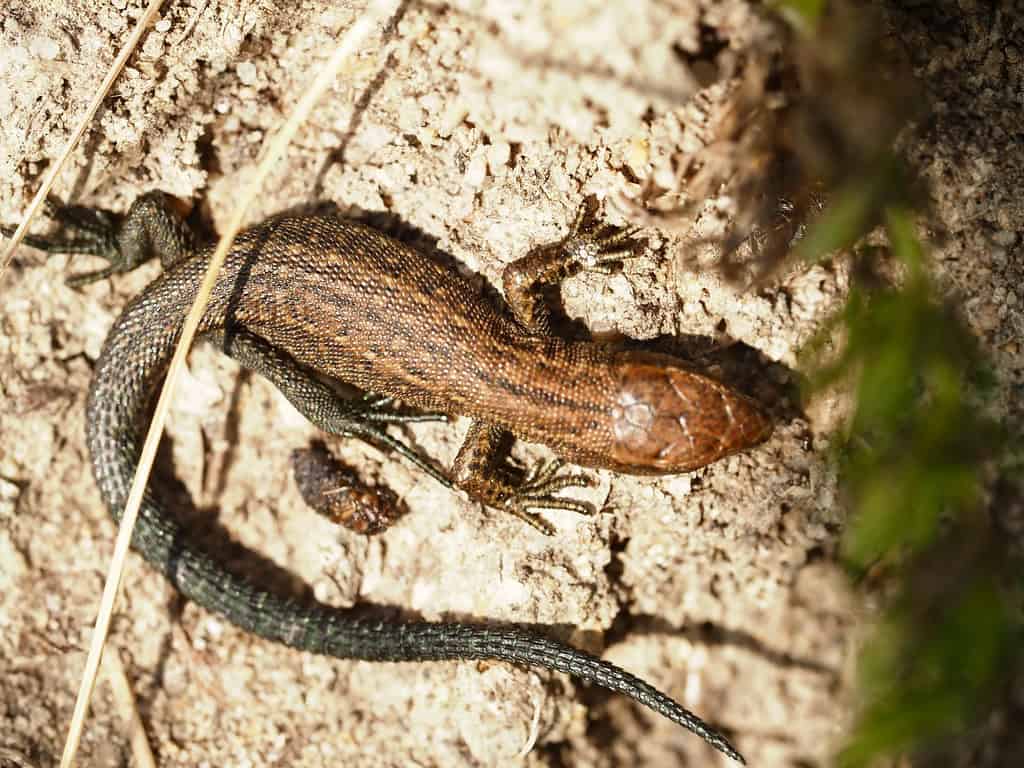
Common lizards employ sophisticated behavioral strategies to maintain their body temperature in harsh conditions. They’re masters of microclimate selection, seeking out the warmest available spots even when temperatures are near freezing. Rock crevices, fallen logs, and south-facing slopes become critical thermal refuges during cold spells.
Their activity patterns change dramatically with temperature, becoming more active during the brief warm periods of cold days. They practice strategic basking, emerging quickly to absorb any available solar radiation before retreating to insulated hiding spots. This behavioral flexibility allows them to maximize heat gain while minimizing exposure to dangerous cold.
Hibernation and Overwintering Mechanisms
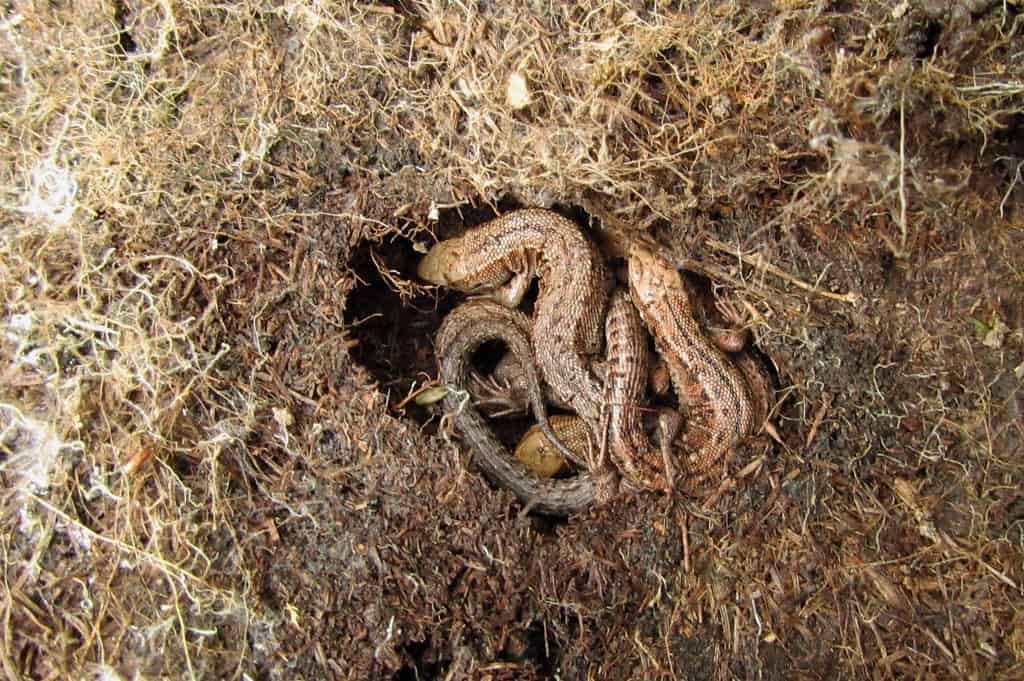
During the harshest months, common lizards enter a state called brumation, which is similar to hibernation in mammals but with important differences. They seek out deep rock crevices, underground burrows, or dense vegetation where temperatures remain more stable. Their metabolic rate drops significantly, allowing them to survive without food for months.
Unlike true hibernators, common lizards may occasionally emerge during warm winter days to bask or even hunt. This flexible approach to winter survival gives them an advantage over species with more rigid hibernation patterns. Their ability to respond to temporary temperature increases during winter helps them survive unpredictable weather patterns.
Antifreeze Proteins and Cellular Protection

At the cellular level, common lizards have developed remarkable biochemical adaptations to prevent ice crystal formation in their tissues. They produce specialized antifreeze proteins that lower the freezing point of their body fluids. These proteins work by binding to ice crystals and preventing their growth, similar to antifreeze in car radiators.
Their cells also contain increased concentrations of glucose and glycerol, which act as natural cryoprotectants. These compounds help maintain cellular integrity even when temperatures drop below freezing. This biochemical armor allows their vital organs to continue functioning even when other reptiles would suffer fatal tissue damage.
Reproductive Adaptations to Cold Climates
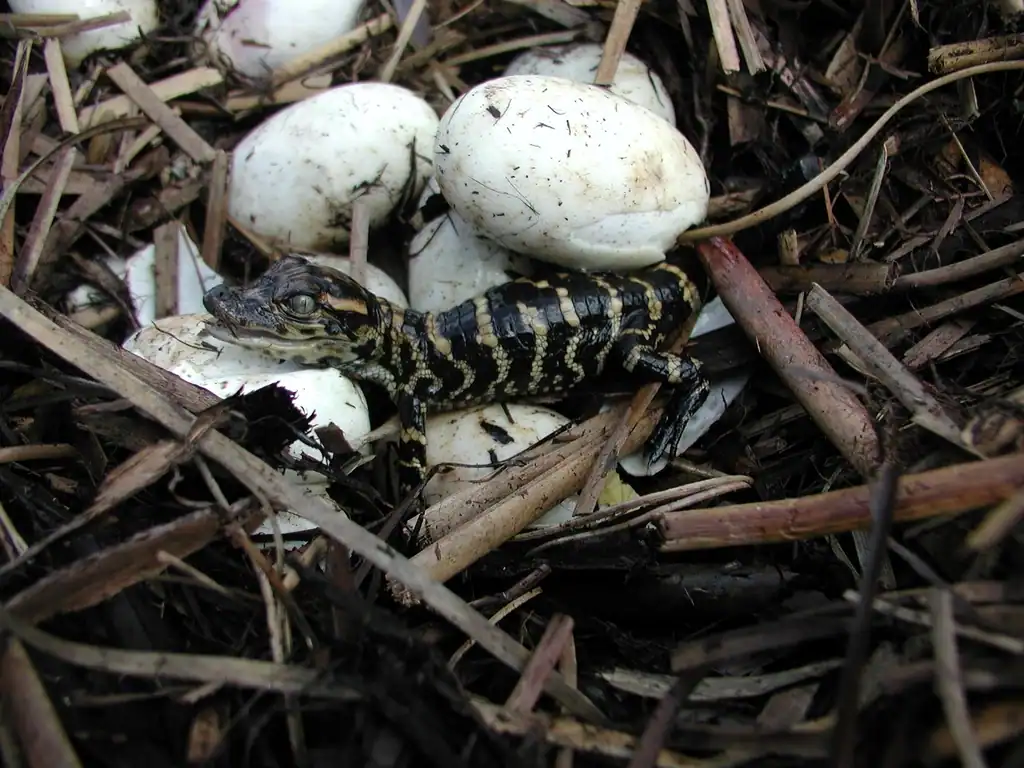
The common lizard’s reproductive strategy is perfectly adapted to cold climates through viviparity – giving birth to live young instead of laying eggs. This adaptation is crucial because eggs would freeze in the harsh northern climates where these lizards thrive. The female’s body provides a warm, protective environment for developing embryos.
The reproductive cycle is timed to coincide with the brief warm season, ensuring that young are born when conditions are most favorable for survival. Females can delay birth if environmental conditions are poor, demonstrating remarkable reproductive flexibility. This live-bearing strategy gives their offspring a significant survival advantage in cold climates.
Metabolic Adjustments for Cold Tolerance
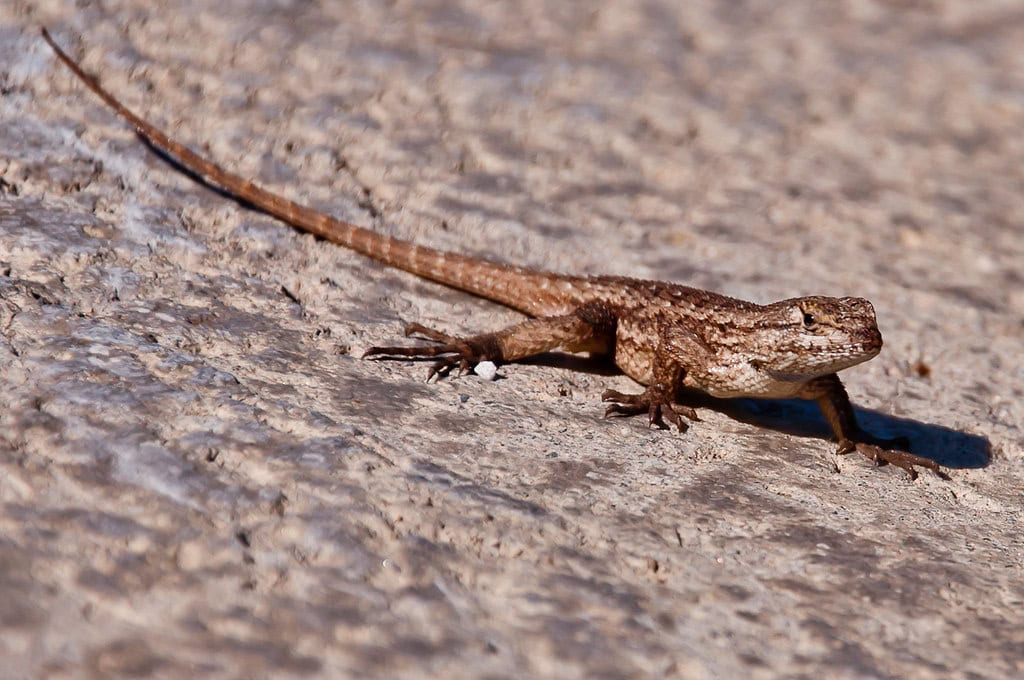
Common lizards have fundamentally altered their metabolic processes to function efficiently at low temperatures. Their enzymes remain active at temperatures that would shut down the metabolic processes of warm-climate reptiles. This metabolic flexibility allows them to maintain essential life functions even when their body temperature drops significantly.
Their digestive system has also adapted to process food more efficiently during brief feeding opportunities. They can extract maximum nutrition from limited food sources during short active periods. This metabolic efficiency is crucial for surviving long periods of food scarcity during winter months.
Cold-Induced Color Changes
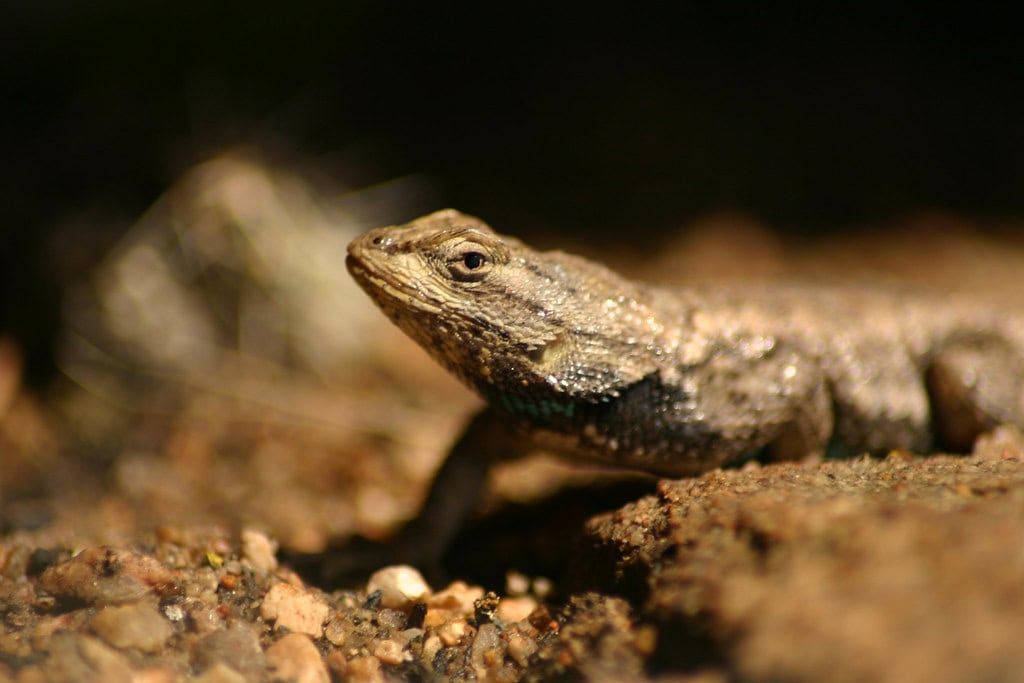
One fascinating aspect of common lizard cold adaptation is their ability to undergo seasonal color changes. During colder months, their skin often becomes darker to absorb more heat from limited sunlight. This physiological response helps them maximize heat gain during brief basking opportunities.
The color change is controlled by specialized cells called chromatophores, which can expand or contract to alter the lizard’s appearance. This adaptive coloration gives them a thermal advantage and may also provide better camouflage against winter backgrounds. The speed of these color changes can occur within hours of temperature fluctuations.
Immune System Adaptations
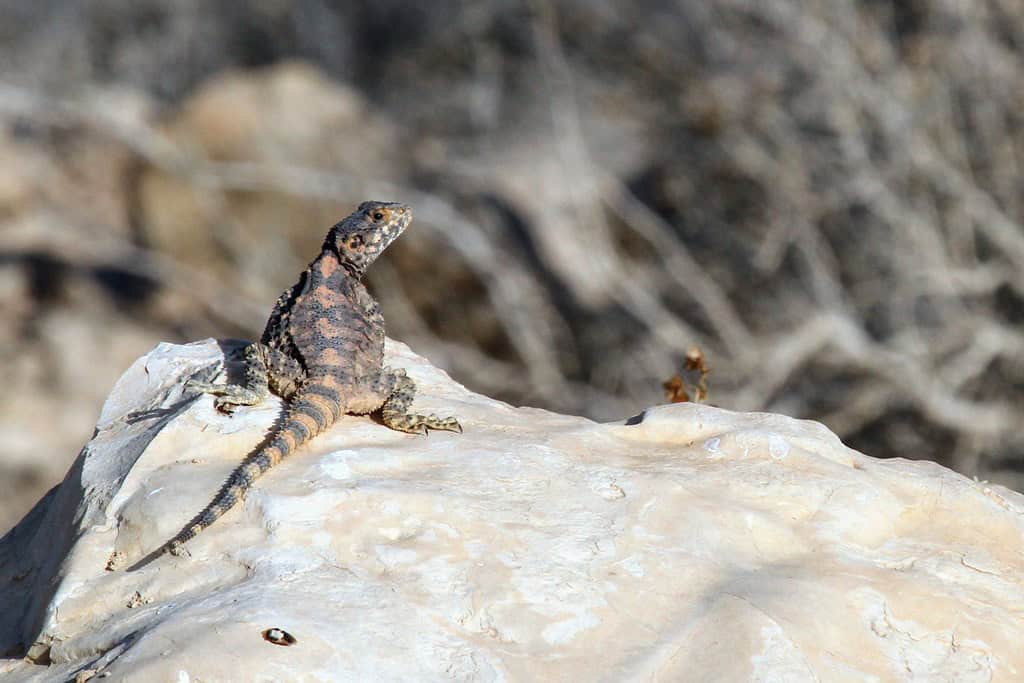
Surviving in cold climates requires a robust immune system, and common lizards have developed remarkable immunological adaptations. Their immune response remains functional at low temperatures, unlike many reptiles whose immune systems become suppressed in cold conditions. This maintained immunity helps them fight off infections during vulnerable winter periods.
Their white blood cells retain activity at temperatures that would immobilize immune cells in other reptiles. This adaptation is crucial because cold-stressed animals are typically more susceptible to disease. The ability to maintain immune function in cold conditions represents a significant evolutionary advantage.
Feeding Strategies in Cold Environments

Common lizards have adapted their feeding behavior to make the most of limited opportunities in cold climates. They can digest food at lower temperatures than other reptiles, allowing them to benefit from feeding during brief warm periods. Their diet shifts seasonally, focusing on high-energy prey when available.
During cold periods, they can survive on stored fat reserves for extended periods. Their digestive efficiency increases during the brief active season, allowing them to build up energy reserves quickly. This feast-or-famine approach to nutrition is essential for surviving long, cold winters.
Cardiovascular Adaptations
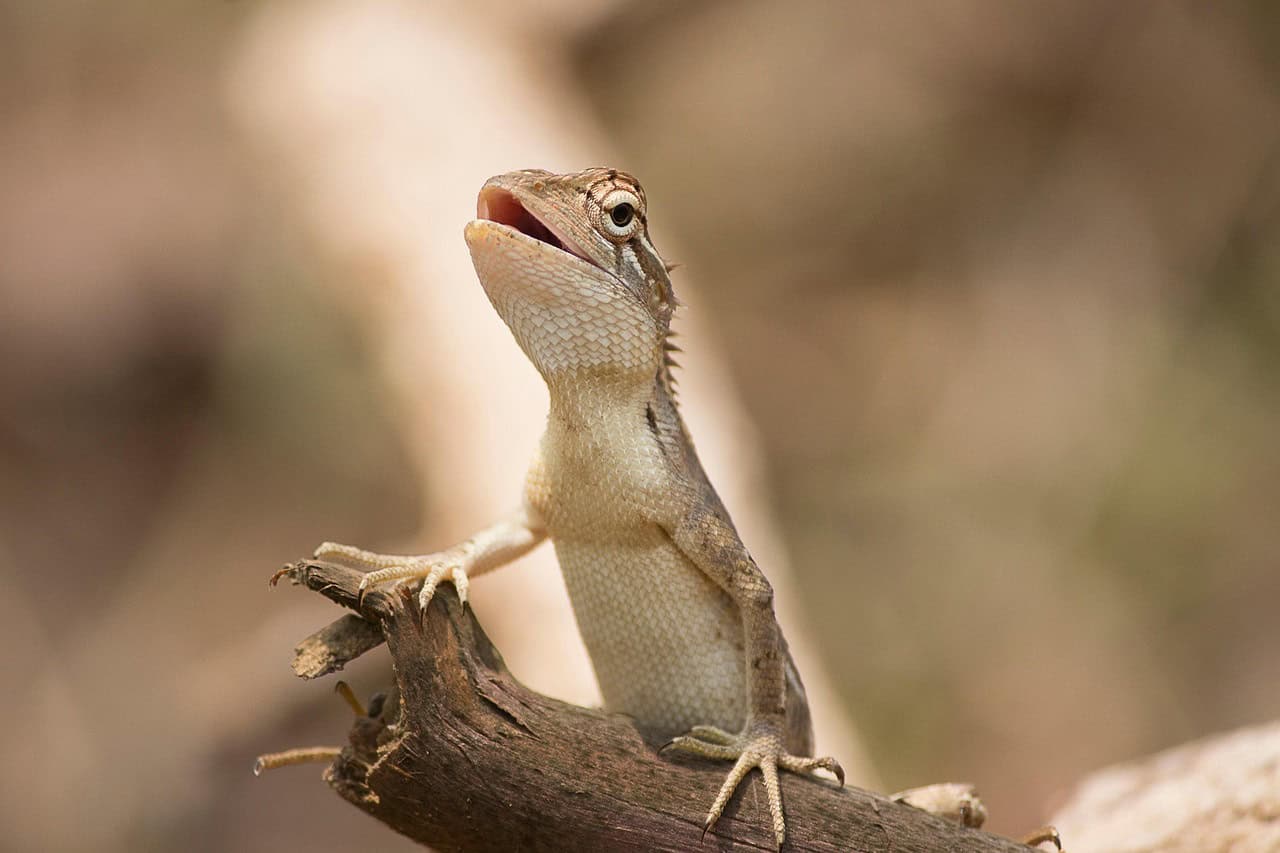
The cardiovascular system of common lizards has evolved to function efficiently in cold conditions. Their heart can continue beating at temperatures that would stop the hearts of warm-climate reptiles. Blood flow patterns adjust to prioritize vital organs during cold exposure.
Their blood composition includes adaptations that prevent freezing and maintain circulation even at low temperatures. The increased concentration of certain proteins in their blood helps maintain proper viscosity in cold conditions. These cardiovascular adaptations ensure that oxygen and nutrients continue reaching vital tissues even during extreme cold.
Neurological Cold Tolerance
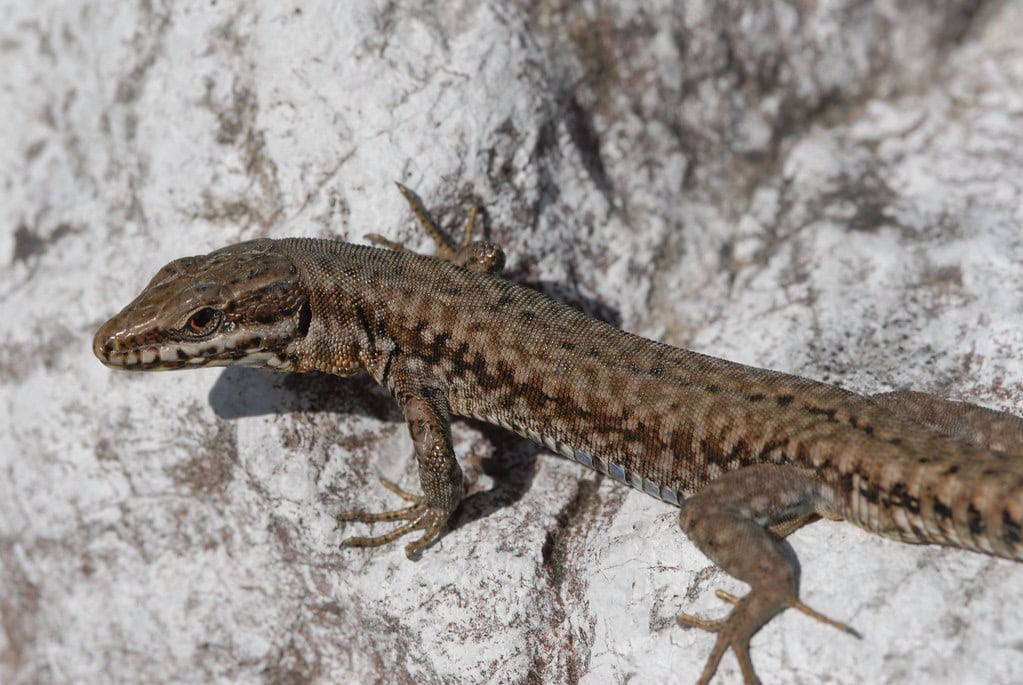
The nervous system of common lizards shows remarkable cold tolerance compared to other reptiles. Their brain function remains active at temperatures that would cause neurological shutdown in warm-climate species. This neurological resilience allows them to respond to threats and opportunities even in cold conditions.
Nerve conduction continues at low temperatures, enabling coordinated movement and decision-making during brief active periods. Their sensory systems remain functional, allowing them to detect predators and prey even in cold conditions. This neurological cold tolerance is essential for survival in harsh climates.
Genetic Basis of Cold Adaptation

Recent genetic research has revealed the molecular basis of cold tolerance in common lizards. Specific genes associated with cold stress proteins are more highly expressed in northern populations compared to their southern relatives. These genetic adaptations represent evolutionary responses to selective pressure from cold climates.
Gene expression patterns change seasonally, with cold tolerance genes becoming more active as temperatures drop. This genetic flexibility allows them to adjust their physiology to match seasonal conditions. The genetic basis of cold adaptation continues to be an active area of research, revealing new insights into reptilian evolution.
Comparison with Other Cold-Tolerant Reptiles
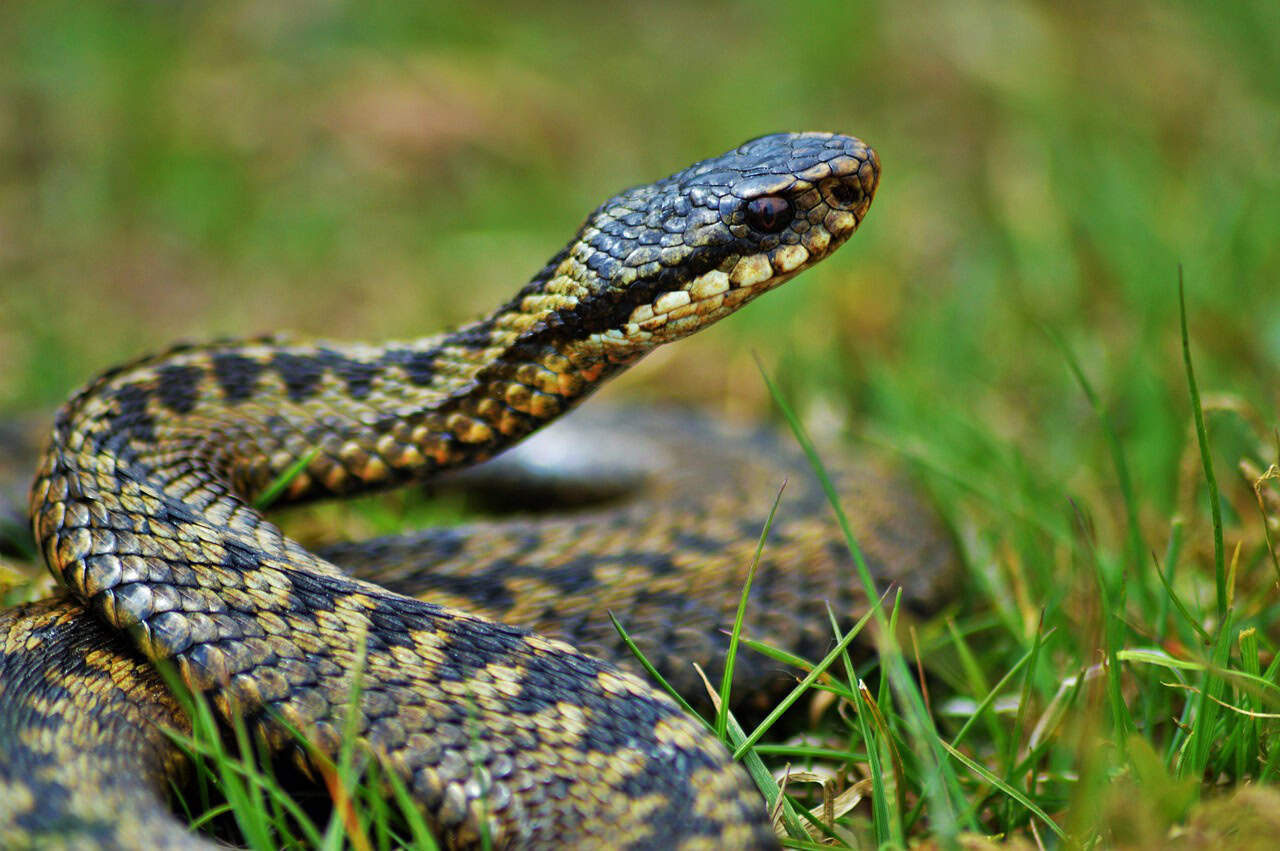
While the common lizard holds the record for cold tolerance, several other reptiles show impressive cold adaptations. The European adder can survive above the Arctic Circle, though not to the same extent as common lizards. Some turtle species can survive freezing by allowing their body fluids to freeze while protecting vital organs.
However, no other reptile combines the extreme cold tolerance, wide distribution, and active lifestyle of the common lizard. Their ability to remain active at temperatures that force other reptiles into complete dormancy sets them apart. This unique combination of traits makes them truly exceptional among cold-climate reptiles.
Climate Change and Future Survival

Climate change presents both opportunities and challenges for common lizards. Warming temperatures might expand their range northward, potentially opening new habitats in previously too-cold regions. However, warming might also disrupt their finely tuned seasonal cycles and hibernation patterns.
Their remarkable adaptability suggests they may be better equipped than many species to handle changing conditions. However, rapid climate change could still pose challenges if it occurs faster than their evolutionary adaptations can keep pace. Monitoring how these hardy reptiles respond to climate change provides valuable insights into species resilience.
Conservation Status and Threats

Despite their remarkable cold tolerance, common lizards face various conservation challenges. Habitat loss due to development and agricultural intensification threatens local populations. Climate change may alter the delicate balance of their seasonal cycles, potentially disrupting breeding and hibernation patterns.
In some regions, populations have declined due to habitat fragmentation and human disturbance. However, their wide distribution and adaptability provide some protection against extinction. Conservation efforts focus on maintaining habitat connectivity and protecting key overwintering sites.
Scientific Research and Discoveries

Common lizards continue to be subjects of intensive scientific research due to their unique cold adaptations. Studies of their antifreeze proteins have potential applications in medical preservation techniques and organ transplantation. Their metabolic adaptations provide insights into cellular function at low temperatures.
Research into their genetic adaptations is revealing new understanding of how species evolve to survive extreme conditions. Long-term studies of population responses to climate change are providing valuable data for conservation planning. These remarkable reptiles serve as living laboratories for understanding adaptation to extreme environments.
Implications for Understanding Reptilian Evolution
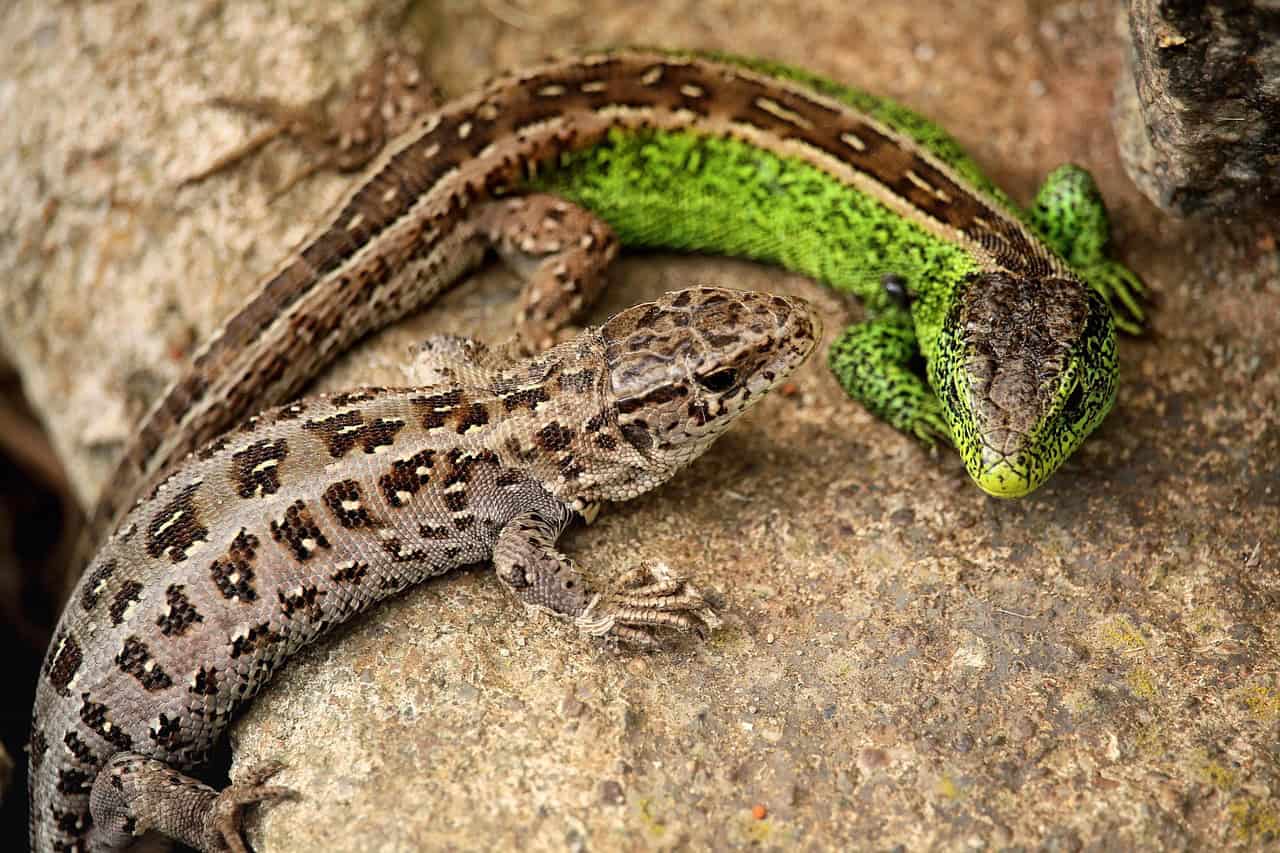
The common lizard’s cold adaptations challenge traditional assumptions about reptilian physiology and evolution. Their success in cold climates demonstrates that being cold-blooded doesn’t necessarily limit reptiles to warm environments. This evolutionary achievement shows the remarkable plasticity of reptilian biology.
Their adaptations provide insights into how ancestral reptiles might have survived past ice ages and colonized new territories. Understanding their cold tolerance mechanisms helps scientists piece together the evolutionary history of reptiles. These discoveries continue to reshape our understanding of what’s possible in reptilian evolution.
Conclusion
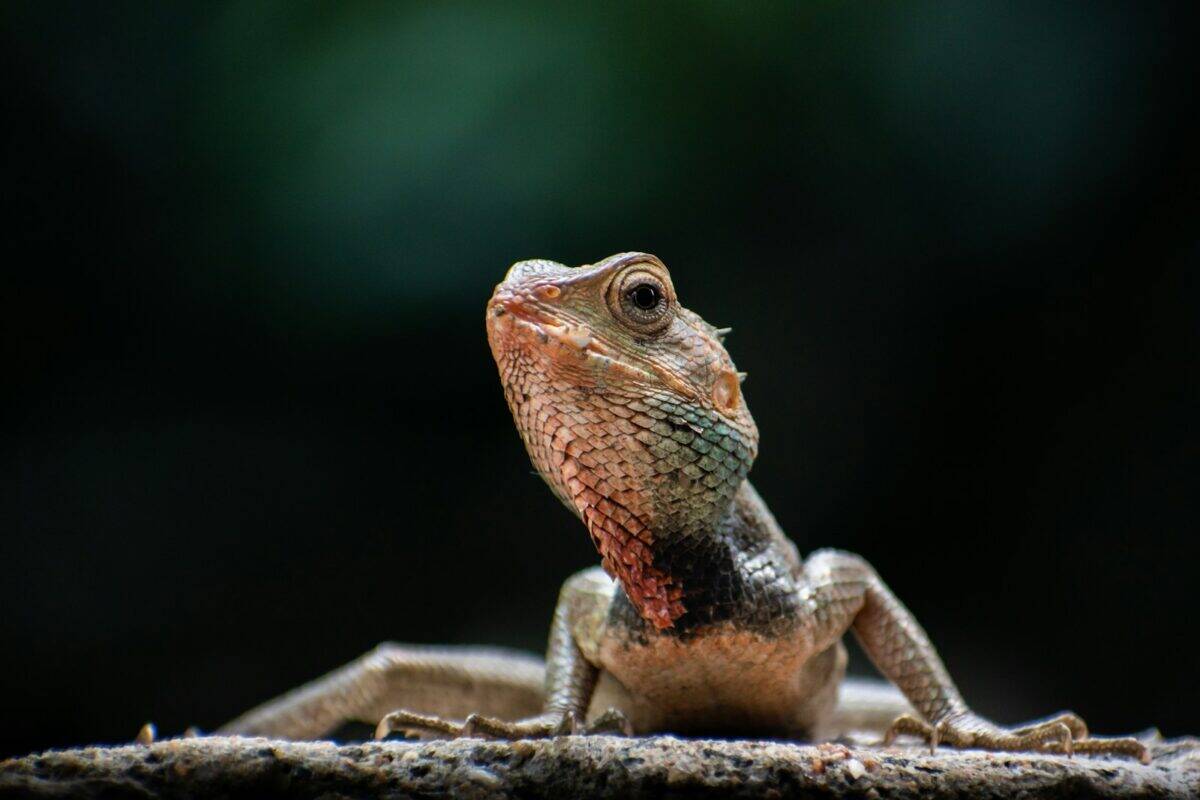
The common lizard stands as nature’s ultimate cold-weather survivor among reptiles, defying every expectation we might have about cold-blooded creatures. Their remarkable adaptations – from antifreeze proteins to flexible hibernation strategies – represent millions of years of evolutionary fine-tuning to survive in some of Earth’s harshest climates. As we face an uncertain climatic future, these resilient reptiles remind us that life finds extraordinary ways to persist even in the most challenging conditions. Who would have thought that a small lizard could teach us so much about the incredible limits of survival?

- The Animals That Inspired Mythical Creatures in Movies - August 2, 2026
- Why Orcas Teach Their Young to Beach Themselves While Hunting - July 31, 2026
- How Raccoons Use Their Tiny Hands to Explore - July 31, 2026