

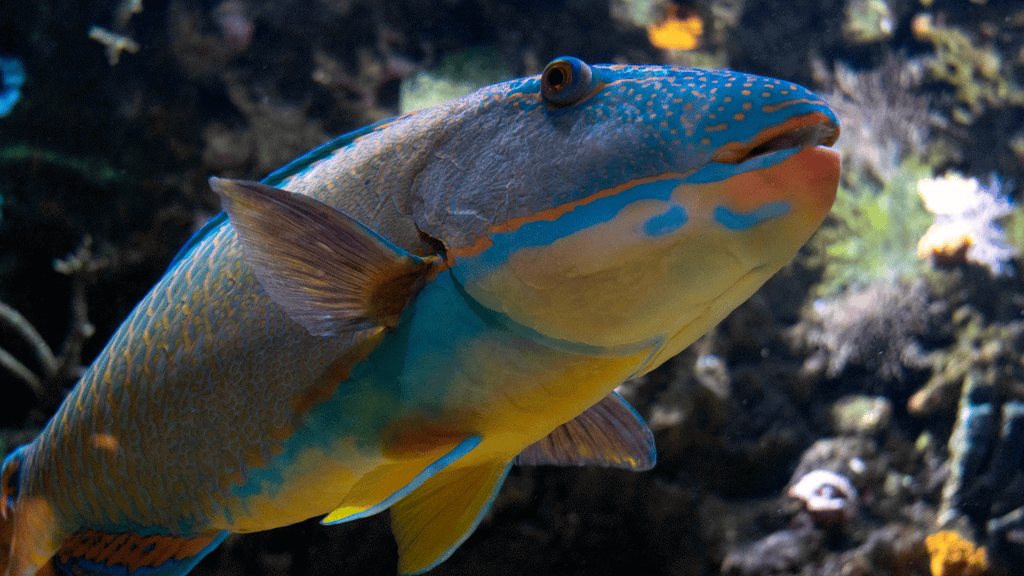
When most people wiggle their toes in the pristine white sand beaches of tropical paradises like Hawaii, the Maldives, or the Caribbean, they rarely consider where this sand actually comes from. The stunning reality is that much of the world’s most beautiful white sand is actually parrotfish poop. These colorful reef-dwelling fish play a crucial ecological role by consuming coral, digesting it, and excreting fine white sand particles that eventually form the beaches we love to visit. This remarkable biological process highlights the intricate connections within marine ecosystems and demonstrates how a single species can literally shape coastlines.
Scientists estimate that a single parrotfish can produce hundreds of pounds of sand each year—up to 840 pounds (380 kg) for larger species. This continuous production of sand has been occurring for millions of years, creating the foundation for many tropical islands and beaches worldwide. The next time you admire a picturesque white sand beach, remember that you’re looking at the result of countless generations of parrotfish fulfilling their ecological role in reef systems.
Meet the Parrotfish: Nature’s Reef Sculptors
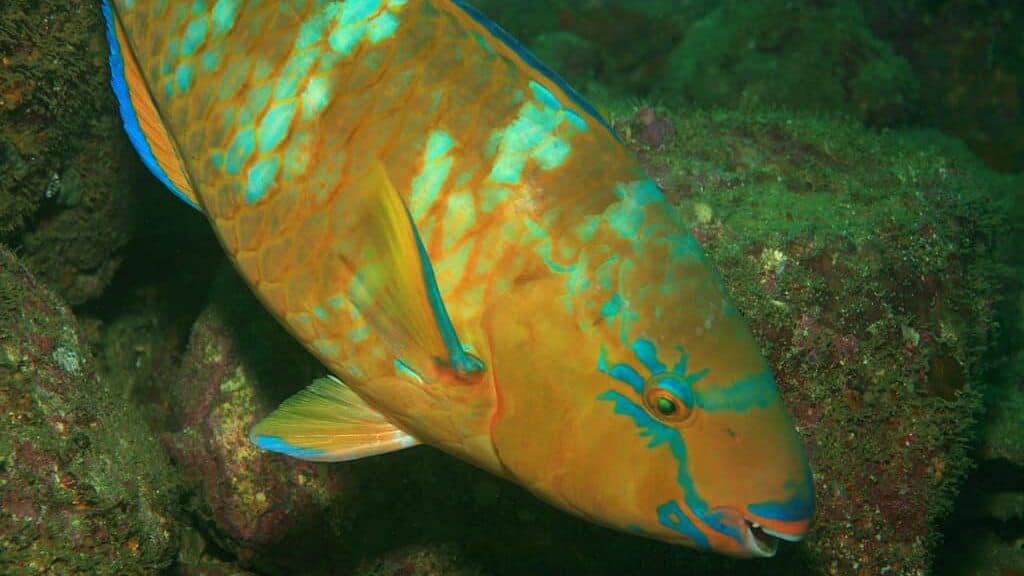
Parrotfish belong to the family Scaridae, comprising about 95 species that inhabit coral reefs throughout tropical and subtropical oceans worldwide. Named for their distinctive beak-like mouths formed by fused teeth, these fish range in size from 1 foot to over 4 feet in length and display some of the most vibrant coloration in the marine world. Their appearance often changes dramatically throughout their lives, as many species undergo complex gender transformations, typically starting life as females before some individuals develop into males.
What truly distinguishes parrotfish is their unique feeding mechanism. Their powerful beaks allow them to scrape algae from coral surfaces and bite off chunks of coral skeleton. Special pharyngeal teeth in their throats then grind this hard material into fine particles. This specialized feeding adaptation is what enables them to process coral rock and eventually transform it into the fine white sand that accumulates on beaches. As reef architects, parrotfish not only create sand but also play a vital role in controlling algae growth that might otherwise smother coral reefs.
The Digestive Process: From Coral to Sand

The transformation from hard coral to fine sand involves a remarkable digestive process. When parrotfish feed, they use their beak-like mouths to scrape and bite pieces of coral. What they’re primarily after is the algae growing on and within the coral structure, but they inevitably consume substantial amounts of the calcium carbonate coral skeleton in the process. Once ingested, the coral passes through a specialized digestive system uniquely adapted to process this hard material.
Inside the parrotfish’s gut, powerful grinding plates called pharyngeal mills pulverize the coral fragments into increasingly smaller particles. This physical breakdown, combined with digestive enzymes, allows the fish to extract nutrients from the algae while processing the indigestible calcium carbonate into fine granules. Remarkably, the coral structure passes through the digestive tract largely unchanged chemically, maintaining its calcium carbonate composition but emerging physically transformed into sand-sized particles. These particles are then excreted as white sand, completing the extraordinary conversion from living coral reef to beach-building material.
The Impressive Scale of Sand Production

The scale at which parrotfish produce sand is truly astounding. Studies have shown that a single large parrotfish can produce up to 840 pounds (380 kg) of sand annually. When multiplied across parrotfish populations on a reef, this production becomes even more significant. On the Great Barrier Reef, for example, researchers estimate that parrotfish are responsible for producing over 85% of the new sand generated annually. Over time, these contributions accumulate to form substantial portions of tropical beaches and islands.
To put this into perspective, consider that some tropical islands are composed almost entirely of parrotfish-produced sand that has accumulated over thousands of years. In the Maldives, studies indicate that over 70% of the sand composition comes from parrotfish activity. Without these fish continuously processing coral into sand, many tropical beaches would gradually erode away without being replenished. This ongoing production is vital for maintaining coastlines, especially as climate change accelerates coastal erosion and threatens reef systems worldwide.
Why Parrotfish Sand Is Perfectly White

The distinctive whiteness of parrotfish-produced sand comes directly from its source material: coral skeletons. Corals build their structural frameworks using calcium carbonate (CaCO₃), which is naturally white when pure. As parrotfish consume coral and process it through their digestive systems, this white calcium carbonate remains chemically intact. The digestive process breaks down the coral physically but doesn’t alter its fundamental chemical composition or color.
Interestingly, the whiteness of the sand can vary slightly depending on which coral species the parrotfish are feeding on. Some corals incorporate trace minerals that may tint their skeletons slightly, and these subtle variations can carry through to the resulting sand. In regions where parrotfish feed predominantly on certain coral species, the sand may have distinctive characteristics. For example, some beaches have sand with a slightly pink hue, which comes from parrotfish consuming red coralline algae or corals with reddish pigments incorporated into their calcium carbonate structures.
Ecological Benefits Beyond Beach Building
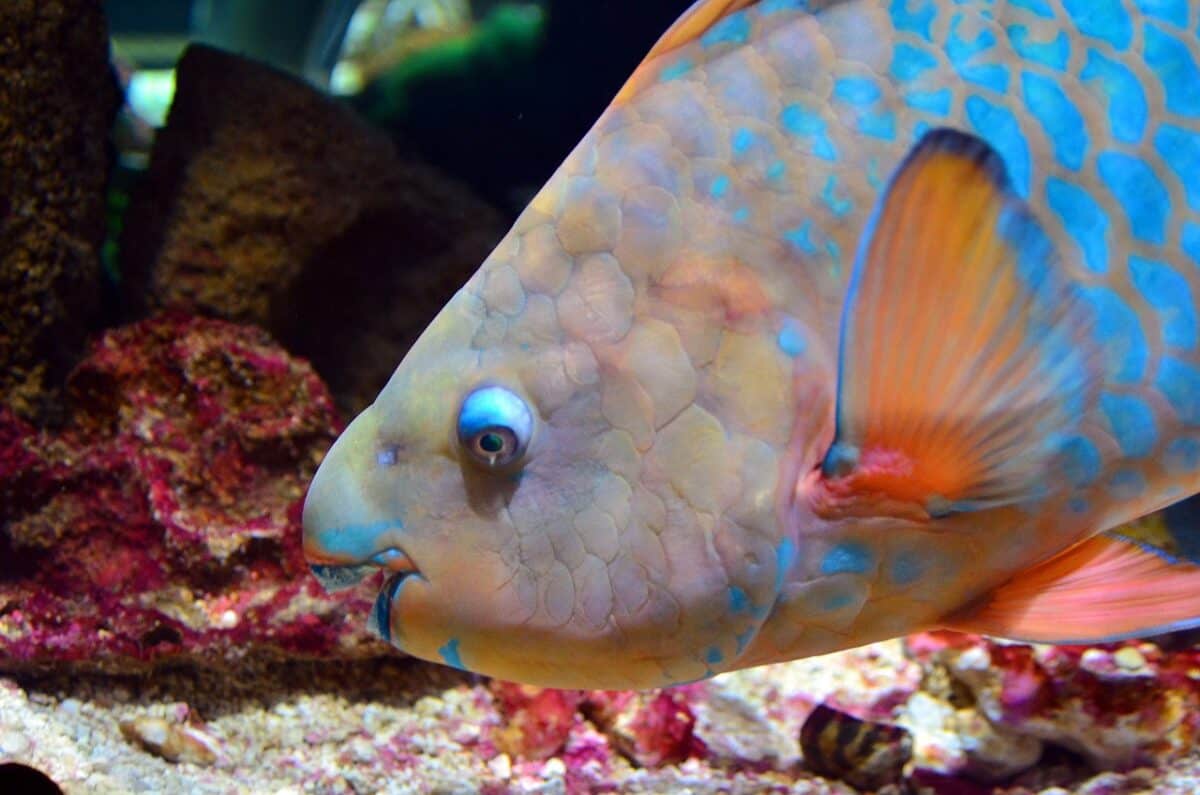
While the creation of white sand beaches is perhaps the most visible impact of parrotfish, their ecological contributions extend far beyond this. By regularly feeding on algae growing on coral surfaces, parrotfish help maintain the delicate balance of coral reef ecosystems. Without this natural algae control, many reefs would become overgrown with algae that compete with corals for space and light, potentially leading to ecosystem collapse. Studies have demonstrated that reefs with healthy parrotfish populations tend to have better coral cover and overall reef health.
Additionally, the constant bioerosion of coral by parrotfish plays a role in reef renewal. By breaking down older sections of reef, they create space for new coral growth and contribute to the three-dimensional complexity of reef structures that provides habitat for countless marine species. Their feeding behavior also helps distribute coral fragments that can potentially establish new colonies. These ecological services make parrotfish keystone species in tropical marine ecosystems, with impacts that ripple throughout the entire coral reef community and adjacent coastal environments.
The Curious Case of Parrotfish Sleeping Bags

Parrotfish exhibit a fascinating nighttime behavior that connects to their sand production. When many species of parrotfish settle down to sleep at night, they secrete a transparent mucous cocoon that envelops their entire body. This mucous “sleeping bag” serves as a protective barrier that masks the fish’s scent from potential predators like sharks and moray eels. The cocoon takes about 30 minutes to complete and requires significant energy to produce, highlighting its evolutionary importance for survival.
This unique adaptation may also relate to their sand-producing capabilities in an unexpected way. The mucous secretion contains compounds that have antimicrobial properties, which researchers believe help protect parrotfish from parasites and pathogens they might encounter while feeding directly on coral. This protection could be particularly important given their feeding strategy, which involves close contact with coral surfaces that may harbor various microorganisms. The evolution of this protective mechanism may have been crucial in allowing parrotfish to develop their specialized coral-consuming niche in reef ecosystems.
Threats to Nature’s Sand Factories

Despite their ecological importance, parrotfish face numerous threats that have caused population declines in many regions. Overfishing represents one of the most significant pressures, with parrotfish targeted both for commercial fisheries and local consumption in many tropical areas. Their large size and predictable behavior patterns make them relatively easy targets for fishers using spearguns, nets, and traps. In some Caribbean regions, parrotfish populations have declined by over 80% in recent decades due to fishing pressure.
Habitat degradation poses another serious threat to parrotfish populations. Coral bleaching events, pollution, coastal development, and climate change all degrade the reef habitats that parrotfish depend on for food and shelter. As coral reefs decline worldwide, parrotfish lose both their habitat and food source. This creates a troubling feedback loop, as fewer parrotfish lead to more algae overgrowth on reefs, accelerating coral decline. Conservation efforts increasingly focus on protecting parrotfish as a strategy for maintaining reef health and ensuring the continued production of sand that sustains tropical beaches and islands.
Conservation Success Stories

Recognizing the crucial role of parrotfish in reef ecosystems and beach formation, several regions have implemented successful conservation measures. Belize made history in 2009 by becoming the first country to completely ban the harvesting of parrotfish, acknowledging their importance to both reef health and the tourism industry that depends on healthy coral and beautiful beaches. Following Belize’s example, other Caribbean nations including Bonaire, Barbuda, and the Dominican Republic have established similar protections.
Marine protected areas (MPAs) have proven particularly effective for parrotfish conservation. Studies show that well-enforced MPAs can see parrotfish populations rebound to natural levels within five to ten years after protection is established. In the Exuma Cays Land and Sea Park in the Bahamas, for example, parrotfish biomass is approximately 15 times higher than in comparable unprotected areas. These conservation successes demonstrate that with proper management, parrotfish populations can recover, restoring their ecological functions including sand production and algae control on reefs.
Cultural Significance and Traditional Knowledge

Many island and coastal cultures have long recognized the connection between parrotfish and sand formation. In Hawaii, parrotfish are known as “uhu” and feature prominently in traditional ecological knowledge. Ancient Hawaiians observed that areas with abundant parrotfish populations had more expansive beaches, though they didn’t necessarily understand the biological mechanism behind this connection. Similar observations appear in the traditional knowledge of Pacific Islanders, Caribbean communities, and other peoples who have lived alongside coral reefs for generations.
This traditional knowledge often translated into cultural practices that protected parrotfish. In some Pacific island communities, harvesting of certain parrotfish species was restricted or governed by seasonal taboos. These traditional management approaches often aligned remarkably well with modern conservation biology principles, demonstrating how indigenous knowledge can complement scientific understanding. Today, conservation efforts increasingly incorporate this traditional knowledge, working with local communities to develop culturally appropriate protection measures that benefit both parrotfish populations and the human communities that depend on healthy reef ecosystems.
The Future of Beaches in a Changing Climate
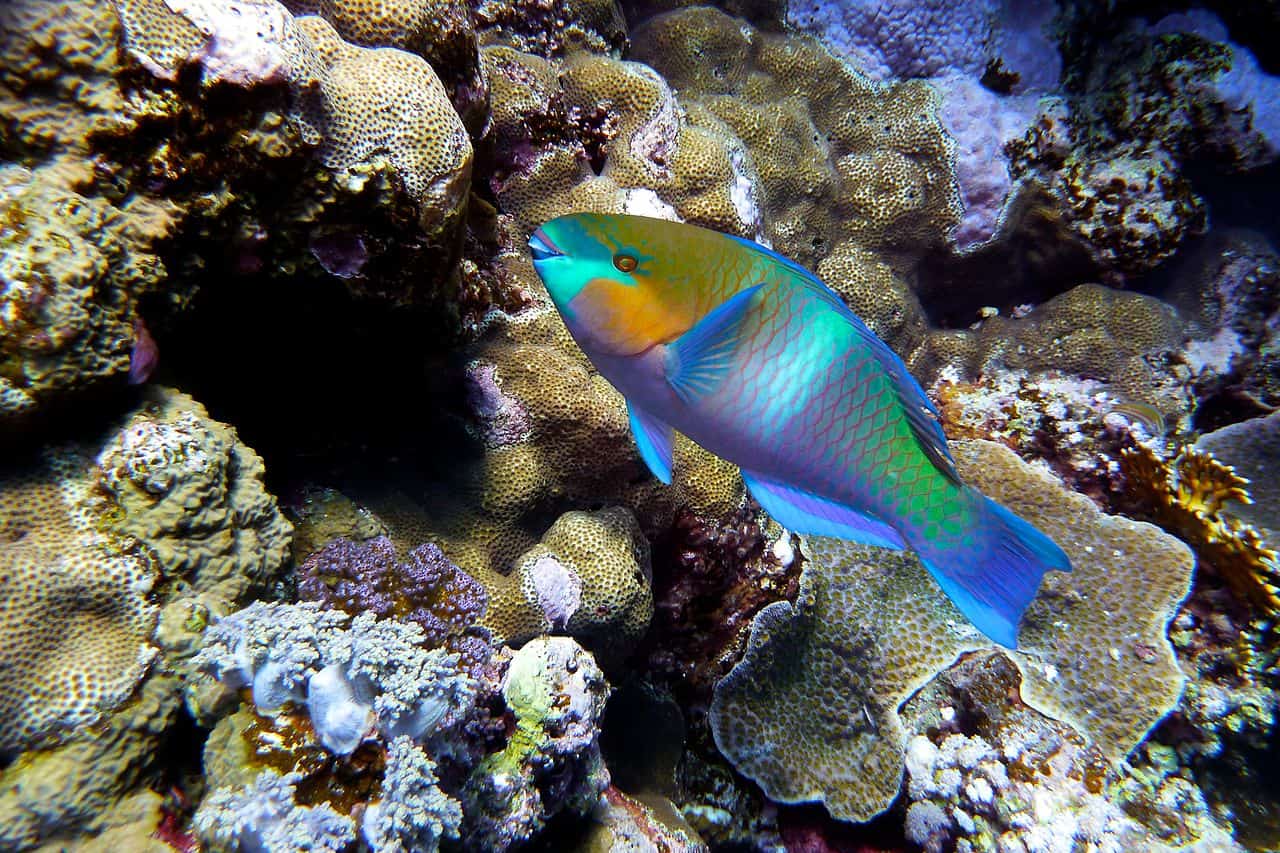
As climate change intensifies, the role of parrotfish as sand producers becomes increasingly critical. Rising sea levels and more frequent intense storms threaten to accelerate beach erosion worldwide. At the same time, ocean acidification and warming waters stress coral reefs, potentially reducing the raw material available for parrotfish to convert into sand. This creates a concerning scenario where beach erosion could accelerate precisely when the natural sand production system is compromised.
Scientists and conservation managers are working to understand how these complex factors will interact and affect beach formation in coming decades. Some research suggests that protecting parrotfish populations could help make reef systems more resilient to climate change impacts by controlling algae that compete with coral. However, there are limits to this resilience, especially if warming events become too frequent or intense. The future of tropical white sand beaches may ultimately depend on both local conservation efforts to protect parrotfish and global action to address climate change and reduce pressures on marine ecosystems.
Conclusion: Appreciating Nature’s Beach Builders

The humble parrotfish’s role in creating the world’s most beautiful beaches represents one of nature’s most remarkable and least appreciated ecological processes. From coral reef to tropical paradise, these colorful fish transform hard calcium carbonate structures into the fine white sand that draws millions of tourists to tropical destinations each year. This process, occurring over countless generations of parrotfish, has literally shaped coastlines and created environments upon which entire economic systems and human settlements depend.
Understanding the parrotfish-sand connection should inspire greater appreciation and conservation efforts for these crucial marine species. When we protect parrotfish, we’re not just saving colorful reef inhabitants; we’re preserving the natural systems that build and maintain tropical beaches. As we face growing environmental challenges from climate change to overfishing, the parrotfish reminds us of the intricate connections between species and ecosystems.
The next time you visit a white sand beach, take a moment to consider its surprising origins. That soft sand between your toes represents an amazing biological process that has operated for millions of years—a perfect example of how nature’s systems create beauty and stability through unexpected connections. In the humble parrotfish, we find a powerful reminder that every species matters and that protecting biodiversity means preserving the countless ecological processes that maintain our world’s most treasured environments.
Perhaps most importantly, the story of parrotfish and sand production highlights how much we still have to learn about the natural world. Even something as seemingly simple as beach sand has a complex and fascinating origin story that connects diverse elements of marine ecosystems. By continuing to explore and understand these connections, we gain not just scientific knowledge but also inspiration for more thoughtful stewardship of our planet’s remarkable natural systems.

From exploring the marine wonders in the Azores and witnessing the vast savannas of Kenya, to delving deep into the rich biodiversity of South Africa and traversing iconic landscapes in Australia and the US like Yellowstone, Chris's experiences are vast.
With a penchant for diving alongside sharks, the ocean holds a special place in his heart.
Through his academic insights, he champions wildlife conservation, striving with 'Animals Around The Globe' to cultivate a profound connection between humans and animals, enhancing our mutual appreciation.
Connect with him at Feedback@animalsaroundtheglobe.com.
- Why Parrotfish Poop White Sand - August 16, 2026
- What Happens When a Bird Forgets How to Migrate? - August 16, 2026
- Why Penguins “Porpoise” Through the Water - August 16, 2026
Leave a comment
You must be logged in to post a comment.