

Encountering wildlife is one of the joys of spending time outdoors, but it’s essential to be aware that some of those creatures can pose serious health risks. Across the United States, each state harbors its own collection of venomous animals—from snakes and spiders to marine creatures and insects. While dangerous encounters are relatively rare, knowing how to identify potentially venomous species in your region and understanding appropriate safety measures can literally save lives. This comprehensive guide will help you recognize the venomous residents in your state and provide practical advice for staying safe during outdoor adventures.
Understanding Venomous vs. Poisonous Animals
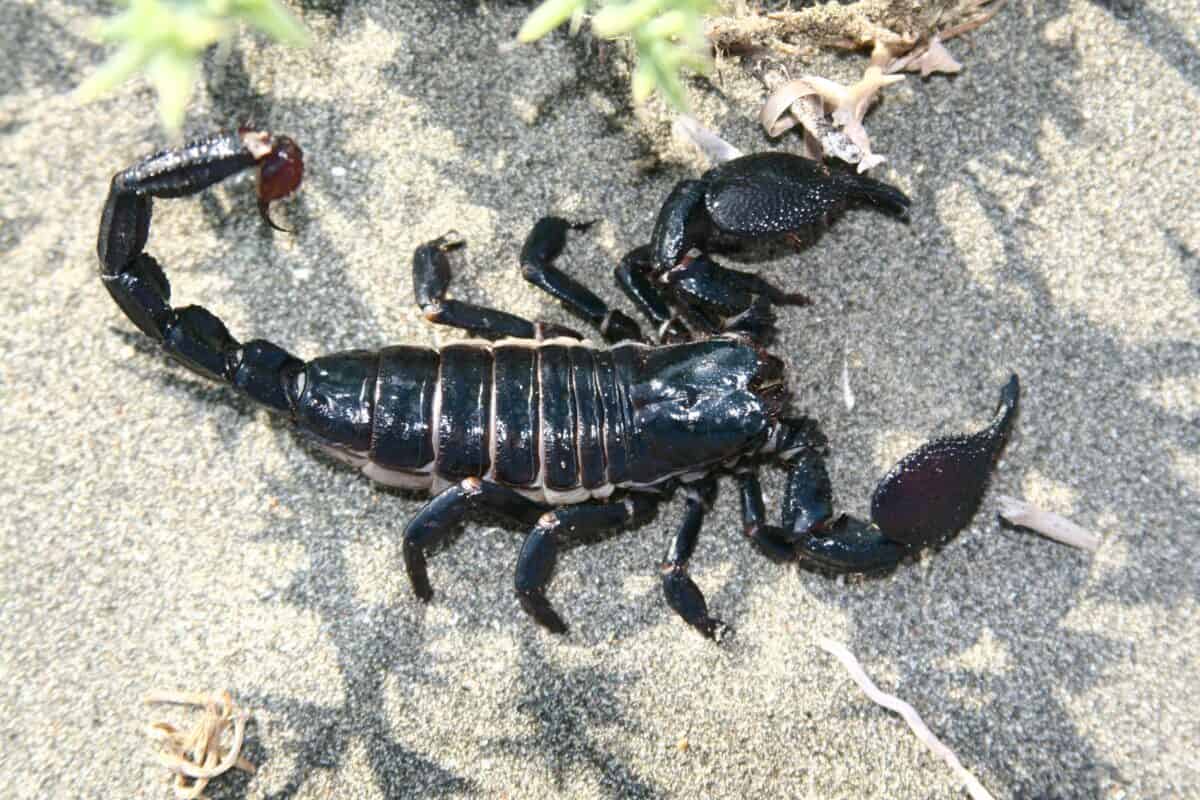
Before diving into identification, it’s important to understand the distinction between venomous and poisonous animals. Venomous animals actively inject toxins through specialized structures like fangs, stingers, or spines. The venom delivery is typically a defensive mechanism or hunting strategy. Examples include rattlesnakes, black widow spiders, and scorpions. When a venomous animal strikes, the toxin enters your bloodstream directly.
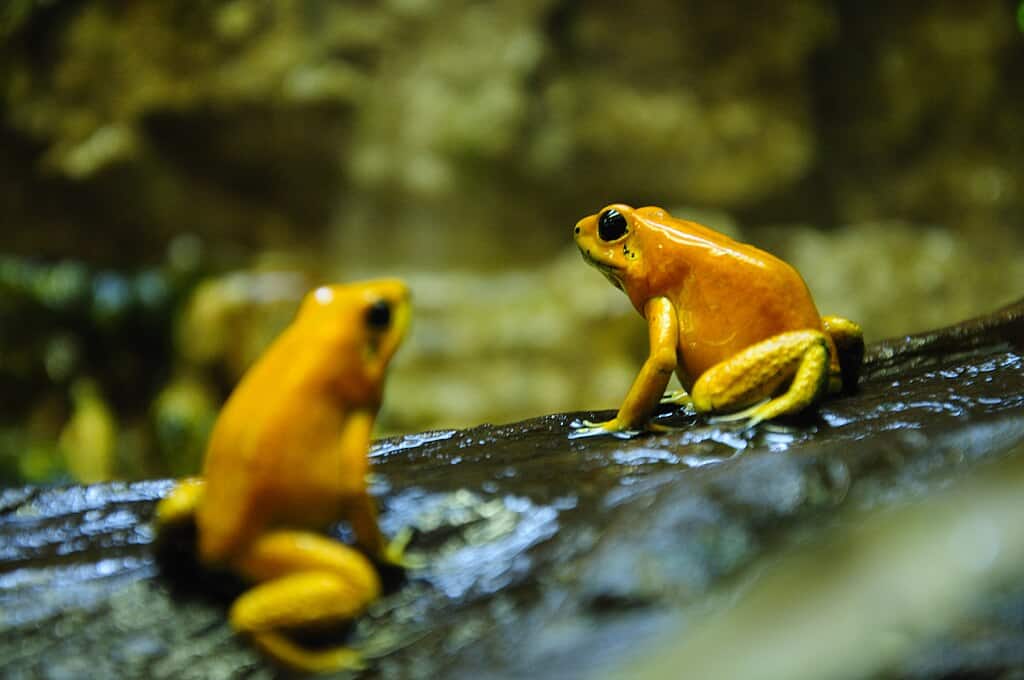
Poisonous animals, by contrast, contain toxins in their tissues that are harmful when touched or ingested. Some salamanders and certain frogs fall into this category. This guide focuses primarily on venomous species since they typically pose a more immediate threat during everyday outdoor activities. Understanding this fundamental difference helps contextualize the various defense mechanisms you might encounter in the wild and the appropriate safety responses.
Regional Distribution of Venomous Animals in the U.S.

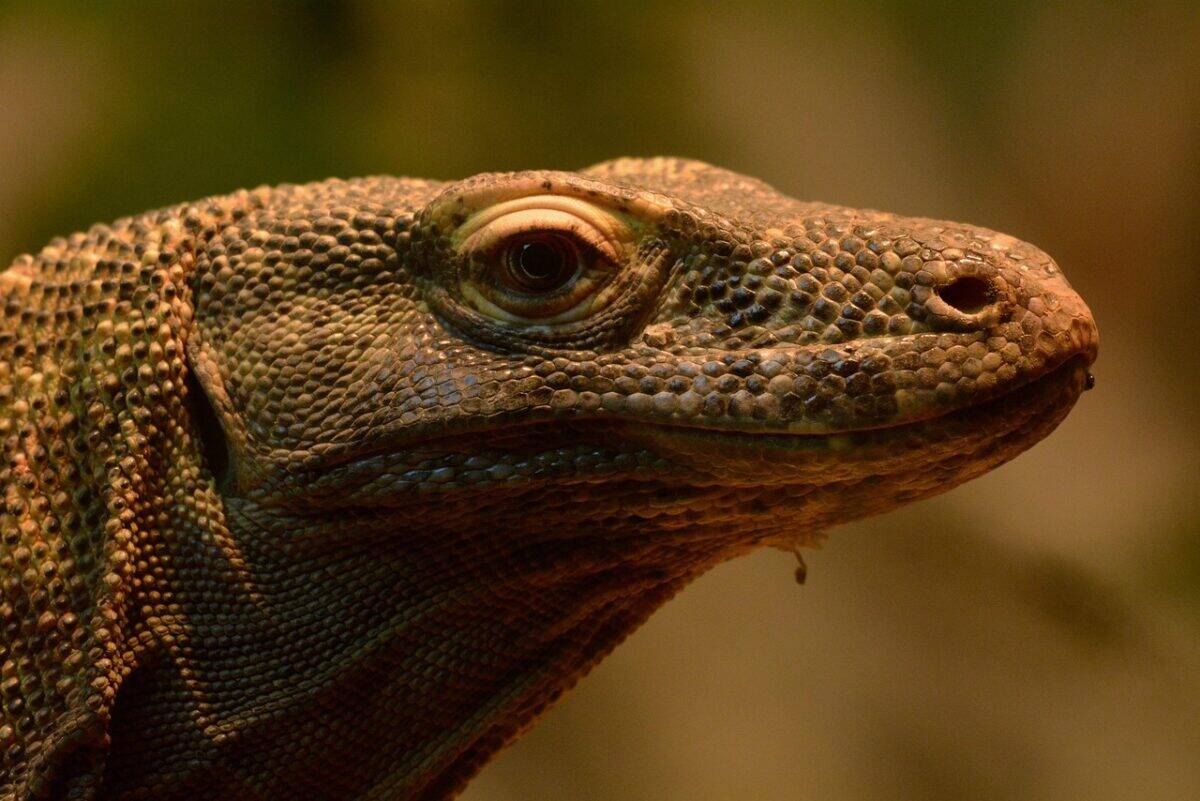
Venomous species distribution varies significantly across the United States due to climate, geography, and habitat variations. The Southeast harbors the greatest diversity of venomous snakes, including all six species of North American rattlesnakes, cottonmouths, copperheads, and coral snakes. The Southwest is home to numerous venomous arthropods like scorpions, including the potentially lethal Arizona bark scorpion, along with various rattlesnake species and the Gila monster—one of only two venomous lizards in the world.
The Northeast has fewer venomous species, with timber rattlesnakes and copperheads being the primary concerns. The Pacific Northwest similarly has a limited number of venomous creatures, though the Western black widow spider and hobo spider warrant attention. Hawaii stands apart with its marine hazards, including box jellyfish and cone snails. Understanding your region’s venomous profile is the first step in developing appropriate awareness. The CDC and state wildlife agencies provide region-specific information that can be invaluable for residents and visitors alike.
Identifying Venomous Snakes
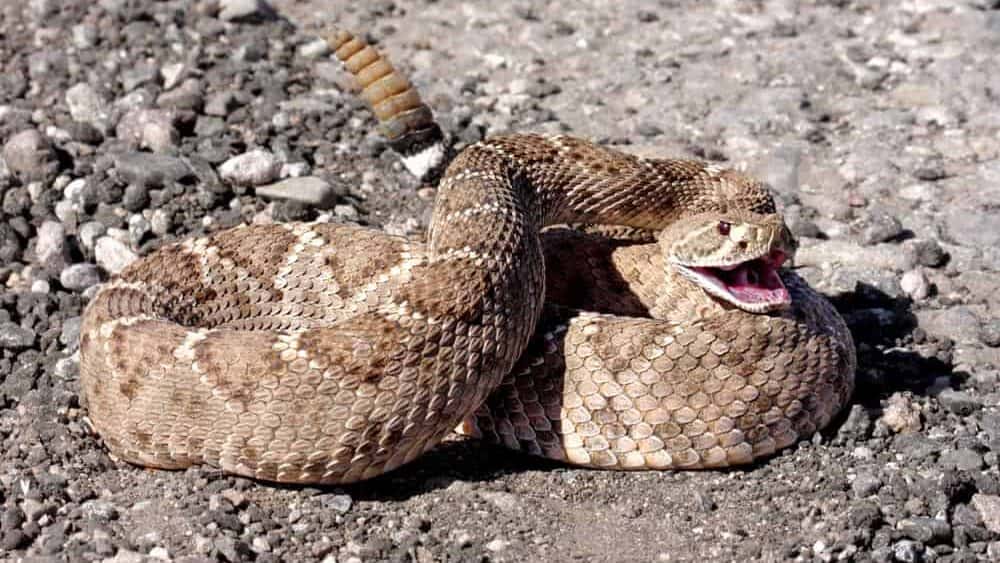
Snakes are perhaps the most feared venomous animals in the United States, yet identifying venomous species isn’t as difficult as many believe. In most regions, venomous snakes have distinct characteristics. Pit vipers (rattlesnakes, copperheads, and cottonmouths) feature triangular heads, vertical pupils like a cat’s eye, heat-sensing pits between the eye and nostril, and a single row of scales on the underside of their tails. Rattlesnakes have the additional identifier of a rattle at the tail end, though this may be missing due to damage.
Coral snakes, with their potent neurotoxic venom, follow a different identification pattern. The classic rhyme “Red touch yellow, kill a fellow; red touch black, friend of Jack” can help distinguish venomous coral snakes from non-venomous mimics like kingsnakes. However, this rule only applies to North American species. When in doubt, maintain a safe distance from any snake you cannot positively identify. Never attempt to capture, kill, or handle a snake, as most bites occur when people try to interact with these reptiles.
Recognizing Dangerous Spiders

Among the thousands of spider species in the United States, only a handful pose significant health risks to humans. The black widow spider is recognizable by its glossy black body and distinctive red hourglass marking on the underside of its abdomen. These spiders prefer dark, undisturbed areas like woodpiles, garden sheds, and outdoor toilets. The brown recluse spider can be identified by the violin-shaped marking on its back, though this feature can be difficult to spot. These spiders have six eyes arranged in pairs (most spiders have eight eyes) and prefer undisturbed indoor locations.
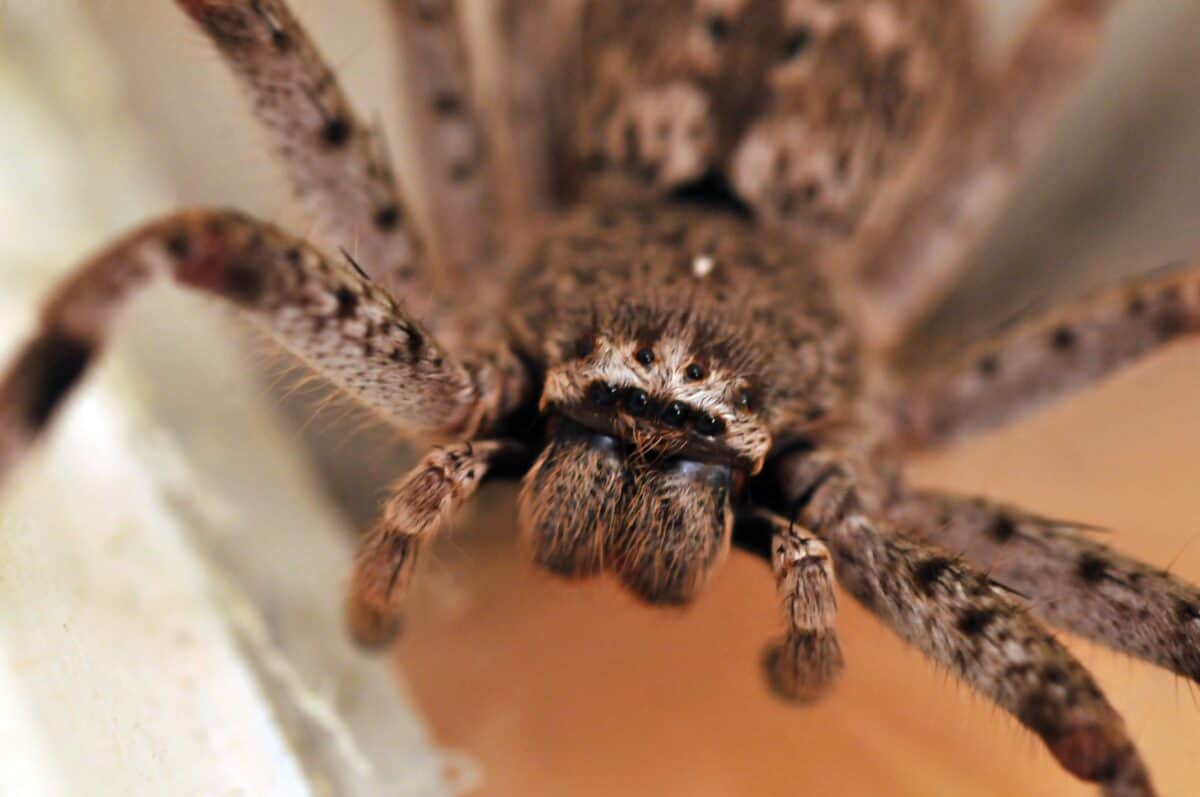
Other potentially dangerous spiders include the hobo spider in the Pacific Northwest and the yellow sac spider, which is common throughout the country. While most spider bites result in only minor symptoms, bites from black widows and brown recluses can cause serious systemic reactions requiring medical attention. Reduce your risk by wearing gloves when working in areas where spiders may hide, shaking out stored shoes and clothing before wearing them, and keeping storage areas clean and organized to minimize spider habitation.
Marine Venomous Creatures
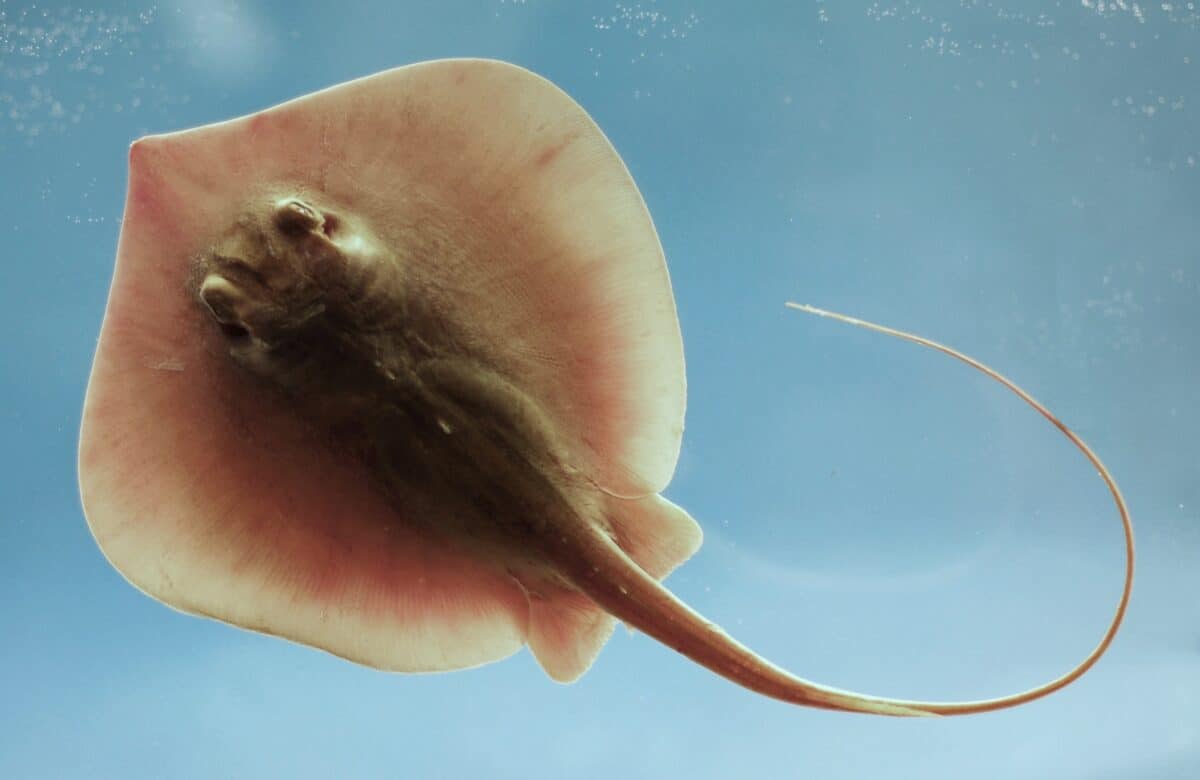
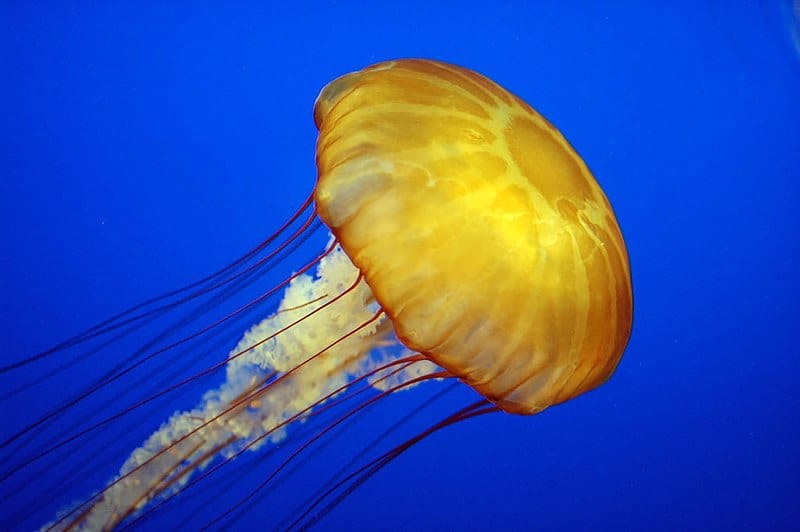
Coastal states face unique venomous threats from marine life. Along the Gulf Coast and Atlantic seaboard, stingrays partially buried in sandy bottoms can deliver painful stings with their barbed tails when accidentally stepped on. The Portuguese man-of-war, with its distinctive floating blue or purple gas-filled sac and trailing tentacles, can cause excruciating pain and, in rare cases, serious systemic reactions. In Hawaiian and tropical waters, box jellyfish pose significant risks with venom potent enough to cause cardiovascular collapse in severe cases.
The Pacific Coast harbors the California scorpionfish and the spine-covered sea urchins, while several species of venomous cone snails inhabit Florida and Hawaii’s waters. These beautifully patterned mollusks can inject venom through a modified tooth that acts like a harpoon. To stay safe in marine environments, always shuffle your feet when wading in sandy areas (the “stingray shuffle”), heed warning signs about jellyfish and other hazards, and never touch marine creatures, no matter how harmless they appear. Marine venoms often require specific first aid approaches, so familiarize yourself with proper procedures before coastal visits.
Scorpions and Other Venomous Arthropods

Scorpions are primarily concentrated in the southwestern United States, with the Arizona bark scorpion being the most dangerous species in North America. This light brown, slender scorpion can be recognized by its tendency to hold its tail in a characteristic curved position when at rest. Unlike other scorpions that hold their tails to the side or dragging behind, this positioning is a red flag for potential danger. Other venomous arthropods include centipedes, particularly the giant desert centipede found in the Southwest, which can deliver a painful bite with its modified front legs.
While most scorpion stings cause only localized pain and swelling, bark scorpion venom can lead to serious neurological symptoms, especially in children and the elderly. Reduce your risk by shaking out shoes, clothing, and bedding before use in scorpion-prone areas. Seal cracks and openings in home foundations, wear protective footwear outdoors at night, and consider using UV lights for scorpion detection, as their exoskeletons fluoresce under ultraviolet light. If camping in scorpion territory, keep sleeping bags off the ground and carefully check equipment before packing or use.
Venomous Insects: Bees, Wasps, and Ants

Stinging insects are the most commonly encountered venomous animals in the United States and cause more deaths annually than any other venomous creature due to severe allergic reactions. Honeybees can be identified by their fuzzy bodies and die after stinging, often leaving their stinger embedded in the skin. Wasps, including yellowjackets and hornets, are generally smooth-bodied, more aggressive than bees, and can sting repeatedly. The bald-faced hornet, with its black body and white face markings, builds large paper nests that should be given a wide berth.
Fire ants, prevalent in the South, build distinctive mounded nests and deliver painful stings that often develop into pustules. For those with known allergies to insect venom, carrying an epinephrine auto-injector (EpiPen) is essential. Everyone should take precautions by avoiding brightly colored clothing and strong perfumes during outdoor activities, keeping food covered during picnics, checking beverage containers before drinking, and remaining calm if stinging insects are nearby. If you discover a nest near your home, professional removal is the safest option, particularly for established colonies of aggressive species.
State-by-State Venomous Animal Resources

Each state’s department of natural resources or wildlife agency maintains comprehensive information about local venomous species. These official resources typically include identification guides, distribution maps, and state-specific safety recommendations. University extension services also provide valuable educational materials, often including county-level information about venomous species prevalence. For travelers, knowing the venomous profile of your destination is as important as checking the weather forecast.
Digital resources have made this information more accessible than ever. Mobile applications like “SnakeSnap” and “Spider Identifier” use photo recognition to help identify species, while the National Poison Data System offers statistics on envenomation cases by region. The iNaturalist platform allows citizens to report wildlife sightings, creating valuable real-time distribution data. Before outdoor activities, particularly in unfamiliar areas, spending a few minutes researching the local venomous species can significantly enhance your safety awareness and preparation.
Prevention and Safety Measures
The most effective strategy for avoiding venomous animal encounters is prevention. When hiking, stick to clear trails and avoid reaching into rock crevices, hollow logs, or dense vegetation without visual inspection. Wear appropriate protective clothing, including closed-toe shoes, long pants, and gloves when working outdoors. Around homes in high-risk areas, eliminate potential habitats by keeping grass short, removing brush piles, and storing firewood away from the house on raised platforms. Seal cracks and gaps in foundations, install door sweeps, and use window screens to prevent entry of venomous creatures.
Nighttime activities in venomous hotspots require additional precautions, as many dangerous species are nocturnal. Always use a flashlight to illuminate your path and check seating areas before settling down. When camping, keep food in sealed containers, shake out sleeping bags before use, and consider using protective groundsheets. Teaching children appropriate caution without instilling phobias is particularly important—the simple rule of “look but don’t touch” applies to all wildlife encounters and helps prevent dangerous situations while still allowing appreciation of natural diversity.
First Aid for Envenomation
Despite precautions, envenomations can occur, and knowing the appropriate first aid response is crucial. For snakebites, keep the victim calm and still to slow venom spread, remove constrictive items like rings or watches from the affected limb, position the bite site at or below heart level, clean the wound gently, and seek medical help immediately. Contrary to popular belief, do not apply ice, cut the wound, attempt to suck out venom, or apply a tourniquet. For spider bites, clean the area with soap and water, apply a cold compress to reduce swelling, and seek medical attention if the bite is from a potentially dangerous species or if concerning symptoms develop.
Scorpion stings should be washed with soap and water, followed by cold compresses to reduce pain and swelling. For bee and wasp stings, remove the stinger (if present) by scraping with a card edge rather than using tweezers, which can squeeze more venom into the wound. For all envenomations, documenting the time of the bite or sting and, if possible, identifying the species involved (or taking a photo from a safe distance) can assist medical professionals in providing appropriate treatment. Remember that most venomous animal encounters don’t result in serious medical emergencies, but prompt and appropriate first aid improves outcomes when they do.
When to Seek Medical Attention
Understanding when a venomous encounter requires medical intervention can be lifesaving. All snakebites should be evaluated by healthcare professionals, even if symptoms seem minor initially, as venom effects can be delayed and progressive. For spider bites, seek immediate medical attention if the bite is from a known dangerous species like a black widow or brown recluse, or if symptoms include severe pain, spreading redness, difficulty breathing, or systemic effects like nausea or vomiting. Scorpion stings, particularly from bark scorpions, warrant medical evaluation if the victim is a child or elderly person, or if abnormal symptoms like muscle twitching, difficulty swallowing, or slurred speech develop.
For insect stings, emergency medical attention is necessary if signs of anaphylaxis appear, including hives, swelling of the face or throat, difficulty breathing, dizziness, or rapid heartbeat. Multiple stings, particularly in children or older adults, can also require medical evaluation due to the cumulative effect of venom. When seeking medical care for any envenomation, call ahead if possible so the facility can prepare appropriate antivenin or other treatments. In remote areas, knowing the location of the nearest medical facility with experience treating envenomations should be part of your outdoor preparation.
Conclusion: Respect, Not Fear
Venomous animals play vital ecological roles in their natural habitats, controlling pest populations and maintaining biodiversity balance. The goal of identification and safety awareness isn’t to promote fear or eradication of these species, but rather to foster respectful coexistence through knowledge and preparedness. Most venomous creatures avoid human contact when possible and only deploy their defensive mechanisms when threatened or cornered. By learning to identify local venomous species and practicing appropriate precautions, outdoor enthusiasts can significantly reduce their risk of harmful encounters.
Remember that venomous animal distributions can change over time due to climate shifts, habitat alterations, and other factors, making ongoing education important even for long-time residents of an area. State wildlife agencies, university extension services, and reputable online resources provide updated information about venomous species ranges and behaviors. By balancing healthy respect with factual knowledge, we can safely enjoy the natural world while appreciating the remarkable adaptations that venomous creatures have evolved—from a safe distance, of course. Stay informed, stay prepared, and stay safe as you explore the diverse wildlife your state has to offer.

- The Glasswing Butterfly: Nature’s Invisible Beauty - July 21, 2026
- What Happens If a Whale Dies in the Ocean? - July 21, 2026
- Why You Should Stop Feeding Ducks at the Park - July 21, 2026