


In a world often dominated by news of environmental decline, there are remarkable conservation success stories that deserve our attention and celebration. These victories not only inspire hope but demonstrate that concerted human effort can reverse ecological damage and protect endangered species. From the recovery of once-critically endangered animals to the restoration of vital ecosystems, conservation wins remind us that positive change is possible through dedication, innovation, and collaboration. The following ten conservation triumphs represent some of the most significant environmental achievements in recent decades, showcasing humanity’s capacity to be stewards rather than exploiters of our natural world.
The Return of the Bald Eagle
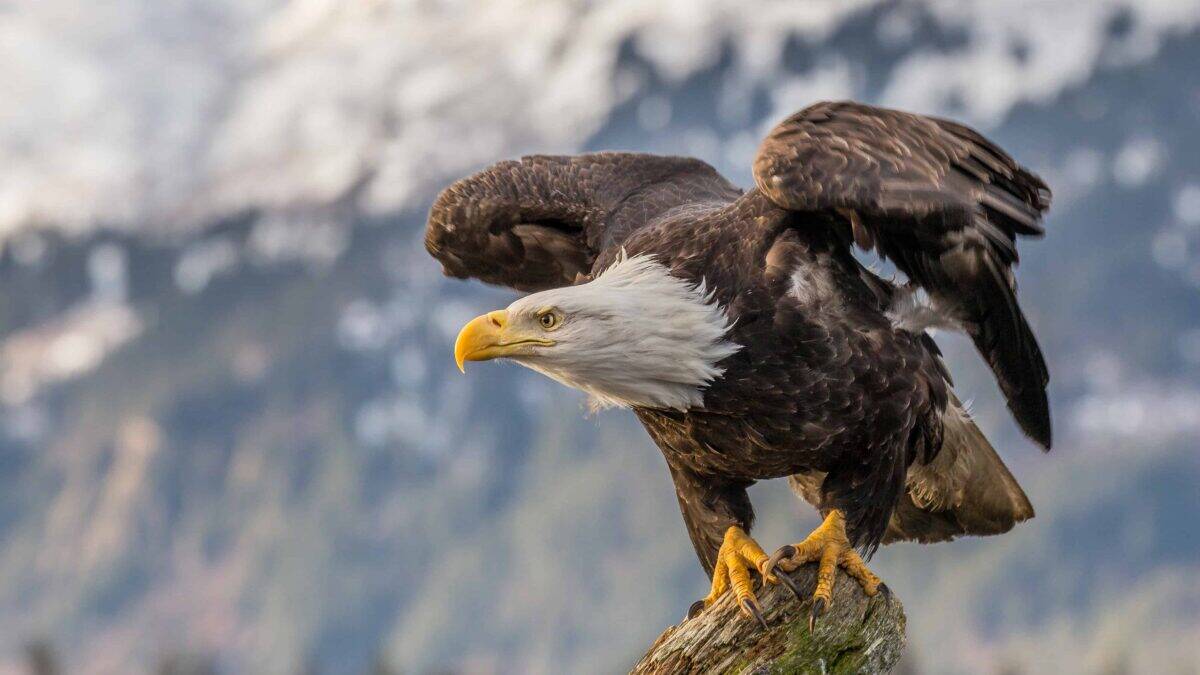
The bald eagle, America’s national symbol, has made one of the most remarkable comebacks in conservation history. In the 1960s, these majestic birds were on the brink of extinction in the contiguous United States, with fewer than 500 nesting pairs remaining. The widespread use of the pesticide DDT caused eagles to lay eggs with shells too thin to support developing embryos, devastating their population. Additionally, habitat destruction and illegal hunting pushed the species toward extinction.
Following the ban of DDT in 1972 and the protection granted by the Endangered Species Act in 1973, bald eagle numbers began a slow but steady recovery. Conservation efforts, including habitat protection, captive breeding programs, and reintroductions, contributed to this success. By 2007, with more than 9,700 breeding pairs identified across the United States, the bald eagle was officially removed from the endangered species list. Today, their population exceeds 300,000 individuals, marking one of the most successful wildlife recovery stories in conservation history.
Saving the Mountain Gorilla from Extinction
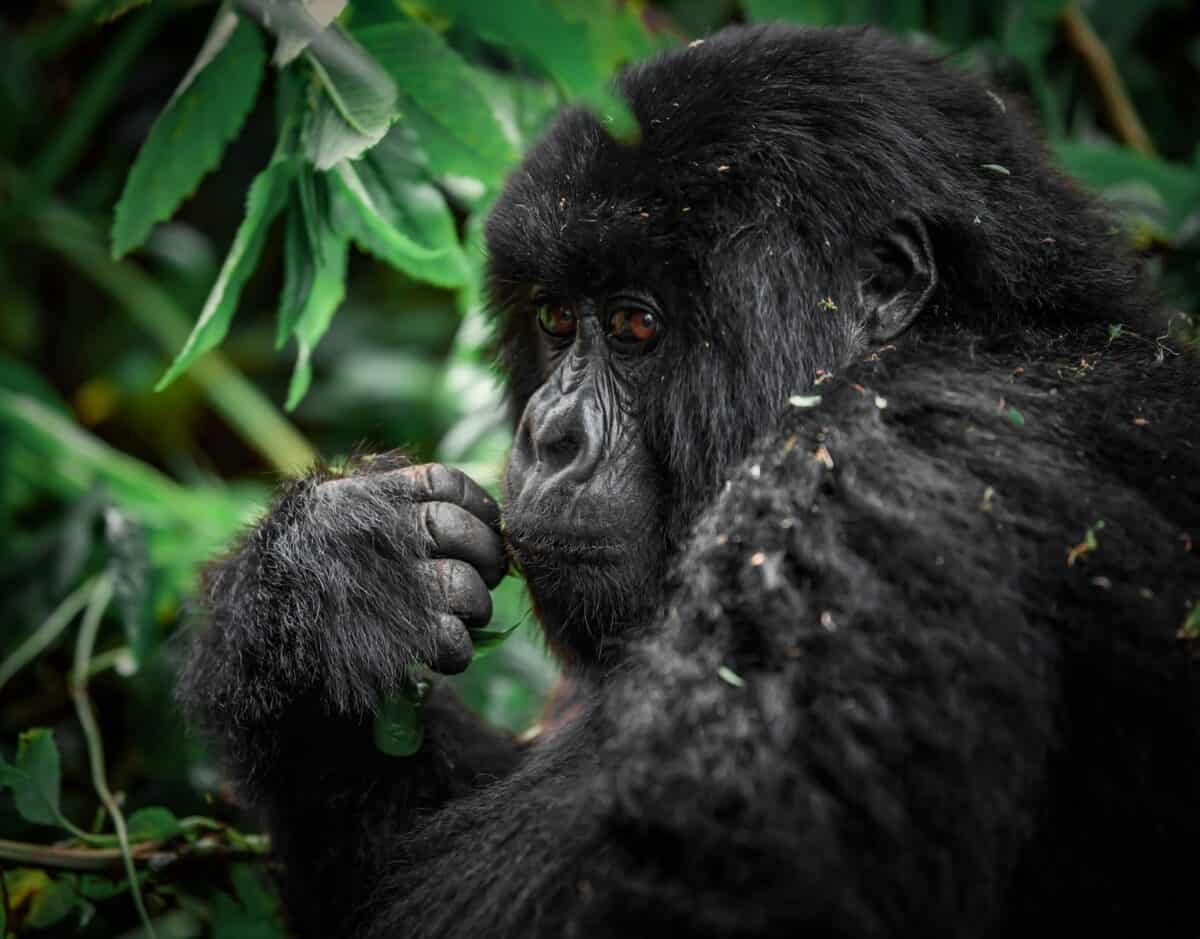
Mountain gorillas, one of the world’s most charismatic and endangered primates, have slowly pulled back from the edge of extinction. In the 1980s, their population had dwindled to just 254 individuals due to rampant poaching, habitat loss, and civil unrest in their native range spanning Rwanda, Uganda, and the Democratic Republic of Congo. Their situation seemed hopeless, but dedicated conservation efforts initiated a remarkable turnaround for the species.
Through a combination of anti-poaching patrols, regulated ecotourism, community engagement, and veterinary interventions, mountain gorilla numbers have more than doubled. A 2018 census recorded over 1,000 individuals in the wild – the highest number in decades. While still endangered, this upward trajectory represents a significant conservation win. The gorillas’ recovery demonstrates how international cooperation, sustainable tourism practices, and involving local communities as stakeholders can create effective conservation solutions for even the most threatened species.
The Surprising Recovery of Humpback Whales
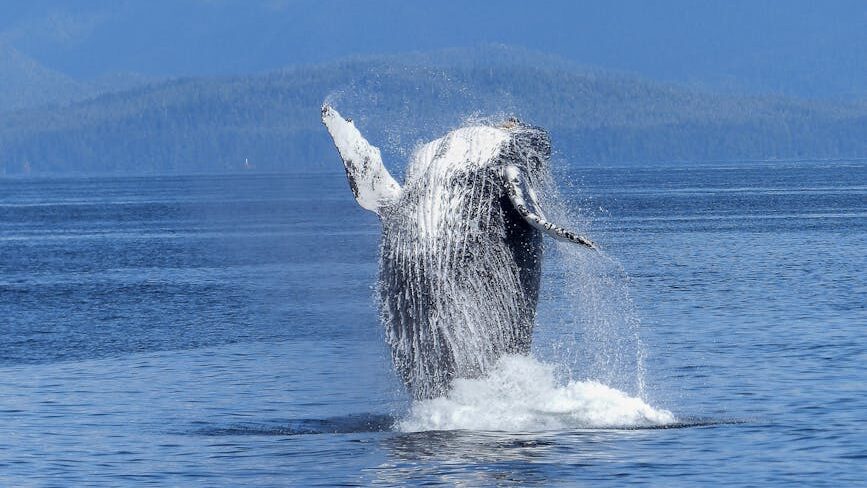
Humpback whales tell one of the ocean’s most inspiring comeback stories. These magnificent marine mammals were hunted to near extinction during the commercial whaling era of the 19th and 20th centuries, with some populations reduced by an estimated 95%. By the time international protection was established in 1966, fewer than 5,000 humpbacks remained worldwide, down from a pre-whaling population estimated at 125,000.
Since the implementation of the global whaling moratorium in 1986, humpback whales have shown remarkable resilience. Most populations have rebounded significantly, with global numbers now estimated at 80,000 or more. In 2016, most humpback populations were removed from the U.S. endangered species list. Their recovery has been so successful that in areas like Australia, annual migrations have become popular ecotourism attractions, creating economic incentives for their continued protection. The humpback whale’s journey from the brink of extinction to relative abundance demonstrates the power of international conservation agreements when properly enforced.
The Great Green Wall of Africa

The Great Green Wall initiative represents one of the most ambitious ecological restoration projects in human history. Launched in 2007 by the African Union, this massive effort aims to combat desertification by creating a 8,000-kilometer-long, 15-kilometer-wide mosaic of trees, vegetation, and sustainable land management practices across the width of Africa along the southern edge of the Sahara Desert. The project spans 11 countries from Senegal in the west to Djibouti in the east, targeting areas where climate change and human activities have severely degraded once-productive land.
Despite challenges, the Great Green Wall has achieved significant progress. In Senegal alone, over 11 million trees have been planted, restoring 15 million hectares of degraded land. In Ethiopia, 15 million hectares have been restored through improved land management. Beyond environmental benefits, the project provides sustainable livelihoods for millions of people through agriculture, green jobs, and food security improvements. While still far from completion, this living wall demonstrates how ecological restoration can simultaneously address environmental degradation, climate change, rural poverty, and migration pressures in one integrated solution.
The Resurgence of the Southern White Rhinoceros
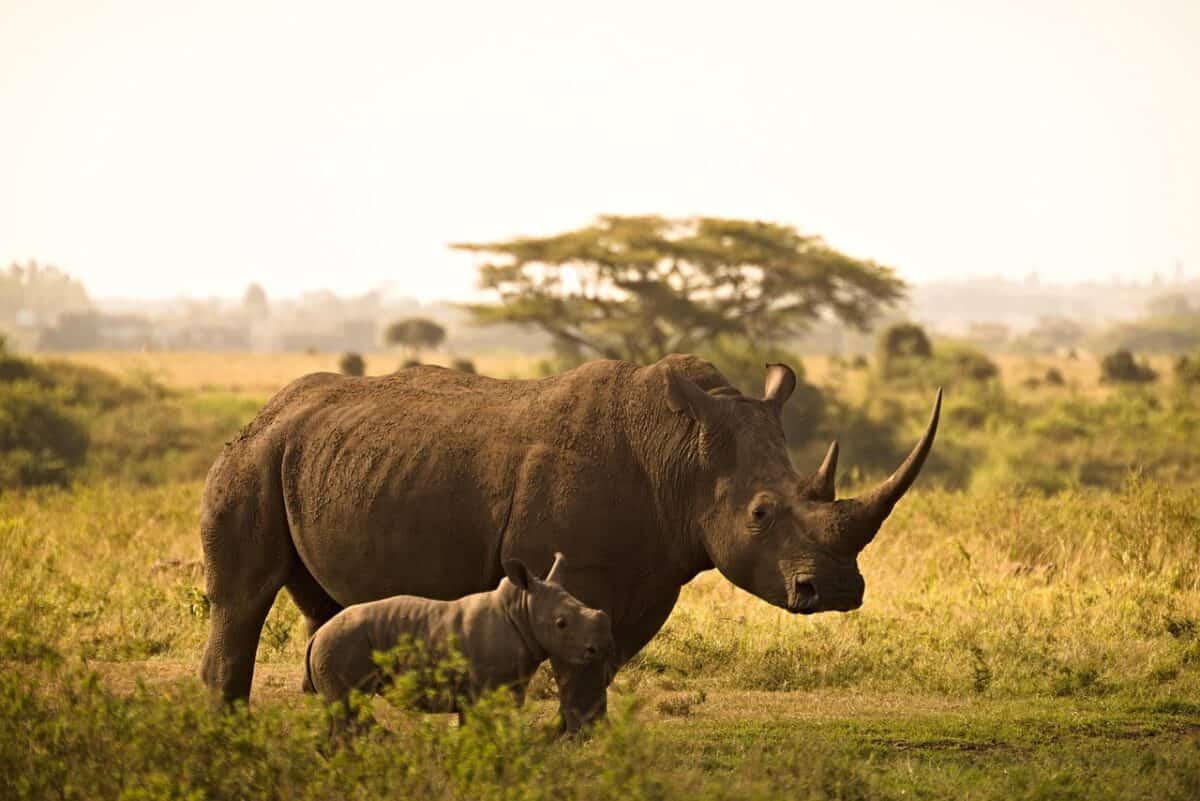
The southern white rhinoceros represents one of the most successful large mammal conservation stories. In the late 19th century, this subspecies was thought to be extinct until a small population of fewer than 50 individuals was discovered in South Africa in 1895. Immediate protection measures were implemented, including the creation of dedicated reserves and anti-poaching programs. The recovery began slowly but gained momentum through the 20th century.
Through intensive conservation management, strict protection, and successful breeding programs, southern white rhino numbers increased to approximately 20,000 individuals today, making them the most abundant rhino subspecies in the world. While they still face serious threats from poaching for their horns, this remarkable recovery demonstrates that even large mammals requiring extensive territories can rebound from near extinction with adequate protection. Conservation strategies developed for southern white rhinos now inform protection efforts for other critically endangered rhino species, including their northern white rhino relatives, which unfortunately stand at the brink of extinction with just two females remaining.
The Restoration of the Iberian Lynx

The Iberian lynx, once the world’s most endangered cat species, has made a remarkable recovery from the edge of extinction. In the early 2000s, fewer than 100 individuals remained in isolated pockets of Spain and Portugal, down from thousands that once roamed the Iberian Peninsula. The species faced multiple threats, including habitat fragmentation, declining prey populations (particularly rabbits), road accidents, and poaching. With such low numbers, their genetic diversity had also become critically compromised.
An intensive conservation program launched in 2002 has produced remarkable results. Through habitat restoration, prey recovery initiatives, captive breeding and reintroduction programs, and wildlife corridors, the population has increased to over 1,000 individuals across several populations in Spain and Portugal. In 2015, the IUCN downgraded the species from “Critically Endangered” to “Endangered.” The lynx recovery represents a model for saving critically endangered species through comprehensive conservation approaches, including addressing genetic diversity concerns. The program’s success has become a benchmark for endangered species recovery efforts worldwide.
The Creation of Vast Marine Protected Areas

The past decade has witnessed an unprecedented global expansion of marine protected areas (MPAs), representing a significant shift in ocean conservation. Traditionally, marine conservation lagged far behind terrestrial efforts, with less than 1% of the world’s oceans protected in 2000. However, growing recognition of ocean ecosystem collapse and biodiversity loss has sparked a remarkable increase in marine protection. Notable achievements include the establishment of the Papahānaumokuākea Marine National Monument in Hawaii (582,578 square miles), the Ross Sea Marine Protected Area in Antarctica (598,000 square miles), and the Pitcairn Islands Marine Reserve (322,000 square miles).
As of 2023, approximately 8% of the world’s oceans have some form of protection, with international agreements aiming to reach 30% by 2030. Research within established MPAs has demonstrated significant benefits, including increased fish biomass, biodiversity recovery, and enhanced ecosystem resilience to climate change impacts. Long-term studies in the oldest marine reserves show that properly managed MPAs can restore marine ecosystems to near-pristine conditions, with biomass increases of over 400% in some cases. These protected ocean zones represent a crucial conservation strategy for preserving marine biodiversity and ensuring sustainable fisheries for future generations.
The Remarkable Return of the California Condor
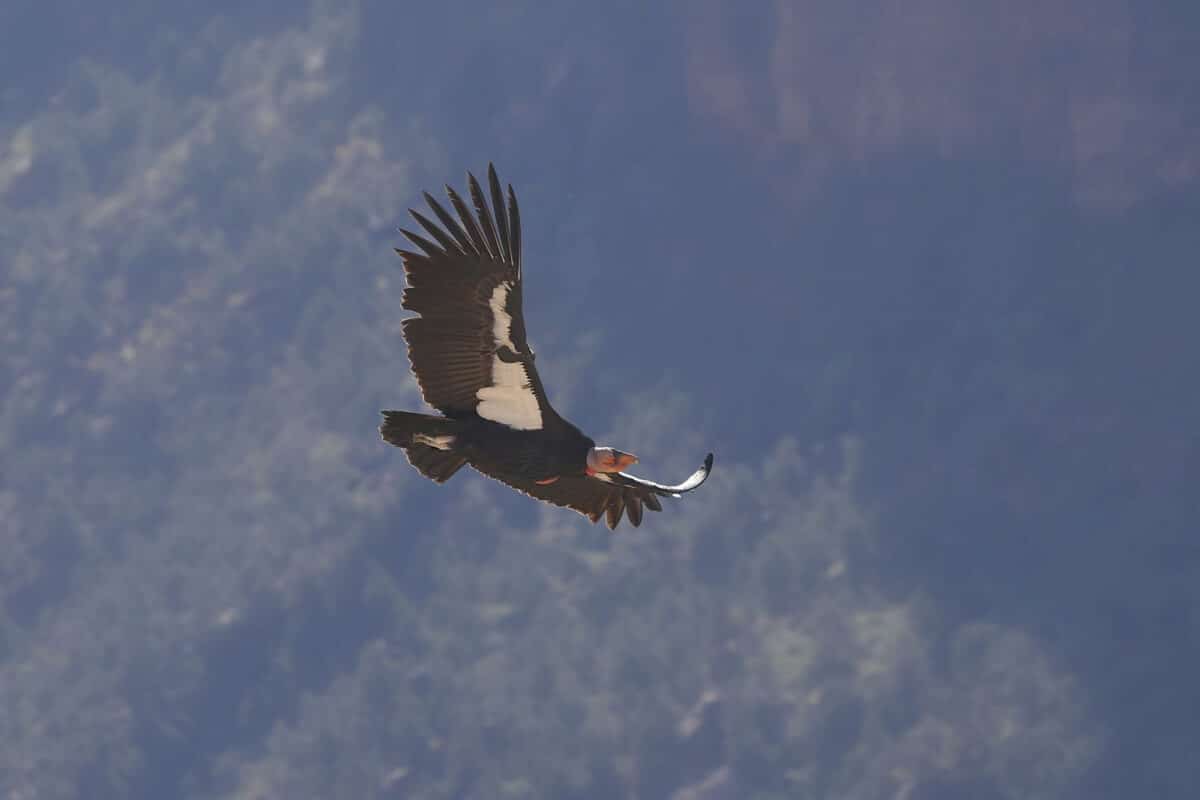
The California condor, North America’s largest flying bird with a wingspan of nearly 10 feet, represents one of the most intensive and successful species rescue operations ever undertaken. By 1982, hunting, lead poisoning, and habitat loss had reduced the population to just 22 individuals worldwide. In a controversial but ultimately successful decision, conservationists captured all remaining wild condors for an emergency captive breeding program. The last wild condor was brought into captivity in 1987, making the species extinct in the wild.
Through meticulous breeding efforts, scientific research, and addressing threats like lead ammunition (which poisoned condors feeding on hunter-killed carcasses), the population has grown to over 500 birds, with more than half flying free in California, Arizona, Utah, and Baja California. The first wild chick hatched in 2003, marking a crucial milestone. While still endangered and requiring ongoing management, the California condor’s journey from the brink of extinction demonstrates the potential of science-based conservation when adequate resources and commitment are applied. The program continues to tackle challenges like lead poisoning, which remains the leading cause of condor mortality despite partial bans on lead ammunition in their range.
The Preservation of the Amazon Through Indigenous Stewardship

Indigenous territories in the Amazon rainforest have emerged as one of the most effective conservation mechanisms for preserving the world’s largest tropical forest ecosystem. Studies consistently show that indigenous-managed lands experience significantly lower deforestation rates than comparable unprotected areas, often performing better than conventional protected areas. This success stems from indigenous peoples’ profound knowledge of forest ecosystems developed over thousands of years, and their vested interest in maintaining the forest that sustains their cultural identity and livelihoods.
The legal recognition of indigenous territorial rights has expanded significantly in Amazonian countries over recent decades, with over 25% of the Amazon basin now under formal indigenous management. Satellite monitoring confirms that these territories create effective barriers against deforestation, illegal mining, and agricultural expansion. In Brazil, indigenous territories have been shown to reduce deforestation rates by up to 66% compared to surrounding areas. This conservation model not only preserves biodiversity and carbon stocks but also respects human rights and cultural diversity. The success of indigenous stewardship demonstrates that effective conservation often aligns with supporting traditional communities’ rights rather than excluding people from protected landscapes.
The Recovery of the Giant Panda

The giant panda has served as a global conservation icon for decades, and its recovery represents a landmark achievement in wildlife protection. In the 1980s, pandas faced imminent extinction, with fewer than 1,200 individuals remaining in fragmented habitat patches in central China. Rampant deforestation, poaching, and low reproductive rates in both wild and captive populations painted a bleak outlook for this charismatic species.
Through coordinated international and Chinese conservation efforts, the panda’s situation has dramatically improved. China established a network of 67 panda reserves protecting nearly 70% of their habitat and connecting isolated populations through forest corridors. Advances in captive breeding techniques increased the ex-situ population to over 600 individuals, while pioneering reintroduction programs have successfully released captive-born pandas into the wild. These combined efforts increased the wild population to approximately 1,800 pandas, leading the IUCN to downgrade the species from “Endangered” to “Vulnerable” in 2016. The panda’s recovery demonstrates how a flagship species can catalyze broader conservation achievements, as panda protection has simultaneously preserved habitat for thousands of other species in China’s biodiversity-rich mountain ecosystems.
The Ozone Layer’s Healing Process

The recovery of the Earth’s ozone layer stands as perhaps the most successful example of global environmental cooperation in history. In the 1980s, scientists discovered that chlorofluorocarbons (CFCs) and other ozone-depleting substances used in refrigeration, aerosols, and industrial processes were creating a growing “hole” in the ozone layer over Antarctica. This atmospheric shield protects all life on Earth from harmful ultraviolet radiation. Models at the time predicted catastrophic consequences, including millions of additional skin cancer cases, widespread crop failures, and marine ecosystem collapse if the depletion continued unchecked.
The international response was swift and decisive. The 1987 Montreal Protocol, ratified by every United Nations member state, phased out the production of ozone-depleting substances. Compliance has been nearly universal, with atmospheric concentrations of these chemicals declining steadily since the mid-1990s. NASA and NOAA monitoring confirms that the ozone layer is gradually healing, with the Antarctic ozone hole showing clear signs of recovery. Scientists project that with continued adherence to the protocol, the ozone layer will return to pre-1980s levels by mid-century. This environmental success story demonstrates that with scientific consensus, political will, and viable technological alternatives, humanity can effectively address global environmental challenges.
The Power of Conservation Success Stories
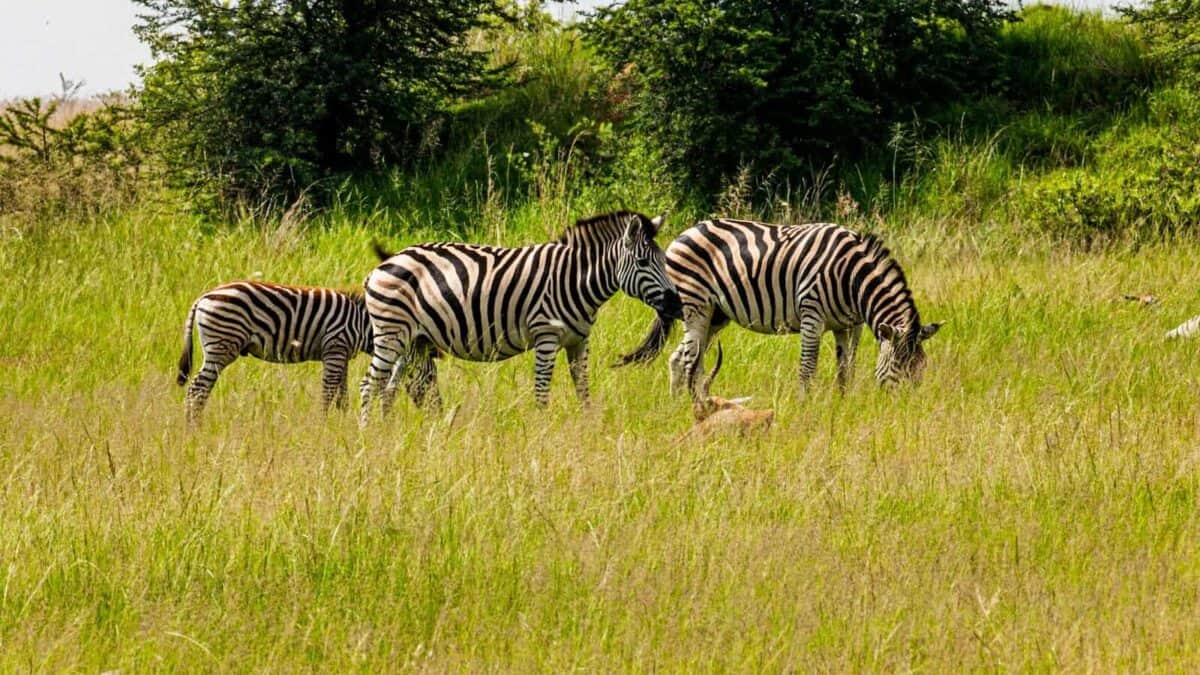
These ten conservation victories demonstrate that environmental challenges, no matter how daunting, can be overcome through determined action, scientific innovation, and international cooperation. Each success story serves as a powerful antidote to environmental despair and defeatism. From species pulled back from the edge of extinction to ecosystems restored to health, these achievements prove that conservation efforts can and do work when properly supported and implemented. They provide essential models and lessons that can be applied to the many environmental challenges we continue to face.
Conservation wins also highlight the importance of sustained commitment, as most of these successes required decades of dedicated work. They show that seemingly impossible environmental goals can be achieved when science guides policy, adequate resources are allocated, and diverse stakeholders collaborate toward shared objectives. Perhaps most importantly, these triumphs remind us that humans can be a positive force in nature, capable of repairing damage and preserving the planet’s biodiversity for future generations. As we confront climate change, biodiversity loss, and other environmental crises, these success stories provide not just hope but practical blueprints for creating a more sustainable relationship between humanity and the natural world.

From exploring the marine wonders in the Azores and witnessing the vast savannas of Kenya, to delving deep into the rich biodiversity of South Africa and traversing iconic landscapes in Australia and the US like Yellowstone, Chris's experiences are vast.
With a penchant for diving alongside sharks, the ocean holds a special place in his heart.
Through his academic insights, he champions wildlife conservation, striving with 'Animals Around The Globe' to cultivate a profound connection between humans and animals, enhancing our mutual appreciation.
Connect with him at Feedback@animalsaroundtheglobe.com.