

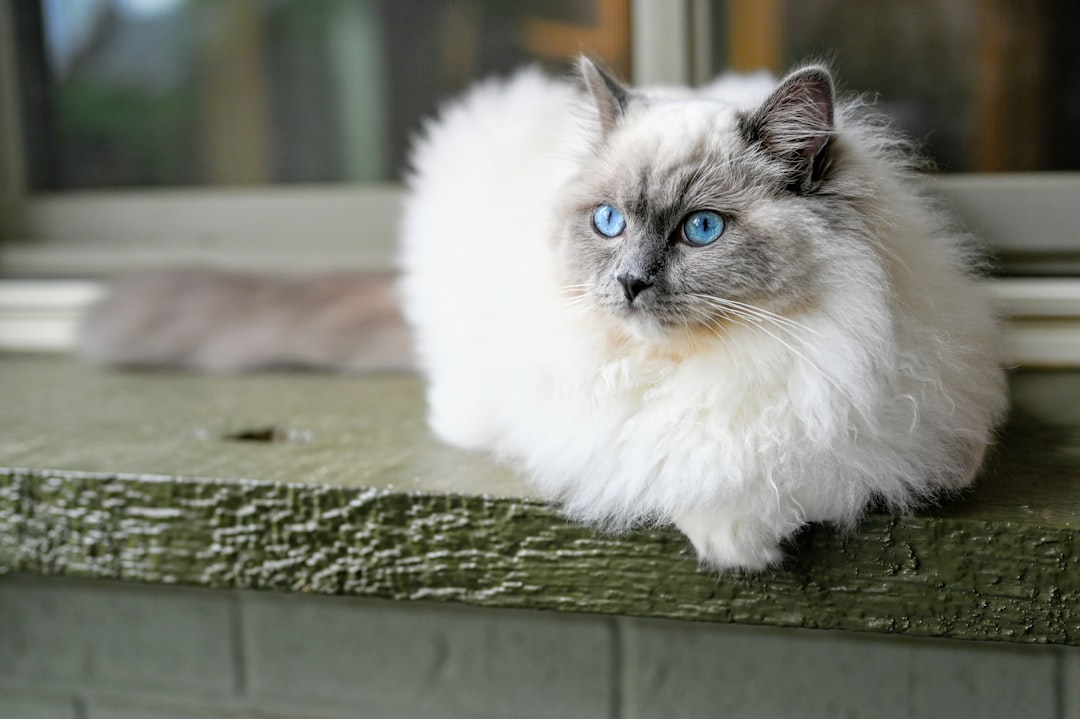
Cats bring boundless joy to millions of homes, but what happens when beauty comes with a price tag written in pain? While those adorable flat faces and folded ears might melt your heart at first sight, veterinarians across the world are quietly hoping you’ll reconsider your next feline friend. Behind closed doors in examination rooms, vets witness the daily struggles of cats bred for looks rather than health, watching as genetic time bombs tick away in the bodies of beloved pets. These aren’t just minor inconveniences – we’re talking about breeds facing lifelong battles with breathing, mobility issues, and painful conditions that could have been avoided entirely.
#15 Persian Cats
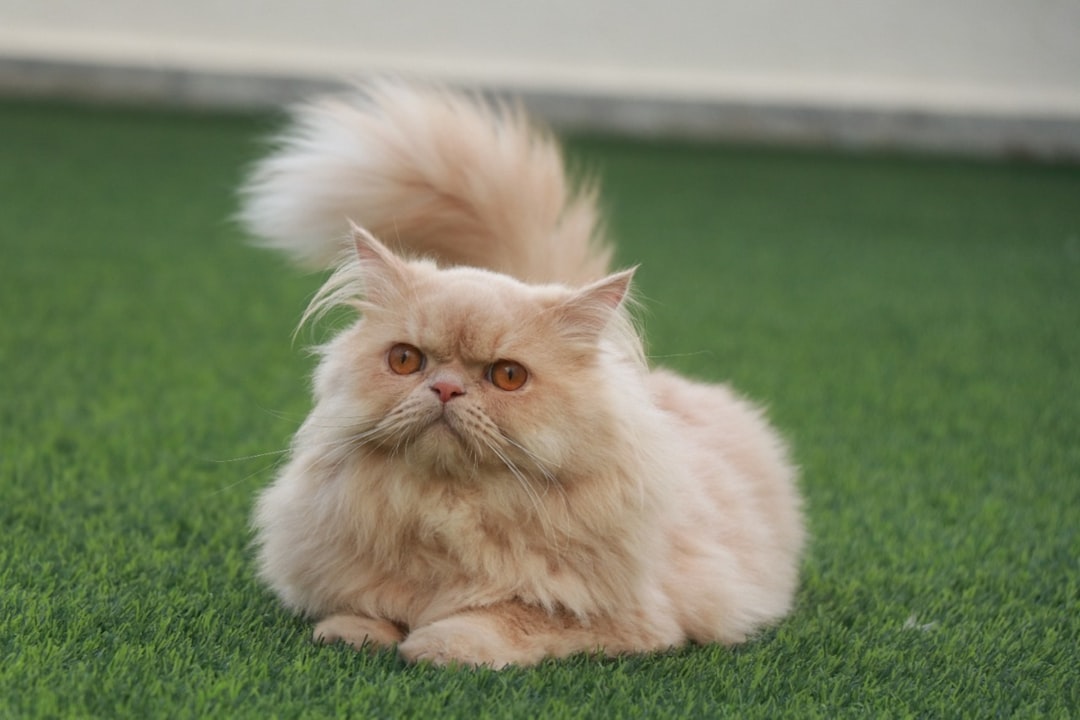
Two-thirds of these fluffy cats suffer from at least one health condition as a consequence of their limited gene pool, and a study conducted by the Royal Veterinary College and the University of Edinburgh in 2019 found that nearly 65% of Persians had at least one recorded disorder. Their signature flat faces don’t just look cute – they create serious breathing problems that make simple activities like eating and playing exhausting.
Research shows that these long-haired felines often endure haircoat disorder, dental disease, overgrown nails, and eye discharge, and are also commonly born with polycystic kidney disease (PKD), a genetic condition where cysts grow on the kidney and destroy the organ over time. Imagine struggling to breathe while also battling chronic kidney failure – this is reality for far too many Persian cats.
#14 Scottish Fold Cats
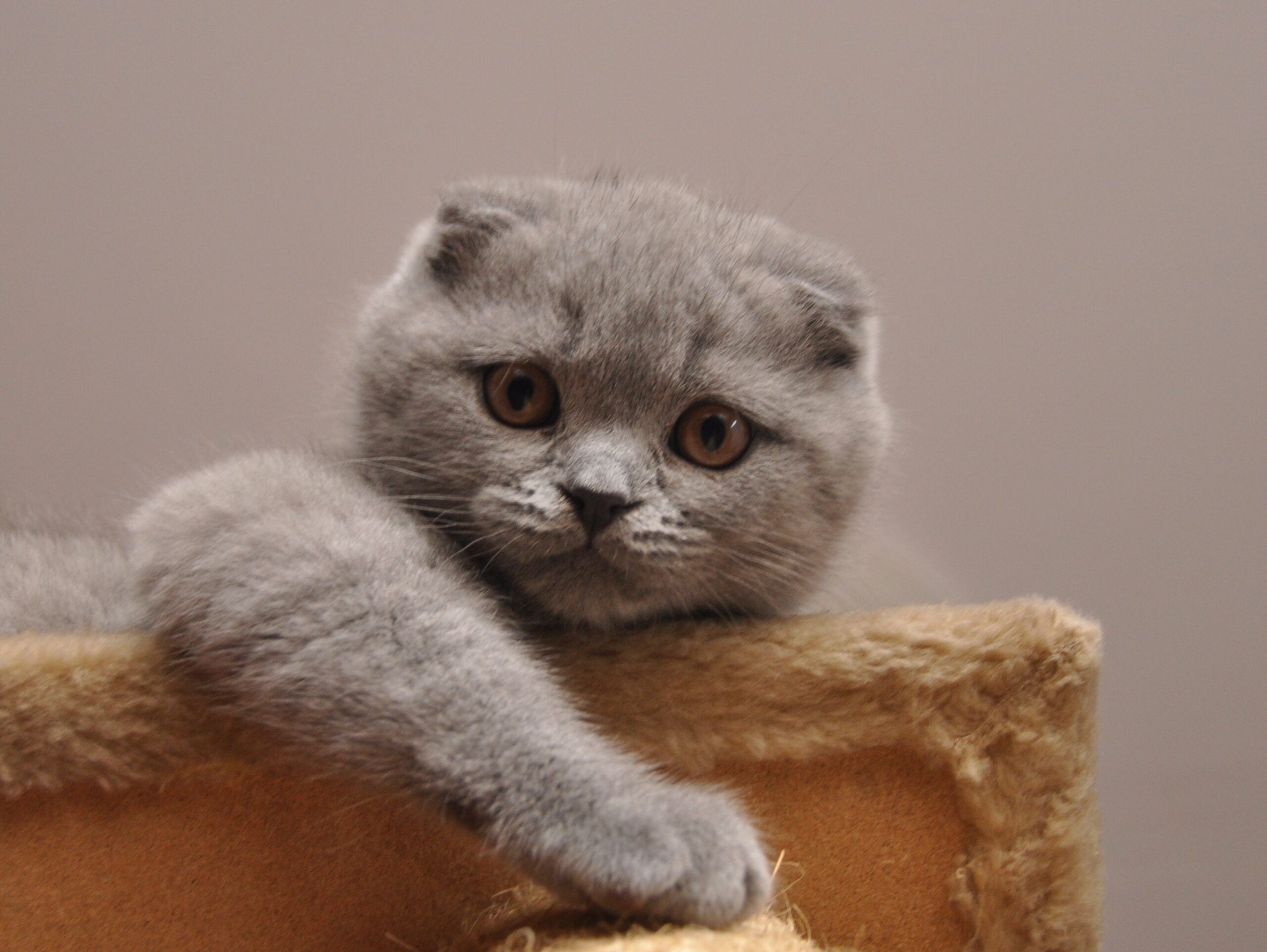
Their beloved ears hide a tragic health defect – their signature “fold” happens due to a lack of cartilage. This manipulation of their gene pool has led to a painful degenerative disease called Osteochondrodysplasia, also known as Scottish Fold Disease. This is a dominant trait, meaning all Scottish Folds have it, with the worst effects including the fusing of the joints within the tail, ankles, and knees, resulting in abnormally short, misshapen, inflexible limbs.
The gene that results in the Scottish fold’s distinctive folded ears also causes degenerative joint disease, which results in painful, crippling arthritis. All Scottish fold cats are affected by this. There is no cure. Many affected cats must be euthanized at an early age to end their suffering. The very feature that makes them instantly recognizable is also their curse.
#13 Munchkin Cats
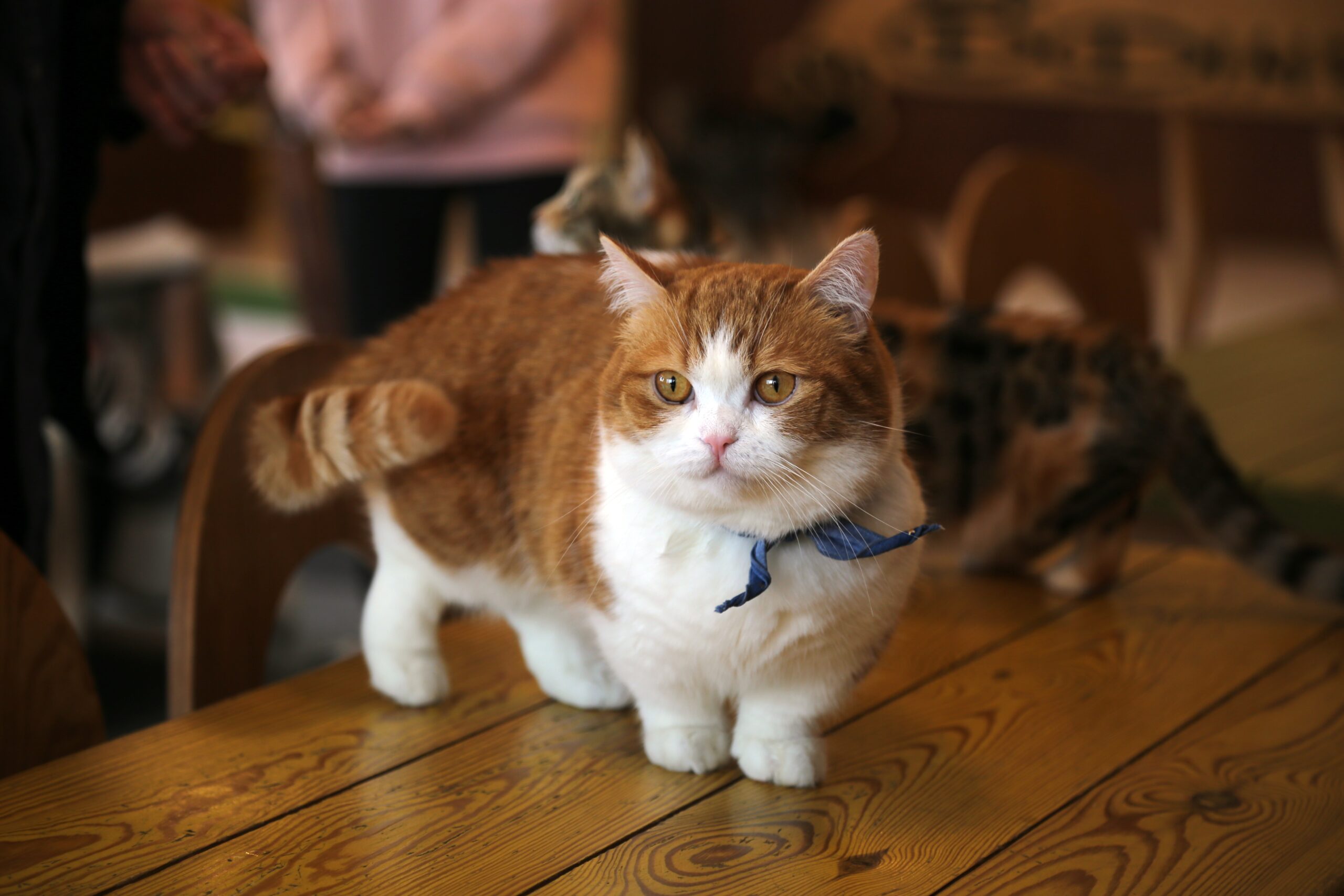
Munchkin cats are the product of a genetic mutation that causes a form of dwarfism called achondroplasia or chondrodysplasia. This results in shortened and often deformed limbs. Munchkin cats are especially prone to deformities of the forelimbs, and while all Munchkins have limb deformities to some degree, some experience significant difficulties with mobility because of it.
Due to the limb deformities, Munchkin cats will very likely develop arthritis as they age. Arthritis in cats, as in people, can be very painful and eventually debilitating. Because of the leg deformities, a Munchkin cat may develop arthritis at a much younger age than other cats. Those adorably short legs come with a lifetime of joint pain that starts earlier than nature intended.
#12 Sphynx Cats
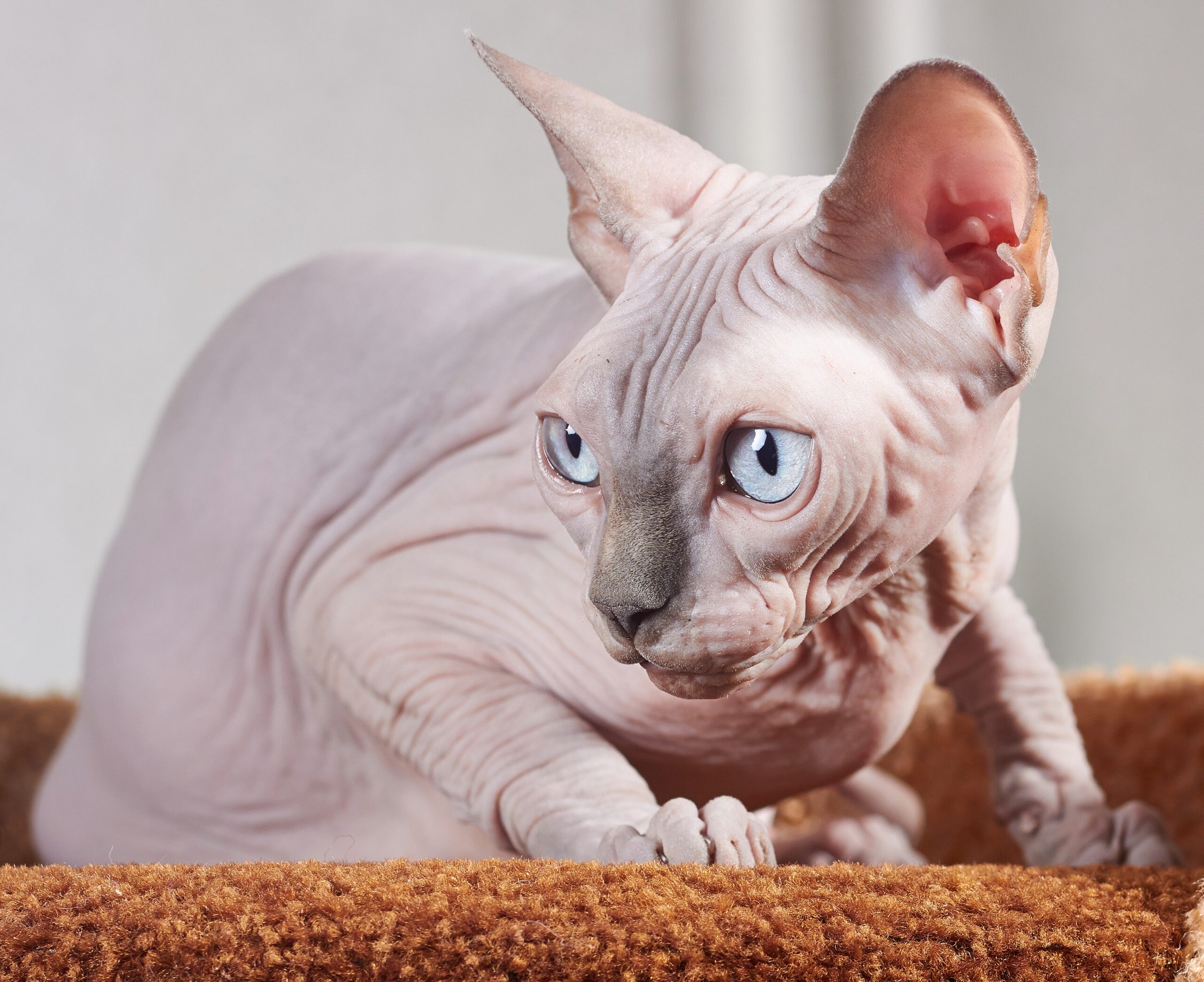
Sphynx cats face significant health challenges that may impact their lifespan compared to other breeds. Sphynx cats, bred to be hairless, often suffer from chronic ear and skin problems and the inability to stay warm because the fur that they lack was intended to protect their ears and skin and to help regulate body temperature. Bengal cats are prone to heart disease, bladder stones, and kidney disease, yet breeders keep producing and exploiting them for profit.
Unlike furry felines, Sphynx cats lack fur, leaving their skin exposed. This can lead to issues like Urticaria pigmentosa, a genetic condition that causes red, itchy bumps on the skin, and Seborrhea, where excess oil production creates greasy, itchy patches on the skin. Their naked skin becomes a constant battleground against environmental hazards that other cats naturally resist.
#11 Exotic Shorthair Cats
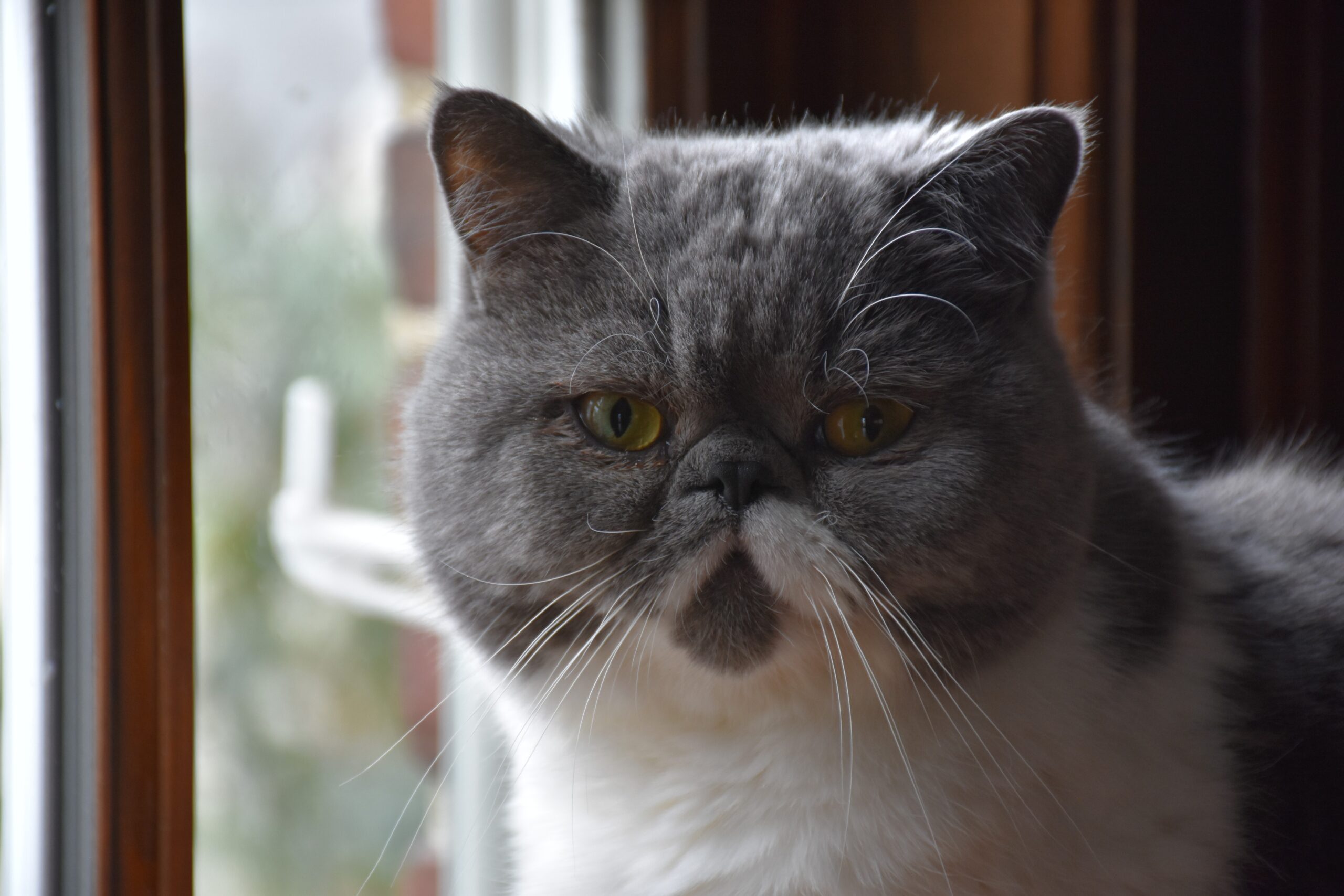
Breeders created Exotic Shorthairs out of a design to invent a short-haired version of Persians. These round-headed, snub-nosed, chubby-cheeked felines look a lot like their long-haired cousins, and they face many of the same issues as brachycephalics. This includes a predisposition for PKD, PRA, heart issues, and breathing problems as a result of the shape of their skulls.
Exotic shorthairs are a cross between Persians and American shorthairs. They suffer from many of the same health problems as Persians, but their coats differ. Exotic shorthairs are among the most-registered purebred cats in America, so their suffering is widespread. Their popularity means countless cats are living with preventable health issues across the country.
#10 Bengal Cats
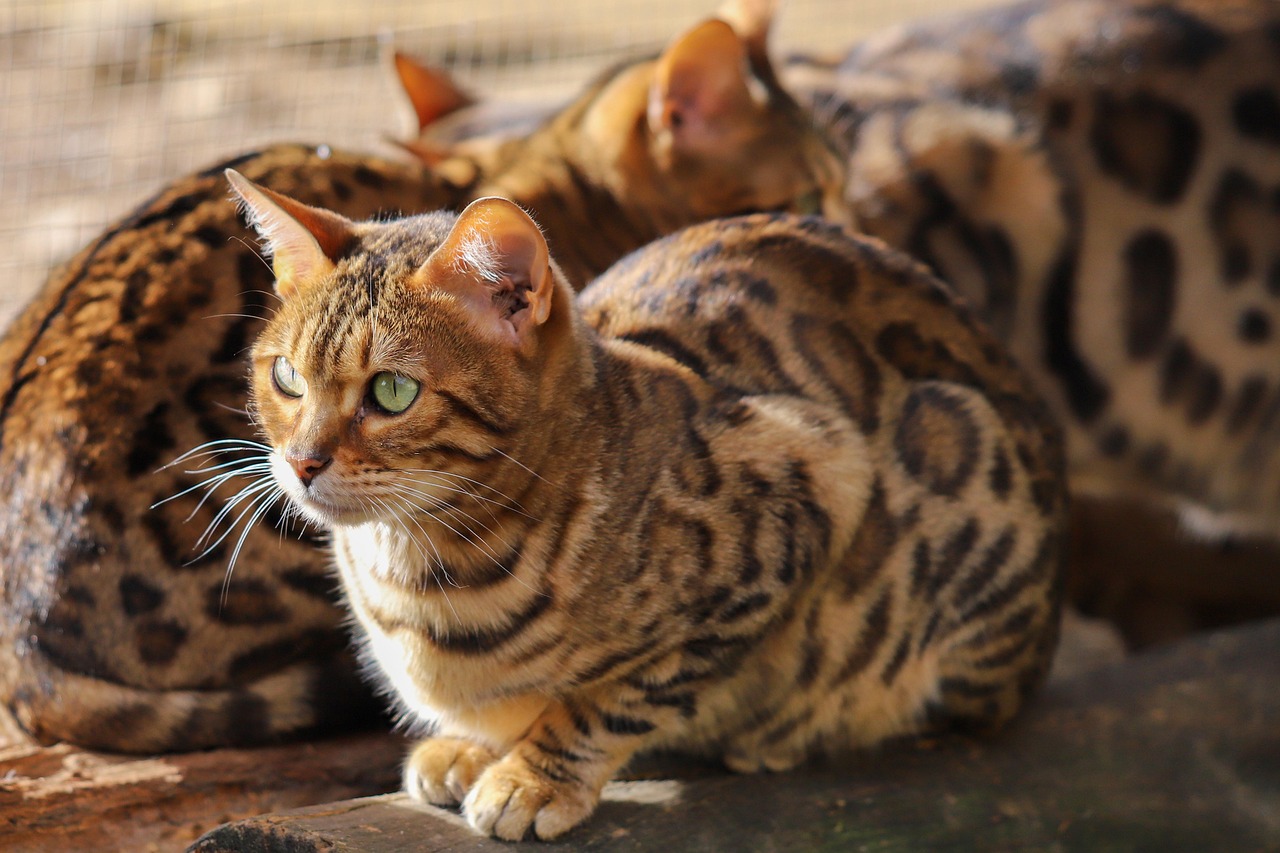
Bengal cats might look like miniature leopards, but their wild appearance masks serious health concerns that develop over time. Bengal cats are prone to heart disease, bladder stones, and kidney disease, yet breeders keep producing and exploiting them for profit. Despite their athletic appearance, many Bengals struggle with internal organ failures that require expensive lifetime management.
The irony is heartbreaking – these cats bred to look wild and robust often end up being more fragile than ordinary domestic cats. Their striking coat patterns come at the cost of genetic stability, leading to progressive kidney disease and heart conditions that can shorten their lives significantly.
#9 Ragdoll Cats
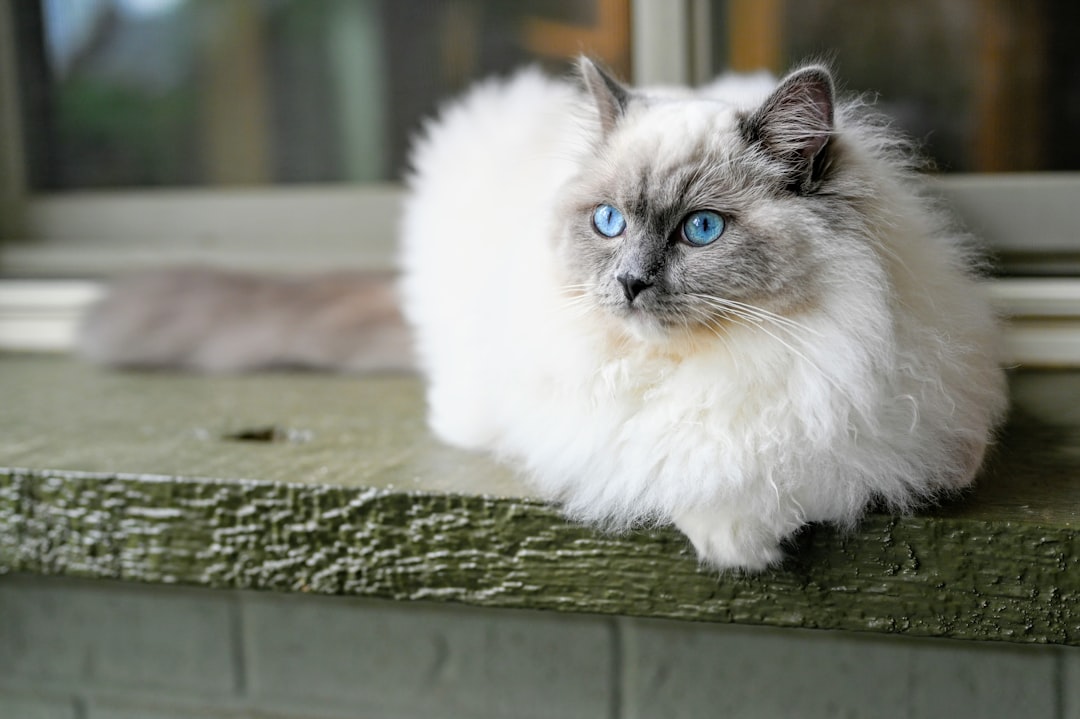
Like many other types of cats, ragdolls can develop a heart condition called hypertrophic cardiomyopathy. They are also prone to bladder stones. Hypertrophic cardiomyopathy is one such condition that has been identified in Ragdoll and Maine Coon breeds because of an inherited genetic mutation. These gentle giants face cardiovascular challenges that can lead to sudden collapse and death.
Their docile nature often masks serious health problems until they reach critical stages. Many Ragdoll owners are caught off guard when their seemingly healthy cat suddenly develops heart failure, requiring emergency interventions and ongoing cardiac medications that cost thousands annually.
#8 British Shorthair Cats
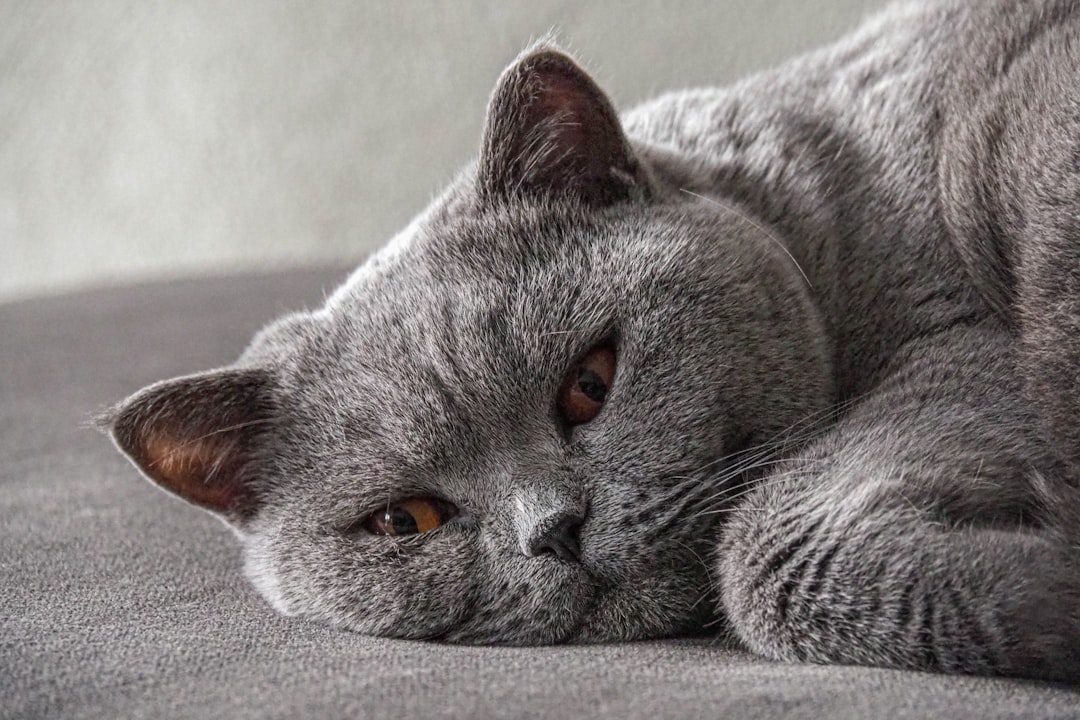
Hypertrophic cardiomyopathy is the heart disease most often diagnosed in felines. Unfortunately, the British Shorthair tends to develop it more commonly, alongside other breeds, such as the Maine Coon, Ragdoll, Sphynx, and Persian cats. Despite their sturdy appearance, these cats are walking time bombs for heart disease.
Polycystic kidney disease is likely because they’ve been bred with Persian cats in the past, and this is a condition Persians often suffer from. The crossbreeding that created their appealing appearance also imported devastating kidney problems that progress silently for years before symptoms appear. By the time owners notice changes, kidney function may already be severely compromised.
#7 Siamese Cats
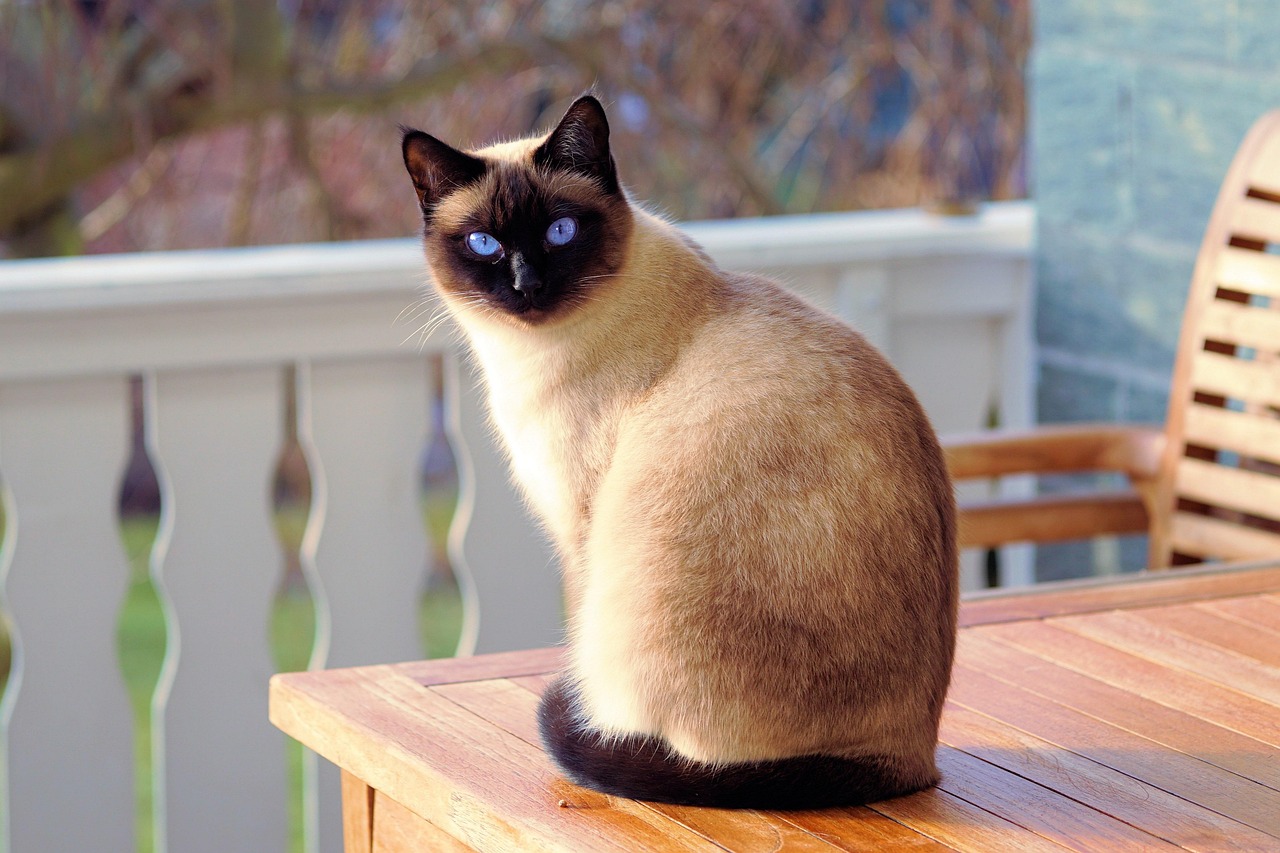
While Siamese cats do not have many physical health problems, they are prone to neurological issues including a type of obsessive compulsive disorder. Regular vet checkups are essential to maintain their overall well-being and to address health concerns, such as dental issues, asthma, and retinal degeneration that can progress to blindness. Siamese cats are also prone to developing pica and wool-sucking, both of which could result in dangerous intestinal obstruction.
Siamese cats can be prone to renal failure, mediastinal lymphoma which is a type of cancer that builds fluid around the lungs and causes breathing problems, and asthma with symptoms including coughing and difficulty breathing. Their elegant appearance belies a predisposition to multiple organ system failures and behavioral disorders that require specialized management.
#6 Maine Coon Cats
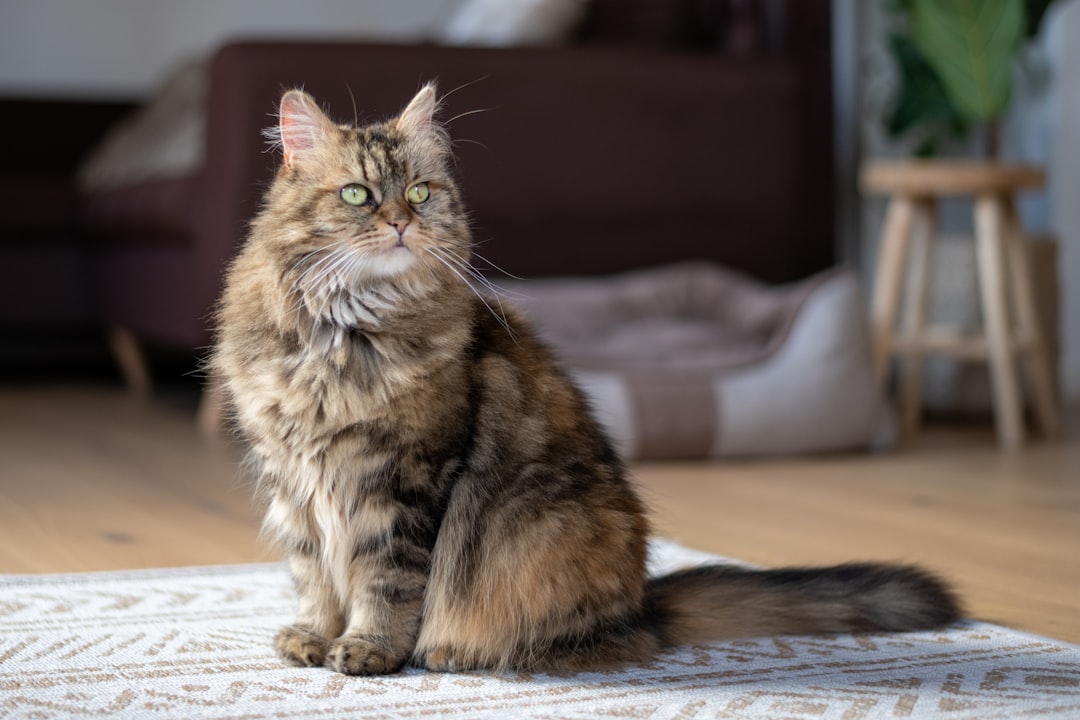
Maine coon cats experience Hypertrophic cardiomyopathy (HCM) which is a common heart disease in this breed that can lead to heart failure. Larger cat breeds, including Maine coons, are also susceptible to hip dysplasia. These gentle giants pay a heavy price for their impressive size through joint and cardiac problems that develop relatively early in life.
Their massive frames put tremendous strain on their cardiovascular system, leading to heart enlargement and eventual failure. Hip dysplasia in such large cats creates mobility challenges that can severely impact their quality of life, requiring pain management and sometimes surgical intervention to maintain basic comfort.
#5 Devon Rex Cats
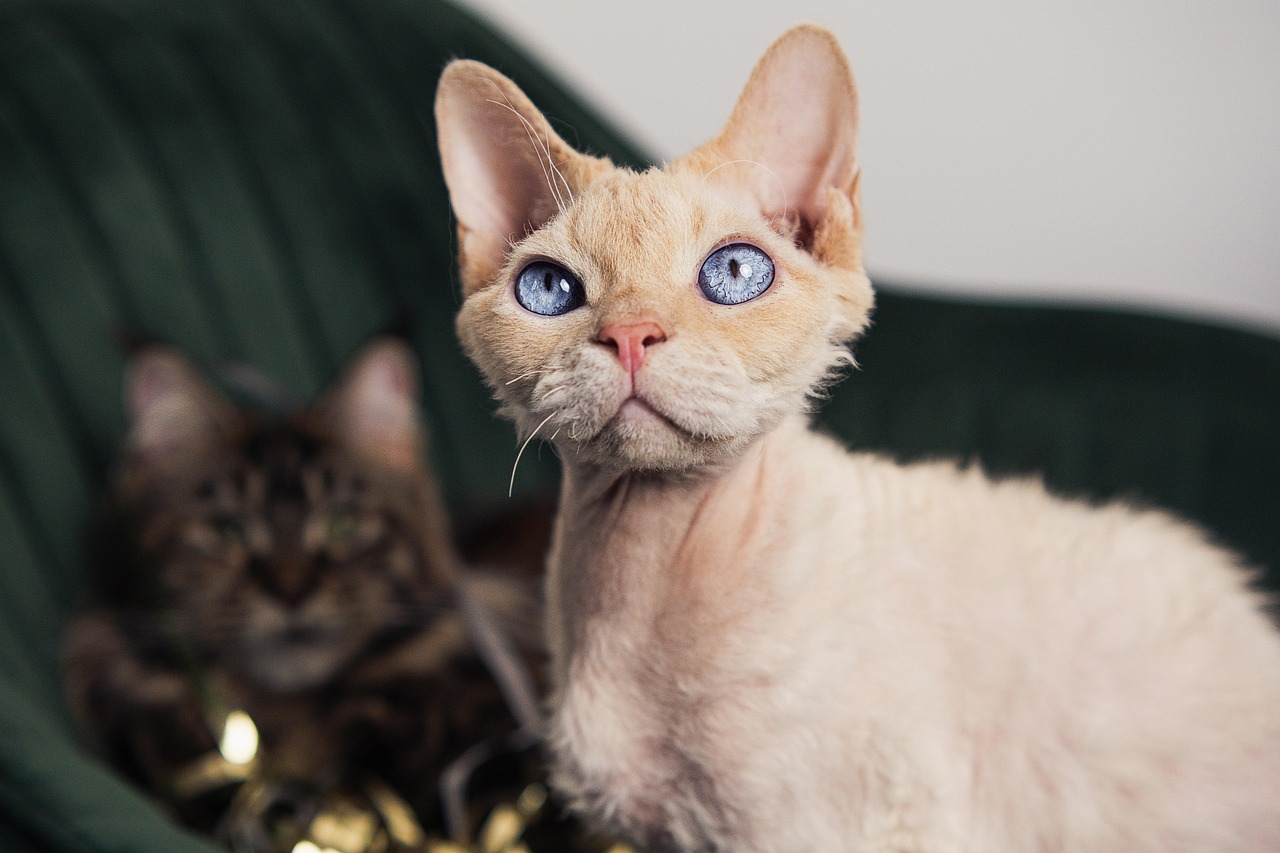
Rex cats are specifically bred to have curly fur. This selective breeding has led to specific health issues, including Devon Rex spasticity (also called hereditary myopathy). This condition makes muscles weak and can be progressive, with outcomes varying among affected cats. The genetic manipulation that creates their distinctive curly coat also destroys their muscle function over time.
The same genetic defect responsible for their charming appearance gradually robs these cats of their ability to move normally. Watching a Devon Rex deteriorate from hereditary myopathy is heartbreaking – their playful nature slowly diminishes as their muscles weaken, ultimately leading to a premature and painful death.
#4 Burmese Cats
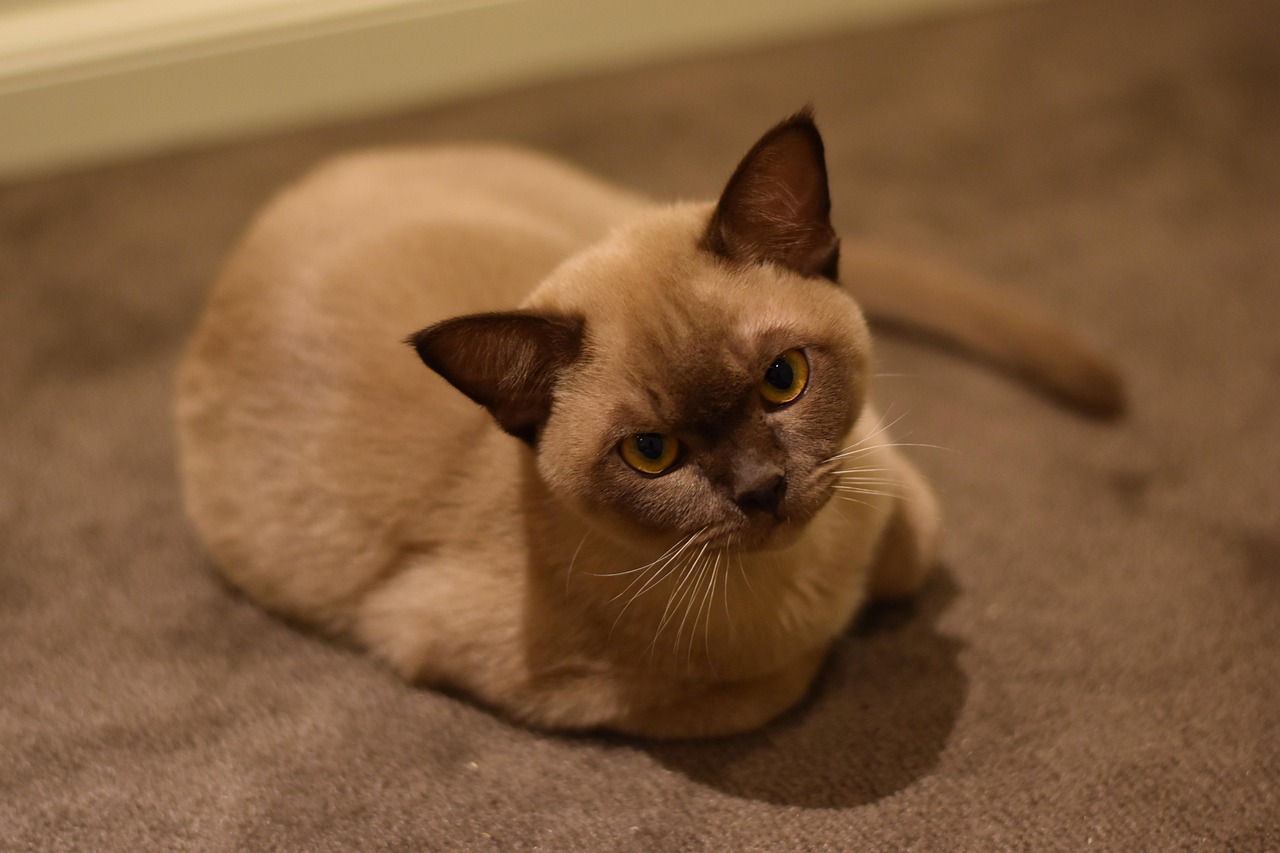
Burmese cats may suffer from feline hyperesthesia syndrome, causing sensitivity to touch or pain. They also have a tendency to develop kidney stones in the urinary tract. These cats live in a world where normal touch becomes painful, creating behavioral issues and stress that affects their entire quality of life.
The combination of hypersensitivity and urinary problems creates a perfect storm of discomfort. Imagine being unable to enjoy normal petting sessions because they cause pain, while simultaneously dealing with the agony of kidney stones blocking urinary flow. This dual burden makes routine veterinary care and daily handling extremely challenging for both cats and owners.
#3 Abyssinian Cats
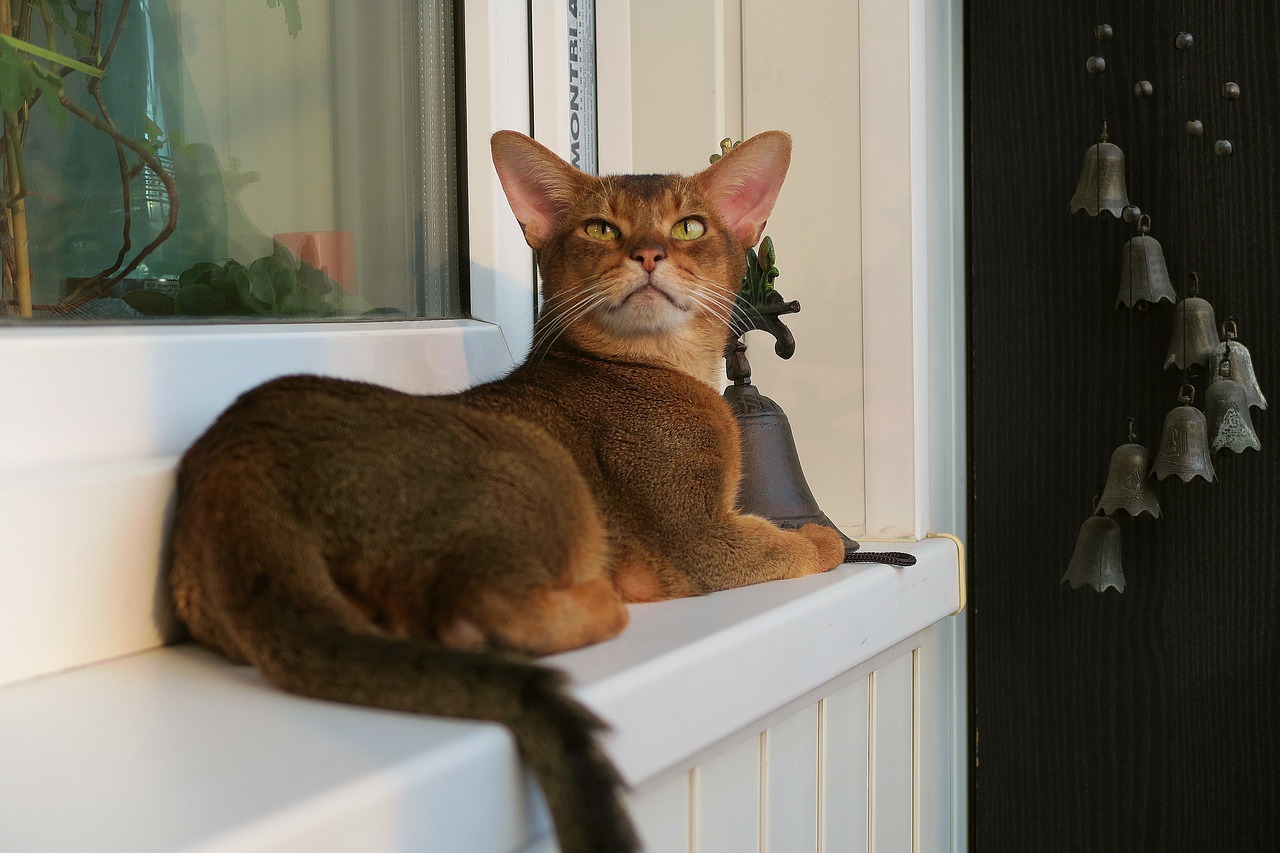
Abyssinian cats have many problems due to a history of in-breeding. They can experience vision, hearing, and dental problems. The narrow gene pool used to maintain their distinctive appearance has created a cascade of sensory and dental issues that compound throughout their lives.
Picture a cat gradually losing their sight and hearing while battling painful dental disease – this is the reality for many Abyssinians. Their inbreeding history means they’re fighting genetic battles on multiple fronts simultaneously, requiring specialized veterinary care and constant monitoring for progressive deterioration.
#2 Cornish Rex Cats
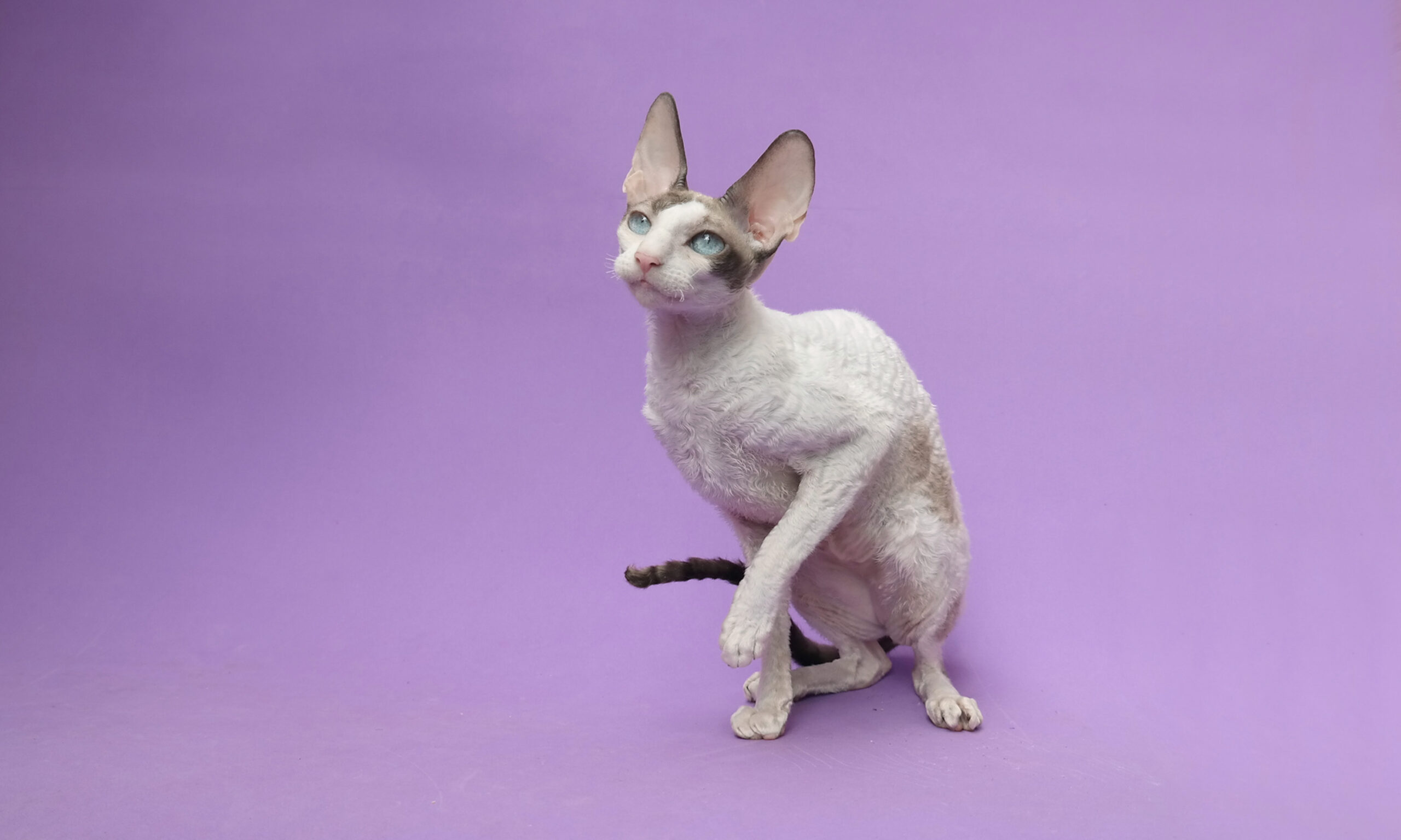
Heart problems, kneecap dislocation, and baldness and umbilical hernia affect Cornish Rex cats. The Cornish Rex breed can be traced back to a single parent animal with an unusual genetic mutation producing a curly coat. This extremely narrow genetic foundation has created a breed riddled with multiple system failures.
The single ancestor origin means every Cornish Rex carries the same genetic vulnerabilities – heart defects, joint problems, and structural abnormalities are common throughout the breed. Their distinctive curly coat serves as a visible reminder of the genetic manipulation that compromised their overall health and wellbeing.
#1 Himalayan Cats
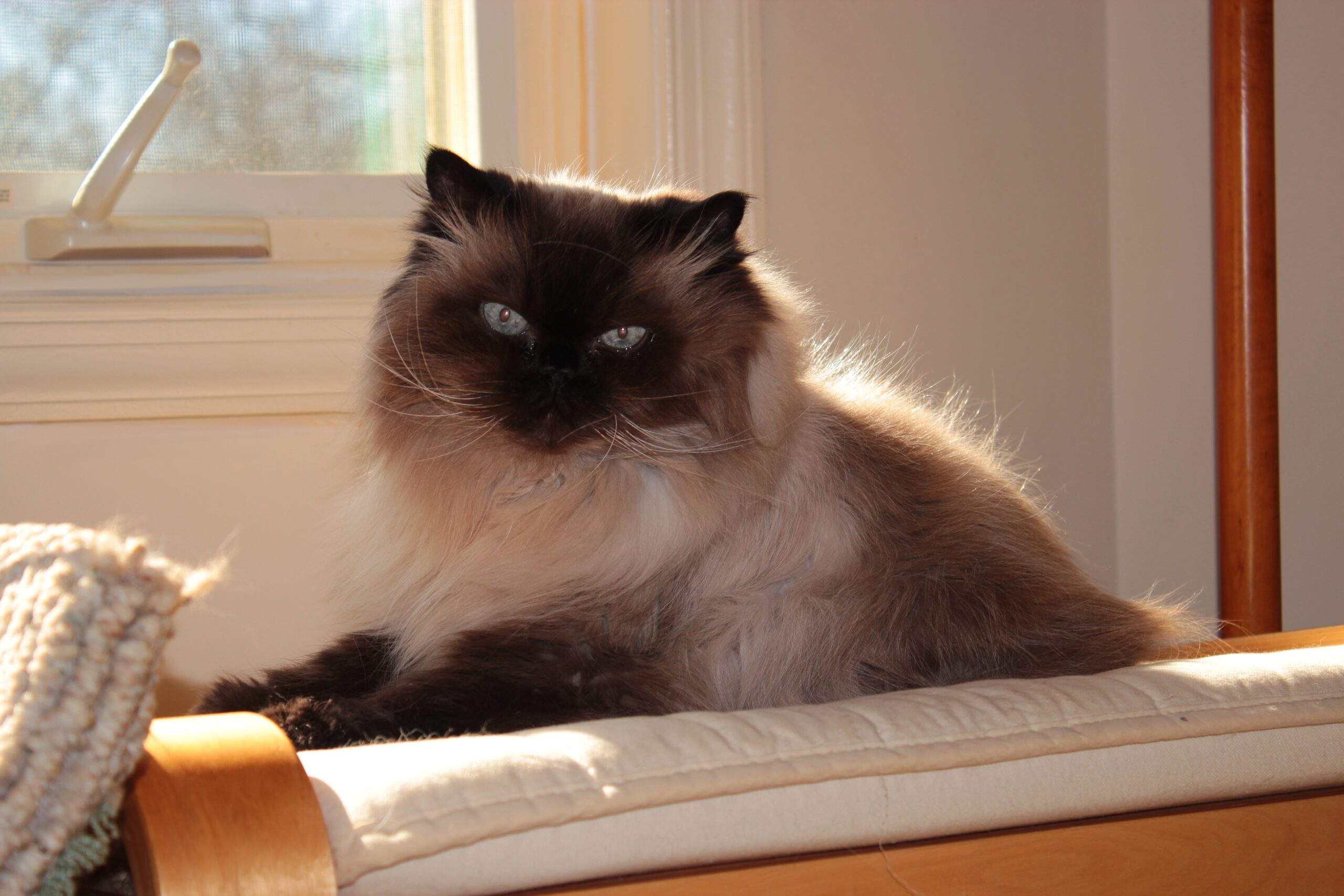
Himalayan cats combine the worst health problems of their parent breeds – Persians and Siamese – into one beautiful but medically challenging package. They inherit the breathing problems of flat-faced Persians while also developing the kidney and neurological issues common in Siamese cats.
Like bulldogs, Persian cats often suffer from breathing issues because of their unique facial anatomy. Polycystic kidney disease (PKD), a genetic disorder that causes kidney cysts to form, is another genetic condition that often affects this breed. Their lovely color points and blue eyes hide a genetic heritage of respiratory distress and progressive organ failure that requires lifelong medical management.
Conclusion
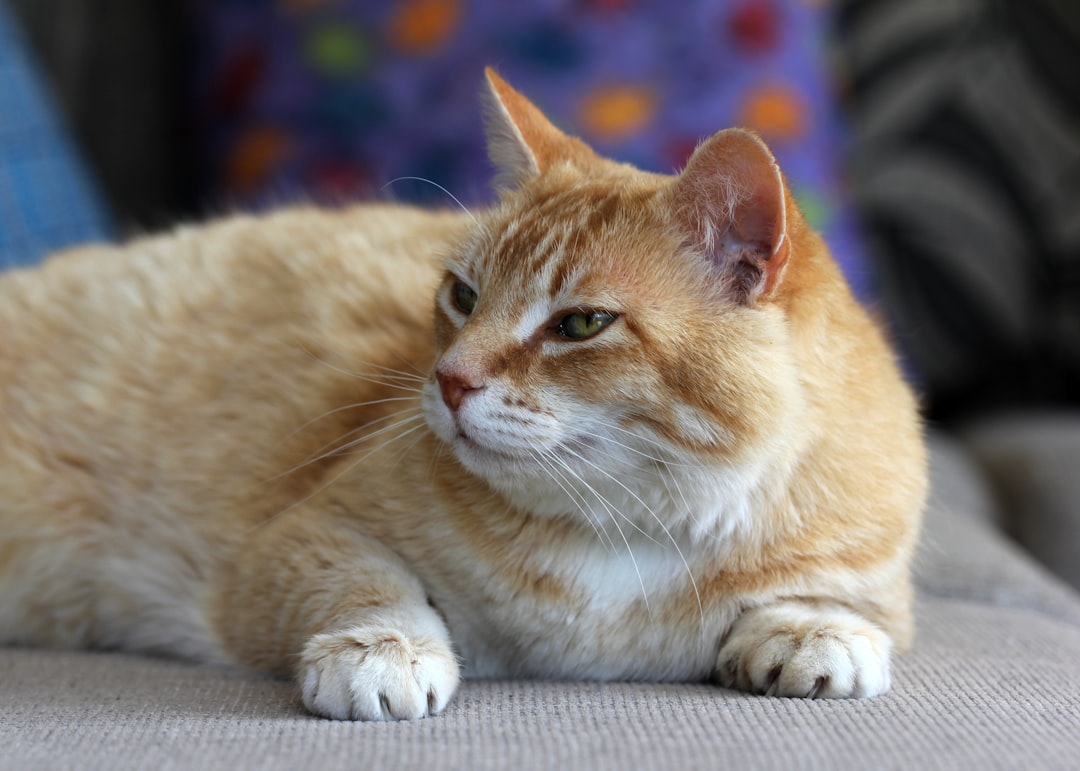
The uncomfortable truth is that many of our most beloved cat breeds exist in a state of chronic suffering that we’ve normalized as “breed characteristics.” Every flat face struggling to breathe, every folded ear hiding joint pain, and every shortened leg destined for arthritis represents a choice we made as humans to prioritize appearance over welfare. Veterinarians don’t share these concerns to spoil your dreams of owning a particular breed – they speak from years of watching cats suffer needlessly from conditions that could be prevented through responsible breeding practices or, better yet, by choosing healthier alternatives.
Instead of contributing to demand for these genetically compromised breeds, consider the millions of healthy mixed-breed cats waiting in shelters. These resilient felines, with their diverse genetic backgrounds, often live longer, healthier lives free from the breed-specific ailments that plague their purebred counterparts. Your next perfect companion might not have a pedigree, but they’ll likely have something far more valuable: the gift of good health and the chance for a truly comfortable life.
What would you choose – a cat bred for looks or one bred by nature for vitality?

As a little kid, I fell in love with nature, wildlife, and animals. Living in the USA, South Africa, Italy, China and Germany gave me the opportunity to discover the world's Wildlife. My favorite animals are Mountain Gorillas, Siberian Tigers, and Great White Sharks.
I'm a certified PADI Open Water Diver, went to Everest Base Camp and Trekked Gorillas in Uganda. I hold a Master of Science in Economics and Finance.
Please send any feedback to feedback@animalsaroundtheglobe.com
- 15 Animals That Have Gone Extinct in Recent History - June 12, 2026
- 15 Unique Horse Coat Patterns and What They Mean - June 12, 2026
- 10 Cool Animals You Can See in Italy - June 12, 2026