
Worried about unexpected vet bills?
Pet insurance can cover thousands in unexpected vet costs. Get a free quote from Lemonade in under 2 minutes.
Get My Free Quote →Sponsored · Opens Lemonade.com
The mystical world of Norse mythology has captured imaginations for centuries, filled with powerful gods, epic battles, and legendary creatures. Yet beneath the surface of these fantastical tales lies something far more grounding. Real animals played crucial roles in shaping Norse beliefs and culture, becoming symbols that carried deep spiritual meaning for the Vikings and other Germanic peoples.
Think about it for a moment. These weren’t just random creatures thrown into stories for entertainment. Every wolf howling in a Norse saga, every raven perched on a battlefield, every serpent coiled around the world tree carried profound significance that reached into the very soul of Norse society. The bond between humans and animals in this ancient culture ran deeper than we might imagine today.
Odin’s Divine Companions
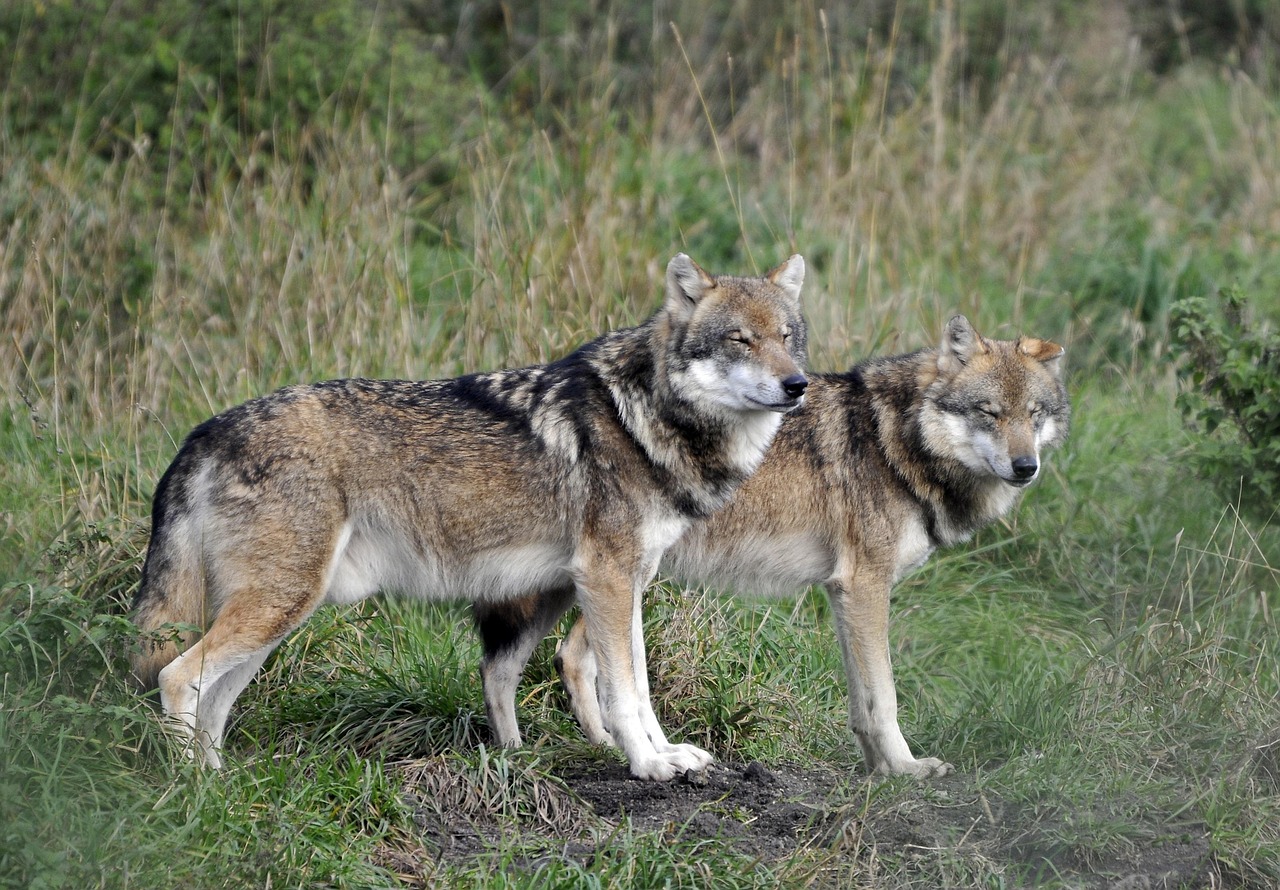
In Norse mythology, Odin was accompanied by two wolves, Geri and Freki, and two ravens, Huginn and Muninn, who perched on his shoulders. These weren’t just pets or symbols. Odin would send his ravens into the world daily to gather information and bring it back to him.
Picture Odin sitting on his throne, these magnificent creatures serving as his eyes and ears across all nine realms. Huginn and Muninn roughly translate to “mind and memory,” flying around the world (Midgard) and bringing him information. Odin gives all of the food on his table to his wolves Geri and Freki and requires no food himself, for wine is to him both meat and drink.
Ravens as Messengers of Wisdom
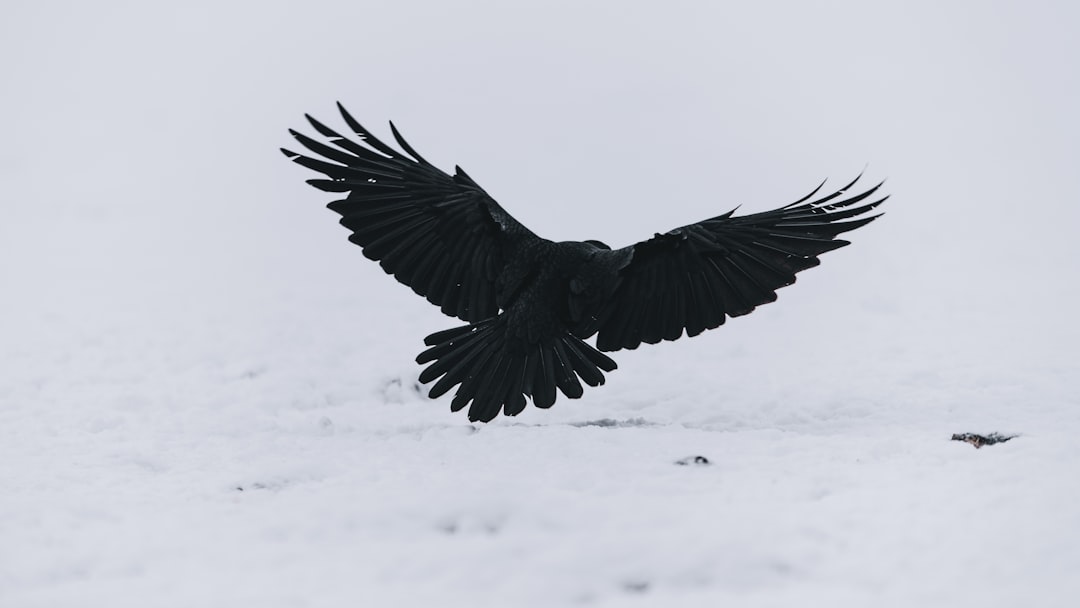
Ravens in Norse mythology symbolize wisdom, knowledge, power, and magic. Ravens were highly revered for their intelligence and were associated with Odin, who was believed to be able to communicate with them and gain knowledge from their travels. These weren’t random associations either.
Ravens are considered one of the most intelligent animals on earth and as totem animals, they symbolized prophecy and a helping hand. The Norse understood something about ravens that modern science has only recently confirmed. These birds possess remarkable intelligence and memory, making them perfect symbols for Odin’s pursuit of knowledge. Ravens were important symbols of memory, reminding people of the past and helping them learn from it.
Wolves as Symbols of Strength and Loyalty
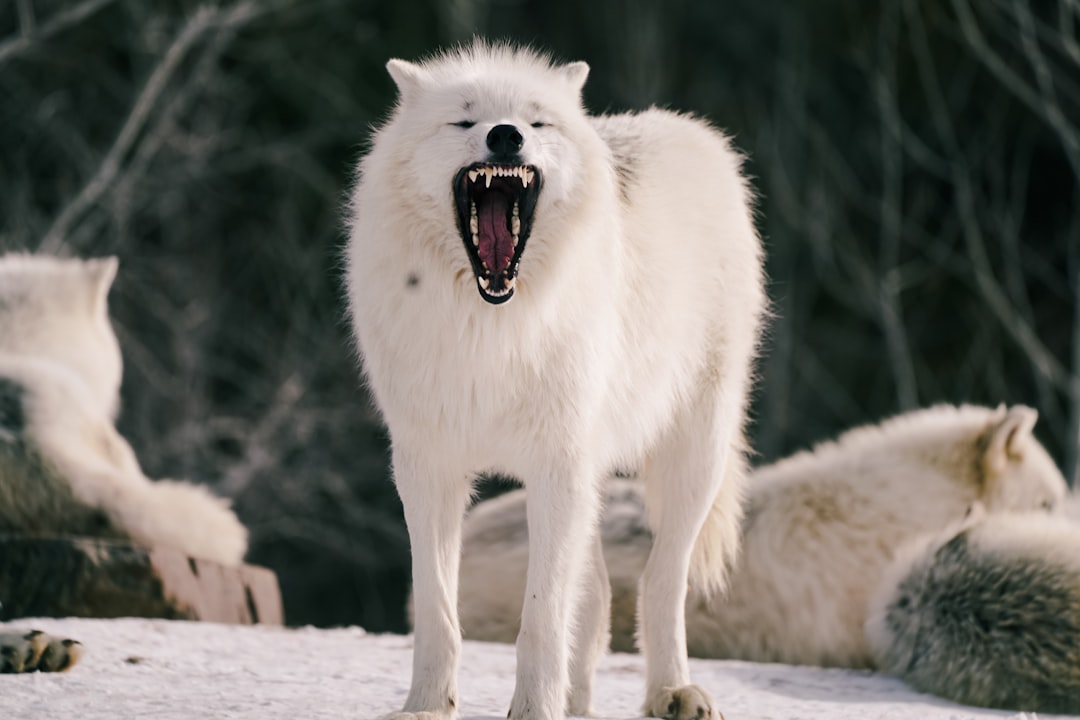
Wolves were seen as symbols of strength, loyalty, and fierce protection, and they were often used in warrior imagery and symbols. Wolves are seen as a symbol of power and loyalty in the Viking and old Norse worlds. Yet they also represented something more complex.
However, they can also be linked to cunning and danger. The name Geri has been interpreted as meaning either “the greedy one” or “the ravenous one” and can be traced back to Proto-Germanic meaning “greedy.” This duality perfectly captured the Norse understanding of nature’s complexity. Wolves could be both protector and predator, loyal companion and fierce enemy.
The Fenrir Prophecy
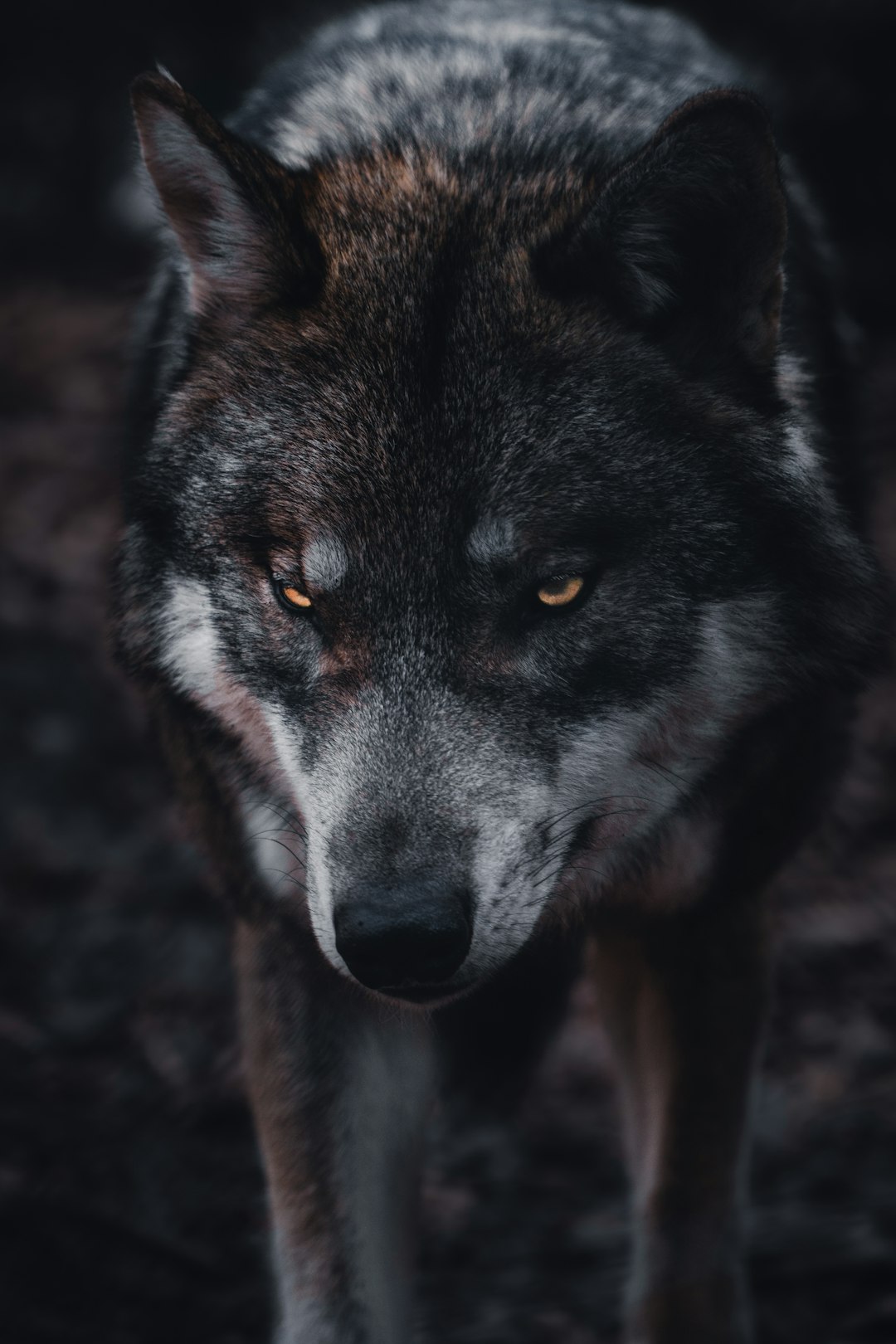
Fenrir is a monstrous wolf in Norse mythology who plays a key role during the events of Ragnarök, where he is foretold to kill the god Odin. Fenrir, along with Hel and Jörmungandr, is a child of Loki and the giantess Angerboda.
This wasn’t just another monster story. Fenrir inspired too much fear in the gods for them to let him out from under their watchful eyes, so they reared the pup themselves in Asgard, with only Tyr daring to approach Fenrir to feed him, though Fenrir grew at an alarming rate. Due to the gods’ knowledge of prophecies foretelling great trouble from Fenrir, they bound him, and as a result Fenrir bit off the right hand of the god Týr when he realized he was trapped, cementing a sense of betrayal and mistrust.
Serpents and the World’s Foundation
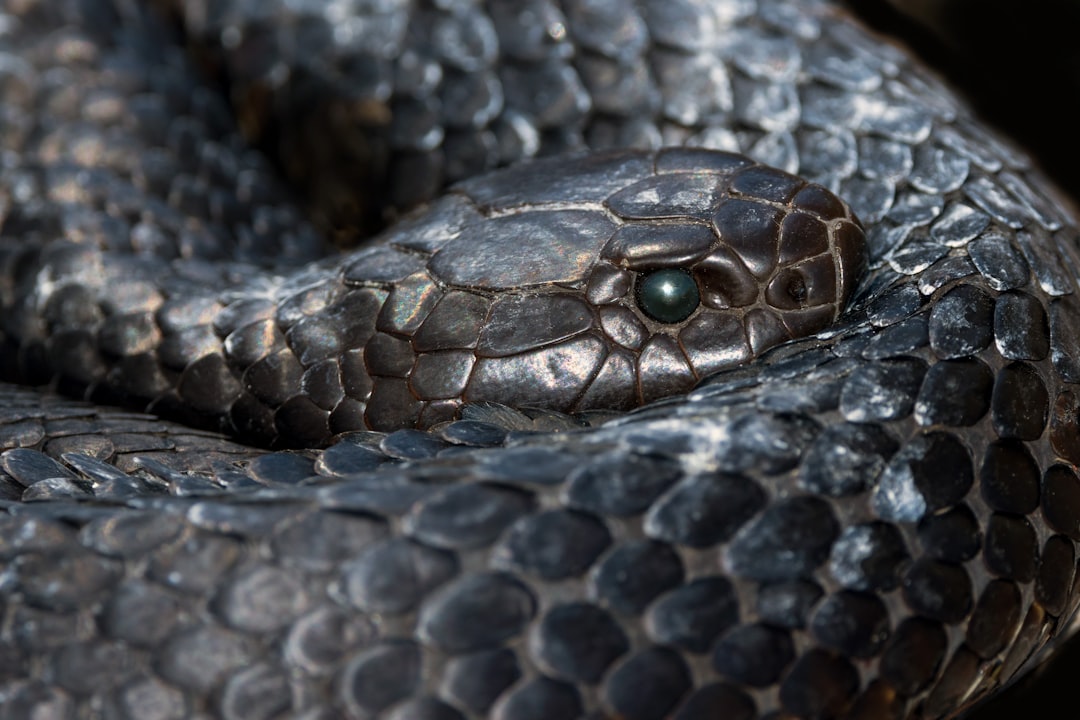
Jörmungandr, also known as the Midgard Serpent or World Serpent, is an unfathomably large and monstrous sea serpent who dwells in the world sea, encircling the Earth and biting its own tail, an example of an ouroboros. Jörmungandr is said to be the middle child of the god Loki and the jötunn Angrboða, and according to the Prose Edda, Odin took Loki’s three children and tossed the serpent into the great ocean that encircles Midgard.
Snakes and dragons were seen as symbols of chaos and destruction, often associated with the god Loki. Yet snakes and dragons were also seen as symbols of transformation and rebirth as they shed their skin and emerged as new creatures. Snakes and serpents almost universally symbolize transformation, rejuvenation, any change in a state of being or consciousness, because of their ability to shed their skin and appear as new.
The Berserkers and Ulfhednar
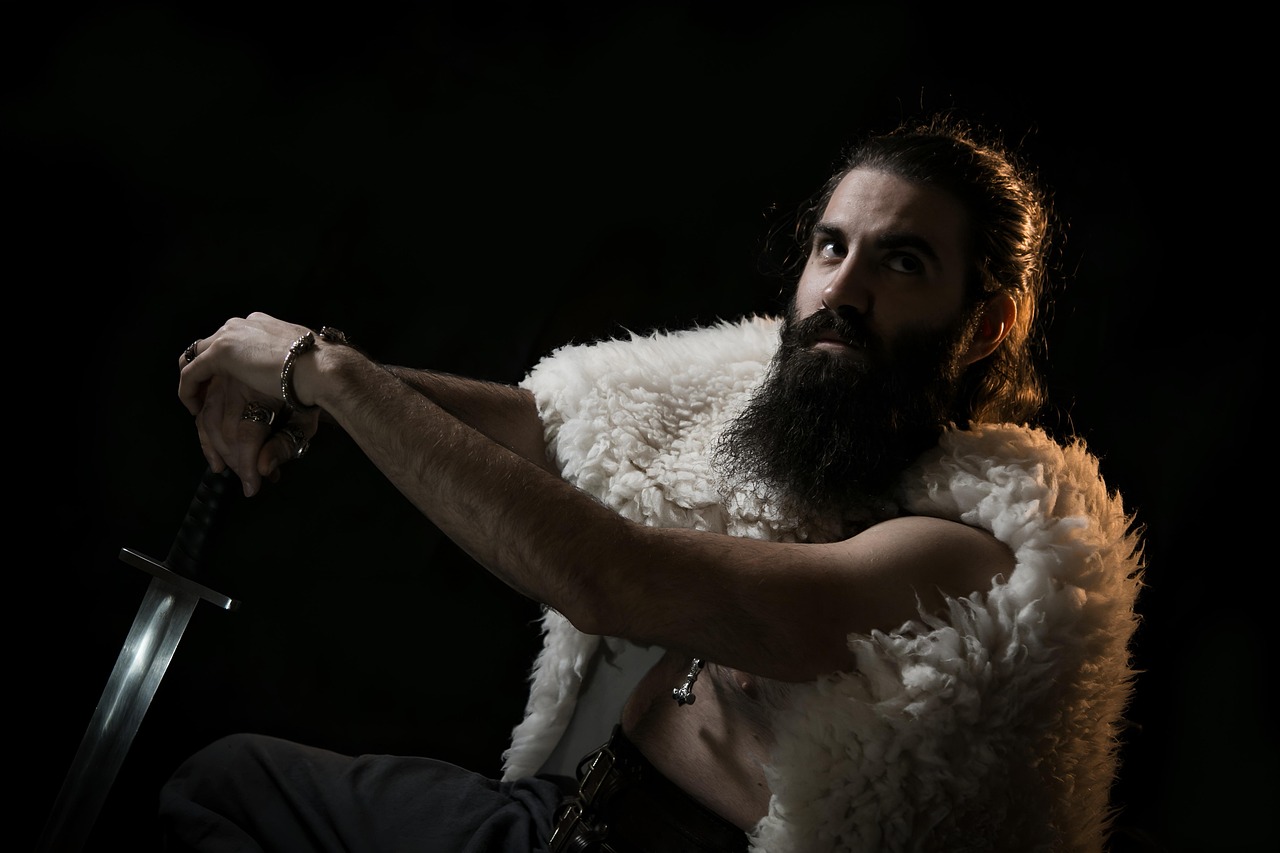
Berserkers wore bear skins, while Ulfhednar wore wolf skins, with the term “ulfhednar” originating from Old Norse “úlfhéðinn,” which translates to “wolf-coat” or “wolf-hide.” In Old Norse, “ulfhedinn” literally means “wolfskin-user,” and Medieval Norse sources describe ulfhednar as falling into a trance in battle, shaking violently and being seized by a furious rage, granting them the ferocity of the wolf.
As warriors who entered a state of frenzied rage in combat, Berserkers and Ulfhednar were seen as embodying the fierce aspects of Odin, with the Berserkers channeling the primal strength of bears and the Ulfhednar channeling the strength and ferocity of wolves. They were believed to acquire unnatural strength and to be impervious to weapons.
Animals as Spirit Guides
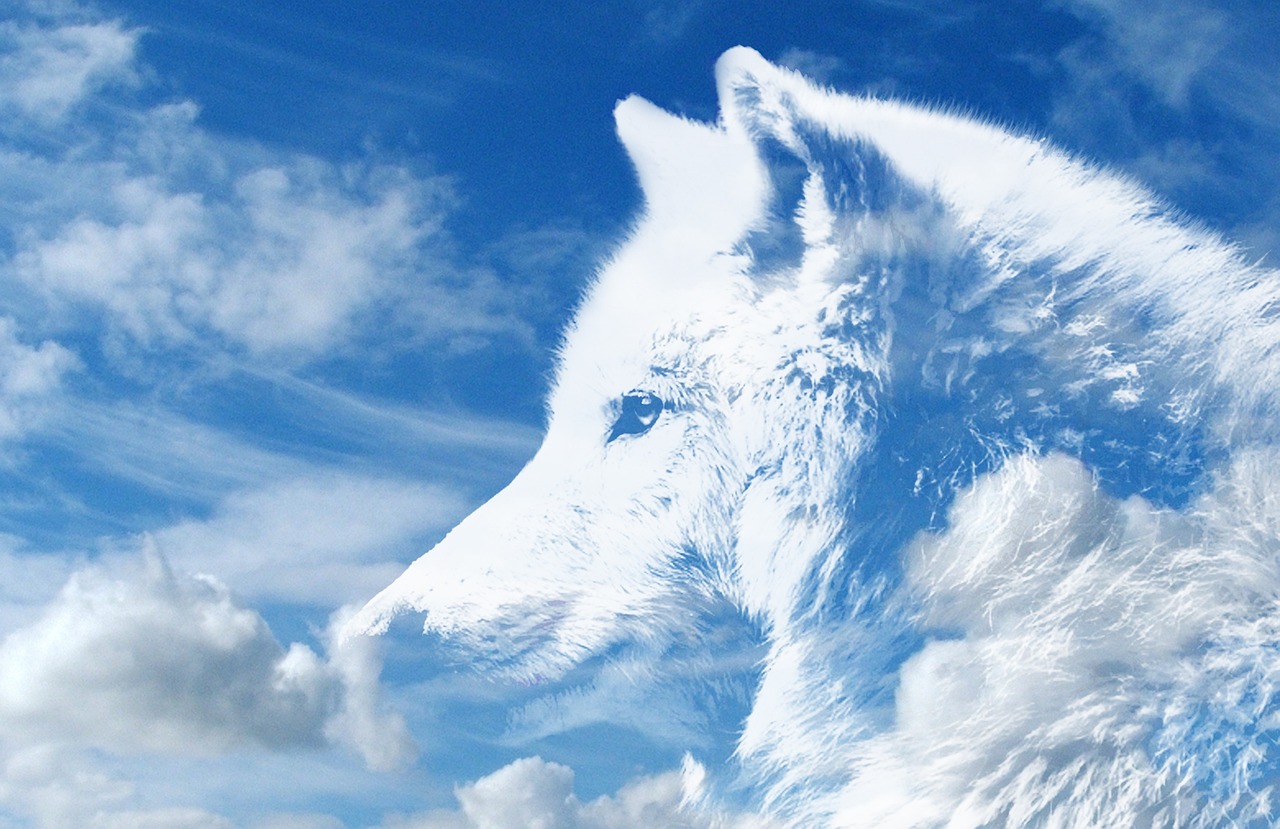
In Norse culture, people held a belief known as Totemism, the belief that each person possessed a totem or spirit animal, which they also referred to as fylgia. The Vikings and old Norse people were perhaps some of the first to explore the concept of “spirit animals,” believing people could take on the qualities of animals, and even crafted jewelry and totems intended to imbue them with strength and wisdom.
In Old Norse mythology, the wolf, as one of the scavengers that would raid a battlefield after the fighting, was seen as closely connected to the god Odin, flanked by the wolves Geri and Freki, and wolves further functioned as embodiments of natural powers, chaotic and destructive forces associated with wilderness, forests and outlands as well as with giants. This connection wasn’t superficial. Scandinavian Iron and Viking Age people had a strong fascination with the wolf and seem to have identified themselves with this animal to a great extent, with wolf symbolism playing a key part in their world perception.
The Living Mythology
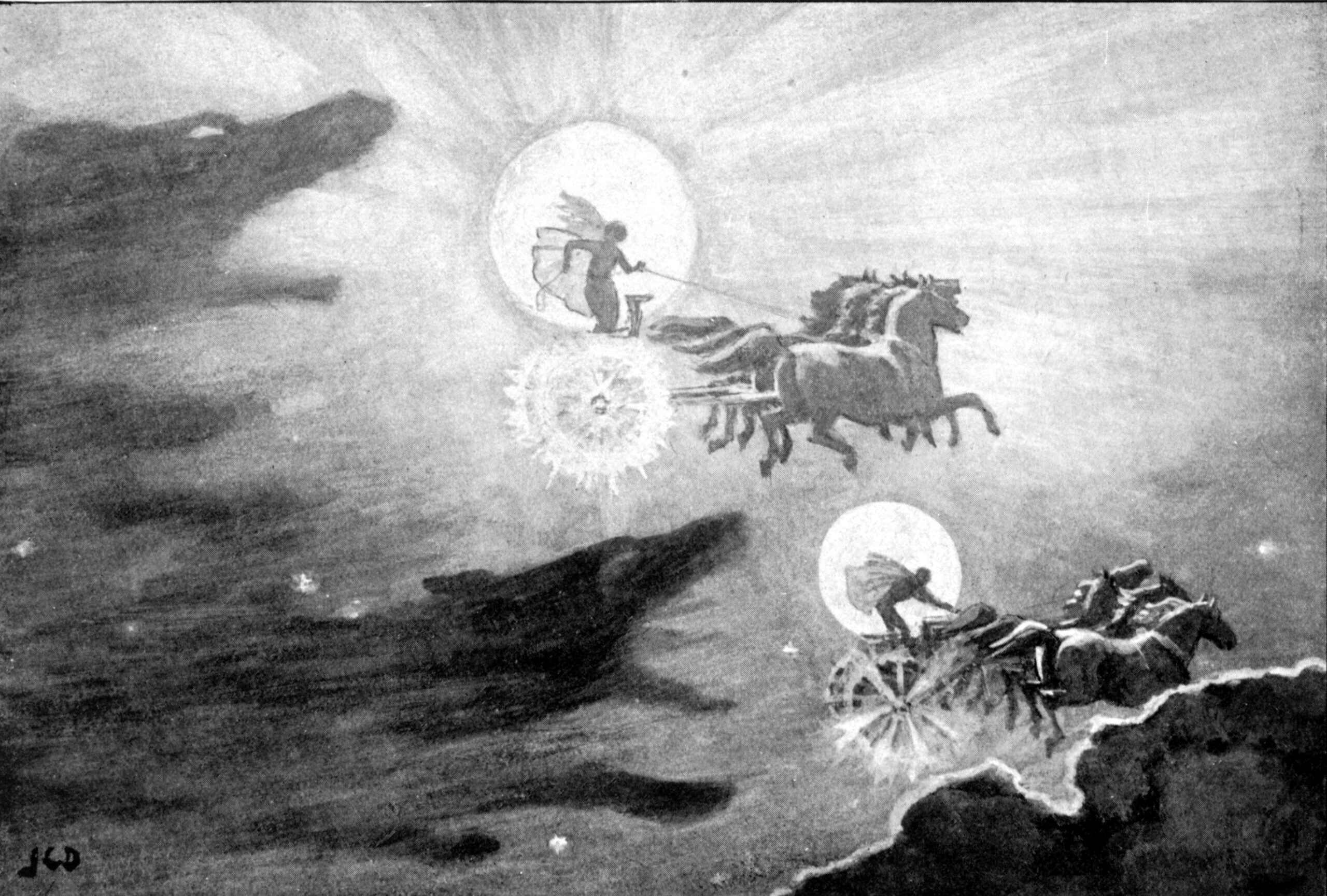
The symbolism connected with animals in Norse mythology may be one of the main reasons why Viking animals were cared for with such respect, as though there is some evidence that Vikings occasionally sacrificed animals to the Gods, they also saw these creatures as partners in their world, with similar intelligence to their own.
These weren’t just stories told around fires on cold Nordic nights. The animals in Norse mythology represented fundamental forces of nature and human psychology that the Norse people recognized and respected. Wolves show their strength and loyalty, while ravens symbolize their wisdom and knowledge, and these animals help Odin watch over the world and make wise decisions, with the wolf and the raven being seen as symbols of protection due to their traits of strength and wisdom.
The remarkable thing about Norse animal symbolism is how it reflects actual animal behavior and characteristics that were carefully observed by ancient peoples. Ravens really are among the most intelligent birds. Wolves really do display incredible loyalty to their pack. Snakes really do shed their skin and transform. The Norse didn’t create these symbols from thin air – they drew them from the natural world around them, finding profound spiritual meaning in the creatures they shared their harsh northern landscape with.
What do you think about the deep connection between Norse mythology and the natural world? The way these ancient people saw divinity and meaning in the animals around them offers us something to consider in our modern, often disconnected world.
Worried about unexpected vet bills?
Pet insurance can cover thousands in unexpected vet costs. Get a free quote from Lemonade in under 2 minutes.
Get My Free Quote →Sponsored · Opens Lemonade.com
